We’re excited to introduce you to the always interesting and insightful Scott Fitzpatrick. We hope you’ll enjoy our conversation with Scott below.
Hi Scott, thank you so much for making time for us today. Let’s jump right into a question so many in our community are looking for answers to – how to overcome creativity blocks, writer’s block, etc. We’d love to hear your thoughts or any advice you might have.
I’ve found that the best cure for any sort of creative block, is to always explore another medium and allow yourself to be free in a different space. For example, a lot of times when I feel stuck writing music, I will go somewhere in town and explore my photography in a new space. Letting my mind focus on a creative task that’s not “the problem” will often loosen my perspective a little and will help the solution come to me. I also spend a lot of time taking classes in other artistic disciplines, and trying to stretch my skillset. I’ll often find that ideas from one will spark an idea in the area that is being blocked. For example, I was struggling to figure out the sound for a new project I was working on, and wound up getting inspired by studying tone painting in photography. The images evoked sounds, which evoked more images, and back and forth until something clicked and I had my answer.
Let’s take a small detour – maybe you can share a bit about yourself before we dive back into some of the other questions we had for you?
I’m originally from Anchorage, Alaska, but I moved to LA at 20 to attend the Los Angeles Film School for cinematography and editing. Since graduating I’ve gone back and forth between LA and Alaska a number of times, getting a BA in Music from the University of Alaska, Anchorage and then studying Film Scoring at UCLA extension program.
Pretty much my entire adult life has been focused on learning and making art in some capacity, which is a difficult road, as anyone could tell you, I’ve struggled a lot with mental illness, clinical depression, anxiety (to the point of agoraphobia for a bit), but I always found a way back to life through art somehow – it was a purpose in a purposeless world. I’ve been fortunate enough (or dumb enough) to find a way to make a living through art and my technical expertise in its creation for a while now. I joke and say that I’m sort of a creative handyman – meaning I’ll never say no to a creative job, and I’ll do whatever it takes to get it done.
For example, towards the start of the pandemic I was offered a chance to create a motion graphic video for a prestigious art museum and had to learn how to make motion graphics after I had already agreed to do it. It was several weeks of YouTube tutorials and panicked forum searches on “how do luminance masks work”, but they loved the piece and I’ve worked with them several times since.
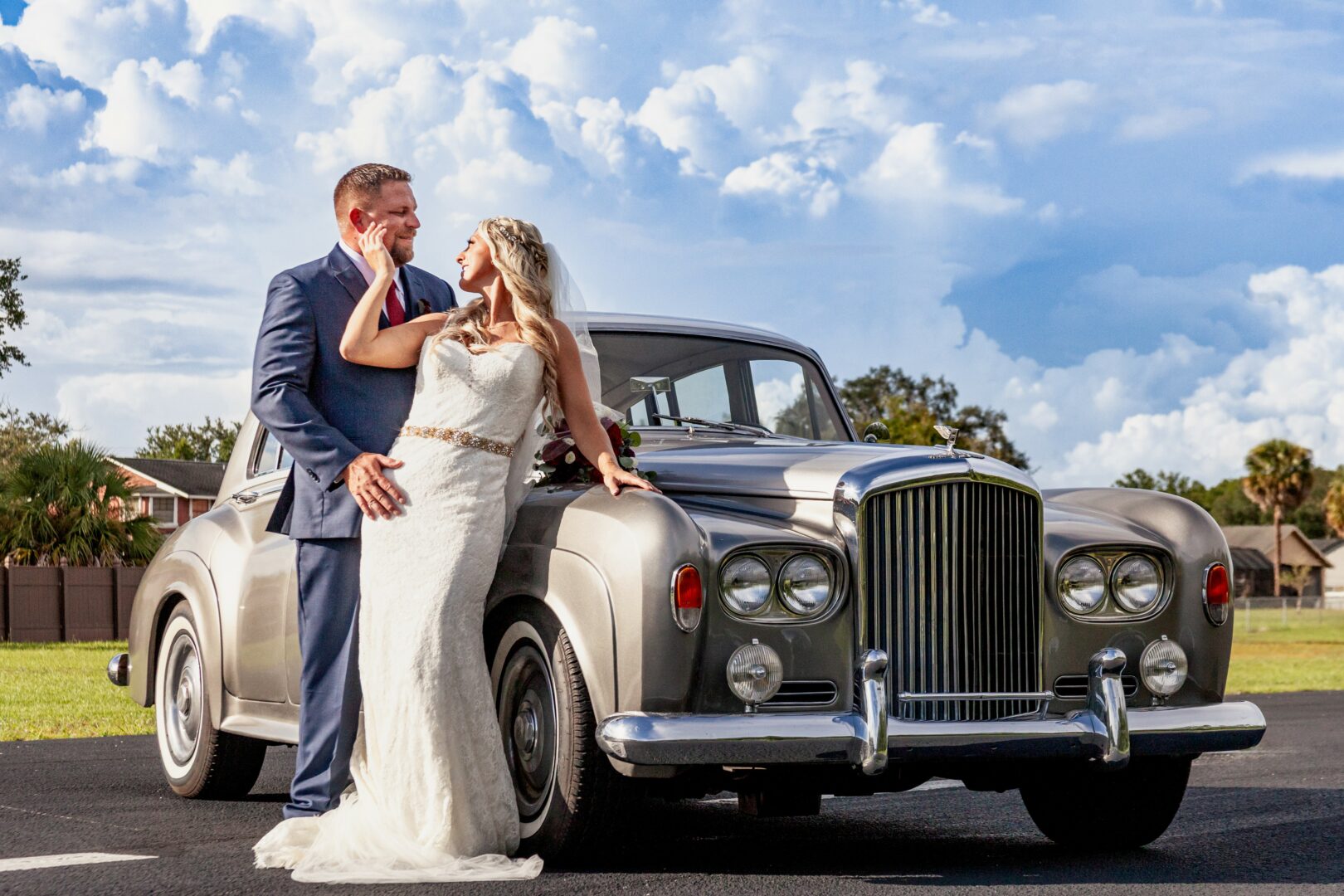
The amazing thing about what I do now is that I get to take on jobs doing a lot of different tasks and challenge myself in so many new and interesting ways: I’ve done photography for weddings, corporate events, sports and music, I got to collaborate with a gallery artist and made a whole album of music to go with a piece of hers for a gallery show in New York, I’ve produced albums for jazz and country artists, conducted and played with orchestras for film scores, directed music videos, shot and edited feature films… and many more creative adventures.
I’m most excited to get back to directing films, though. I have a number of short film and music video projects in development that I’m excited to move forward with. And who knows, maybe direct my first feature sometime in the next few years?
Looking back, what do you think were the three qualities, skills, or areas of knowledge that were most impactful in your journey? What advice do you have for folks who are early in their journey in terms of how they can best develop or improve on these?
The biggest skills I would say to being successful in any industry (but especially entertainment and the arts)
1) Be on time. Being late is a drag for everybody, and in a business like art and entertainment where you constantly have to search for your next gig, you never want to give anyone an excuse to not work with you again. This also means HIT YOUR DEADLINES. You have to develop a mindset of looking down the road from what your job is, because you’re rarely going to be the only one counting on you finishing your work. If you miss a deadline then everyone who can’t start their job until you’re finished is now waiting. I don’t care if the work isn’t perfect. Nobody cares. They want it done, not perfect. So hit your deadlines and show up on time.
2) Be cool. This is tough to define, but it basically means don’t be hard to work with. If you can make people laugh and make them want to be around you, great (as long as you’re not the one telling jokes instead of working). Being someone who people want to see often will get you farther in business than almost anything. Work is long and boring, and people have to be around each other in entertainment for 12 or more hours at a time for weeks on end sometimes. Being difficult and obnoxious, or mean spirited, or someone who brings the vibe down is guaranteed not to be asked to the next gig. Something to think about is to be someone who wants the people they work with to succeed as well. If you support people and make them feel good while they work, they’ll more than likely want you around for the next one. I guarantee a fun person who produces “adequate” work will beat out a jerk who produces “exceptional” work almost every time.
3) Be adaptable. This means learn how to learn quickly. I can’t tell you how many people I’ve seen get sent home because they couldn’t figure out how to “figure it out”. For example I had a tight delivery for a client who needed subtitles added to a 45 minute piece. For some unknown reason, any time an uppercase ‘C’ was used it wouldn’t display in the subtitles. No explanation. (Of course, the whole piece was about China, so an uppercase ‘C’ was in almost every sentence.) There was nobody to solve the problem for me, and no amount of Googling would give me an answer to such a weird problem, so I thought on my feet and replaced every single ‘C’ in the show by hand using an image of the letter on a transparency. It ended up being 178 instances of the letter across the entire piece, it took almost 2 hours by hand, but I managed to just hit the deadline and delivered to the client. Being adaptable and willing to do the uncomfortable task of learning what you don’t know will take you much farther in your career than you might think.
You notice how none of these things has anything to do with your craft? To be successful professionally you need to be competent in your craft, for sure, and always strive to learn how to make better art, but more than that you need to develop a mindset that is focused on getting the job finished. Not perfect. Not amazing. Not life-alteringly beautiful. Finished. And that means hitting deadlines, being on time, being resourceful, and never giving a client a reason to not hire you again.
Unless you don’t want their business… then be a jerk, I guess, I dunno.
Who is your ideal client or what sort of characteristics would make someone an ideal client for you?
The ideal client for me would be someone with a clear vision for what they want. There is nothing worse in this world than someone who has no idea what they want when it comes to creative work. All that guarantees is a ton of wasted effort as you try to help them refine their vision by giving them things they don’t really want but can’t articulate. I get not everyone is versed in every artistic discipline enough to be able to come to the table and say exactly what they’re looking for, but come with something: a mood board, a temp score or playlist, a decorative hat that totally embodies the vibe of the film you wanna make… anything! But please… don’t come with “I have faith you’ll figure it out”… because I won’t at first… or second… or fifth… and by the time we’re done I’ll have made 10 times the amount of material than I should’ve made because you didn’t bring a fancy hat to the first meeting.
Get your hat together.
Contact Info:
- Instagram: @scottness1981
- Linkedin: https://www.linkedin.com/in/scott-fitzpatrick-la/
- SoundCloud: https://soundcloud.com/blastfaxkudosprod


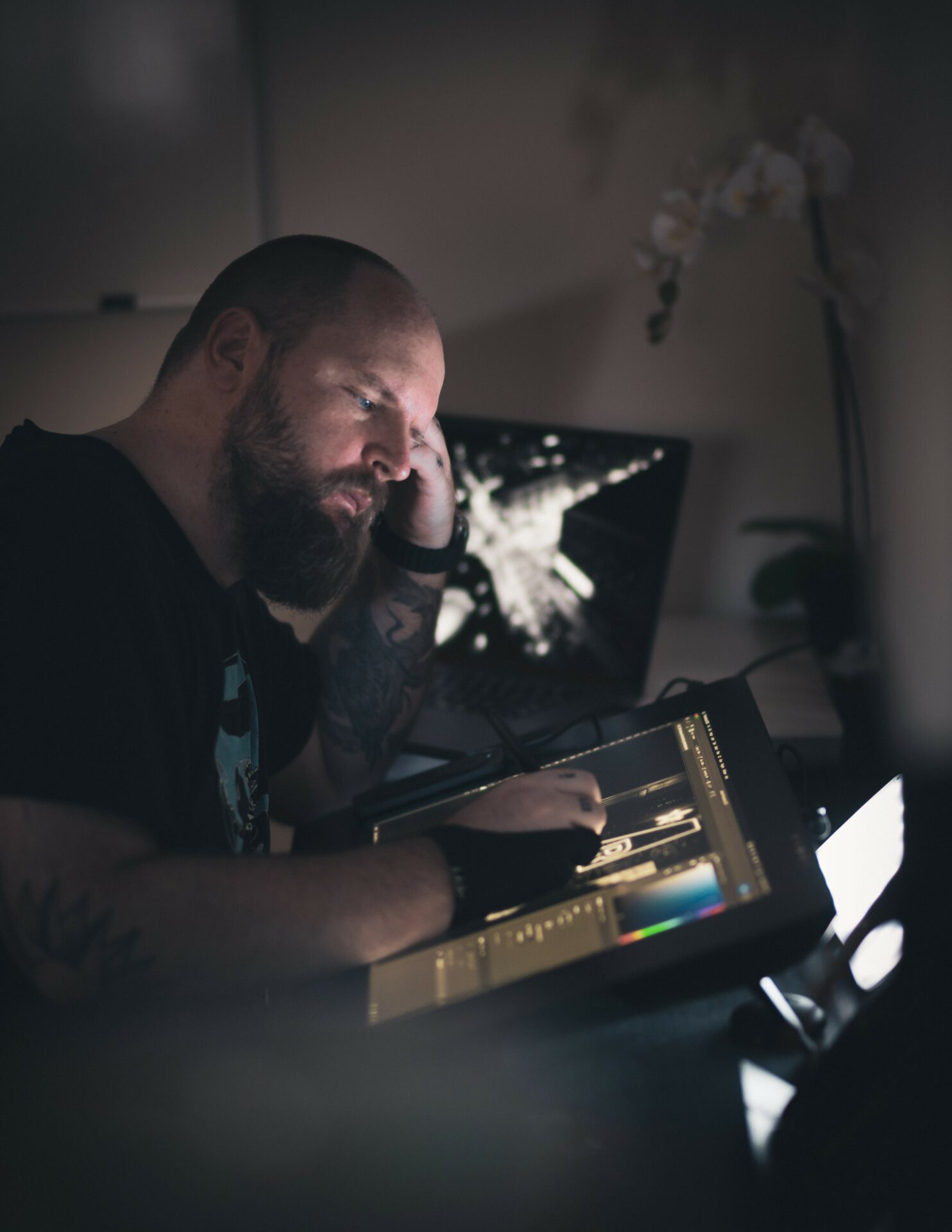
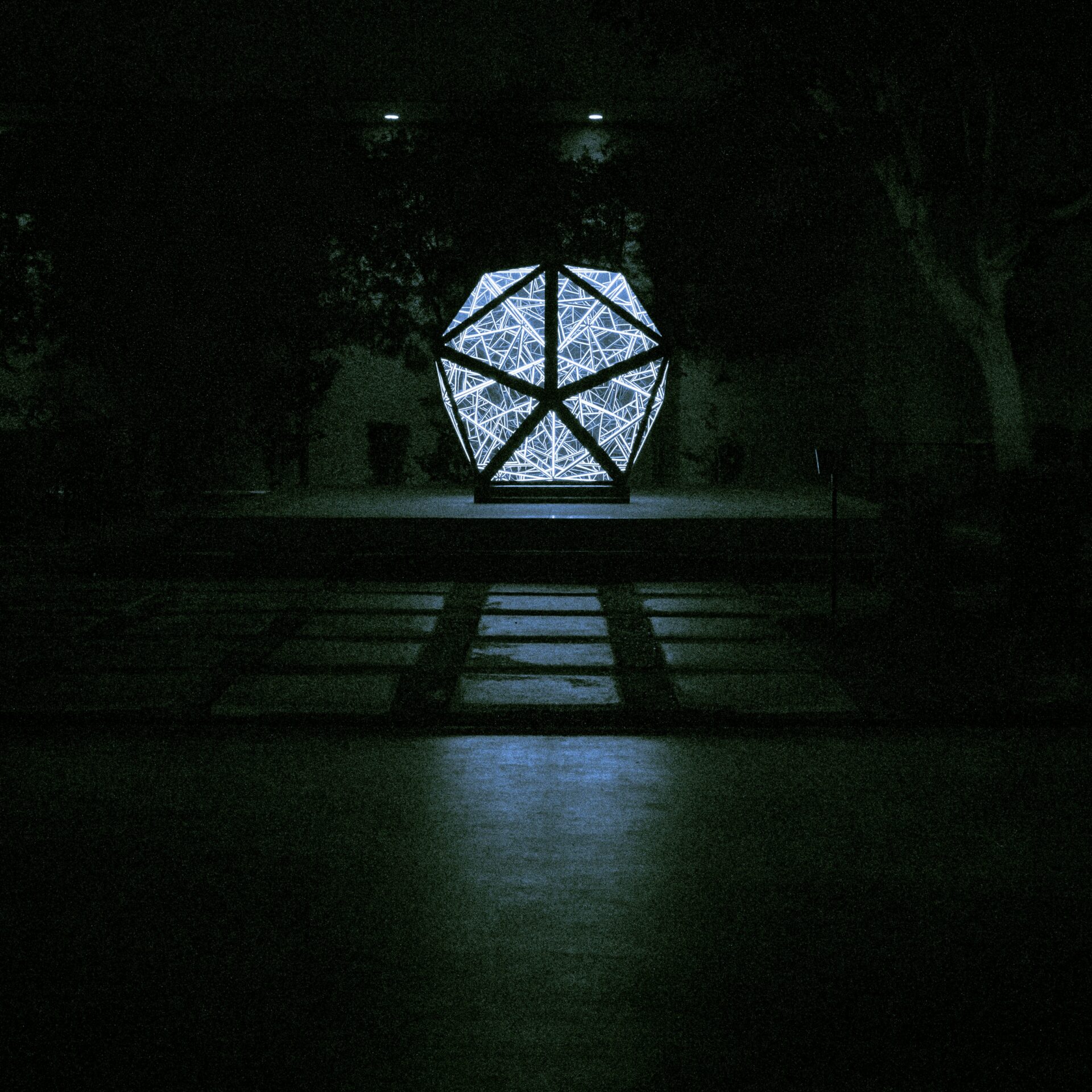
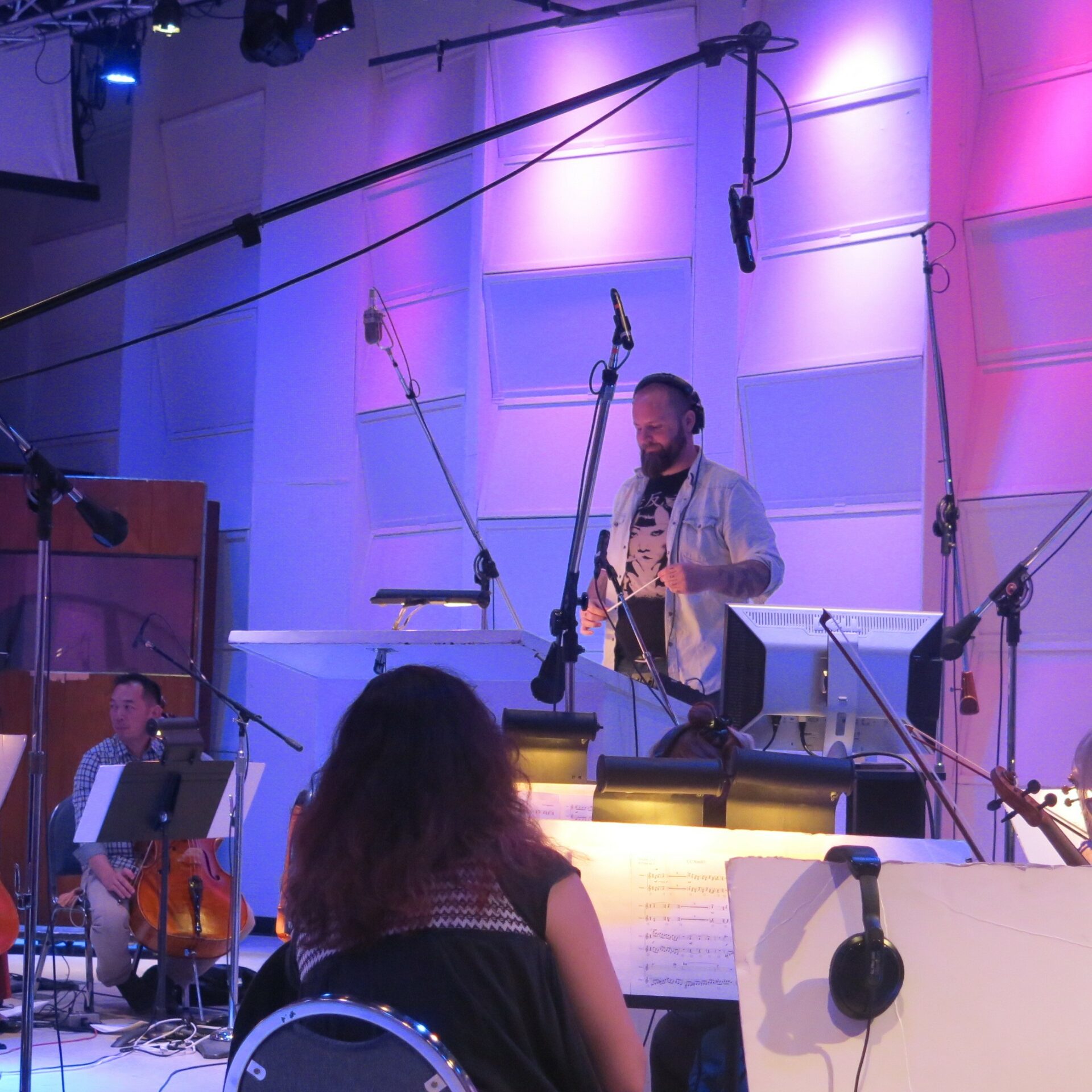
Image Credits
All photos by me