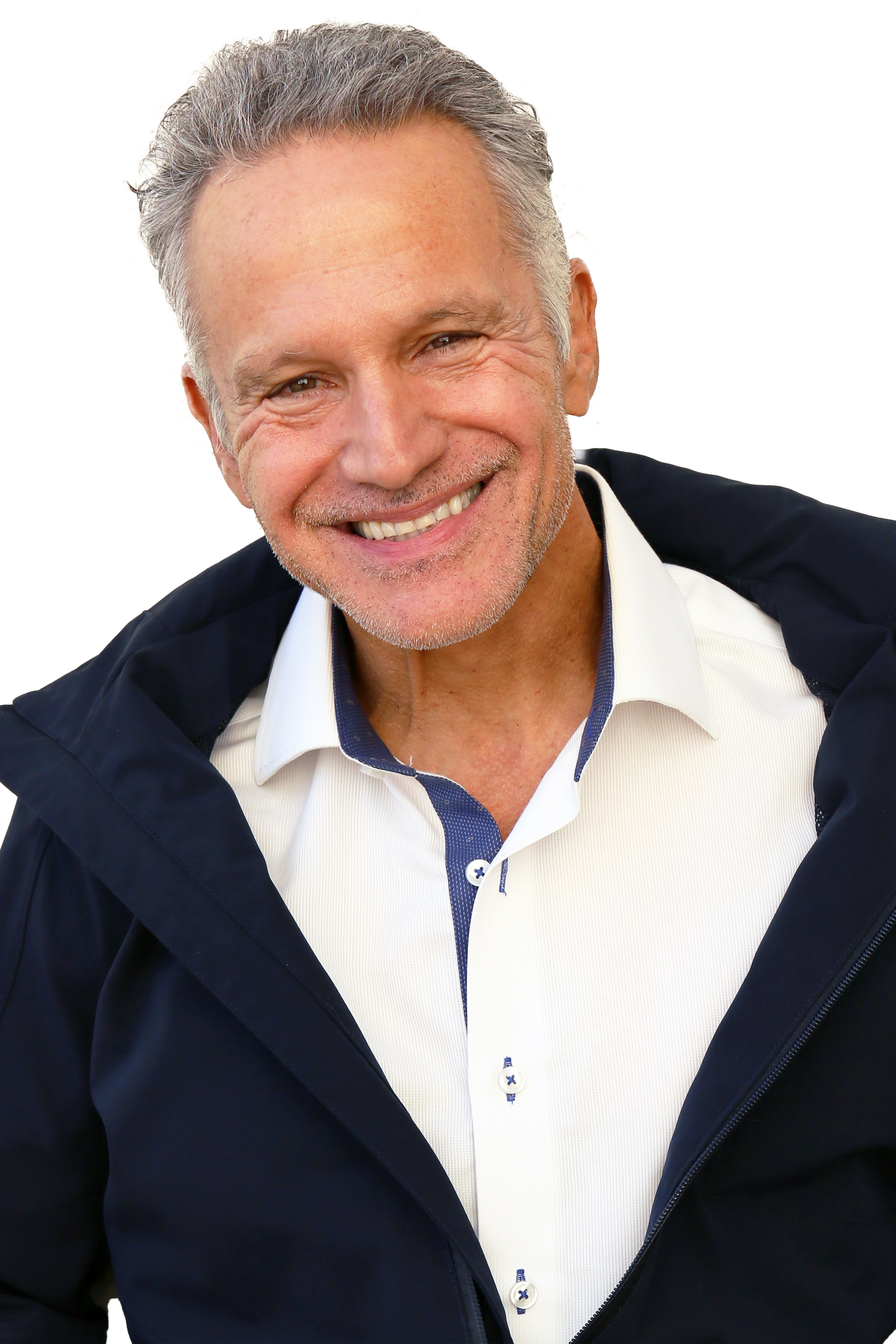
Alright – so today we’ve got the honor of introducing you to SETH AVERGON. We think you’ll enjoy our conversation, we’ve shared it below.
Hi SETH, really happy you were able to join us today and we’re looking forward to sharing your story and insights with our readers. Let’s start with the heart of it all – purpose. How did you find your purpose?
I was recently listening to an audio book summary on DRIVE by Daniel Pink. One of the things he noted in his discussion of Motivation 3.0 is that people are now motivated more by autonomy, mastery, and purpose than they are by the traditional Motivation 2.0 model of rewards or punishment – such as salary or bonuses.
For me, finding my purpose was a journey of discovery. Luckily, I had a great mentor and guide along the way, my mother. My mom was an executive leadership coach, so I had the benefit of going through many, if not all, of her training modules and coaching tools.
To define my pillars of purpose I was first asked to identify the three people, alive or dead, fictional, or real, that I most admired. I chose Daredevil (the blind comic book character), Einstein, and King David. Then I was asked to identify what I admired most about them. For Daredevil it was his willingness to put himself on the line and, despite his disability, fight for what is right. With Einstein it was his creativity, his ability to go places with his mind and postulate theories that were far beyond those of his time. I also liked his slight zaniness and sense of humor. For King David, it was his willingness to stand toe-to-toe against impossible odds, a slingshot versus full armor and weaponry, and still stand his ground and ultimately prevail.
I was also asked about the best day and the worst day of my life as well as the nicest complement I ever received and my proudest achievement.
Once these sections were completed, I started to go through results to look for common denominators. A picture started to emerge. Absolutely, I aspired to the attributes of my three chosen sages, but I also took great pleasure in being a guide. That was it, I was a guide to others. One who could provide counsel and support and encouragement. One who took pleasure in watching others rise and succeed. I have been the center of attention myself many times, and that is fine, but I love mentoring others to get there. I looked at the jobs I had done over the years – swim instructor, cadet drill instructor, personal trainer, martial arts instructor, etc. I guide people. Now, with my work in marketing and brand strategy I guide entire organizations. I love what I do. I love turning chaos into order and direction and watching these companies succeed where before they were floundering. It is exciting for me and deeply rewarding to know that I was part of that turnaround, that new product launch, that refined business plan. I see my good works all around me – continued by those I helped guide.
Please tell our readers about what you do, what you feel is most exciting or special about it, as well as anything else you’d like folks to know about your brand/art/etc. If relevant, please also tell our readers about anything new (events, product/service launches, expansion, etc)
As I mentioned above, I was both a military cadet and a martial arts instructor, so I try to bring that discipline and sense for planning and strategy into my work. Many organizations suffer from “shiny object syndrome” where they are chasing dollars or customers all over and wasting valuable time, money, and resources. Part of my discipline is helping my clients evaluate their options and select the focus or initiative that makes the most sense. Once the initiative is chosen the task is to stay on point and keep everyone and everything focused on that initiative – that means good organizational buy-in, solid communication, and leadership that operates both top-down (executive to employees) and bottom-up (employees to executive).
My work falls into two categories: strategy development and tactical management. On the strategy side, I help clients develop marketing and business plans. On the tactical management side, I ensure that the strategy is executed properly utilizing the client’s in-house resources or by bringing in outside consultants.
When I am not doing traditional marketing work, I still like to mentor. Providing guidance to those who need it. This has become particularly relevant in this new digital age as many up-and-coming executives have not had the benefit of a strong training program. Most organizations are operating off a sink or swim mentality these days and executives are not getting the background or training necessary to grow beyond their current work assignments.
Looking back, what do you think were the three qualities, skills, or areas of knowledge that were most impactful in your journey? What advice do you have for folks who are early in their journey in terms of how they can best develop or improve on these?
The three qualities that have made the most impact in my life are Curiosity, Humility, and Communication.
Curiosity and a genuine eagerness to continually learn and grow has been pivotal in my career. As a marketer I am constantly seeing new technology, processes, and tools for better engaging with audiences. I need to keep a wild-eyed youthful curiosity to be effective and timely in what I do.
Humility should be a cornerstone for all of us. At any given time, I am never 100% sure what programs are going to work and which will fall short. Humility allows me to put my best foot forward, but also to learn and adjust. I always do my best and I always strive to learn and do better with each campaign.
We work, not in a vacuum, but with other people. As such, we need to learn how to communicate effectively. That involves two separate skill sets – active listening and thoughtful dialogue. Not everyone has your motivation or interests, but by understanding the needs of your internal audience (co-workers) you can better work with them and efficiently move projects forward.
My recommendation to younger workers is to cultivate these qualities. They will serve them well.
As we end our chat, is there a book you can leave people with that’s been meaningful to you and your development?
I recommend Extreme Ownership by Jocko Willink. A former Navy SEAL Commander, Willink provides great information on leadership. Some of the key takeaways were:
Extreme Ownership – as the leader you are responsible for everything that goes on with your team/department.
Your ego is your enemy – stay humble.
You need to believe in the mission – or product or marketing campaign.
Keep your communication clearly, concise, and simple.
Lead up and down the chain of command – providing insight and information to both those who report to you as well as those you report to.
Decentralize Command – aka delegate to get the best out of your team and to help them grow as leaders.
Proper planning is key – successful campaigns, product rollouts, etc. start with solid planning and analysis.
Prioritize – there is never enough dollars and/or manpower to get everything done that you want to. Prioritize based on those things that will get you the most positive outcome with the least effort.
Contact Info:
- Website: www.AvergonMarketing.com
- Facebook: https://www.facebook.com/AvergonMarketing
- Linkedin: https://www.linkedin.com/in/sethavergon/
- Twitter: https://twitter.com/AvergonMrktg
- Youtube: https://www.youtube.com/channel/UCyXytKjuOaQzkgbGNL3-fSQ
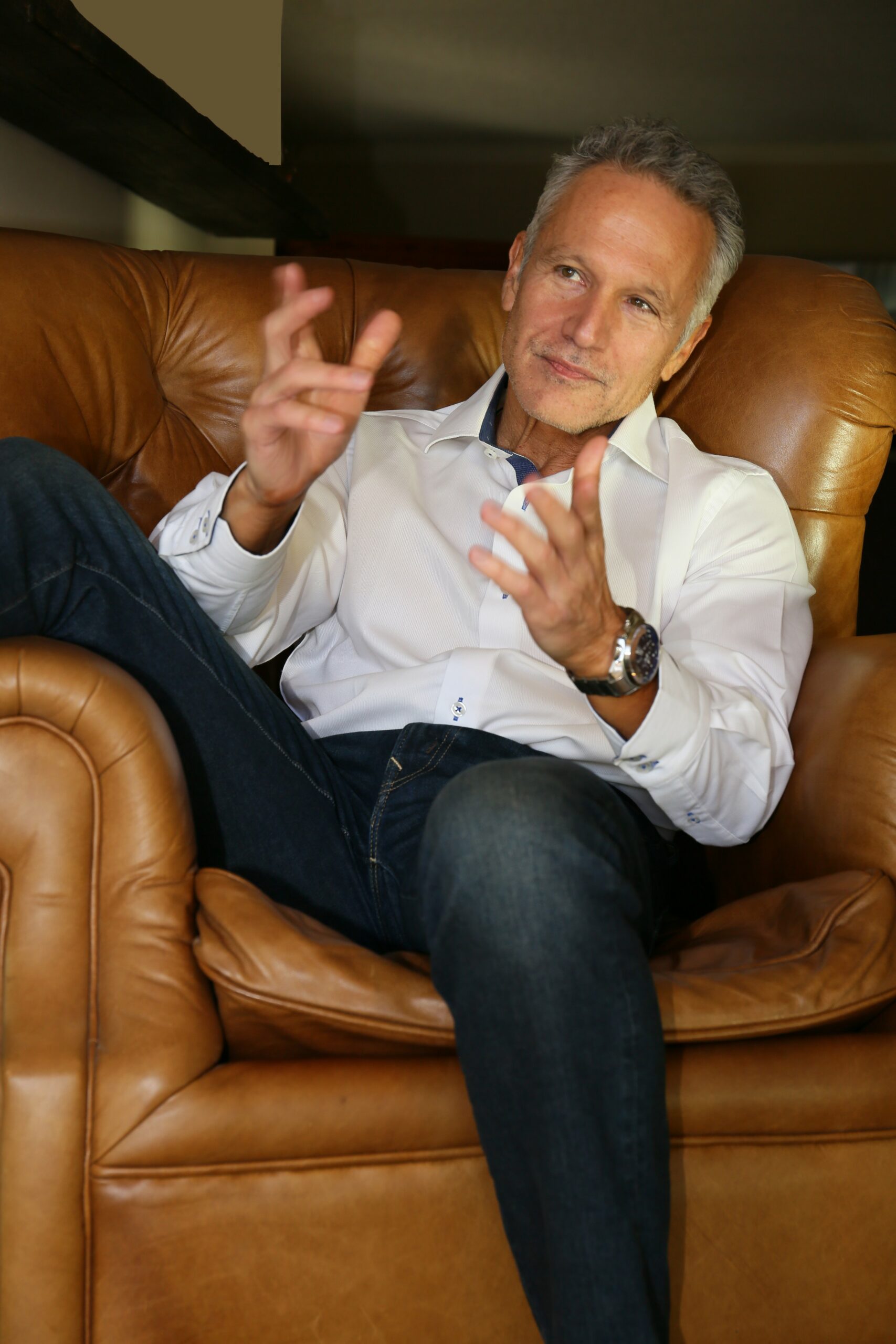
Image Credits
Tim Ricks Photography