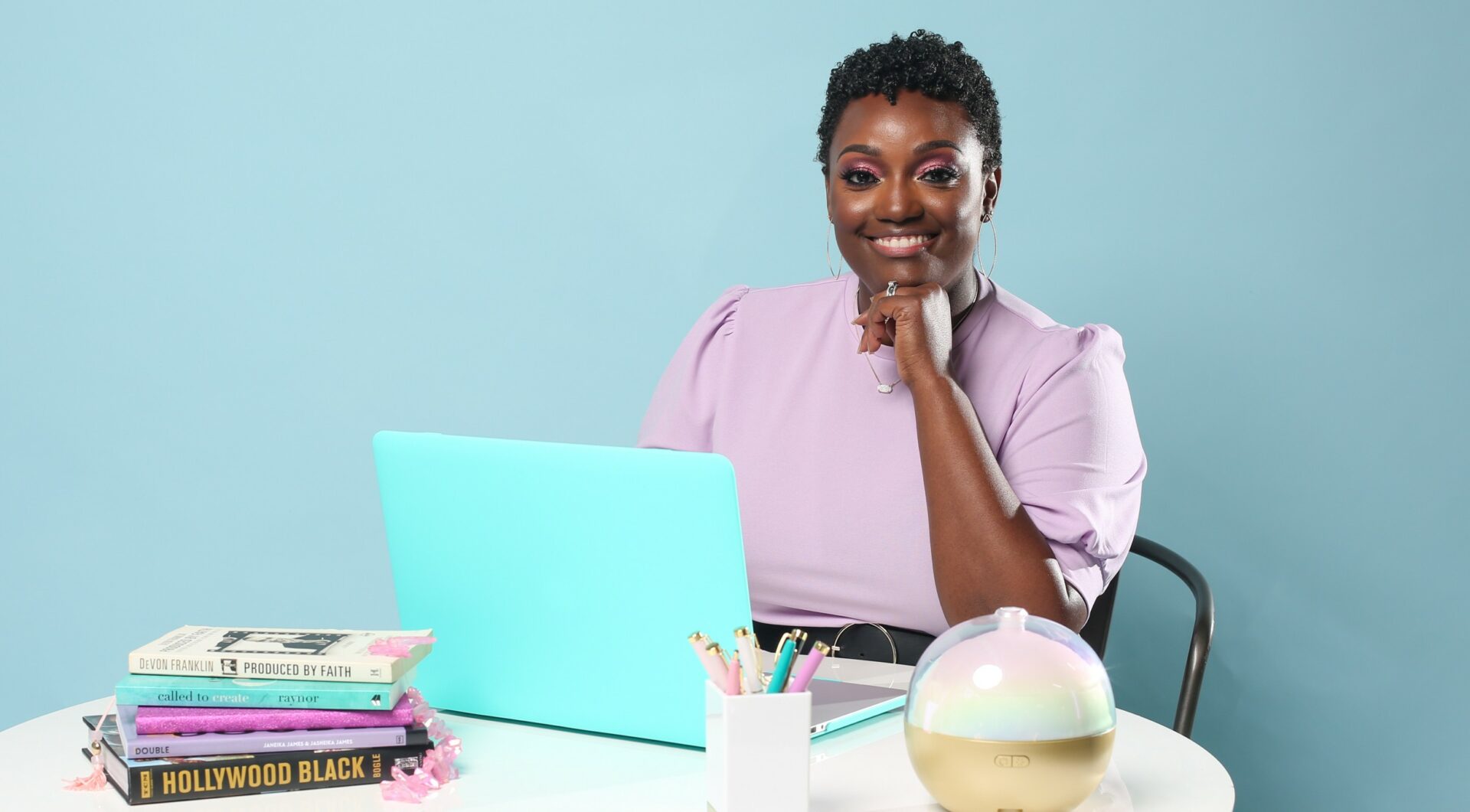
We were lucky to catch up with Sharee Silerio recently and have shared our conversation below.
Sharee, we are so appreciative of you taking the time to open up about the extremely important, albeit personal, topic of mental health. Can you talk to us about your journey and how you were able to overcome the challenges related to mental issues? For readers, please note this is not medical advice, we are not doctors, you should always consult professionals for advice and that this is merely one person sharing their story and experience.
Mental illness runs in my family on both sides, but it was never talked about. Through the silence, I learned that something being “off” should be swept under the rug. As an adult, though, I learned how damaging this mindset and way of operating could be.
After the unexpected passing of my favorite uncle in 2016, I knew that I wanted to be “okay”, and that always meant I was able to go to work, do well in school, and accomplish my goals. So, to cope, I put my “Strong Black Woman” mask on and filled every waking hour I had with something to do. This time, that was a couple part-time jobs, producing a web series, attending a film training program, and more.
A year later, though, all the emotions I had buried beneath keeping myself busy began to make me sick. I found myself overwhelmed with sorrow, lost, and depressed. A conversation with a former friend where I was told “No one has a reason to be depressed” and “You’re ungrateful for being depressed” left me feeling even more alone, misunderstood, and hopeless.
I knew that I couldn’t be the only Black woman trying to be strong, dealing with mental health challenges and feeling shame because of them, so I created a safe space, through my documentary, for Black women to share their truth.
Through making this film, I was able to release and confront the things about mental illness that the world does its best to sweep under the rug. This gave me the courage to start going to therapy, taking much-needed medication, creating self-care rituals, letting go of harmful relationships, habits, and thoughts, and focus on loving myself unconditionally.
My relationship with God has helped the most, as through getting to know the Creator of the universe, I have learned how loved, valuable, worthy, and well-intentioned me and my life are, as I am. I have realized that it’s okay not to be okay, because God just wants me to be real, honest, transparent, and vulnerable.
And this is where healing, recovery when it comes to mental illness begins – radical realism about where we are so we can get where we desire to be. The place where I can be most honest is journaling and telling my story, which has helped me to keep going because I am reminded each time that I am not alone.
Thanks, so before we move on maybe you can share a bit more about yourself?
From documentaries to digital series’ and narrative films, my mission is to use intimate and authentic storytelling to explore the depth, reality, gifts, magic, and beauty of being Black. My dream is to continue telling stories that move audiences to confront biases, cultivate empathy, and encourage vulnerability.
I tell coming-of-age, self-discovery, and real-life stories where Black women and girls exist as full human beings on screen and feel seen, heard, loved, and affirmed beyond the screen.
My desire to make sure Black women and girls feel accepted and valued through my work comes from my personal experiences moving to a predominately white neighborhood after living in a predominately Black neighborhood.
One day, when I was a child, I sat on my parents’ bed, with my eyes closed, reveling in the warmth of the sun’s rays shining on my face. In that picture perfect moment, I was also praying to God, begging for my skin to miraculously become lighter. When I woke up the next morning and looked in the mirror, a knot of anxiety grew in the pit of my belly. I had to survive another day as me.
It didn’t help that a white classmate told me “You’re ugly because you’re black”, or that the kids who looked like me called my “burnt”, “crispy”, and “ugly” among other things. Unfortunately, I received everything everyone said about me as truth, so to protect myself, I withdrew from those around me. Thankfully, I had an outlet.
Watching movies, music videos, and sitcoms became my refuge. Expressing myself through poetry; videotaping myself lip syncing and dancing to my favorite music; reciting monologues on the family camcorder; and recording my sister act out scenes of a horror film I wrote allowed me to be and see myself.
Now, film and television are the outlets through which I express all the things I needed to say but felt like I couldn’t. And my mission is for each of my projects to offer the same for Black women and girls.
When I was in undergrad at St. Louis University, I was the first Black reporter and anchor for the campus TV news program, and my interests in writing and film merged when I took film classes and wrote my first screenplay. After Graduate school, I became an intern at STL TV, where I was quickly promoted to a producer and helped write and launch an entertainment news show.
A few years later, I was selected out of over 100 applicants to participate in Continuity’s inaugural media training program, where I produced several three-to-four-minute short documentaries.
One of the short docs I created as a participant in the cohort – “The Mountains That Made Me” – was selected for the 18th Annual St. Louis Filmmakers Showcase plus invited to screen at the 27th Annual St. Louis International Film Festival as part of the Doc Shorts: Black Voices line up.
After graduating from Continuity’s program, I worked as a Production Assistant on projects such as “Rhythm and Flow” (Netflix), “The Disappearance of Phoenix Coldon” (Oxygen), “Hart of the City: St. Louis” (Comedy Central), “The Busch Family Brewed” (MTV) and more.
I am most proud of my first crew-produced, crowd-funded documentary, a short about mental health titled “Black Girl, Bleu”, was completed in 2020. It was selected to screen at film festivals across the U.S., including the African American Film Marketplace and S.E. Manly Short Film Showcase, the Denton Black Film Festival, The Micheaux Film Festival, the BronzeLens Film Festival, and the Imagine This Women’s International Film Festival.
“Black Girl, Bleu” has won multiple film festival awards, from Outstanding Special Programming (The Micheaux Film Festival) to Best Mental Health Promotion (Believe Psychology Film Festival), and an Audience Choice Award for Best Documentary Short (St. Louis Filmmakers Showcase).
If you had to pick three qualities that are most important to develop, which three would you say matter most?
The three qualities that have been most impactful in my journey are (1) developing and exercising faith, (2) a willingness to start over and be a “beginner”, and (3) speaking my dreams out loud.
Advice that I have for those who are early in their journey is to get to know who you are; get clear on why your dreams are what they are; don’t let anyone tell you that who you are is not enough or doesn’t “fit in” with the vision you have in your heart when it comes to what you dream is.
Additional advice would be to focus on your own path because everyone’s journey will look different. Be grateful for your path. Uplift and encourage others throughout their journeys, and always be open to learning something new.
Dream as long, wide, and high as you can, then do what you can daily, weekly, monthly, to take steps to bring it to life. And never EVER give up!
Okay, so before we go we always love to ask if you are looking for folks to partner or collaborate with?
Yes, I’m always looking for people to partner and collaborate with. The types of people I would love to work with are self-aware, create from their heart, want to see Black women and girls expressed in a multi-layered, vulnerable, authentic light through film and television, and have a mission to change the way Black women and girls are perceived, treated, and understood in society at large. If you would love to work together, you can connect with me at shareesilerio.com/contact.
Contact Info:
- Website: https://shareesilerio.com/
- Instagram: https://instagram.com/ShareeSilerio
- Facebook: https://www.facebook.com/ShareeSilerio
- Linkedin: https://www.linkedin.com/in/shareesilerio/
- Twitter: https://twitter.com/ShareeSilerio
- Youtube: https://www.youtube.com/@shareesilerio
- Other: Sign up for the Black Girl, Bleu newsletter at blackgirlbleu.com! https://www.facebook.com/BlackGirlBleu https://www.instagram.com/black.girl.bleu/ https://www.tiktok.com/@blackgirlbleu https://www.youtube.com/@blackgirlbleu
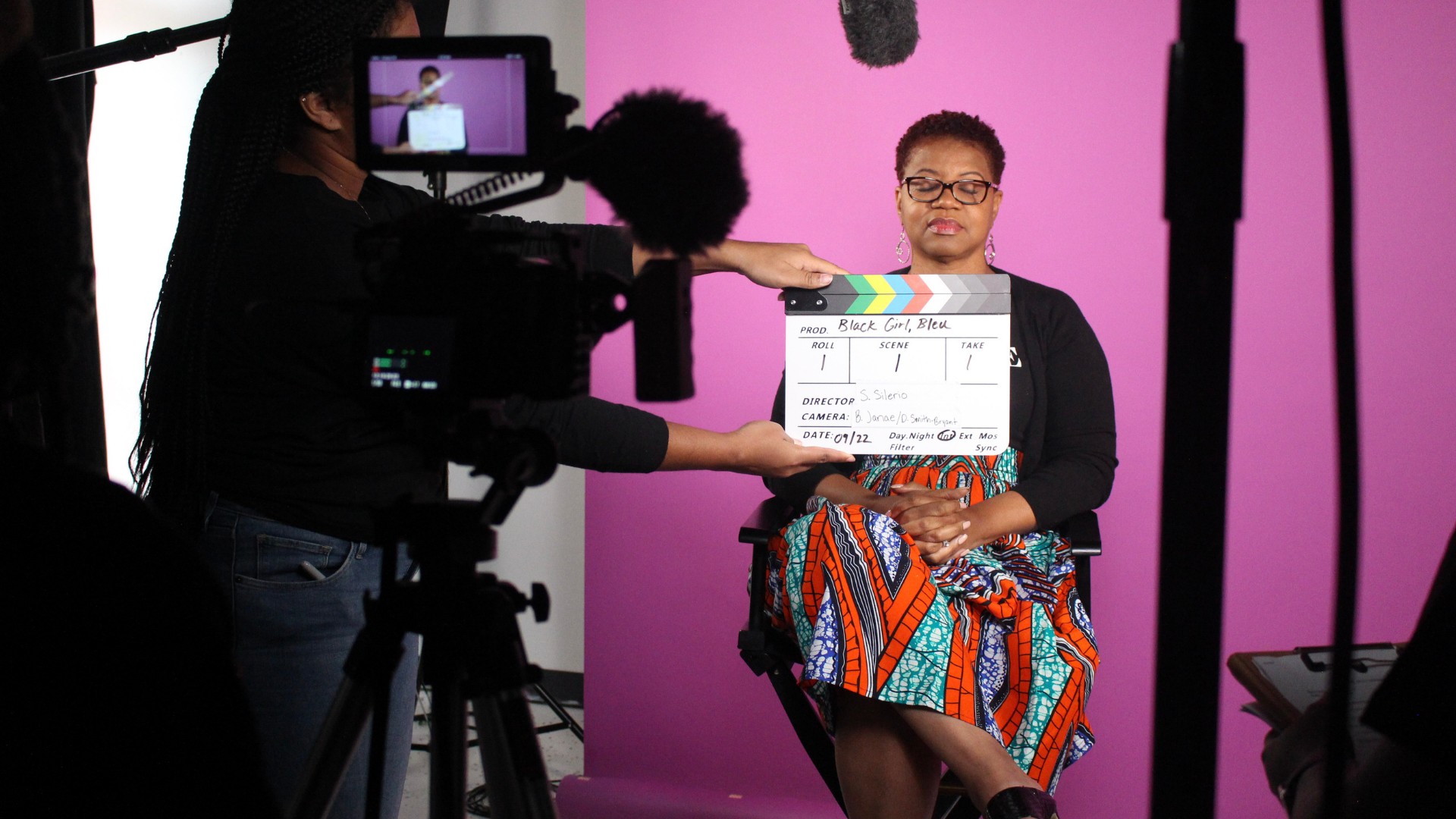
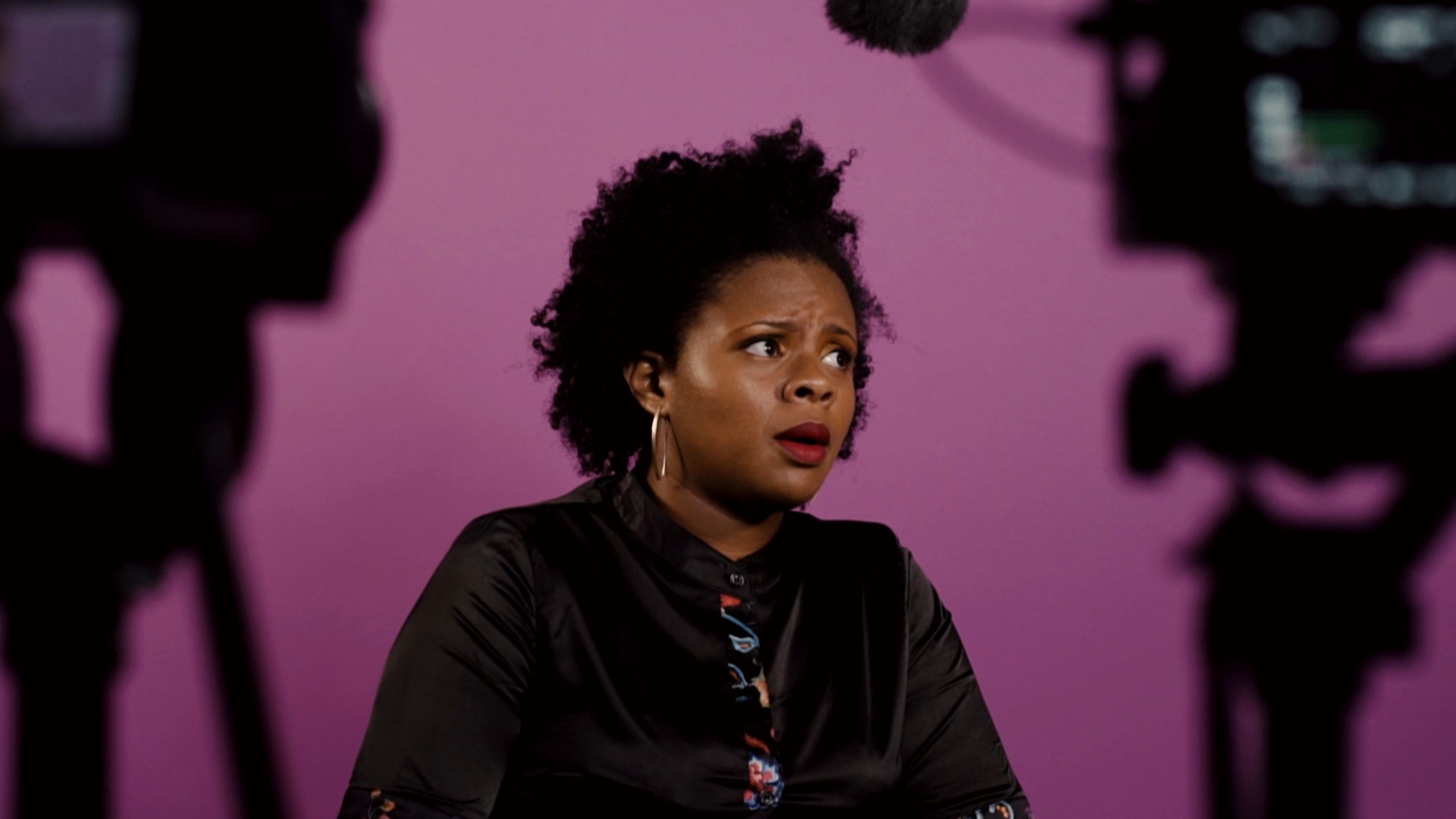
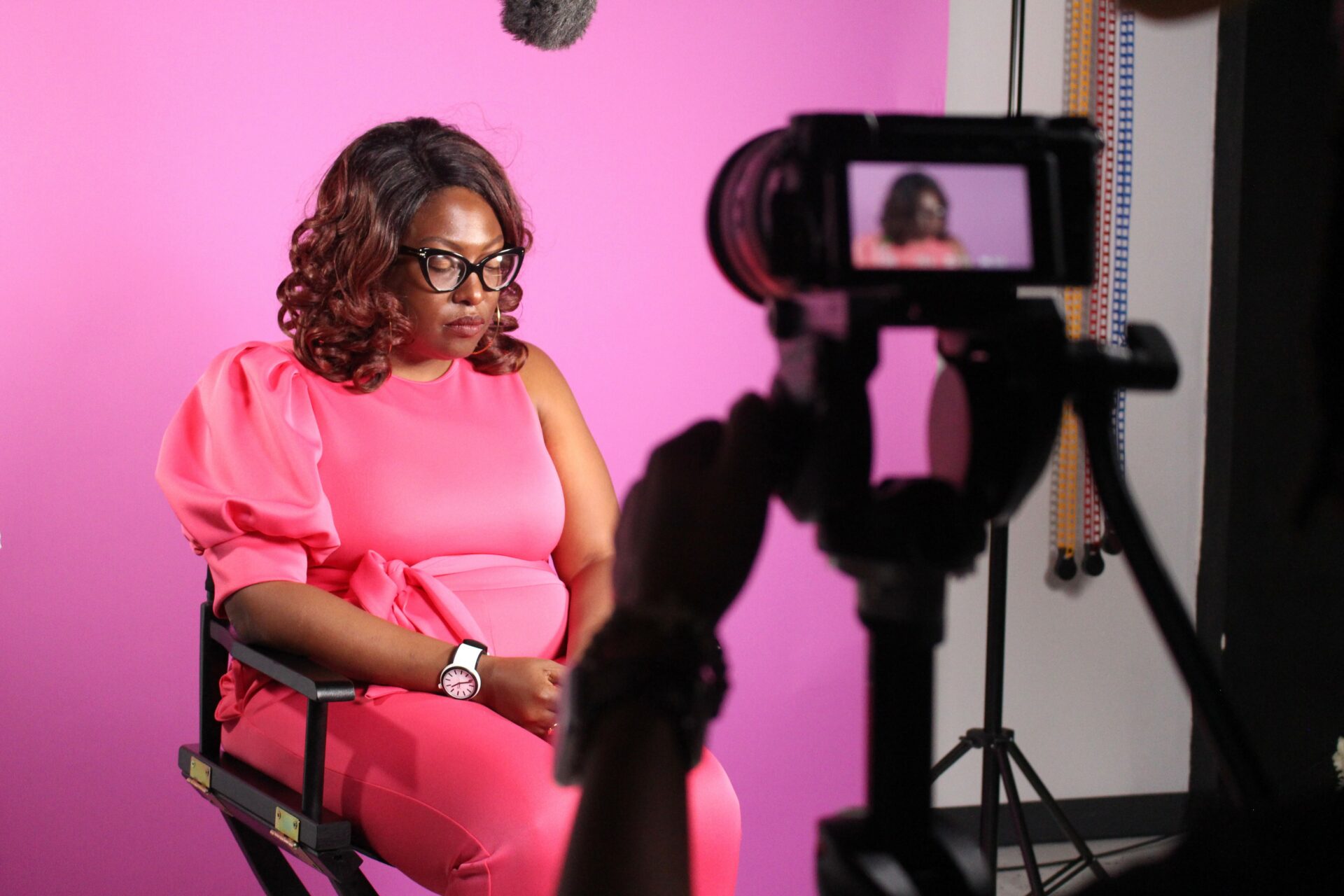
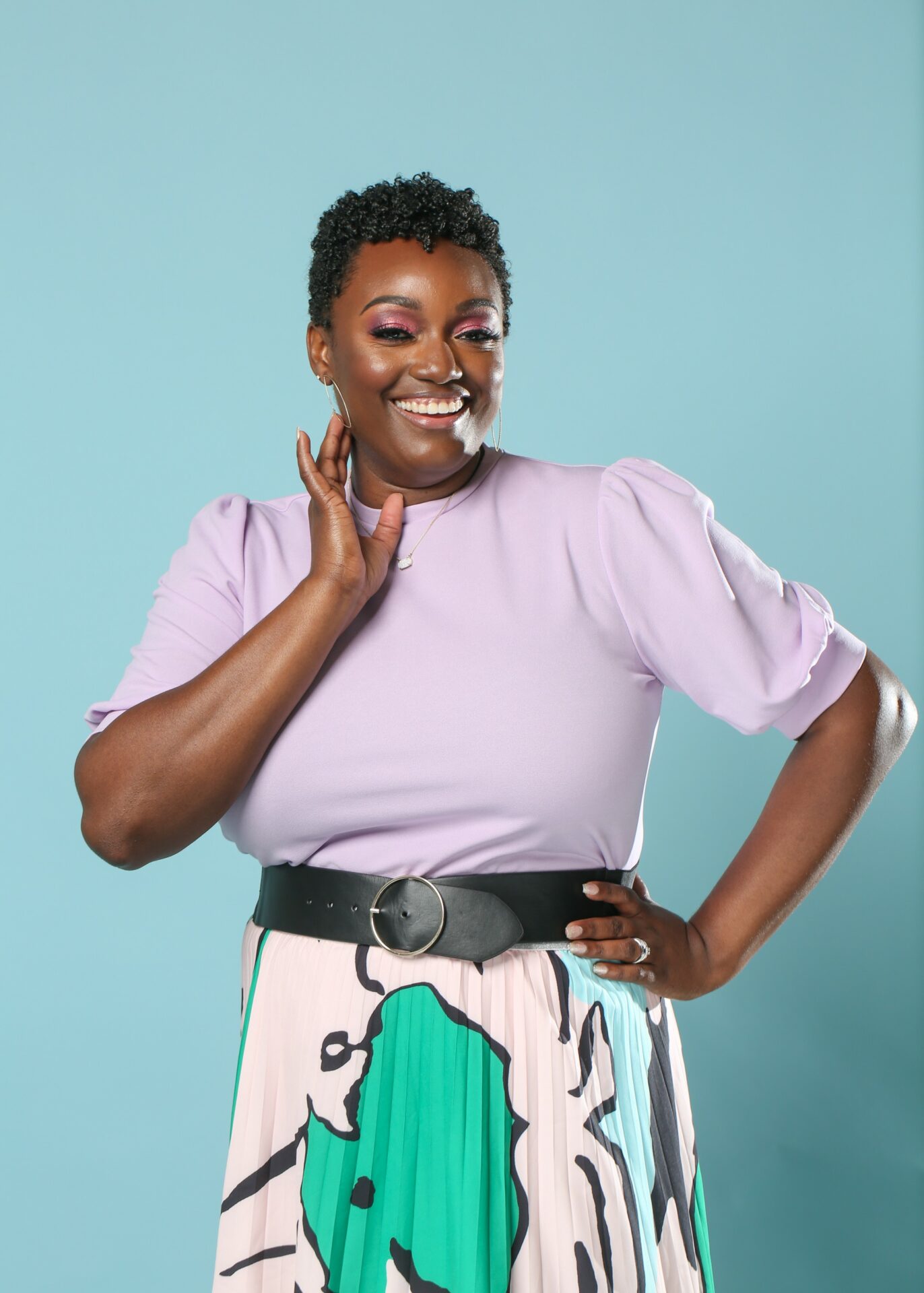
Image Credits
Mena Darré | Brand Photographer + Strategist Chloe | BTS Photographer