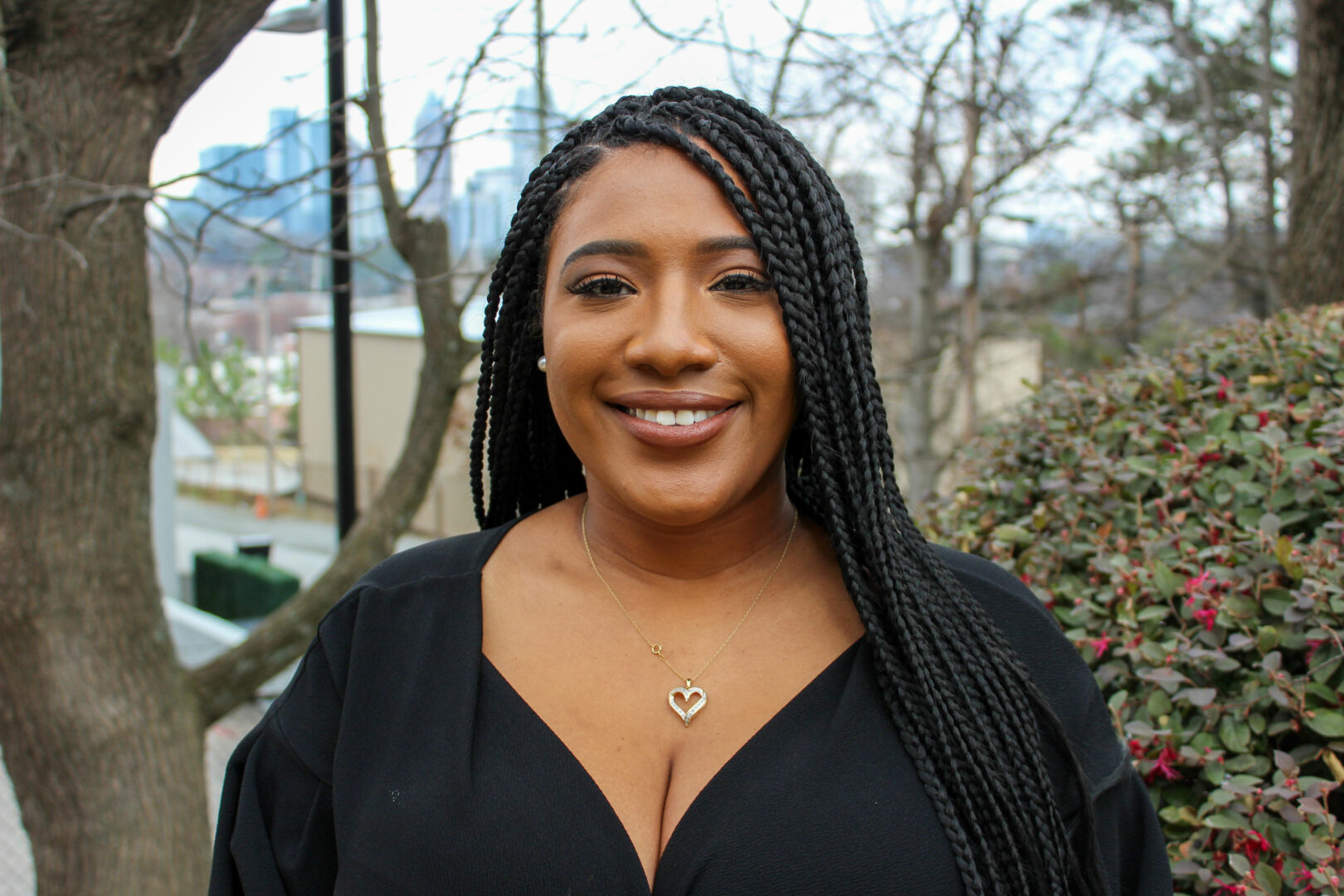
We caught up with the brilliant and insightful Sheryl Johnson a few weeks ago and have shared our conversation below.
Sheryl, so good to have you with us today. We’ve always been impressed with folks who have a very clear sense of purpose and so maybe we can jump right in and talk about how you found your purpose?
Finding my purpose was not about finding a new interest or activity. It was not about reaching professional milestones or exploring a new experience. Finding my purpose was first learning to find joy and gratitude in the face of a tragedy. On August 12, 2017 I lost my oldest son Alex after he lost his battle with depression and anxiety. While I understood that the depth of my grief was a reflection of the depth my love, finding a reason and explanation was harder. I needed to find the meaning behind his death but realized that finding meaning did not necessarily mean I needed to understand why. The why could not be why we couldn’t help or why he was gone. The meaning in my grief was what we can do to move forward and give life to my son’s memory and meaning to his life. Understanding that his life was not as long as I wanted it to be and realizing his death was the result of a lack of information or tools to help him, I set out to change the mental healthcare ecosystem. My simple guiding principle “nobody should lose a loved one simply because they didn’t have information or tools to help them.” So, my purpose was born.
On the one year anniversary of his death, we started Hearts 4 Minds Inc., a non-profit focused on 4 essential pillars: (1) destigmatization of mental illness; (2) promoting mental health literacy; (3) driving early identification ; and (4) connecting people to resources. Solving these 4 components, missing in our family’s efforts to help Alex, we knew that we had found our purpose. Over the past few years, countless speaking events, videos, community events, mural unveilings, we have touched countless lives by providing tools, support and connections to help. I carry my son with me and at some point he converted from the weight of grief to a pillar of support. I cannot imagine not working in the community to drive mental health literacy, unapologetically talk about mental illness and connect people to resources. It is my purpose for it is the way to honor a life lost too soon.
1 in 4 adults and 1 in 3 youth in the United States have a mental health disorder. Unfortunately, mental illness has been lumped in with negative stereotypes and scary images, depicting sufferers as dangerous and unpredictably violent. As these types of images are ingrained in our minds, stigma is created. Perpetuating stigmatizations of mental illness causes real harm. People with mental illnesses can be discriminated against, bullied or even ostracized by those who simply do not understand. During a speech in 2018, the US Surgeon General, Vice Admiral Jerome M. Adams, identified stigma against mental illness as a major barrier to mental healthcare, causing many to needlessly suffer in silence rather than seek help. This has led to less than 44% of the more than 52.9 million adults suffering getting the help they need and deserve.
Importantly, on average there is an 11-year delay between the onset of symptoms and treatment . Simply a lack of understanding and a lack of information is preventing millions of people from leading full, healthy lives. Hearts 4 Minds recognizes the need to close this gap. H4M has created solutions that drive change by providing the community with information to learn, share and connect.
Laying a foundation of destigmatization, awareness and education enables early identification and facilitation to effective treatment. Early identification gives patients a higher likelihood of a positive treatment outcome. My purpose is reach a broad demographic and make effective strides towards closing the gap in care. We actively work to drive change and eliminate barriers to care for patients and their families.
By conquering stigma and driving early identification through the use of a universally recognizable symbol of hope, help and healing, we can amplify change and allow people to achieve the long-term positive treatment outcome they deserve. Destigmatization is key and drives early identification encouraging people to get help before a crisis. Early identification helps alleviate the pressure on crisis management solutions and helps reduce the unintended consequences of untreated mental illness including, school drop-out, loss of job, substance abuse, homelessness and even jail time.
Hearts 4 Minds uses a unique dragonfly as a universal symbol. It is based off a photo taken of our son Alex at age 5, after a dragonfly landed on his nose. Dragonflies have many meanings and often symbolize courage, strength and change. It makes the perfect symbol for mental wellness. We use it as a unifying and recognizable way to spread awareness about mental illness and express support for those impacted by it.
To date, there are over 30,000 pins in 5 different countries, with a heavy concentration in Northeast Florida. Wearing the lapel pin regularly sparks conversation and the distribution of additional pins. Symbols can be powerful tools and present an opportunity to drive understanding and compassion, which in turn drives change. Having a consistent symbol, that is instantly identifiable and vivid can mobilize masses to change. It is an authentic invitation to create new attitudes, behaviors and opportunities to shape our world for the better and drive change for those battling mental illness.
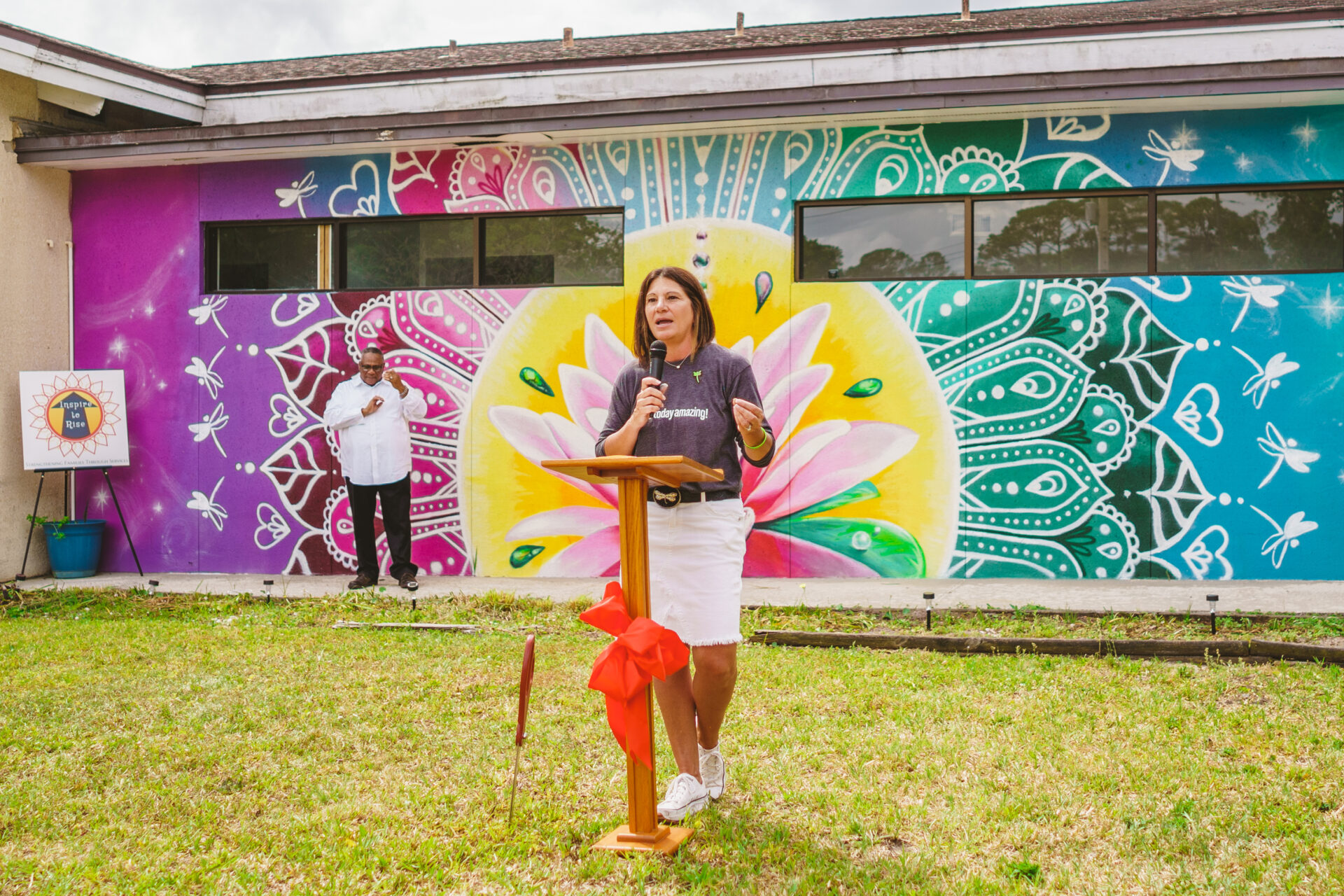
H4M has launched a Murals with Meaning program, designed to reach far into the community and connect residents to information and resources. Specially designed murals feature quick response (QR) codes that easily facilitate connections to information. Community murals are a popular and achievable way to beautify neighborhoods and honor ideals. Using art is a great medium for transforming perspectives, creating change and improving lives. Art can be used for storytelling, changing stereotypes and giving a voice to those who suffer from the stigma of mental illness. There are 11 completed murals and more than 6 in the works!
While we destigmatize mental illness and encourage early identification, we must ensure that people are connected to the resources they need for treatment. Our programs work together and the result is getting people the help they need:
• Care Coordinator Partnership Programs
Connected care health systems have been shown to significantly improve positive health outcomes Working outside of traditional mental health models, Hearts 4 Minds created an innovative Dragonfly Care Coordinator whose role is to wrap a patient and their family in a system of care that provides everyone with the necessary tools and information to lead a healthy life. The Dragonfly Care Coordinator helps monitor potential attrition from therapy, helps make adjustments to therapy and integrates the family support system. The Dragonfly Care Coordinator also works broadly with the community at large to ensure the demand for mental health providers is met with urgency. The first fully funded Dragonfly Care Coordinator was filled at Baptist Health in March 2021 with progress on funding a second one. Hearts 4 Minds will continue to work with organizations to shift to a connected care model that provides effective and timely services to those in need.
• Web based resources
Reducing the stigma of mental illness is one of the keys to improving access to care. Understanding that it’s ok to get help is critical. Finding where to go can be confusing. We help people get help by creating those connections. Hearts 4 Minds maintains an easy-to-use resource library with a robust list of providers in NE Florida, along with expanding statewide and national resources. The resource library continues to grow.
• Provider Partnerships
Solving the issue of accessible care means creating collaborative partnerships with organizations and providers. This includes partnering with other organizations to maintain a 24/7 crisis text line and ensuring that our community has accessible resources for treatment. Studies show that people are most likely to access help if they know where to go and treatment can start quickly. And treatment is key to long term mental wellness, preventing suicide and saving lives. Community partnerships establish the solid “reference” structure that can satisfy the question of where to go for help.
The statistics show that we are effecting change in our community, helping educate residents about the importance of mental wellness, signs and symptoms of mental illness and destigmatizing the need for help. The statistics show that we are connecting people to needed resources. Web sessions have increased steadily and direct visits to the website have increased via use of the QR codes. The Crisis Texline has logged over 1,000 conversations, with 10 active rescues! That’s 10 lives saved. Real lives. And the Dragonfly Care Coordinator has assisted over 1,000 patients and their families. For every statistic, we must always remember there is someone’s loved one.
A tragedy drove my purpose and perhaps still does. Keeping the loss of Alex close but knowing that I have to create my intention each day, create my life’s meaning and remove the barriers that took a life. Living my purposeful life means moving towards a goal that aligns with my values and beliefs. When all is said and done, I’d like to be sure more is done than said.
Nobody’s path is a straight line. Nobody’s life is devoid of challenges, loss or sadness. Living with purpose means finding a way to hold grief, loss, gratitude and joy at once. Creating a legacy of change, even if its one life at a time means I have won.
Great, so let’s take a few minutes and cover your story. What should folks know about you and what you do?
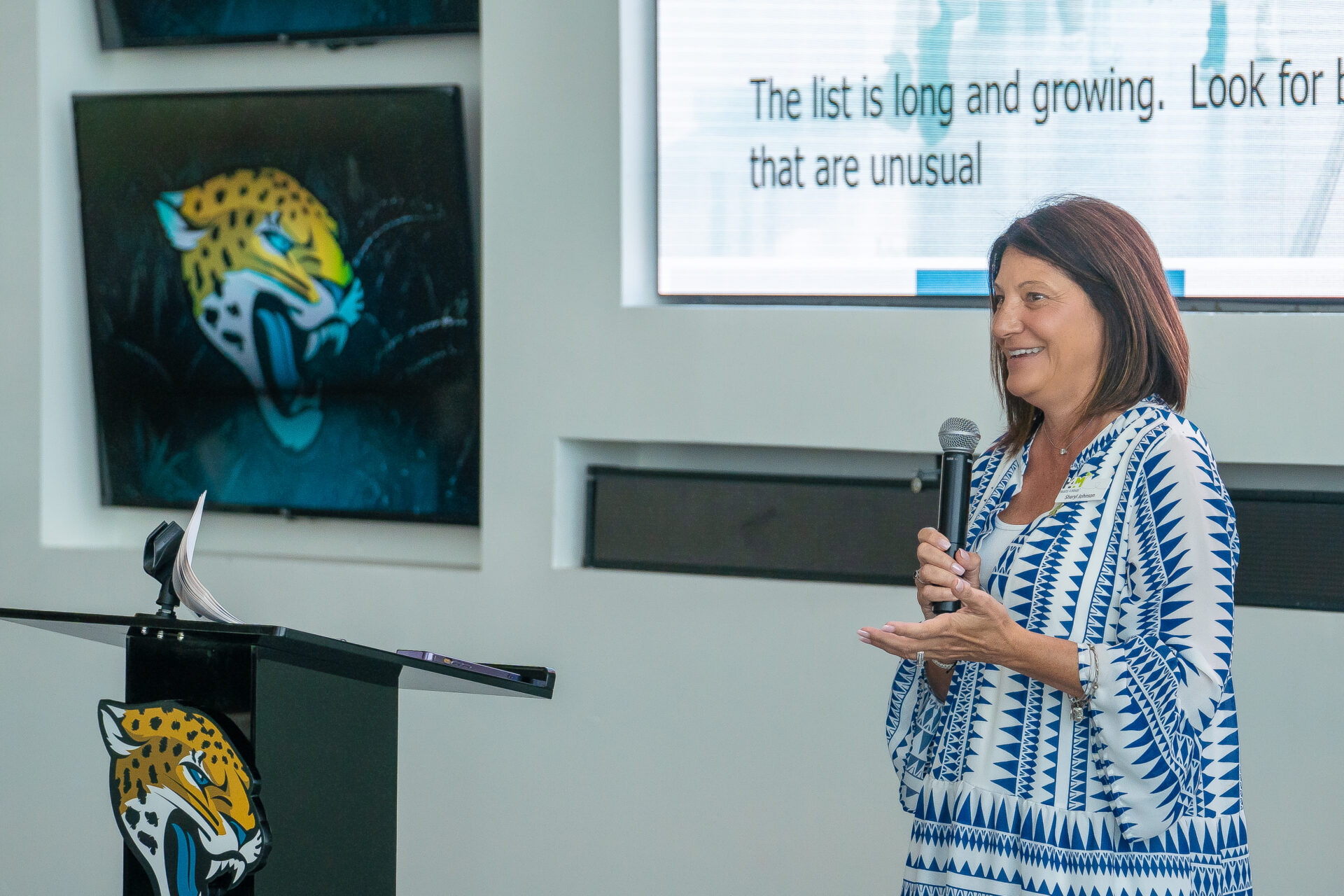
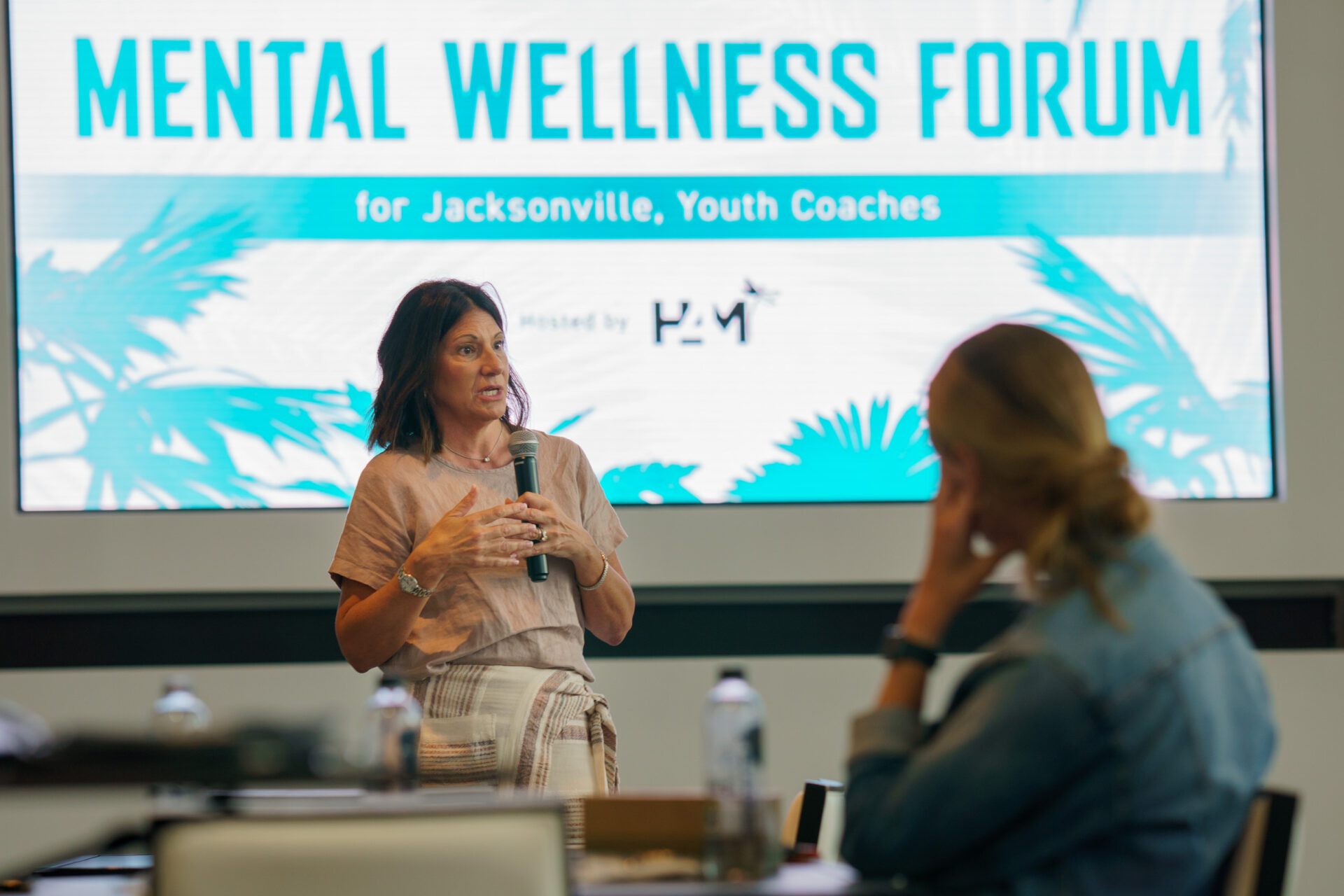
The mission of Hearts 4 Minds Inc. (“H4M”) is to help build healthy futures by breaking down the stigma of mental illness and ensuring that people impacted by mental illness get the help they need. We never want a family to lose a loved one simply because they didn’t know where to turn. At Hearts 4 Minds, we strive to save lives by creating innovative solutions to solve the most critical needs in our communities struggling with mental illness. Creating solutions and meeting needs means starting with stigma reduction, education, early identification, and facilitation to accessible treatment. Hearts 4 Minds continues to grow our mural installations, reaching far throughout our communities in Florida, with a goal to expand our programs nationally. This expansion and development of a user-friendly, interactive web-based platform to connect people in need to available resources is an exciting strategic development. Growing our non-profit to ensure long-term success is key.
If you had to pick three qualities that are most important to develop, which three would you say matter most?
The three most important areas that impacted our journey are (1) agility; (2) tangible strategic plan; (3) tenacity. This mission was very personal but over the years, we have had to course correct, adjust and fine-tune our focus. Remembering to be flexible and agile without losing our commitment to our mission has been key to our success. Having a tangible strategic plan was also key. This plan served as a beacon of light, focusing our attention and creating clear goals to work towards. Finally, tenacity and the conviction to stay the course even amongst nay-sayers and economic difficulties. Grassroots organizations often fight with larger established organizations for funding but finding supporters who understand the mission and focusing on clear, accessible programs and goals helps grow the financial stability over time.
Is there a particular challenge you are currently facing?
The number one challenge facing us is accessing sufficient funding to support overhead expenses and program growth. Grassroots movements are, at their core, missions of ordinary people on extraordinary journeys. The power lies in the aggregation of human resources from local and community areas that work together to create momentum for change. The passion of a grassroots organization is immeasurable. The attempts to push society to explore ideas and transformations are fueled by personal experiences. However, grassroots organizations often face significant challenges in accessing key financial, corporate or political resources to sustain their work.
We need to take lessons from some of America’s greatest grassroots campaigns. Groups that have changed laws on women’s rights to vote, civil rights, gay marriage, breast cancer awareness. What do they all have in common? Passionate leaders. A desire to change how the world views an issue. The ability to engage a wide breadth of ambassadors to spread the word. What we know is that sometimes what seems like the smallest voice can have the biggest impact. And when lots of small voices band together, the voice gets louder and gets noticed.
There is no question that mental health is a priority issue today. You cannot read the news, scroll through social media or even watch TV without some mention of mental illness. The statistics published by Mental Health America, tell it all – 1 in 4 Americans have a mental health condition, mental health disorders account for some of the top causes of disability, more than 10 million people experience ideas of suicide, less than 40% get treatment, including over 2 million youth. Major depressive and other disorders have an average onset around 20-25 years old. Suicide is one of the leading causes of death in adolescents and young adults ages 15-24. And for every statistic, there is someone’s loved one. Yet finding support for mental heath causes is challenging.
Why do we treat mental illness differently than other diseases? The simple fact is that we are fearful and uncertain about mental illness. Its symptoms manifest themselves as behaviors that make us uncomfortable. People don’t want to be associated with the phrase “mentally ill”. They don’t want to be called “crazy”, “weird” or ”dangerous”. Those biases and stigmatizations were created by our society and in turn create barriers. Barriers that separate us as a community and prevent people from accessing care.
While we have had support and initial interest from large corporations, we are still faced with reticence and rejection. Larger corporations are generally committed to national causes with broad-based, long-standing footprints. There is an unwillingness to commit to smaller, grassroots organizations. And committing to a cause about mental illness is still difficult to grasp. But what if it was ok to partner or take a chance? What if it was ok to join together and change the mental health ecosystem? What if we could talk about mental illness the way we talk about erectile dysfunction or breasts? What if it was normal? A disease should not be used to define a person’s character, trustworthiness or value. Support, financial or otherwise, should not be based on a stigma that was created by society.
Why support a grassroots non-profit? It is a great investment! Grassroots organizations are the frontline “fighters” for change. They are made up of people who are passionate about a cause, because they are personally impacted by it. Grassroots organizations are made up of people who are not mired down by a system and have at their core a drive to change the status quo. Grassroots organizations are not intimidated by the “way things have always been done”. Grassroots organizations create an environment that empowers a community to participate and commit, in solidarity, to change and improve the future. At Hearts 4 Minds, we are committed to change, to using our collective voices to create change. We live it every day and are inspired by our volunteers and partners. “We must become the change we want to see in the world.” – Mahatma Gandhi. We live by this principle but we know that increased funding for grassroots organizations is key to levelling the uneven match with government and large public stakeholders.
As we continue our work to change the mental health ecosystem, we are seeking grants and donors, expertise and advisors. Together, our collective voices, power, motivation and resources will help us become the change we need. At the end of the day, remember this – every 12 minutes an American looks at their phone, and every 12 minutes another American life is lost to suicide.
For more information on how you can help, contact us at [email protected]
Contact Info:
- Website: www.hearts4minds.org
- Instagram: @hearts4minds
- Facebook: @hearts4minds
- Linkedin: Hearts 4 Minds Inc,