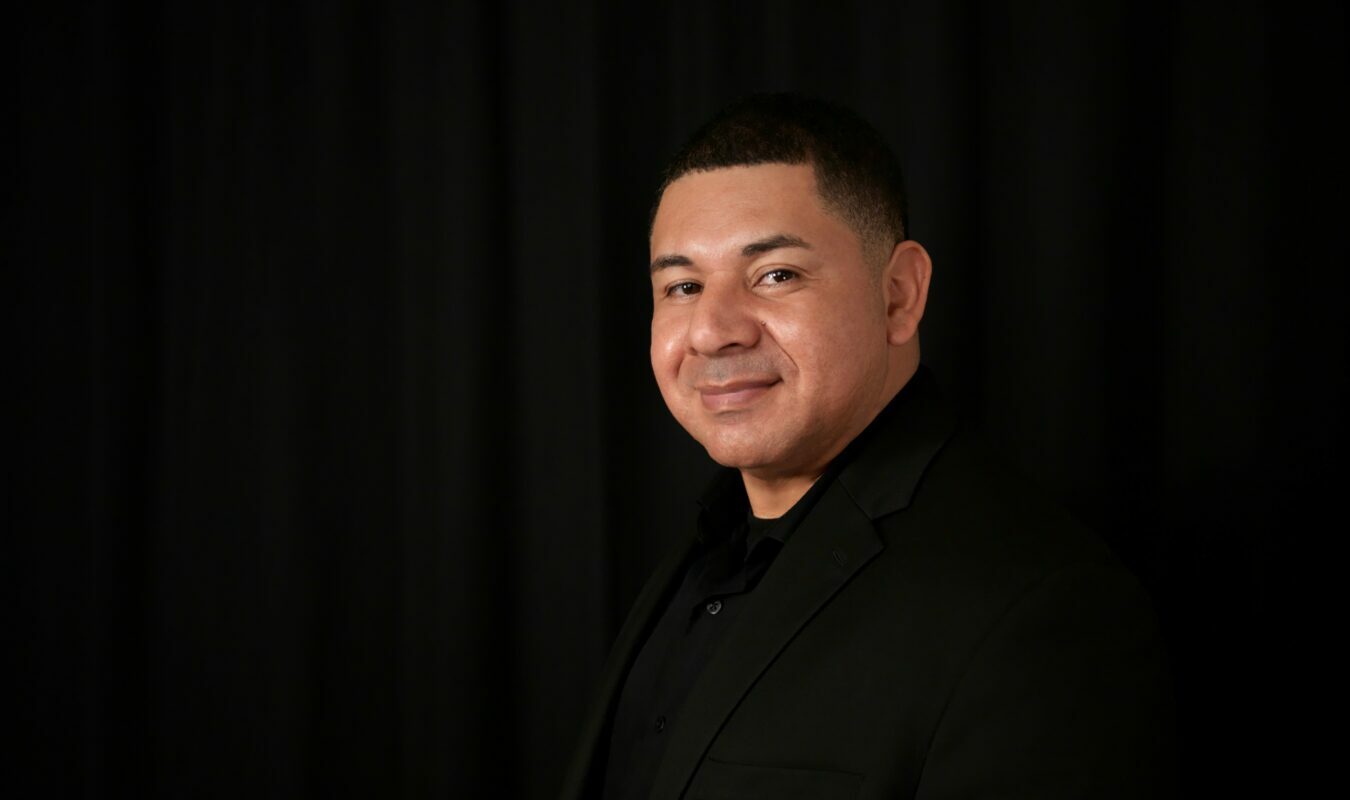
We’re excited to introduce you to the always interesting and insightful Shiho Tendou. We hope you’ll enjoy our conversation with Shiho below.
Hi Shiho, thanks for sharing your insights with our community today. Part of your success, no doubt, is due to your work ethic and so we’d love if you could open up about where you got your work ethic from?
It is not easy to constantly train and create new choreography. It takes a lot of energy, and there is a lot of pressure and mental struggle to present my art to audiences from different countries and cultures without breaking the Japanese tradition. As for where my work ethic comes from, I feel like I have a mission to carry on all of the delicate and beautiful Japanese expressions, dances, customs, and gestures of the art to the next generation, as well as people from different cultures. It’s not something that can be understood just by hearing words or reading a book. And if there is someone who sees my work and is moved by it, even if one person can feel something in their heart, that would be of great value to me. My dance wouldn’t exist without an audience. As long as there is someone watching, I will continue to dance.
Let’s take a small detour – maybe you can share a bit about yourself before we dive back into some of the other questions we had for you?
I am a Japanese traditional dancer born and raised in Japan. Currently, I am working as a Japanese dance performer and a teacher in Los Angeles. My grandmother and mother raised me as a Japanese traditional dancer in the Tendou-ryu school of Japanese dance. I myself have been in the this industry for 33 years this year. I was born as the eldest daughter of a Japanese dance family, so I started training from an early age. I’m sure my family never thought that I would end up living in America.
It is by no means an easy thing to convey Japanese traditional performing arts to people in the United States, but I embrace the opportunity to share the art.
The Japanese dance that I perform values the expression of the inner heart. It’s meaningless to just dance what you can see, so I try to convey something invisible to the audience. Emphasis on external technique results in an empty dance. At that time when you see a great dance technique, even if you are deeply impressed, a dance that emphasizes external techniques will not leave a lasting impression on people. Just like a play, I believe that by moving and expressing my own heart, I can move the hearts of the audience. Every day, while researching such dances, I create my own dances and teach them to my students. Also, recently I started selling traditional Japanese products.
This is another passion of mine, as I have always wanted to share traditional Japanese art with people in America.
This product is handcrafted using techniques that have been passed down for over 400 years. I believe that it is the skill and love of Japanese craftsmen still using the same techniques that have been handed down throughout the years to create beautiful products.
All products are lacquered art and are made of very beautiful, soft and light deerskin, and the texture increases with each use. I would like to introduce not only dance but also traditional crafts like this so that the tradition and beauty of Japan will be passed on without being lost forever.
There is so much advice out there about all the different skills and qualities folks need to develop in order to succeed in today’s highly competitive environment and often it can feel overwhelming. So, if we had to break it down to just the three that matter most, which three skills or qualities would you focus on?
I’m a dancer, so I don’t know if it will work for everyone, but there are three important things that I had always focused on. First of all, to observe carefully. Since I went to University of the Arts, my professors often told me to observe people, and I was able to observe them very well on trains in
Tokyo. Just by watching people’s little actions, you will be able to read things such as whether this person is going on a date or whether they had a fight at home today. That became a skill for my dance to be a natural expression. The next is to enrich the things that money can’t buy. When I was young, I didn’t have much money, and I couldn’t do what I wanted to do, but I valued enriching my heart. Make friends, find people you admire and use them as role models. I also really valued being in love. Some people say that love gets in the way of creation, but for me, I thought that without such an experience, you can’t create a good dance. That’s why I was even grateful to be hurt. Painful experiences make the art even deeper and stronger. I also meditate, watch movies, and read. If you enrich your mind, ideas will come to you, and you can even be kind to others.
The third is to cherish important people. Whether it’s a family member, a lover, or a friend, always wish those people happiness. No one can live alone, so be grateful that you are here because that person is here. I am separated from my family in Japan and America, so I always cherish my family in Japan as they are my motivation.
How can folks who want to work with you connect?
I have a lot of goals I want to do. I have a project I’ve been working on for about two years now. It is said that expression of the eyes is the most important aspect of Japanese dance, but I don’t think so. Emotions must be conveyed without using eyes or facial expressions. So, more to the point, even if facial expressions are masked, both emotions should be expressed only through dance in a way that happy and sad emotions are easily understood. I think if you use facial expressions or use your eyes, you’ll halve the power of the true emotion inside. That’s why I dare to study expressions that don’t use the eyes. In my hometown of Niigata, a group of blind shamisen players called Goze made a living through music. The weather in Niigata is harsh, with heavy snowfall in winter. Even in the snow, even though they couldn’t see, they travel around and play music to people. There are many rules about being in the Goze group, such as not being able to fall in love, and I was struck by the strength of the women who devoted their lives to the arts in such a harsh situation. I’m currently creating a dance with Goze as the theme. Dance without using your eyes. It’s fine to show it live, but I think it would be better if it was made into a short film. So I would be very happy if there are producers who are interested in what I want to do! There are probably not many people in the world who dare to dance without using their eyes. If you’re interested, I’d love to hear from you! Also, motion capture, project mapping, and various other collaborations that I would like to try! If there are such artists that would like to collaborate, please contact me!
Contact Info:
- Website: https://www.shihotendou.com
- Instagram: @shihotendou
- Other: I also have an online store selling Japanese traditional art products. Handcrafted using techniques that have been passed down for over 400 years. All products are lacquer painted and are made of very beautiful, soft and light deerskin, and the texture increases with each use. Please take a look at this shop too! https://tenshopjapan.com/en


Image Credits
Siegert’s PhotoGraphics