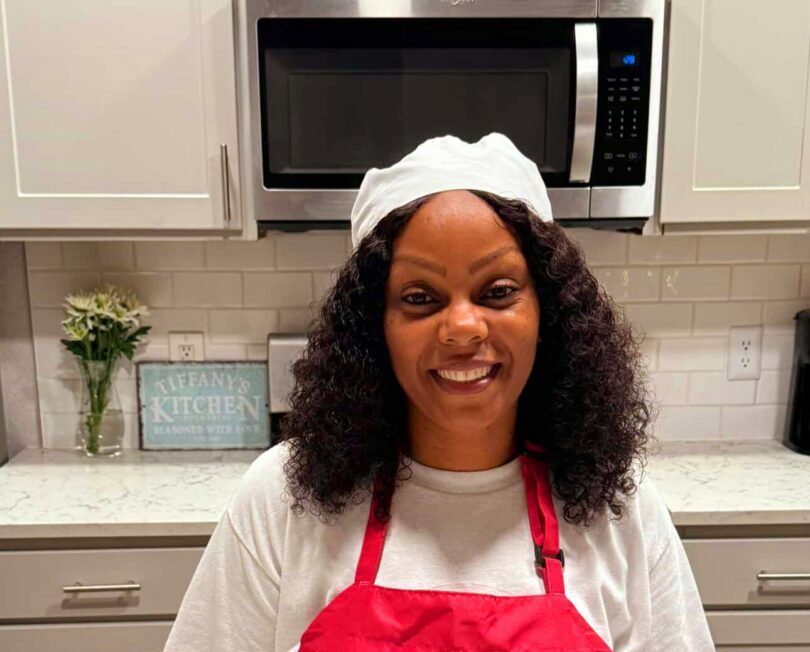
We were lucky to catch up with Shila Griffith recently and have shared our conversation below.
Alright, so we’re so thrilled to have Shila with us today – welcome and maybe we can jump right into it with a question about one of your qualities that we most admire. How did you develop your work ethic? Where do you think you get it from?
I’m a child of immigrants, so I’ve seen my parents struggle in ways that I never needed to because of how hard they’ve worked. My mother came to the United States from El Salvador in the 80s during their civil war. She was 20 and didn’t know any English. In contrast, my father came to the United States from Barbados with his family when he was 16.
I’ve watched my parents put their dreams on hold (sometimes permanently) because of their circumstances. Neither of them have had jobs that are particularly fulfilling and their career priorities have always been based completely in practicality.
Excelling academically and professionally always felt like a small price to pay to follow the career path I chose. As I was growing up, I was told that my job was to get good grades and work hard to achieve any academic or creative goals. They both encouraged me to find something that I had a passion for and enjoyed, and then figure out how to work towards a fulfilling career.
Great, so let’s take a few minutes and cover your story. What should folks know about you and what you do?
I’ve run SG23 Design, a boutique interior design firm for the past 11 years. We thoughtfully design functional residential and commercial spaces and provide stellar project management. For our Full Service Design clients, we serve as the liaison between the contractor and the client from demolition to project completion, making the process more efficient and a lot less stressful for the client.
Every project is different and has a unique set of challenges, so things never get monotonous. Space planning is a significant part of our work, which I love because it’s like a big puzzle. Project management is by far the most stressful and volatile part of a project, but problem solving is so rewarding. It’s not fun to run into an issue during construction, but it feels good to tell a client what we discovered, the solution, and that everything is being handled.
Interior design projects are interesting in that they’re completely tangible–you can physically walk through and experience a completed project.
There is so much advice out there about all the different skills and qualities folks need to develop in order to succeed in today’s highly competitive environment and often it can feel overwhelming. So, if we had to break it down to just the three that matter most, which three skills or qualities would you focus on?
Optimizing all your systems and continually improving them will help you grow your business and ultimately become more profitable. Our intake, design and project management processes are extremely streamlined to maximize concise documentation and communication. I’m an introvert, so I don’t like small talk or extraneous meetings–they take a lot out of me and it doesn’t allow me to do my best work. Constantly improving our systems allows my team and I to work as efficiently as possible, and ultimately makes the client experience more enjoyable.
Being extremely observant will help you better understand your clients. For example, I notice how my clients walk through a space, where they tend to drop shoes and coats, and whether anyone is left-handed. It took me a while to embrace being an introvert, but one of the advantages is that I’m quiet because I’m so busy observing my environment and how others interact with it. All the observations I make during a consultation results in a stronger design that’s truly customized to the client’s needs. I feel that many people have skills, like observation, that come so easily to them that they don’t realize it’s a strength. Once you have that awareness, you can use your natural expertise to your advantage.
Don’t be afraid to ask questions from a place of curiosity. I’m very much a questions person, and I’m always researching something. One minute I’m reading a non-fiction book on bats and the next I’m taking a plaster workshop. I have made it a priority to have at least a general understanding of construction so my team and I can have more effective conversations with any contractors or craftspeople we’re collaborating with on a project. I’m constantly asking why one solution is better than another, so that I’m always learning more and more from different trades. I feel that this quality communicates to colleagues that you value their expertise, and are thoughtful about how the work that you do can help make their job easier.
What do you do when you feel overwhelmed? Any advice or strategies?
As a business owner, I’ve constantly got a million things on my mind and a lot of it has nothing to do with design. I need to think about proposals, marketing, cash flow, deliveries, client management, site visits, building codes, networking and so much more. Often, my issue is that I want to tackle all the things at the same time, and that’s just not feasible.
When I’m overwhelmed, I stop and remember what helps me work most effectively. I know that I’m the kind of person that needs to work on something for 3-5 hour stretches without distractions.
The first thing I do is get out of my email. Having my email open all day at work is a huge distraction for me, because I want to respond to every email as they come in and everything can’t possibly be an emergency. I try to only check my email when I first get to the office (to see if there’s anything I can delegate), at noon, and at 4pm. Being able to pause email is a game-changer, I highly recommend it. If something is truly an “emergency” the client will call.
The second thing I do is try to get at least 3 tasks out of the way that take less than 10 minutes to finish so that I can feel a sense of accomplishment. I love crossing things off a to-do list! Then that motivates me to tackle bigger tasks that take more dedicated time.
I’ve also found that having too big of a to-do list isn’t helpful. A lot of overwhelm has to do with not knowing what to do next. So I have one huge digital list that I open from time to time, but I really focus on my written list. I keep the written list next to me on my desk, where I try to list only 3-5 things at a time. Once those tasks are completed, I look back at my big list and pick the next 3-5 responsibilities to focus on.
Contact Info:
- Website: www.sg23design.com
- Instagram: https://www.instagram.com/sg23design/
- Facebook: https://www.facebook.com/sg23design
- Linkedin: https://www.linkedin.com/company/sg23design/
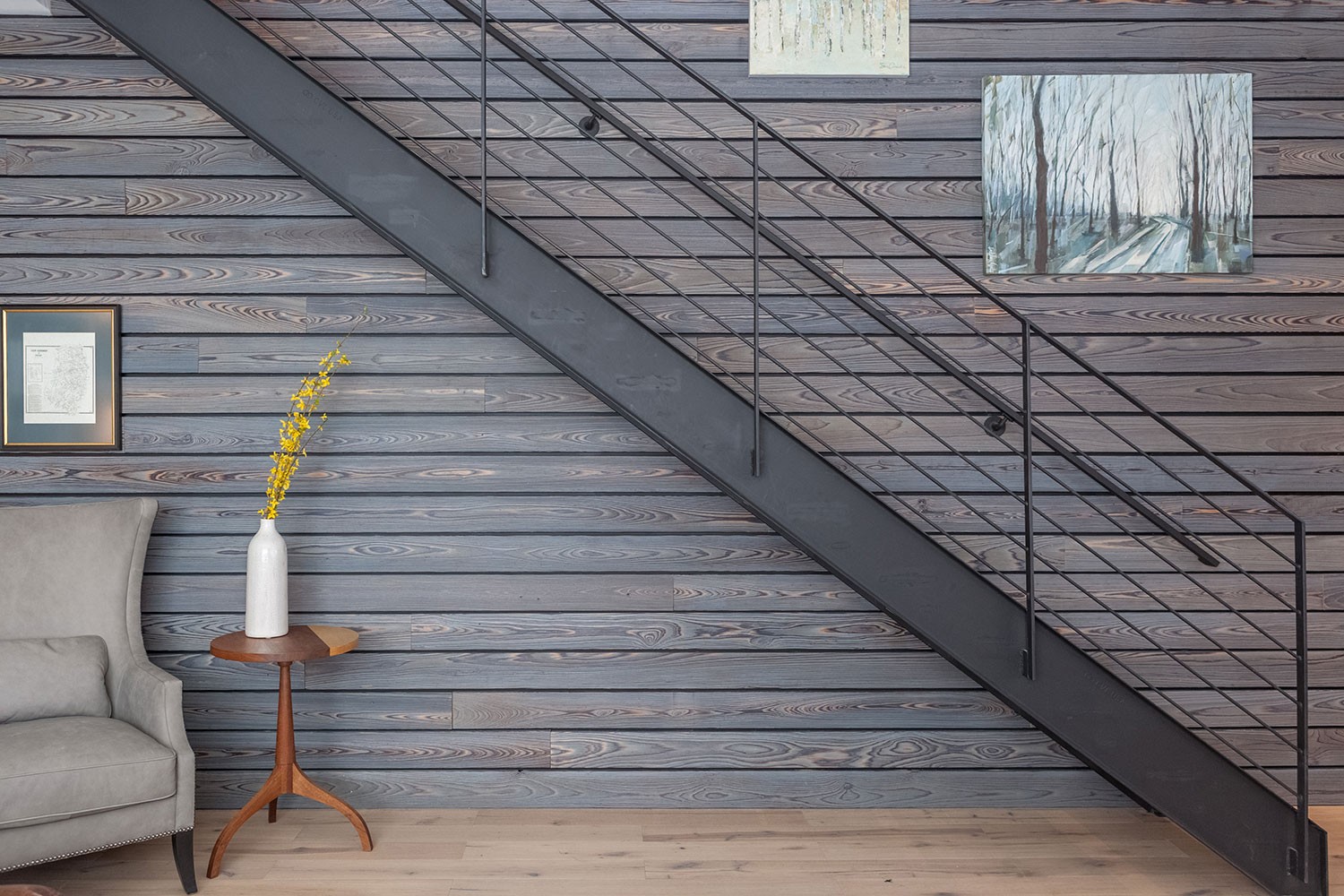
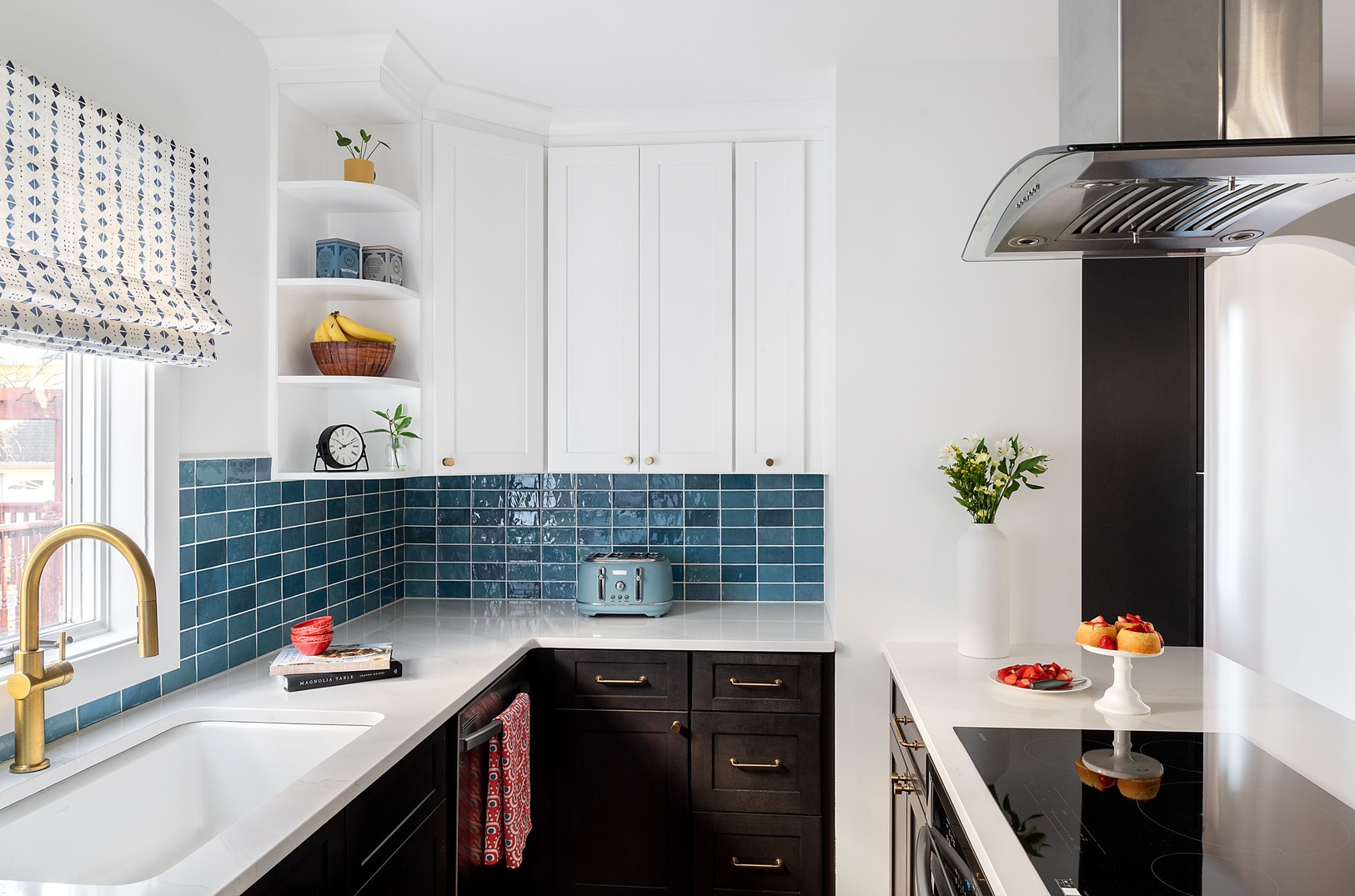
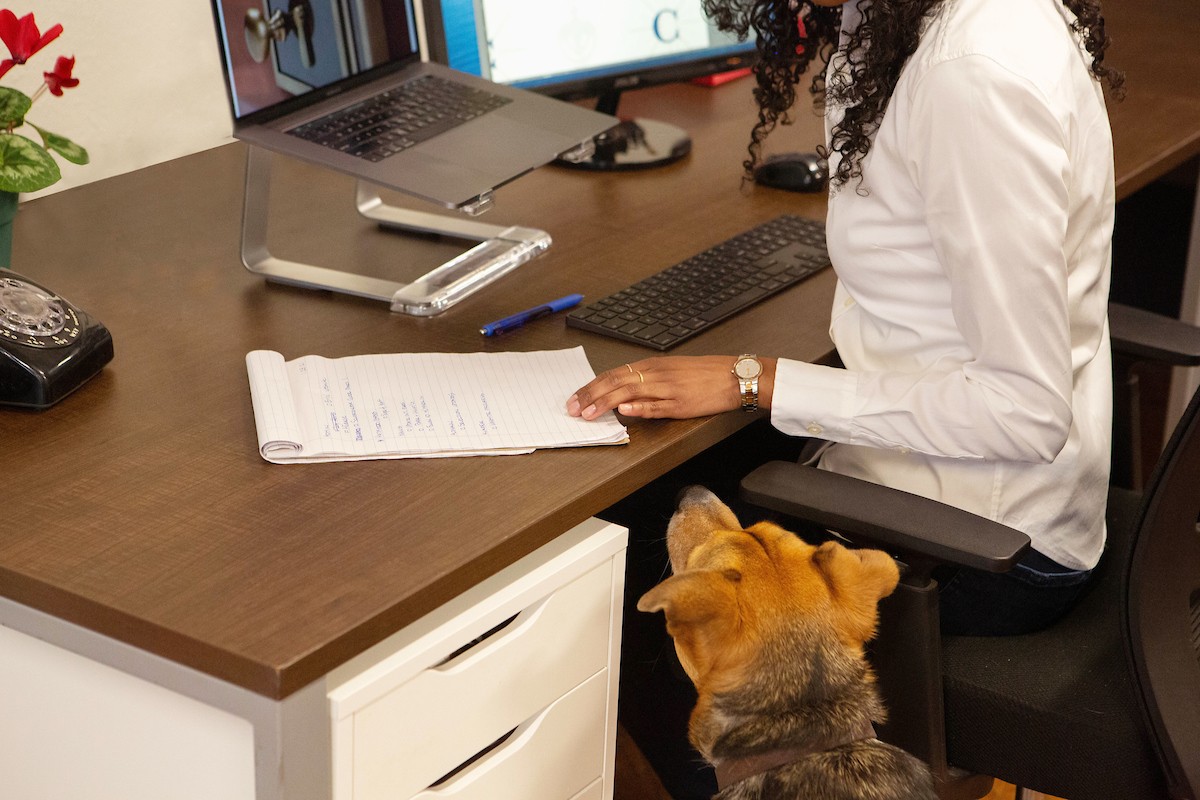
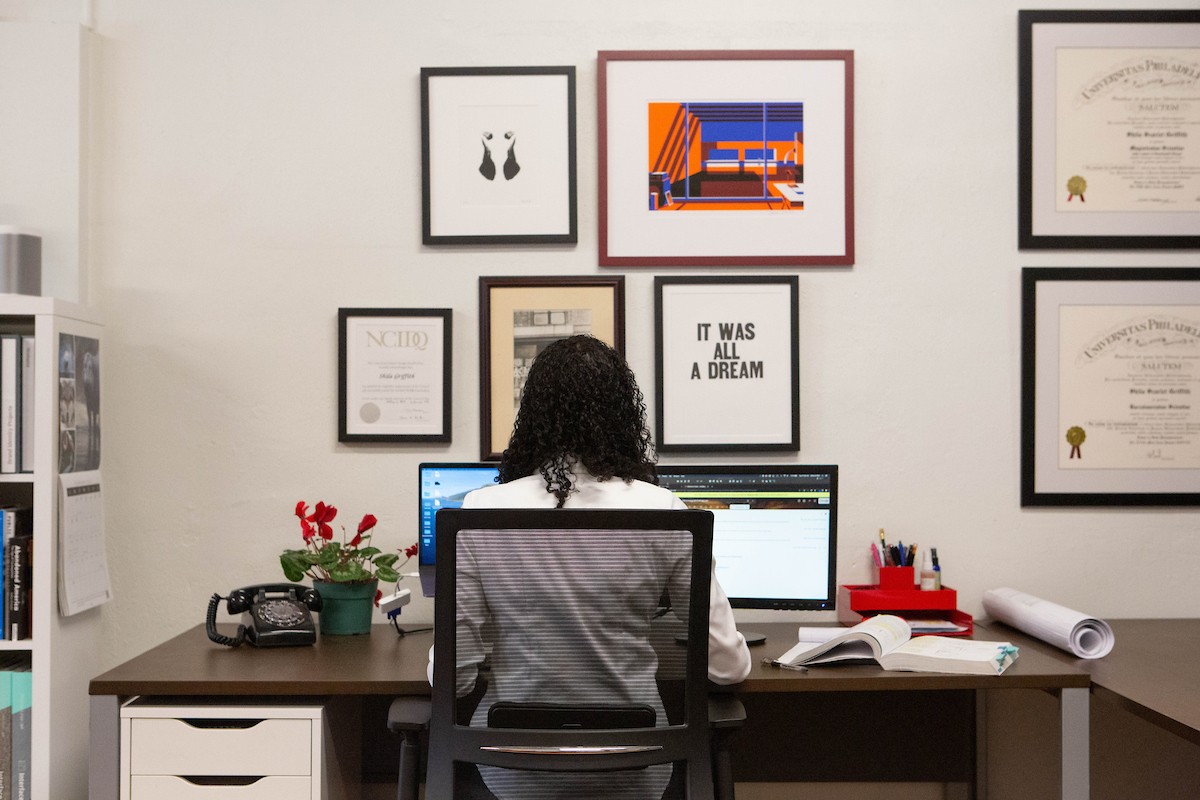
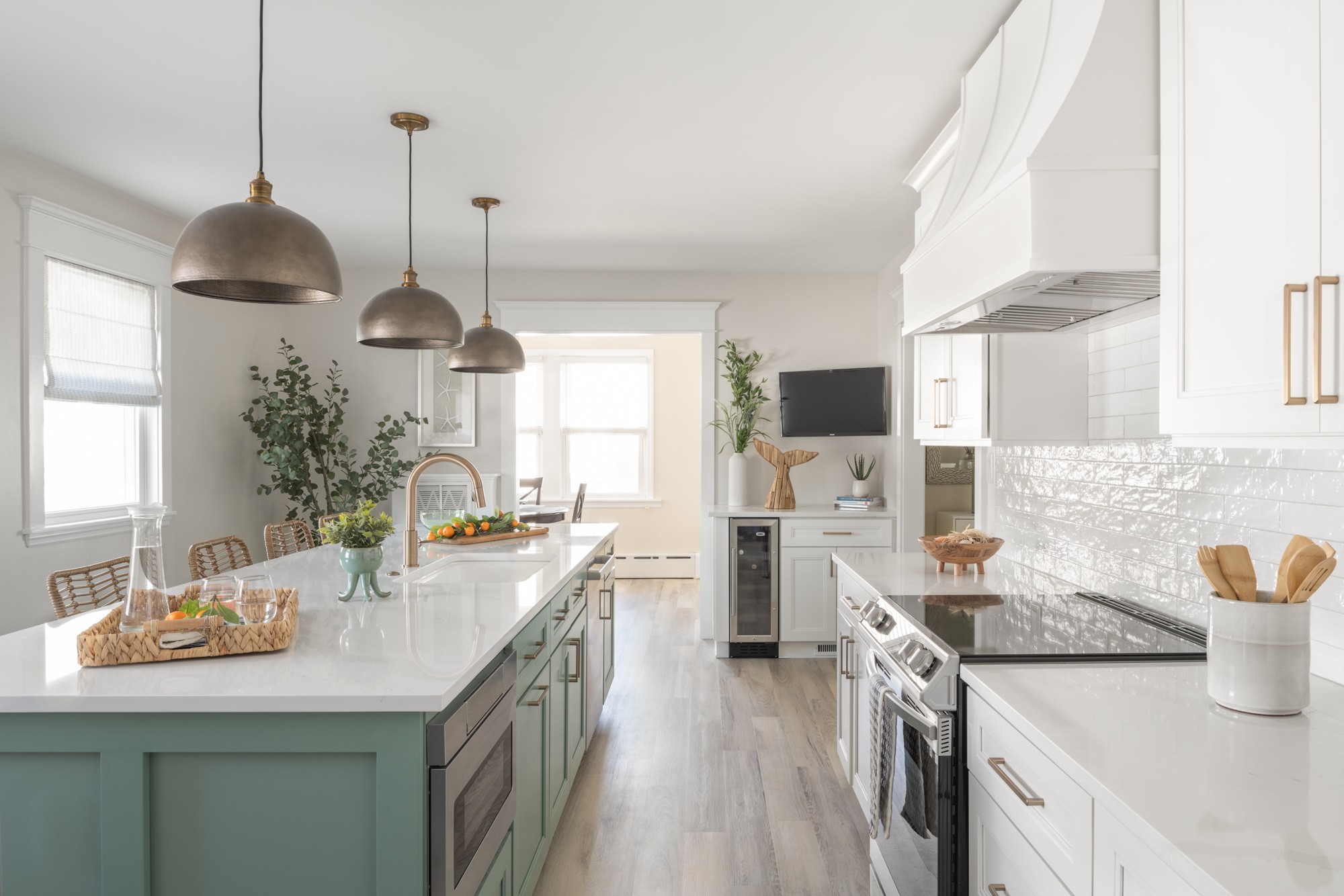
Image Credits
Ventnor Contemporary Coastal Kitchen – Kristina Kroot Shila + Studio pup Olive – Kate Raines Shila at Desk – Kate Raines Colorful Collingswood Kitchen – Rebecca McAlpin Accent Wall – Kate Raines