We caught up with the brilliant and insightful Stephanie Sorady a few weeks ago and have shared our conversation below.
Stephanie, sincerely appreciate your selflessness in agreeing to discuss your mental health journey and how you overcame and persisted despite the challenges. Please share with our readers how you overcame. For readers, please note this is not medical advice, we are not doctors, you should always consult professionals for advice and that this is merely one person sharing their story and experience.
Growing up I struggled with anxiety, depression, and undiagnosed ADHD. Like many others with mental health challenges, I didn’t have the words or the tools to manage my mental health. My mom was an immigrant from Mexico, my dad was traditional Irish-American and both cultures hold stigma around mental health. Far too many cultures do! Additionally, we didn’t always have health insurance, so my access to health and mental health professionals was limited. Because of these factors,
I first found mental health support through yoga. At the age of seventeen, I wandered into my first yoga class, and while the yogic path is an ancient one, all of its concepts were brand new to me. I learned how to breathe, connect with my body, and sit in the discomfort of my emotions. I am very grateful to Yoga, those well-rounded teachers, and the donation-based payment system they had which allowed me to attend!
Aside from yoga, my other saving grace was writing. I wrote journal entries, poems, and short stories to help me cope with a lot of the chaos in my life. Writing allowed me to have a voice when I truly felt voiceless. Reading the works of others helped me feel less alone. This is why I chose to write my first book, a mental health poetry collection called “Kiss From God” to express myself and help others feel less alone.
But even with these tools, I struggled to manage my emotions or make sense of the trauma I had endured. It wasn’t until I attended the University of Southern California for my undergraduate degree that I finally started psychotherapy. Going to USC and having my student health plan allowed me to access therapy for the first time. It was a challenging, humbling, and eye-opening experience to sit and talk with a professional. I felt like a blindfold had been lifted from my face and I could finally see clearly.
I’ve been in therapy on and off since! For the last nine years, I’ve committed to my own healing journey through psychotherapy, mindfulness-based practices, writing, reading, and community. Looking back it makes perfect sense that I myself became a therapist! Therapy helped me feel seen, validated, and empowered. My goal is a therapist is to give others the same opportunity.
Appreciate the insights and wisdom. Before we dig deeper and ask you about the skills that matter and more, maybe you can tell our readers about yourself?
As a therapist, my role is the be the guide on the side of people’s healing journies. Yes, I have the training and lived experiences, but ultimately the client is the expert when it comes to their lives. My aim is for my clients to feel seen and supported. It’s honestly the biggest honor of my life to witness the humanity of others as a therapist. I feel I have the best job in the world!
The type of therapy I do is called eye movement desensitization and reprocessing (EMDR) and its a powerful tool in psychotherapy. I started doing EMDR to address childhood trauma and once I started witnessing my own transformation I knew I wanted to use this technique to help others. In simple terms, EMDR involves moving your eyes a specific way, or using another form of “bilateral stimulation” while you process traumatic memories. EMDR’s goal is to help you heal from trauma or other distressing life experiences. It helps us to disconnect from negative beliefs about ourselves so that we can experience post-traumatic growth.
Another way I enjoy supporting and connecting with others is through my writing. Writing was always a tool for me to untangle my own thoughts, feelings, and dreams but the best gift my writing has given me is the ability to connect with others. When someone tells me they read my poetry book or used my habits workbook, and it helped them in some small way – it’s the best feeling. My plan is to continue writing fiction, non-fiction, and poetry to combat the mental health stigmas we are still facing.
There is so much advice out there about all the different skills and qualities folks need to develop in order to succeed in today’s highly competitive environment and often it can feel overwhelming. So, if we had to break it down to just the three that matter most, which three skills or qualities would you focus on?
Openness, empathy, and optimism. These are qualities that have always come naturally to me and I truly believe they’ve helped me survive, grow, and have meaningful connections with other human beings. My biggest advice for folks who want to develop these qualities in themselves is to start with openness. Be open to change, be open to how others see the world, and be open to parts of yourself you’ve hidden. This openness will give you the space you deserve to grow into the most authentic version of yourself.
Any advice for folks feeling overwhelmed?
With my history of anxiety, depression, and my ADHD diagnosis I am very familiar with overwhelm! If you are feeling overwhelmed I encourage you to do the opposite of what you want to do which is: pause.
Take a couple of minutes to pause. Start by placing one hand over your heart, one hand on your stomach, and close your eyes. Take big and slow breaths in through your nose and out through your mouth. Acknowledge the emotions that are coming up (fear, anger, frustration, confusion, etc.) and keep breathing, Lastly, you are going to give yourself some compassionate words like “It’s okay to feel this way” or “I am learning to accept myself.” The more you do this simple exercise the more you will re-train your brain to slow down and be compassionate. When you re-evaluate whatever was causing overwhelm, you will be able to see the situation more clearly. You will be better at making decisions that align with your values. You will be better equipped to navigate challenges.
If you notice that you are frequently experiencing overwhelm, I recommend talking to a mental health professional. They can help you get to the root cause of the overwhelm and identify the right tools for you. Just remember we all struggle and there’s nothing wrong with asking for help!
Contact Info:
- Website: soradypsychotherapy.com
- Instagram: @stephaniesorady
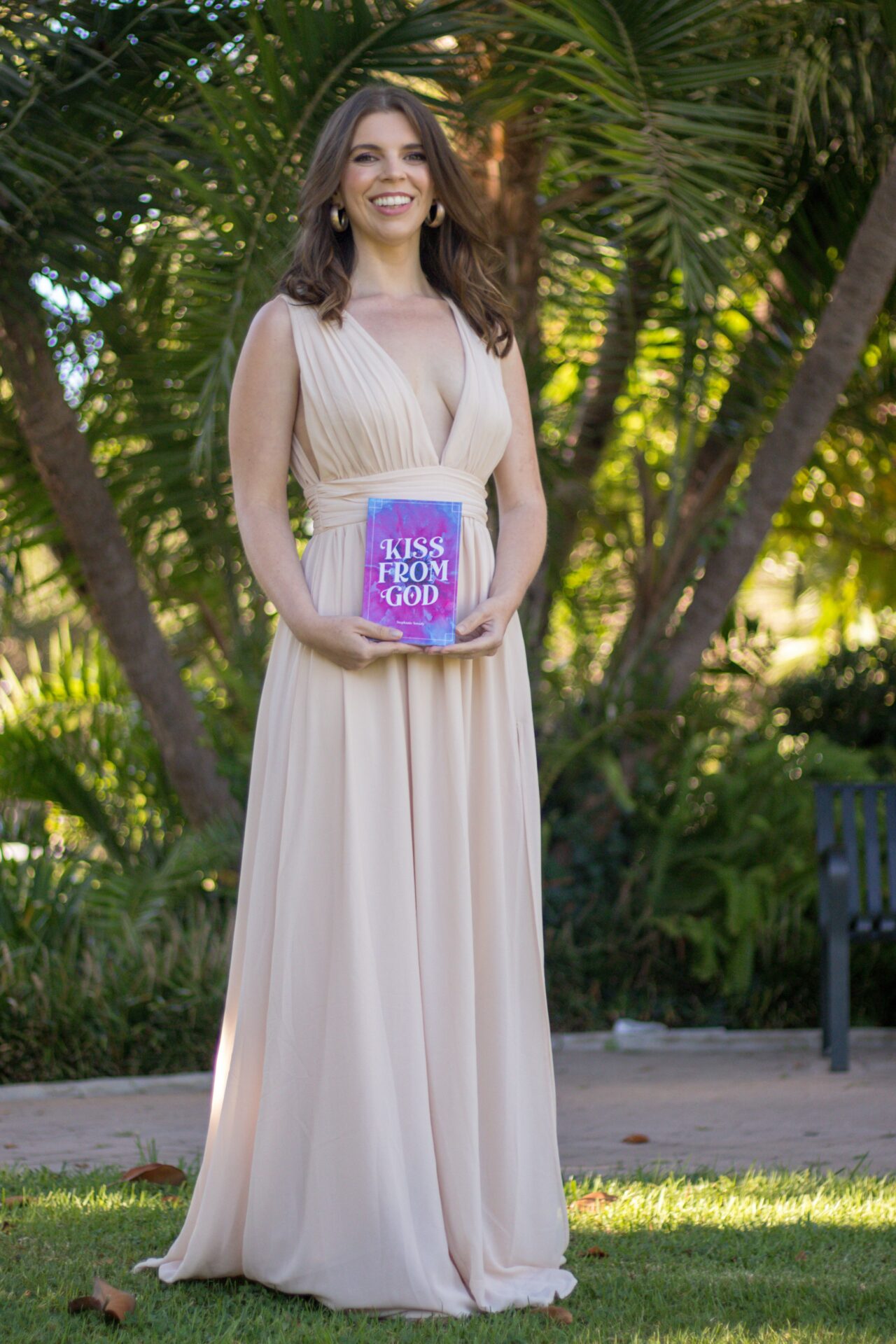
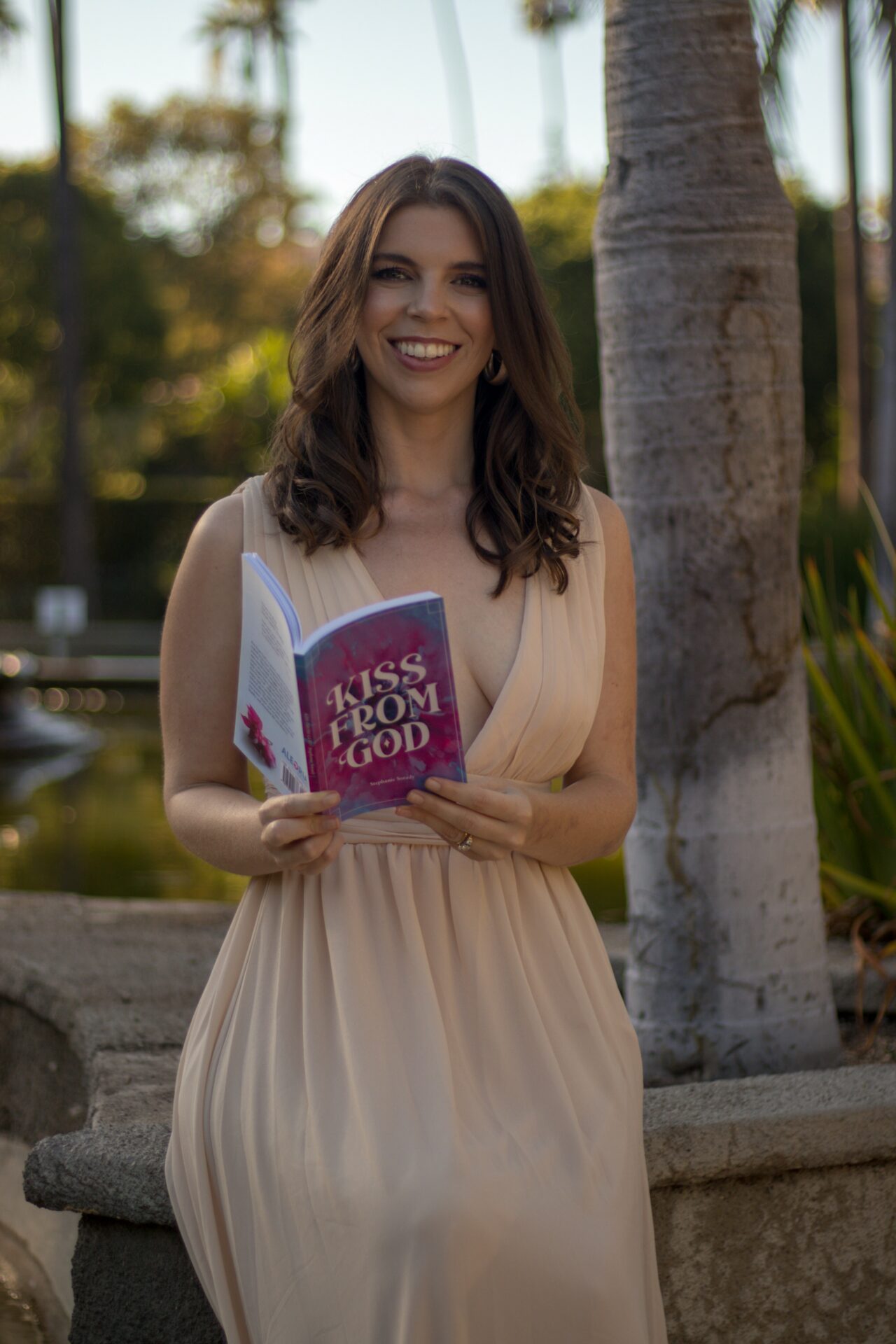


Image Credits
Diana B. Gonzalez Jennifer D’agostino