We were lucky to catch up with Susan Platt recently and have shared our conversation below.
Hi Susan, so excited to have you with us today, particularly to get your insight on a topic that comes up constantly in the community – overcoming creativity blocks. Any thoughts you can share with us?
“Creativity Blocks” are a common issue among creatives, like me. As a photographer, I have encountered many “Creativity Blocks” throughout my 30+ years of photographing. I have found that keeping creativity alive is crucial for continuous growth and innovation. Here are some strategies that I use to help nurture and maintain creativity.
1. Curiosity and Learning: Stay curious about various subjects and never stop learning. Read books, watch documentaries, explore new interests, and expose yourself to diverse ideas and perspectives. A broad knowledge base can provide a rich pool of inspiration for creative thinking. I find myself reading biographies of photographers from the late 1800s into the 20th century. These masters like Julia Margaret Cameron, Imogen Cunningham, Edward Weston, Ansel Adams, Margaret Bourke-White Diane Arbus, Dorothea Lange, Richard Avedon, Arnold Newman, Robert, Frank, Henri Cartier-Bresson, and Robert Maplethorpe, are just the tip of the iceberg-so to speak. There are so many other photographers, from different genres in photography that may spark a person’s interest. I stopped doing portraits several years ago, and only dabbled in fashion photography. However, after reading a few books about Avedon and how he worked, I picked up several ideas. But these ideas are for the area of photography I work in-not fashion or portraits. I also read biographies about other types of artists, like Picasso, Matisse, Warhol, Da Vinci, just to name a few. It always amazes me how many ideas I can come up with just by reading about these artists.
2. Embrace Challenges: Embrace new challenges and avoid staying in your comfort zone. Taking on difficult tasks can push you to think outside the box and find creative solutions. I enjoy giving myself challenging self-assignments. For example, photographing with only one focal length lens-like a wide-angle or a normal focal length lens. This forces me to think outside of the box.
3. Mindfulness and Reflection: Engage in mindfulness practices to clear your mind and focus on the present moment. Regular reflection on your creative process and projects can help you identify areas of improvement and find new directions. Going for a walk or meditating really help me get out of creative ruts.
4. Experimentation: I am not afraid to try new things and experiment with different approaches, like working with film rather than digital or even instant film like Polaroids or learning a new digital editing technique. For me creativity often thrives when I take risks and explore uncharted territory.
5. Collaboration: I regularly engage in collaborative brainstorming with others, as these diverse perspectives can fuel my creativity. I seek feedback from my colleagues and exchange ideas that have led to some innovative breakthroughs for me.
6. Inspiration from Nature and Art: I spend time in nature without my camera to think, explore, or watch the light dancing in a meadow. I like to immerse myself in various forms of art, such as music, going to a museum, or taking along drive listening to music, which all have inspired new ideas and ignited my creativity.
7. Limit Screen Time (social media): While technology has its benefits, excessive screen time seems to stifle my creativity. The last few months I have attempted to set aside dedicated periods without the “Socials”. I have limited my social media time to let my mind wander so I can imagine freely. The benefits have been worth it!
8. Adopt a Growth Mindset: I embrace a growth mindset, I focus on learning, effort, and resilience. I view my failures as opportunities for learning and improvement, rather than as setbacks. This allows me to look ahead and not dwell on my past failures
9. Maintain a Creative Space: I have created a space dedicated where I can let my creative thoughts flow without distractions. I have customized my space with objects that inspire me, such as artwork, motivational quotes, and personal mementos.
10. Keep a Journal: This is huge! I have been maintaining a creative journal where I jot down ideas, observations, and experiences. I don’t do this on my computer, I keep a physical journal where I write these thoughts. I review my journal regularly because it helps me to connect my ideas and find patterns I may not have noticed initially. I avoid self-censorship during brainstorming sessions and to let my ideas flow freely.
11. Set Aside Time for Creativity: Schedule. I began setting aside regular blocks of time dedicated to my creative pursuits. The consistency of this helped me establish a creative routine.
The main take away from all this is remembering that creativity is a muscle that needs regular exercise. I have incorporated the above practices into my daily life, which has kept my creative life alive and thriving.
Thanks, so before we move on maybe you can share a bit more about yourself?
I create photographs that are visually stimulating and that speak to the heart and the mind. I capture the world as only I see it. It may be the silhouette of a rock formation sinking into the sunset or the simplicity of dewdrops dancing in the wind. My photographs stir up the unexpected emotions and thoughts in the viewer. My photographic journeys, also known as #Lightstalking adventures, have been the catalyst and inspiration behind every photo I create. My photography, my art, encompasses everything. It is about landscapes, people, street scenes, wildlife, abstracts, mundane objects, my everyday OBSERVATIONS, from MY daily experiences. My photography is my art. It has no season.
I began photographing with a Kodak Brownie Bullet film camera given to me by my brother when I was eight years old. Since then, I have been exploring the world through my camera lens.
My photography career began as an assistant portrait/wedding photographer for a small studio in Lodi, California. While there, I learned the basics in studio lighting, posing, composition, and environmental lighting. After honing my skills, I was offered a position at a larger portrait/wedding studio, a few miles south in Stockton. This is where I polished my skills. During this time, I became one of 1,600 photographers in the United States to become a Certified Professional Photographer through the Professional Photographers of America. I was a member of the Professional Photographers of California and held the position of President for the Professional Photographers of San Joaquin County for 4 terms.
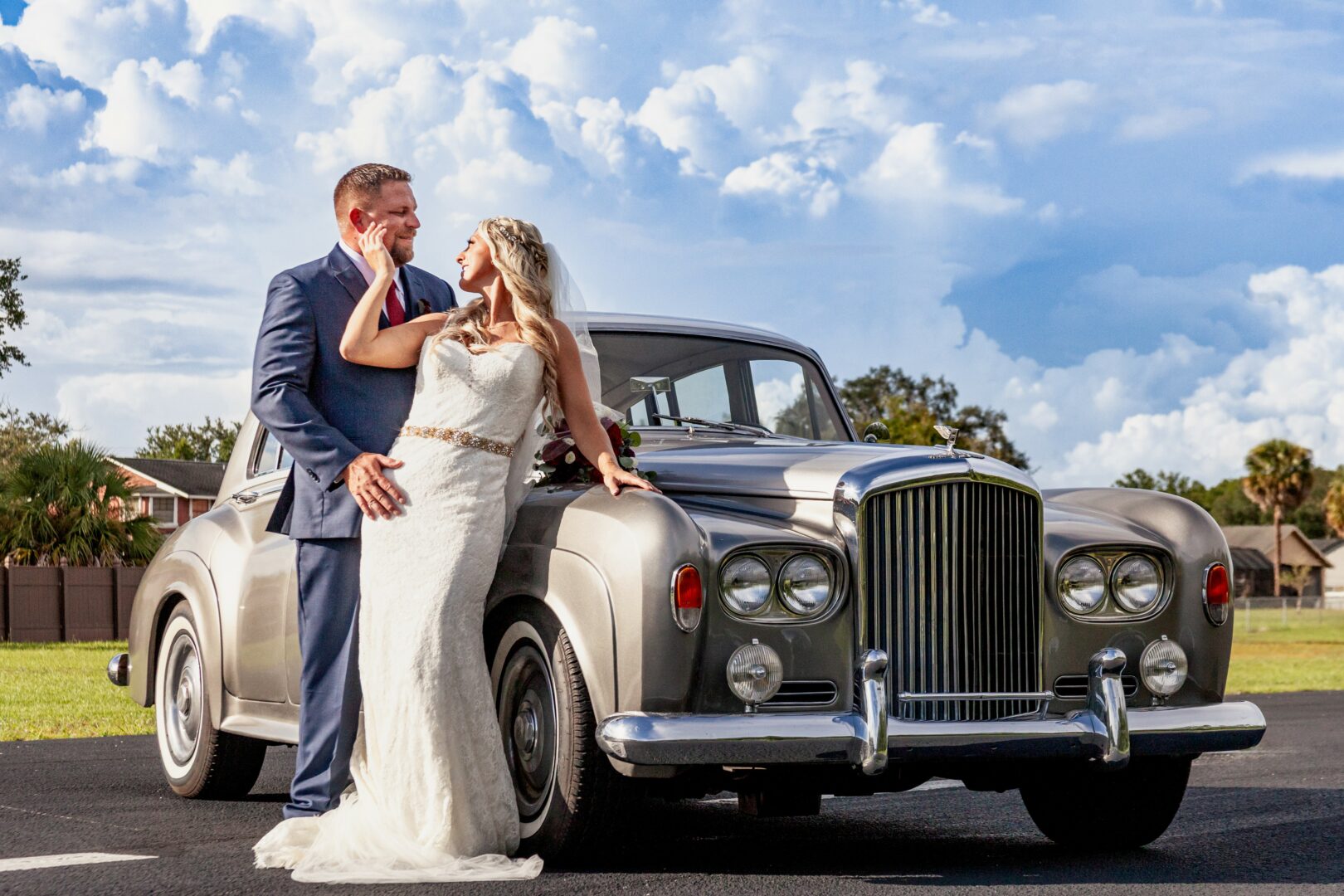
My unparalleled photographic style, unique eye, along with an eccentric personality, led me to break out on my own and open a own wedding/portrait studio on the “Miracle Mile” in Stockton. I was fortunate that I quickly became one of the most sought-after wedding/portrait photographers in Northern California.
Throughout my 25 years in the portrait/wedding photography industry, I continued my education. I studied under many notable portrait and wedding photographers such as Frank Cricchio, Joyce Wilson, Joe Craig, Monte Zucker, Denis Reggie, Annie Leibowitz, and Arnold Newton.
After suffering a spinal injury, and dealing with severe burnout, I stepped away from my career as a professional portrait/wedding photographer. I took a 5-year respite. During that time, I did not pick up my camera. Fast forward to 2013, I decided it was time to get back in the game. I picked up my camera and began my journey in fine art photography.
For the last ten years, I have been working with film, digital and instant film mediums. My areas of work encompass wildlife, conservation/environmental cultural, daily life, abstract/still life, and documentaries. My personal mantra is “The Way I See”, which is exactly what it means, The Way I See It. My eye is always looking beyond the ordinary. I wait for that pivotal moment; when the light is just right, or when the subject is at its prime, then I click the shutter release and make my photographs.
More recently, I have had the privilege of being mentored by Canadian humanitarian photographer David deChemin, and conservation writer and photographer Jayme Heimbuch.
My work has been honored through the Julia Margaret Cameron Award, the Pollux Awards, and PhotoLA. My photographs have been featured at FotoNostrum’s Mediterranean House of Photography in Barcelona, Spain. Contemporary Art Curator awarded me The Collector’s Vision International Art Award (2021), The Power of Creativity Art Prize (2021), Voices of Tomorrow Art Award (2022), and The Faces of Peace Art Award (2022).
My work has been published in Contemporary Art Curator Power of Creativity Art Book, Voices of Photography Art Book, and the Faces of Peace Art Book, Voyage Utah, Circle’s Spotlight Magazine, and Craft & Vision Magazine.
Currently, I am is preparing for my solo exhibition at the Artifact Gallery in New York City, which opens on September 4, 2024.
If you had to pick three qualities that are most important to develop, which three would you say matter most?
I could expound on more than just three! But for me, my top three are creativity/imagination, eye for detail, and passion.
Photography is an art form. It requires a creative mind and lots of imagination. You must look at what you are intending to photograph, something ordinary or perhaps something extraordinary and find a different way(s) to interpret it to convey those interpretations into something beautiful and meaningful.
Having an eye for detail is a must. You must ensure all the elements within the photograph you are making will work together harmoniously to convey your message or vision. The key elements are lighting, composition, storytelling, and emotion. The tiniest of details can make or break your photograph. Scrutinize everything before you click the shutter button. Be meticulous to ensure cohesiveness so your photograph will be just the way you want it.
Passion makes the photographer. Passion is what sets you apart from everyone else. Your passion will drive you to work harder, push farther, and strive to be better than you were the day before. Your passion will be seen in your photographs by all who view your work.
Remember, being a good photographer is more than mastering your camera or owning the best and most expensive camera equipment. It is about your inherent qualities that allow you as a photographer to see the beauty in mundane scenes or objects, and to be able to capture that beauty in a photograph.
Before we go, maybe you can tell us a bit about your parents and what you feel was the most impactful thing they did for you?
My parents were my cheerleaders. They supported my photographic journey. They realized when I was quite young that this was the path I was going to choose. I remember one Christmas when my parents gave me my first 35mm camera, a Pentax K1000. I didn’t have to borrow a camera from school anymore. Next was the darkroom set. My mom would black out the windows in my bathroom so I could print my black and white photos. My dad would pose for me when I needed a model. I remember my parents would take me places on the weekends so I could make photos.
As my photography journey progressed, I opened my portrait/wedding studio. My mom and dad helped me move-in equipment, backgrounds and sets to create the perfect studio. When my doors first opened, and for about two years, my mom would work with me during the week. She put wedding albums together and assisted with sessions. My dad would help by watching the studio when I had location appointments. They did all of this without issue; always there, unselfishly helping me succeed. They were the force behind my passion, always there, fueling my photographic ambitions and journey.
Contact Info:
- Website: https://www.sgplattimages.com/
- Instagram: @sgplatt
- Facebook: https://www.facebook.com/sightsrevealed https://www.facebook.com/susan.platt.5/
Image Credits
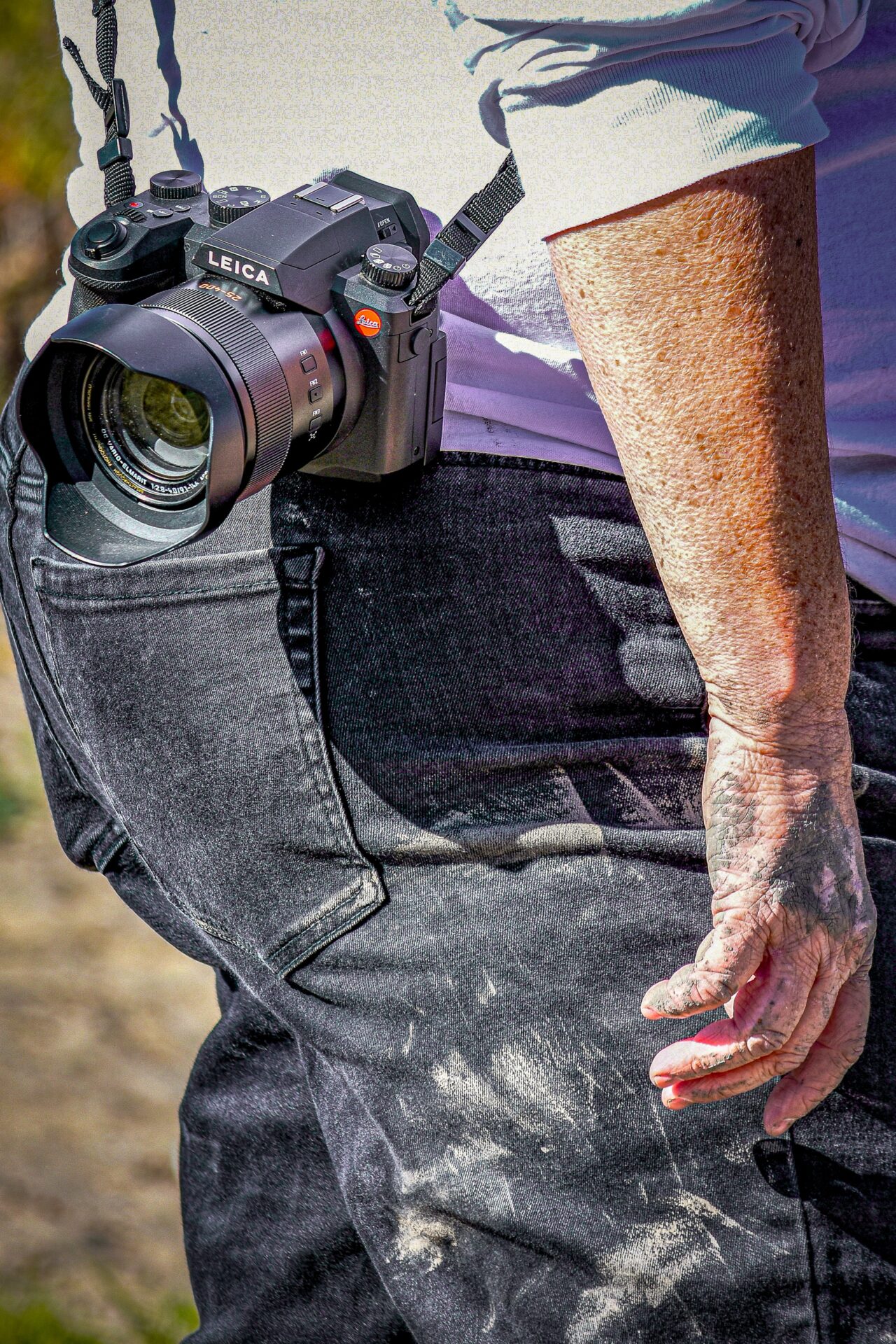
The photograph that is of me, shows my arm, camera, and hip, was made by Nadine Sandmeier Brown.