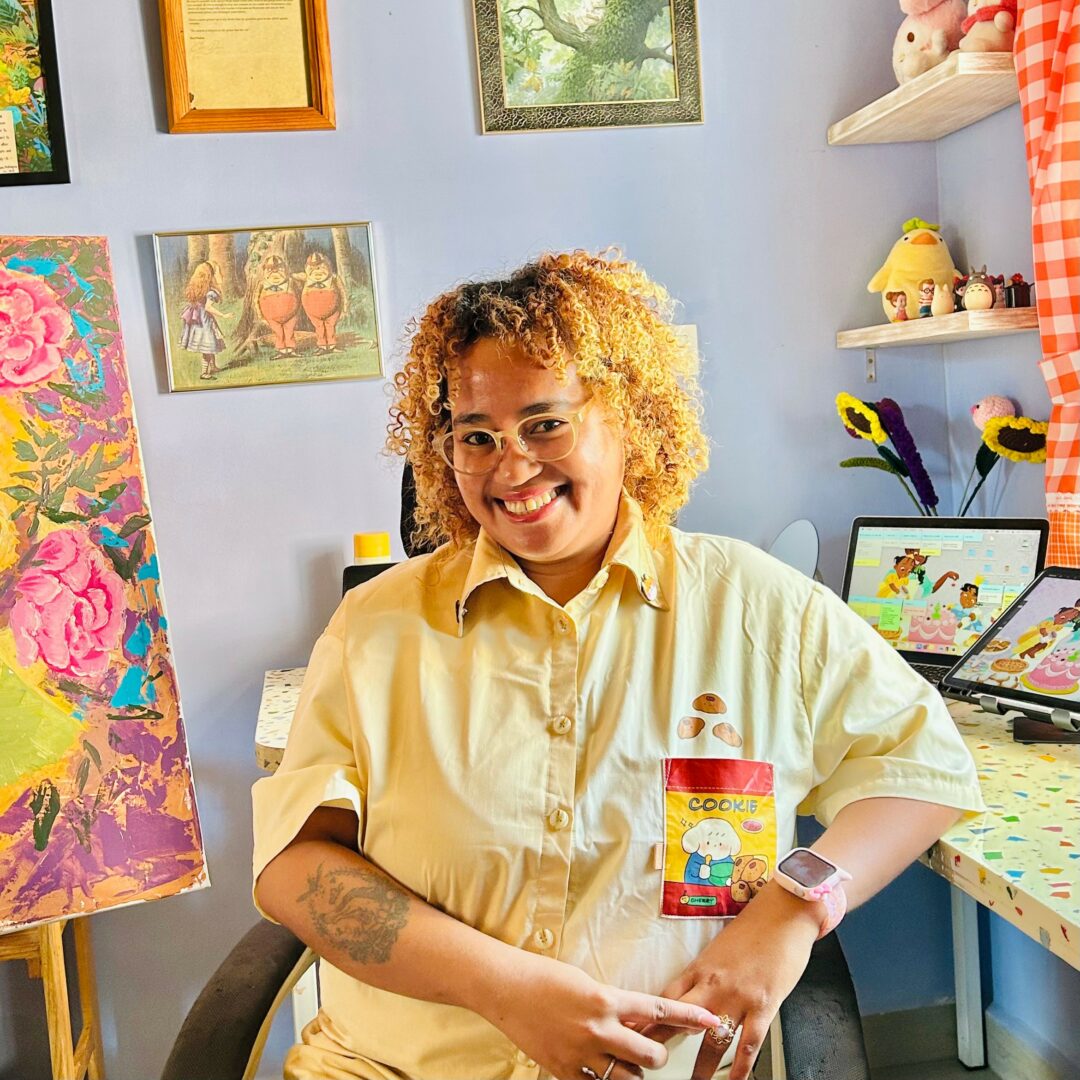
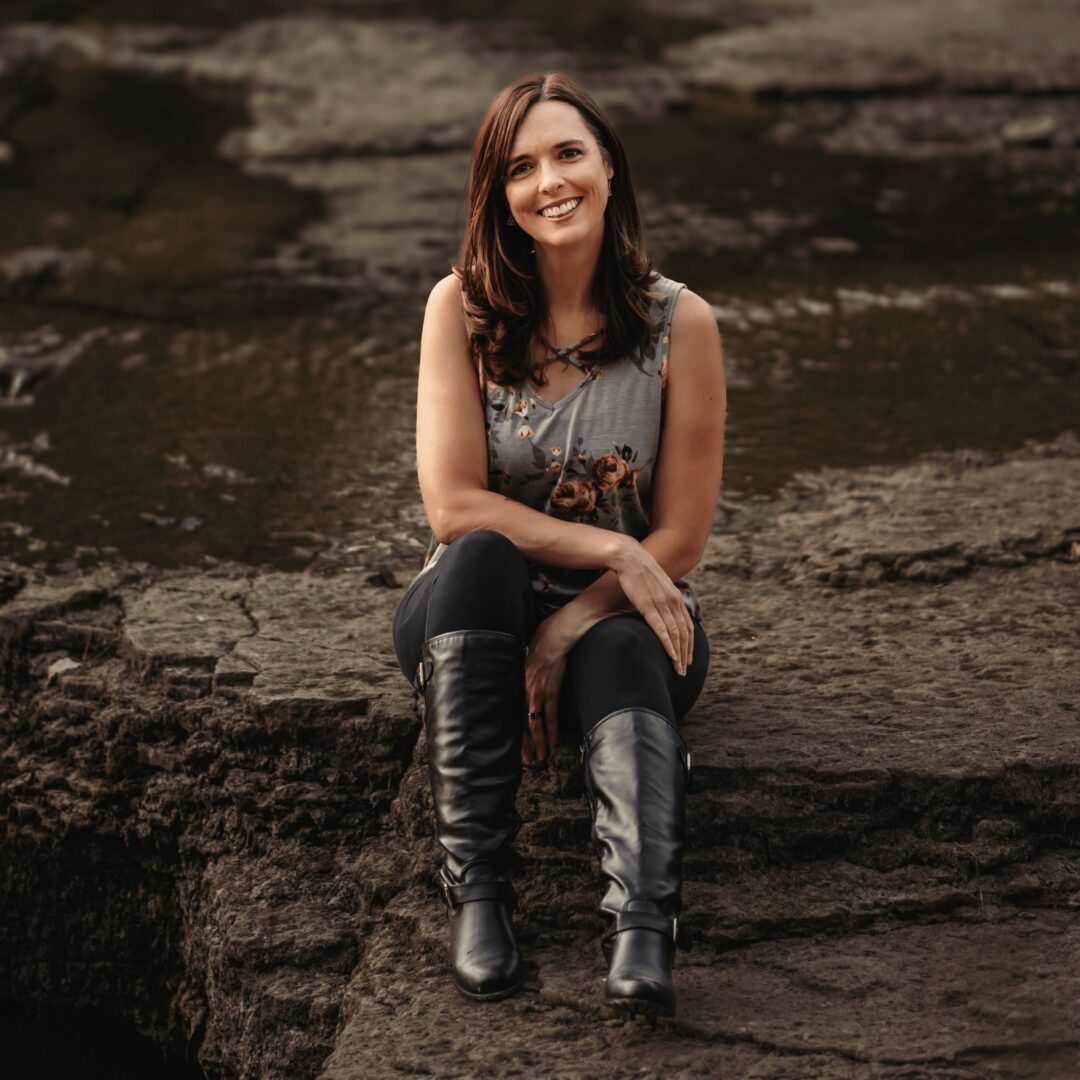
Alright – so today we’ve got the honor of introducing you to Susie Koh. We think you’ll enjoy our conversation, we’ve shared it below.
Susie, so many exciting things to discuss, we can’t wait. Thanks for joining us and we appreciate you sharing your wisdom with our readers. So, maybe we can start by discussing optimism and where your optimism comes from?
Continuing to say positive words brings a good vibe. Thankfully, I’ve heard a lot that my natural personality is optimistic. So, in any situation, I tend to think positively and vaguely have a mind that says, “It’s gonna work out in the end!” It’s like putting up a spell. If I keep repeating to myself that good things will happen, I feel confident, and without my intention, everything flows in a positive direction. These positive thoughts are the driving force that helps me live optimistically. It’s still a smooth life, but there are big and small twists, right? Whenever I do that, I always imagine everything will eventually flow in a good direction for me, and I have thought that I can do my best to do what I can, and that’s a great strength for me to overcome obstacles and live the best life I dreamed.
Great, so let’s take a few minutes and cover your story. What should folks know about you and what you do?
Hello! I’m Susie Koh, a Los Angeles-based graphic designer specializing in Brand Identity and Motion Graphics. I work at Sony Pictures Entertainment, contributing to the design of SPT game shows, including Jeopardy! and Wheel of Fortune. Let me introduce myself a bit more deeply. I will talk a little bit more about Susie itself in some categories.
Background and Inspiration: My journey began in Seoul, South Korea, and at an early age, I discovered a deep love for art. With unwavering support from my parents, I set my sights on a career in the arts. By 11, I was already in art school, nurturing my dream of becoming an artist.
Education and Growth: Seeking to delve deeper into the design world, I went to the ArtCenter College of Design in Pasadena. This institution, founded on practical design principles, offered a perfect fit for my aspirations. At the ArtCenter, I encountered remarkable mentors and formed invaluable connections with fellow designers that helped mold my career.
Passion for Design: Graphic design is more than a profession; it’s a channel for meaningful communication and persuasion. What makes this career truly exciting is its constant challenge and the opportunity to connect with a diverse audience. I feel incredibly fortunate that my work aligns so well with my passion.
Versatility and Adaptability: My strength as a designer lies in my fearless approach to challenges. I aim for high-quality results, regardless of the materials, concepts, or themes I encounter. This unwavering commitment remains a hallmark of my work. The field of graphic design is constantly evolving, and I actively embrace this change. My work spans a broad spectrum, from typography-centric brand identity projects to dynamic motion graphics and even 3D creations. This versatility is a testament to my dedication to expanding my skill set.
Future Endeavors: My journey in graphic design is far from over. I am committed to continuous growth and seek fresh challenges and opportunities to broaden my horizons. As the design world continually transforms, I am excited to explore new projects and avenues, staying at the forefront of design innovation.
This comprehensive yet concise account offers insights into my background, my unwavering passion for design, my adaptability, and my dedication to ongoing growth in the dynamic field of graphic design.
There is so much advice out there about all the different skills and qualities folks need to develop in order to succeed in today’s highly competitive environment and often it can feel overwhelming. So, if we had to break it down to just the three that matter most, which three skills or qualities would you focus on?
The three essential qualities are decisiveness, Open-mindedness, and talent to enjoy. Skill and knowledge need to be constantly updated and adaptable to new things, so of course, it’s important, but rather than picking one fundamentally important thing, we need a freely acceptable fluidity. So, my inner attitudes and qualities influenced me the most in my creative journey. First, determination was very weak for me in the past, and I did a lot of mind training to develop judgment. Graphic designers are always fighting countless cases of detail because graphic design can produce a very different feeling of outcome with just one minor detail, and what touches a client’s mind is a tiny psychological factor rather than a tangible number. But it would be best if you made all the decisions at the crossroads of quick choices. When I was learning graphic design at school and came out on the field and worked as a graphic designer, the biggest thing I felt was that I was alone in the moment of making all the decisions, regardless of the project size. The consequences of all those choices were my responsibility. That’s why I think the decision, judgment, and ability to appeal to the merits of my options without regret are a big part of my creative journey.
Next is an open mind. Design cool stuff should be sensitive to trends and know how to capture the other person’s heart. That’s why there’s no particular answer for every step. Even though it’s not my cup of tea, it could be the best design for the other person, and there could be various approaches in addition to how I work. In this regard, I don’t think a designer who has a closed mind that only certain things are right can communicate with others. It is good for young juniors as well as my seniors, and an open mind that can learn unique culture and apply it to my design is the key to helping my constant growth as a designer.
The last thing is that I think it’s most important for everyone, even if you’re not necessarily going through a creative journey. It’s a mind that knows how to enjoy it. Our lifespan is long. Life as a designer is also very long. In this long journey, we will go through countless things and be happy, angry, and sad. In order to move forward without getting tired, I think it is important to have the essence of what I do, graphic design in my case, and how enjoyable this is. I think we can’t enjoy something and the moment I treat it as a job, we get burned out. So it’s important to always keep in mind how much I love design and how much fun this is, thinking that what I do is a fun creative activity.
Do you think it’s better to go all in on our strengths or to try to be more well-rounded by investing effort on improving areas you aren’t as strong in?
Of course, both are essential points, but it would be better to prioritize them first to focus on their strengths and then improve their other shortcomings when their strengths are more established. Since modern society is very complex and subdivided, it’s also a remarkable ability to know and appeal to our strengths. I’ve consistently grown up in school when I’m working on fine art or graphic designs, being told by my teachers to highlight what’s most important. I’ve been considering highlighting the merits even more. Sometimes, I got into a dilemma when I worked on design pieces. When I highlighted all the minor parts outside the Focal Point, I often needed more focus on the essential key points, lost my subject, and wandered. This is like our lives. Of course, it is crucial to become an all-rounder by reinforcing weaknesses, but the most important thing is to highlight my strengths and appeal to my specialty. If you try to be an all-rounder and pay less attention to your strengths, you may eventually lose your specialty. It’s good to compensate for the shortcomings but to make up for the other shortcomings after raising the advantages to an exceptional level would be a better solution. I believe some flaws make the gifts even more special.
Contact Info:
- Website: https://susiekoh.design
- Instagram: https://www.instagram.com/susiekoh.design/
- Linkedin: https://www.linkedin.com/in/susie-koh-6388a3197
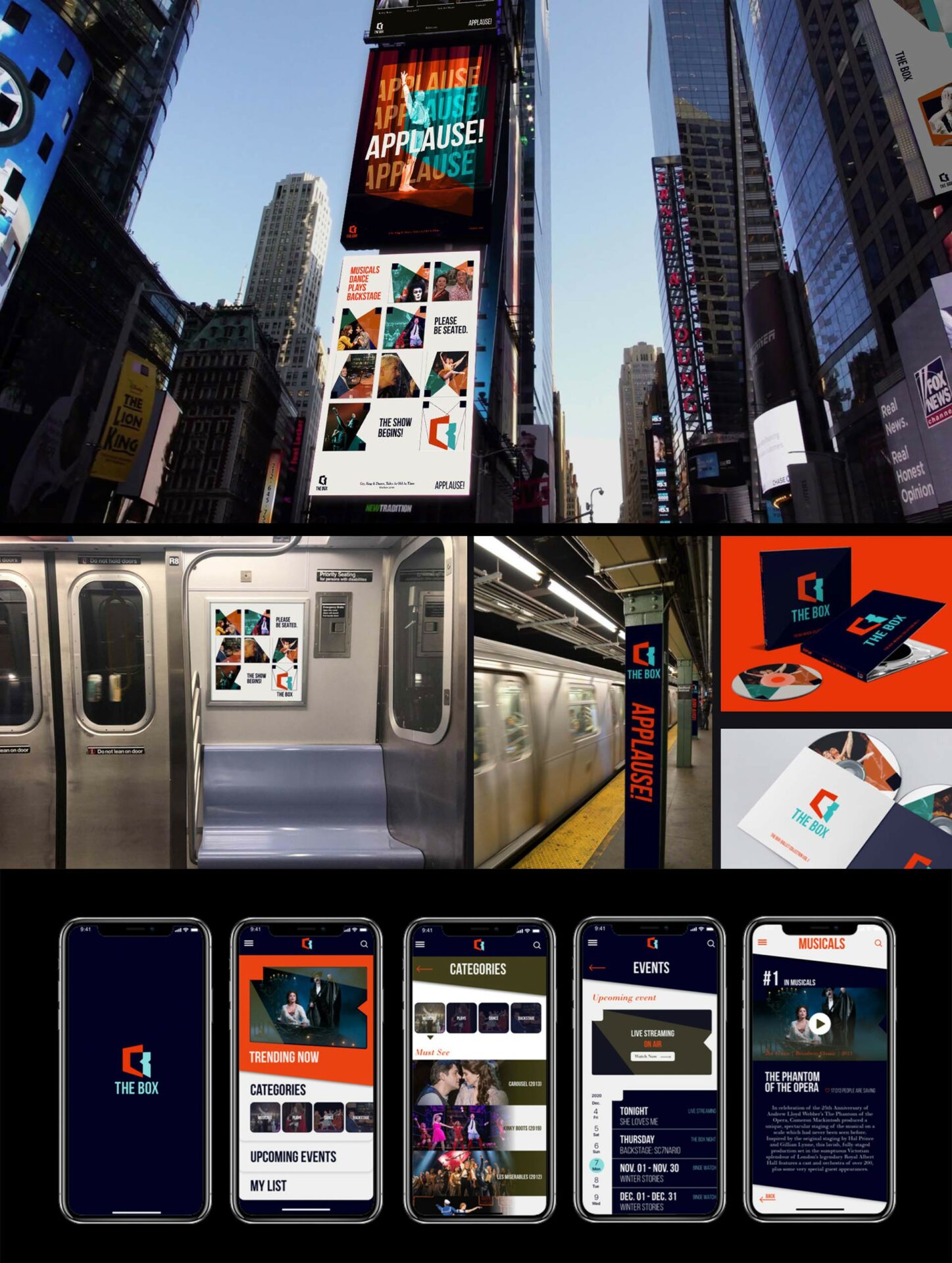
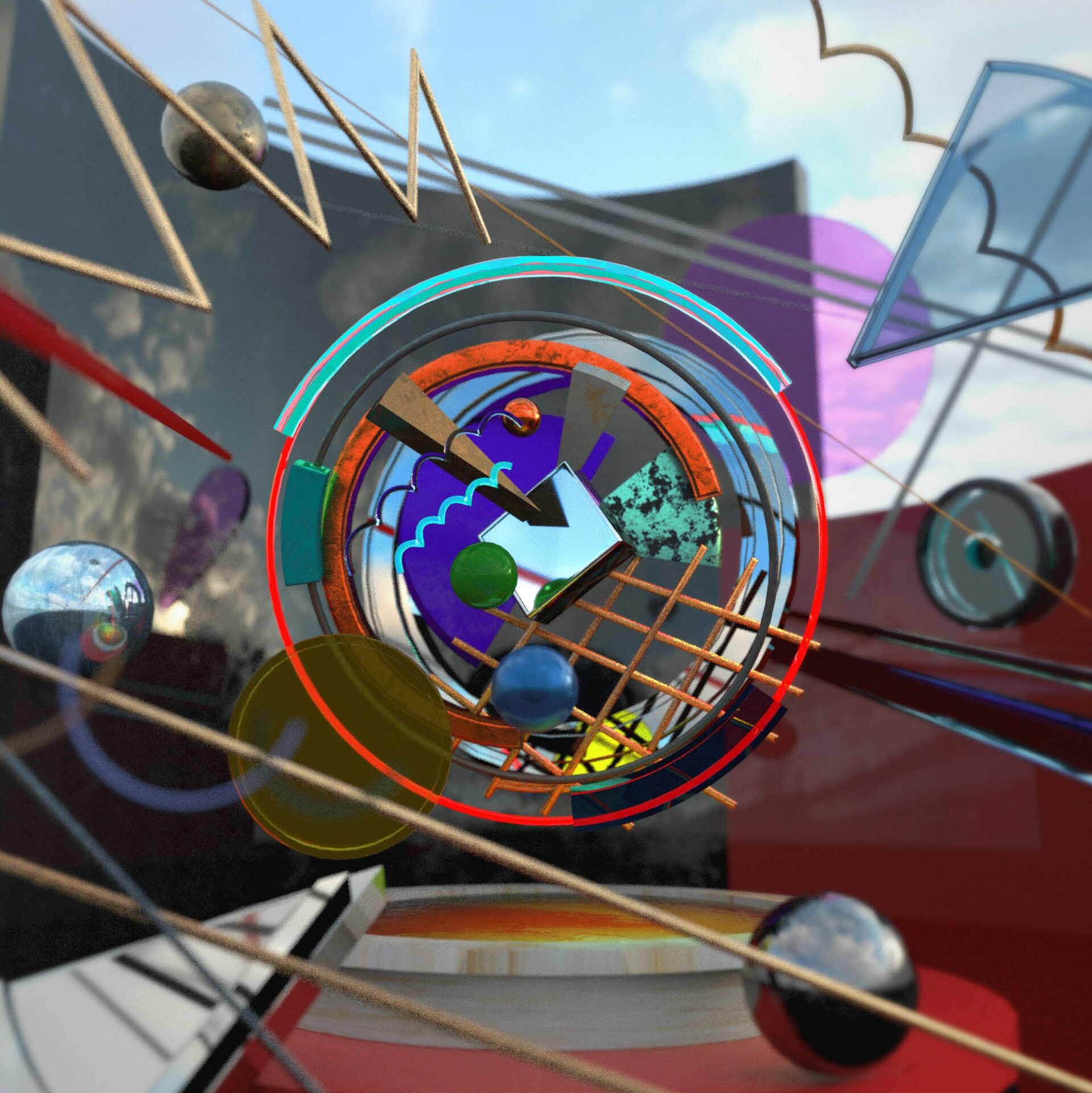
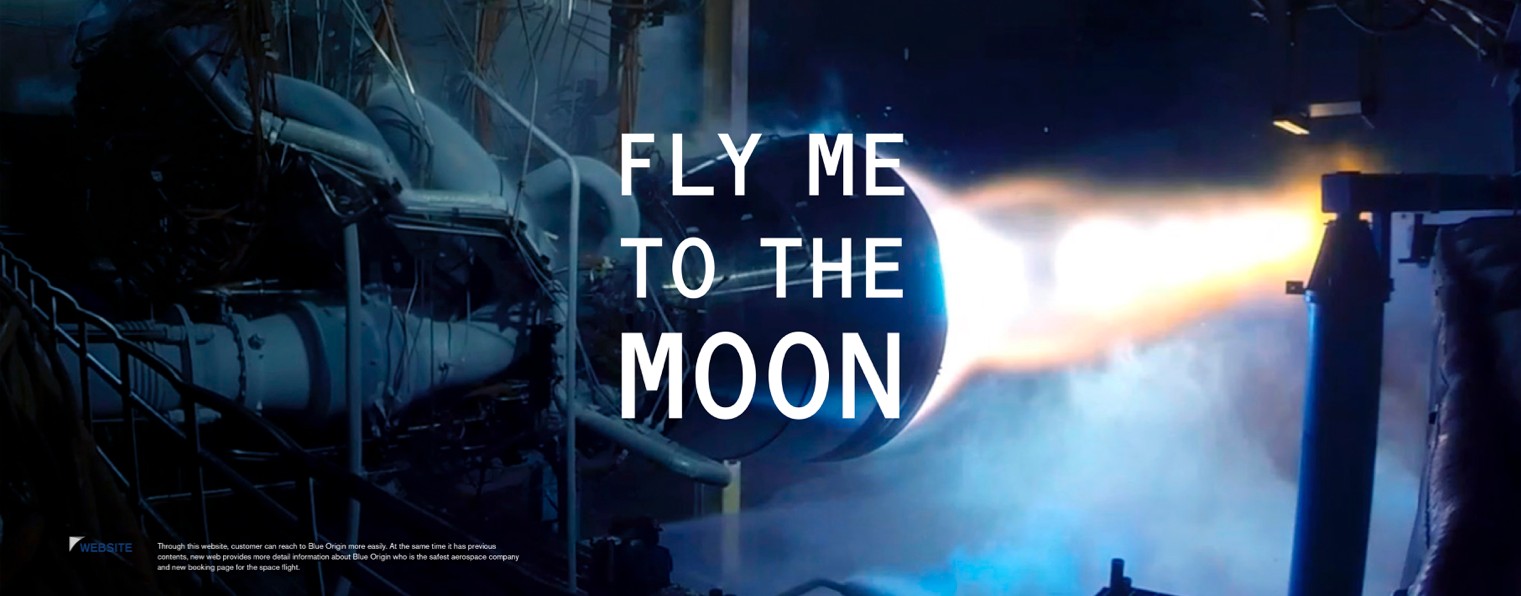
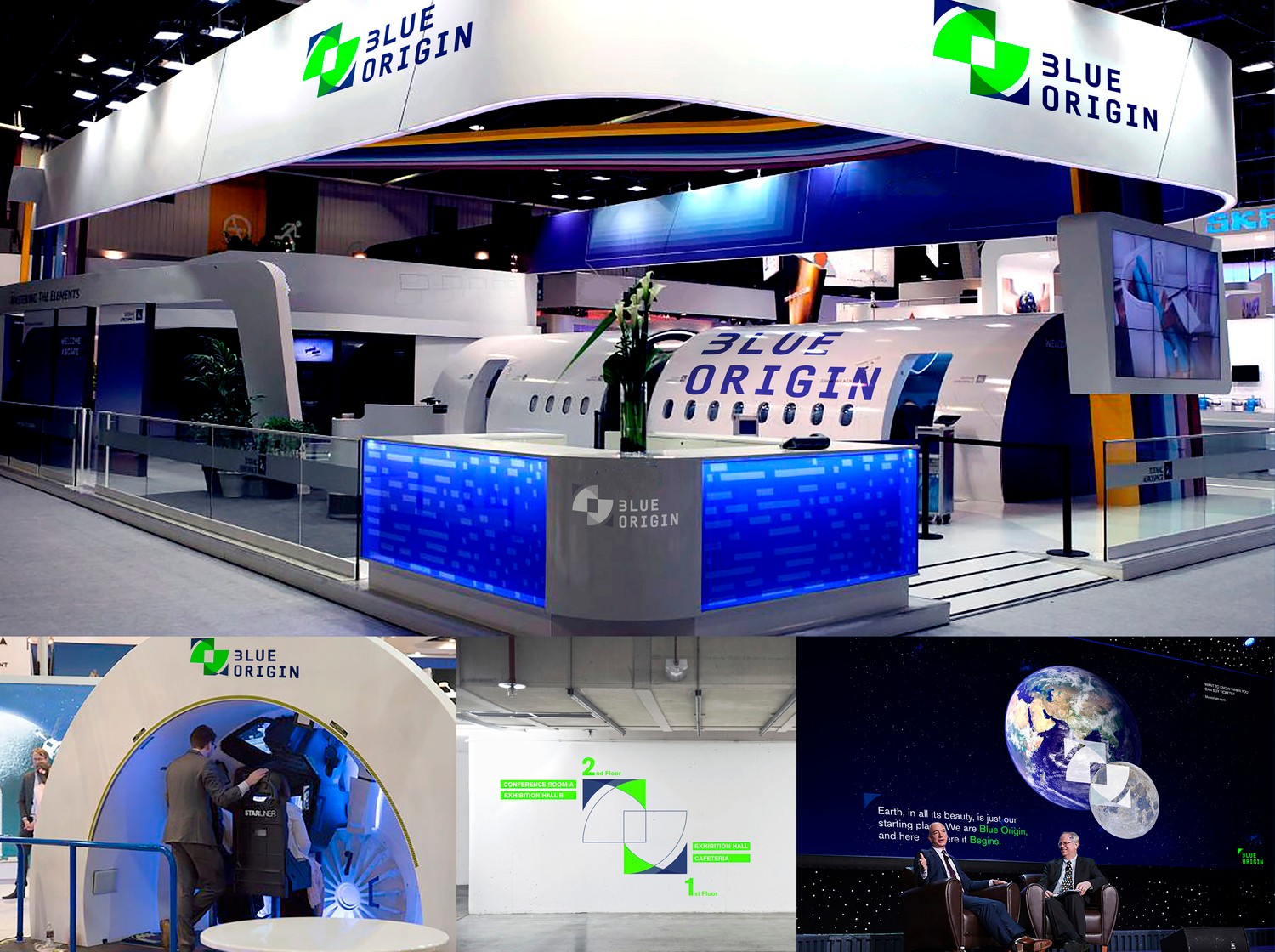
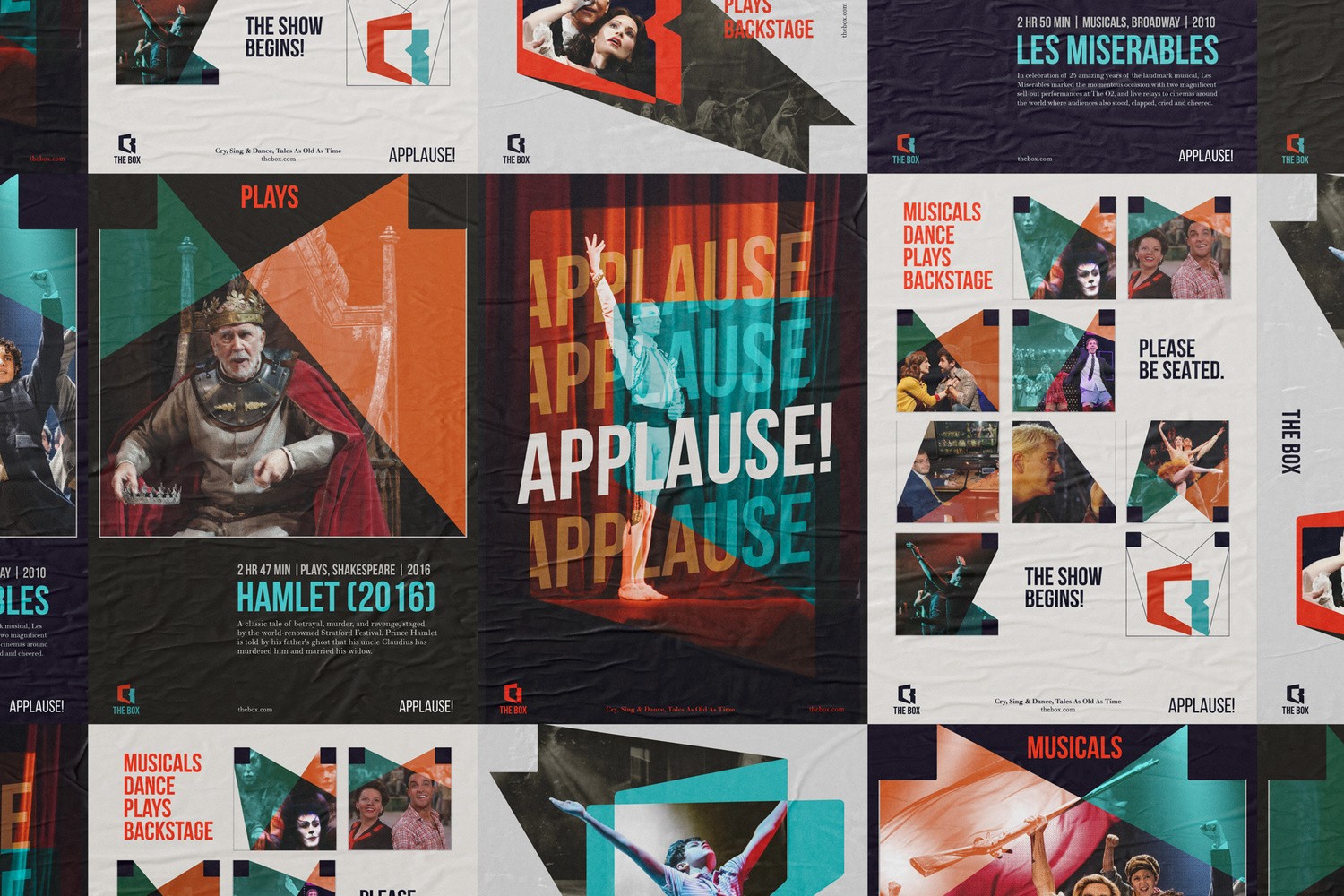
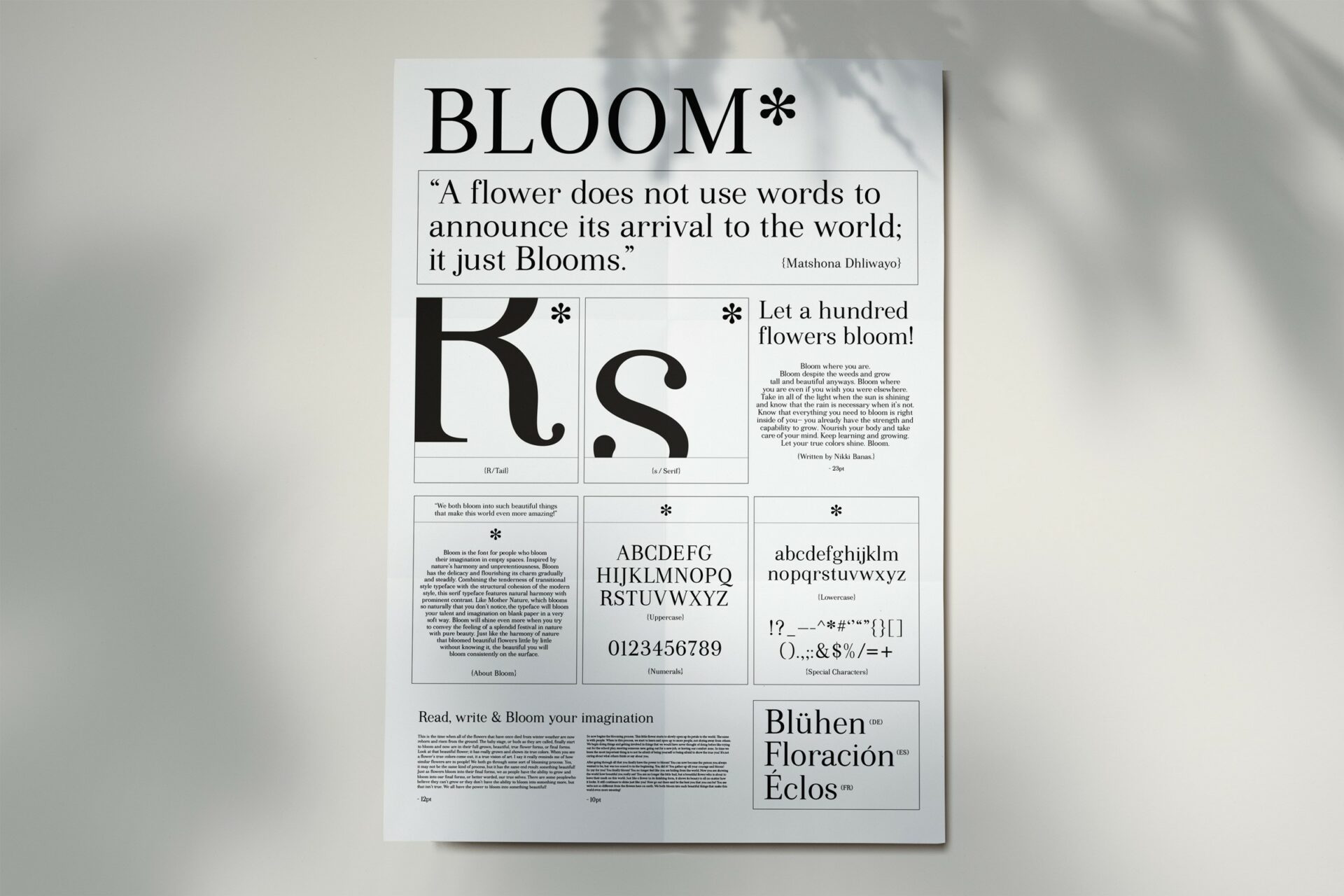
Image Credits
Susie Soojeong Koh