
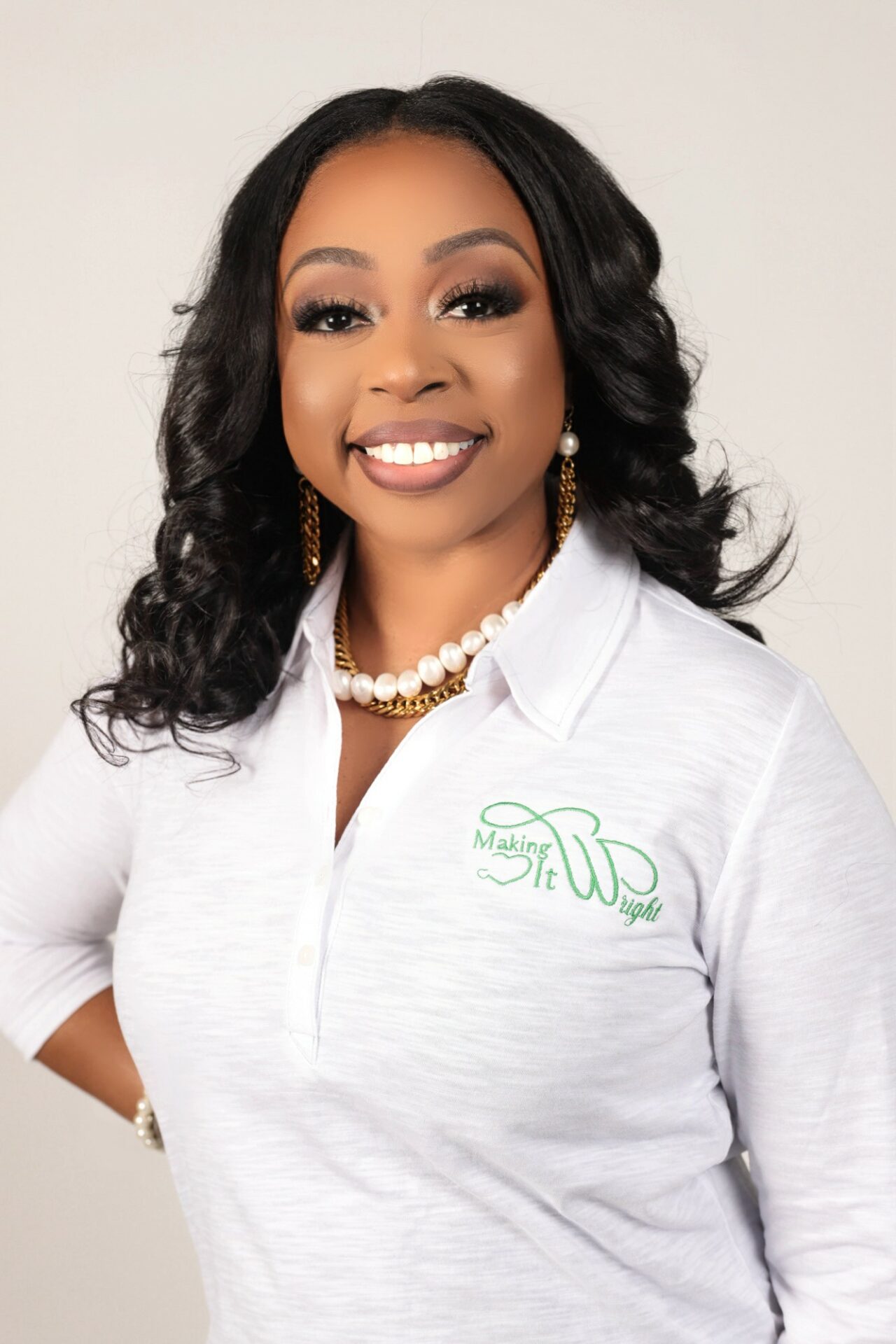
We were lucky to catch up with Umeka Wright recently and have shared our conversation below.
Umeka, so great to have you on the platform and excited to have you share your wisdom with our community today.
Communication skills often play a powerful role in our ability to be effective and so we’d love to hear about how you developed your communication skills.
Effective communication is at the heart of my role as a Licensed Professional Counselor Associate. My journey towards mastering this crucial skill has been a dynamic blend of education, training, self-reflection, and practical application. It’s the amalgamation of these elements that has shaped my ability to connect deeply with clients and navigate the complexities of therapeutic interaction.
My foundation in effective communication stems from formal education in psychology and counseling. This provided me with a robust understanding of human behavior, communication theories, and therapeutic techniques. However, it was through hands-on experience that I truly honed these skills. Working with diverse clients over the years allowed me to refine and adapt my communication style to suit individual needs and circumstances.
Continuous learning remains a cornerstone of my growth. Attending workshops, seminars, and seeking additional training keeps me abreast of evolving therapeutic approaches and communication strategies. Equally vital has been the practice of self-reflection. Examining my communication patterns, biases, and experiences has allowed me to deepen my understanding of how they influence interactions with clients.
Great, so let’s take a few minutes and cover your story. What should folks know about you and what you do?
As a licensed professional counselor, mental health advocate, and the driving force behind Making It Wright Counseling Services, I’m also excited to share that we’re launching new initiatives focused on mental health education and support tailored specifically for athletes, coaches, and those within educational settings through our subsidiary “Game Changer Mental Health Coaching.”
My primary mission is twofold: to provide tailored counseling and mental health coaching for athletes and coaches, while also spearheading the destigmatization of mental health in the realm of sports. What’s truly special and invigorating about my work is the intersection of mental health advocacy and the sports community. I find immense satisfaction in supporting athletes, coaches, and educators as they navigate the unique mental health challenges within their field.
Ultimately, my goal is to break down the stigma surrounding mental health in sports, providing a safe and supportive environment for individuals to address their mental well-being, while addressing their distinctive needs and fostering resilience within these diverse contexts.
My brand is deeply committed to providing counseling and coaching services that empower, encourage, and equip individuals with the necessary tools to not just manage but eliminate life’s stressors. Through speaking engagements, workshops, and personalized counseling and coaching sessions, I am committed to fostering a culture that promotes open conversations about mental health and provides support to individuals in achieving their peak performance, whether on the field, court, track, or any other sports arena.
Looking back, what do you think were the three qualities, skills, or areas of knowledge that were most impactful in your journey? What advice do you have for folks who are early in their journey in terms of how they can best develop or improve on these?
Reflecting on my journey, three qualities that profoundly impacted me were empathy, continuous learning, and self-reflection.
For those beginning their journey, my advice is to embrace these qualities early on. Cultivate empathy through active listening and a genuine curiosity about others’ experiences. Commit to continuous learning by staying updated with new research, techniques, and trends in the field. Lastly, make self-reflection a habit to understand your strengths, areas for growth, and how your experiences shape your practice. This blend can form a robust foundation for personal and professional growth in the field of mental health.
Any advice for folks feeling overwhelmed?
When overwhelmed, I rely on a variety of strategies rooted in self-care and spirituality to regain equilibrium. Journaling serves as a cathartic outlet, allowing me to unload thoughts and emotions, bringing clarity to life’s chaos. Relying on my faith becomes my cornerstone; it provides solace, strength, and a sense of purpose during challenging times.
Being intentional about my daily devotional and prayer time offer moments of reflection and connection, anchoring me to something greater and nurturing resilience. Focusing on the present moment through mindfulness is pivotal; it’s a reset button, grounding me when stress is high.
Gratitude journaling is transformative; it redirects my focus to God’s blessings, fostering a positive outlook. Setting boundaries becomes imperative—I prioritize tasks, delegate, and learn to say no, preserving my mental and emotional well-being.
For those grappling with feeling overwhelmed, I encourage exploring these practices, customizing them to fit their personal beliefs and preferences. Building a repertoire of self-care techniques, including spirituality, empowers individuals to navigate overwhelming moments, restoring balance and fostering resilience. The key is finding practices that resonate personally and bring a sense of calm during life’s storms.
Contact Info:
- Website: www.makingitwright.com
- Instagram: https://www.instagram.com/makingitwright/
- Facebook: https://www.facebook.com/makingitwrightcounseling, https://www.facebook.com/GameChangerMHC/
- Linkedin: https://www.linkedin.com/in/umeka-wright-m-a-lpc-associate-lcdc-i-89995255
- Twitter: https://twitter.com/GameChangerMHC
- Youtube: N/A
- Yelp: N/A
- SoundCloud: N/A
- Other: None


Image Credits
Corrin Photography, TB5 Reports


