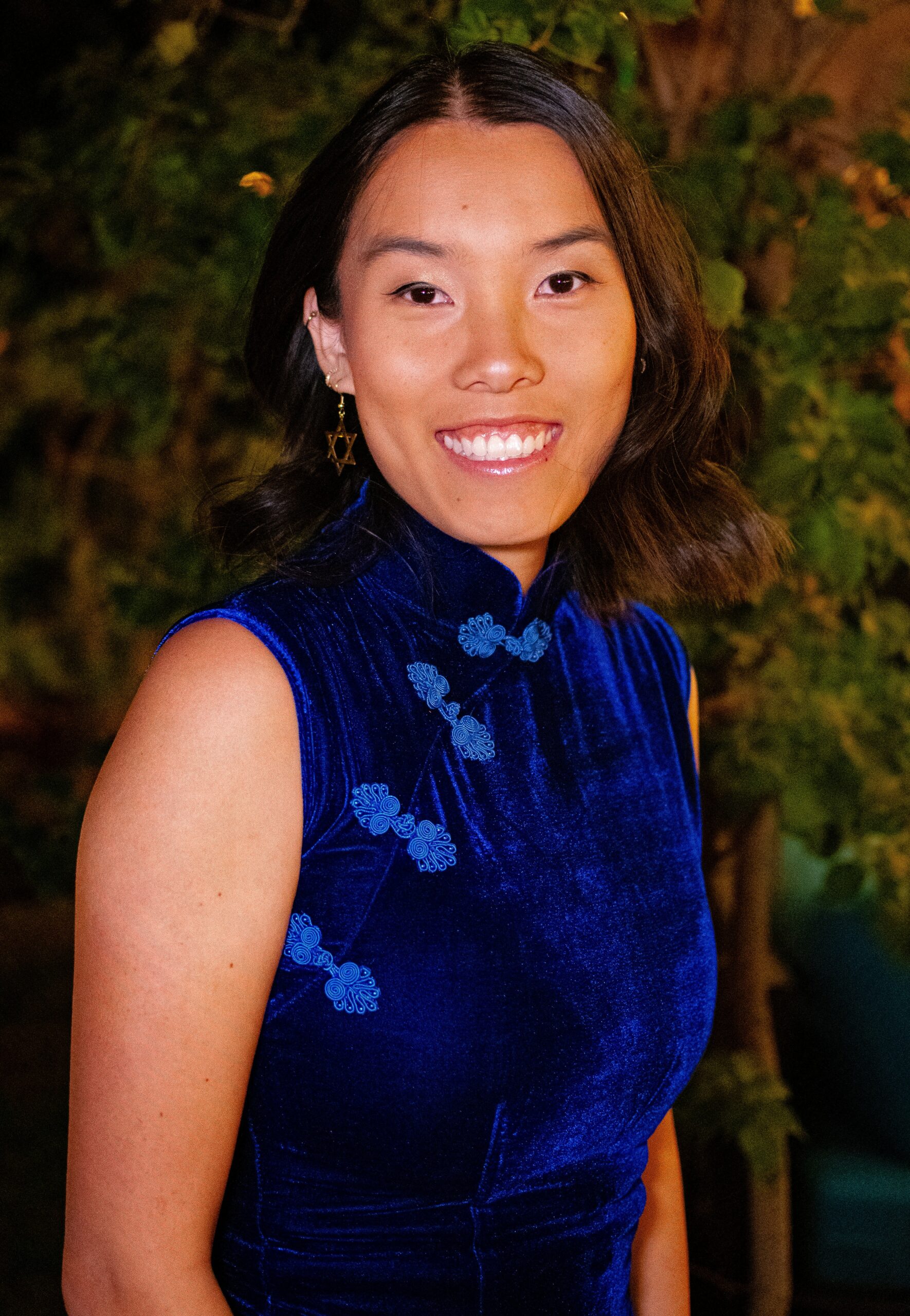
We caught up with the brilliant and insightful Vanessa Bloom a few weeks ago and have shared our conversation below.
Vanessa, thank you so much for making time for us. We’ve always admired your ability to take risks and so maybe we can kick things off with a discussion around how you developed your ability to take and bear risk?
I credit my ability to take risks to two things — confidence that I’ll learn something even from failure, and a saying my mom said growing up: “what’s the worst someone could say? ‘No?’.” To the first point, I’ve tried and failed at a lot of things, and I’ve done my best to learn to use each of those instances as a lesson. Even if that lesson is, “I didn’t like this experience and I wouldn’t do it again” re-framing failure as a way to learn something about myself or my craft takes the edge off (it’s harder said than done, but I’m counting on practice making perfect!)
As for the second part, this saying of my mom’s that the worst answer you could receive was no freed me to put myself and my work out there in ways I might have been afraid to otherwise. When you create something like a script or film, sending it out into the universe to stand on its own is scary because you will hear a ton of no’s. And goodness knows I’ve heard no’s — over fifty in the last three years alone (yes, I keep a list). But I’ve ALSO heard a lot of yes’s, and those yes’s wouldn’t have happened if I hadn’t taken to heart that the worst I could hear in is no, so why not put my work out there anyways.
Let’s take a small detour – maybe you can share a bit about yourself before we dive back into some of the other questions we had for you?
At my core I’m a storyteller. This has been a through line of my work and life ever since I was a child and would spin stories with my sister, dramatic tales of the everyday lives of people we made up. As an adult I find myself telling stories in a few mediums: as a filmmaker, including narrative and documentary shorts; as a history teacher bringing the past alive; and as a Los Angeles Community Leader for The LUNAR Collective, a nonprofit organization by and for Asian Jews (I was adopted from China; my family is multifaith and my mom is Jewish).
I think what brings me the most joy in telling stories, be they fictional characters or real-life historical figures, is the crafting of a narrative that invites an audience in to hear more, see more, learn more. The fact that I get to do this for a living is such a blessing.
Currently, I’m a co-producer for a nonfiction theatre show with The Braid in Los Angeles, opening May 2024 called “What Do I Do With All This Heritage,” exploring the true-life tales of Asian Jewish Americans. I’m also directing a complimentary short documentary as this is the first Asian Jewish theater show on record, and I want to capture the process and preserve it as a piece of theater history. I’m also working on a short horror comedy screenplay that’s currently awaiting festival results, the tale of an interfaith couple exorcising a demon in their attic. It’s called “Interfaith Exorcism.”
If you had to pick three qualities that are most important to develop, which three would you say matter most?
My most important qualities are ones I think are still involving: grit, thoroughness, and asking questions.
Grit is the easiest to explain — in creative industries, you will hear many many MANY no’s. As I’ve said earlier I have had 50+ major rejections in the last three years. These rejections were all for some of the most personal screenplays and films I’ve ever made. But you’ve got to have grit to keep going and realize how you can improve and learn from the nos.
Thoroughness is a quality that has served me well, especially in collaborative projects. Anyone can have a great idea or a fantastic logline; no one wants to work with someone who can’t back their grand ideas with the work ethic and attention to detail required. As a 19-year-old in college I was working with seniors and already-graduated film students because I proved that beyond any ideas I had, I was willing to put the effort in, and would do it to the best of my ability. By the time I was 20 I was working as a production assistant on Netflix and Amazon series, where I was often one of the youngest people on set. Being thorough was how I earned a good reputation to go on to other projects.
That brings me to my third point, asking questions. It’s easy in creative fields to believe you know everything. Being aware of your shortcomings and asking questions of those with more experience, knowledge, and foresight is the key to having any success at all. Sure, it may be possible to blunder your way into success being arrogant, but true humility is what’s going to help you grow. I’ve grown so much from both when I’ve asked questions and when I made the mistake of believing I knew it all and consequently faced failure.
To close, maybe we can chat about your parents and what they did that was particularly impactful for you?
The most impactful thing my parents did for me was teach me that character mattered, more than success, money, or fame. They raised both my sister and I to be be kind, courageous, hard-working, and to speak out against injustice if we saw it. And because this was the focus of their raising me, it let me know it really did not matter if I won or lost, failed or succeeded, got an A or an F. And this in turn gave me so much confidence that I could try something and not fear if it didn’t work out like I thought it would. Of course, my parents wanted me to do well in school and sports and encouraged me to push myself, just like all parents. But they instilled in me that character was far more important than material gains or losses.
Contact Info:
- Website: https://linktr.ee/vanessabloom
- Instagram: vanessa.bloom
- Facebook: https://www.facebook.com/vanessa.bloom.965/
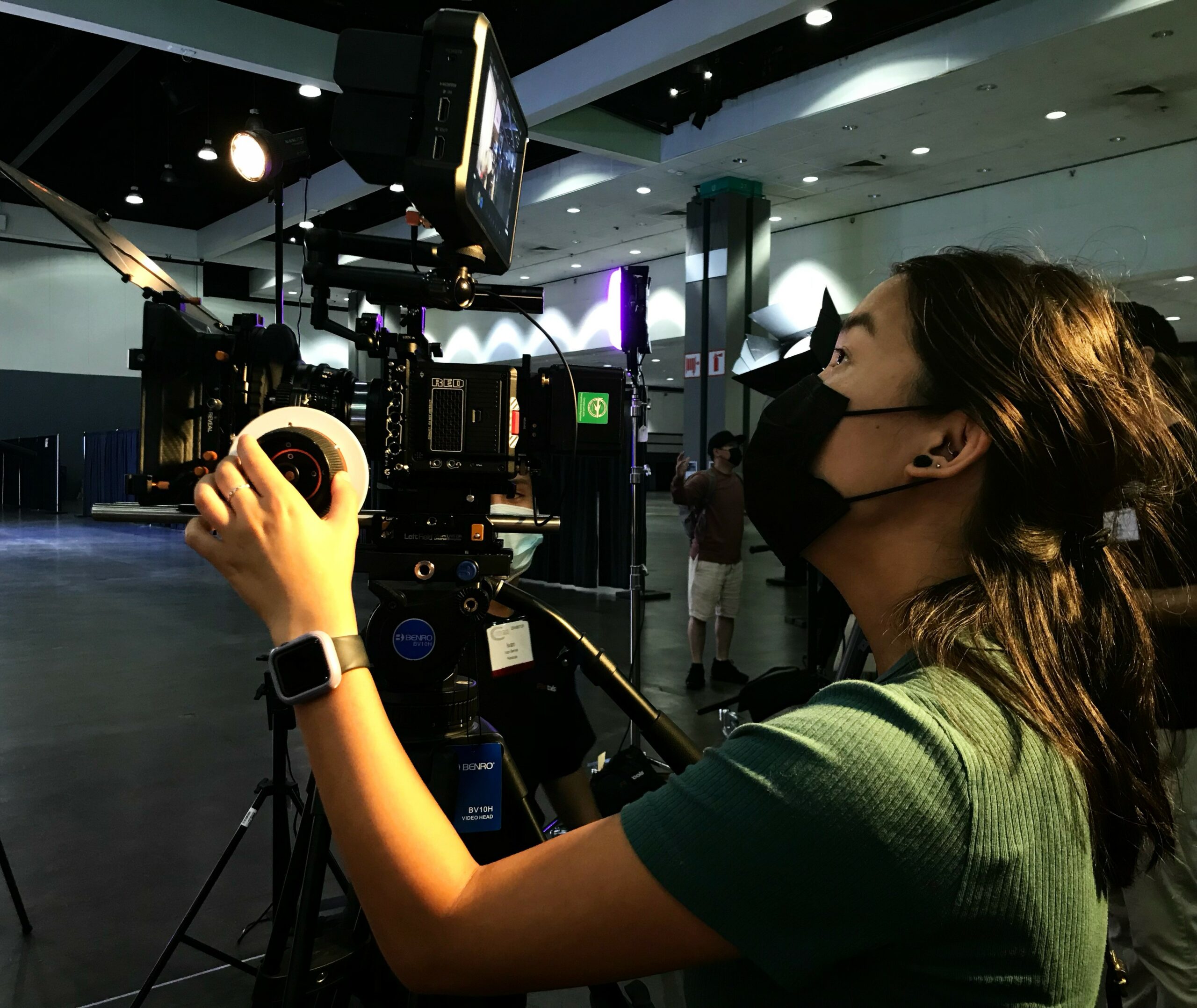
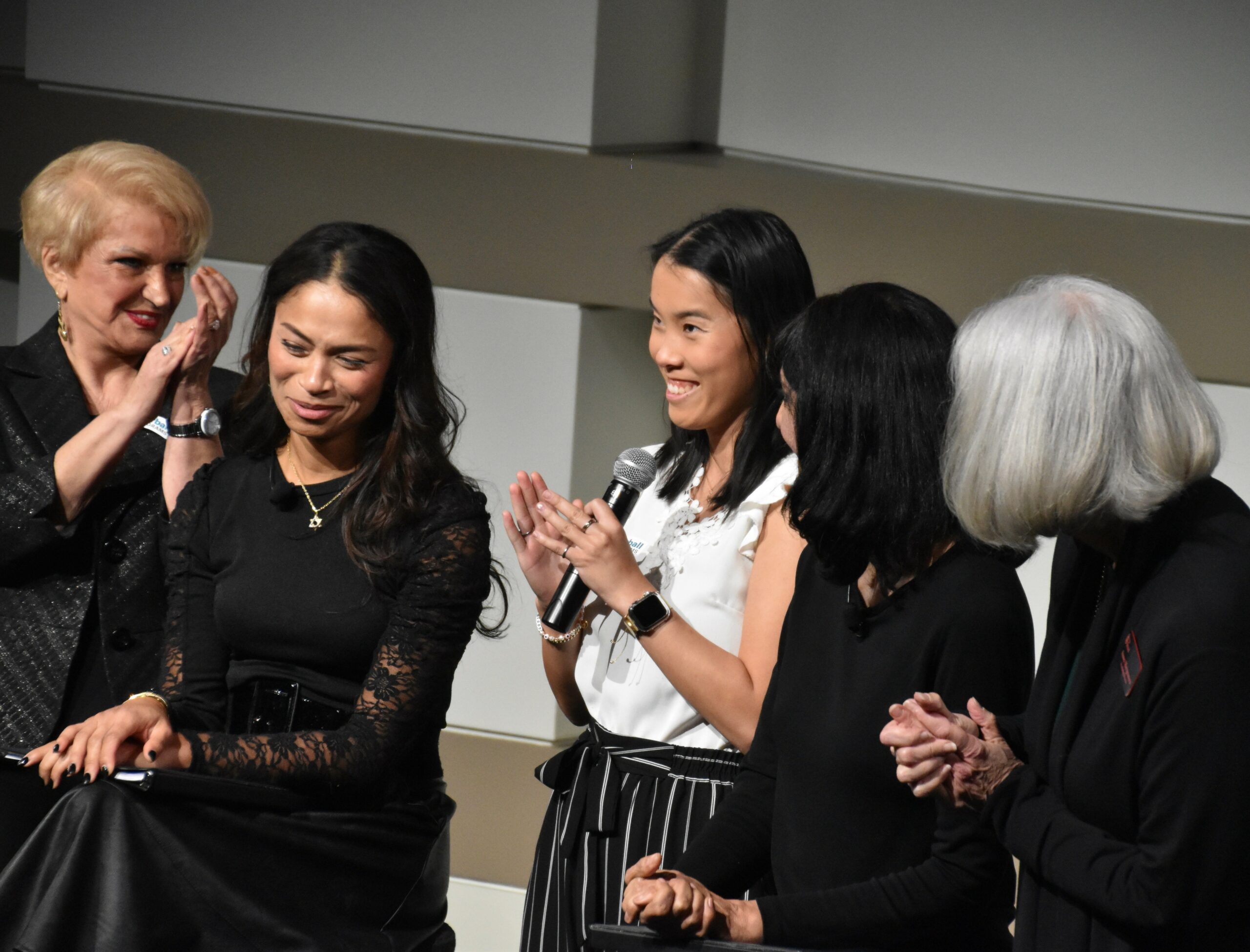
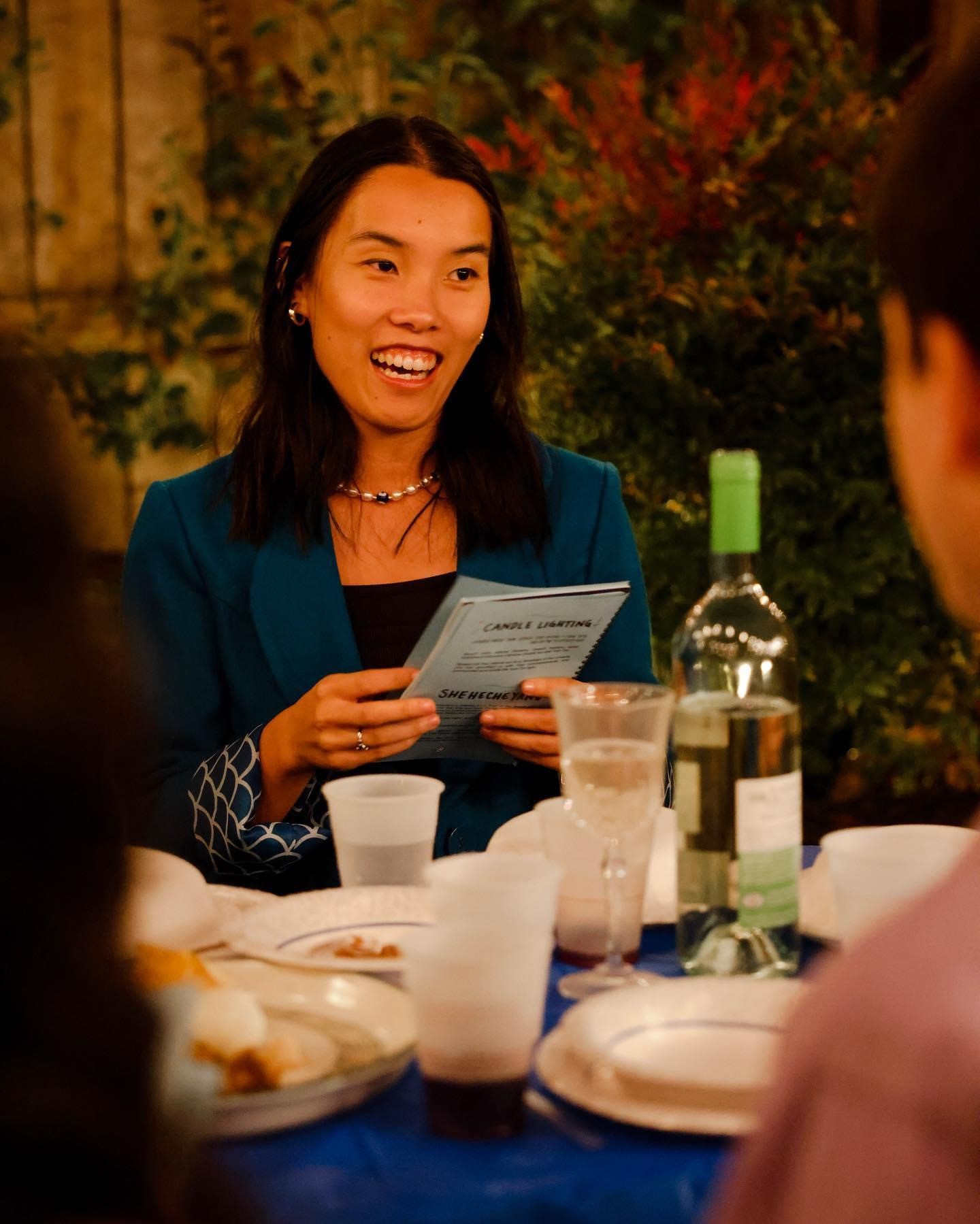
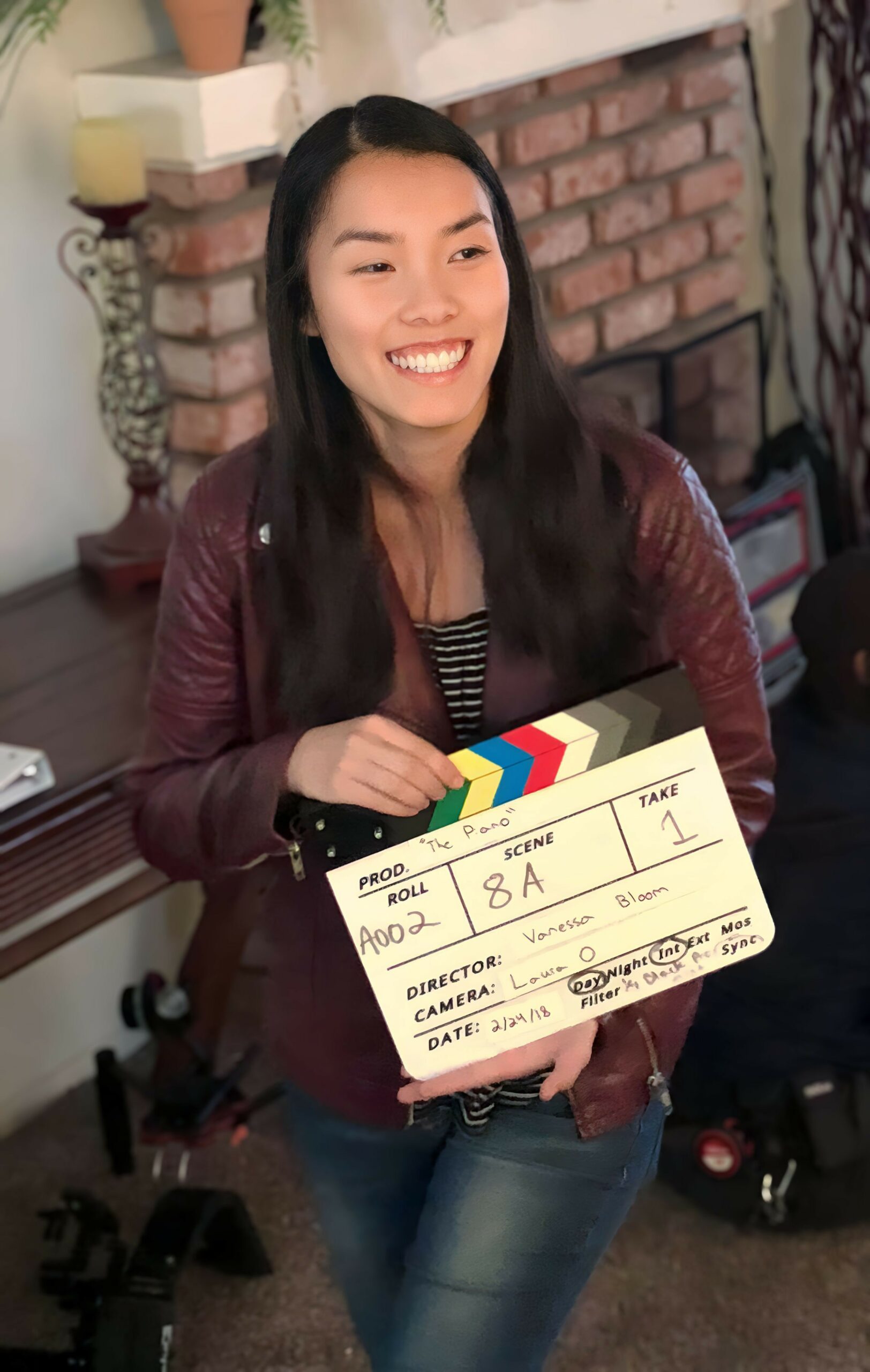
Image Credits
David Chiu, Jan Berlfein Burns, Vicki Bloom