Nikhaule Martin shared their story and experiences with us recently and you can find our conversation below.
Hi Nikhaule, thank you for taking the time to reflect back on your journey with us. I think our readers are in for a real treat. There is so much we can all learn from each other and so thank you again for opening up with us. Let’s get into it: Have any recent moments made you laugh or feel proud?
A moment that recently made me both laugh and feel proud was launching my very first book box. In 2023, I released the first season of Project (De)Construction, and while it was powerful, I also learned that not everyone feels comfortable discussing religion on camera, which I completely understand.
As a lifelong library kid who loves mythology, spirituality, religion, fantasy, and all things otherworldly, the book box became this beautiful bridge. It allows me to blend my background in community health, storytelling, and world-building, while offering people another way to explore the themes we cover in Project (De)Construction with topics such as identity, becoming, unpacking, spirituality, religion, and folklore, either on their own or in intimate, trusted spaces. It definitely made me proud of the way the work continues to evolve.
Can you briefly introduce yourself and share what makes you or your brand unique?
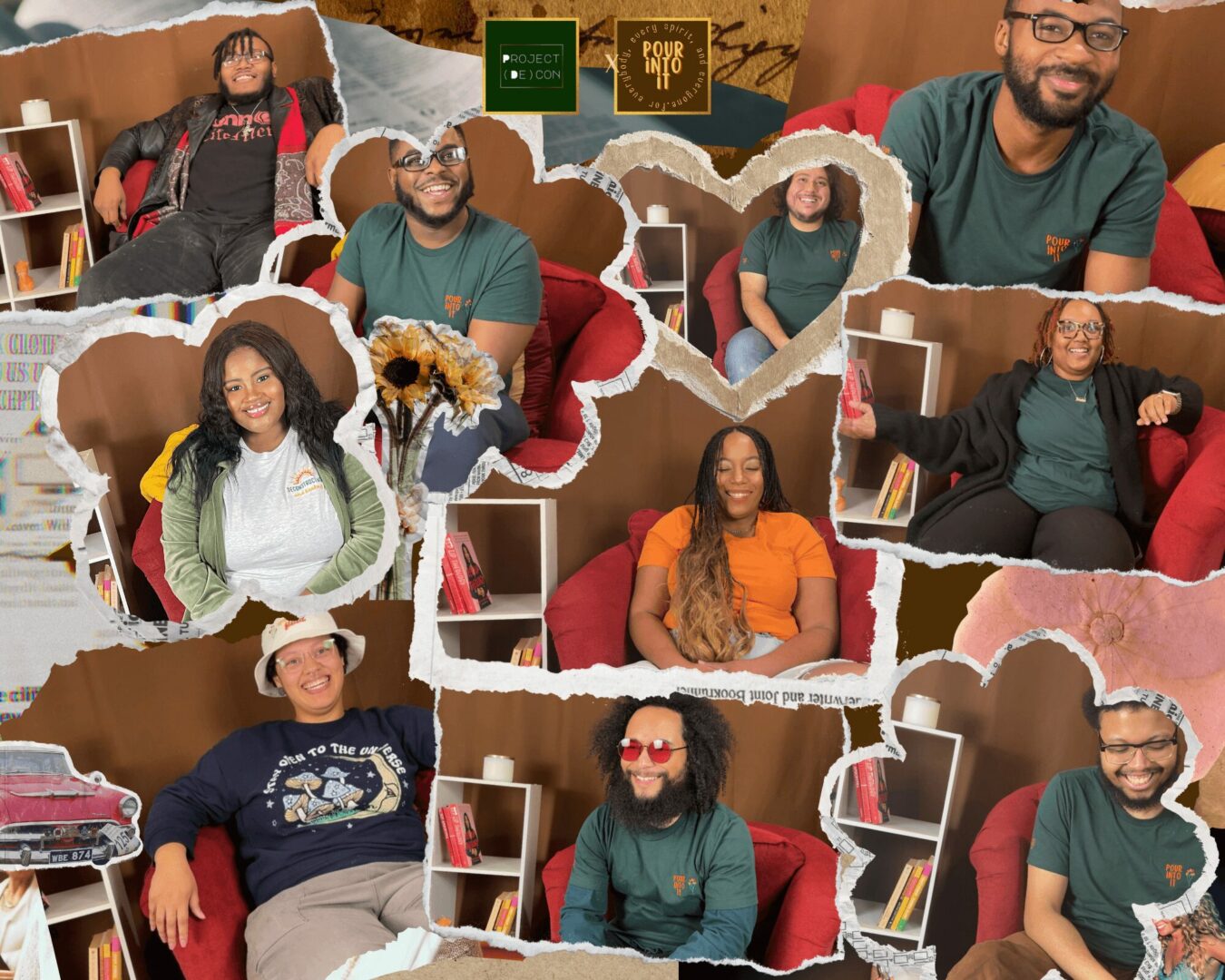
I’m Nikhaule, a public and community health professional, storyteller, and creator who’s deeply committed to building spaces where marginalized people feel seen, affirmed, and supported. My work sits at the intersection of spirituality, culture, and community care, whether I’m producing projects like Project (De)Construction, curating The Pattern Breakers Book Box, or helping everyday people and small businesses tell their stories with more clarity and confidence.
I’ve always been a library kid and a lover of mythology, religion, fantasy, and all things otherworldly, so it feels natural that my work blends those interests with my background in community health and advocacy. The Pattern Breakers Book Box, especially, is such a special extension of that, a curated, immersive experience centering BIPOC and queer authors and inviting people to explore identity, spirituality, ancestry, and becoming in deeper, more intimate ways.
At the heart of everything I do is a commitment to community care and resource-building for marginalized folks. Currently, I’m continuing to expand this work through new media projects, the Book Box, community events, and offerings that blend storytelling, healing, and imagination. My goal is always to make space for people to show up fully as themselves and to feel empowered while doing it.
Appreciate your sharing that. Let’s talk about your life, growing up and some of topics and learnings around that. What was your earliest memory of feeling powerful?
My earliest memory of feeling powerful was when I started college. It was the first time I felt like I was truly stepping into adulthood on my own terms. I wasn’t in high school anymore, I was making my own decisions, and that freedom hit me in a really beautiful way.
I remember sitting with the realization that my life was mine and that I could explore, try things, fail, pivot, and figure out what actually felt fun, fulfilling, and meaningful to me. It felt like the whole world opened up. The world was my oyster, and that sense of possibility was both empowering and genuinely exciting.
When did you stop hiding your pain and start using it as power?
I think the first real moment I stopped hiding my pain and started using it as power was when I created Project (De)Construction. I grew up in the church, and once I moved out on my own, I slowly stopped going. My deconstruction journey really took shape during the pandemic, but it wasn’t until I had my own space that I could step back and ask myself what I truly believed outside of what I was taught or expected to follow.
Talking openly about challenges within the church isn’t something people are always comfortable with, and for a long time, I kept those conversations between me and a few close friends. Project (De)Construction became my first act of reclaiming my voice. It was me choosing to have these conversations outloud, intentionally sharing my thoughts and experiences, and creating space for others to feel less alone in their own journeys. That was the moment my pain started transforming into something powerful.
I think our readers would appreciate hearing more about your values and what you think matters in life and career, etc. So our next question is along those lines. Whom do you admire for their character, not their power?
Someone I genuinely admire for their character is KevOnStage. I think about the way he builds his creative world. He makes things he truly enjoys, he centers his community, and he intentionally supports marginalized creatives and talent. He isn’t just building a platform for people; he’s building it with them. He hires from within his community, promotes people, and does it all with integrity and joy.
What I love most is that his business model is rooted in care, creativity, and intention. It’s respected not because it’s flashy, but because it’s thoughtful. He inspires the way I approach my own work. Whether it’s Project (De)Construction, The Pattern Breakers Book Box, or anything else I create, I’m always thinking about how to build spaces that center marginalized voices, support community, and still feel aligned with what I genuinely love. Watching someone lead with character reminds me that I can do this work in a way that feels honest, imaginative, and grounded in the people I care about.
Okay, so let’s keep going with one more question that means a lot to us: If immortality were real, what would you build?
If immortality were real, I would spend my time building and investing in communities in a way that truly changes people’s day-to-day lives. I think a lot about how many of us have to travel across the city just to meet our basic needs. If I had endless time, I’d want to create neighborhoods where everything people need is right there. Quality grocery stores, clinics, and hospitals that offer free or low-cost care, schools that genuinely support both students and staff, and community programs and extracurricular activities that uplift the entire community.
I’d also want to build spaces that bring people joy, such as community centers, creative hubs, and small businesses that feel like home. My immediate dream is to open a community center and a bookstore somewhere people can gather, learn, rest, and be resourced.
If I were immortal, I’d take that even further. I’d build self-sustaining systems that not only meet needs but also greatly improve the quality of life. Systems that support, uplift, and empower marginalized communities for generations. That’s the work I’m always reaching toward, whether I have a lifetime or forever to do it.
Contact Info:
- Website: https://www.pourintoit.com
- Instagram: @pourintoitmedia
- Linkedin: https://www.linkedin.com/in/nikhaule/
- Facebook: https://www.facebook.com/PourIntoItMedia
- Youtube: https://www.youtube.com/@projectdeconstruction

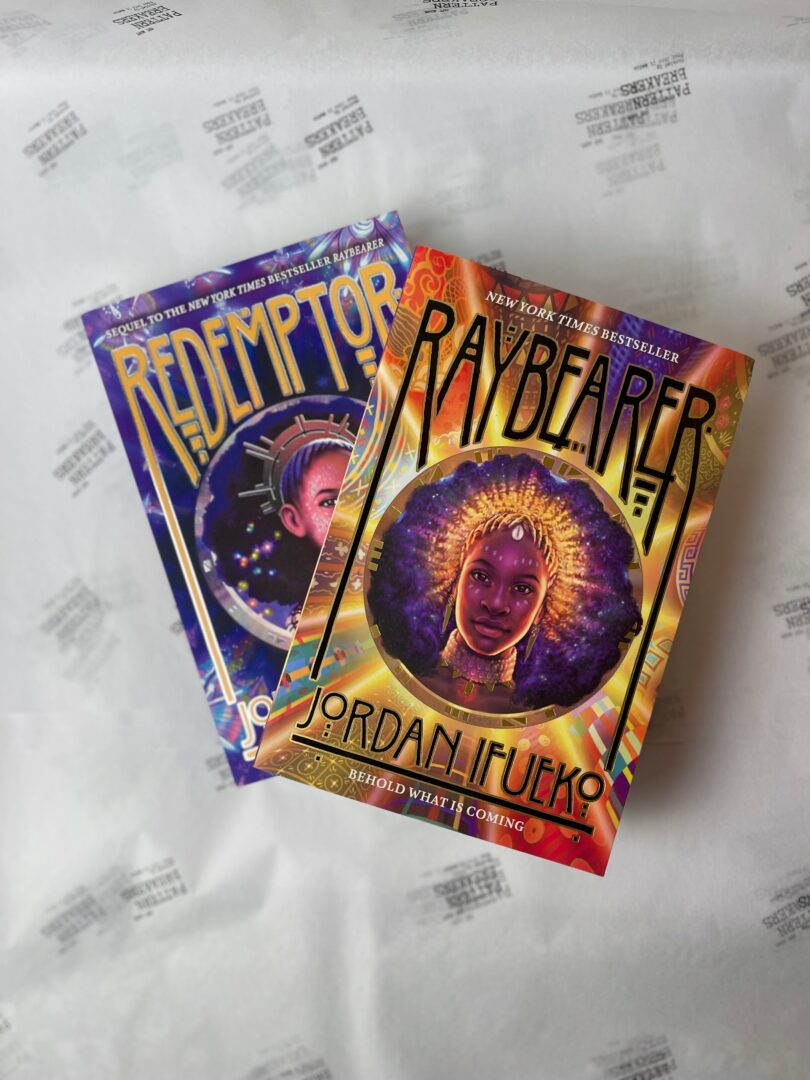
Image Credits
Headshot: Shot by G4Aperture
All Other Photos: Pour Into It Media
so if you or someone you know deserves recognition please let us know here.