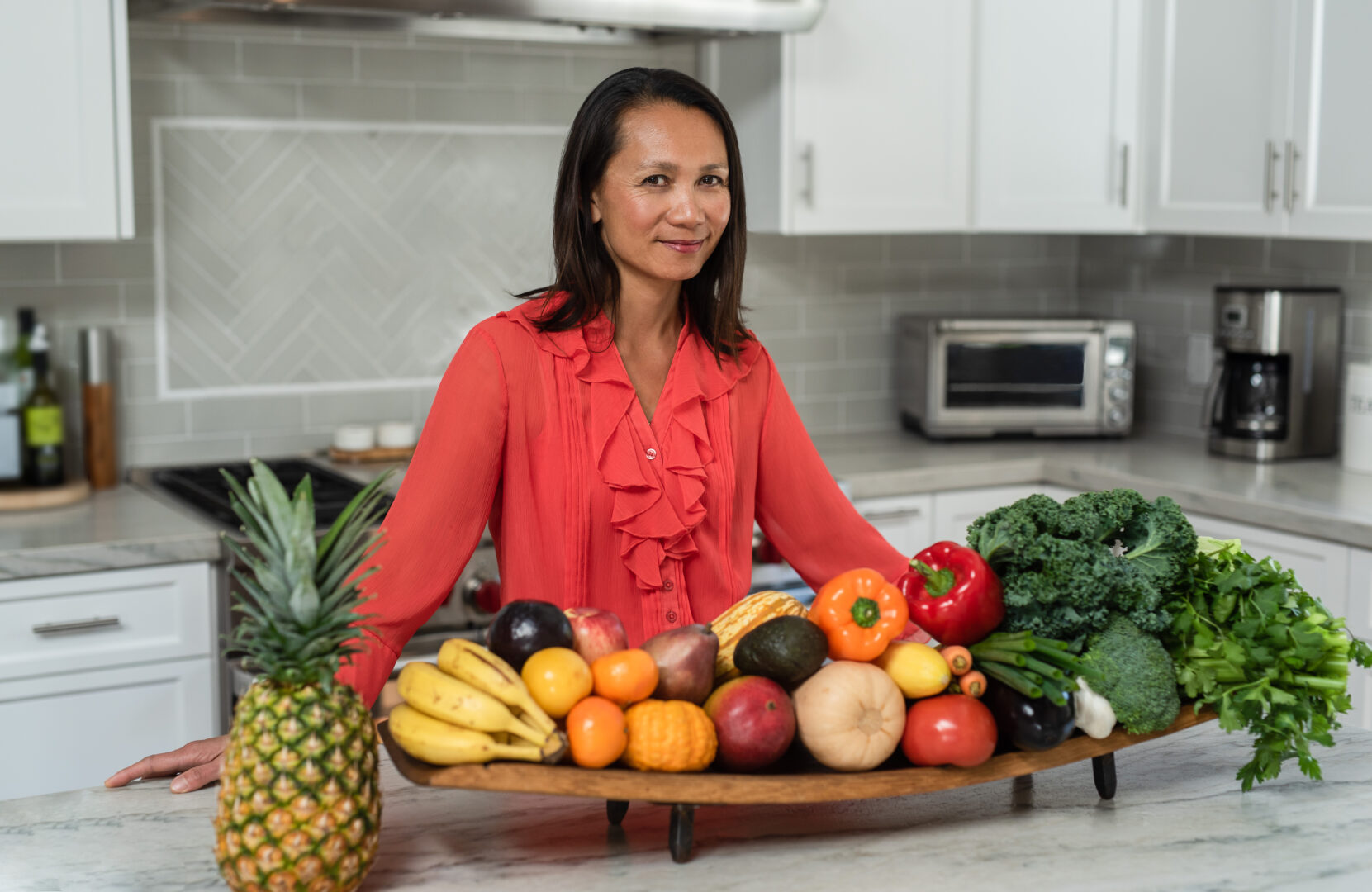
For Samantha Hua, the shift toward working with families came from seeing how quickly food can become a source of stress once kids enter the picture. By blending nutrition, behavioral psychology, and parenting strategy, she helps parents create structure without control—fostering autonomy, confidence, and trust at the table. Her approach focuses less on immediate outcomes and more on long-term impact, guiding families toward calmer mealtimes and raising children who feel secure in their choices both around food and in life.
Samantha, you’re focusing on helping families raise confident, self-regulated kids through food and daily habits. What inspired you to center your work around this approach?
After 16+ years of helping individuals improve their health through behavior and mindset change, I noticed that everything becomes more complex when kids are involved—I experienced it myself. Taking care of my own health felt manageable, but feeding a family was a completely different challenge.
I saw how much stress families carry around food—mealtimes become overwhelming, and kids can develop complicated relationships with eating early on.
That’s what led me to focus on helping families create a calmer, more supportive environment around food—one that builds confidence, autonomy, and self-regulation in kids, while reducing pressure on parents.
You mentioned creating autonomy at the table while still providing structure. How can parents strike that balance without becoming too controlling or too hands-off?
It’s really about a subtle shift most parents haven’t been taught—where you hold clear structure, but stop trying to control the outcome.
When parents get that balance right, mealtimes become a lot calmer, and kids actually start to build confidence and self-regulation naturally. In the end, this is exactly what we want for our children.
Though the way you apply it makes all the difference, and that’s where most families get stuck.
Your method blends nutrition, behavioral psychology, and parenting strategy. How do these elements work together to shape a child’s relationship with food and self-trust?
They really work together to address both the what and the why behind eating.
Nutrition provides the foundation, but behavioral psychology helps us understand habits, resistance, and motivation, while parenting strategy shapes the environment kids are learning in every day.
When those pieces align, kids aren’t just eating better—they’re learning to trust their bodies, feel confident in their choices, and develop a healthy relationship with food long term.
It’s that integration that makes the biggest difference.
Many families struggle with stress around mealtimes. What are some practical ways parents can create a calmer, more positive food environment at home?
A lot of mealtime stress comes from pressure—on both the parent and the child. So the first step is actually reducing that pressure.
Simple shifts can make a big difference, like keeping consistent meal and snack times, serving at least one familiar food, and stepping away from negotiating or pushing bites.
It’s less about getting kids to eat a certain way in the moment, and more about creating an environment where they feel safe, capable, and open to trying over time.
Those small changes tend to completely shift the dynamic at the table.
At the heart of your work is building confidence, resilience, and balance in children. What are the long-term impacts you hope to see for the families you work with?
Long term, I want kids to grow up trusting themselves—around food, but also in how they make decisions and handle challenges.
When the pressure and power struggles around eating are removed, kids build confidence, resilience, and a sense of balance that extends far beyond the table.
For families, that looks like less stress day-to-day, and raising kids who feel secure in who they are and how they care for themselves.
Links:
- Website: https://happyfoodhealth.com
- Facebook: https://www.facebook.com/happyfoodsd
- Instagram: https://www.instagram.com/happyfoodsd
- Yelp: https://www.yelp.com/biz/happy-food-san-diego
- YouTube: https://www.youtube.com/@SamHappyFood