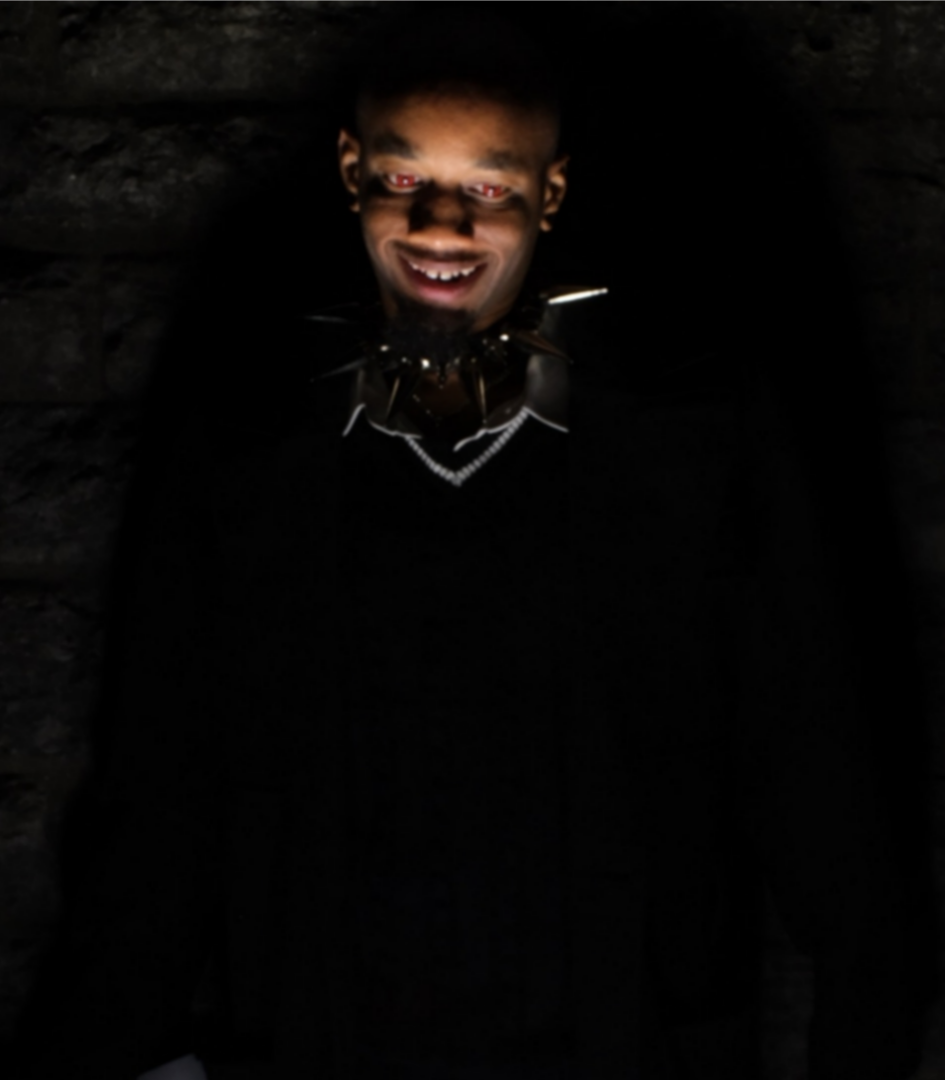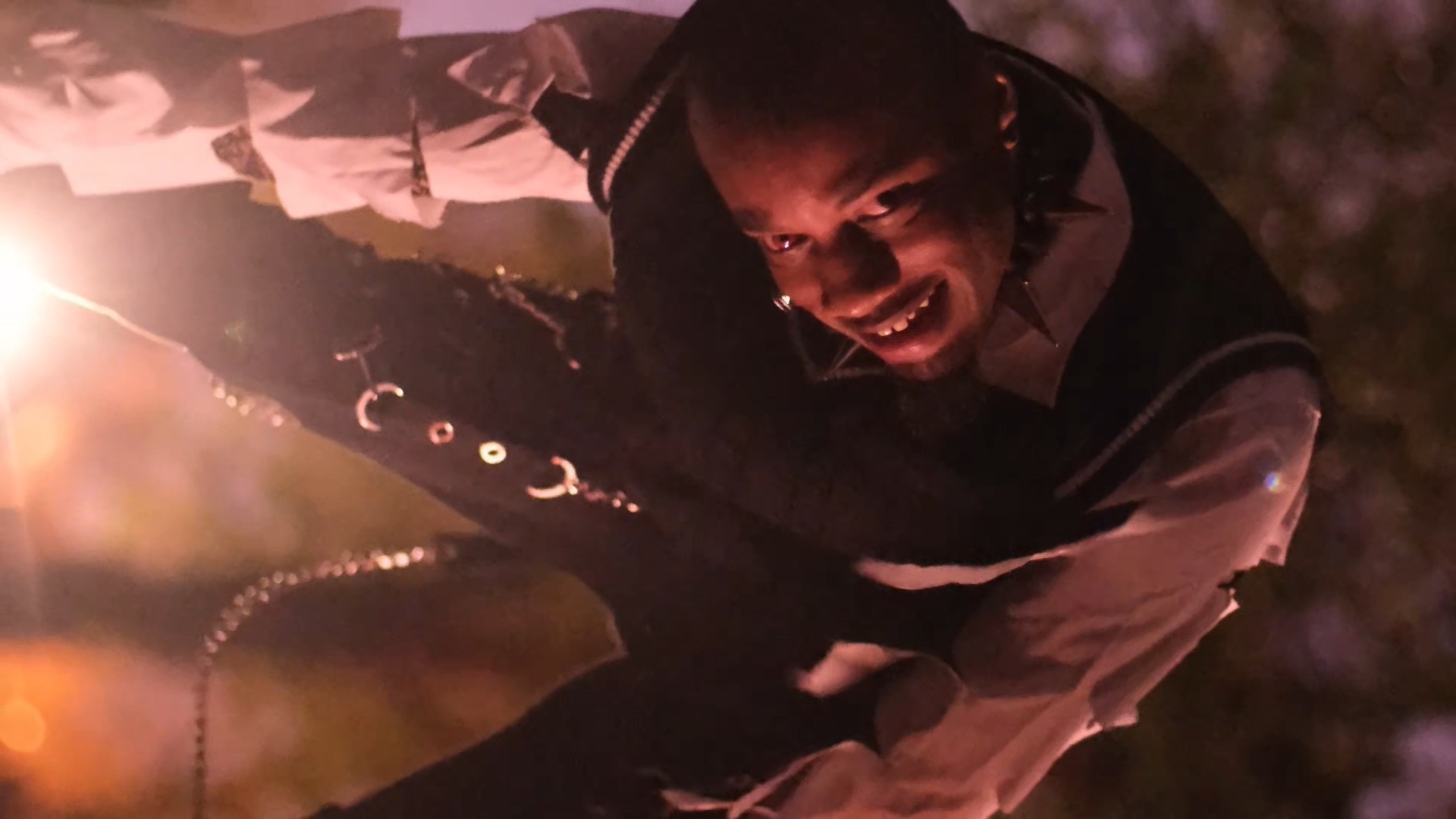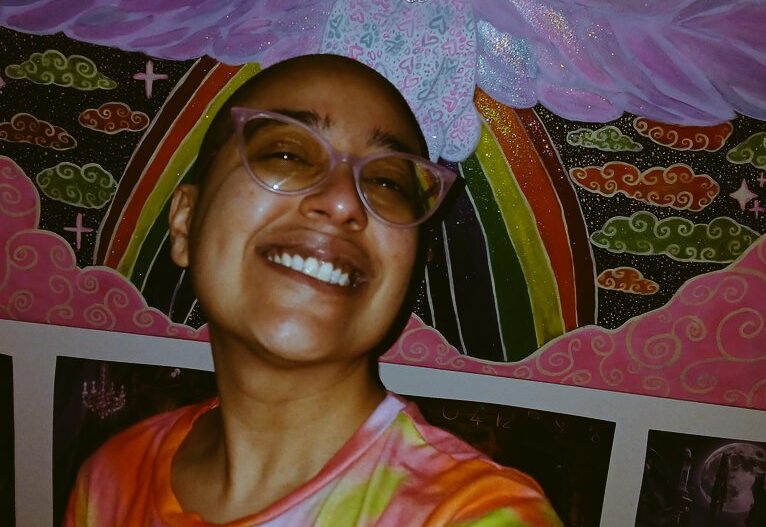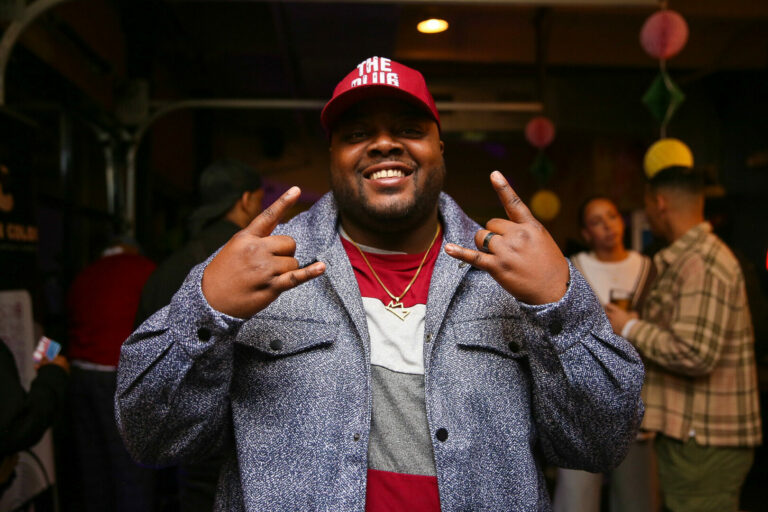
With the release of Moshpit Insanity, Raivon Don’tez steps into a fearless new chapter, introducing his alter ego Killadoll as a symbol of power, edge, and unapologetic self-expression. This “villain era” marks a shift toward a more intentional and immersive artistic vision — one that blends music, fashion, and storytelling into a cohesive world. As he works on his debut album, Raivon is channeling this energy into crafting a distinct identity that challenges expectations and signals a bold evolution in both his sound and creative direction.
Raivon, your new single “Moshpit Insanity” introduces your “villain era” and alter ego Killadoll. What inspired this shift in your artistic identity?
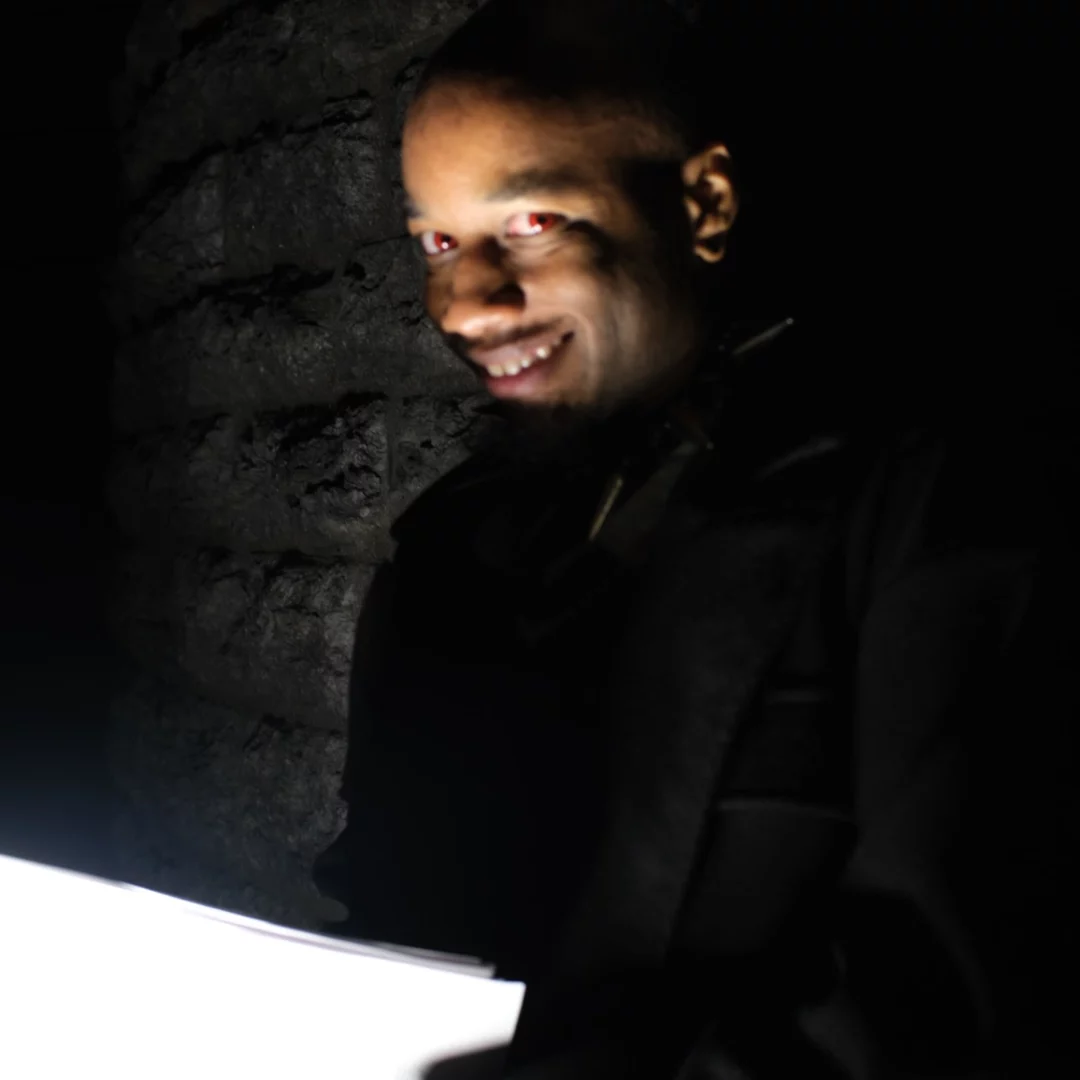
The inspiration behind my “villain era” comes from a desire to build a world within my craft and create a continuity that my listeners can truly connect with. This led to the emergence of Killadoll, a persona I created in 2019. Killadoll is a brash, foul-mouthed, doll-like entity with a red eye. He represents the part of me that thrives on being underestimated and is the more aggressive, assertive side of my personality.
This era seems more fearless and unapologetic. How has your mindset changed as an artist leading into this phase?
This era has made me more calculated in my approach to both my music and other creative ventures. It has awakened a fire within me that I have been searching for, shifting my mindset into a “boss mode” state. I am truly loving every second of this transformation.
As you work on your first album, what has been the most exciting and most challenging part of that process so far?
The most exciting part is deciding the creative direction, including the theme, the aesthetic, and the songwriting. The most challenging aspect is determining the order and structure of the project. It is important to me that the album is cohesive and fully immerses the listener.
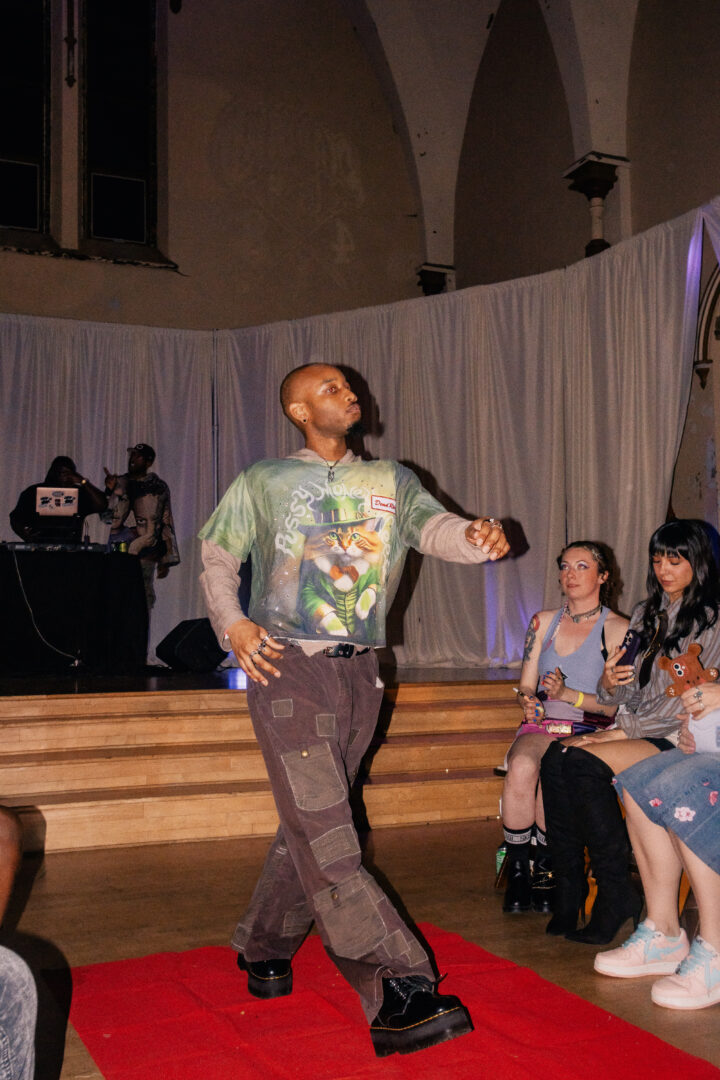
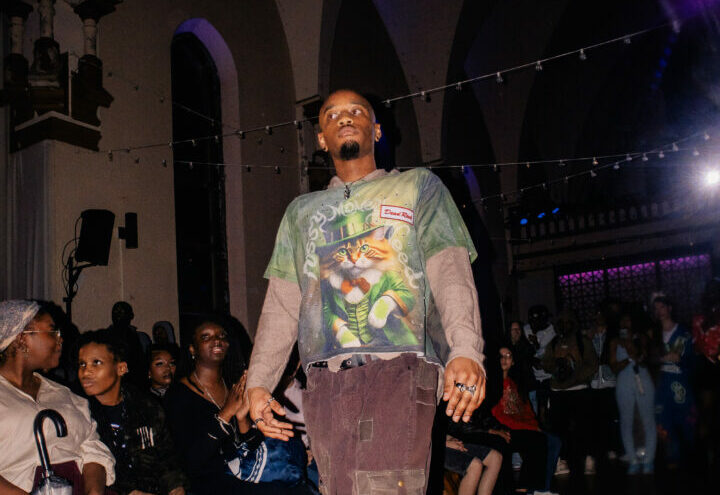
You’ve also stepped into fashion, walking for Deadrich Streetwear. How did that opportunity come about, and how does fashion connect to your music and persona?
I originally contacted them about performing as an artist for Arthouse 91. While they already had their performers set, they needed more models, so I took the opportunity. Fashion and music go hand-in-hand for me; my style has played a huge role in my confidence and branding as a Black alternative rap artist. It has also been essential in creating a visual aesthetic for Killadoll.
Looking ahead, how do you see the “villain era” shaping your long-term vision as both a musician and creative?
In the long run, I believe this era will significantly expand my brand, artistry, and style. I see this as a breakout moment—a reminder to never underestimate an innocent face.
Link: