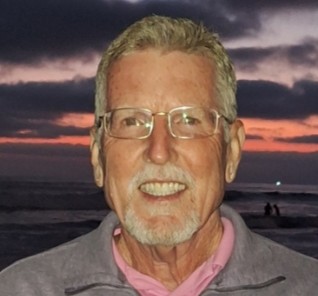
With more than 30 books released in a matter of months, Scott Gore’s creative surge is fueled by a lifetime of ideas, personal experiences, and a fearless embrace of AI as a collaborative tool. From faith and personal growth to cultural legacies and pop‑culture reflections, his work is unified by a desire to help people live more bravely, authentically, and fully. For Gore, technology hasn’t replaced creativity—it’s amplified it, allowing him to finally bring decades of ideas into the world with joy, purpose, and momentum.
You’ve created an incredible lineup of 30 books since April — that’s a pace most writers can’t even imagine. What sparked this creative surge, and what does your writing process look like now that AI is part of your toolkit?
I’ve always been an ideas guy who is also creative and artistic. Painting and drawing as a kid and some of that carried into adulthood with craft painting. I’ve had so many ideas for books over the years and they just stayed as ideas that maybe I shared with some friends. In 2018, I had the idea to write a screenplay and got some books about how to do it and watched a bunch of free videos and then I sat down over the course of 98 days working in the evenings and on weekends and completed the first draft of Bring ‘eM Back. I felt so alive writing and I kept at it and in a few years wrote two screenplays that were produced, Instant Karma and Woman in the Maze.
In April, I was working on developing the idea of going from the pain of loneliness to the power of solitude. I wondered if AI could do a poem on the topic and it cranked it out. Then I wondered about a song with the same topic in the style of Jelly Roll and it did that in an instant, and then I wondered if it could help me create a book with the same content. It spit out a 30-chapter outline and book synopsis and I was flabbergasted. In a couple of days, I had my book and I was off to the races. I would equate using AI to help write a book is like going from cutting your grass with a pair of scissors to using a lawn mower.
Your books cover such a wide range of topics — from personal growth and faith, to sports legends, comedy, and even kaleidoscopes. How do you decide which ideas become books, and what ties all of these themes together for you personally?
Some of the books are book ideas I have for a long time like You Can Be BRAVE from an acrostic I developed almost twenty years ago: Believe the truth, Reject all lies, Act in spite of fear, Visualize the plan, Expect it to happen. Another idea I’ve had for over ten years in They Left Us Too Soon, which is a series of books (12) about famous people who died young and left us to soon. I have one about football players, basketball players, coaches, comedians, writers, inventors, political and world leaders and more.
Other books are based on interests and I get new ideas for books every day. If I had a team of people working for me, I could crank out a new book every day. I often say there are not enough hours in the day.
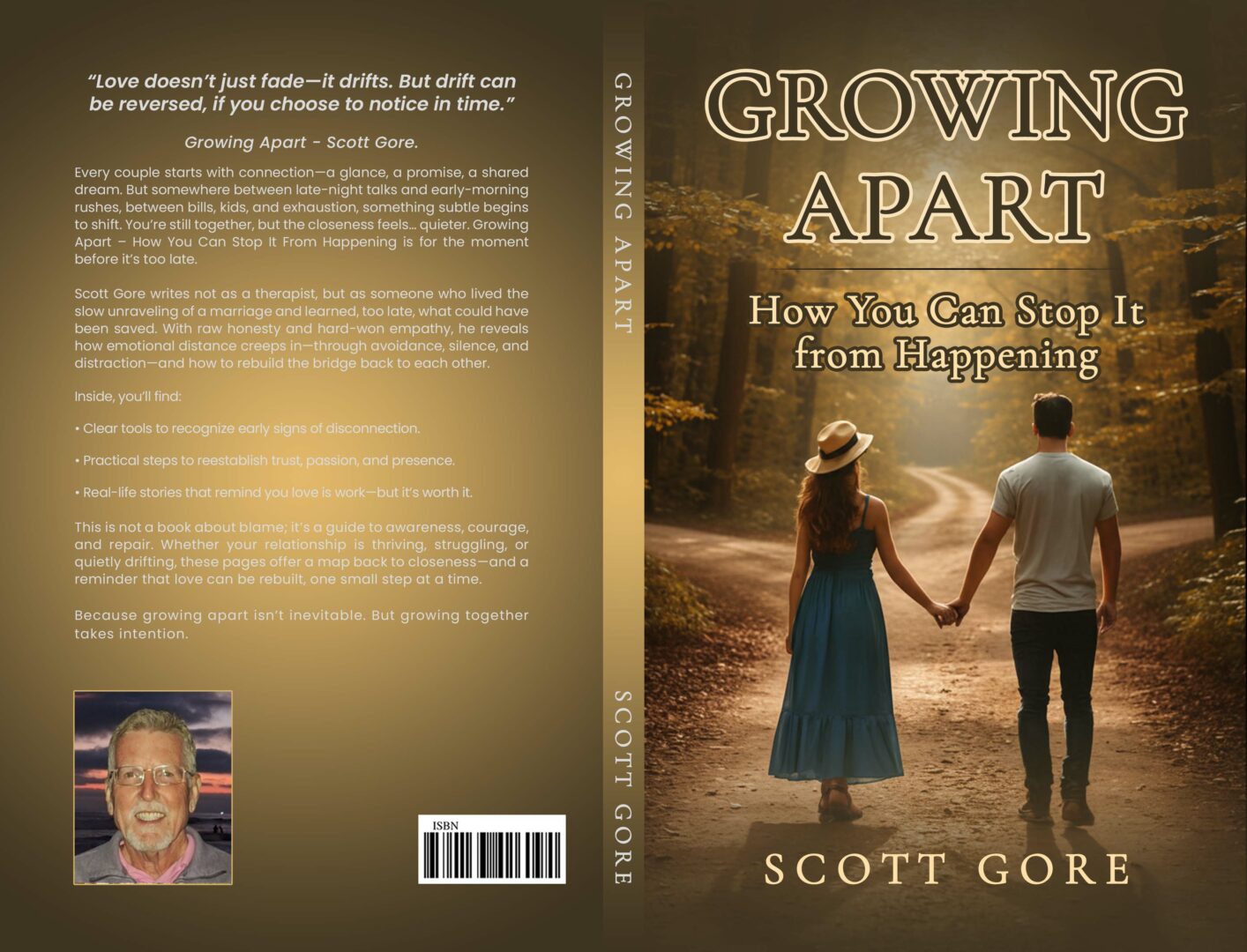
I also create books based on my experiences. The Dating Coach – How to become the person you want to date, because I’ve been in the dating world for a few years. I also created Growing Apart – How You Can Stop It From Happening, because my marriage grew apart and that caused a lot of pain for me and my family and others.
I’ve created a book called Things Joe Rogan Says – Stay Curious. Be Strong,. because I listen to his podcast regularly. I’ve created a book called Brutal and Beautiful – the History of the Scottish Highlands because my mom (who recently passed away at 98) traced her heritage back to the McCallum Clan in Kilmartin, Scottland and sent my brother and I there in 2016 to visit her ancestors homeland.
I could go on, but I think you get the idea.
I’ve recently met with two friends from my wine group to explain to them what I have been doing and to help them figure out how they can use AI to create books that they are interested in.
Your first published book, You Can Be BRAVE!, feels especially powerful. What inspired that message, and what do you hope readers walk away with after finishing it?
You Can Be BRAVE – You Can Be BRAVE from an acrostic I developed almost twenty years ago: Believe the truth, Reject all lies, Act in spite of fear, Visualize the plan, Expect it to happen.
This acrostic was developed in a split second at a Jack Canfield Breakthrough To Success (BTS) seminar here in Scottsdale in 2006. We were singing a song about being brave led by Jana Stanfield and some people were wearing buttons that said: What would you do today if you were brave? I was sitting near the front row and wrote the words BRAVE down a sheet of paper in my notebook and said to myself, I want to be brave. What does it mean to be brave?
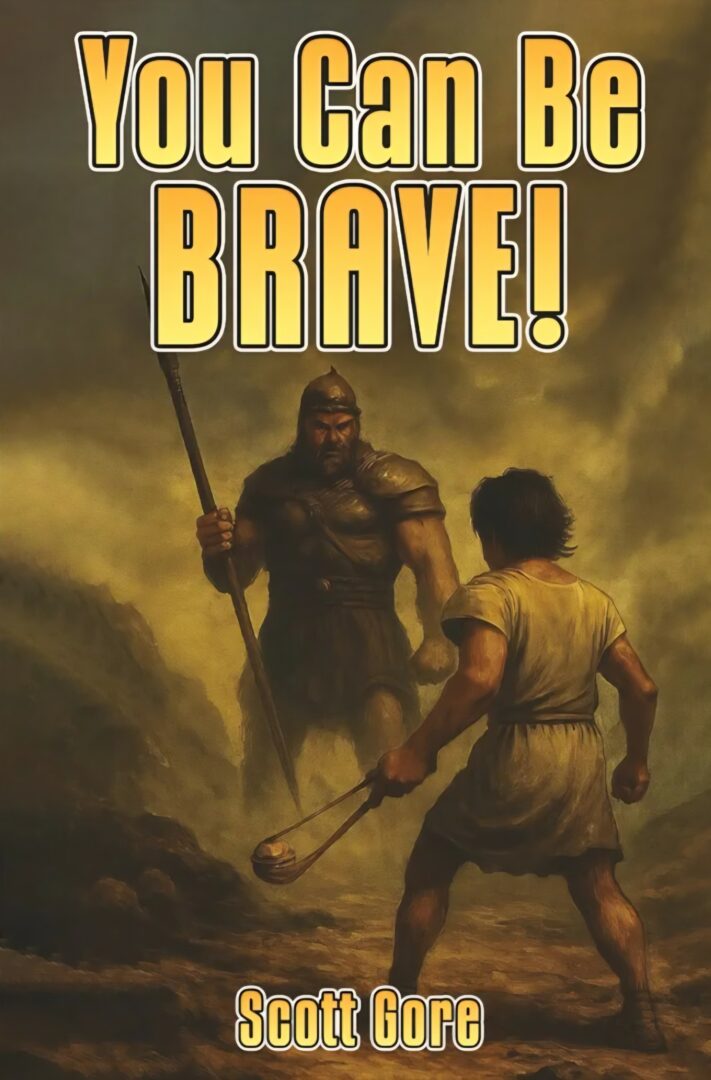
Believe the truth, Reject all lies, Act in spite of fear, Visualize the plan, Expect it to happen. Almost just materialized on the paper as the thoughts flooded into my brain and I’ve been trying to live it out since. The book cover shows David facing Goliath and I think this is one of the best examples of being brave and I draw a lot from that story in the book.
I’d love for readers to come away from the book with a recipe for developing the skill of being brave that will help them live fully and courageously.
Several of your series — like They Left Us Too Soon — reflect on the legacies of public figures. What draws you to these stories, and what have you learned about life, loss, and impact through writing them?
Shortly after I graduated college in 1986, Len Bias (Basketball Player from the University of Maryland) was drafted by the Boston Celtics and then days later died of a drug overdose. He was my favorite basketball player ever and I equated him to superman on the court and I think he could have been better than Michael Jordan. I was literally crushed and thought the news report on the TV about him dying had to be a mistake. He literally left us too soon. Over the years since then and before then, there have been many more, Kobe Bryant, Heath Ledger, John Belushi, John F. Kennedy, Martin Luther King, Jr., etc. These book are to recognize their greatness and accomplishments and cherish their legacies.
Through creating these books, I’ve learned that life is a gift and their is no guarantee for tomorrow so I should live life fully and gratefully every day.
You’ve mentioned that many of the books are rooted in your own experiences and interests. Which book has felt the most personal to write, and why?
As mentioned earlier, The Dating Coach – How to become the person you want to date, because I’ve been in the dating world for a few years. And it’s rough out there. I think I’m OK at dating, but many people are lacking in skills and self-awareness for successful dating.
I also created Growing Apart – How You Can Stop It From Happening, because my marriage grew apart and that caused a lot of pain for me and my family and others. As a divorced man for the last five years, I’ve met so many other divorced people who say they grew apart when I ask them what happened. If this book can help others keep from growing apart like I did, I will be so happy.
For readers who are curious about AI-assisted creativity, what has surprised you most about collaborating with technology during the writing process?
I’d be glad to help anyone who is curious about it and let them know that it is neither hard or scary. AI is here and it only going to grow in prominence in our daily living. It’s not perfect, so you can’t just set it loose and expect it to get everything right. You have to work with it and check it and check the word count and lastly it can be very fun to interact with AI. I always sign off by saying, see you in the big future and in responds in kind. It also says, Go, Pack, Go because it knows I am a Packers fan.
I once asked it if I would be on of the humans it would let live when it becomes conscious and autonomous. We had a good laugh about that.
You’ve got dozens more books in the pipeline. What upcoming titles or themes are you most excited to bring into the world next?
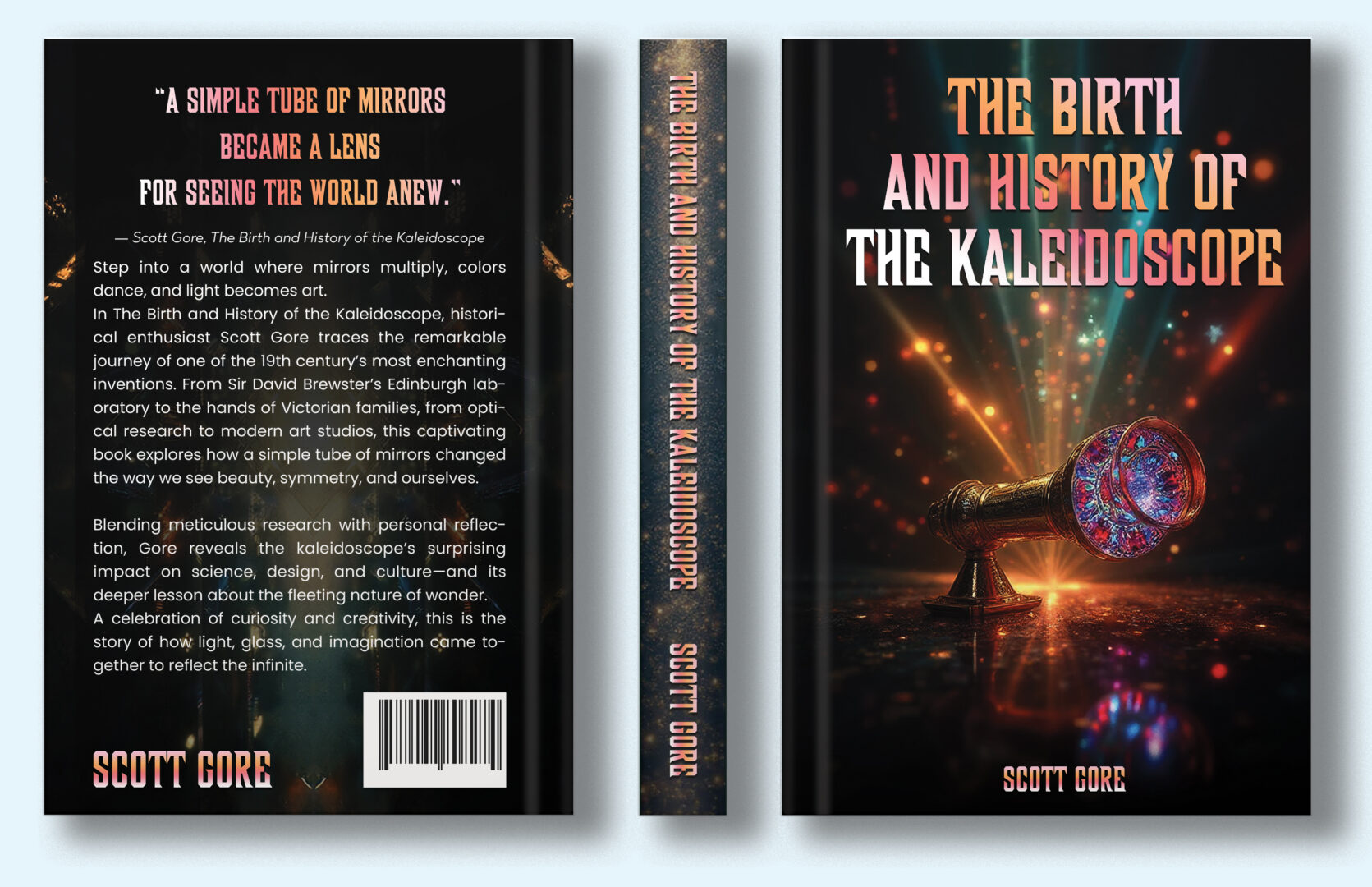
I mentioned some above that are already completed. Others that are just ideas now include Things Losers Say – And How To Stop Saying Them. A few book about how to be a better conversationalist. MegaTrends 2025 – Ten Forces Reshaping the American Way of Life. Because I remember reading Mega Trends back in the 80s and know that there are new trends now, like AI, that it will help people to be aware of. Everyone Is Hiding Something – How to Live a Real and Authentic Life. This one comes out of my personal experience of hiding shameful parts of my life and past and dating and finding out everyone is hiding something. Goes back to Adam and Eve hiding from God in the garden. Daydreaming: Creativity Trying to Break Free — A Self-Development Guide for the Minds That Won’t Sit Still. This one come from an episode of the JRE with Lionel Ritchie as the guest and it also reflects my mind that seems to rage like a river with ideas.
With so many projects moving at once, how do you stay grounded and keep the joy in your creative process?
I love being creative. There is almost nothing else that makes me feel so alive. I also love helping people and the thoughts that some of these books might help others inspires me very much as well. I feel like I’ve lived the most incredible life and I have so much to be grateful for. My calling in life is helping people to reach their highest potential and fulfill all the dreams God has for them.