We recently had the chance to connect with Sebastian Hadl and have shared our conversation below.
Good morning Sebastian, we’re so happy to have you here with us and we’d love to explore your story and how you think about life and legacy and so much more. So let’s start with a question we often ask: What do you think is misunderstood about your business?
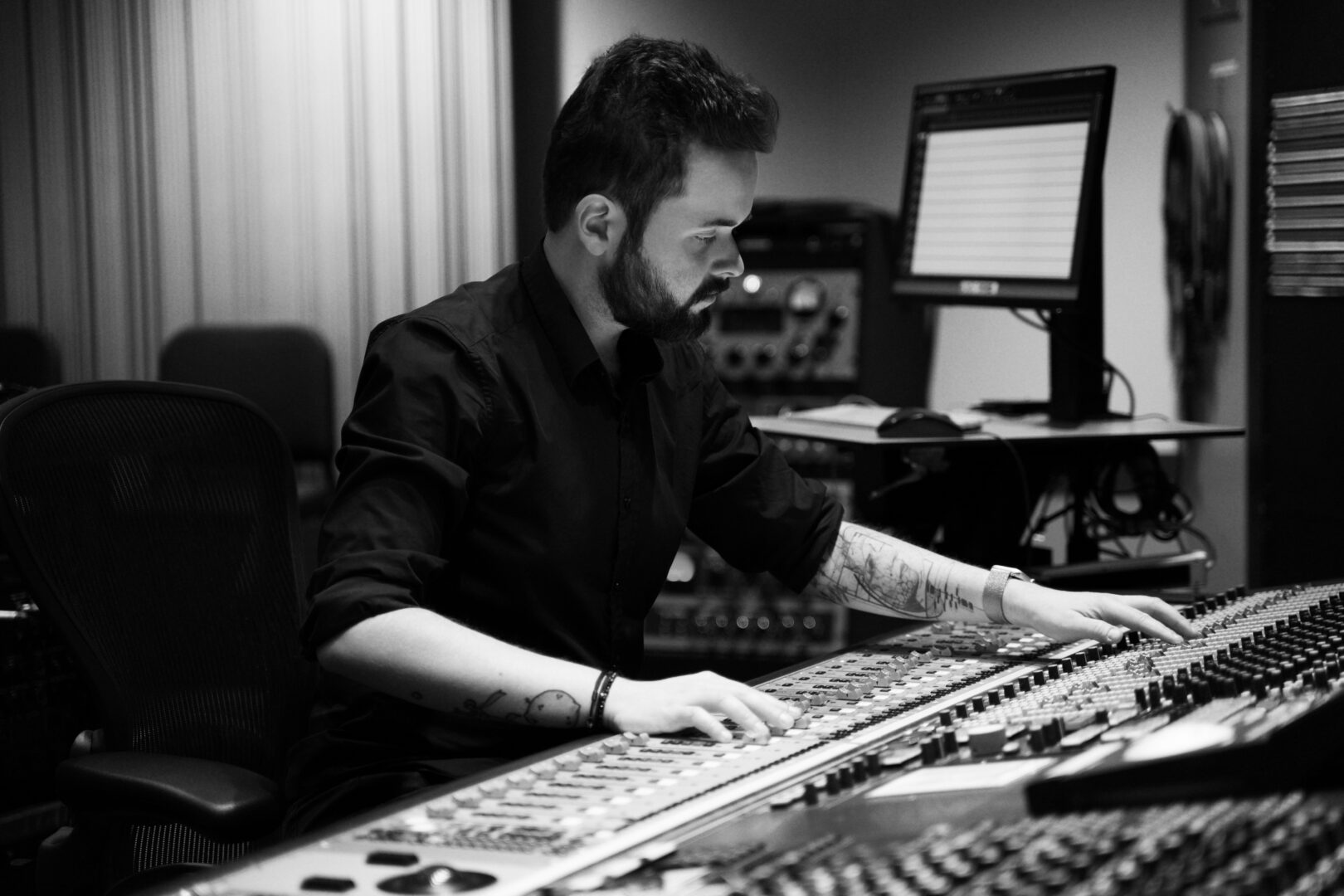
A lot of people think mixing is just about making things sound “clean” or “loud.” But to me, it’s far more psychological and emotional than technical. Every decision, EQ move, compression choice, reverb tail, is really about storytelling. My job isn’t just to balance frequencies, it’s to translate emotion, to make someone feel what the artist felt when they wrote that song.
Another common misconception is that the best mixes come from expensive gear or plugins. Tools matter, sure, but what really shapes a mix is empathy, understanding the intent behind every performance. Sometimes that means leaving imperfections because they carry honesty.
I think people also underestimate how much of mixing happens before and beyond the DAW. It’s about building trust, communicating clearly, and creating an environment where artists feel seen and understood. The technical work is just the visible part, the invisible part is connection, patience, and instinct.
Can you briefly introduce yourself and share what makes you or your brand unique?
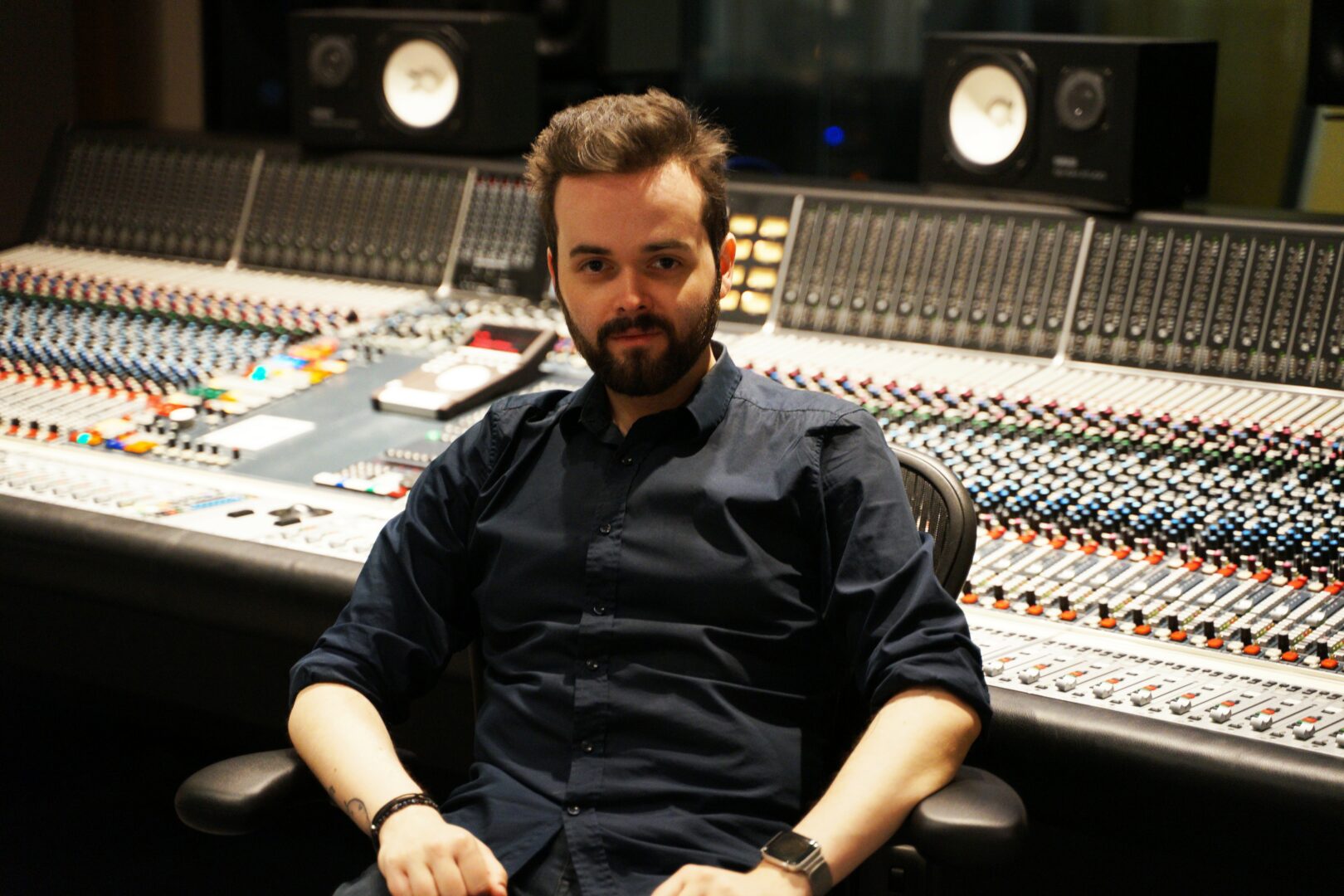
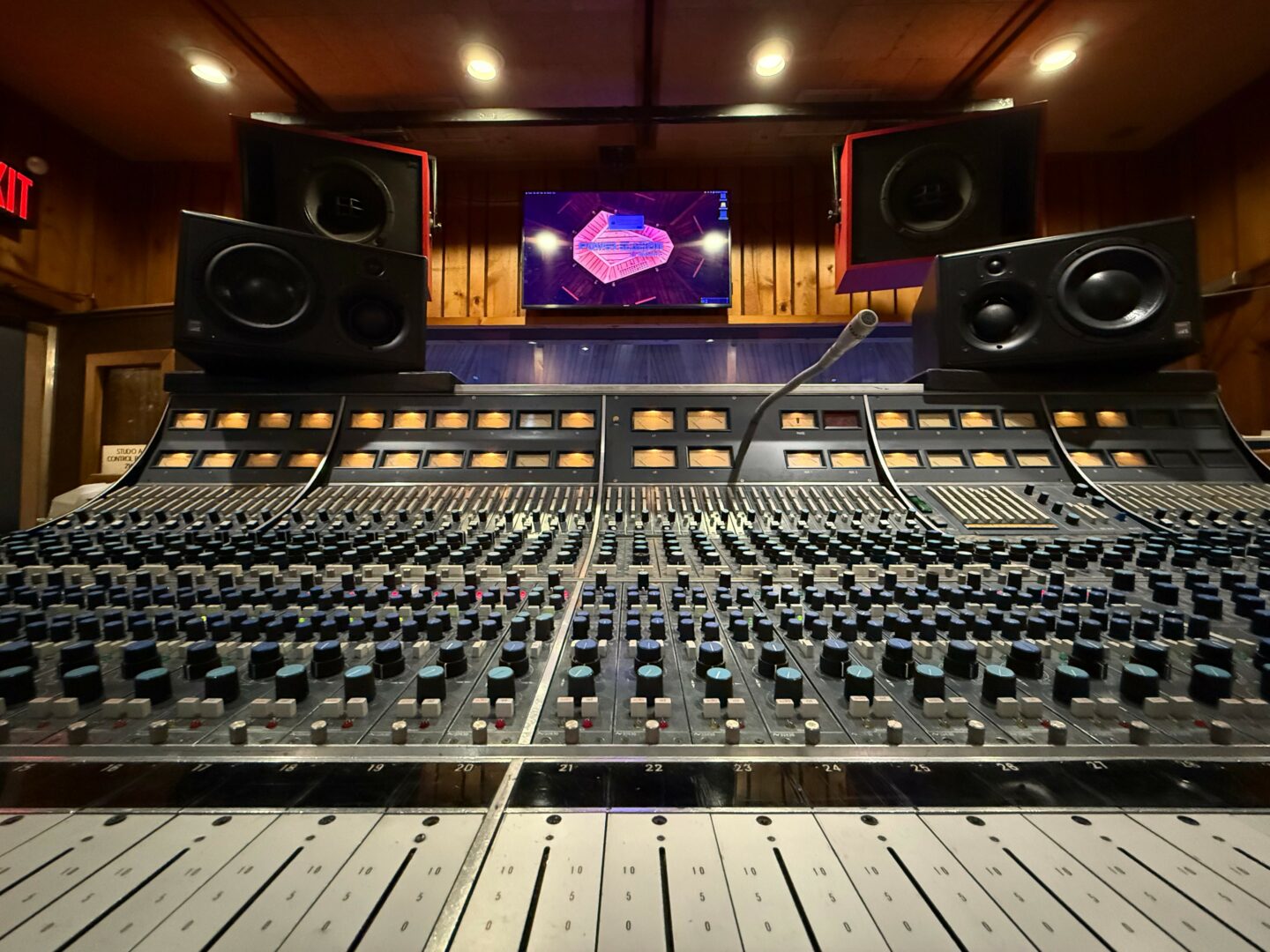
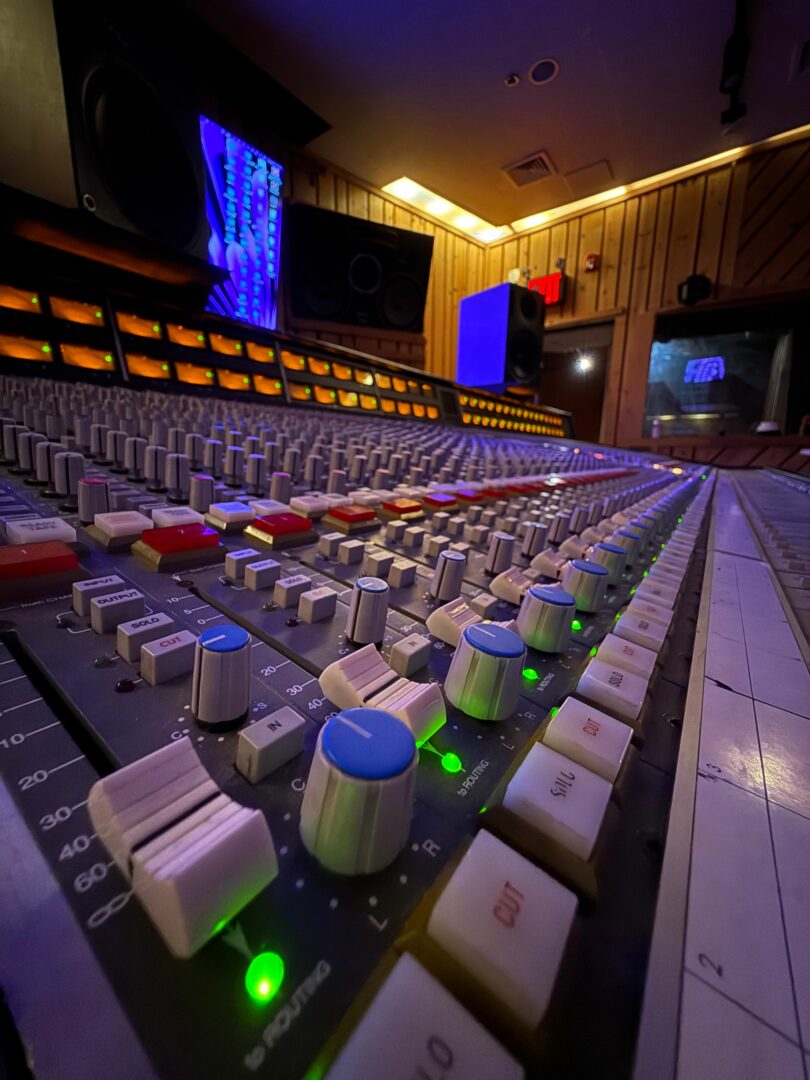
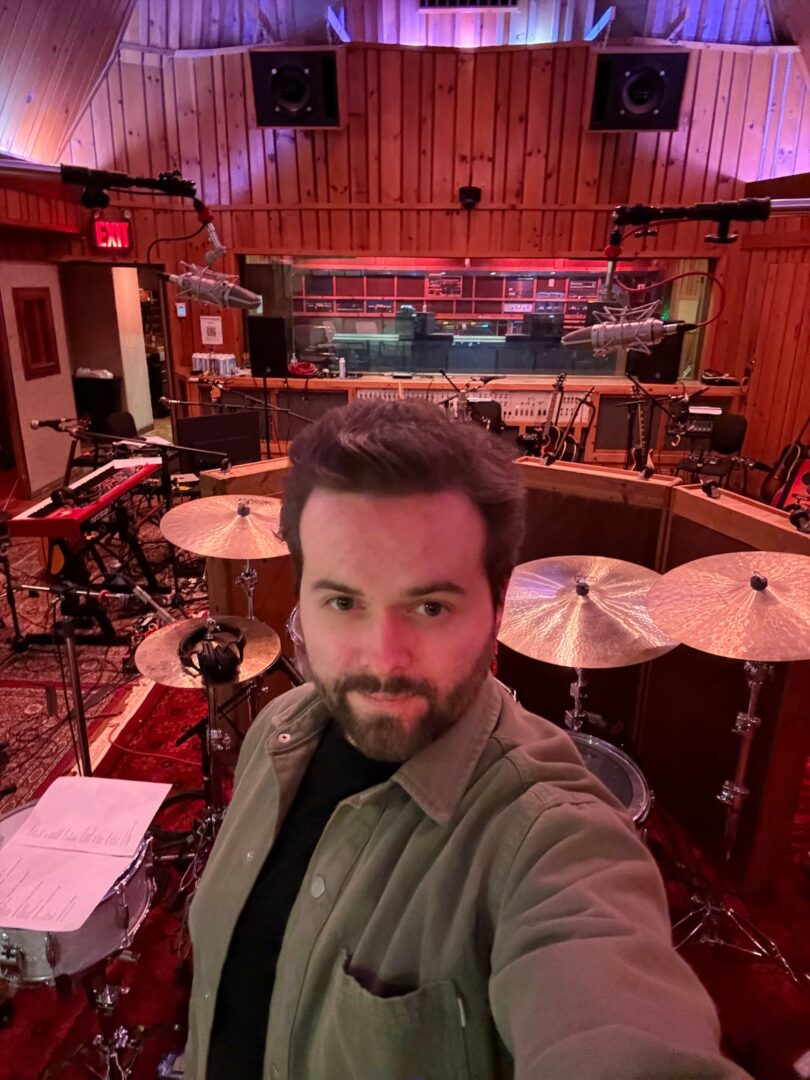
I’m Sebastian Hadl, a mixing engineer, music producer, and recording engineer based in New York City. I work at Power Station at Berklee NYC, where I collaborate on a wide range of recording sessions, from major label projects to independent artists. I’m also part of New Music Engineering, a global community focused on education, collaboration, and innovation in the music production space.
Outside of client work, I’m developing tools that use machine learning in music and beyond. The goal is to make professional-quality feedback more accessible to engineers everywhere. I’m passionate about both the creative and technical sides of music, and I’m interested in finding ways technology can support, rather than replace, human creativity.
Great, so let’s dive into your journey a bit more. What part of you has served its purpose and must now be released?
For a long time, I felt like I had to prove myself through perfection. Every mix, every decision, every project had to be flawless or it didn’t feel valid. That mindset pushed me to improve quickly, but it also kept me from enjoying the process.
What I’ve learned over time is that great work doesn’t come from control; it comes from trust. Trusting the artist, trusting the moment, and trusting that the imperfections are part of what makes something feel real. That need to prove myself served its purpose, it built discipline and high standards but it’s time to let it go.
Now I’m more focused on creating from a place of curiosity instead of fear. I still care deeply about doing great work, but I don’t need to be perfect to feel worthy of doing it.
What’s something you changed your mind about after failing hard?
I used to think failure meant you weren’t good enough, that if something didn’t work, it was a reflection of your talent. But over time, I learned that failure is usually just feedback. It’s information about what needs adjusting, not a verdict on your ability.
In the studio, there’s no such thing as a perfect mix, there’s just a process of constant refinement. I’ve had plenty of moments where something didn’t land the way I hoped, whether it was a project that fell through or an idea that didn’t sound as good outside my head. Those moments used to frustrate me, but now I see them as essential.
Failing hard taught me patience. It made me realize that consistency and curiosity matter more than perfection. Every mistake reveals something about how you think, and that awareness ends up shaping your best work.
Next, maybe we can discuss some of your foundational philosophies and views? What are the biggest lies your industry tells itself?
One of the biggest lies in the music industry is that talent or gear alone determine success. People love the idea that if you have the best tools or the most natural ability, everything will fall into place. But that’s not how it works. What really shapes a career is consistency, humility, and the ability to work well with people.
Another lie is that success has a single definition, like awards, credits, or social proof. The truth is, there are incredible engineers and producers who will never be on magazine covers but make life-changing work every day. I think the industry often forgets that creative fulfillment and professional validation don’t always look the same.
Finally, there’s this quiet pressure to always appear busy or successful. But some of the best progress happens when you step back, reflect, and rebuild. The more honest we are about that, the healthier and more sustainable this field becomes.
Thank you so much for all of your openness so far. Maybe we can close with a future oriented question. What are you doing today that won’t pay off for 7–10 years?
Right now, I’m investing a lot of time into developing tools that combine music production with machine learning. It’s not something that brings immediate results, it’s years of research, testing, and refining ideas before they can truly make a difference. But I believe it’s going to shape the future of how we create and evaluate sound.
I’m building systems that can help engineers understand their mixes on a deeper level, not to replace their instincts, but to give them better insight and perspective. It’s the kind of work that takes patience, because it sits at the intersection of art, data, and human emotion.
In 7 to 10 years, I hope this technology will help more people make music that feels as good as it sounds. It’s a long game, but the payoff, helping creative people work smarter and feel more connected to their art, is worth it.
Contact Info:
- Website: https://sebastianhadl.com
- Instagram: http://instagram.com/mixedbyseb/
- Linkedin: https://www.linkedin.com/in/sebastianhadl/



so if you or someone you know deserves recognition please let us know here.