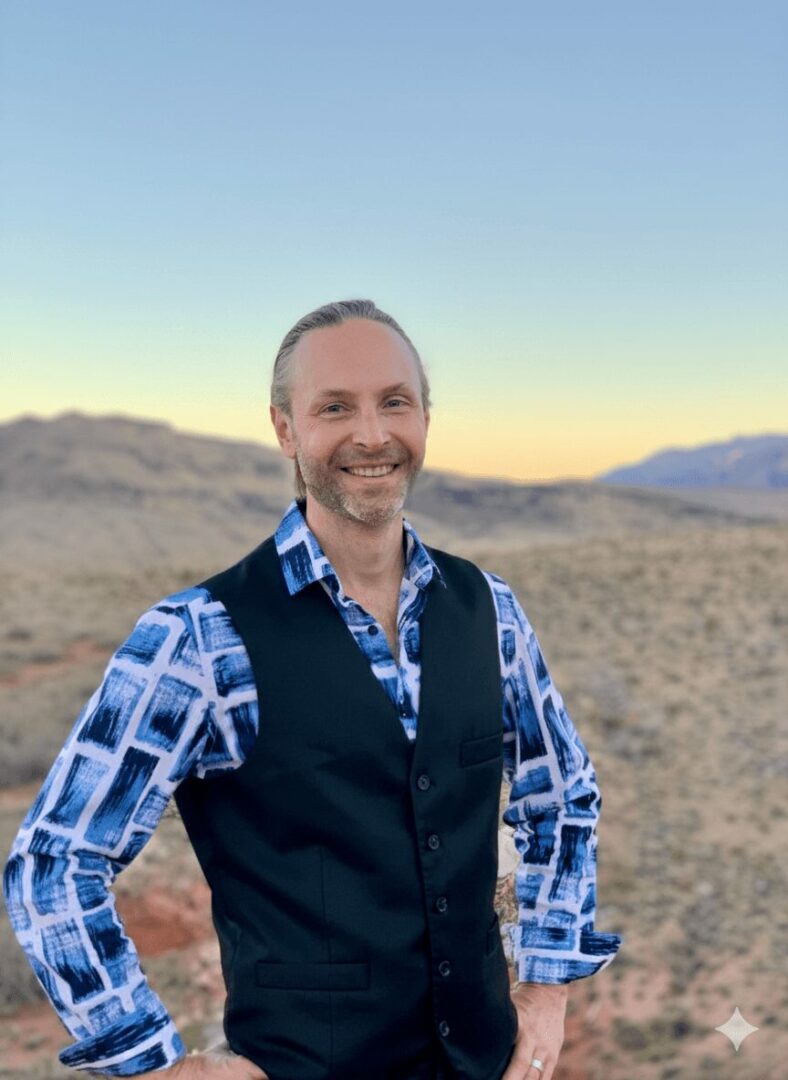
Shane Borza shared their story and experiences with us recently and you can find our conversation below.
Shane, we’re thrilled to have you with us today. Before we jump into your intro and the heart of the interview, let’s start with a bit of an ice breaker: What is a normal day like for you right now?
Having gotten back into martial arts last year, my morning routine has taken a big shift. While I had been getting up at 530-6am, exercising for an hour or so, then having coffee and an office hour before working remotely starting at 9am, now I am doing a very different start to the day. As I go to the dojo most nights after work for class, I don’t get home until 730pm or later, which means dinner is 8pm or later, and bed is now much later than it used to be. As there’s a very strong handshake between our evening routine (and how it sets us up for) and our morning routine, that means my morning has had to adjust. I now get up between 7-8am depending on how much recovery I need, do some mobility, stretching, calisthenics, etc for a bit, make coffee, and go straight into my office hour, where I check emails, socials, clients, etc for the day. Then start with clients at 9am.
Can you briefly introduce yourself and share what makes you or your brand unique?
I am an ICF certified coach who specializes in helping clients create breakthroughs and experience their Ultimate Performance. As an expert in Mind-Body Fitness, I helps people do the deep work to unlock the beliefs, thoughts, and feelings that hold them in positions and behavior that doesn’t serve them. A lifelong mountain athlete and creator, I have travelled the world learning how to be the best climber, filmmaker, writer, husband, and person possible. Through foreign expeditions, long term film and writing projects, working at startups and corporations, teaching at Universities and Colleges, and training Police in the Military, I learned how to combine the best aspects of Mind, Body & Life so my clients can be their whole – and best – self. My coaching practice offers a variety of services, depending on the dynamic or client needs and is available for both group and one-to-one services. Additionally, I offers various DIY classes for self study.
Fun Fact: My wife Joyce and I had the world’s first wedding on El Capitan in Yosemite National Park and won ‘Best Documentary’ at the Mountain Film Festival in 2017! The feature version premiered in 2021 and got distribution in 2023. You can watch it on Amazon Prime, Google Play, Fawesome, Roku, Tubi, Youtube, and Vimeo.
Thanks for sharing that. Would love to go back in time and hear about how your past might have impacted who you are today. What’s a moment that really shaped how you see the world?
In 2013 I was rock climbing in Utah at Zion National Park. I was halfway up Moonlight Buttress, one of the most famous bigwall climbs there is, when I had a catastrophic fall. After going home, I rested by ‘only going running’ for a month. Everything got worse. So I rested for a second month. And I got worse still. Finally, after three months, I went to the VA hospital where I learned I had multiple serious injuries, was told I had nerve damage, and would probably never climb again. Perhaps not even resume normal activities.
And I tell you that story because that is the beginning of me changing my life. Now, I have been a climber and skier since I was a kid and my identity has always been, “I’m an athlete”. So when I wasn’t able to train everyday, when I wasn’t able to move without pain and restriction, when I wasn’t able to do things on my own, I didn’t know who I was.
So what happened?
I spent the entire year of 2014 wearing splints and braces and spending all of my outdoor and exercise time in therapy. By 2015, I was allowed to go for walks and do some light movement but no difficult training and, still, no climbing whatsoever.
In 2016, I proposed to my girlfriend at the time and, as rock climbers and indie filmmakers, we decided to do the sensible thing and have the world’s first wedding on El Capitan in Yosemite National Park. And not only that, we filmed the entire journey, and made an award winning documentary out of it.
How was that possible?
The short answer is, when I was medically cleared to begin exercising I fell back into all my old habits. Why was I suddenly fat, old, in pain, and ornery? Because I wasn’t running and climbing everyday. What did I do about it? Threw myself right back into what I did before. What happened? I kept getting sick and injured.
It was disastrous.
I found the biggest thing standing in the way for the health of my body, was my mind. I slowly became aware of all the judgments and bargaining I did in my head. How I beat myself up whenever I saw myself naked, how I wrestled over everything I ate, how I compared myself to what I used to be able to do.
Realizing I wanted my life to be better, I sought out coaches and mentors who could teach me to be grateful, communicate better, control my anger (which was way out of control), and help me get honest with myself.
It was not easy, believe me, but I realized I could only live better if I both thought and moved better. I found, the more I did things that I didn’t think could work, the more breakthroughs I had. And that inspired me to throw out everything I thought I knew, experiment and try new things, and, finally, become a coach myself.
I am now a couple years away from 50 and I have successfully not run in over a decade. Now, obviously, I can’t run as well as I did in college, but I think better, by not being angry all the time, by being grateful, and being honest with myself; I move better, by having less pain, training smarter not harder, and having more energy; and I live better, by allowing myself to like things, having a kickass marriage, and by being psyched -all the time.
By combining the lessons of my Think Better, Move Better, Live Better journey, it enabled me to have my Ultimate Performance. And, thankfully, I have been able to help others do the same. One friend in particular was, like me, a lifelong athlete with a long history of getting injured. By helping him to address his mental game, his body was able to not only rest and heal, but thrive. And now, he too, is not only thinking and moving better, but living better.
I continue to not only climb, create, and coach, but also think, move, and live better -all the time. I invite you all to do the same.
What did suffering teach you that success never could?
Most of my life has been spent outside, and most of my outside time has incurred some kind of risk analysis. And, regardless of whether that was being a rock climber and/or mountain guide, working in Outdoor Ed departments for schools and colleges, or serving in the Military, I have had the concept ‘two is one and one is none’ drilled into my head for all of them. If you’re unfamiliar with this tenet, allow me to surmise it here.
When it comes to safety, especially in high risk mountain sports like rock climbing, you never want to trust your life to one piece of protection for, if it fails, you die. Not to be morbid, but the room for error in the mountains is small, regardless of whether you’re hanging from a rope, skiing down a slope, or hiking along a trail. In all aspects of mountain sports, as in life in general, there can be significant risk.
Having a backup, whether that comes in the form of a plan, partner, piece of equipment, or energy, is important. Another way to think of it is to use the term ‘reserve’. Something in reserve is there ‘just in case’, a ‘the shit has hit the fan’ item you hope you won’t need, but will be glad was there if you do.
This applies to all aspects of life – not just sports (mountain or otherwise). When I was in film school, our Producing Teacher advised us that, “Without a backup you don’t have a film”. Even going so far as to say 3-is-1, so as to ensure you can hand a drive off to an editor, or other team member, keep one for yourself, and still have the ‘backup’ offsite in case of catastrophe. Having already learned the ‘2-is-1-and-1-is-0’ through sports and mountain training, this made sense to me, but for many of my fellow students – especially when on a starving artist budget – the idea of buying a second or third hard drive was just not possible. Regardless, they weighed their options, and made plans – just in case.
While most people think of backups as things, the same goes for you, your body, and your energy. Often heard during my time in the Military was something along the lines of, “You must be selfish to be selfless”. The thought being, if you’re hungry, tired, sick, or injured – how are you going to take care of anybody else – you can’t! This resonated with me due to my first aid and rescue training as, in that discipline, the message is, “Check the scene before going in. If it’s not safe – do not enter. Do not add to the victim count by becoming a victim yourself.”
Some are religious when it comes to the care and maintenance of their others, whether it’s their kids, partners, students, or team-members. Just as prevalent is how we treasure our stuff. How many of us dote on our cars, bikes, skis, motorcycles, or similar, even having racks and drawers full of products, just to take care of them? How many of us have spent time and money learning how to tweak and improve them? How many then spend our free time ‘working on them’ to tune and dial them in? Yeah – but how often have you done that for yourself?
While it may be part of your routine to take the car in to get serviced, regardless of whether that’s an annual checkup, quarterly, or even monthly, when was the last time you got serviced? If you haven’t had any bodywork (massage, acupuncture, chiropractic, etc) this year – you’re probably due. And not just because it feels good and helps you recover, no, we’re talking about safety. You need to know sooner, rather than later, if something’s amiss – and regular check ins will help you do that.
It’s great you have a water bottle, a purifier, and tablets when you’re trekking through the backcountry. Two or three systems ensure you can get water no matter what situation you find yourself in. But if you haven’t healed your old injuries, ensured your body moves as well as possible, trained so you’re fit enough to do the trek in your sleep, and ensured you can carry not only yourself and your gear, but your buddies gear (and possibly your buddy too) then do you have anything in reserve? Do you really have any backups in place?
Going for a hike on the spur of the moment is one thing and, worst case scenario, you can limp home on a twisted ankle in the rain while hungry and be fine. But, if you’re in the remote backcountry on a 30 day trek and things go sideways – you’d best ensure you have backups and reserves in gear and systems, as well as your mental and physical capacities.
Room for error: Plan for it. Prepare for it. Ensure you have some.
I think our readers would appreciate hearing more about your values and what you think matters in life and career, etc. So our next question is along those lines. What’s a cultural value you protect at all costs?
No doubt you have heard the expression that less is more and how true it is. Well, I’m here to tell you – not only is it true – but it’s TRUE! And not only in both work and sport, but in all things. My wife and I took this to the extreme when we lived in a tiny house – 240sq ft – for three years. Our biggest take away was, even after you sell or give away all the ‘stupid stuff’, you still have more than you want. Taking that further, you have more than you need.
I have always been very minimalist and, especially as a mountain athlete, looked at most things with a practical eye. If it doesn’t serve a purpose I’m not going to carry it, and if it doesn’t help me get in, or back out of, the mountains, I’m probably not going to buy it – except for gear of course…
I found all my philosophy and masculine bullshit went away whenever you put me in an outdoor shop or fitness store. Watch out, I’m coming home with a car load of ‘stuff I need’! Luckily, through my bodyweight and kettlebell training the past 7+ years, I have relearned the valuable ‘less is more’ lesson by increasing my skill set, rather than my footprint, mastered what I have, rather than be distracted by the new and shiny, and gone an inch wide and a mile deep, rather than the other way around.
When I first began training with kettlebells, I excitedly signed up for a three day instructor course and was agog at the new things I would learn – and the new gear I would buy. At the event, I trained with a Master Level Instructor and told him my limitation of ‘only’ having five kettlebells and how I needed to buy X, Y, and Z in order to make gains. Shaking his head, he told me how he had successfully trained for his Instructor Certification using a mere three kettlebells and that, really, what I needed to increase was my skill set.
Disbelief quickly gave way to acceptance as he showed me how to use what I had in new ways to improve and do more with less. His exact words were: “Don’t buy anything. You don’t need it… Except a pull-up bar. You need a pull-up bar.” After wrestling with that for a few years, I have found, the more I do a deep dive into my Instructor’s Manual, and the more research I do, the more I am reminded of how mastery of what you have is more important than amassing new distractions.
While this is important in sports, training, and recreation, the same goes for your life. When you’re working full time, especially with a spouse and/or kids, there is a lot of pull on your time. Minimizing distractions and time sucks will enable you to focus on less things and, perhaps, enable you to have both a higher output in your sport/hobby, but also, the things you mindfully choose to do.
How often have you seen someone playing guitar only to wonder where yours went off to? Perhaps you watched a scene on television, or in a movie, of a family sharing a meal around the table – no screens in sight – or playing a game and wonder ‘Why don’t we do that?’ You can. But without choosing to focus on the things that fuel you, your life, your spirit, and your day, you may find the more you amass, the less time, energy, and focus you have.
Regardless of whether you’re a hiker on the Appalachian Trail for 3-6 months and only have your pack, a climber traveling the country in your station wagon (or van) for the summer, or a skier renting a room (or garage) for the season while the snows in – you don’t have room for a lot as your sport, and it’s gear, takes priority. As such, you think long and hard about every single thing you take with you. But where’s this attention to detail, where’s this awareness, where’s this thoughtful minimalism when you’re not adventuring?
Perhaps you’re not a mountain athlete, but you travel often, live out of a suitcase, or are on the road. Well, a minimalist mindset may work for you too. I have learned, both in training and in life, that with little to no equipment, and mindful decisions, I can reap the benefits of maximum output. And, while this can be increases in mobility, strength, conditioning, and flexibility, it can just as likely be measured in increased energy, focus, relaxation, and output.
Okay, so before we go, let’s tackle one more area. What do you understand deeply that most people don’t?
You may not think much about it, but the words you use are important. How you say things, and what you call things, helps create the perspective you see the world through. Specific to training is that very word itself: training. Most people refer to exercise as ‘working out’ and why shouldn’t they? There’s nothing wrong with that term, but there just might be a better one. What would changing ‘work out’ to ‘training’ do for you? Anything? For me, there is a difference.
To ‘work out’ literally means to work someone until they’re done, as in, ‘They worked themselves out.’ Whereas ‘training’ conjures up practice or learning. Whether that is improvement at work, learning at school, skill building in a sport, and simply mastery of any activity you enjoy. This may seem like a slight adjustment and I have heard people ask what difference it makes. After all, if we both know what we’re talking about, does it really matter the specific words we use?
The difference is intent. Whether it’s substituting ‘could’ for ‘should’ or ‘want’ for ‘need’, If you go to ‘training’ instead of your ‘work out’ you will unconsciously be changing the gears in your head. As above, ‘training’ may move you towards a learning mindset, while ‘work out’ may only bring to mind thoughts of getting sweaty and tired. Both can be fun, and challenging, but give yourself every resource to frame exercise into an ability to improve your skill set, and not just your physique.
Mental outlook is important, especially in outdoor sports where, quite often, suffering is the name of the game. If you are a runner, cyclist, hiker, or climber, you are quite often dealing with long miles, weather, gear, and all kinds of unforeseen obstacles. When confronted with these challenges, are you going to ‘bitch’ or ‘complain’? Again, some may say they are interchangeable, while others know better.
Bitching is a team building strategy, a means to get through the tough times through humor and creativity. There’s a reason the Marines talk about ‘the shared suck’. Bitching aloud to one another builds camaraderie by reinforcing that you’re all in it together. Yes, you are suffering, but they are too. And you know this by the bitching that you say, hear, and acknowledge.
Complaining, on the other hand, is nothing more than vocalized negativity, frustration, and anger. There is nothing positive contributed, to either the group, or situation. Where bitching can add, distract, amuse, complaining can detract, anger, or annoy.
There are many such examples. As above, how often do you say to yourself (whether out loud or to yourself) all the things you have to do, need to do, should do? How does this make you feel – like you have a choice? Like you want to? Does it bring joy to the idea of those tasks, or that list? What would happen if you changed those terms to something else? What if you had things you wanted to do, things you got to do, things you chose to do? How does that feel?
If you are a student of history, especially exploration, you know of the famous exploits, and tales of woe that have been passed down from the thrilling adventurers of the past. These explorers left for the unknown and suffered but were able to overcome adversity via their mental outlook. If you were to read their accounts you might be surprised by the words they have left behind. Quite often these calamitous tales read like calm days at the park, whether they dealt with shipwrecks, storms, starvation, the loss or deaths of friends, or worse.
As Monty Python once mused, “Always look on the bright side of life.” Yes, it’s difficult, arduous, and hard. Of course you’re tired, hungry, cold, and sore. But are you having a grand adventure outside? Are you in the place you’d rather be? It’s just as helpful to be in the mountains, thinking of yourself sitting at a desk, as it is to sit at the desk, and think of yourself in the mountains.
I have experienced a lot of changes by mindfully choosing the vocabulary I use. More often than not, it’s not what I say out loud to others, but what I say to myself that results in these big shifts. I encourage you to examine your vocabulary and self speak. You may just find that your ‘shoulds’ become ‘could’s’, your ‘have to’s’ become ‘want to’s’, and – perhaps – your ‘workouts’ become ‘training sessions’.
Contact Info:
- Website: https://shaneborza.com
- Instagram: https://www.instagram.com/shaneborza/
- Linkedin: https://www.linkedin.com/in/shaneborza/
- Twitter: https://www.tiktok.com/@shaneborza
- Facebook: https://www.facebook.com/shaneborzacoaching
- Youtube: https://www.youtube.com/@ShaneBorza
- Soundcloud: https://open.spotify.com/show/1dFzZlJk6NKEo2me5nOPXN
- Other: Fun Fact: My wife and I had “The World’s First Wedding on El Capitan” in Yosemite National Park – you can see our award winning feature documentary on Amazon Prime, Fawesome, Google Play, Roku, Tubi, Youtube, or watch it here: https://vimeo.com/ondemand/elcapwedding
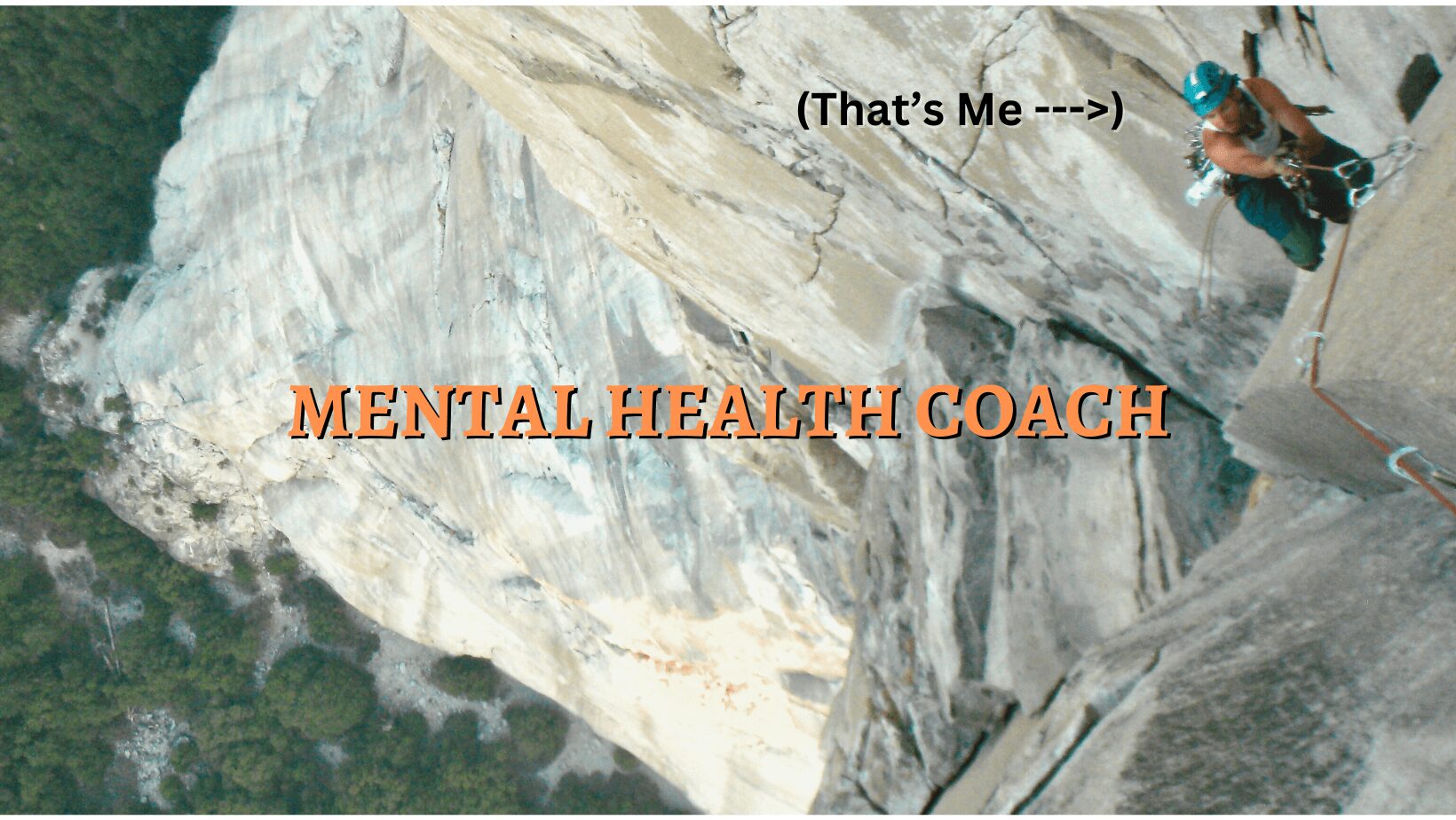
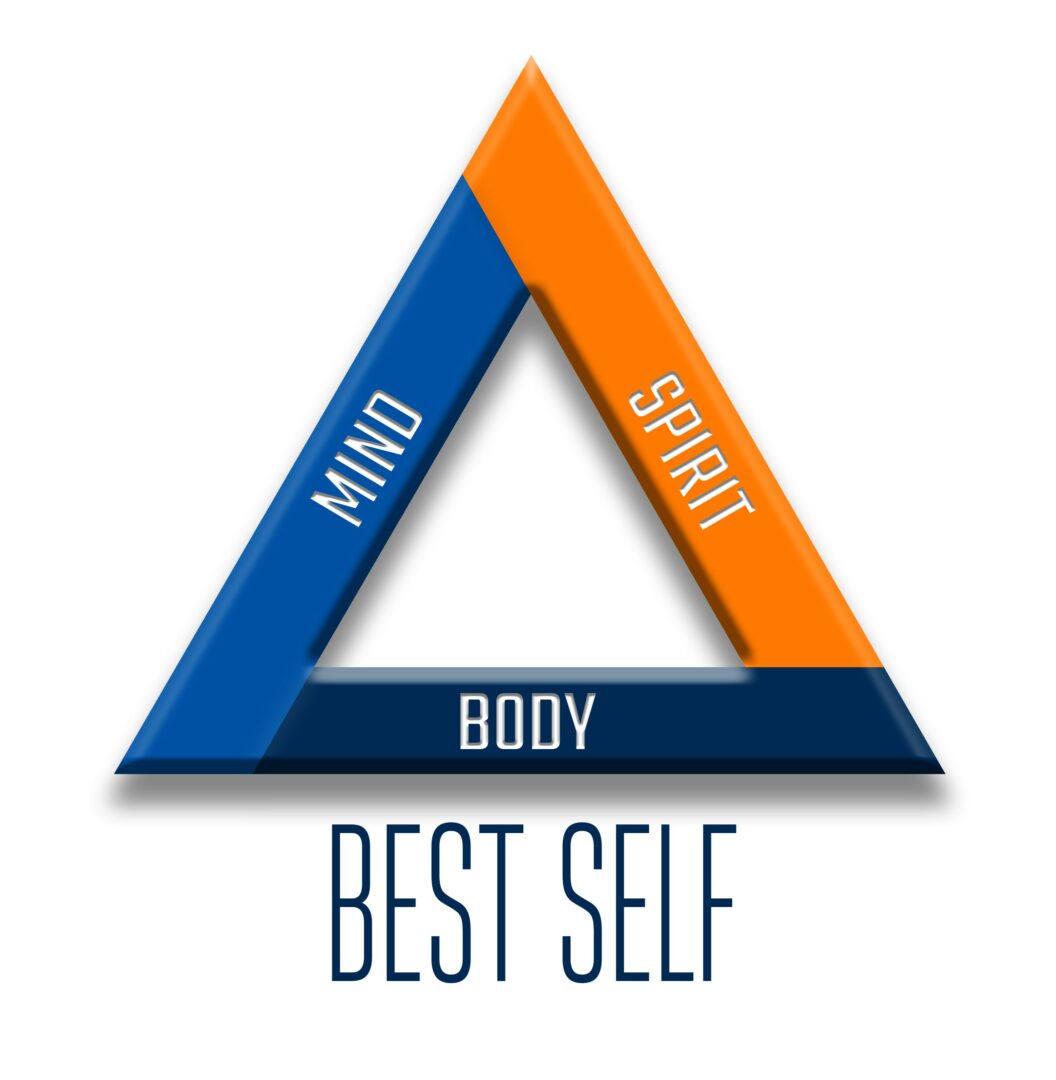
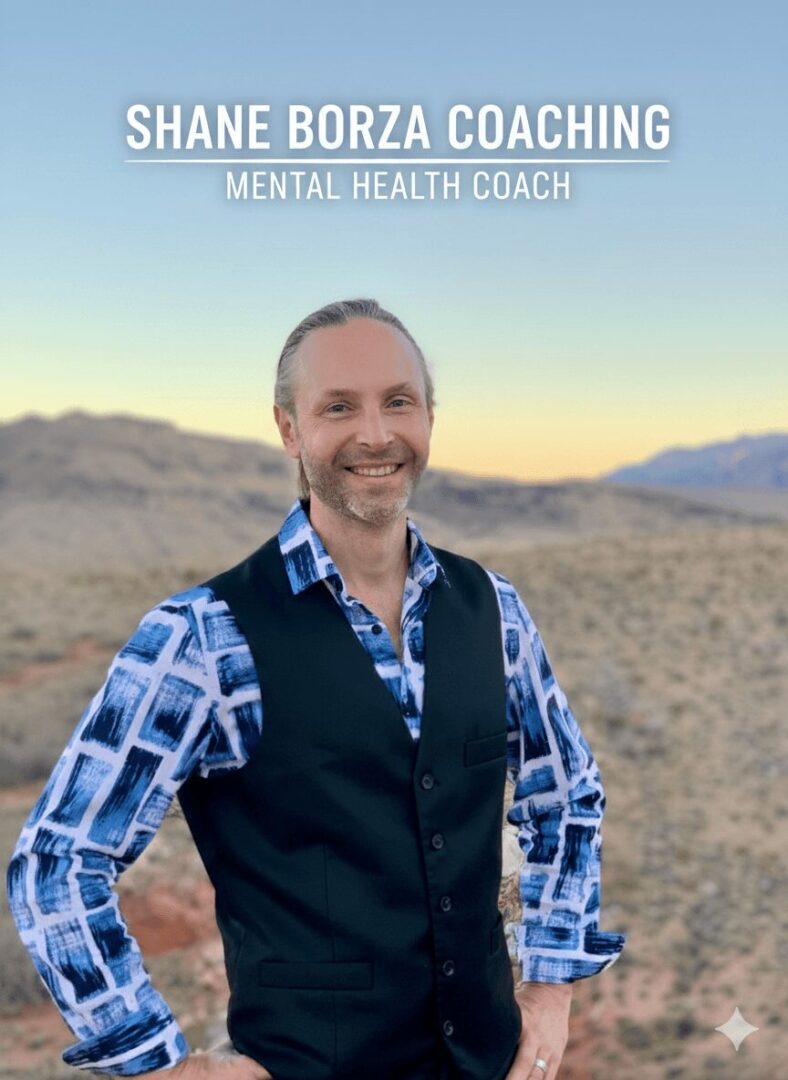

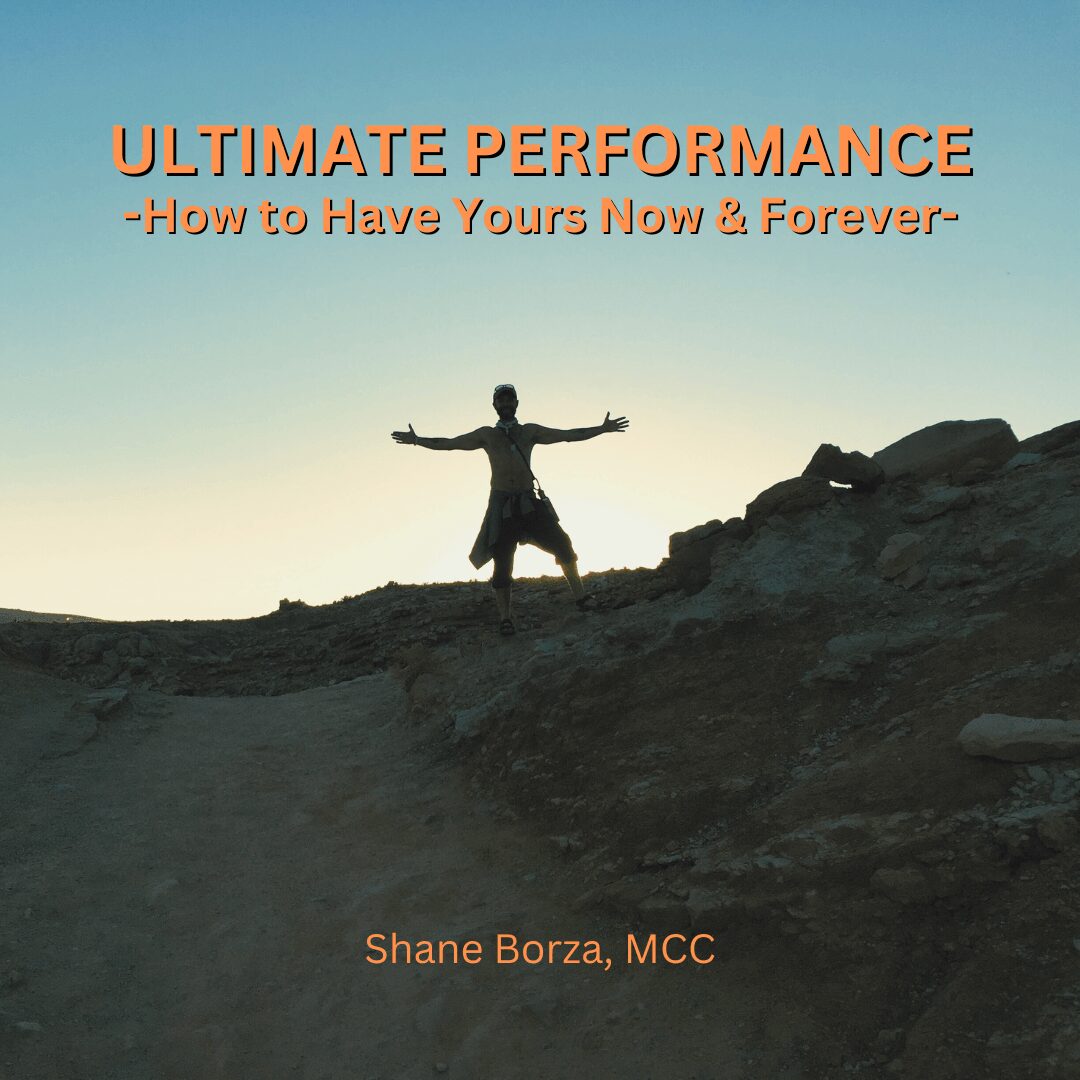
Image Credits
©2025 Shane Borza Coaching LLC
so if you or someone you know deserves recognition please let us know here.