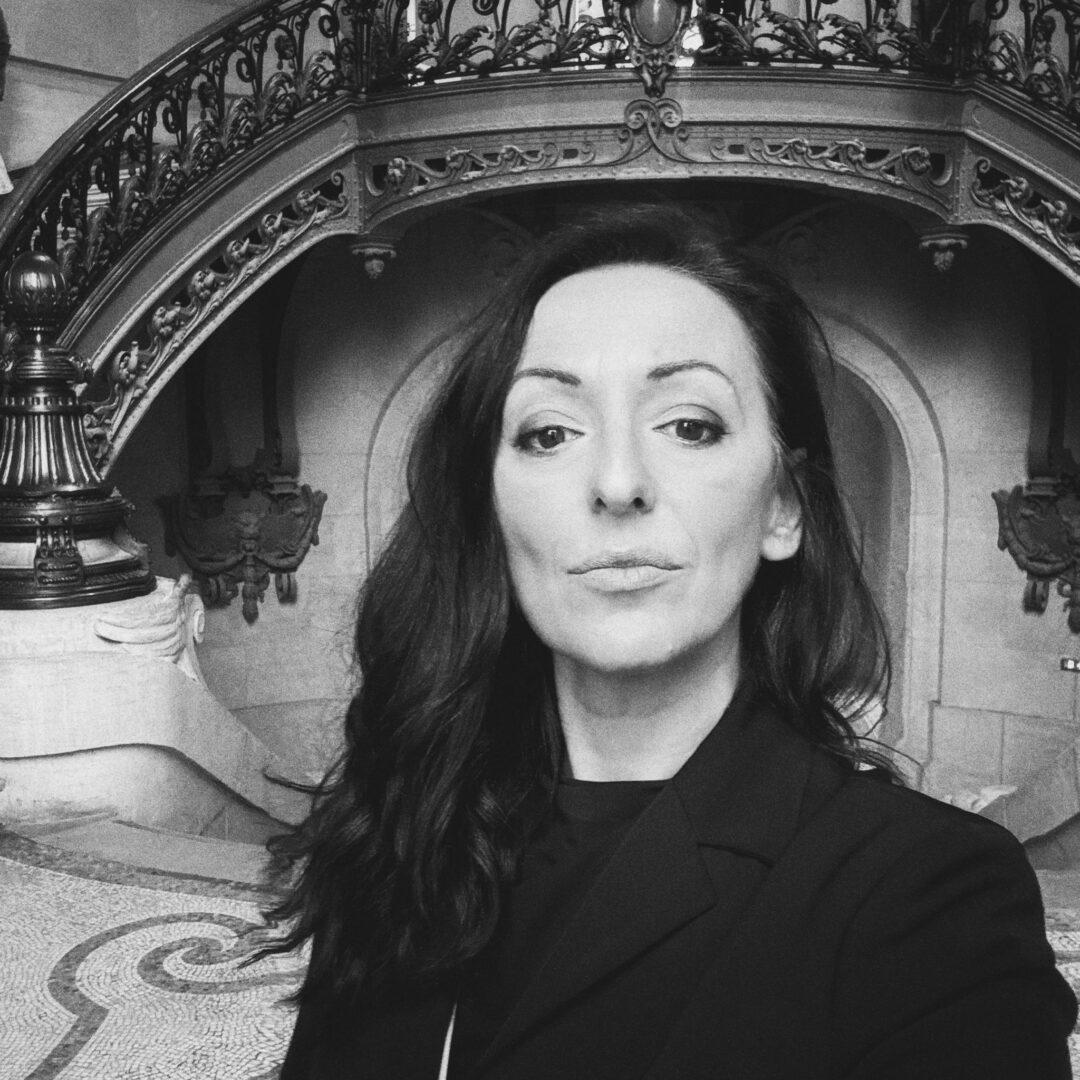
We’re looking forward to introducing you to Simona Bonanno. Check out our conversation below.
Hi Simona, thank you for taking the time to reflect back on your journey with us. I think our readers are in for a real treat. There is so much we can all learn from each other and so thank you again for opening up with us. Let’s get into it: What are you being called to do now, that you may have been afraid of before?
After years supporting artists, publishers, and institutions within an independent photography publishing house, managing communication at a strategic level and collaborating closely with authors, curators, and photo editors, I realized that my role had evolved far beyond execution. I was shaping narratives, defining communication frameworks, and driving complex editorial and PR projects from concept to delivery.
That awareness made the transition into an independent practice feel not only natural but necessary. Today, I’m building a model where strategic thinking and creative production reinforce each other, offering photography communication, visual editing, and PR under my own name.
This is the moment to consolidate my expertise, claim my space, and design the next chapter with intention and autonomy.
Can you briefly introduce yourself and share what makes you or your brand unique?
I am a photographer and a visual communication specialist working across strategic storytelling, visual editing, and PR for the photography and art sector. My independent practice combines creative insight with a structured, strategic approach to help artists and organizations in the visual arts define their vision and communicate it effectively.
My work focuses on narrative clarity: identifying the essence of a project, shaping its visual and editorial direction, and positioning it across audiences and platforms. This hybrid perspective — both creative and strategic — allows me to transform complex ideas into coherent, compelling narratives.
I’m currently expanding my consultancy and developing new collaborations tailored to the needs of professionals navigating today’s fast-evolving visual landscape.
Appreciate your sharing that. Let’s talk about your life, growing up and some of topics and learnings around that. What’s a moment that really shaped how you see the world?
A pivotal moment came when I began positioning and promoting my own photographic work on the international scene. Navigating festivals and fairs as both the artist and the strategist behind my practice gave me direct insight into how the photography sector truly operates: how networks form, how projects gain traction, and how visibility is built across different markets and cultural contexts.
Through sustained investment in travel, networking, and professional engagement, I realized that my ability to build long-term relationships, communicate with clarity, navigate multiple languages and environments, and understand both the creative and strategic sides of a project was not simply instinct. It was a high-value competency.
Seeing the field from this dual vantage point allowed me to understand the challenges artists face as well as the expectations of institutions, audiences, and partners. Over time, I recognized that my artistic background, writing and editing experience, visual literacy, and international network could converge into a more integrated and strategic way of working.
That realization reshaped how I see the field and my place within it, ultimately becoming the foundation for the independent practice I am building today.
Was there ever a time you almost gave up?
Yes. There was a moment when I almost left photography. After years of nonstop visual input — exhibitions, books, fairs, online programming — I reached a point of saturation. The first lockdown intensified this, and what had inspired me for years suddenly felt overwhelming. I needed distance.
Stepping back opened an unexpected path. I moved into the design sector and began writing professionally, developing what had long been an instinct — observing, explaining, storytelling — into a structured skill, supported by dedicated work on copywriting techniques. That experience showed me that communication could stand as its own profession, not just as an extension of my artistic practice.
This became the bridge to my work in publishing, where communication, editorial thinking, and visual strategy came together naturally, and eventually back into the photography field. What felt like losing photography was actually an expansion: it gave me a more strategic mindset and a clearer sense of how images function in the world.
It taught me that stepping away can be a turning point, sometimes it’s the only way to rebuild your work with clarity and purpose.
Alright, so if you are open to it, let’s explore some philosophical questions that touch on your values and worldview. What are the biggest lies your industry tells itself?
One of the biggest lies in the photography world is that images speak for themselves. They don’t. Without context, strategy, and clear communication, even strong work stays invisible.
Another myth is that talent is enough. It isn’t. What actually moves a project forward is structure: narrative clarity, professional communication, and the ability to navigate audiences, institutions, and markets.
And the industry often treats communication as something secondary, when in reality it shapes how a project enters the world. Ignoring this creates a gap between producing good work and getting that work seen. The truth is simple: vision needs strategy. Pretending otherwise is the reason many projects never reach their potential.
Thank you so much for all of your openness so far. Maybe we can close with a future oriented question. What do you understand deeply that most people don’t?
I understand that a photographic project doesn’t end when it’s created — it begins. What many photographers overlook is that a body of work needs to grow, move, and be accompanied into the world. Too often there’s an expectation that others will “discover” the work on their own, as if visibility were automatic. It isn’t.
What I see clearly is that a project needs guidance: a narrative, a strategy, and a framework that allows the right people to encounter it. Promoting a project isn’t about self-celebration; it’s about giving the work the conditions to be seen and understood.
This is the part many underestimate. Creation is only the first step. The real impact comes from how you position, articulate, and support a project so that others can recognize its value.
Contact Info:
- Website: https://studio.simonabonanno.com
- Instagram: https://www.instagram.com/studio.simonabonanno/
- Linkedin: https://www.linkedin.com/in/simonabonanno/
Image Credits
2. Andrea Alessio
3. Barbara Peacock
4. Benedetta Donato
7. Miarté
so if you or someone you know deserves recognition please let us know here.