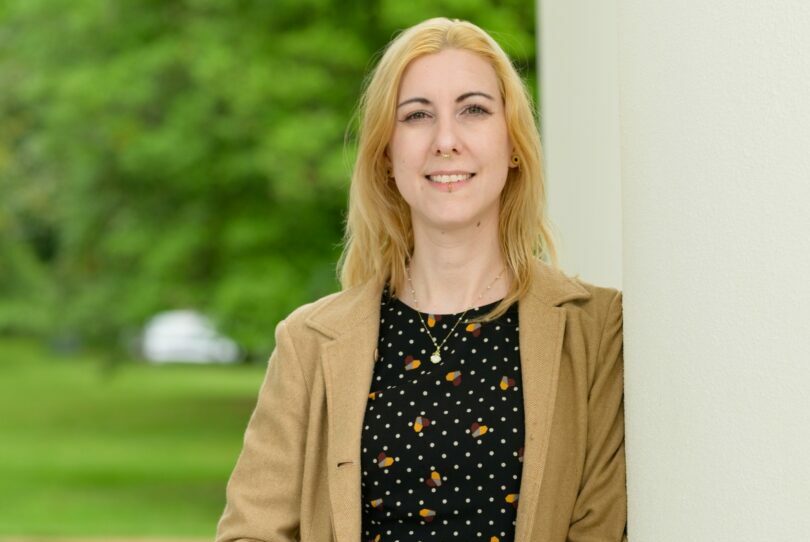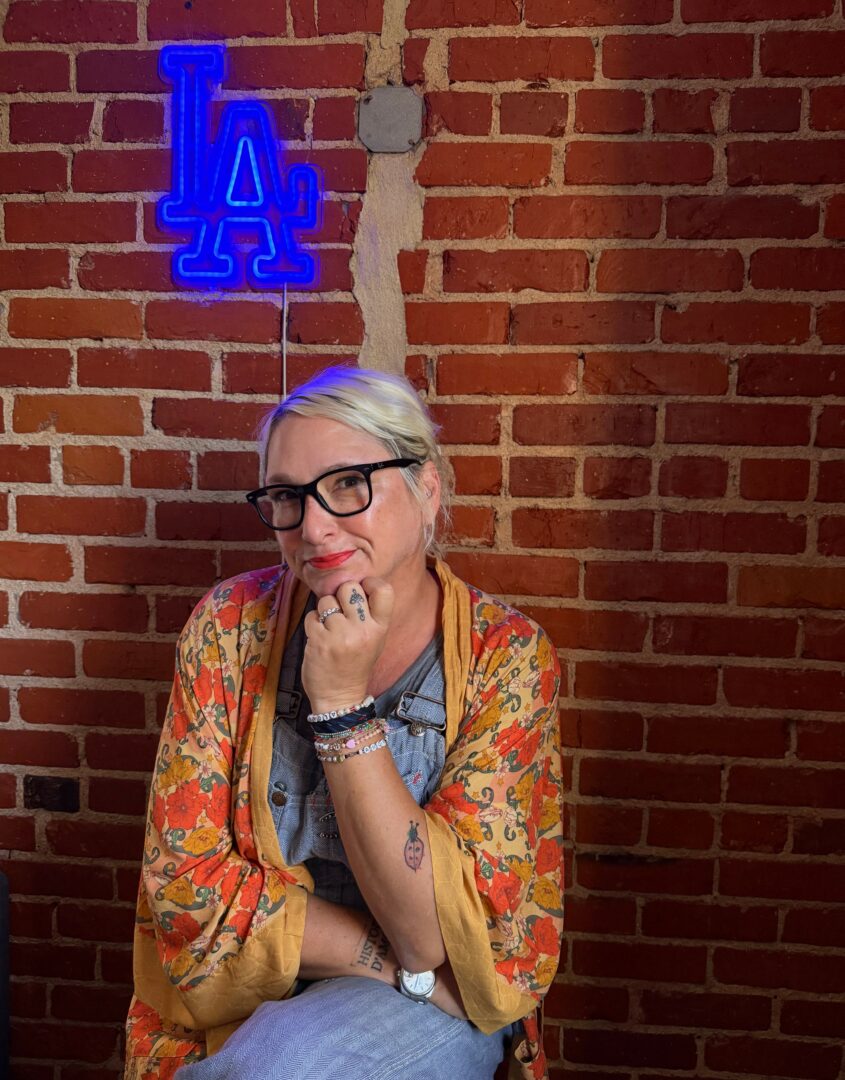
We recently had the chance to connect with Alexandra Robuste and have shared our conversation below.
Good morning Alexandra, it’s such a great way to kick off the day – I think our readers will love hearing your stories, experiences and about how you think about life and work. Let’s jump right in? What’s more important to you—intelligence, energy, or integrity?
Energy — always. The right kind of energy, a clean one, carries integrity within it. It’s how you show up, how you follow through, how you make people feel. Intelligence is a wonderful bonus, but emotional intelligence beats cognitive brilliance nine times out of ten.
Can you briefly introduce yourself and share what makes you or your brand unique?
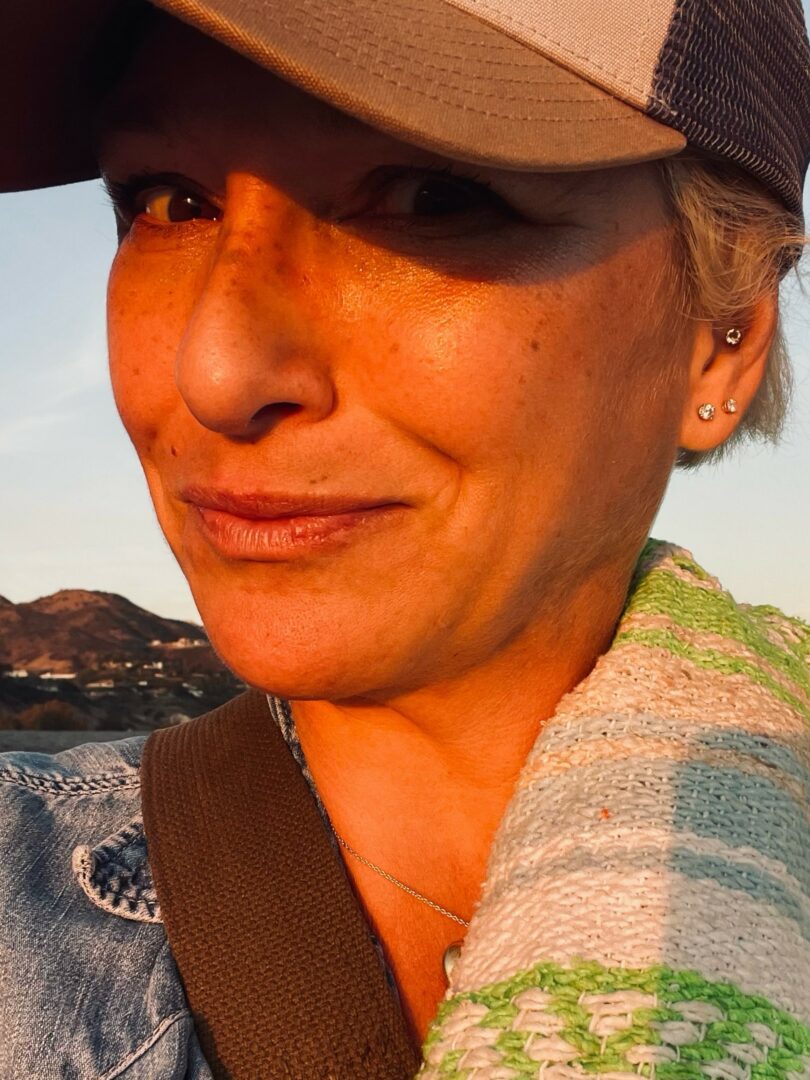
Hi 🙂 I’m Alexandra Robuste — a leadership strategist and author translating neuroscience into leadership language. I design systems where clarity replaces noise and trust replaces micromanagement.
My latest focus? Turning emotional regulation into a core leadership skill, not a wellness trend — and proving that when neurodivergent strengths are recognized and supported — through quiet spaces, flexible pacing, and cognitive clarity — innovation accelerates for everyone.
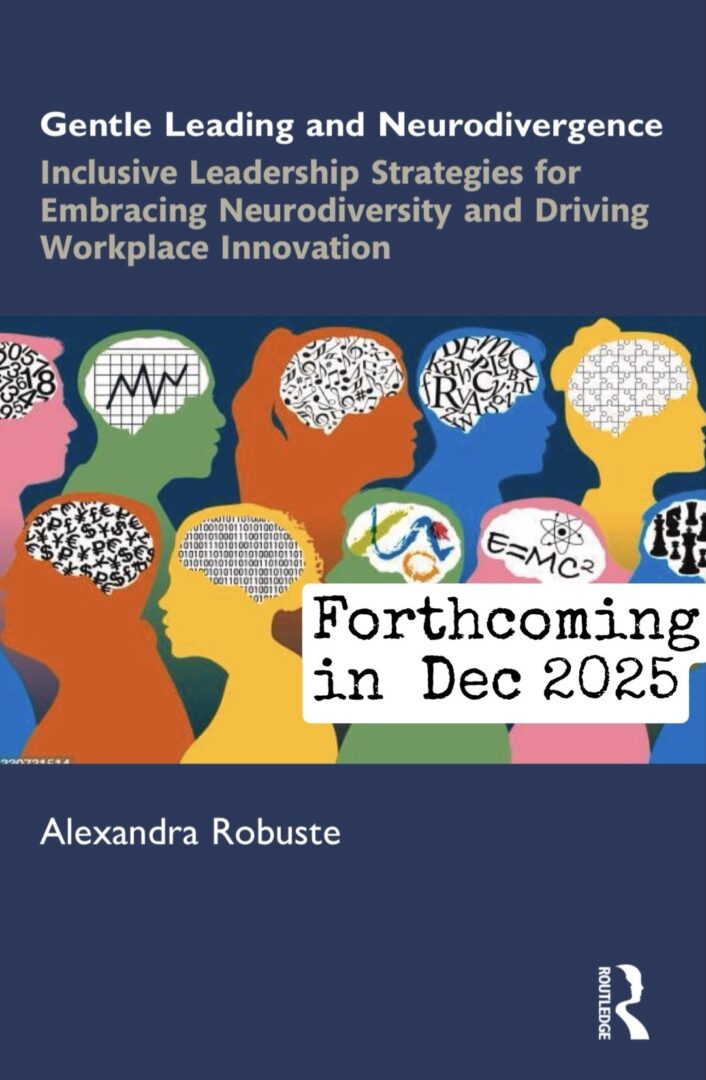
As the creator of Gentle Leading™, a new leadership approach, I translate emotional regulation and inclusion into practical leadership design — helping teams replace control with clarity and pressure with presence. I’m currently bringing neuroinclusive leadership into universities, executive programs, and coaching environments — through Gentle Leading & Neurodivergence (Routledge, 2025), leadership training, and online courses. The goal is to make these tools accessible not only to leaders but also to educators, coaches, and anyone shaping human development.
What makes this work unique is the integration: from nervous system regulation to strategy, it’s leadership built for human brains, not just business goals.
Diverse ways of thinking are the foundation of innovation, trust, and sustainable success. As conversations around DEI grow more polarized, the need for genuine inclusion and cognitive diversity has never been more critical.
Beyond my work, I’m deeply committed to advancing research and awareness for Parkinson’s disease.
Through Kill Parkinson (www.kill-parkinson.org), a data-driven, community-powered initiative, we aim to accelerate the path to a cure by pairing globally donated patient data with AI-supported analysis to find the missing pieces.
It’s about time for better treatment, prevention, and — ultimately — a cure.
Amazing, so let’s take a moment to go back in time. What part of you has served its purpose and must now be released?
The part of me that believed I had to constantly prove my worth. It served me well — it built resilience, excellence, and survival. But proving and leading are two different energies. I no longer need to push to be seen; I choose to move with presence, trust my intuition, and create from alignment rather than from fear or familiarity- even when it leads me beyond what feels safe.
What have been the defining wounds of your life—and how have you healed them?
Hands up — growing up too early!
Like millions, I didn’t grow up in an advertisement-style, picture-perfect childhood. And this isn’t a mimimi — it’s context. Most of our patterns start in those quiet gaps between what we needed and what was available.
I had my first son at 20, and two more followed soon after. For years, I was a single mom, building a career with one clear goal — to provide. It made me strong and resourceful, but it also took a toll on being truly present at home. I spent years focused on expectations — others’ and my own — without asking what I actually wanted, or what my family needed.
Healing began when I started tracing my patterns, understanding where they came from, and meeting each former version of myself with empathy instead of judgment. There’s no if I could turn back time — you can only take it from here.
Growth, for me, means recognition over regret, and presence over perfection. And the beautiful part is that healing myself has had a quiet, healing effect on those around me, too.
Next, maybe we can discuss some of your foundational philosophies and views? How do you differentiate between fads and real foundational shifts?
Just because something gets more attention doesn’t make it a fad.
Take neurodiversity — prevalence is higher than we once assumed, and even traits like high sensitivity affect over 20% of people. Some overlap, many stack, and together they represent well over a quarter of the population. That’s not a niche; it’s not a trend — it’s reality finally being recognized.
And that doesn’t mean fads are evil. Quite the opposite. Fads chase attention and live in excitement — they help new ideas surface. But the difference lies in the depth of change they create. Fads modify behavior; foundational shifts transform awareness. A fad needs constant noise to survive; a real shift keeps unfolding quietly, because it meets a genuine human or systemic need.
The real test is longevity: if something still holds relevance once the hype fades, it’s foundational. Look for what regulates systems, not what merely stimulates them. Lasting shifts integrate into language, policy, and mindset — they change how we see, lead, and design for one another.
Practically, that means translating awareness into design: updating hiring practices, leadership training, and team environments so that neurodivergent inclusion becomes embedded — not announced. And I’ love to stress it again: every brain benefits from this.
Before we go, we’d love to hear your thoughts on some longer-run, legacy type questions. How do you know when you’re out of your depth?
When my clarity fades and I start forcing outcomes instead of creating space for them — that’s usually the signal.
Being out of depth doesn’t always come with panic; sometimes it’s quiet: over-efforting, withdrawing, losing connection to intuition, or slipping into my hermit mode when things feel too noisy. That’s when I pause and recalibrate (well…usually).
My three SOS anchors (AKA my system reset): sleep hygiene, movement and nature, social connection — simple, practical, and consistently effective.
I genuinely struggled to choose between this and the question, “What are you doing today that won’t pay off for 7–10 years?” — one is about knowing your limits, the other about building beyond them.
What I’m doing today might not pay off for years. Gentle Leading™ is one layer — a manifesto for regulated, human-centered systems.
The deeper work lives in what it sets in motion.
Most of what I do won’t trend. It’s groundwork, I guess.
And if it takes seven or ten years — good. Sometimes that’s how long it takes to build something that lasts.
Contact Info:
- Website: https://www.alexandrarobuste.com/
- Instagram: https://www.instagram.com/alexandrarobuste_com/
- Linkedin: https://www.linkedin.com/in/alexandra-grows-business
- Twitter: @AlexandraR1114
- Facebook: https://www.facebook.com/alexandrarobusteLA/
- Youtube: https://www.youtube.com/@AlexandraRobuste
- Other: https://www.pinterest.com/alexandrarobuste/
@alexandrarobuste
https://www.routledge.com/Gentle-Leading-and-Neurodivergence-Inclusive-Leadership-Strategies-for-Embracing-Neurodiversity-and-Driving-Workplace-Innovation/Robuste/p/book/9781041158530#:~:text=Biography,marketing%20to%20her%20consulting%20work.





so if you or someone you know deserves recognition please let us know here.