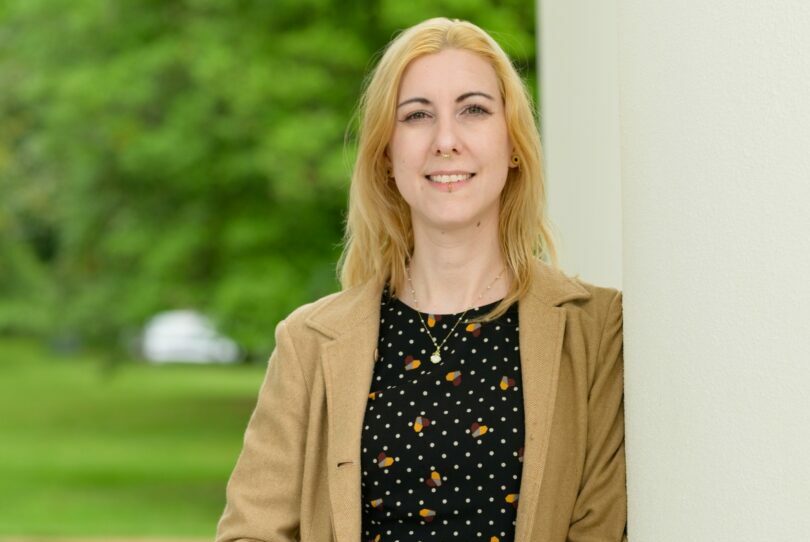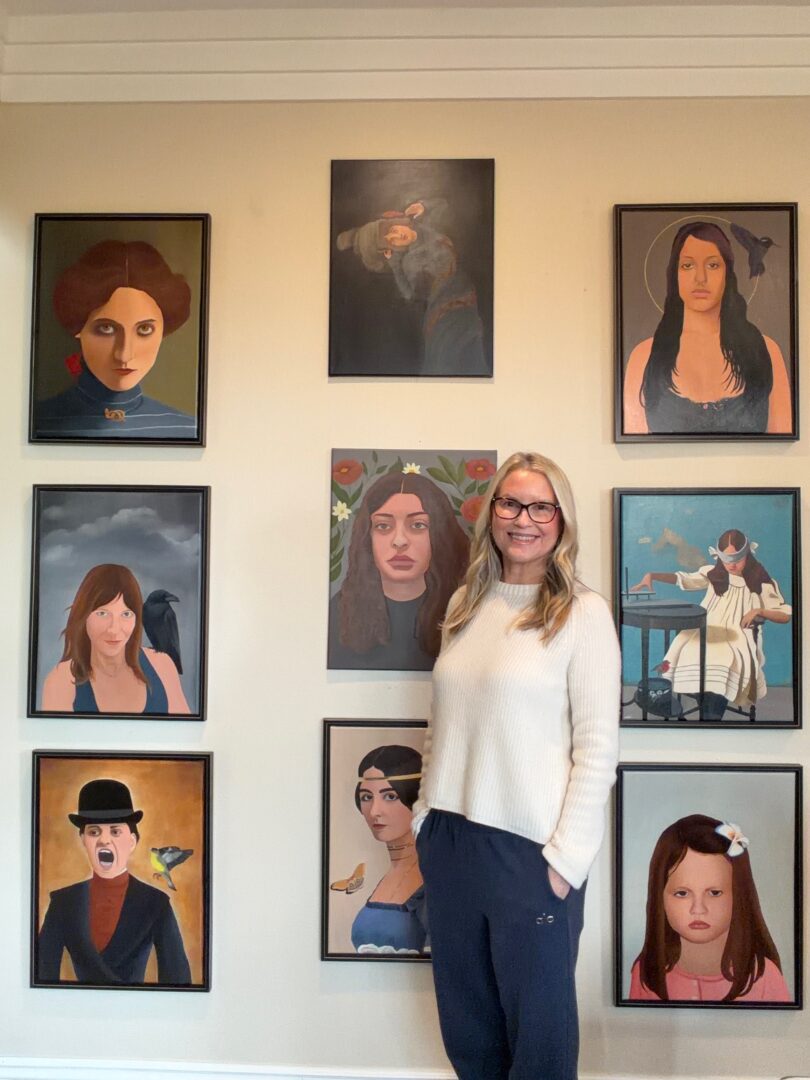
Amber DeSilva shared their story and experiences with us recently and you can find our conversation below.
Amber, so good to connect and we’re excited to share your story and insights with our audience. There’s a ton to learn from your story, but let’s start with a warm up before we get into the heart of the interview. What do you think others are secretly struggling with—but never say?
I believe most people struggle with authenticity and the pressure to fit into certain roles or aesthetic expectations—especially in the art world, where cliques and unspoken rules can make artists feel like they need to look or behave a certain way. I feel this pressure as I visit galleries and notice the cultural “game” of who fits where. This theme directly informs my work: I paint women in moments of raw honesty and emotional truth because I want to celebrate those who show up as they are.
Can you briefly introduce yourself and share what makes you or your brand unique?
My work looks for what words can’t express. I create psychologically layered and sometimes surreal portraits and figurative scenes that examine the complexities of human experience. Rooted in personal memory, archetype, and dream, my paintings hold space for both vulnerability and strength.
I am keenly interested in the cultural narratives imposed on women and the ways those roles and constructs both distort and reveal our identities. I don’t chase realism or perfection; I seek emotional truth. Each piece offers a space to pause, a moment to feel, and a chance to look beneath the surface.
My current body of work is centered on capturing authentic moments, especially through faces that look directly at the viewer. I am drawn to images of women showing unfiltered feeling—women who aren’t performing, posing, or trying to fit in. My materials and choices come from a deeply personal place: I use painting to examine questions about belonging, identity, and visibility. I often wonder about my place within various communities—artistic, social, or otherwise—and painting these women helps me affirm that everyone can find space when they are true to themselves.
Thanks for sharing that. Would love to go back in time and hear about how your past might have impacted who you are today. What did you believe about yourself as a child that you no longer believe?
My kindergarten teacher told my mom I was too sensitive and that she didn’t want me in her class. I was moved. My sensitivity was shamed out of me. I felt something was “wrong” with me—that I didn’t fit in. Over time, I let go of those beliefs, and now I work to embrace myself as I am. I am finally treating myself with compassion and kindness and trying to honor my sensitivity—to use it in my work and to create a life that supports it. Today, instead of trying to negotiate prescribed roles, I am committed to being fully myself and helping others feel permission to do the same.
When did you last change your mind about something important?
I recently changed my mind about my assumptions about the art world and where I do and don’t belong. I used to feel excluded by the social dynamics of galleries. I was intimidated by the “look” and culture surrounding certain spaces. I now recognize that cliques persist into adulthood, but they don’t define my place in the art world. This mindset shift, which I use as fuel in my art, has empowered me to paint women who belong because they exist, not because they conform.
I think our readers would appreciate hearing more about your values and what you think matters in life and career, etc. So our next question is along those lines. What’s a belief or project you’re committed to, no matter how long it takes?
I am committed to painting women’s stories that celebrate authenticity, emotional honesty, and individuality. Although I have finished my recent portrait series, Witches, Saints, and Hysterics, I know that I will always return to themes centered on women because these stories are my lived experience. I also value inspiring other women to begin creative work without them feeling the need to wait for perfection. My path—starting without formal training, learning intuitively, and only later taking instruction—reflects my beliefs in organic growth and imperfect beginnings.
Okay, so before we go, let’s tackle one more area. What will you regret not doing?
I regret not starting my artistic journey sooner. Fear, self-doubt, and the belief that I needed to be “more trained” kept me from beginning earlier. Now that I have found my voice, I wish I had given myself permission much earlier to explore painting and to trust my instincts. I feel there are so many stories still to tell—particularly women’s stories—that I don’t want to lose any time in pursuing them.
Contact Info:
- Website: https://amberdesilvaart.com/
- Instagram: https://www.instagram.com/amberdesilvaart/
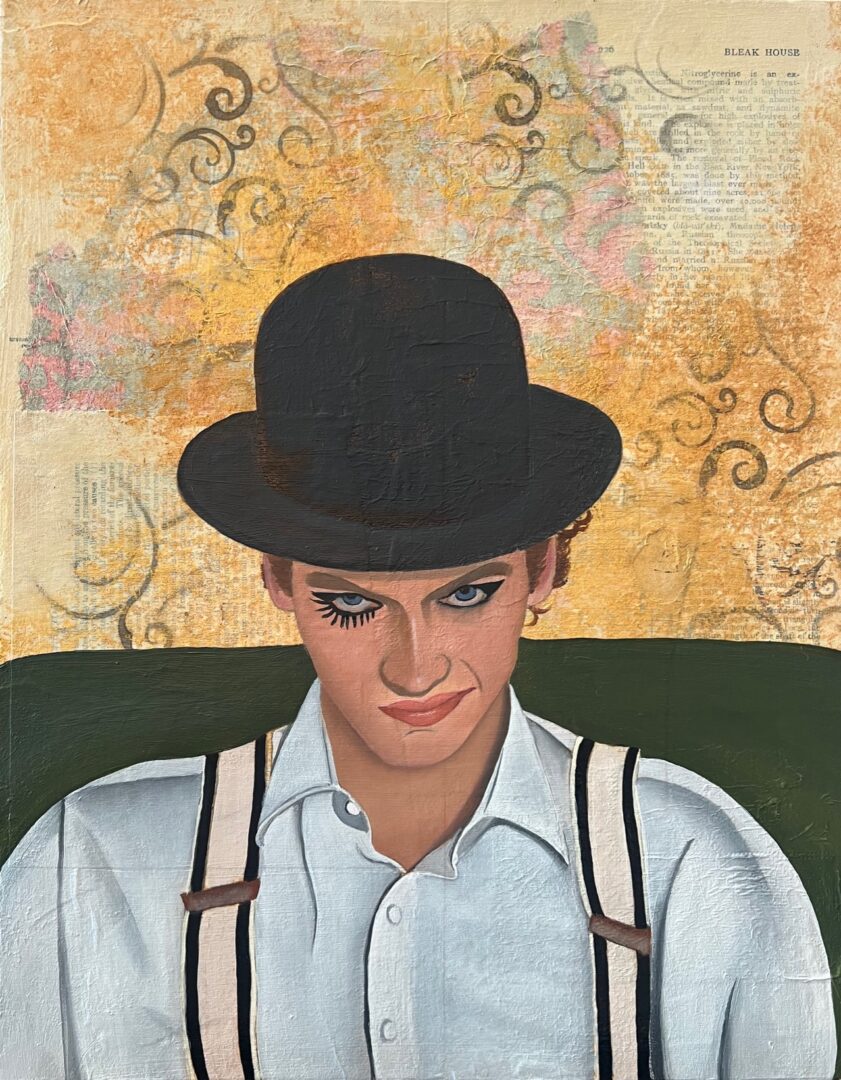
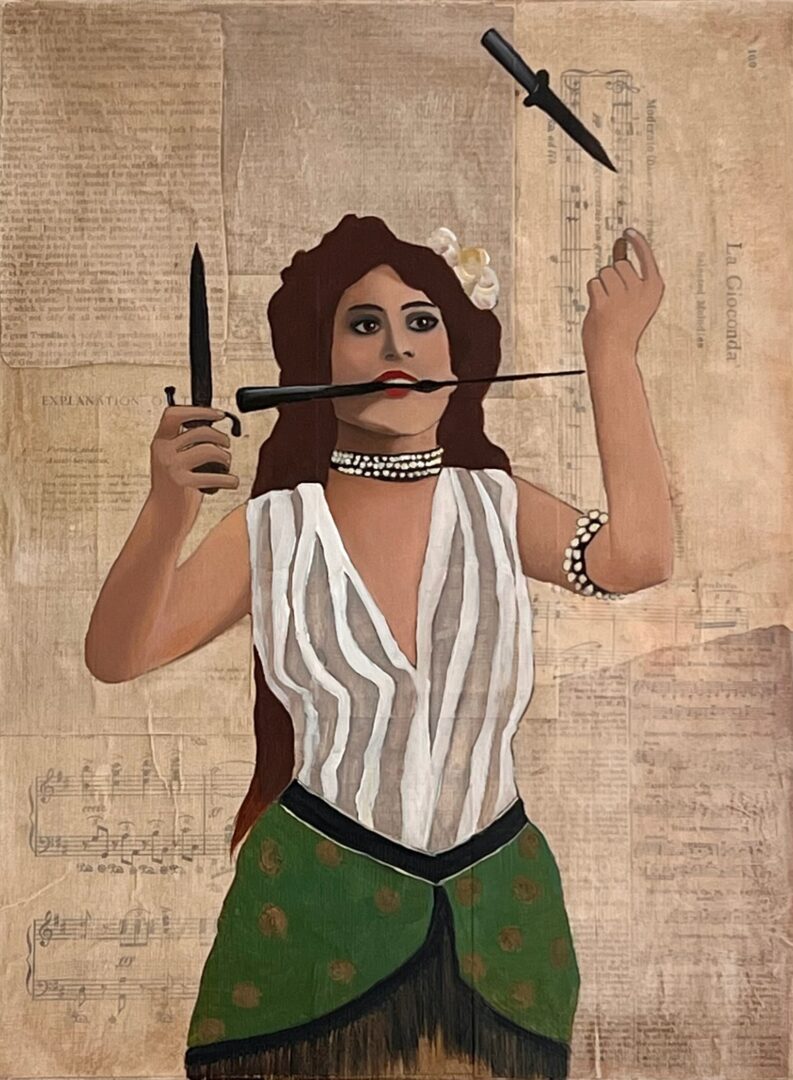
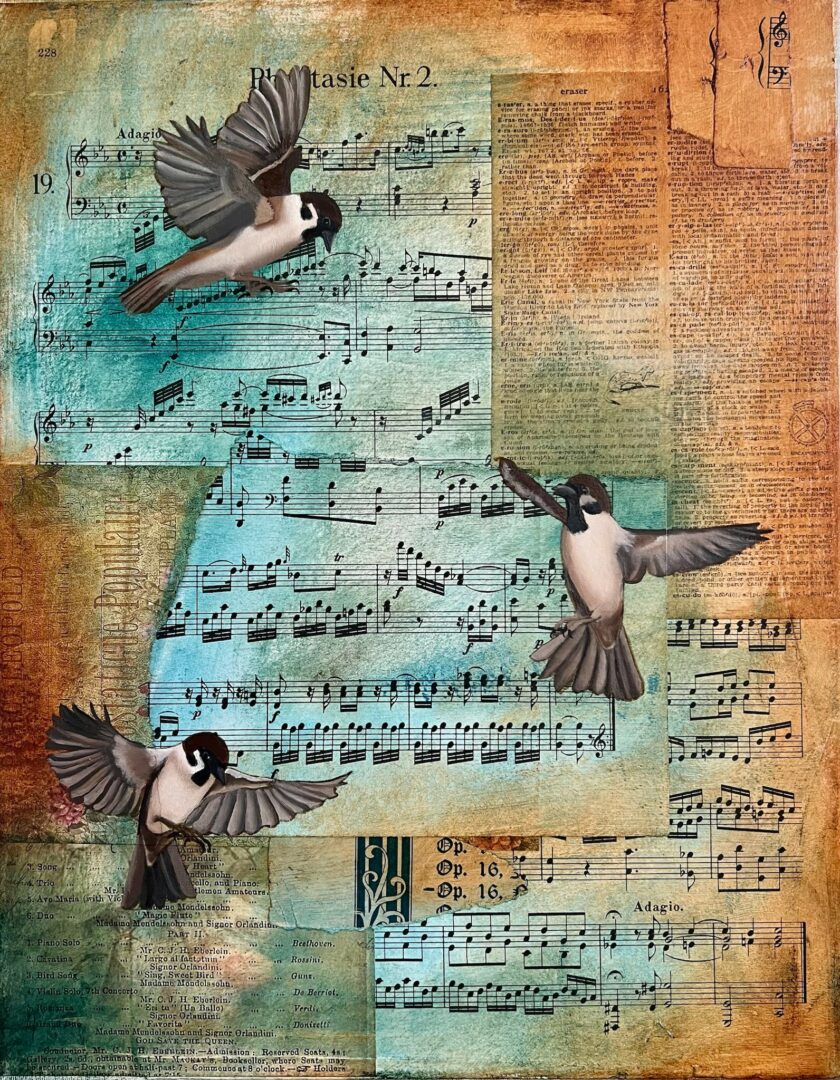
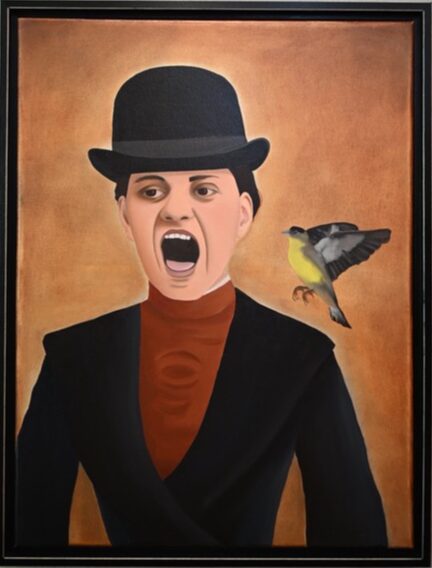
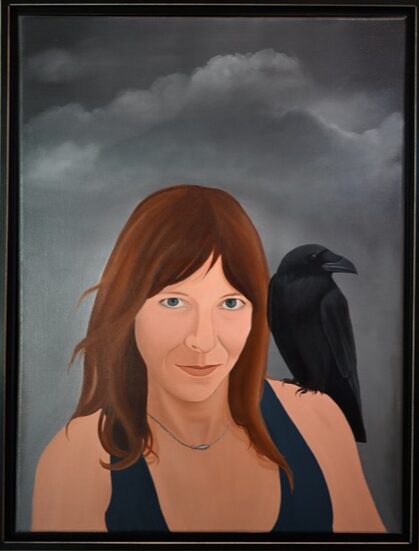
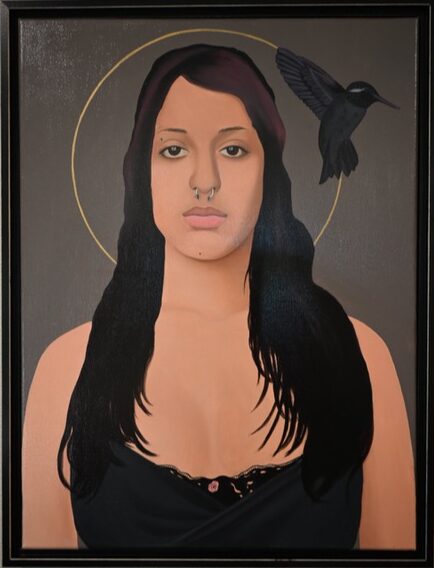
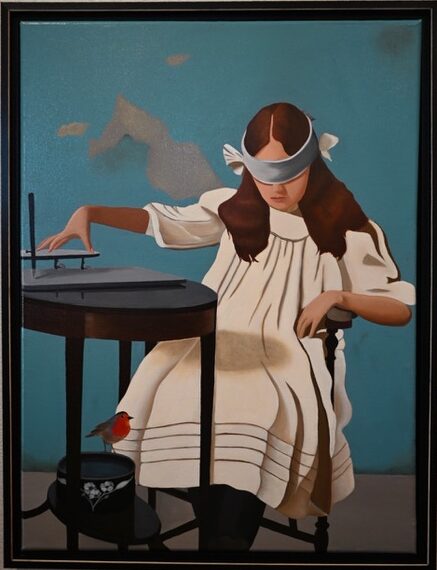
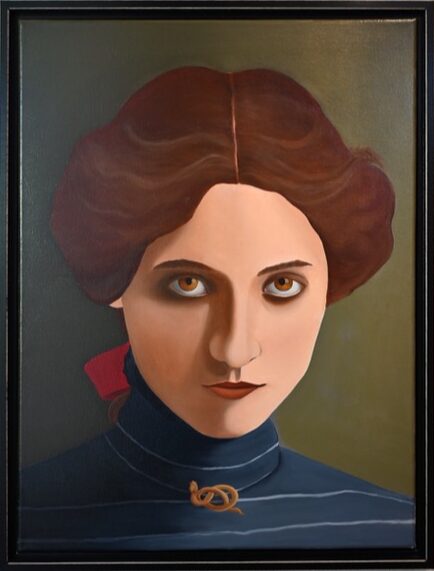
Image Credits
Image 1: Amber DeSilva, 2025
Image 2: Bleak House, 2024, acrylic, oil, vintage paper, spray paint on canvas, 14″ x 11″
Image 3: In The Air, 2024, vintage music sheets, vintage paper, acrylic, and oil on linen, 16″ x 12″
Image 4: Sparrows, 2025, vintage paper, acrylic and oil, 14” x 11”
Image 5: Edith, 2025, oil on linen, 24” x 18”
Image 6: Kelly, 2025, oil on linen, 24” x 18”
Image 7: Marie, 2025, oil on linen, 24” x 18”
Image 8: Jane, 2025, oil on linen, 24” x 18”
Image 9: Margaret, 2025, oil on linen, 24” x 18”
so if you or someone you know deserves recognition please let us know here.