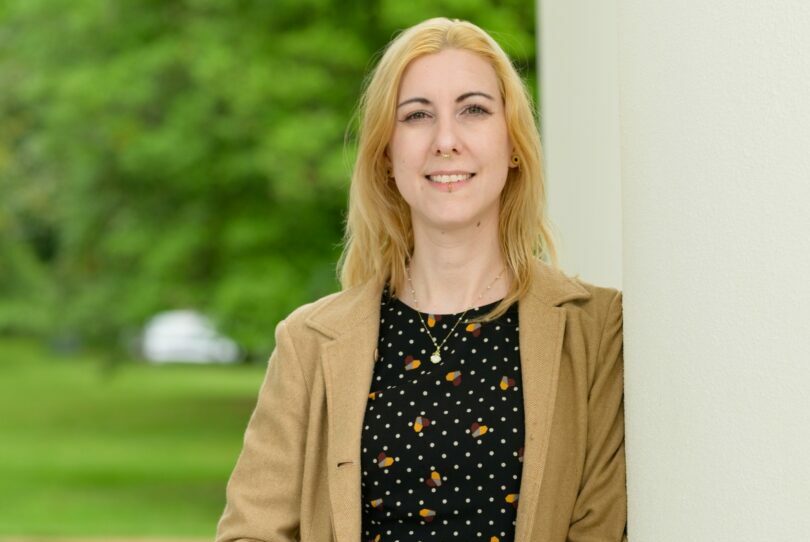
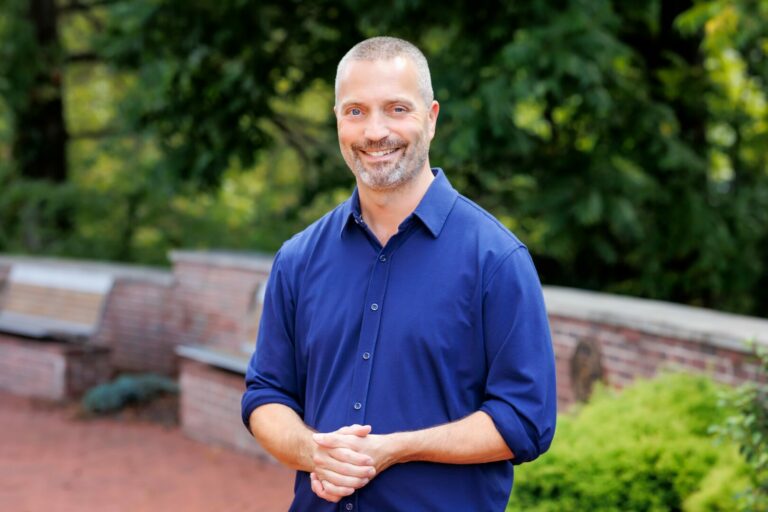
We’re looking forward to introducing you to Ashley. Check out our conversation below.
Ashley, really appreciate you sharing your stories and insights with us. The world would have so much more understanding and empathy if we all were a bit more open about our stories and how they have helped shaped our journey and worldview. Let’s jump in with a fun one: Who are you learning from right now?
It feels like I learn something new every day from other creators, business owners, and community builders in the travel space. On the one hand, there are internet personalities I follow who have achieved the next level of success I’m working toward. Observing how they frame different types of content, how much of their personal lives they reveal, and even the stylistic choices they make has been extremely helpful as I build my own brand. What I’m most grateful for, however, are the travel girls I’ve had the pleasure of meeting in person on group trips. Meeting them face-to-face was essential—not only so I could ask the difficult, behind-the-scenes questions that aren’t always discussed online, but also to follow their journeys afterward with a deeper understanding of their real-life travel styles and, eventually, the content creation processes that encapsulate those experiences.
Can you briefly introduce yourself and share what makes you or your brand unique?
I became passionate about travel from a young age, captivated by stories of far-off places I could only dream of visiting, recounted by classmates returning from exotic family trips. Indy Blue’s vlogs in particular got me hooked on seeing the world, and I subsequently poured hours into my education to earn the opportunity to study at a university far away from the Midwest suburbs. Leaving home fueled this fire even further as I got a taste of what it felt like to explore new corners of the country. From that point on, I made it my sole mission to build a life that allowed me to travel as much as possible while still maintaining a relatively traditional career. Ten years of educational, internship, and eventually career choices were made to support my ability to independently fund my travels, and at 21 I finally took my first international trip to Italy to visit friends studying abroad. I teared up on the way to the airport, in disbelief that I was finally doing it all of my own accord—and I haven’t stopped since.
I truly believe travel is the universal equalizer, bridging diverse backgrounds and breaking down stereotypes in a way that only lived experience can accomplish. While fear-mongering in the news cycle might suggest otherwise, 23 countries later I’m convinced the vast majority of the global population is benevolent, and that the world is much safer than we’re led to believe. This realization is one of the reasons I started my travel blog: we would be a far more understanding society if more people stepped outside their comfort zones and experienced completely different cultures up close. Plus, everyone deserves to witness the spectacular natural beauty, human ingenuity, and unique traditions found across the world.
With all this in mind, I’ve spent the last two years creating travel content, chronicling my experiences and honest learnings into first-timer travel guides complete with everything someone would need to pursue the same adventures. In my view, travel content should be as accessible as possible so visitors have all the information needed to enjoy a successful, safe, and respectful trip. My travel blogs and associated social channels are the avenues through which I share this information—and along the way, I’m making progress toward my lifelong goal of visiting all 195 countries, hence the name Destination195.
Appreciate your sharing that. Let’s talk about your life, growing up and some of topics and learnings around that. What’s a moment that really shaped how you see the world?
My first solo trip to Copenhagen solidified travel as a deep passion of mine and reaffirmed my belief that humankind is generally good-natured. Without hesitation, strangers who had absolutely no reason to assist me went out of their way to approach when it was clear I was struggling to interpret the train schedule. Restaurant owners and servers made a point to initiate and continue conversations once they realized I was dining alone, patiently working through our shared language barrier—which led to comedic moments like me completely butchering the pronunciation of a famous tourist site. None of these interactions benefited them in any tangible way, yet they kindly welcomed me into their city with a smile.
Since that trip, I’ve experienced similar generosity around the world. And yet, if you were to form opinions of many of these countries strictly from American news coverage, you’d end up with a wildly different notion of what visiting them would actually entail. It truly takes being on the ground in person to have these misguided fears of “foreign dangers” shattered—and it’s even more encouraging when every additional trip continues to reinforce that reality.
Was there ever a time you almost gave up?
There isn’t one specific time I almost gave up—there have been countless micro moments. One of the most difficult transitions I’ve faced moving from academia into the “real world” is accepting the elongated timescale that substantial results require. Whereas education is divided into semesters with clear endpoints and major projects completed in a matter of months, building a brand—and eventually a business—takes exponentially longer.
In the early days, I contemplated giving up nearly every day because I wasn’t seeing immediate results. Even now, nearly two years into this project, I’m not fully satisfied with the sparse positive signals I’ve received along the way. These glimmers of hope are often few and far between, with unrewarded, unrecognized work filling most of the time until–unexpectedly–something begins to gain traction. Part of this uphill climb comes from learning the inner workings of an entirely new industry and later adapting once I realize I’ve made a mistake. When I originally started this blog and associated brand, I assumed I’d be much further along two years in.
At this point, all I can do is continue putting in the work, responding to positive signals, and trialing different approaches as experiments—with the hope that the outcome I’ve been dreaming of is waiting for me at the end of this journey.
Next, maybe we can discuss some of your foundational philosophies and views? What are the biggest lies your industry tells itself?
I’m over the notion that “touristy” is bad. With the rise of social media hype, I’ve seen the travel industry shift hard toward labeling anything and everything as “local” or a “hidden gem,” often with the implication that visiting well-known sites is basic—or even wrong. The term is wildly overused in my opinion and reminds me of the greenwashing trend a few years ago, when anything and everything was branded as “sustainable.” Something being “local” doesn’t inherently mean the value you’re getting is better, especially when nearly any business owned and operated by a resident could technically be considered local. In smaller towns and villages, you’re not going to encounter commercial chains like McDonald’s or Marriott anyways, meaning quite literally every establishment there is local.
The same flawed logic fuels the air of superiority around avoiding “basic” or “touristy” sites. For first-time visitors, there’s absolutely nothing wrong with wanting to see the Eiffel Tower in Paris or Sagrada Família in Barcelona. The vast majority of these iconic sites are not famous simply because they’re popular on Instagram—they’re famous because they hold immense cultural value derived from their history, architecture, or longstanding significance. Even Café de Flore, now known as a social media hotspot, originally gained fame because of its historical patronage: writers from the Lost Generation like Ernest Hemingway frequented the café decades before Instagram existed. Whether someone knows that history or wants to visit because it appeared in Emily in Paris doesn’t make them less of a traveler—both motivations reflect cultural references that have contributed to the café’s global reputation, one rooted in the past and the other shaped by modern media.
Okay, we’ve made it essentially to the end. One last question before you go. Have you ever gotten what you wanted, and found it did not satisfy you?
This seems like a pretty universal experience for new grads, but ending up in your “dream job” and realizing that a 9–5 isn’t personally fulfilling has certainly been mine. As a young adult, so much of your high school and collegiate energy is spent identifying a desirable career path and then working unilaterally towards achieving that goal. After years of networking, interviewing, and internships, landing that first job in your intended field feels like the ultimate success. However, the honeymoon phase fades quickly, with the routine reality of the same daily slog setting in.
While I’m incredibly grateful to have a flexible career that’s lucrative enough to fund my travels, nothing about the day-to-day work feels personally satisfying. In the first few months of adjusting to this new lifestyle, I found myself deeply unfulfilled. It took setting my sights on a new goal—one I genuinely cared about and felt inspired to pour my time into—to reinvigorate my work ethic and sense of purpose. I’ve heard similar stories from many peers entering the corporate world, and even when the solution isn’t a potential business venture or brand, having hobbies to channel personal interest into is essential for feeling fulfilled outside the routine responsibilities required of us all.
Contact Info:
- Website: https://www.destination195.com
- Instagram: https://www.instagram.com/destination195travel/
- Other: https://www.tiktok.com/@destination195travel
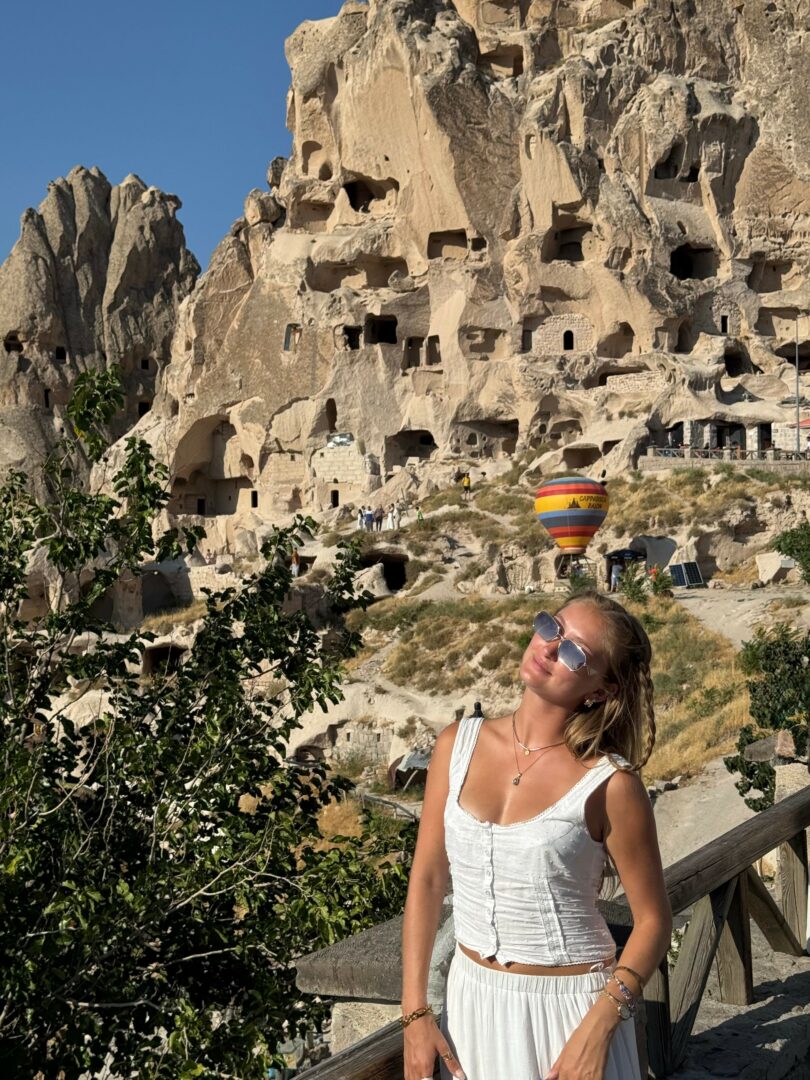
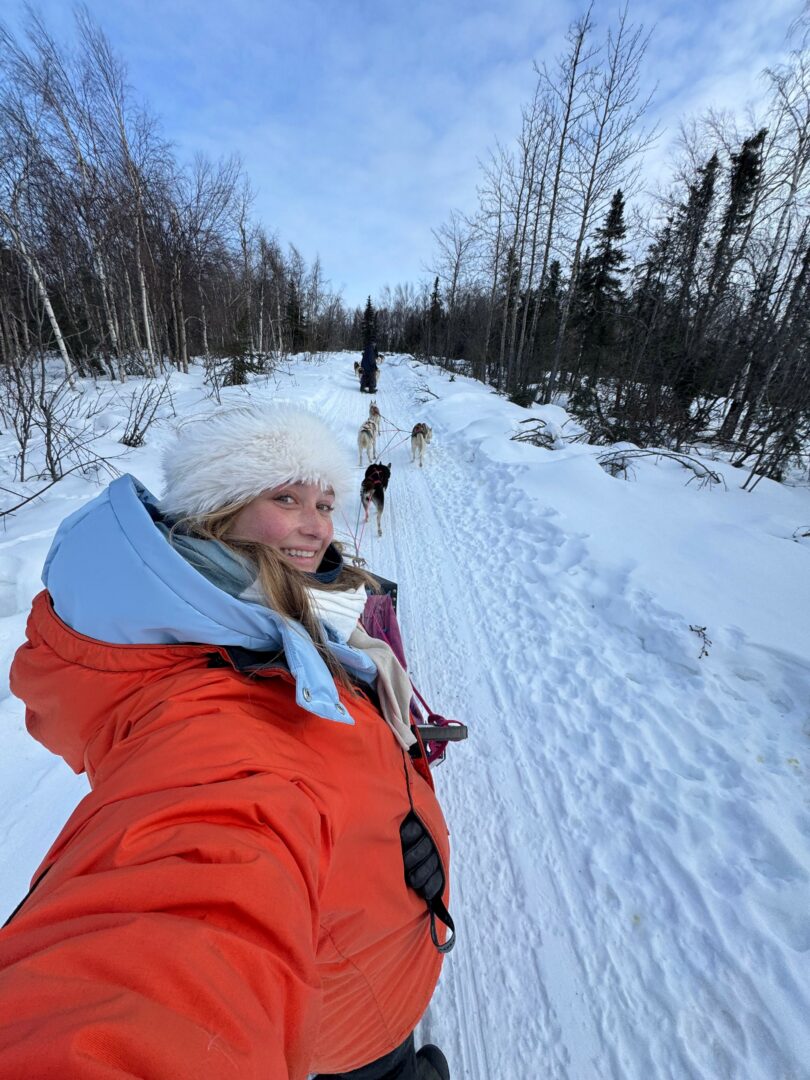
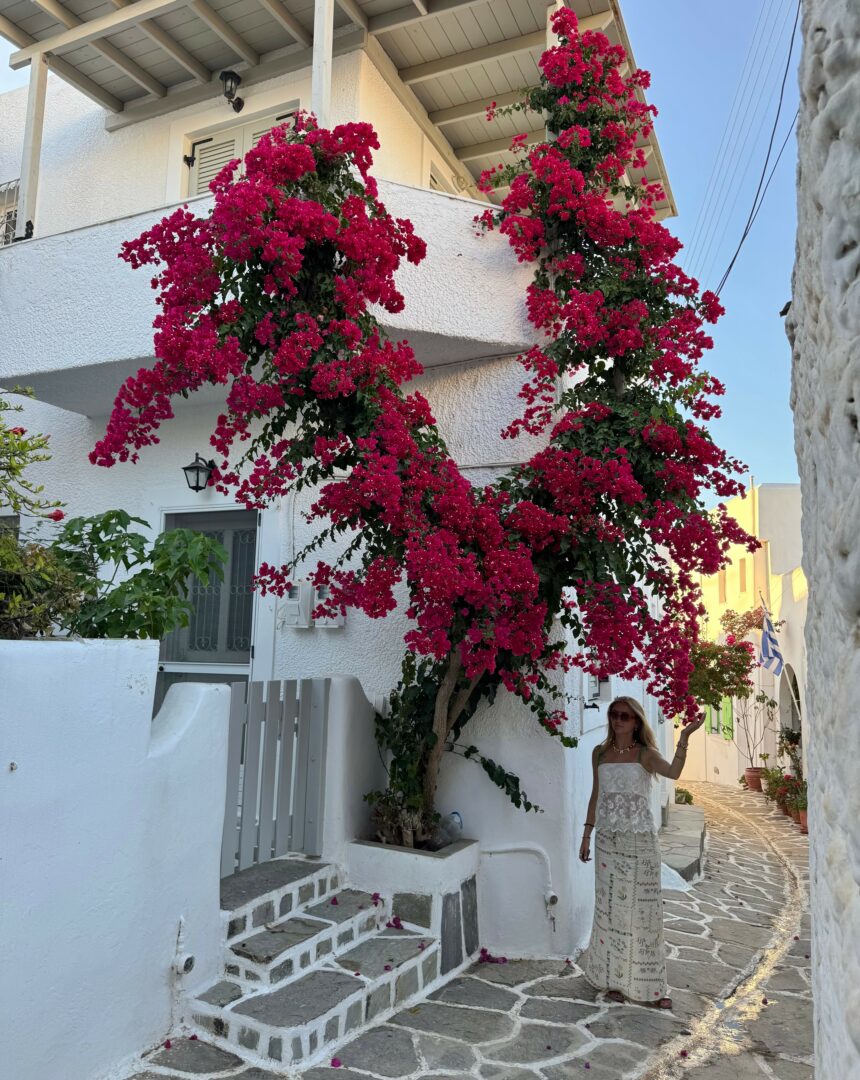
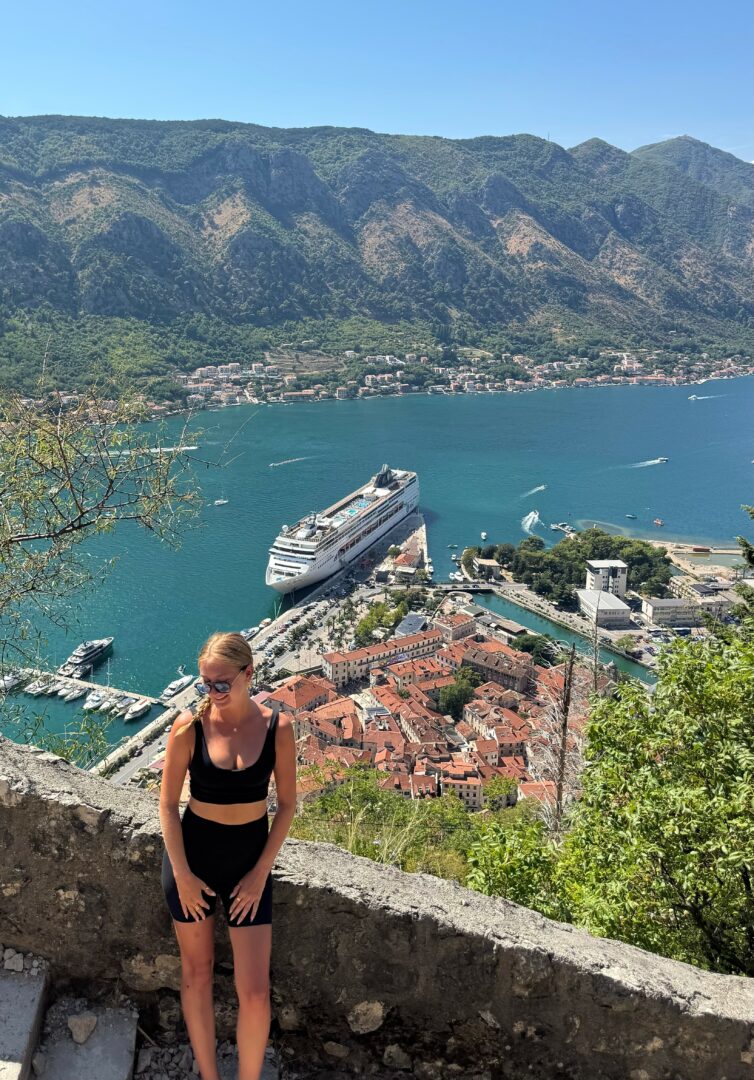
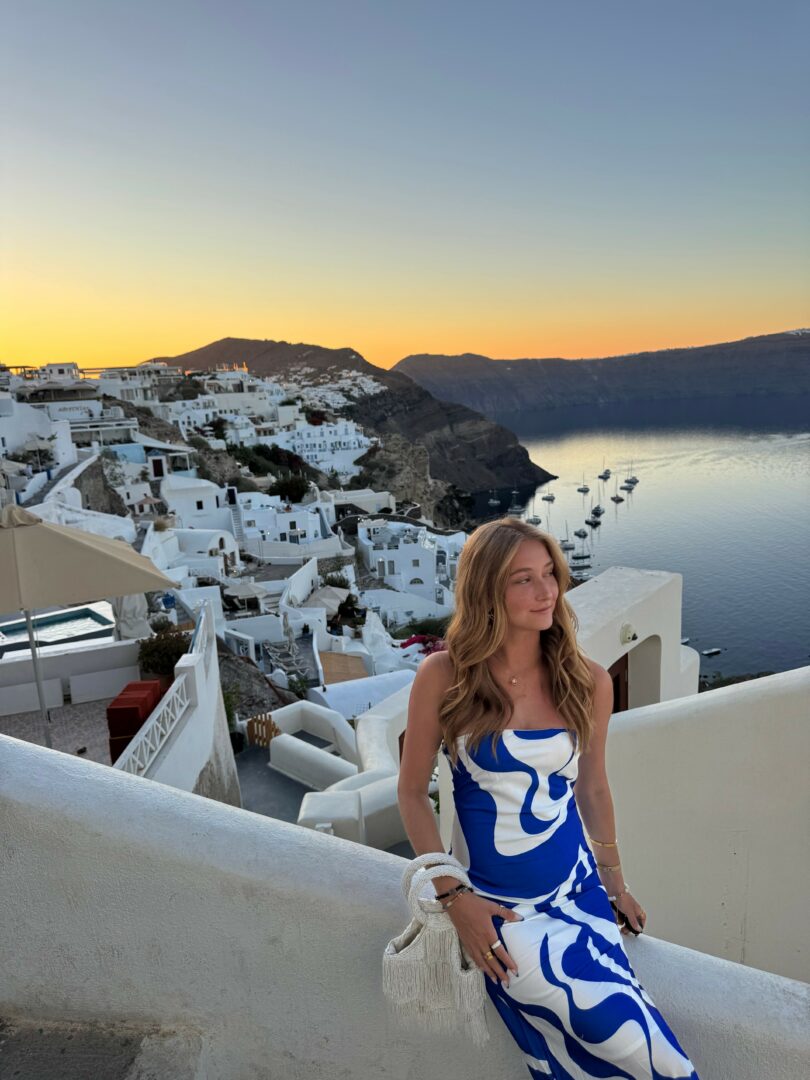
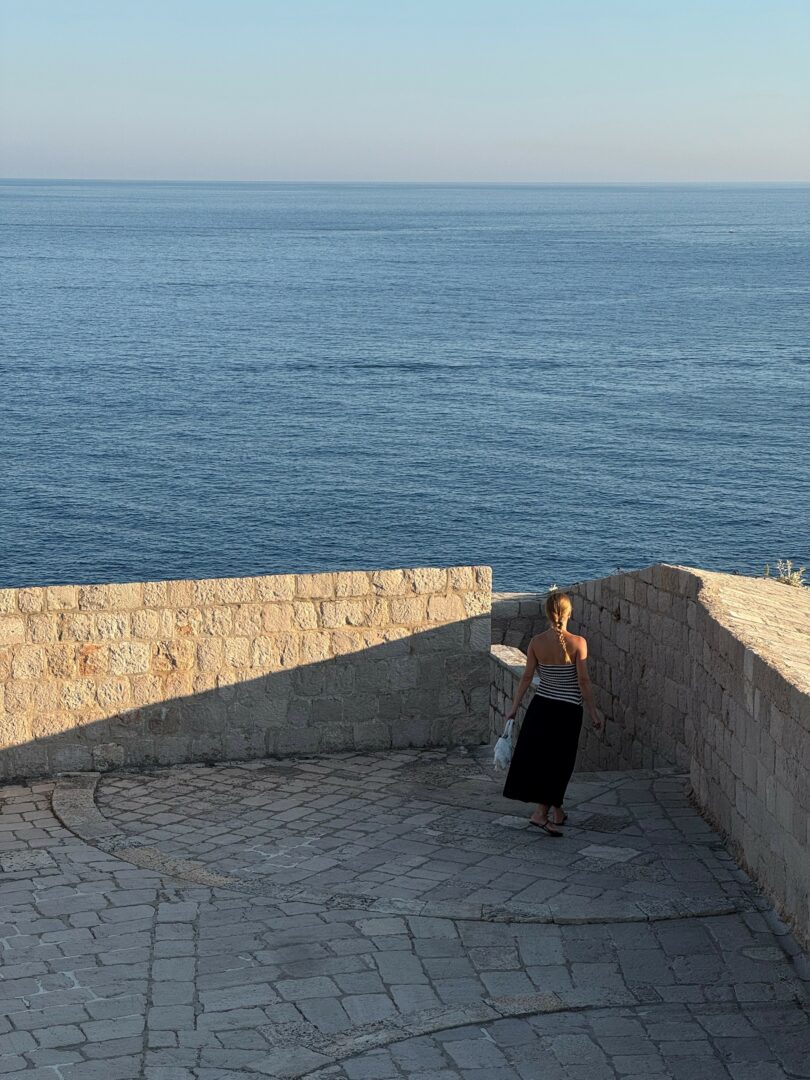
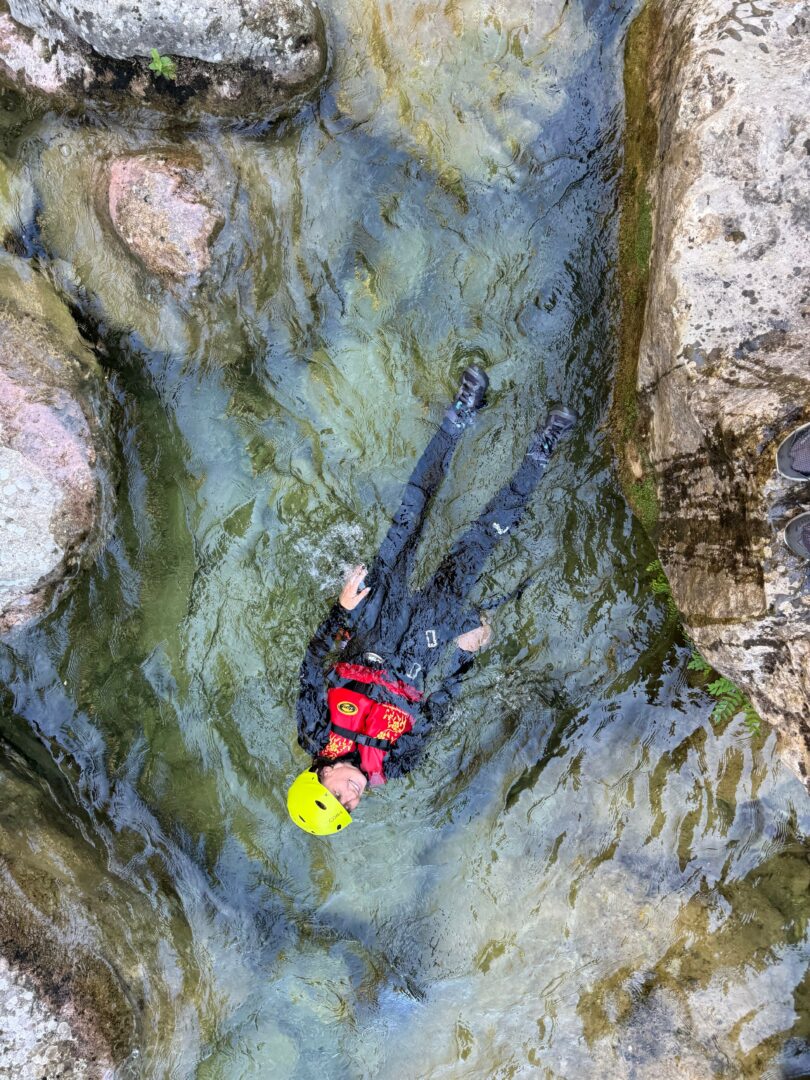
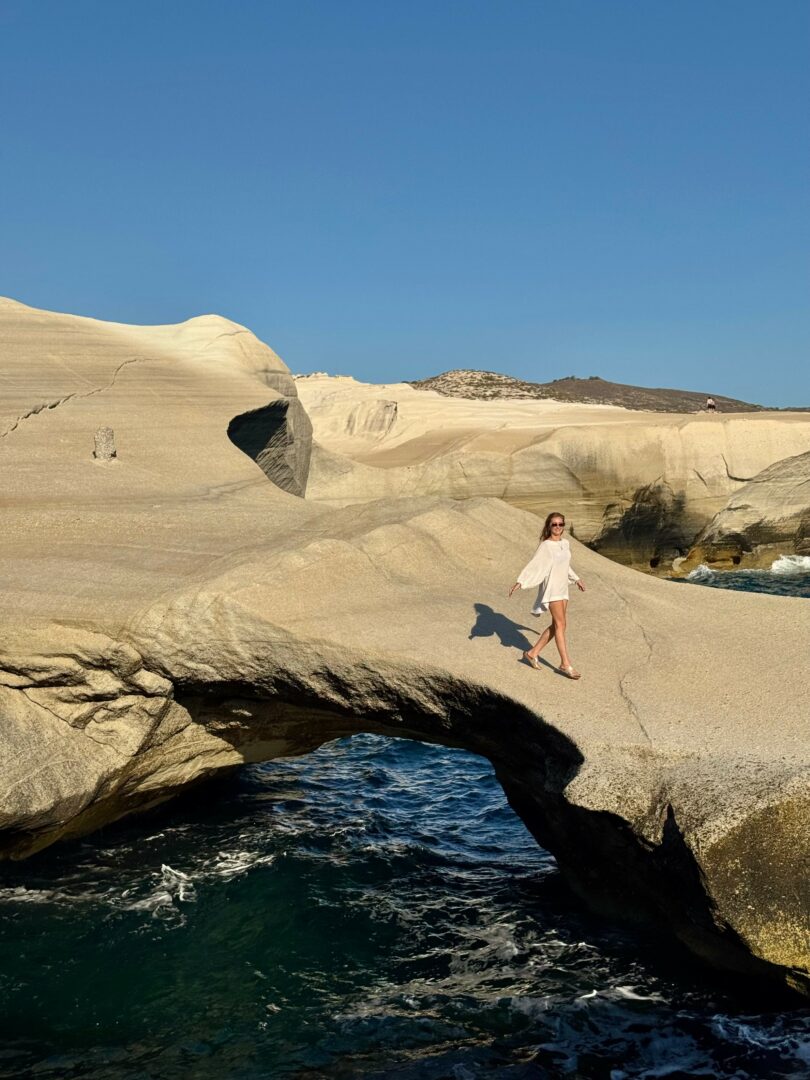
Image Credits
All these images are my own, taken on my iPhone.
so if you or someone you know deserves recognition please let us know here.