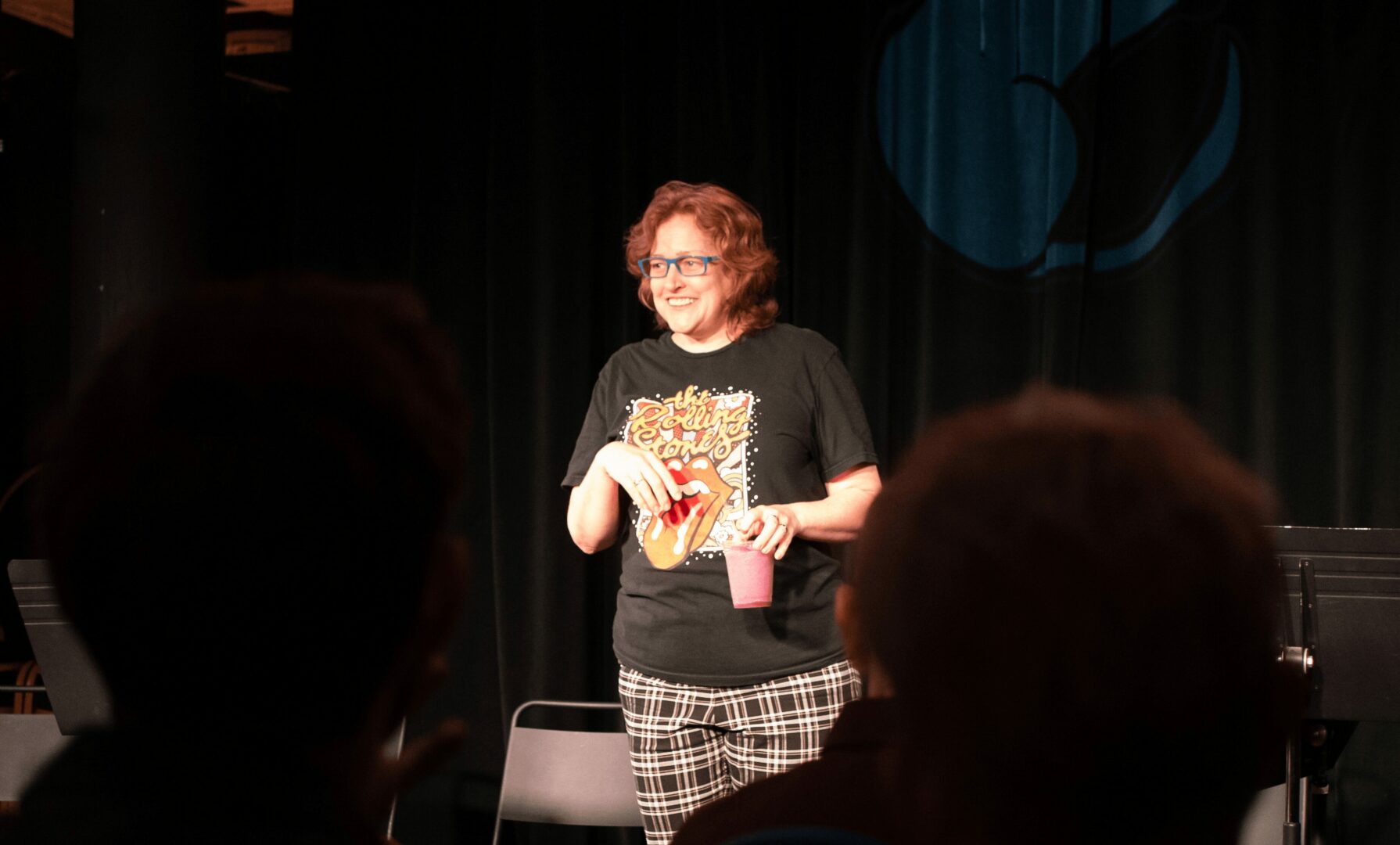
We recently had the chance to connect with Bree O’Connor and have shared our conversation below.
Good morning Bree, we’re so happy to have you here with us and we’d love to explore your story and how you think about life and legacy and so much more. So let’s start with a question we often ask: What is something outside of work that is bringing you joy lately?
Cinnamon and doodle-pants.
My favorite tea is back in season at Trader Joe’s- it’s a cinnamon forward cup of autumnal joy. Last fall I made the mistake of assuming it would always be on the shelves so I only bought more when I ran out. This season I am hoarding it! I love brewing it, smelling it, stirring it, sipping it. I let it steep next to forever and only drink it when I am having a true break so I can consciously feel what a treat it is.
Since I don’t really enjoy just sitting, I drink my tea with a joy-project, something kind of frivolous and unnecessary. I have these amazing overalls with voluminous, harem-style pants. They work year round and I love them, but they have these unsightly oil stains on them that I can’t get out. So I decided to doodle on them with black Sharpees. I have a doodle-style that is full of swirls, circles, ribbons and flowers. It’s intricate and somewhat meditative. So far I have spent maybe 20-25 hours on these pants and I still have half of the back left to fill. I love having a project that I can get lost in and getting lost with cinnamon feels like I am living the good life.
Can you briefly introduce yourself and share what makes you or your brand unique?
My name is Bree O’Connor and I am the co-founder and Producing Artistic Director of Playful Substance- a developmental theatre company in NYC.
So what does that mean, exactly? The short answer is that we are an incubator for new works. We offer Writers’ Groups for playwrights and screenwriters and have just begun to offer workshops in memoir work. As works progress inside these groups, we assemble developmental readings, public presentations, special events and fully staged productions from our writers. Not every finished piece will receive a full production, but we do our best to use our private readings and public facing events to help determined writers take their work to its highest level.
We cast our developmental readings and public facing events with actors that we know well and actors that we have met through recommendations, events and workshops. This provides us an opportunity to get to know performing artists under more relaxed conditions than are available through auditions. In fact, we don’t need to audition at all. We build casts organically through this process that we like to call Low Stakes Play.
Low Stakes Play is one of the concepts that sets us apart and allows us to provide a nurturing environment for artists at all levels of experience and set the stage for discovery and surprise. There is not a set number of readings for each play, nor are there ‘make or break’ moments. This means we can cast unconventionally, invite actors we don’t know very well (or sometimes at all), and just play. We know that “mistakes” aren’t just part of the work we need to accept, they are integral to the process.
For us, Playful Substance isn’t just our name, it is both mission and vision.
Okay, so here’s a deep one: Who were you before the world told you who you had to be?
It is hard to say. I think I am very much the person I have always been. I’ve always been friendly, enthusiastic, passionate and a bit cheeky. I think where “the world” had its influence isn’t in any fundamental rearrangement of my personality but in how it framed my personality. My curiosity and intelligence were reframed to make me into a “know-it-all”. My friendliness turned to “too much”, “such a flirt” (and less flattering names) while my passion and enthusiasm were reframed as “teacher’s pet”, “freak”, and “weirdo”. It took me a long while to realize that these negative descriptors said more about how people found me threatening or challenging than it did about who I actually am.
What fear has held you back the most in your life?
Whoa. So you’re going there. OK! I am deeply afraid that no one will be there for me when I need them- that no one will find me, or my work, worthy of support.
You can clearly see how that fear has influenced the work that I do. I think that is why I found myself deeply committed to the theatre at 14 years old. Theatre scratched an itch I couldn’t reach on my own. There was this whole practice about being seen, heard and supported with reciprocity at the heart of the experience. The theatre gave me an opportunity to be my full self and have people applaud- even the people who initially complained that I was “a bit much’. It gave me a group of friends that showed me trust and compassion in a way I had never felt before.
Unfortunately, the entertainment business isn’t quite that friendly or reliable. The stress between the joy of artistic practice and the brutality of the business has caused a lot of pain and disappointment in my life. Where the practice fed a deep hunger, the business betrayed me over and over again and it was a hurdle I could not clear on my own. I’ve actually quit several times, but quickly discovered that I needed the creative outlet to process my experience as a human in the world.
What to do?
I built my own company that has provided a safe haven from some of the harms of the business while focusing on the rigors of the practice. I still struggle with this foundational fear, but Playful Substance has been a place for me to go where I can find support and, more importantly, provide support for others. It has been a place to recharge that has allowed me to go back out into the world to do the hard things and challenge the negative thoughts.
Alright, so if you are open to it, let’s explore some philosophical questions that touch on your values and worldview. Where are smart people getting it totally wrong today?
That’s a very broad question, but I’ll take a stab at it.
I think we are missing the forest for the trees. Our political, social, and emotional focus has been so granular that larger moral truths are being twisted or ignored in order to justify immoral action against people “not in our tribe”. While some of these moral transgressions are more egregious than others, they have become so commonplace that we end up arguing the details instead of standing for an overall truth.
During the pandemic I struck up an online friendship with a woman in a political action group in which I was a contributing member. We began having private conversations about the social disconnection among different communities and how easy it is to “other” someone whose community or culture you’ve never experienced first hand. We were on the same page when we talked about social, geographic, political and cultural circumstances that impact behaviors in one community but are unknown in another and how ignorance about these circumstances lead to judgments without basis in fact. After a number of days of conversation we started to imagine using social media to connect different communities and break out of our information silos. She and I went to work creating a structure for meetings and conversations that could be truly inclusive and it was very exciting. We talked about the importance of scheduling with sensitivity to religious observances and guidelines for respectful conversation, preferred pronouns and pretty much every inclusive idea in the book with a few new ideas that felt very good to me. Then I said, “These are all wonderful. I am excited about how inclusive this is. Now, how do you think we can distill this down to its simplest expression? Because what I fear is that people I know from my background, rural and suburban white people, might find this list really intimidating. How do we welcome them into the conversation as well?”
I never heard from her again.
Nobody died in that interaction so I don’t want to pretend it was deeply traumatic, but I do think it is foolish and a large reason why we cannot seem to come together as a nation. We are so busy being correct and pure within our own group that listening to a different perspective (REALLY listening) is a potential betrayal. We give out points for ‘eviscerating’, ‘destroying’, and ‘annihilating’ the arguments of our perceived opponents that the concept of sitting down to solve a problem is lost in the rubble. It is disheartening.
Thank you so much for all of your openness so far. Maybe we can close with a future oriented question. What is the story you hope people tell about you when you’re gone?
Honestly, I hope they say that I was funny and helpful. I hope that Playful Substance can live on without me and that its future administrations love what they do and don’t take themselves too seriously. I hope when I am gone that the next generation does impressions of my cackling laugh and passes on the axioms and idioms that I learned from my mother. When they forget about me as a person, I hope people are still finding beauty, hope, and support in Playful Substance and the work it promotes.
Contact Info:
- Website: https://www.playfulsubstance.com/
- Instagram: https://www.instagram.com/playfulsubstance/?hl=en
- Other: https://breeoconnor.substack.com/
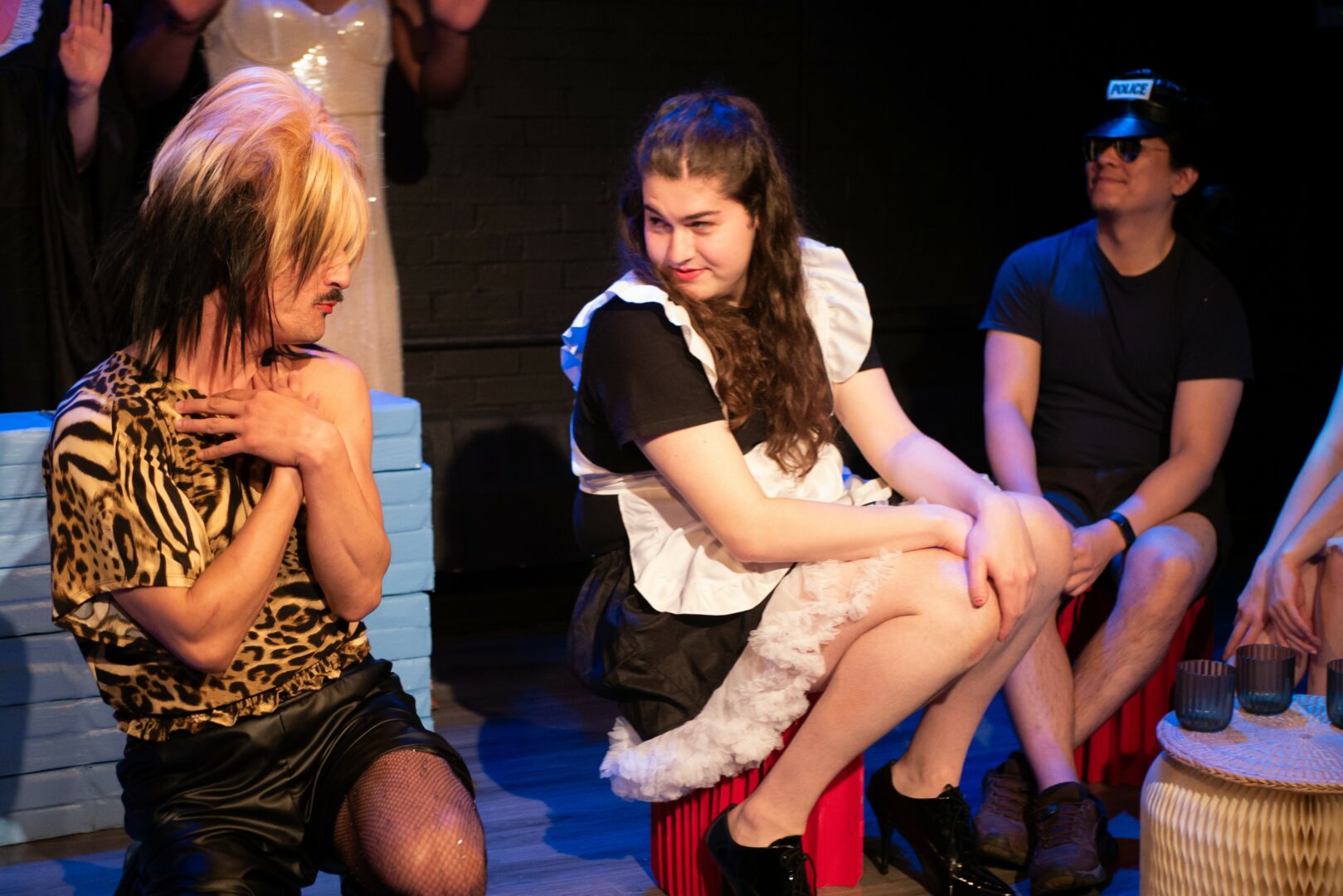
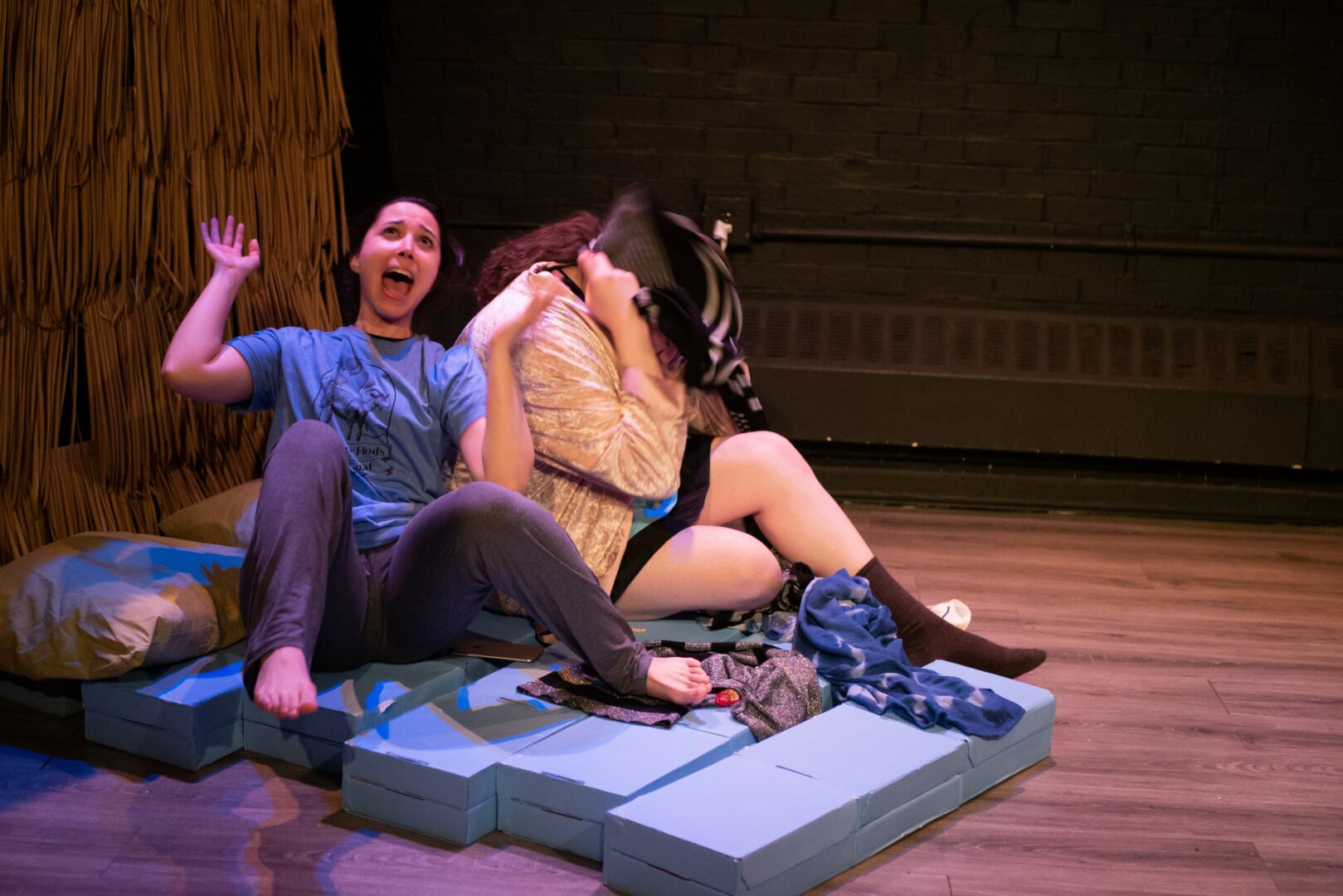
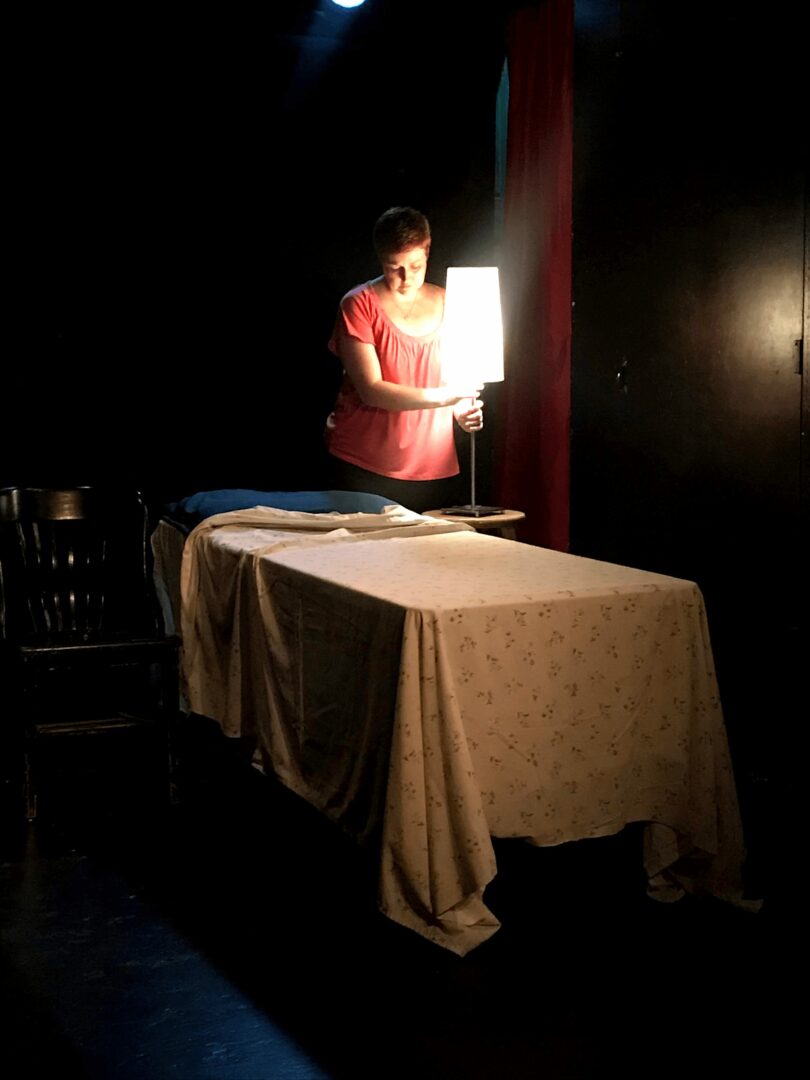


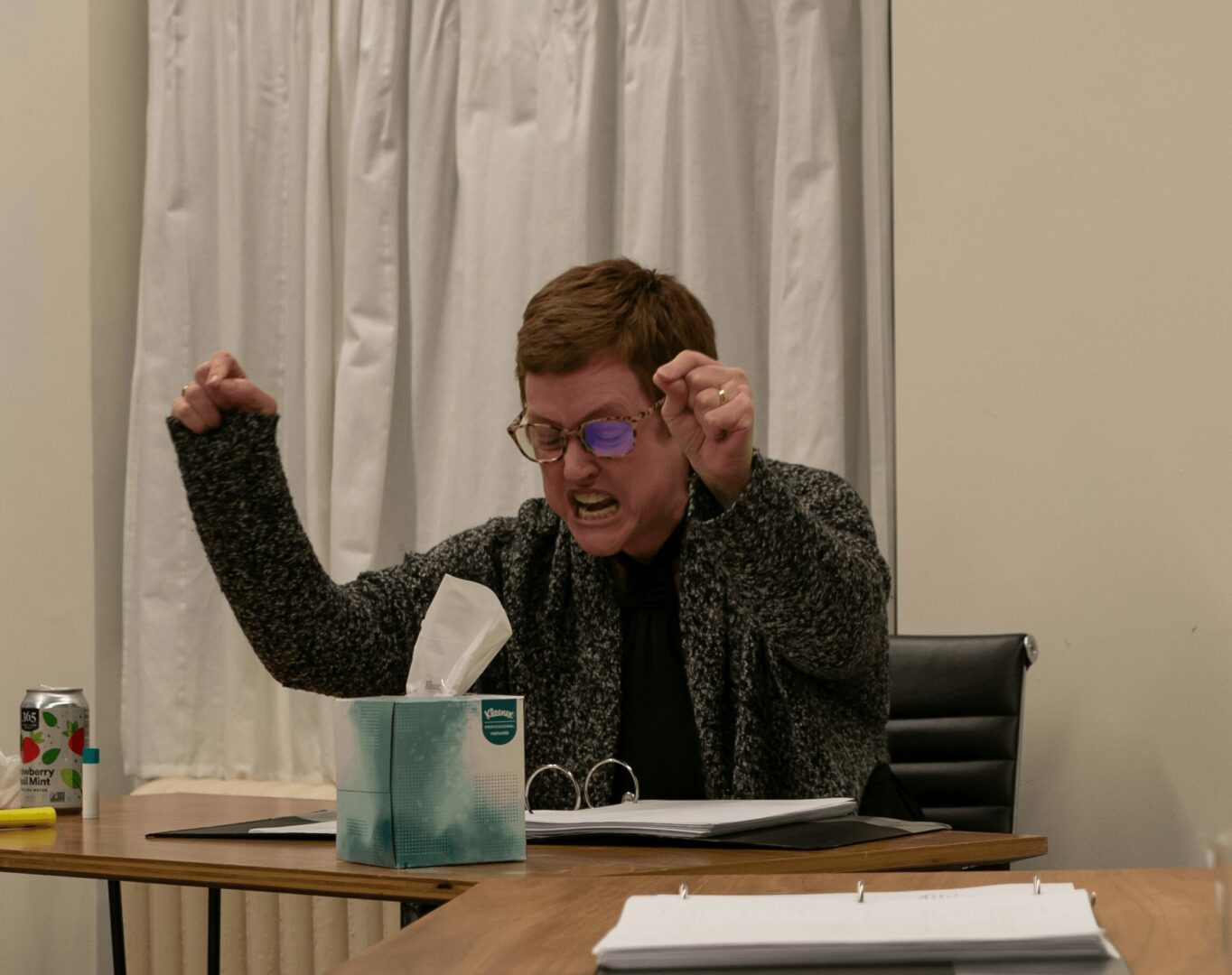
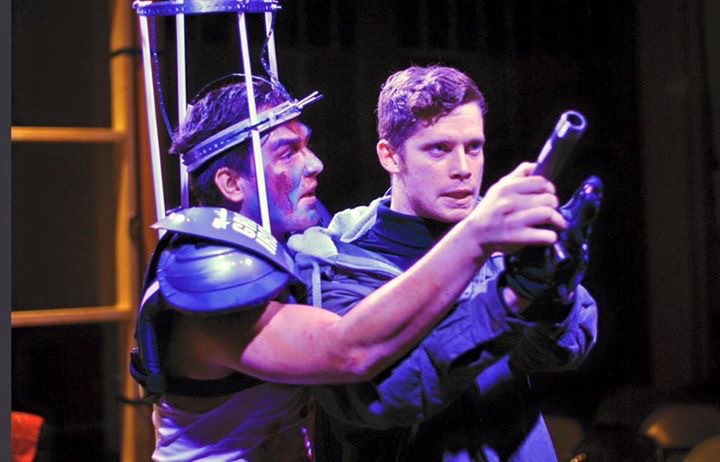
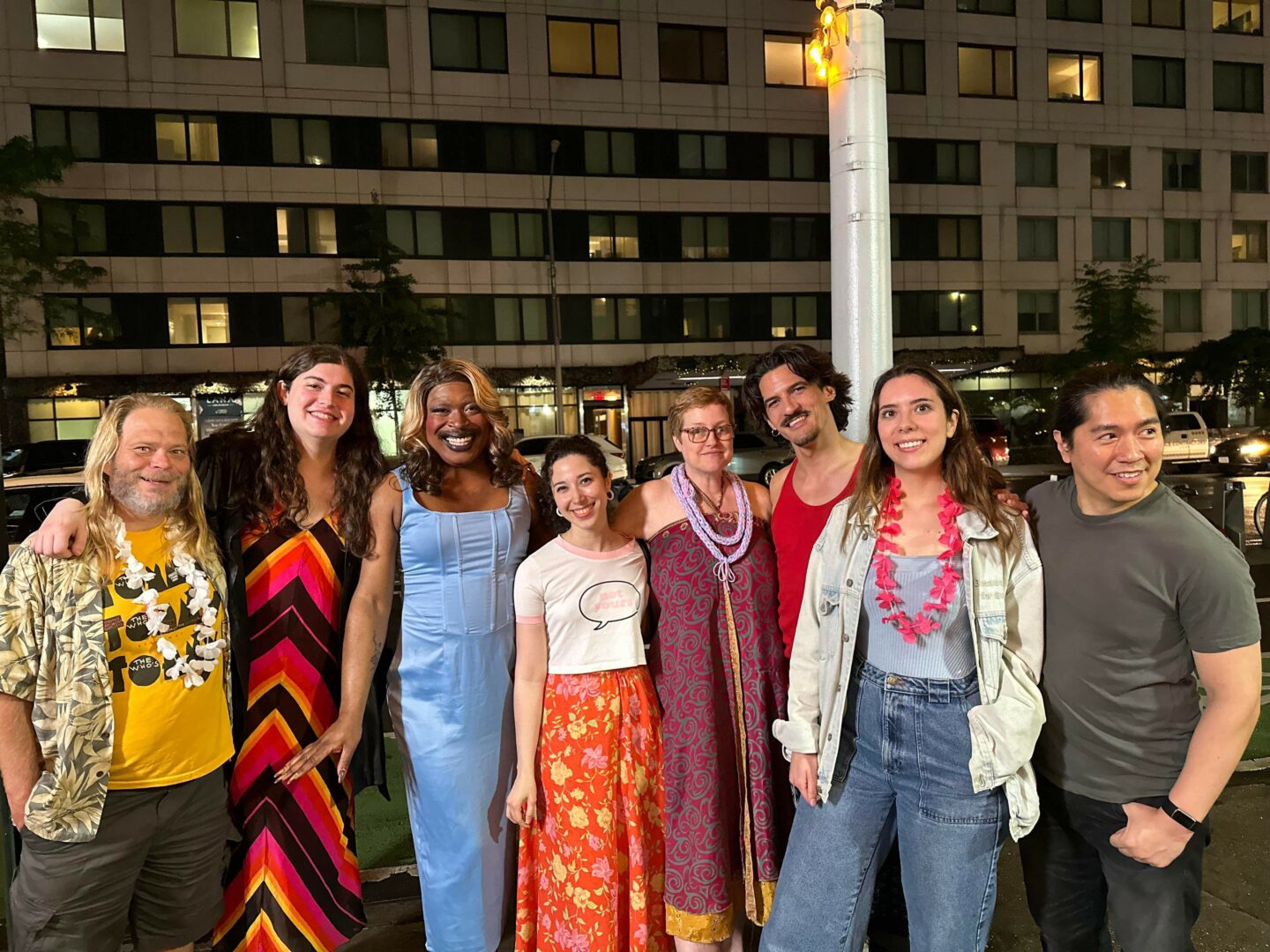
Image Credits
Amanda Faye Lacson, Sullivan O’Connor, Laura Murphy
so if you or someone you know deserves recognition please let us know here.