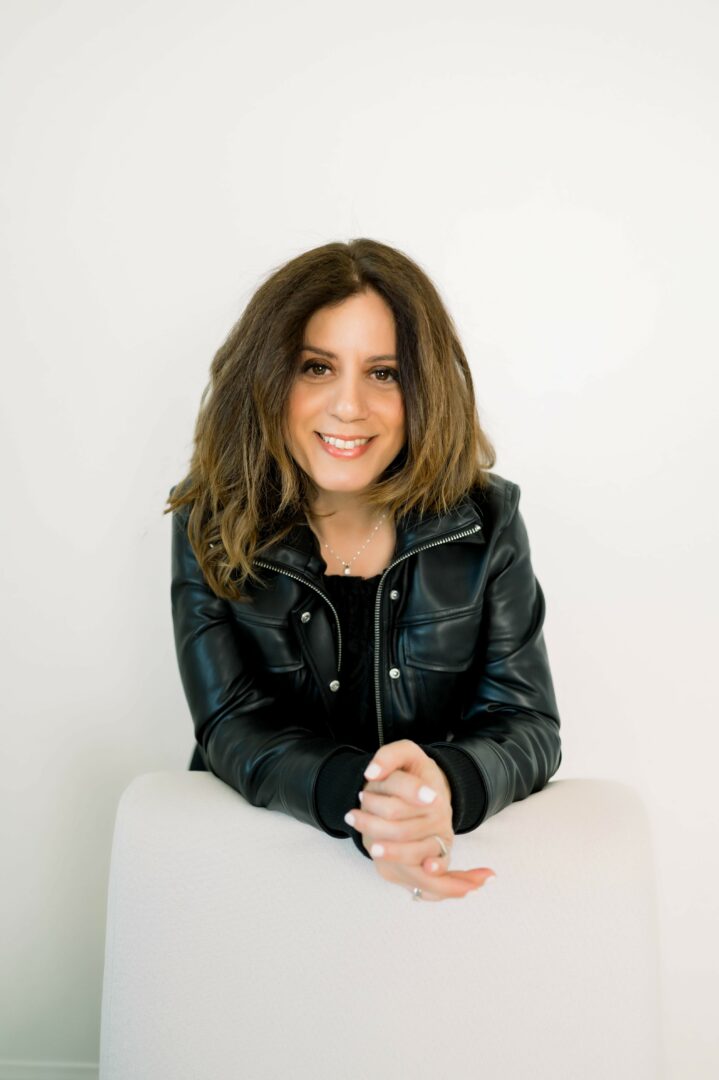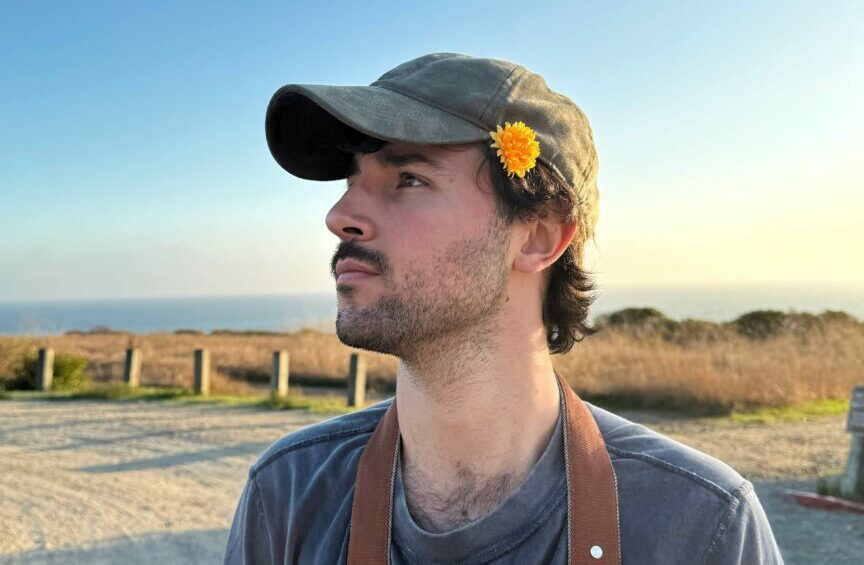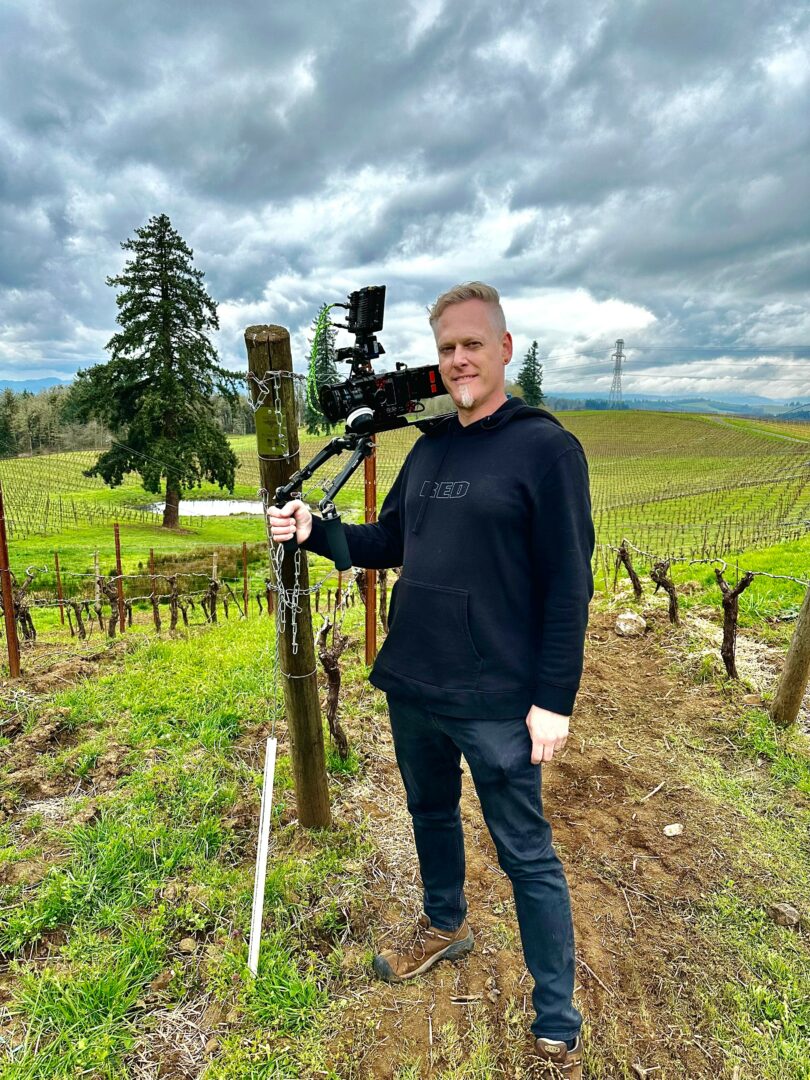
We’re looking forward to introducing you to Christopher Coderre. Check out our conversation below.
Christopher, really appreciate you sharing your stories and insights with us. The world would have so much more understanding and empathy if we all were a bit more open about our stories and how they have helped shaped our journey and worldview. Let’s jump in with a fun one: Have any recent moments made you laugh or feel proud?
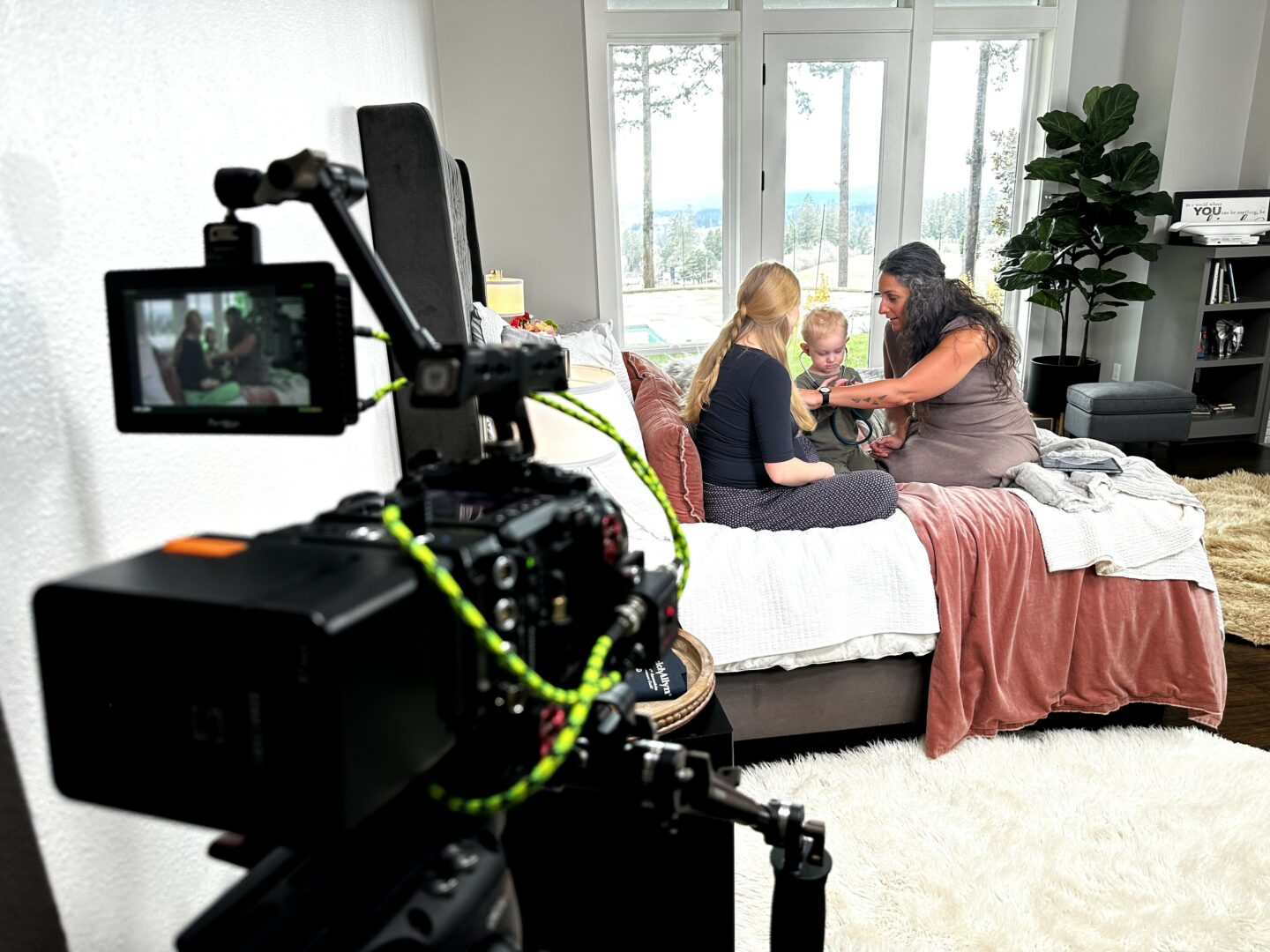
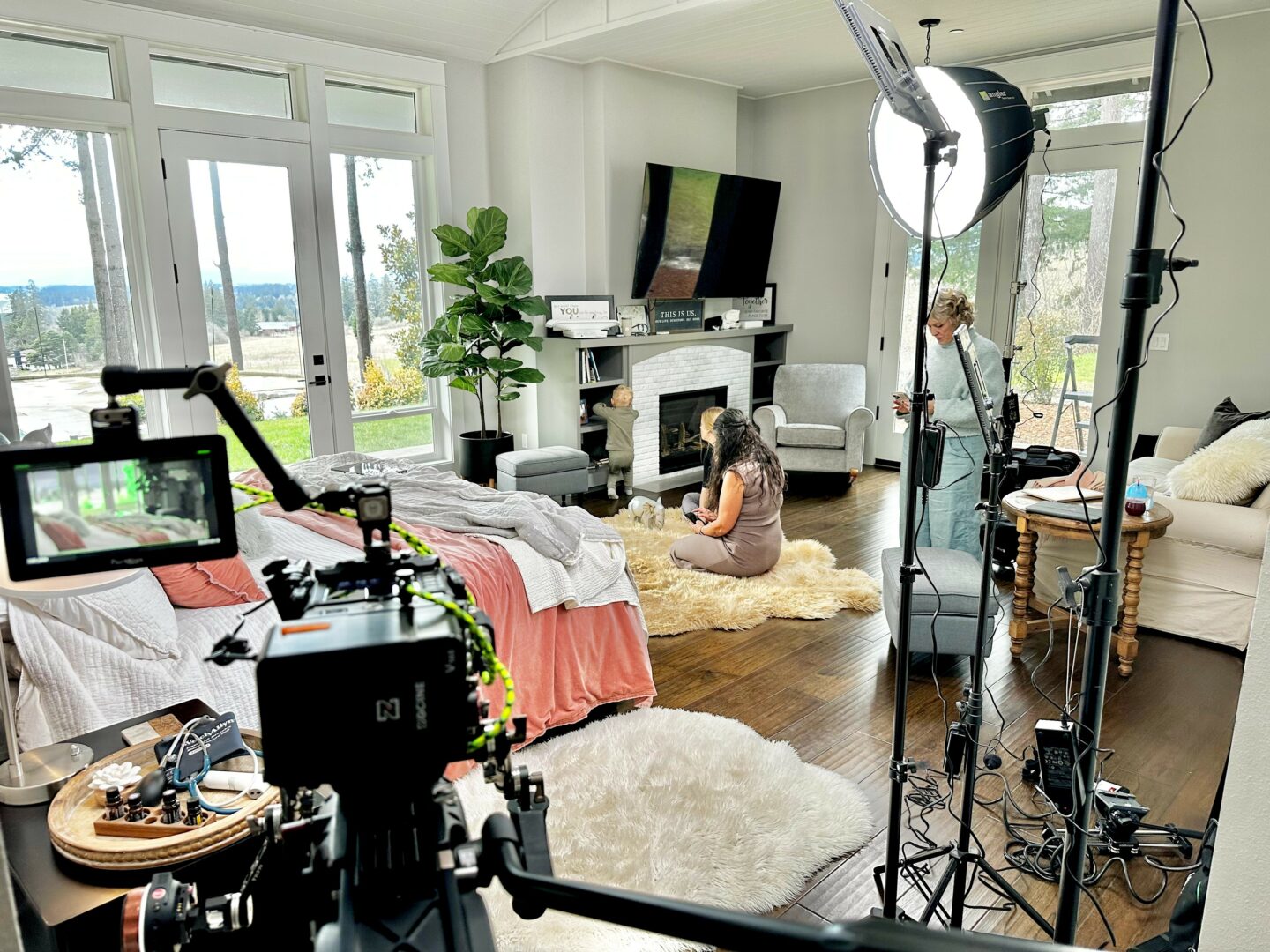
Lately, I’ve been feeling incredibly proud and excited as I prepare to bring a brand-new show to the public—starting on YouTube and eventually expanding to major streaming platforms like Netflix, Amazon, HBO, Hulu, and Paramount. The project is called “The Soul of Connection,” and it centers on something deeply meaningful: helping couples strengthen the emotional and psychological bonds at the heart of their relationships.
Hosted by Therapist Tressa Yonekawa, an esteemed therapist to Hollywood’s stars who seek deeper and more authentic connection with their partners, the show explores how neuroscience, intentional communication, and emotional awareness can completely reshape the way couples relate to one another. Our goal is to uncover the core issues that arise in relationships while avoiding the triggers that activate the fight-or-flight response—the very reaction that often leads to communication breakdowns and protective ego responses. Instead, we’re creating a space where conversation becomes a path toward healing, clarity, and connection.
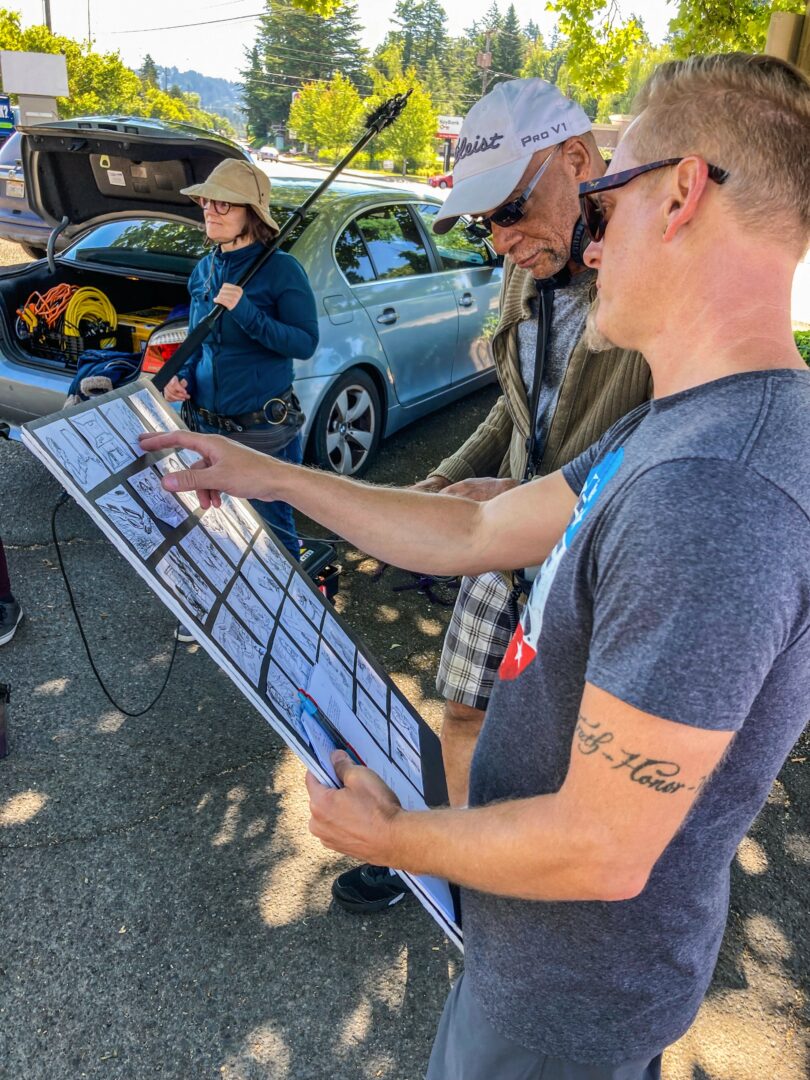
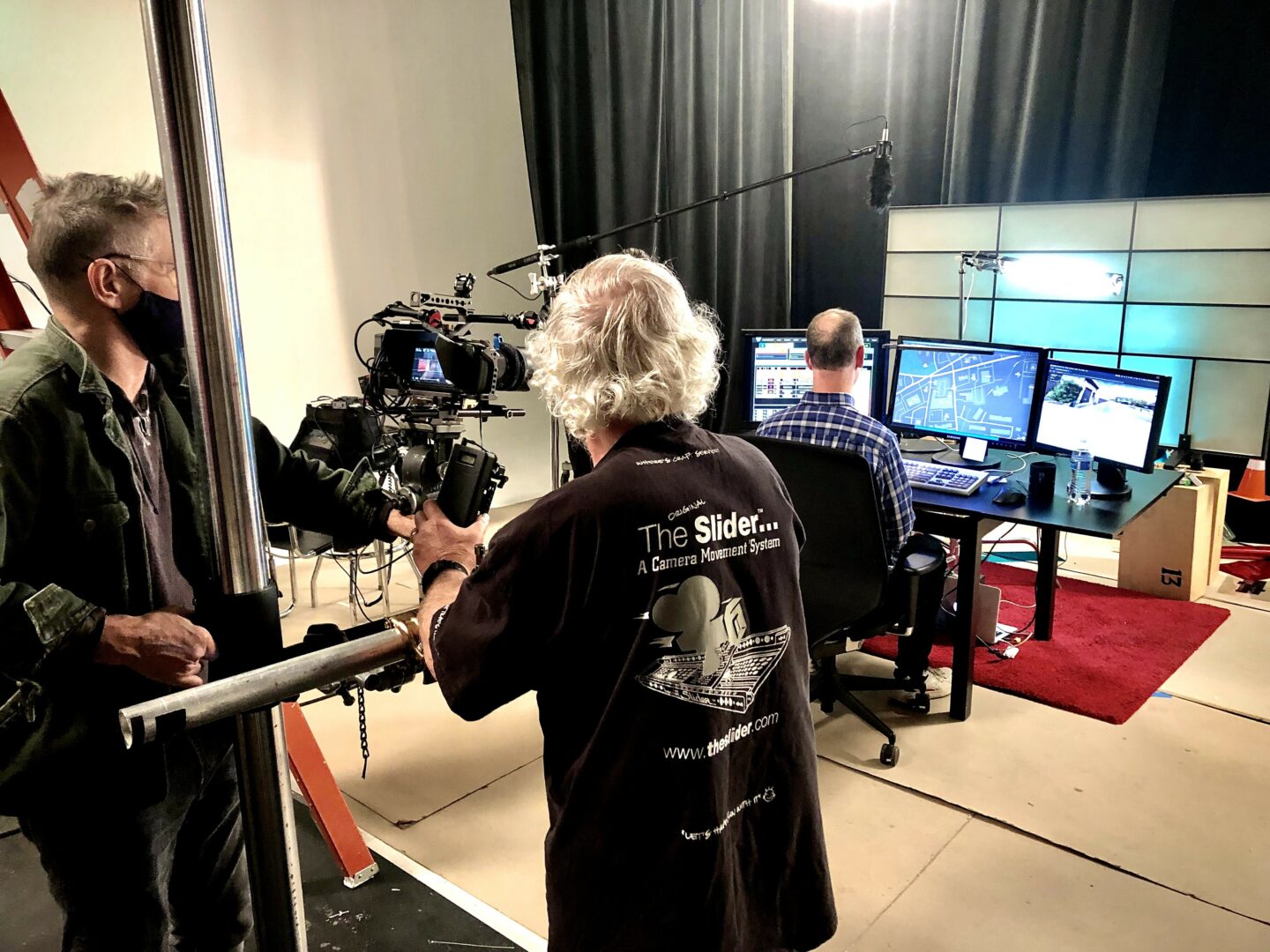
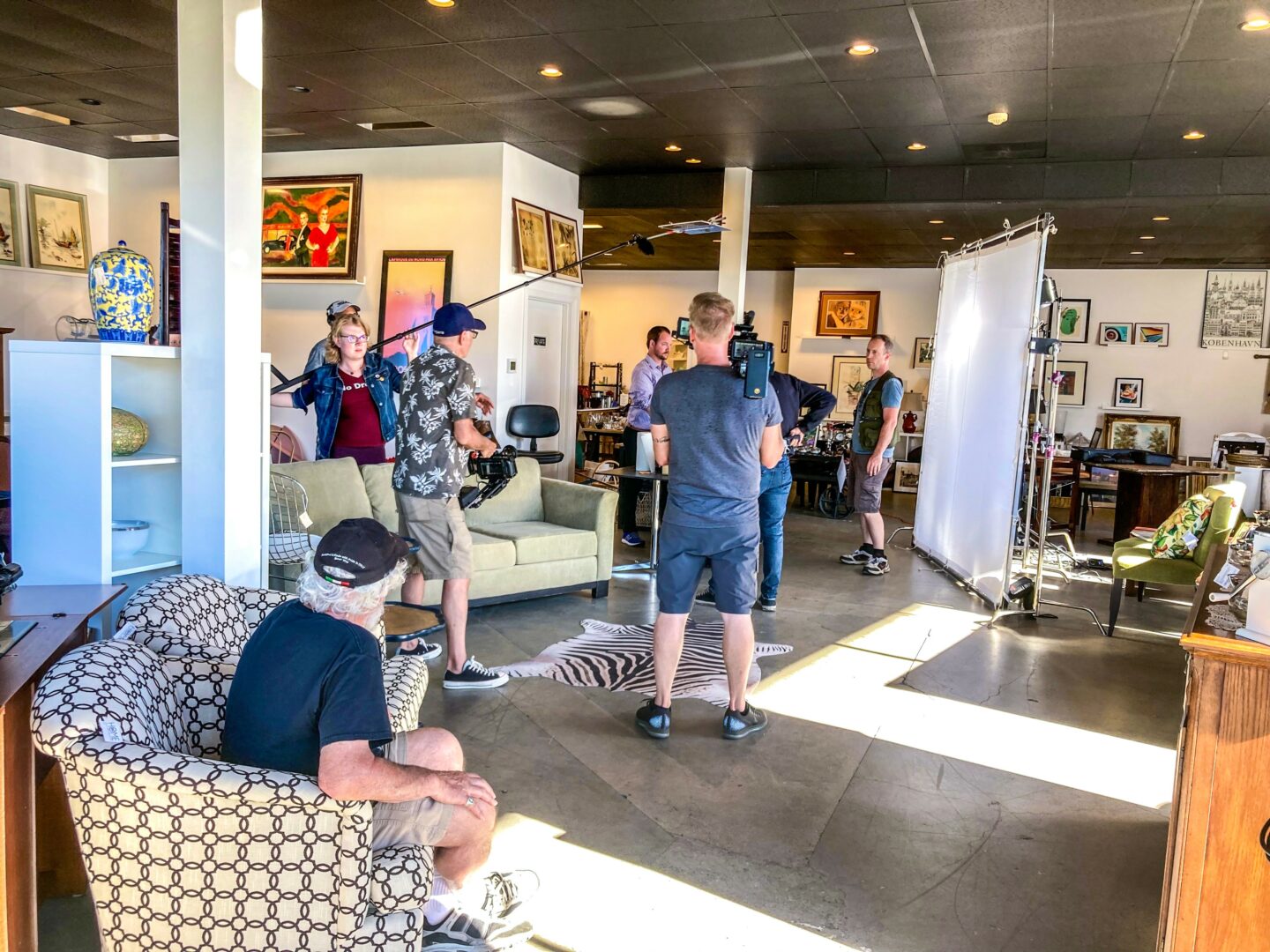
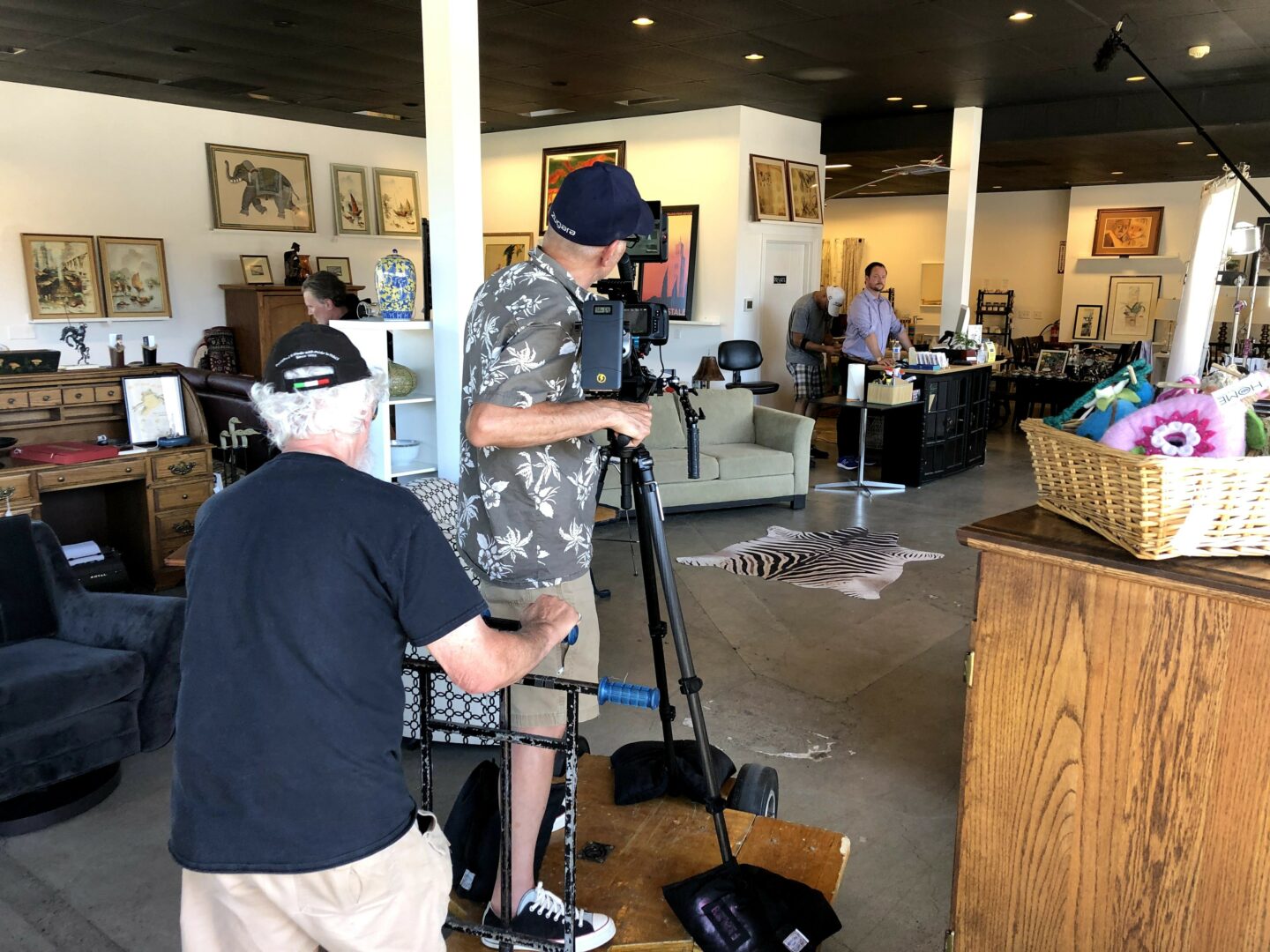
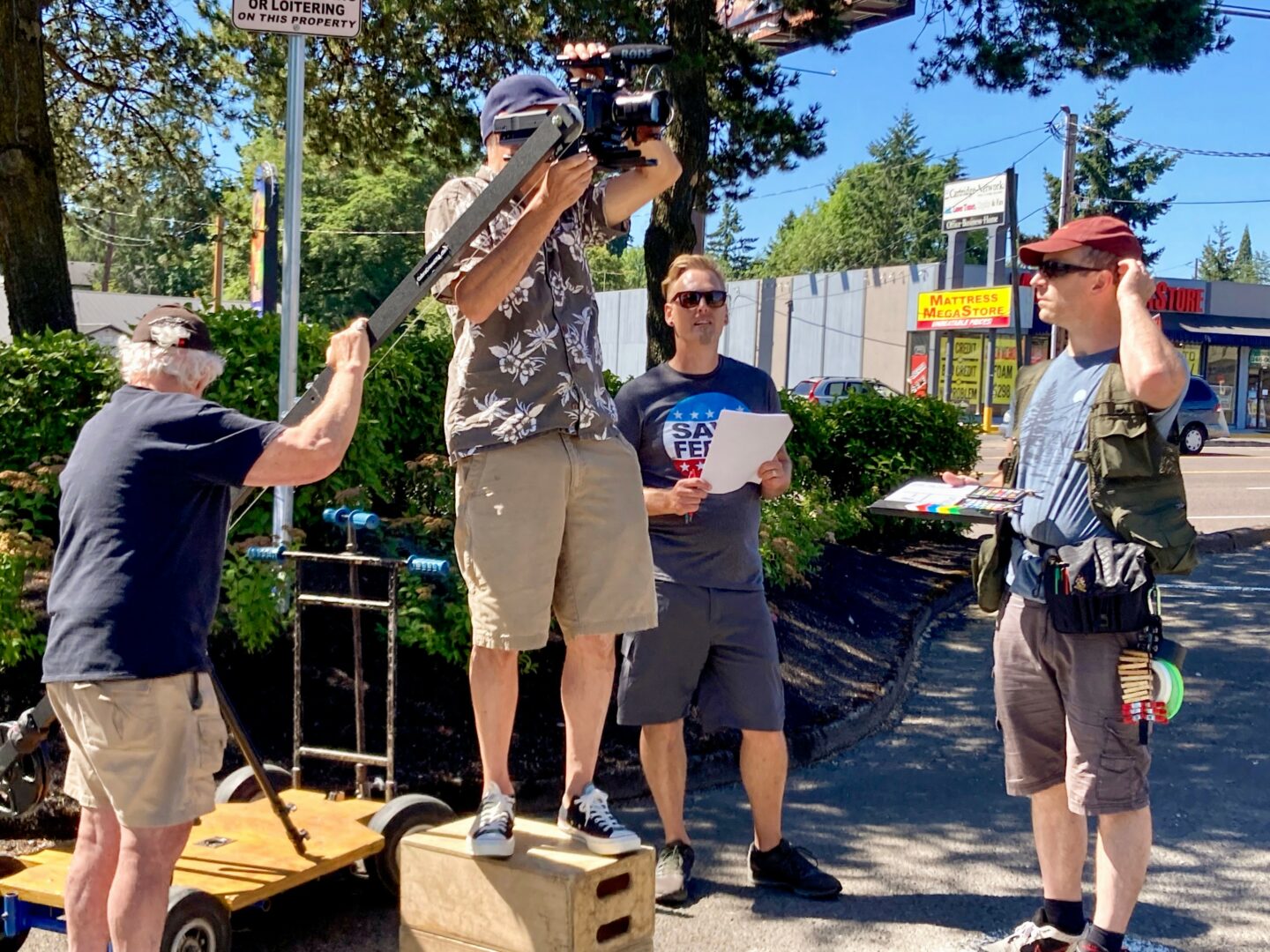
I’m stepping into multiple roles on this project—director, camera operator, producer, and editor—which makes the journey even more meaningful. Knowing that I’m helping shape a show that has the potential to genuinely improve people’s relationships fills me with purpose and momentum.
We’ll be filming throughout Hollywood and around Los Angeles and Orange County, capturing the spirit of Southern California as the backdrop for powerful, transformative conversations. As the project evolves, I’m excited to see how it grows and reaches new audiences across streaming platforms. This truly feels like the beginning of something important, and I’m proud to be bringing it to life.
Can you briefly introduce yourself and share what makes you or your brand unique?
My name is Christopher Coderre, and I’m the founder of LUX Productions, a company built on two guiding principles found within the word Lux: luminescence and luxury. To me, Lux represents both bringing light to a subject—illuminating stories with clarity, depth, and emotional truth—and creating work with a luxury-level standard of quality. Every project under LUX Productions is approached with exceptional craftsmanship, thoughtful design, and a commitment to excellence.
I’ve been an artist since a very young age, always seeing the world through a visionary lens. Storytelling has been a natural extension of how I process and express creativity—I’ve always crafted narratives around the images, ideas, and emotions that inspire me. My greatest passion is using art to spark new ways of thinking and to create progress in the world. I believe that meaningful storytelling has the power to shift perspectives, open minds, and encourage deeper understanding.
Currently, I’m channeling that mission into multiple projects, including a new relationship-focused series, The Soul of Connection. It reflects everything I stand for: meaningful content, human growth, and storytelling that resonates on a deeper level.
Through LUX Productions, my goal is simple yet profound—to bring light, inspire growth, and create work that leaves a lasting impact.
Great, so let’s dive into your journey a bit more. What relationship most shaped how you see yourself?
The relationship that most shaped how I see myself was the one I had with my grandfather, George. He was the person who believed in me more deeply and consistently than anyone else. A professional graphic design artist in New York, he redesigned entire magazines—from cover to back—and was also a gifted painter who sketched and painted nude models. Creativity wasn’t just his talent; it was his language, and he shared that language with me from the very beginning.
He took me to my first life-drawing session when I was just 17, opening the door to a world of skill, observation, and artistic discipline. Throughout my childhood and teens, he was always my biggest cheerleader. When I dreamed of becoming a magician, he went to a magic shop in New York and bought me real, professional magic props. He even designed full-size posters branding me as “Christo the Magifico,” treating my childhood dream with the seriousness and respect of a true performer.
As my passions grew, he kept nurturing them. He supplied me with paints, brushes, an easel, an airbrush—anything I needed to explore art more deeply—and patiently taught me how to use those tools. When my ambitions shifted toward acting and directing, he supported that too, investing in classes taught by experts so I could learn from the best.
What inspired me most wasn’t just how he supported my creativity—it was how he honored creativity in the world around him. Everywhere he went, if he passed a street musician or busker, he’d reach into his pocket for coins or a few dollars just to show appreciation. He believed art mattered, and he lived that belief in every small gesture.
My grandfather George is the reason I see myself as an artist, a creator, and someone whose visions are worth pursuing. He shaped not just my path, but my entire understanding of what it means to nurture imagination, value the arts, and encourage others to dream. He remains my greatest inspiration in creativity and in life.
If you could say one kind thing to your younger self, what would it be?
If I could say one kind thing to my younger self, it would be this: There will be many people who tell you “no,” or “you can’t do that,” or “that’s not you,” or “that’s not safe,” or “I won’t let you.” Don’t absorb any of it. They may think they’re protecting you, but most of the time they’re projecting their own fears. And even though it’s hard not to listen—especially when those voices come from people you care about—you don’t have to let their limits shape your path.
It’s important to stay strong in your own beliefs and passions. Sometimes the obstacles people place in front of you aren’t really barriers—they’re challenges that can ignite an even deeper determination within you. They push you to want your dreams even more, enough to truly go after them, if only to prove to yourself that you can do it.
Trust your vision. Trust your creativity. And trust that the version of you who follows your passion, rather than fear, will always lead you to where you’re meant to be.
Sure, so let’s go deeper into your values and how you think. Where are smart people getting it totally wrong today?
I think a lot of smart people today are getting it wrong by treating AI as the answer to all of our problems, instead of what it actually is: a tool. A powerful tool, yes—but one that requires thoughtful limits, human oversight, and a clear understanding of its weaknesses. Too often, people use AI to cut corners, replace human jobs, or automate tasks without truly understanding the consequences. The results aren’t always predictable, and without responsible human guidance, we risk using AI in ways that work against us rather than for us.
AI doesn’t “think” the way we do, and it doesn’t inherently understand truth, ethics, or creativity. It reproduces patterns from what it has seen before. Even leaders in the field of AI have cautioned that advanced systems can behave in ways we don’t fully anticipate if we aren’t careful about how we design and control them. That’s why human judgment and accountability are essential.
When it comes to filmmaking and the creative world, AI can be an incredible resource for brainstorming, organizing ideas, or enhancing workflows—but we have to ask: at what cost? If we start replacing artists, designers, and creators with AI-generated copies of existing work, we risk losing the very thing that makes art meaningful—its originality, its soul, and the human experience behind it.
If AI begins generating the majority of creative output, what happens when there are no new human designs, styles, or innovations for it to learn from? Does it just keep recycling its own patterns in an endless loop? And more importantly, do we lose control over the direction of our cultural imagination?
There is something irreplaceable about a hand-drawn illustration, a painting that looks alive, or a performance shaped by a human story. Real creativity comes from a place we can’t fully explain—intuition, emotion, lived experience, and the imperfect beauty of humanity.
AI can support creativity, but it cannot become the source of all creativity. We still need artists, thinkers, dreamers, and makers. We need the human spark. It’s not just valuable—it’s essential.
Thank you so much for all of your openness so far. Maybe we can close with a future oriented question. If immortality were real, what would you build?
If immortality were real, I would devote my time to building a futuristic city designed with a perfect balance of form, function, and harmony with the natural world. It would be a place where architecture doesn’t just coexist with the environment—it enhances it. Every structure, pathway, and system would be created with the intention of improving the health of the planet, supporting wildlife, and enriching the lives of the people who live there.
At the heart of this city would be a creative center, a kind of living think tank where artists of all disciplines could come together to collaborate, experiment, and explore new ideas alongside scientists and technologists. This would be a place where imagination and innovation feed into each other, guided by the principle of betterment for all.
“Betterment” would be the foundation of every decision—betterment for the environment through sustainable design, betterment for nature and animals through protected ecosystems and thoughtful planning, and betterment for humanity through dignity, beauty, and purpose in daily life.
In this city, art would be central, not an afterthought. It would shape the culture, drive future planning, and serve as the connective tissue between people of all backgrounds. Art has always been a universal language, a way for humans to understand one another, and I believe it should lead the way in imagining the world we want to build.
If I had all the time in the world, that is what I would create: a city where creativity, compassion, and innovation exist in perfect alignment—an example of what humanity can achieve when the future is shaped by vision rather than fear.
Contact Info:
- Website: https://www.luxprovideo.com/
- Instagram: @luxprophotovideo
- Linkedin: https://www.linkedin.com/in/christopher-best-coderre
- Facebook: https://www.facebook.com/LuxProPhotoVideo/
- Youtube: https://www.youtube.com/@LUXProductions-s4q
- Other: https://www.productionhub.com/profiles/details/365828

so if you or someone you know deserves recognition please let us know here.