We recently had the chance to connect with Christopher Ender Coryat and have shared our conversation below.
Christopher Ender , a huge thanks to you for investing the time to share your wisdom with those who are seeking it. We think it’s so important for us to share stories with our neighbors, friends and community because knowledge multiples when we share with each other. Let’s jump in: What is a normal day like for you right now?
A normal day for me right now starts with emails, a lot of them. Most mornings I’m bouncing between conversations with artists across different time zones, scheduling meetings, sharing updates, or trading ideas for upcoming projects. Because I’m both an artist and a curator, my inbox is always a mix of logistics and creativity: one message about a shipping quote, the next about an installation concept or a sketch someone wants feedback on.
In the middle of all that, I’m constantly updating my calendar, making sure I know where I need to be, what’s shifting, and what new thing just got added to the week. My schedule changes fast, so staying organized is basically a creative survival skill at this point.
Once that first wave settles, I usually grab something to eat and shift into my own studio work. That’s the part of the day where everything gets quiet again, where I can think, make, and reconnect with why I do all of this.
The rest of the day is a blend of curation, project management, and problem-solving. Being a curator means I’m managing a lot of people at the same time, often all over the place, but in the best way. It keeps me sharp, keeps me connected, and it constantly reminds me that every project, whether it’s an exhibition, a performance, or an open call, is really just a network of relationships moving toward a shared intention.
Nothing about my days feels “normal” in the traditional sense, but they’re full, collaborative, and creative, and that’s exactly what I love about the life I’m building.
Can you briefly introduce yourself and share what makes you or your brand unique?
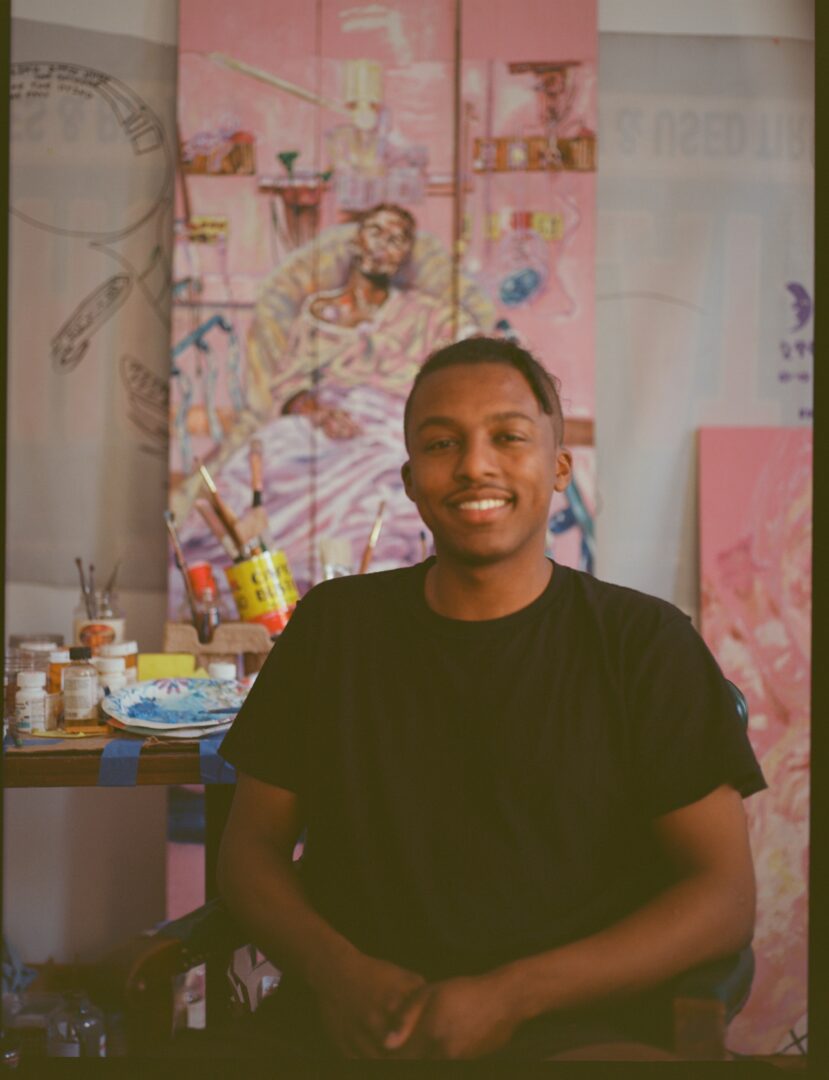
My name is Christopher Ender Coryat, and I’m a multidisciplinary artist and curator whose work explores the architectures of survival and the private spaces where identity reshapes itself. Working across painting, installation, performance, and sound, I often use unconventional materials, like pigments made from prescription medications, to translate lived experience into material form.
My solo exhibition, May Cause Side Effects, is currently on view at Revolú | Galería 811 through December 15th. The works are built from pigments created by pulverizing the new anti-seizure medications prescribed to me after my epilepsy diagnosis four years ago, materials that moved through my body before becoming material on the surface. The paintings embrace cracking and instability as part of their meaning, offering vulnerability as a counter-archive to the medical and institutional gazes often placed on Black and Caribbean bodies.
I also recently launched Fragmentation of Identity, an online exhibition running November 20th through January 20th, featuring 36 artists from Africa, Asia, Europe, and the Americas whose practices engage with rupture, resilience, and the ongoing reconstruction of selfhood. Both exhibitions are in conversation with each other, my solo show approaches the body from the inside, while Fragmentation of Identity expands that question outward across a global community of artists.
Alongside my studio practice, I serve as the Associate Curator & Exhibition Director at Revolú Gallery, an artist-centered gallery with programming in New York, Puerto Rico, Spain, and Mexico. In 2026, the gallery will present exhibitions in Mexico City during Zona Maco, expanding our international footprint and deepening our cross-cultural collaborations.
Across all my work, whether I’m creating or curating, I’m committed to building intentional, accessible, artist-driven spaces that hold complexity and make room for honest experience.
Appreciate your sharing that. Let’s talk about your life, growing up and some of topics and learnings around that. What relationship most shaped how you see yourself?
The relationship that most shaped how I see myself is the one I had to build with myself after my epilepsy diagnosis four years ago. It forced me to confront parts of my identity I had never examined closely, my limits, my fragility, my thresholds, and the illusion of control I thought I had over my own body.
There’s a moment after any diagnosis where everything you believed about yourself gets rearranged. For me, that rupture became a kind of mirror. I had to understand who I was outside of productivity, outside of expectation, and outside of the version of myself I thought I had to maintain. I had to rebuild trust with a body that didn’t always behave predictably.
That inner relationship informs my work now. When the seizures began, doctors kept shifting my medications, trying to find something that worked. I ended up with a growing stockpile of pills that my body had rejected, medications that were supposed to stabilize me but didn’t. Using those discarded medications as pigment became a way of transforming failure into form, of turning the materials that altered me into a language I could control. It’s how I learned to make authorship out of chaos.
What did suffering teach you that success never could?
Suffering taught me a kind of clarity that success never could. Success can make life feel linear, set a goal, accomplish it, move forward. But suffering interrupts that. It slows you down, strips away illusion, and forces you to see what actually matters. It taught me how to separate my worth from my productivity, how to be patient with myself, and how to live inside uncertainty without losing my sense of direction.
Success never asked me to develop that kind of emotional intelligence. It never asked me to build a life at a pace my body could handle or to move with intention instead of urgency. Suffering did. It taught me how to pay attention to my limits, my intuition, my energy, and that attention changed everything about the way I create and the way I curate.
Next, maybe we can discuss some of your foundational philosophies and views? What’s a belief you used to hold tightly but now think was naive or wrong?
One belief I used to hold tightly was that clarity always arrives in a straight line, that if I made the right choices, surrounded myself with the right people, stayed organized, stayed focused, stayed “on track,” the path would reveal itself cleanly. I thought life rewarded order.
What I now understand is that clarity often comes from disruption, not direction. The moments that have shaped me the most weren’t the ones where everything made sense, but the ones where nothing did, when I had to improvise, adapt, question myself, or shift course entirely. Those moments demanded creativity, not certainty.
Suffering taught me that I don’t need every answer before I move. I don’t need a full map before I begin. I don’t need to define a destination before taking the first step. That old belief, that everything had to be “figured out” held me back more than it protected me.
Letting go of that idea opened up a different kind of freedom. I started trusting experimentation, trusting intuition, trusting the unknown. I learned that confusion can be generative, that instability can sharpen vision, and that some of the most important breakthroughs happen when the old structure collapses and you’re forced to build something new.
Okay, we’ve made it essentially to the end. One last question before you go. What is the story you hope people tell about you when you’re gone?
I hope the story people tell about me is that I built spaces that made other people feel possible. That I didn’t just make work about survival, but shaped environments where artists could be complex, vulnerable, ambitious, and unapologetically themselves. I want to be remembered as someone who didn’t look away, someone who paid attention, who listened, and who treated people’s stories with the weight they deserved.
Curation, to me, is a form of care. It’s not about arranging objects, it’s about building context, building safety, building meaning. It’s about crafting a world where an artist’s voice can land without distortion. And no one understands what an artist needs better than another artist. We know what support feels like, what visibility actually does, and what opportunities we wish existed when we were younger. A huge part of my legacy, I hope, is that I created those openings for others, chances I didn’t always have access to myself.
Working with Revolú Gallery, and with its founding director Allicette Torres, has deepened that belief in ways I couldn’t have predicted. Allicette built Revolú on intention, rigor, equity, and a commitment to artists who are often overlooked or misread. Our work together isn’t just about putting on exhibitions, it’s about shifting who gets centered, who gets championed, and who gets to define the future of contemporary art.
I hope my legacy reflects that alignment. That people can see the throughline between my own practice and the spaces I help build, a commitment to honesty, to community, to complexity, and to care. If the artists I’ve worked with feel more visible, more grounded, or more affirmed because of something I helped create, that’s the story worth leaving behind.
Legacy, to me, isn’t about scale or spectacle. It’s about resonance. And if the work we’re doing at Revolú, in New York, Puerto Rico, Spain, and now Mexico City heading into Zona Maco, continues to open doors for artists who deserve more than they’ve been given, then that’s the impact I want attached to my name long after I’m gone.
Contact Info:
- Website: https://www.christopherendercoryat.com/
- Instagram: https://www.instagram.com/endercoryat
- Other: https://revolugallery.com/
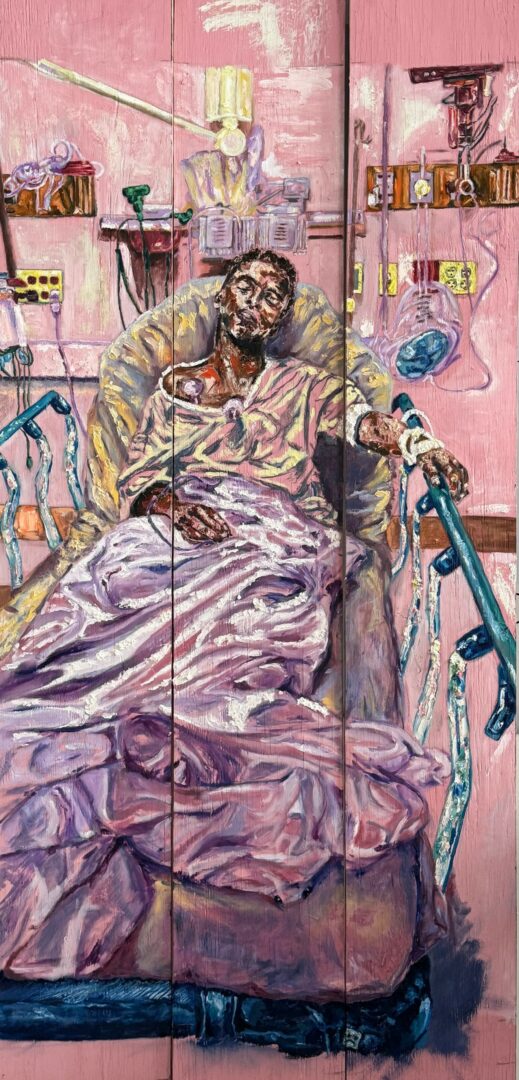
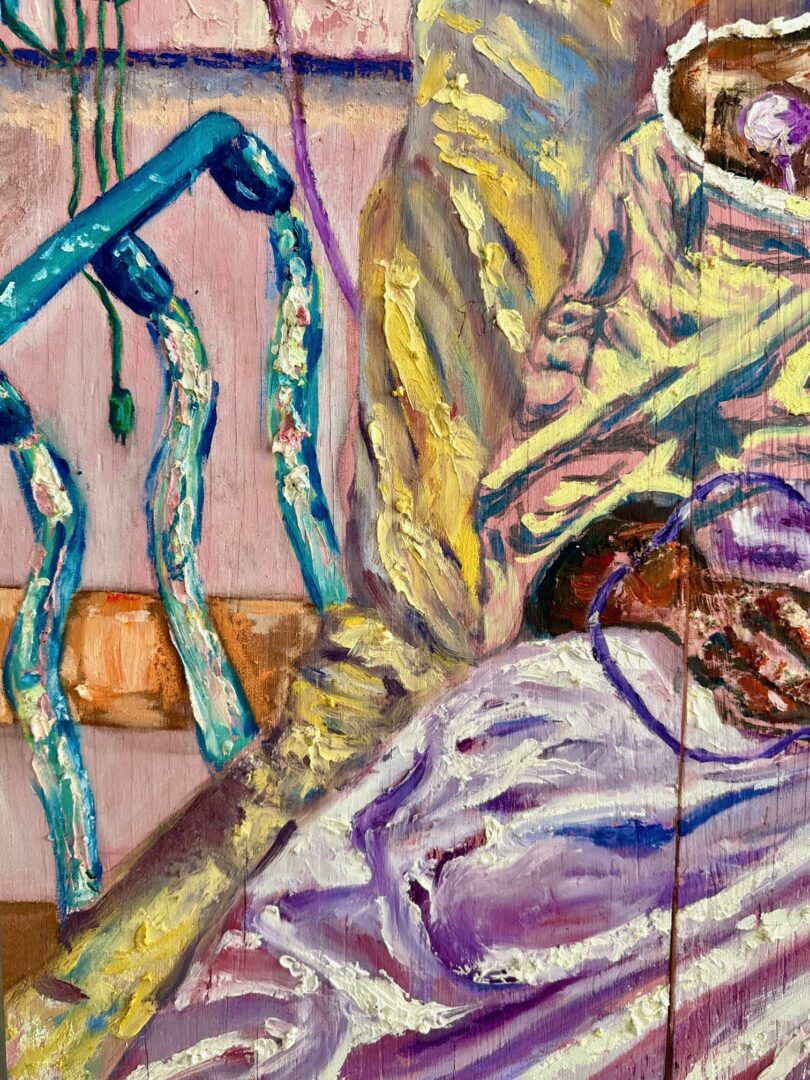
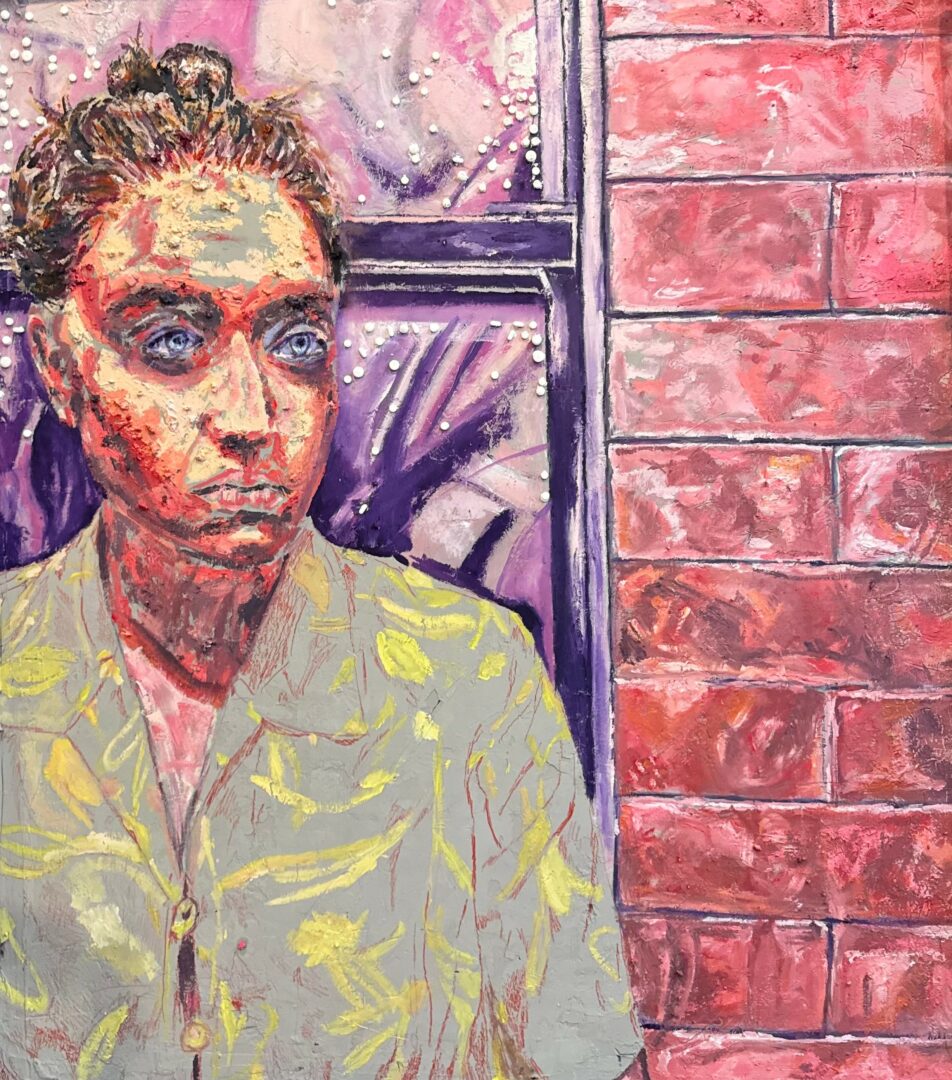
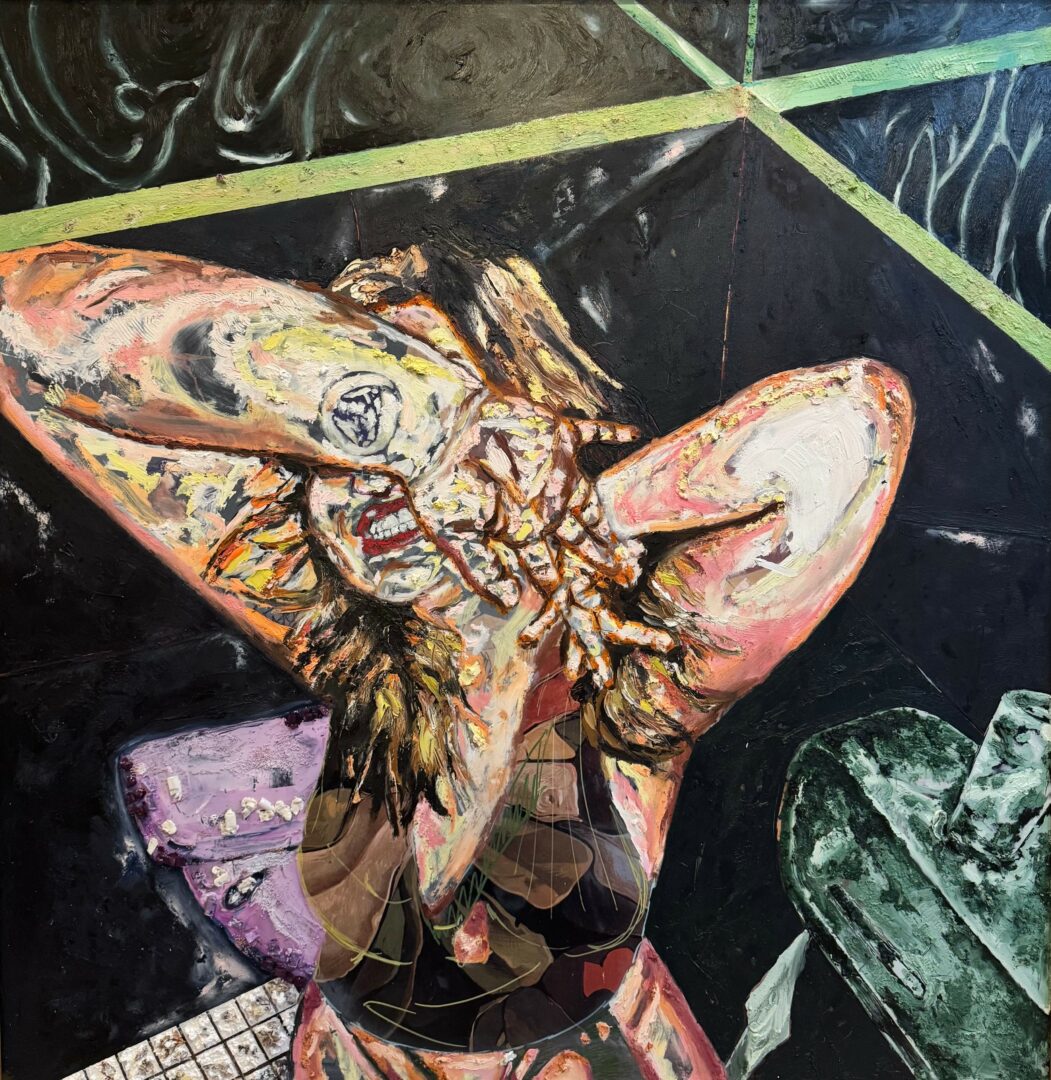
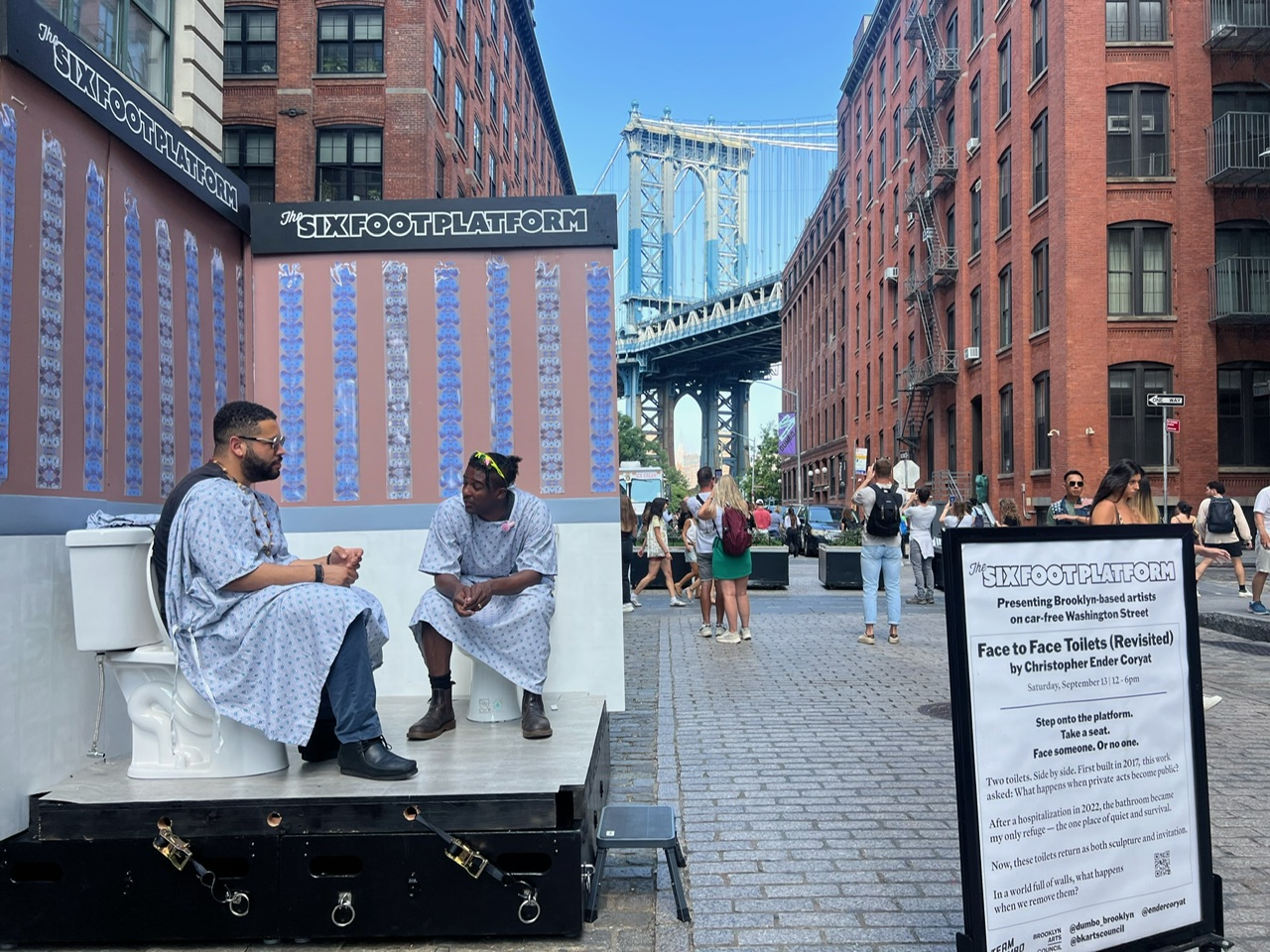
Image Credits
Junlin Zhu
Noemie Trusty
so if you or someone you know deserves recognition please let us know here.