We recently had the chance to connect with christopher noxon and have shared our conversation below.
Hi christopher, thank you so much for joining us today. We’re thrilled to learn more about your journey, values and what you are currently working on. Let’s start with an ince breaker: What makes you lose track of time—and find yourself again?
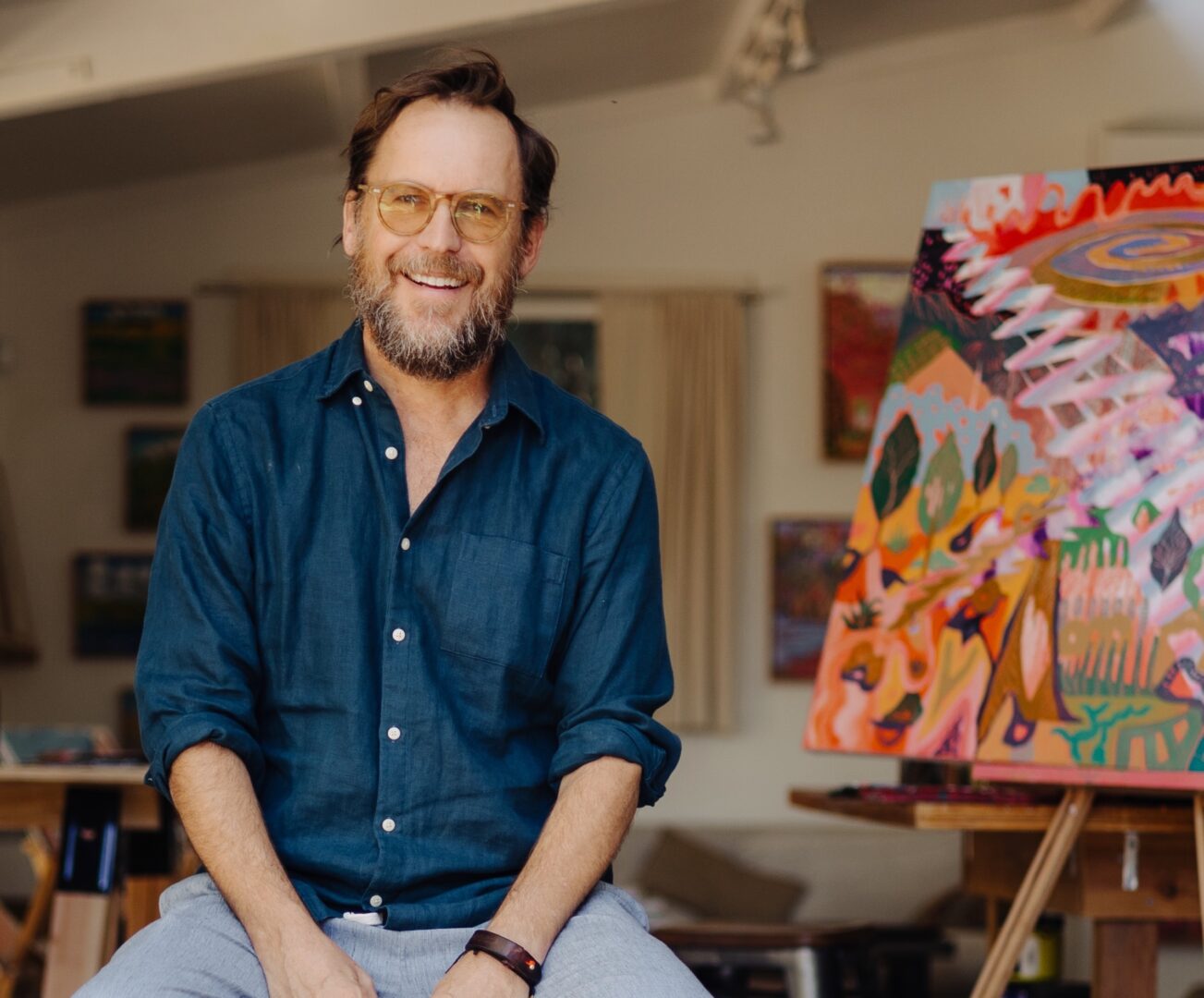
Making art, for sure. I came to painting in midlife, after a string of seismic personal losses, including the sudden death of my eldest son. I started painting full time not as a grand pivot or career move, but as a way to keep from falling apart. I paint to get lost, to connect with something beyond words or this world.
I make pictures to get at the “thing behind the thing,” to look behind the veil of the seen, to chase a simultaneous feeling of awe and humility, of togetherness and singularity. It feels a little like dreaming while awake, or like being a kid building whole cities out of Legos, lost in concentration and not aware of anything else.
That’s when I lose track of time.
And I find myself again in the mess and the work that results. I find myself in the layers, in the places where the picture pushes back. And I find myself most of all in the feeling that rises up, when something clicks into place. I’m chasing the “this is it” feeling that my grandmother Betty Lane wrote about it in her diaries. It’s not about understanding or execution or even recognition—it’s about presence.
Can you briefly introduce yourself and share what makes you or your brand unique?
I’m a painter and writer based in Ojai, California, where I live and work in a studio tucked into a grove of olive trees. My work is maximalist, layered, and a little unruly—packed with brushmarks, scratches, curvy roads, bulbous clouds, boxy little houses, and fields of riotous color. I’m less interested in literal landscapes than in the spirit of place—the “thing behind the thing,” the mystery just behind the veil of what we can see. My pictures are intuitive, emotional, and driven by a desire to lose myself in the process and build worlds from feeling.
I come from a family of artists, most notably my grandmother Betty Lane, a modernist painter whose work I inherited, along with hundreds of her paintings, sketchbooks, and diaries. I recently had the joy of exhibiting with her in a two-person show, From One Generation to the Next: Betty Lane & Christopher Noxon, at Sullivan Goss in Santa Barbara. That show was followed by a solo exhibit at the Santa Paula Museum of Art called Geenbelt: Imagination & Interplay at the Edge of Wilderness. My first solo exhibition in Los Angeles, Terra Incognita, at Oxford House Projects, is on view through fall 2025.
Before painting, I spent years as a journalist and author, contributing to the New Yorker, the Atlantic, and the New York Times, and publishing several books including Good Trouble, Plus One, and Rejuvenile. That narrative background still shapes how I approach art, though these days I’m far more interested in what happens when I stop trying to explain and just feel my way through the work.
Most recently, I completed a commission for an international nonprofit that involved painting a life-sized baby elephant—a surreal and joyful project that combined my love of playful scale, public art, and animals that make people smile. I also teach painting workshops, contribute to local arts organizations, and have recently provided more than 40 pieces of artwork to the Edgewood Hotel in Hudson, NY.
At the heart of everything I make is the desire to connect—to the land, to history, to mystery, and to whoever experiences the work. I paint to get lost, and hopefully, to help others feel a little more found.
Okay, so here’s a deep one: Who taught you the most about work?
My grandmother Betty Lane, hands down. She wasn’t the kind of teacher who sat you down and told you how to do things—she just worked. All the time. Her little A-frame house on Cape Cod was overflowing with paintings—stacks of them, often painted on both sides of a panel. She didn’t talk much about theory or style. She just showed up, again and again, chasing that this is it feeling she wrote about in her diaries.
She treated even the smallest objects with reverence—bits of fishing net, pterodactyl mobiles, eucalyptus-pod necklaces—and somehow that reverence extended to her practice. She wasn’t precious or romantic about making art; she just did it. Alone, quietly, consistently. That made a huge impression on me.
I didn’t fully appreciate it at the time, but now that I’m in my own studio, surrounded by my own stacks of work and weird little totems, I see how much of her rhythm and spirit I’ve absorbed. She taught me that work isn’t something you do about art—it is the art. Showing up, staying curious, and letting the work lead. That’s the real lesson.
When did you stop hiding your pain and start using it as power?
It wasn’t a decision I made—it was more like something cracked open and wouldn’t close again. After my son Charlie died at age 20 in a freak skiing accident, there was no hiding anything. That kind of loss has a way of stripping off your armor whether you want it gone or not. I was raw, and I didn’t have words. Writing—my usual outlet—just felt impossible. That’s when I started painting seriously. Not to make something beautiful or impressive, but just to keep going. To stay alive.
At first I didn’t think of the work as “about” pain, and maybe it still isn’t exactly. But it comes through the pain—through loss and confusion and longing (which makes it so interesting when people say my work is so “happy”!). Somehow, by showing up in the studio and letting the work lead, that pain feels like something else. Not something I’d healed or “moved through,” but something I can move around. Add color to. Layer on. Scratch at. And maybe even offer.
I wouldn’t call it power in the heroic sense. It’s not a superpower. It’s more like fuel. Or truth. Or a kind of permission—to feel everything, to not know, to make something anyway.
I think our readers would appreciate hearing more about your values and what you think matters in life and career, etc. So our next question is along those lines. What are the biggest lies your industry tells itself?
I come from a writing background—I spent years as a journalist—and still, most of the way the art world communicates leaves me baffled and vaguely annoyed. Wall labels, curator descriptions and museum talks too often sound like word salad designed to impress a very small crowd of insiders while shutting everyone else out. There’s this idea that art needs a thick layer of theory or explanation to be taken seriously. But in my experience, the best work bypasses all that and goes straight to the nervous system. You don’t decode it. You feel it.
That’s what I try to do in the studio. I’m not thinking about discourse or critique. I’m listening to the paint. I’m chasing a feeling. And when people ask what a painting “means,” my honest answer is usually a question right back: How does it make you feel?
The lie is that there’s a correct interpretation. There’s not. Good art doesn’t tell you what to think—it opens something up. It makes space. And if you’re lucky, it leaves you a little more alive than you were before.
Thank you so much for all of your openness so far. Maybe we can close with a future oriented question. What is the story you hope people tell about you when you’re gone?
That I paid attention. That I made things that felt alive. That I showed up—messily, imperfectly, but with an open heart and mind.
I hope people say I was generous, curious, and not afraid to feel too much. That I made work that helped someone see or feel something they didn’t have words for. That I was a good dad and a loyal friend.
Honestly, I’d love for the work to keep doing its thing long after I’m not around. I hope someone looks at one of my pictures and feels a little less alone, a little more connected—to a place, a person, a moment, or just the wild mystery of it all.
Contact Info:
- Website: https://www.christophernoxonart.com
- Instagram: @noxonart
- Facebook: @christophernoxon
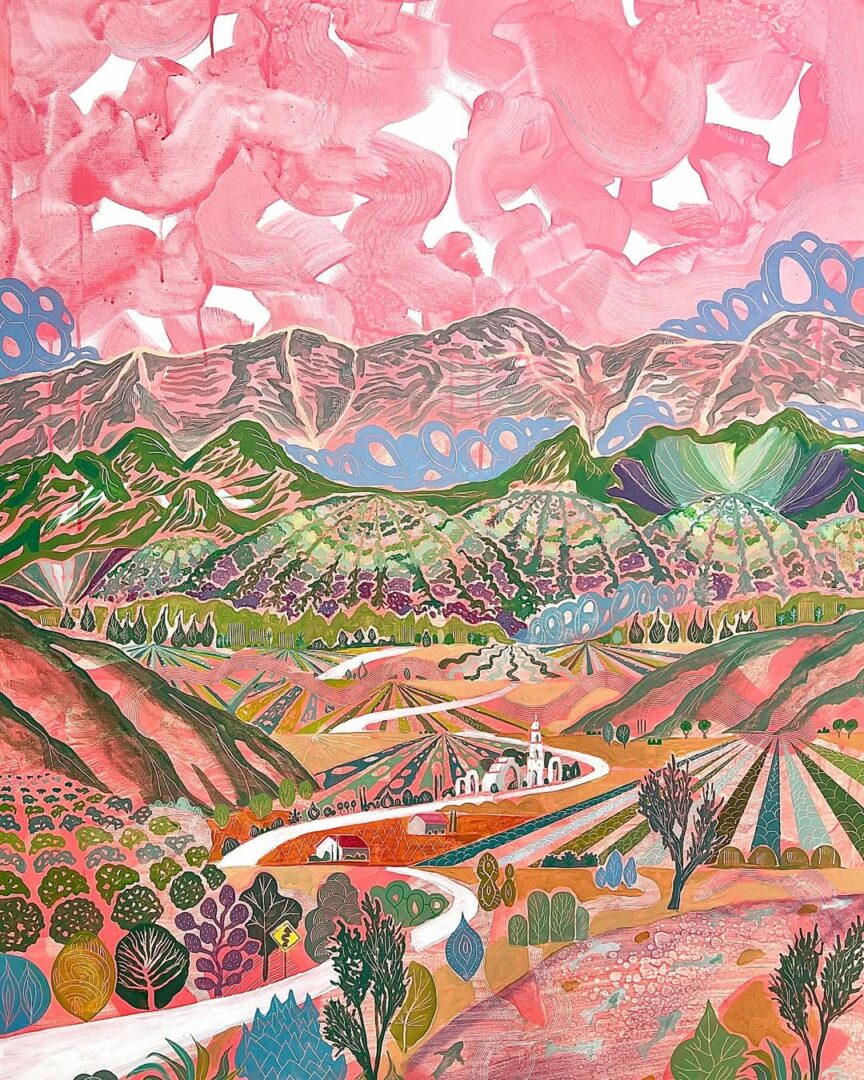

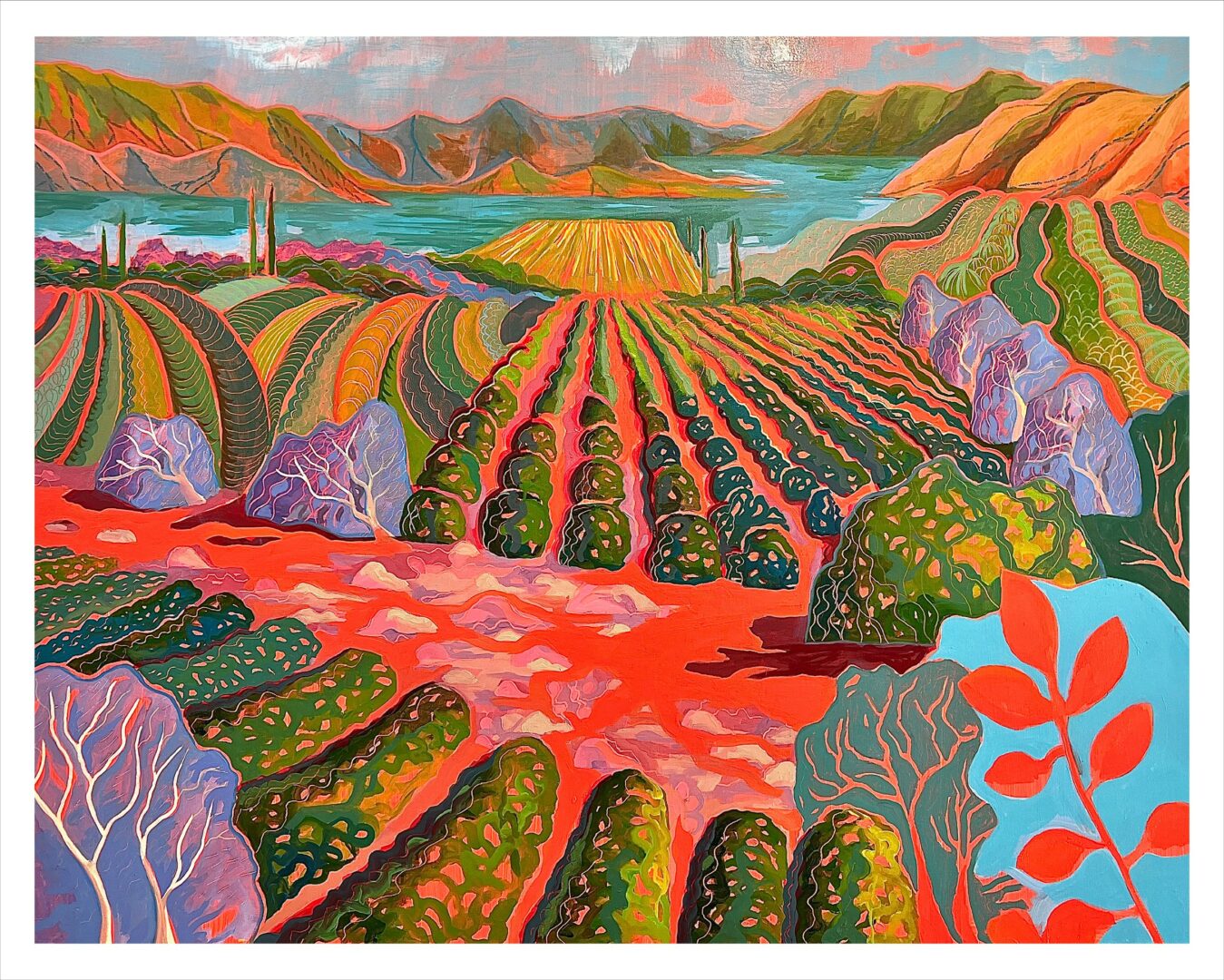
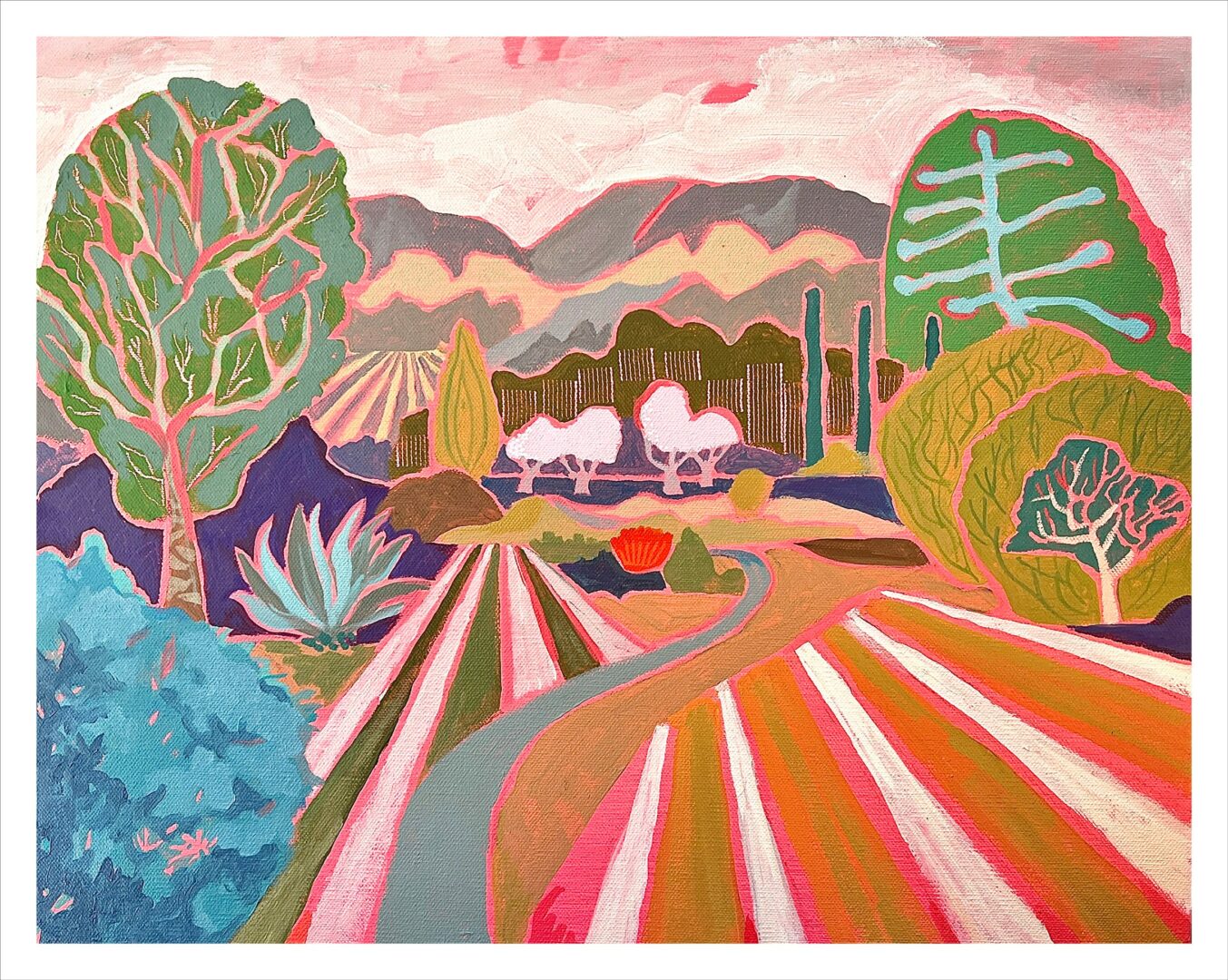
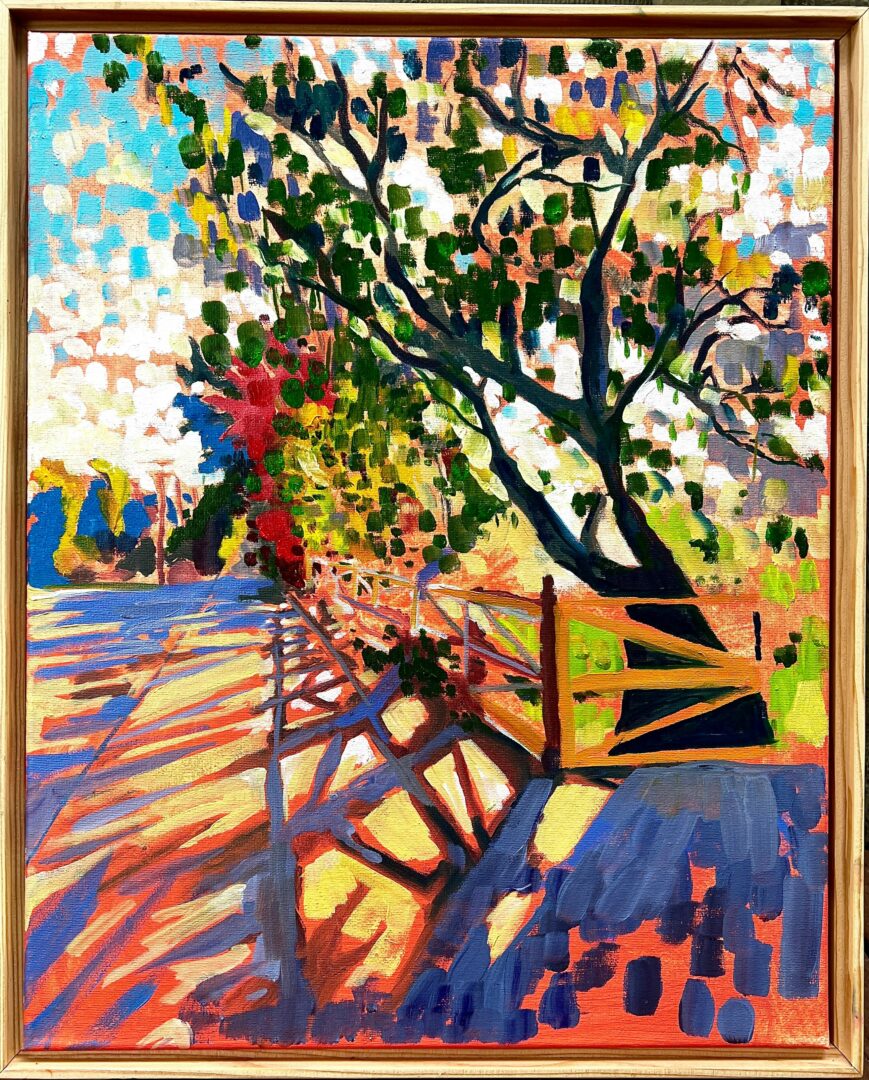
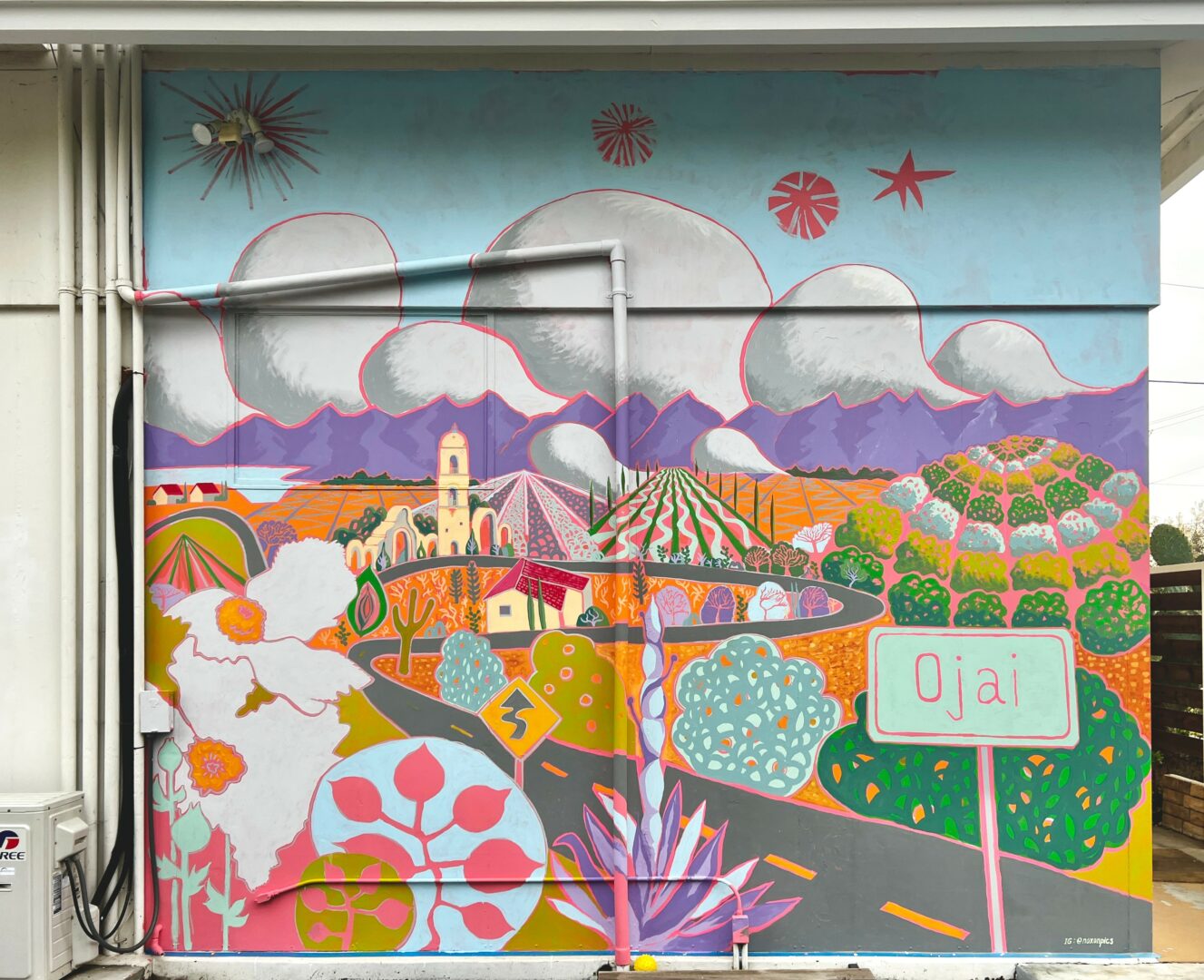
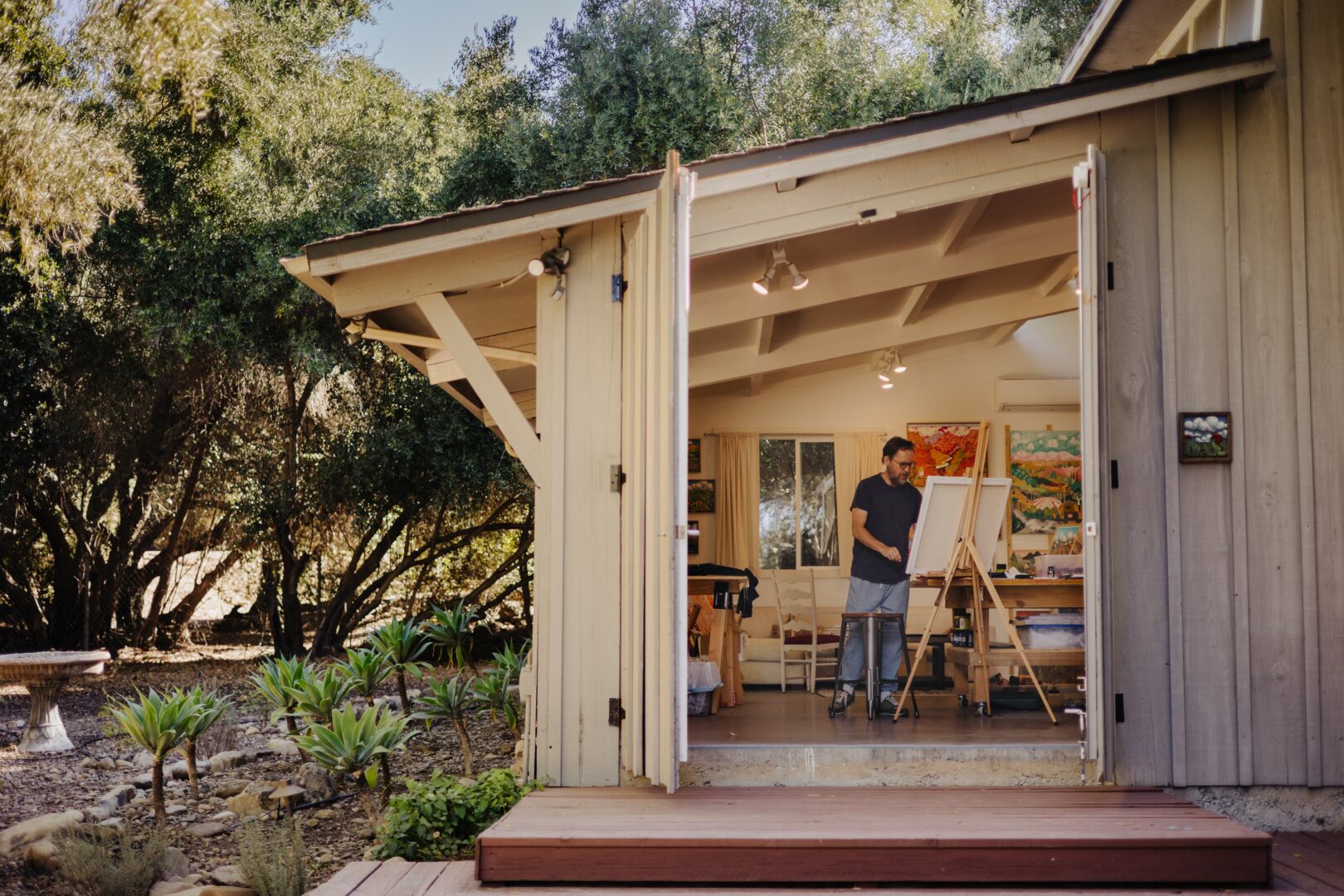
Image Credits
Artist photos by Matthew Cavenaugh.
so if you or someone you know deserves recognition please let us know here.