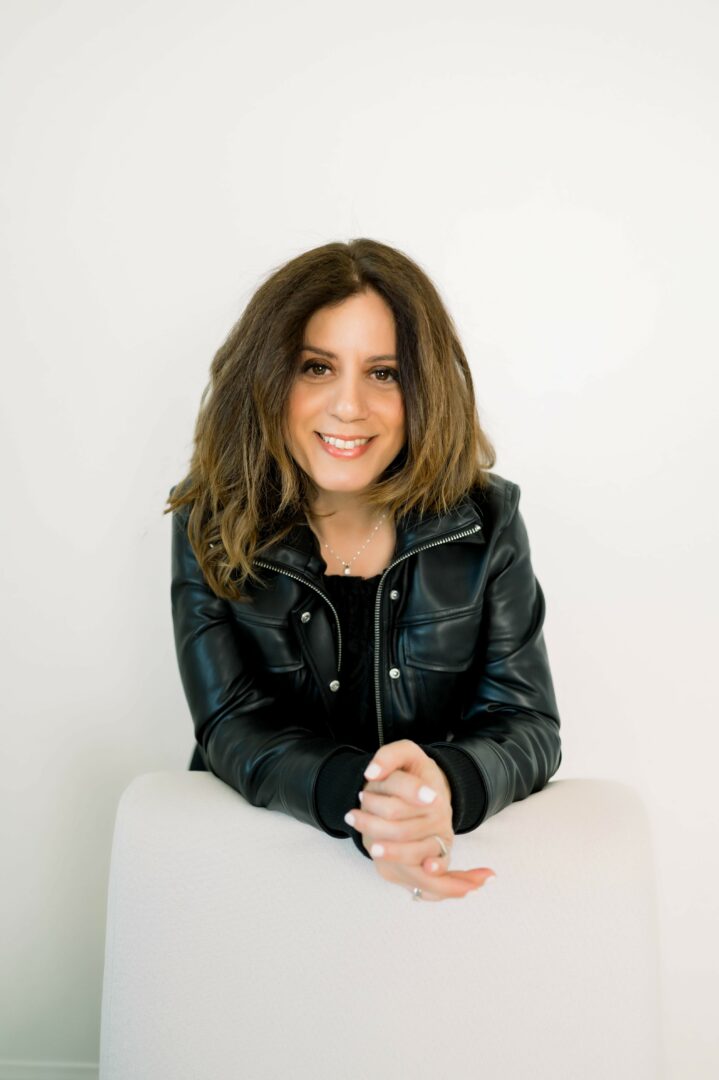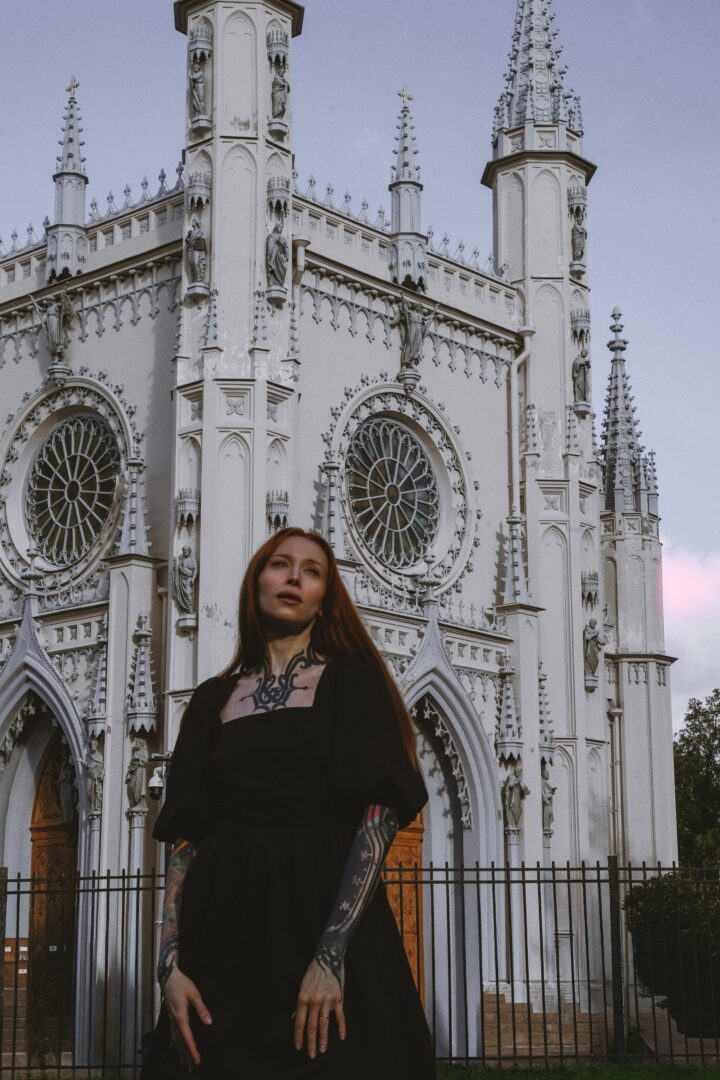
We’re looking forward to introducing you to Daria Troshkina. Check out our conversation below.
Good morning Daria, it’s such a great way to kick off the day – I think our readers will love hearing your stories, experiences and about how you think about life and work. Let’s jump right in? What is something outside of work that is bringing you joy lately?
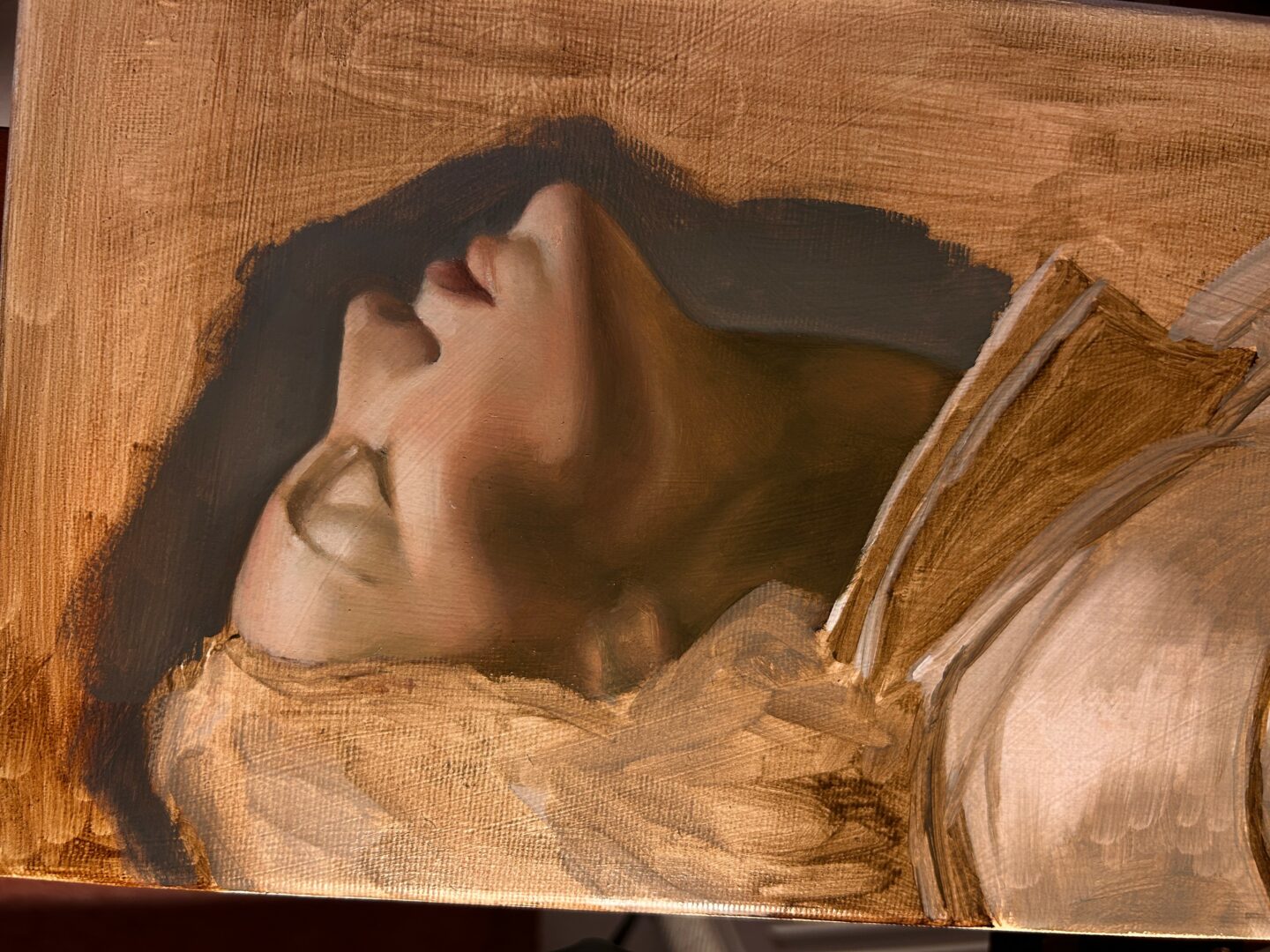
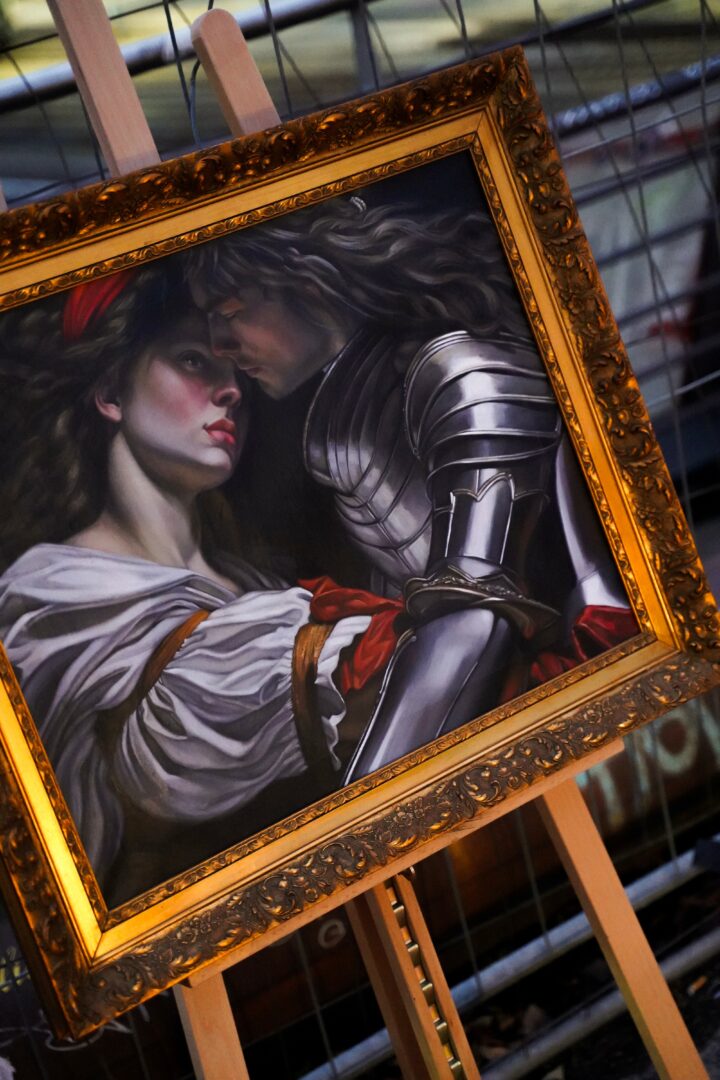
Lately, I’ve been finding joy in something that feels very grounding and personal — developing my new oil painting series. It’s not work in a traditional sense, because it doesn’t bring obligations or deadlines, it just brings fulfillment.
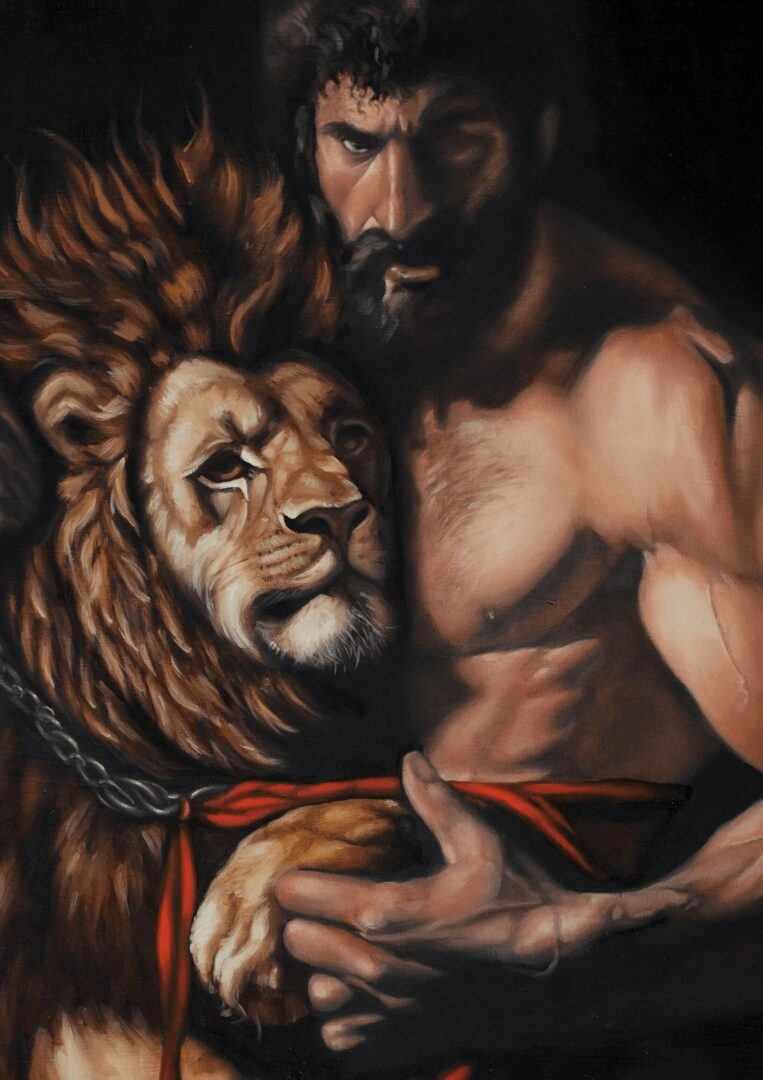
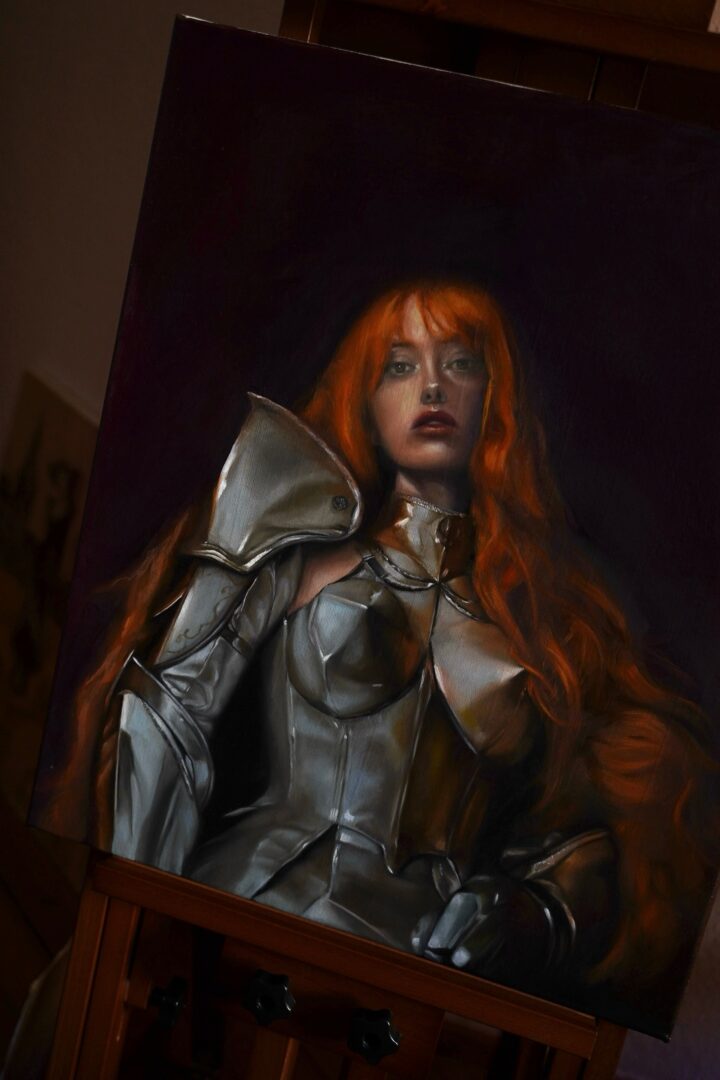
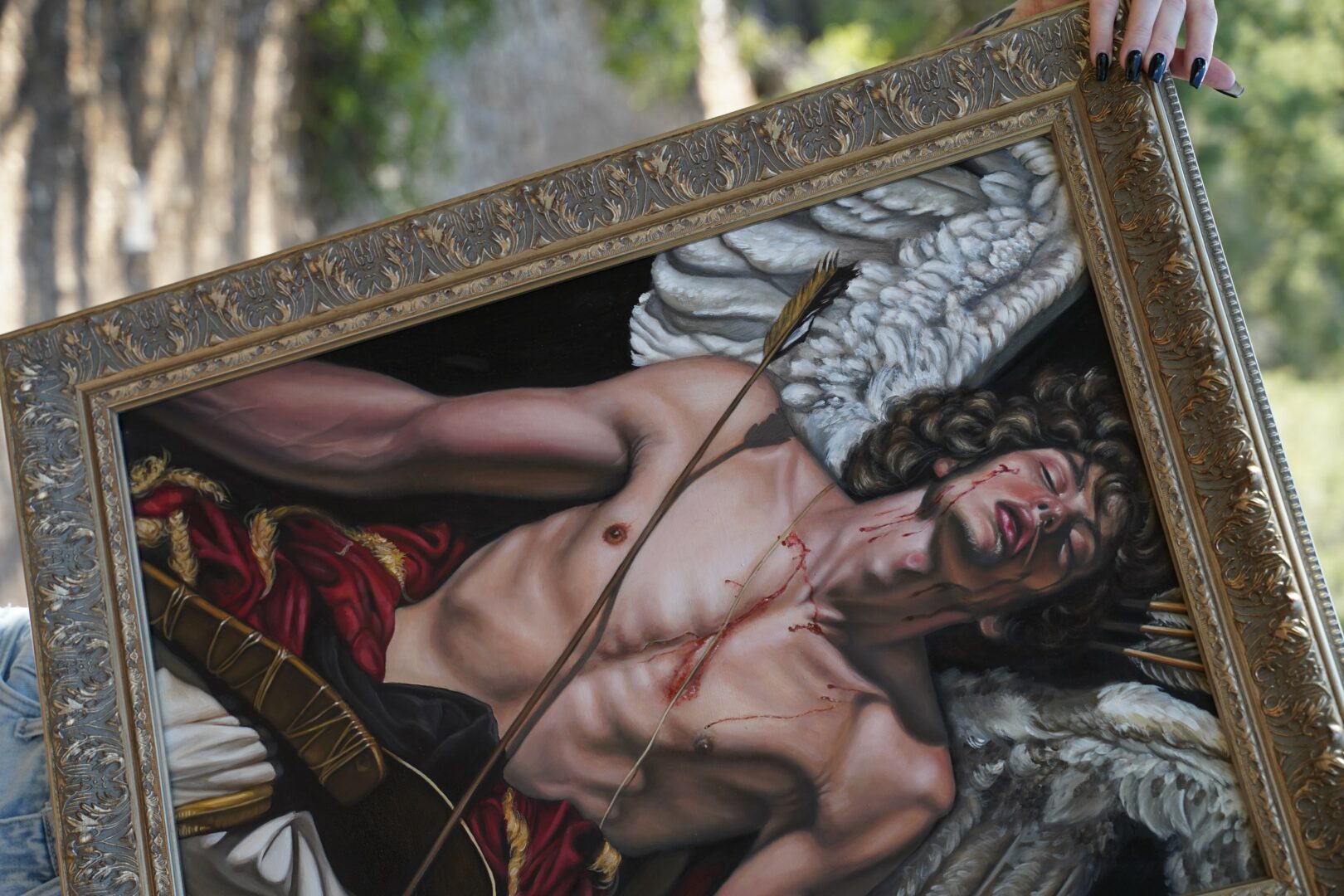
I’ve been researching medieval history and transforming it into a modern, emotionally charged visual narrative. What brings me joy is the process itself — the quiet ritual of priming canvases, mixing pigments, building layers of paint, and seeing how something intangible, like a feeling or a historical trace, turns into a physical object.
It’s meditative, and it reminds me that creativity doesn’t always need to be loud or productive to feel meaningful. Sometimes the purpose is simply to create something honest — something that carries emotion, vulnerability, and presence.
And unexpectedly, this has been giving me more joy than anything external.
Can you briefly introduce yourself and share what makes you or your brand unique?
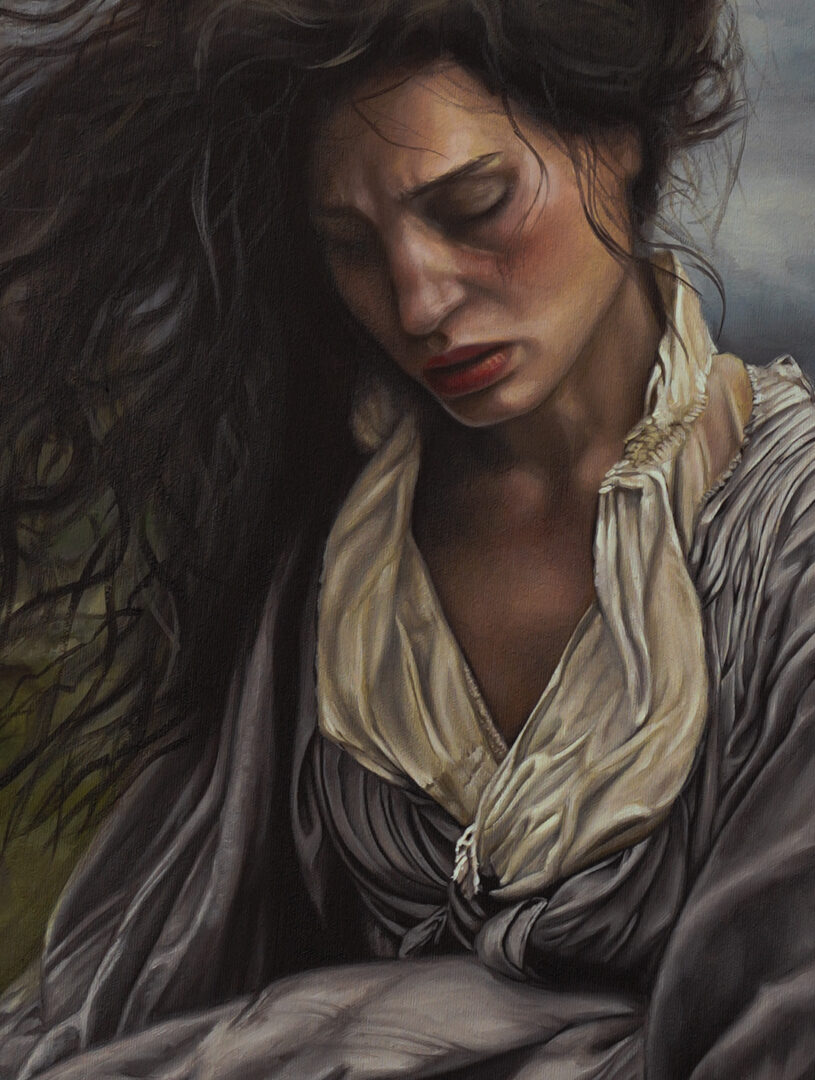
My name is Daria Troshkina, and I am an artist working primarily in oil painting. My focus lies in exploring emotional intensity, historical symbolism, and feminine narratives through a contemporary, refined visual language. My work often gravitates toward themes of resilience, tragedy, inner strength and quiet vulnerability, especially within the context of historical female archetypes.
In my current body of work, I reinterpret iconic historical figures through a cinematic, almost couture-like sensibility — where light, texture and emotional accuracy become central elements. My process is rooted in contemplation and layered construction: building tonal depth, working through restrained palettes, and allowing the atmosphere to hold the emotional tension within the image.
What defines my practice is the duality I aim to preserve — strength within fragility, elegance within conflict, beauty within decay. I approach each piece not as a static scene, but as a moment suspended between past and present, creating a dialogue with history, myth, and inner experience.
Great, so let’s dive into your journey a bit more. What’s a moment that really shaped how you see the world?
A moment that truly shaped how I see the world was when I consciously began reading classical literature—not because it was assigned to me, but because I wanted to explore it on my own. It felt like unlocking a completely different emotional and intellectual dimension.
Books that were written hundreds of years ago suddenly began speaking to me directly—about tragedy, resilience, human contradictions, and inner fractures that still exist today. I realized that human nature hasn’t changed much, only the scenery around it has. That realization shifted the way I look at people, at choices, and at the silent motivations behind them.
Classical literature made the world feel layered rather than linear; it taught me to look for meaning beneath the surface and to value emotional depth over simplicity. It became not just a source of knowledge, but a lens through which I began to interpret reality—more thoughtfully, more critically, and with a deeper curiosity toward human experience.
When did you stop hiding your pain and start using it as power?
I don’t think I’ve fully reached the point where I can turn my pain into power yet. What I have reached, however, is a place where I no longer deny it or try to minimize it. For a long time I believed that strength was silence, that being unaffected meant being strong. Now I’m learning that acknowledgment itself is a form of strength.
I’m still on that path — understanding the parts of myself that hurt, without rushing to transform them into something productive. Sometimes the most powerful thing you can do is simply allow something to be real, without pretending you’ve mastered it.
I don’t use my pain as power yet, but I no longer hide from it. And maybe that honesty is the first stage of becoming stronger.
I think our readers would appreciate hearing more about your values and what you think matters in life and career, etc. So our next question is along those lines. Is the public version of you the real you?
It depends entirely on what someone means by “the real me.” I believe only a few people in one’s life ever get to truly know who you are—those who have stayed long enough, shared experiences with you, witnessed your growth, and saw you not only in your strength but also in your uncertainty.
Most of the public sees only a version filtered through their own perception, assumptions, or expectations. And I don’t think I’m responsible for that interpretation. I can be authentic in my intentions, but how someone understands me is shaped by their own lens, not my reality.
I am one person, but to recognize the real version of me, you have to actually know me—not observe me from afar. The public sees a silhouette. The real version exists only in close connection, shared time, and genuine presence.
Thank you so much for all of your openness so far. Maybe we can close with a future oriented question. If immortality were real, what would you build?
If immortality were real, I would spend my life building a body of work that reflects the emotional side of human history. Not for recognition, but to show how people feel, struggle, and change over time.
I would create paintings that become moments of memory — something others could look at years later and recognize themselves in. Immortality would give me the time to collect those emotional traces carefully, without rushing.
That is what I would build: a long-lasting record of what it means to be human.
Contact Info:
- Instagram: https://www.instagram.com/dariatroshkina?igsh=MWowMDZxanBtb3hvOQ==
- Other: https://www.tiktok.com/@darietroshkina
so if you or someone you know deserves recognition please let us know here.