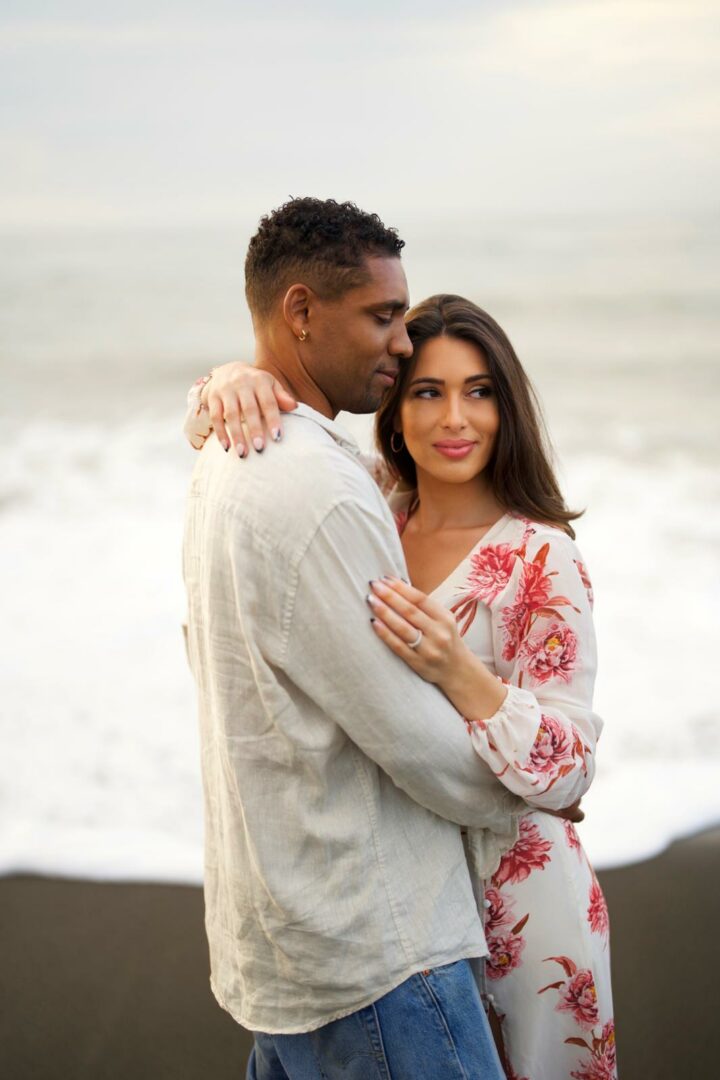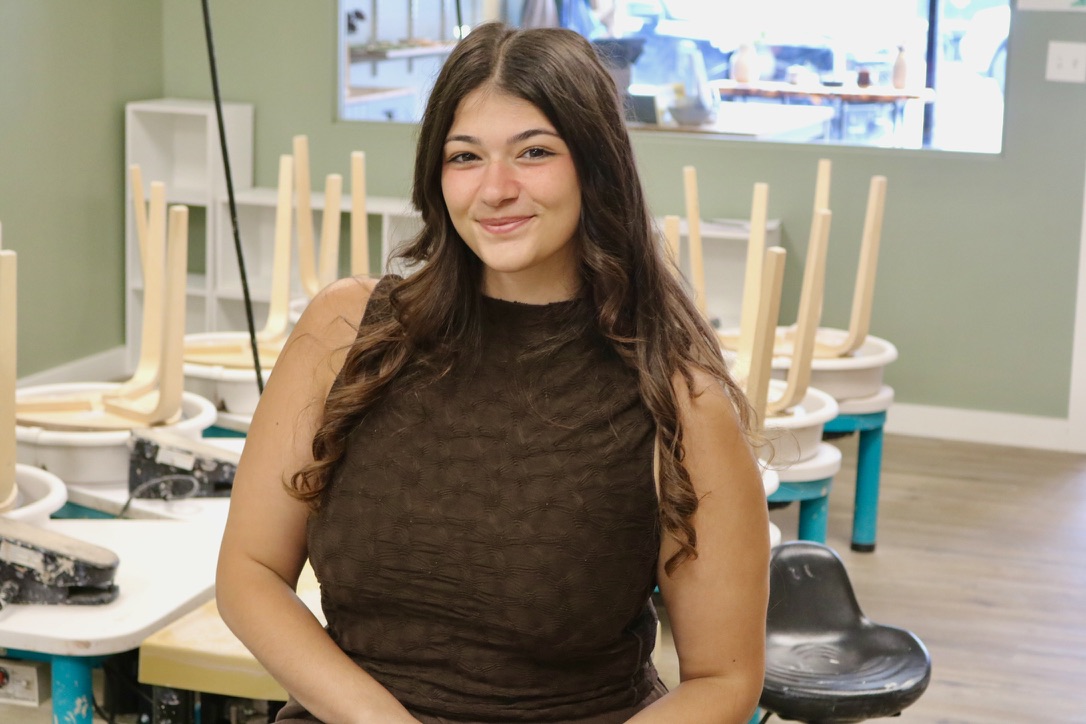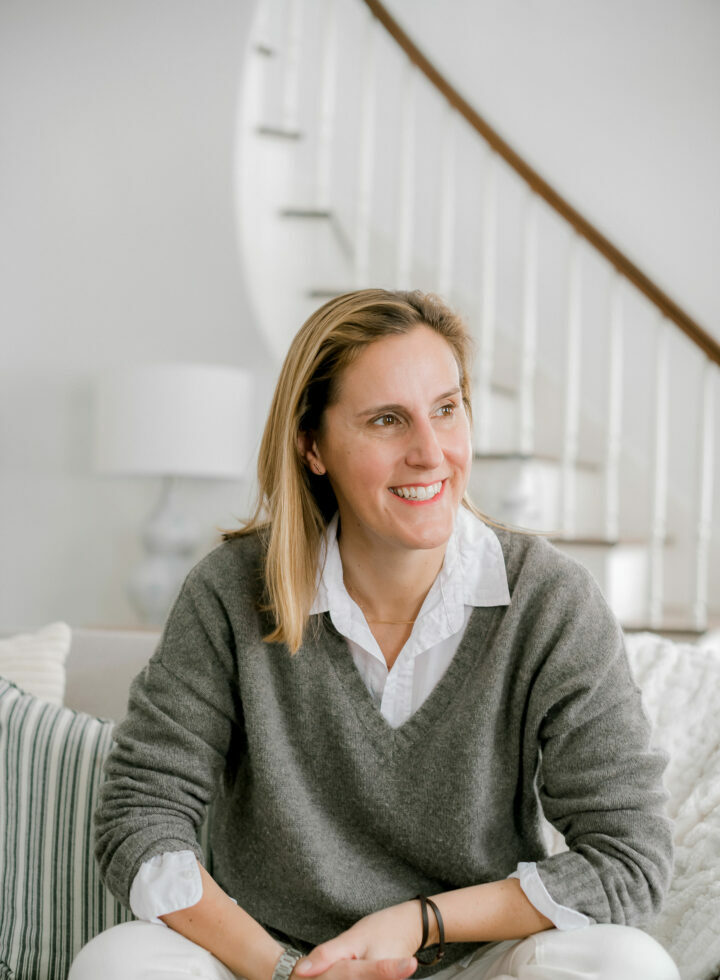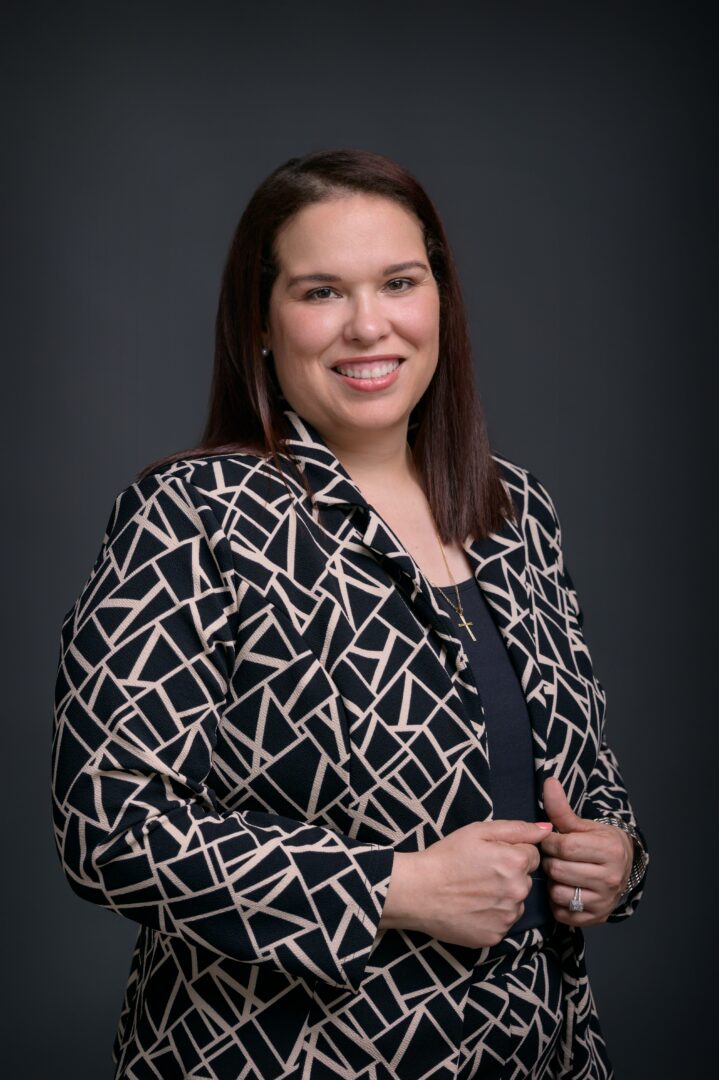
We’re looking forward to introducing you to Dr. Jessica Lugo Melendez. Check out our conversation below.
Jessica, really appreciate you sharing your stories and insights with us. The world would have so much more understanding and empathy if we all were a bit more open about our stories and how they have helped shaped our journey and worldview. Let’s jump in with a fun one: What’s more important to you—intelligence, energy, or integrity?
This is a great question. As a pastor, educator, and administrator, I have learned that leadership begins with example. Having said that, for me, integrity is non-negotiable because it is the foundation on which trust, credibility, and long-term impact are built. At the end of the day, being able to go to bed with a clear conscience, knowing that my decisions were grounded in honesty, fairness, and alignment with my values, is priceless.
Integrity allows me to look my family, my stakeholders, my students, my congregation, and my community in the eye and ask of them only what I am willing to model and give myself. In my experience, energy and intelligence flow as byproducts of living and leading with integrity: when I act with transparency and consistency, I am more focused, more motivated, and better able to bring my best ideas and efforts to the work.
So while all three qualities matter, integrity is what anchors and elevates the others, because without it, neither intelligence nor energy can be trusted or sustained.
Can you briefly introduce yourself and share what makes you or your brand unique?
Sure thing! I’m Jessica Lugo Meléndez. I was born in San Juan, Puerto Rico, and raised in Deltona, Florida, and my vocational journey has always lived at the intersection of faith, education, and community. I am an ordained minister in the American Baptist Churches and have served as a corporate professional for over 25 years, while also teaching for the last 12 years. Education, especially the formation of emerging leaders, has always been my passion.
I consider myself a Visionary Strategic Catalyst. For more than two decades, I’ve worked across ministerial and organizational settings, contributing to theological, ecclesial, and administrative publications and initiatives. My academic background includes a Doctor of Ministry in Biblical Teaching and Preaching from Liberty University, a Master of Divinity from the Evangelical Seminary of Puerto Rico, and dual degrees in Business Administration from Ana G. Méndez University. Yet, despite all the academic accomplishments, I always say that my most important calling is to serve.
In 2024, I became the ninth Executive Director of the Association for Hispanic Theological Education (AETH), where I oversee a broad portfolio of programs, including the Justo and Catherine González Resource Center. In this role, I have the privilege of strengthening theological education for Hispanic communities and building pathways that empower leaders to serve both church and society with integrity and depth across the Americas.
Okay, so here’s a deep one: What was your earliest memory of feeling powerful?
For me, it’s less about power and more about influence. I lead from a servant-leadership model in every context, pastoral, academic, and administrative, so I don’t tend to see my experiences in terms of power.
If I think about where I’ve felt the deepest sense of meaningful influence, it has been in the classroom, first as a student and now as a professor. I was the type of student who always helped the rest, and without knowing it I was for sure influencing my classroom peers. Over the years I feel I still do that, but now as a professor, when both undergraduate and graduate students reached out long after our time together to share decisions they made, careers they pursued, or moments of growth that were shaped by something they learned in my course.
Those conversations remind me that authentic leadership isn’t about holding power; it’s about the privilege of shaping lives. Knowing that something I taught or modeled contributed to their journey gives me a profound sense of humble authority and gratitude. That, to me, is the truest form of “power”: the ability to help others grow, discern, and lead well.
Was there ever a time you almost gave up?
Absolutely, though I would frame it more as a moment of pause than a moment of surrender. When I was pursuing my second master’s degree, I reached a point where the demands of work, ministry, and family converged in a way that made it unsustainable. I stepped back for a season, and at the time, it felt like I was giving up. But with reflection, I recognized that what I truly needed was rest and realignment, not resignation.
That experience taught me that sometimes what looks like giving up is really pivoting, reassessing priorities, and choosing wellness, for myself and for the people I care about. Taking that break allowed me to return stronger, more focused, and more grounded in my purpose. And in hindsight, it became one of the most formative decisions I’ve made in my educational and professional journey.
Next, maybe we can discuss some of your foundational philosophies and views? What would your closest friends say really matters to you?
My closest friends, which aren’t that many, would probably say that what matters most to me is quality over quantity, especially when it comes to relationships and experiences. I’m very intentional about being present, and I don’t take that lightly. Whether it’s with family, friends, colleagues, or students, I want my presence to be meaningful and valuable.
For me, it’s not about collecting titles, things, or even large circles of people. What fills me is the depth of the experience, conversations that matter, moments that shape us, and relationships built on trust and mutual respect. I think my friends would say that I invest deeply, I show up fully, and I care more about creating something authentic than something impressive.
In the end, it’s not the material gains but the meaningful connections and shared experiences that give life richness and purpose, and that’s the way I try to live every day.
Thank you so much for all of your openness so far. Maybe we can close with a future oriented question. What will you regret not doing?
That is a deep question. The greatest regret I could ever have is living without intentionality. In every season of my life, whether as a mother, wife, daughter, pastor, educator, colleague, or simply as a citizen of the world, I strive to show up with purpose and to offer my very best. Not perfection, but excellence grounded in integrity and authenticity.
I would regret moving through life passively or settling into mediocrity. My calling has always pushed me toward meaningful service, toward investing deeply in people, and toward aligning my work with my values. To live or lead without that sense of purpose would feel like a betrayal of the gifts God has entrusted to me and the communities I am called to serve.
So for me, regret would come not from taking risks or making mistakes, but from failing to live fully, failing to serve, to grow, to lead with integrity, or to use my influence for good. My commitment is to live intentionally, to be fully present, and to steward every opportunity with excellence and compassion. That, to me, is a life without regret.
Contact Info:
- Website: https://www.aeth.org
- Linkedin: https://www.linkedin.com/in/jessica-lugo-dmin-mdiv-mba-7ba72671/
- Facebook: https://www.facebook.com/jessica.lugo.878183
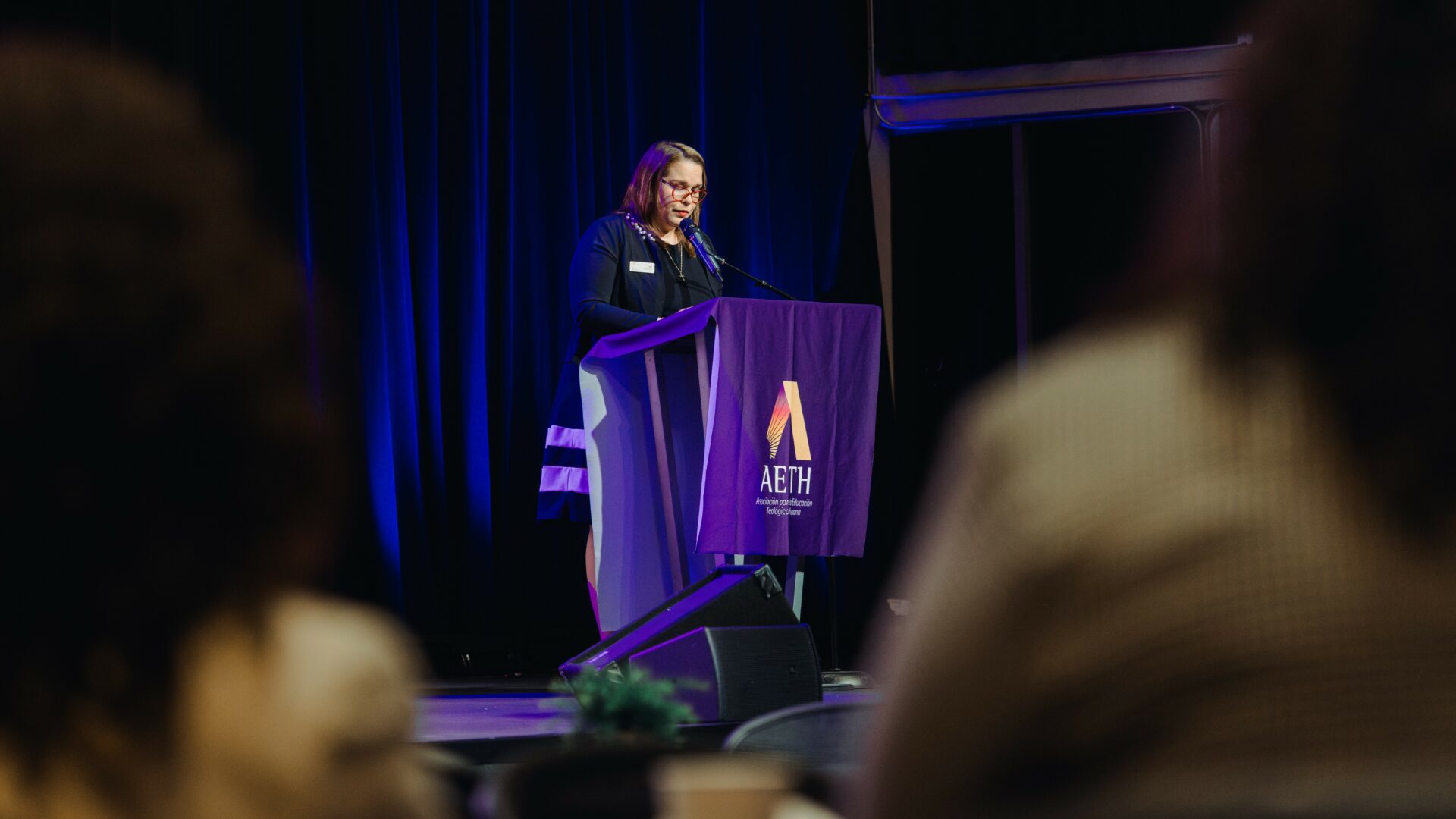
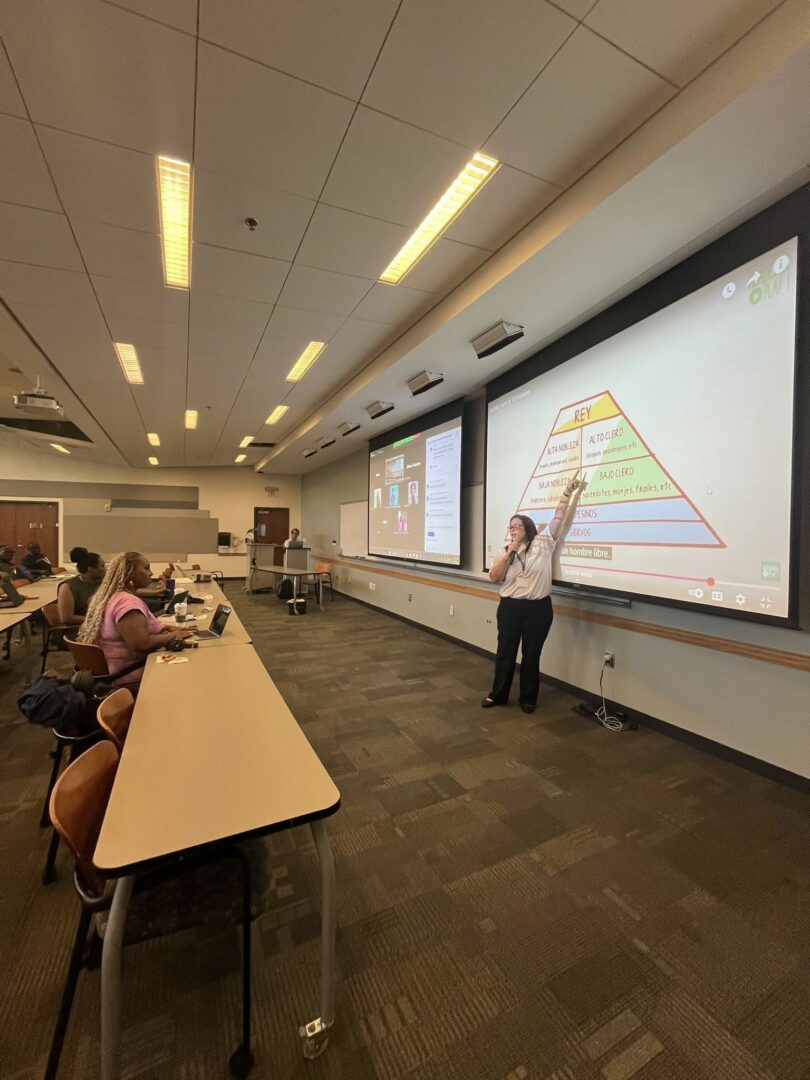
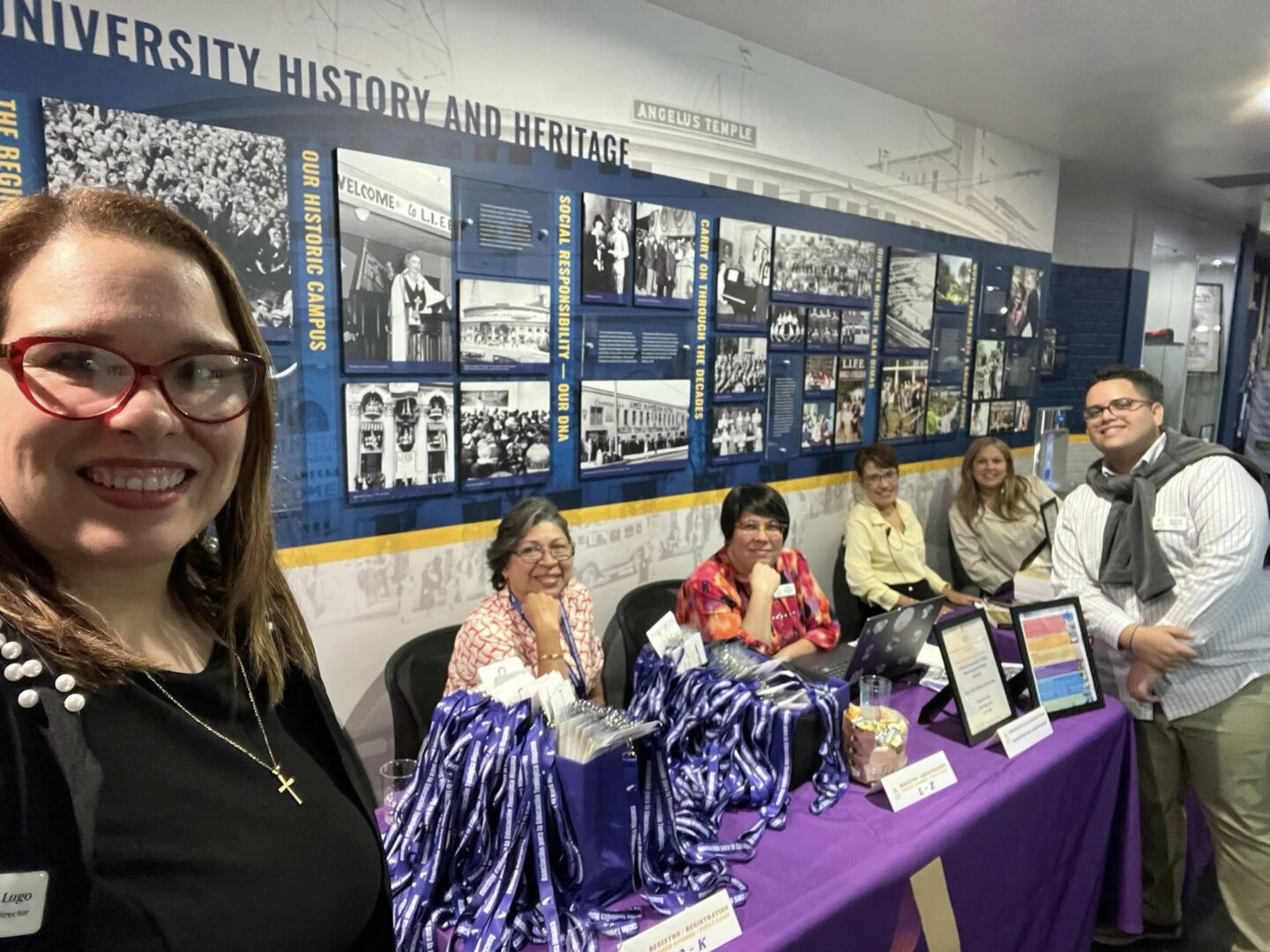
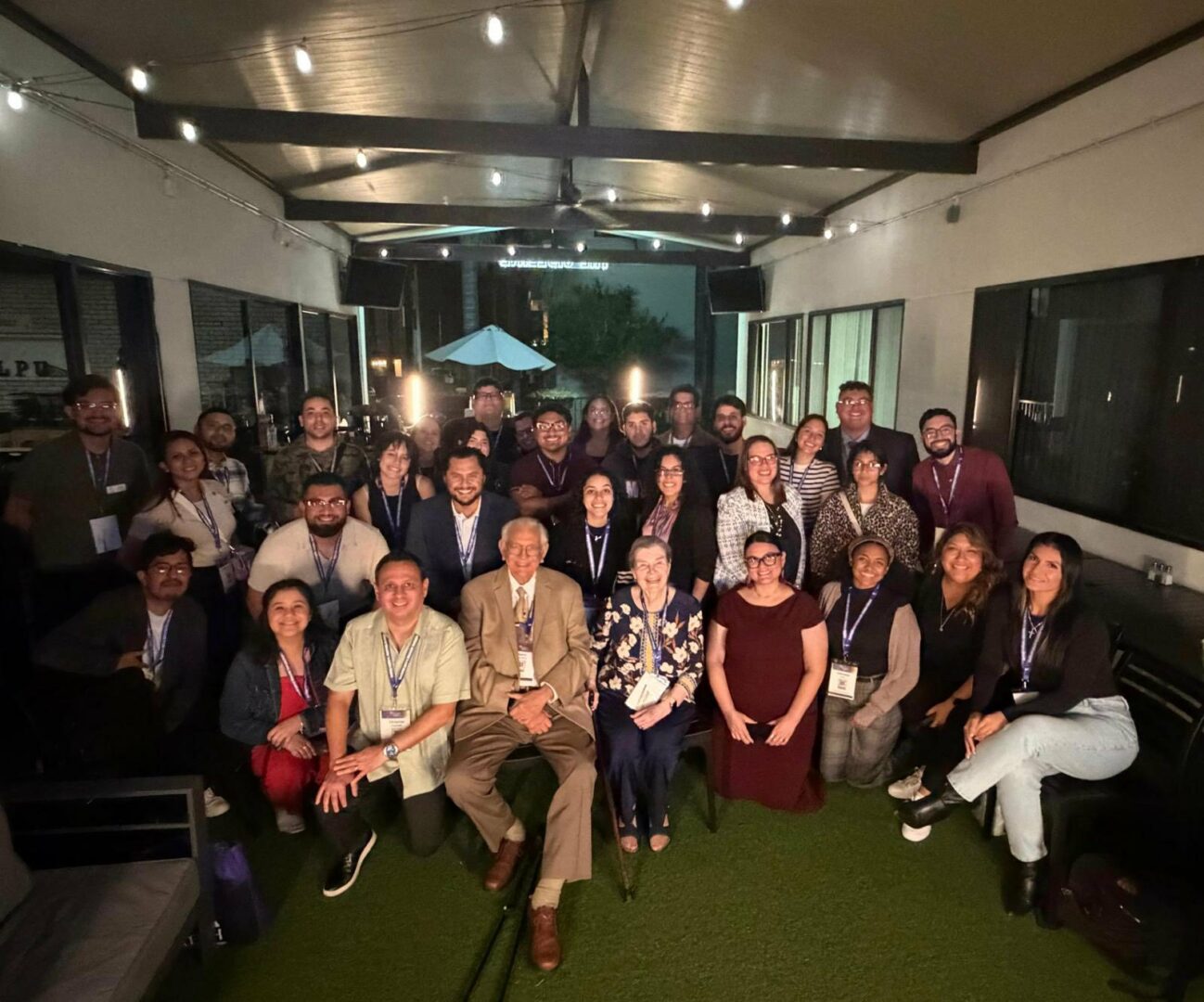
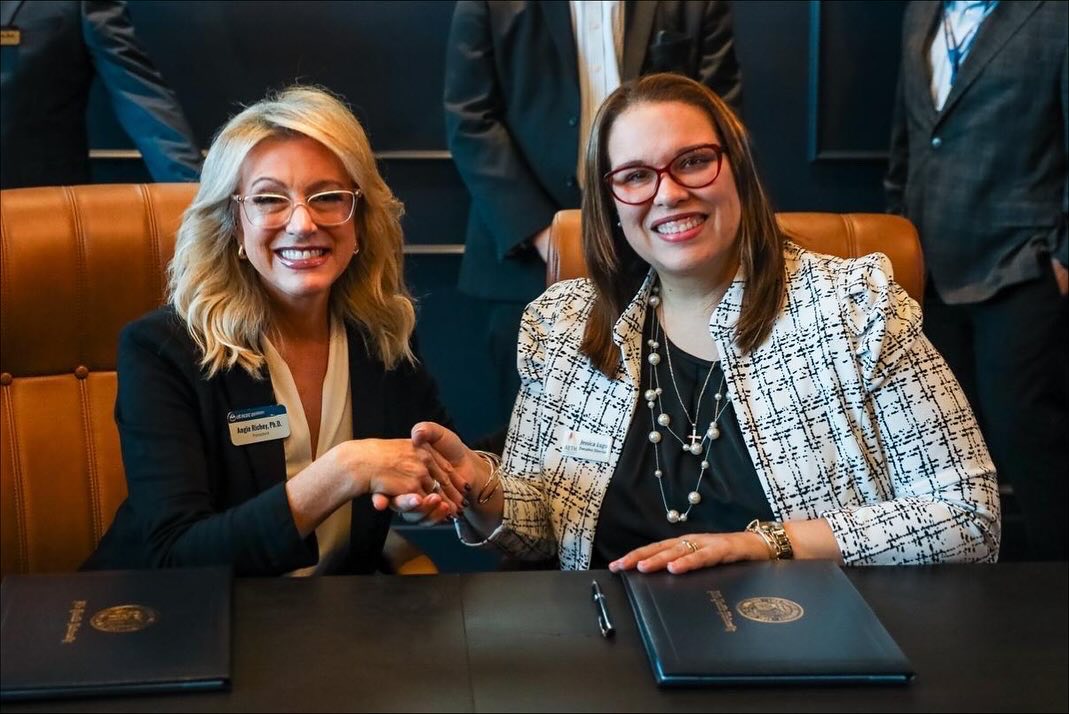
Image Credits
Image credits to:
Lydia I. Vazquez and Luis Luviano
so if you or someone you know deserves recognition please let us know here.