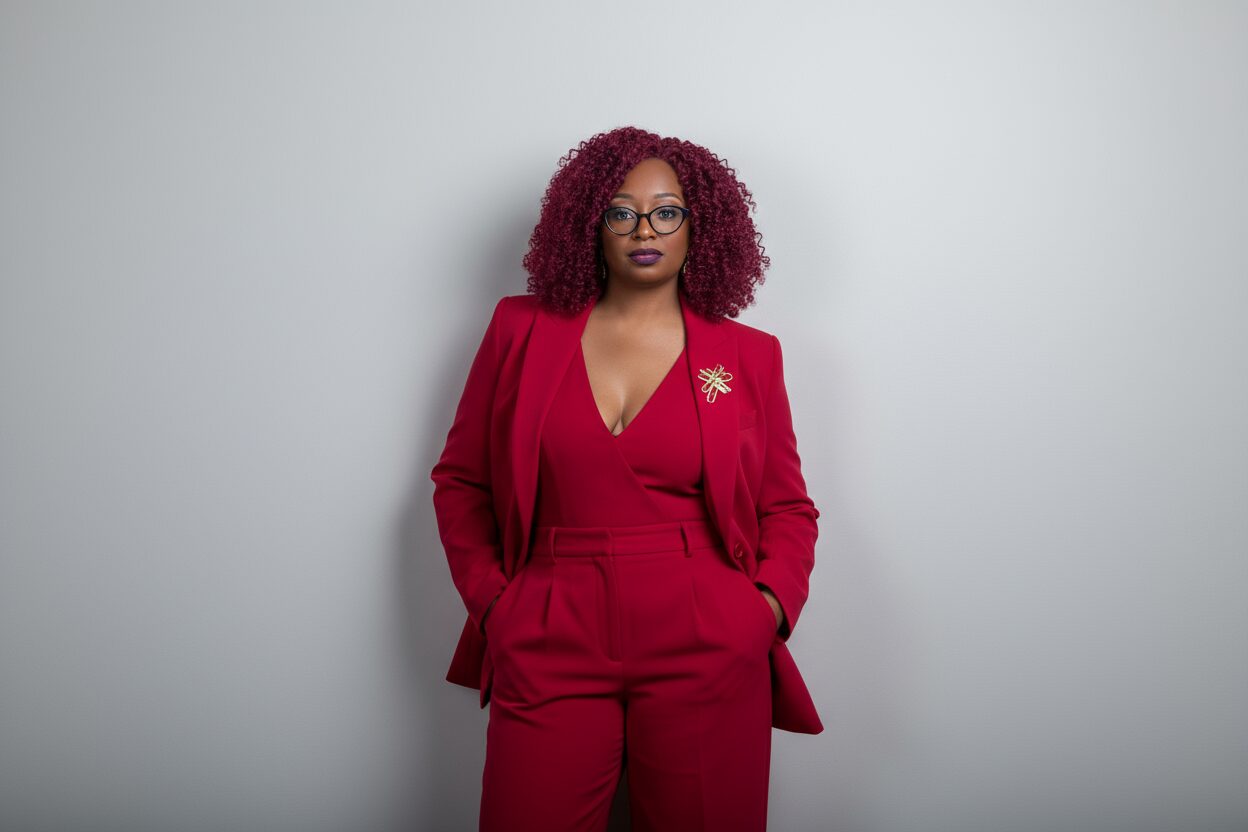
We’re looking forward to introducing you to Dr Josephine Harris . Check out our conversation below.
Dr Josephine , we’re thrilled to have you with us today. Before we jump into your intro and the heart of the interview, let’s start with a bit of an ice breaker: What do you think others are secretly struggling with—but never say?
Most people are quietly struggling with far more than they ever let on. Behind confident smiles and polished appearances, many are battling imposter syndrome—succeeding on the outside while feeling undeserving or afraid of being exposed on the inside. Others are deeply lonely, especially high achievers who are surrounded by people yet feel unseen and unsupported. Emotional exhaustion is common, the kind that sleep doesn’t fix, because it comes from constantly holding everything together, meeting expectations, and never feeling safe enough to rest. Many carry an unspoken fear of disappointing others, which keeps them overgiving, overcommitting, and saying yes when their hearts are screaming no. There is also quiet resentment—toward jobs, relationships, institutions, or even themselves—mixed with love, loyalty, and obligation. Unprocessed grief weighs heavily too, whether it’s grief over lost relationships, unmet dreams, past versions of themselves, or seasons that ended without closure. Beneath it all, anxiety about the future lingers: finances, health, purpose, and stability occupy their thoughts late at night. And for many, there is faith fatigue—still believing, still trusting, but worn down from always being strong, hopeful, and patient. The truth is, these silent struggles don’t mean people are failing; they mean they’re human, navigating life while carrying far more than anyone sees.
Can you briefly introduce yourself and share what makes you or your brand unique?
I’m Dr. Josephine L. Harris, a psychotherapist, mental-health advocate, and global speaker passionate about helping high-achieving women lead with calm confidence and emotional clarity. I’m the Founder and CEO of Calming Minds PLLC and Calming Minds Academy, where I blend evidence-informed therapy, coaching, and faith-centered principles to support women navigating anxiety, burnout, imposter syndrome, and major life transitions. I’m also a Certified Master Mental Health and Imposter Syndrome Coach, an adjunct psychology faculty member, and a multiple #1 Amazon and international bestselling author.
What makes my work unique is the intersection of clinical expertise, faith, and real-life leadership. Through Calming Minds Academy, I provide education, tools, and transformational experiences that go beyond traditional therapy—equipping women with practical strategies for emotional wellness, identity alignment, and sustainable confidence. I don’t believe in quick fixes or surface-level motivation; my focus is on deep healing, personal authority, and helping women stop shrinking and start showing up fully in their lives, businesses, and callings.
Currently, I’m expanding my speaking, writing, and educational platforms through books, masterclasses, and community initiatives centered on mental wellness, confidence, and purpose-driven leadership. Everything I do is anchored in one mission: helping people move from survival to stability, and from self-doubt to self-trust—without losing themselves in the process.
Appreciate your sharing that. Let’s talk about your life, growing up and some of topics and learnings around that. What relationship most shaped how you see yourself?
The relationship that most shaped how I see myself through a faith-based lens is my relationship with God—but it was formed and refined through my relationships with people. Growing up and throughout my life, I learned that faith is not just about belief, but about identity—who I am when no one is applauding, affirming, or approving. Through seasons of closeness and distance, certainty and questioning, my relationship with God taught me that my worth is not earned through performance, perfection, or people-pleasing, but rooted in being chosen, seen, and loved. At the same time, relationships with family, mentors, and those I was called to serve exposed areas where I tied my value to being strong, dependable, and “having it together.” Faith helped me unlearn that. It reshaped how I see myself—not as someone striving to be enough, but as someone already held by grace, guided by purpose, and grounded in truth.
Was there ever a time you almost gave up?
Yes—there were moments when giving up felt easier than continuing. Not because I didn’t have faith, but because I was tired of being strong, tired of carrying responsibility, and tired of trusting while the outcome remained unclear. There were seasons when grief, disappointment, burnout, and self-doubt collided, and I questioned whether the work, the calling, and the sacrifice were worth it. What kept me from walking away wasn’t perfection or certainty—it was grace. Faith met me in the pauses, the tears, and the unanswered prayers, reminding me that resting is not quitting and doubt is not failure. I didn’t give up because I learned that sometimes perseverance doesn’t look like pushing harder; it looks like staying present, being honest with God, and allowing Him to carry what I no longer could. Those moments didn’t break me—they clarified my purpose and deepened my trust.
Next, maybe we can discuss some of your foundational philosophies and views? What’s a cultural value you protect at all costs?
A cultural value I protect at all costs is integrity rooted in faith and wholeness—being the same person in private that I am in public. In a culture that rewards hustle, image, and constant productivity, I’m intentional about protecting emotional honesty, ethical leadership, and spiritual alignment. I don’t believe success is worth it if it costs peace, relationships, or mental health. Whether in my personal life, my practice, or my leadership, I prioritize boundaries, transparency, and grace over performance and perfection. That value shapes how I show up, how I lead, and how I serve—because impact without integrity is empty, and faith without alignment is unsustainable.
Okay, so let’s keep going with one more question that means a lot to us: How do you know when you’re out of your depth?
I know I’m out of my depth when I start operating from pressure instead of peace. When I’m rushing decisions, ignoring my body’s signals, overexplaining my “yes,” or feeling the need to prove myself, that’s usually a sign I’ve stepped beyond alignment. I also pay attention to when my prayer life becomes reactive instead of reflective—when I’m asking God to bless what I’ve already decided rather than inviting Him to lead. Being out of my depth doesn’t mean I’m incapable; it means I need to pause, seek wisdom, and realign. Faith has taught me that depth isn’t about how much I can carry alone—it’s about knowing when to surrender, ask for help, and trust that rest and discernment are part of wise leadership.
Contact Info:
- Website: https://Www.calmingmindsllc.com
- Instagram: @@drjoharris
- Linkedin: @dr-josephine-harris
- Twitter: @drjoharris5
- Facebook: @DrJoHarris
- Other: https://Www.drjosephineharris.com
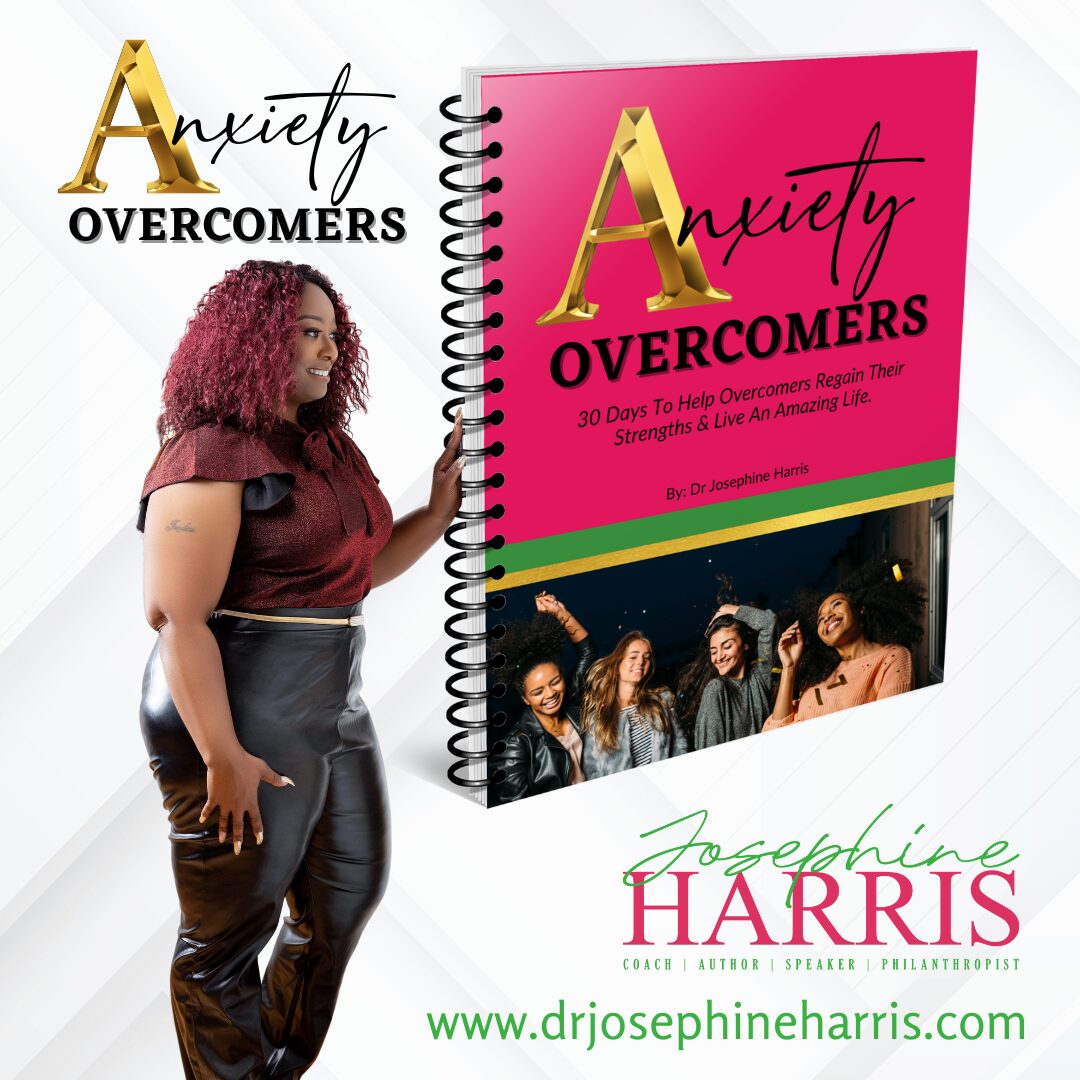




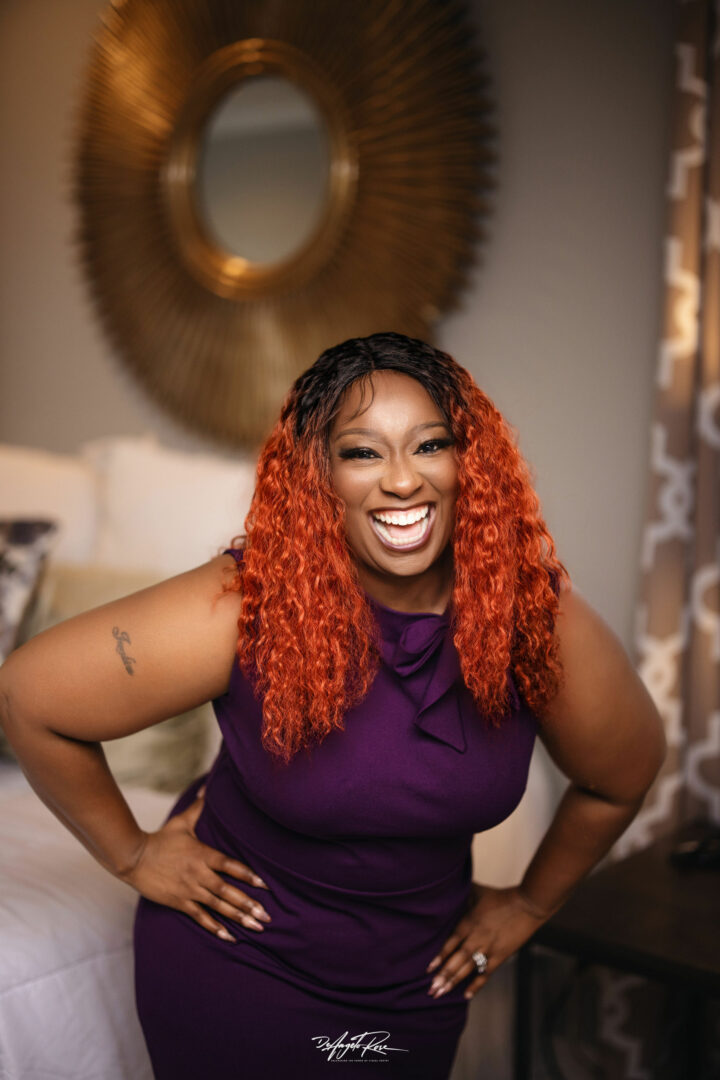
Image Credits
Photos; Rose Tour By De Angelo Rose
Make up: Derricuis Breon
so if you or someone you know deserves recognition please let us know here.