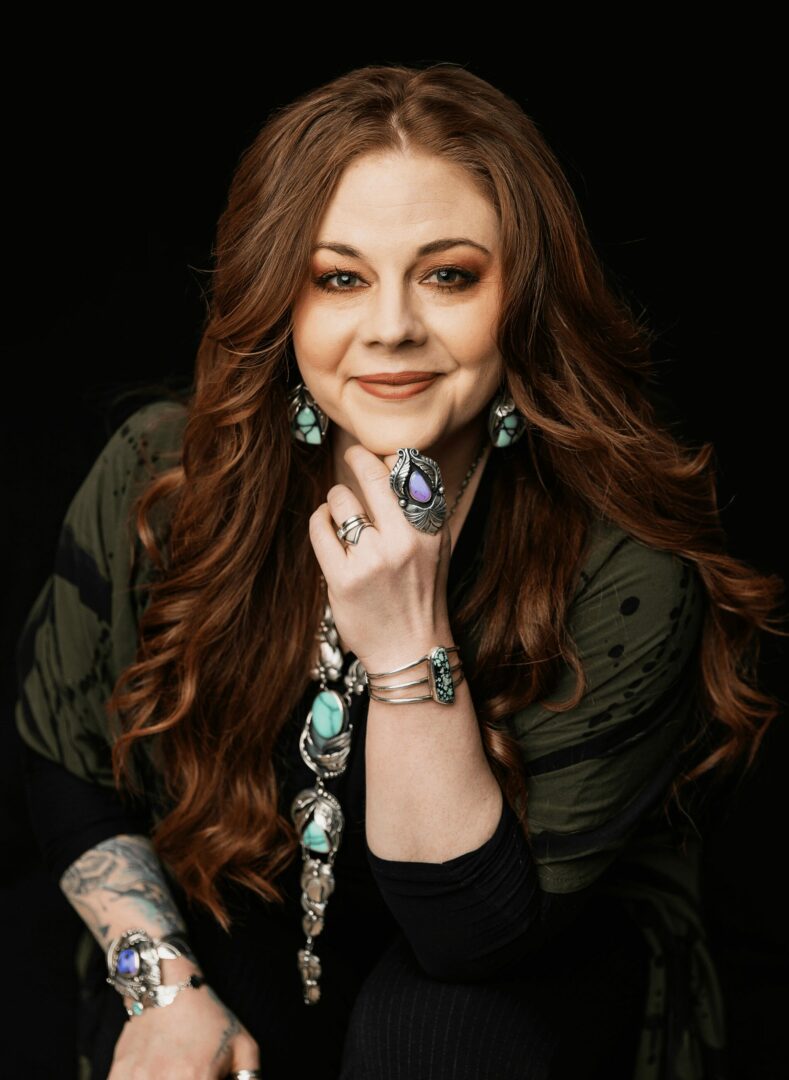
We recently had the chance to connect with Erin Kandoll and have shared our conversation below.
Erin, really appreciate you sharing your stories and insights with us. The world would have so much more understanding and empathy if we all were a bit more open about our stories and how they have helped shaped our journey and worldview. Let’s jump in with a fun one: What are you being called to do now, that you may have been afraid of before?
I’m being called to expand beyond the walls of my 19-foot renovated shipping container studio on a tiny Southeast Alaskan island—my jewelry business HQ and silversmithing station for the past years. Not just geographically, but in every way that matters. That means asking for help, leaning into the work I’ve been avoiding, giving back on a bigger scale, and building something that can run without me constantly at the helm. Here’s what that looks like.
Expanding my reach. It’s already been happening virtually on social media and through my e-commerce site, but last year I started traveling down to festivals in the lower forty-eight—starting with the Anacortes Art Festival. This year, I added two more additional shows to the lineup. Each time I set up my portable storefront and watch people walk through, I see the difference a face-to-face connection makes. Men walk into my booth and light up over my new masculine line, TG Rugged—chunky turquoise rings and sea-inspired pieces they say they’ve never seen anything like this at markets. That feedback fuels me, but it also means I have to keep showing up in bigger ways, getting in front of more eyes, branching into wholesale in the Pacific Northwest, and traveling more.
I’ve been here before—that point where you can’t grow anymore until you make another leap. I’m noticing it’s a pattern in running your own business. Usually, the leap is a little intimidating until you get on the other side of it and realize it was the path all along.
Asking for help and leaning into the work I’ve been avoiding. My mentor once told me that the most significant work you need to do is in the work you’re avoiding. That hit hard. I brought on Olivia part-time after my assistant Mandy moved away, and she grounds me when my artist brain gets overwhelmed. I also started working with the Alaska Small Business Development Center—a free resource for Alaskans I hadn’t even known existed. They helped me create a detailed business plan and tackle areas of the business I’d been avoiding. I consistently seek out my weak spots —the places where I need to grow —and utilize the resources at my disposal to turn them around. Asking for help isn’t a weakness—it’s how you build something that lasts.
Giving back on a bigger scale. On my 40th birthday last year, I reached a milestone that wasn’t just for me—it unlocked the ability to start pursuing the humanitarian dreams I’d always had. When I was in Bali earlier this year, I laid the groundwork to begin donating a portion of the proceeds to support initiatives that are truly near and dear to my heart. More on that in the coming months—I’m excited to share what we’re building, but it’s still in development.
Building something that can run without me constantly at the helm. I want systems in place so I can focus on what I love most—custom work, connecting one-on-one with clients, and bringing their stories to life in silver and stone. That’s where my heart has always been. Everything else has been about getting here.
The scariest part of all of this? The visibility. Stepping into the role of teacher and sharing my journey so other makers can learn from it. Pitching my story to more outlets. Being seen in ways that feel too big for who I thought I was.
I’m being called to expand in every sense of the word. To scale my reach, trust my team, give back, tackle the hard stuff I’ve been avoiding, step into spaces that still feel too big for me—and do it anyway.
Because growth doesn’t happen when you keep doing what’s comfortable. It happens when you take the leap.
Can you briefly introduce yourself and share what makes you or your brand unique?
I’m Erin, a self-taught silversmith and intuitive designer working from a 19-foot remodeled shipping container on the shores of Southeast Alaska. Whales breach beyond my windows while ancient rainforest trees tower behind me. I’m held between ocean and forest, and that duality—earth and water, stillness and movement—finds its way into everything I create.
I’m deeply connected to the stones, the silver, and the people I’m creating for. From sawing to soldering to polishing to setting—the feel of silver in my fingertips is this therapeutic process I can’t live without. Each stone tells me where it wants to sit in the design. Working at the bench becomes meditative, watching dewdrops take shape on silver leaves, forest textures appearing under my hands. I’m translating what this rainforest gives me—the way it nourishes and enriches life here—into jewelry that lets you carry that feeling with you.
What started as an expensive hobby has evolved into a beautiful, growing business that’s allowed me to connect beyond this tiny island in ways I never imagined.
You know what keeps surprising me though? The authentic community that’s building. At my last show in Bellingham, a woman drove an hour from Anacortes just to visit my booth. She’d been at the festival there earlier in the season, and when she found me again, she told me she’d given away all her other jewelry. “I finally found pieces that feel 100% like me,” she said. Stories like that—they’re what this is really about. People find jewelry that lets them show up as themselves, without apology.
At its core, this work is about connection—with nature, to stone and silver, to the human hands shaping each piece, and to the person who’ll eventually wear it. That’s what drives me every single day.
Amazing, so let’s take a moment to go back in time. Who saw you clearly before you could see yourself?
For years, I told myself I was just a hobbyist. An expensive one. The kind that takes time away from your family for something that doesn’t really matter. I could see what quality jewelry looked like—my eyes knew—but my hands couldn’t quite get there yet. There were multiple people in my life who saw the potential in me to utilize my creativity and thrive.
My best friend was shooting my work in those early years when I confided in him about how frustrated I was. “I can see the vision, but this isn’t where it’s supposed to be.” He said, “That’s the part most people don’t get past. Your eye understands quality, but your craft isn’t there yet. Nothing comes without practice. It’s like learning guitar—if you don’t keep practicing through the frustrating part, you’ll never get there.” That stripped away the ego and gave me permission to just put in the time.
Then there’s Tracy Matthews, Chelsea Farmer, and the entire community of fellow female entrepreneurs at Flourish & Thrive Academy. After my first round of courses with them, I’d tripled my sales and was buying a shipping container to renovate into a studio. Tracy began using me as an example in her courses, inviting me to guest speak and inspire new students. But when I sat in that first retreat room surrounded by some of the most successful designers in the industry, I felt like a kid playing dress-up.
They saw something I couldn’t. They looked at my work and praised my creativity and drive—not just in the jewelry, but in the storytelling, client connections and ability to put dreams into action. They recognized that I had all the pieces—I just needed to believe in them. When Tracy started holding me up as an example—the kind of designer I used to look up to—I realized how far I’d come.
My husband believed in me through every leap of faith. For nine years, jewelry was an on-and-off hobby that wasn’t generating significant income. During the pandemic, pregnant with my second child, I told him I was done. I sold off my tools, ready to focus on being a mom and figure out a different career path.
Six months later, I was on a downward spiral. Art has been my therapy since high school, and without it, I felt lost. When I heard Tracy’s podcast about laying the foundations for a jewelry business, I knew I wanted to go all in. I told him I was taking courses and making this my full-time career.
He smiled and said, “I guess we’re making jewelry again.” When I needed a shipping container, he helped renovate it. When I couldn’t scale my work anymore and needed to partner with master silversmiths in Bali to produce it on a larger scale, he said, “I guess you’re going to Bali.”
My Aunt Charlie bought my plane ticket to Bali that first year when I was struggling to figure out how to afford it. “This is your make-or-break moment,” she said. She believed I was a designer before I fully grasped it myself. That confidence from her gave me what I needed to board a plane alone for the first time, crossing oceans into unfamiliar territory—both as a traveler and as a business owner.
My mom has been my biggest cheerleader my entire life. She retired right when I committed to this business full-time, and would come up from Indiana for months at a time to care for my daughter during work hours—reading books, playing games, and providing her with the nourishment I couldn’t offer weekdays from 8 to 5 while building this dream. Knowing my kids were so well taken care of was everything. My mom has always believed in me and supported every wild idea I’ve ever had. Watching her survive a divorce with five kids while putting herself through school and working at Walmart gave me the work ethic I carry today and changed the path for my own kids’ future—showing them you can make a living from your dreams if you’re willing to work hard for it.
These people saw me clearly before I could see myself. They saw a professional when I saw a hobbyist. They saw someone whose work mattered when I thought I was just taking time away from my family. They saw the potential in me to achieve my wildest dreams.
Now I get to do that for my clients. I watch them try on a piece they’re unsure about and suddenly stand taller, see themselves differently. Just as these people held up a mirror for me, now I get to show others what’s already there—perhaps they just needed someone to see it first.
Was there ever a time you almost gave up?
Yes. And it’s still vulnerable for me to talk about.
I’d been making jewelry for about nine years, constantly evolving—from wire twisting, to crystals, to turquoise, to copper riveting. People kept coming back to my shows at our local art gallery because they could see me growing as an artist. I was exploring, improving, trying to find the style that really resonated with me.
But I hit a breaking point. Trigger warning: pregnancy loss. I suffered a miscarriage a week before lockdowns began back in 2020. My son was in kindergarten, my high-risk mother lived with us, and we were navigating a world that had shut down overnight. We got pregnant again a few months later, and I spent that pregnancy extremely sick while homeschooling my kindergartner.
That’s when I started giving up. The jewelry wasn’t generating real money—I’d essentially been giving away my work at the prices I was charging. I couldn’t keep up with being a mom, being pregnant, and pouring time into something that felt like it was taking more than it was giving. So I started selling off my tools and settled into motherhood, ready to figure out what career path would actually support our family.
Six months after having my daughter, I realized something was missing. I’d lost a part of myself that had been there for nearly a decade. Jewelry making has been my therapy, my refuge, helping me heal from trauma. I couldn’t just live without it.
I’d often listen to podcasts while walking with my daughter strapped in the front pack. That’s when I stumbled upon Tracy Matthews’ podcast “Thrive By Design” about laying the foundations for a business instead of running an expensive hobby. It clicked instantly—I knew that’s what I needed. I needed to go back to school, learn how to actually run a business, understand profit margins, and all the basics I’d never learned.
I started taking courses between naps, listening while breastfeeding. I even started making jewelry again while nursing, which was interesting to navigate. I began with a beaded collection—that’s how my Northern Tapestry line was born—and slowly rebuilt while focusing on the business side of things. One by one, the pieces fell into place. I was fully immersed in silversmithing, launching collections each month, acquiring new tools, and building my stone collection for the custom jewelry business I’d dreamed about. It was only then that I finally discovered my signature style, crafting rainforest stories in silver.
When I noticed that my sales had tripled and I was growing out of the tiny, dark corner in our garage, a shipping container came up for sale that same day on our local buy-sell-trade site. We grabbed it, cleared a space beside our home, and that was that. The business just continued to snowball from there.
It took almost giving up to realize I couldn’t live without this work. And that realization changed everything. I stopped treating it like a hobby that stole time from my family and started building it into something that could support us—emotionally and financially. Now, when I’m at the bench, I’m not just making jewelry. I’m doing the work that keeps me whole.
Alright, so if you are open to it, let’s explore some philosophical questions that touch on your values and worldview. What are the biggest lies your industry tells itself?
There are several lies the industry tells itself, but I’ll focus on the ones that personally held me back—the beliefs that limited my growth until I was willing to challenge them.
#1. You will always be a starving artist. That making an honest living from your passion is naive or impossible. I believed that too, until I stopped treating my work like an expensive hobby and started learning the business side—profit margins, pricing strategy, multiple revenue streams. Now my business supports my family financially and emotionally—I’m not just surviving as an artist, I’m thriving.
#2. To be a legit maker or silversmith, you must make everything yourself. That if you scale in any way, you’re somehow compromising your integrity.
For years, I believed this. I grew up watching a local jewelry maker create gorgeous enamel work—all by herself—and I thought that’s what it meant to be a legitimate maker.
So when I hit a breaking point and my mentor told me, “You can’t scale any more if you keep trying to do it all yourself,” I had to reckon with some deeply held beliefs about why I felt I had to make every single thing with my own two hands. The truth is, there came a point when it became impossible.
I’d been drowning. Working before my kids wake up, during their naps, and after they go to bed. Managing my e-commerce site, wholesale accounts, in-person shows, and creating new collections—all while trying to hand-make every single piece. The quality was suffering because I couldn’t keep up with the quantity, and I was barely present for my family or managing the business side of things.
That’s when I had to ask myself: What are my non-negotiables? What lines won’t I cross?
For me, it was staying 100% handmade. No casting. I wasn’t willing to compromise on that because I’m deeply passionate about the art of Silversmithing. However, I realized I could partner with master silversmiths in Bali who shared my commitment to and love for making handmade craftsmanship. I flew there to get to know the people who would be helping me bring my visions to life and work alongside them. These artisans, who’ve been practicing ancient techniques for generations, have become like family. We taught each other—I showed them new techniques, they showed me ancient ones. The mutual respect we built changed everything.
Twisted Ginger Jewelry is 100% handmade with loving intention, whether shaped by my hands in Alaska or crafted by my team in Bali! I haven’t compromised my values—I’ve just stopped trying to do it all alone.
Here’s what I’ve learned: Your business model is personal. What works for me might not work for you, and that’s okay. Maybe you want to make every single piece yourself forever—that’s beautiful if it’s sustainable for you. Perhaps you’d like to collaborate with a production team, utilize casting, or adopt a completely different approach. None of that makes you more or less legitimate.
The only thing that matters is that your business decisions align with your own values, not someone else’s idea of what a “real” maker should be. Write down your non-negotiables, the things you won’t compromise on, and build from there. Don’t let other people’s judgments—or your own inner critic—tell you there’s only one right way to do this.
As long as you’re not hurting anyone and you’re creating work you’re proud of, you’re doing it right. My clients love the quality of the jewelry they receive, and that’s because I take the time and attention to give them high quality jewelry, rather than burning myself out by trying to do it all alone.
We should be celebrating each other’s success, not gatekeeping what it means to be authentic. There’s room for all of us at the table, whatever our business models look like.
Okay, so let’s keep going with one more question that means a lot to us: Are you tap dancing to work? Have you been that level of excited at any point in your career? If so, please tell us about those days.
Heck yes, I’m tap dancing to work, EVERY SINGLE DAY!—even if my tap shoes are eternally soggy from the twenty steps between my front door and the shipping container studio. Rainforest living, you know? But I’m dancing anyway, even if that means dancing in the rain.
I always knew I wanted to be my own boss, but I never imagined it would look like this. Waking up to whales breaching outside my window. Spending my days with silver in my fingertips, stones guiding my hands, creating work that actually means something to the people who wear it. Connecting with clients on a deep level. Building friendships through this work—not just through social media, but through my travels and partnership with my silversmith family in Bali. These connections have been life-changing for me.
When I was drowning—working every spare moment, selling off my tools, convinced I had to give this up—I couldn’t have imagined feeling this way. But that’s precisely why the struggle was worth it. Because now I get to show my children what’s possible when you fight for what you’re meant to do.
I’ve been an artist for as long as I can remember. Painting, sculpting, makeup for movies, special effects, elaborate Halloween makeups, and then silversmithing. I just never knew exactly what form it would take. But this—this is it. And I can’t believe I almost walked away from it.
The best part? I’m building something that can grow beyond me. From day one, I’ve wanted this business to be about more than just jewelry—I want to leave this world better than I found it. I’ve laid the groundwork for humanitarian initiatives that we will start launching in 2026, supporting clean water and women’s healthcare in the communities that have helped me build this dream. I’m creating opportunities for my kids that they didn’t have, generating wealth not just monetarily but in the connections we form across cultures and through this work.
This isn’t just a job. It’s the life I fought like hell to build, and I’m so grateful I didn’t give up when it got hard.
So am I tap dancing to work? You bet your sweet biscuits I am, every single day!
Contact Info:
- Website: https://www.twistedginger.me/
- Instagram: https://www.instagram.com/twistedgingerjewelry/
- Facebook: https://www.facebook.com/TwistedGingerJewelryLLC
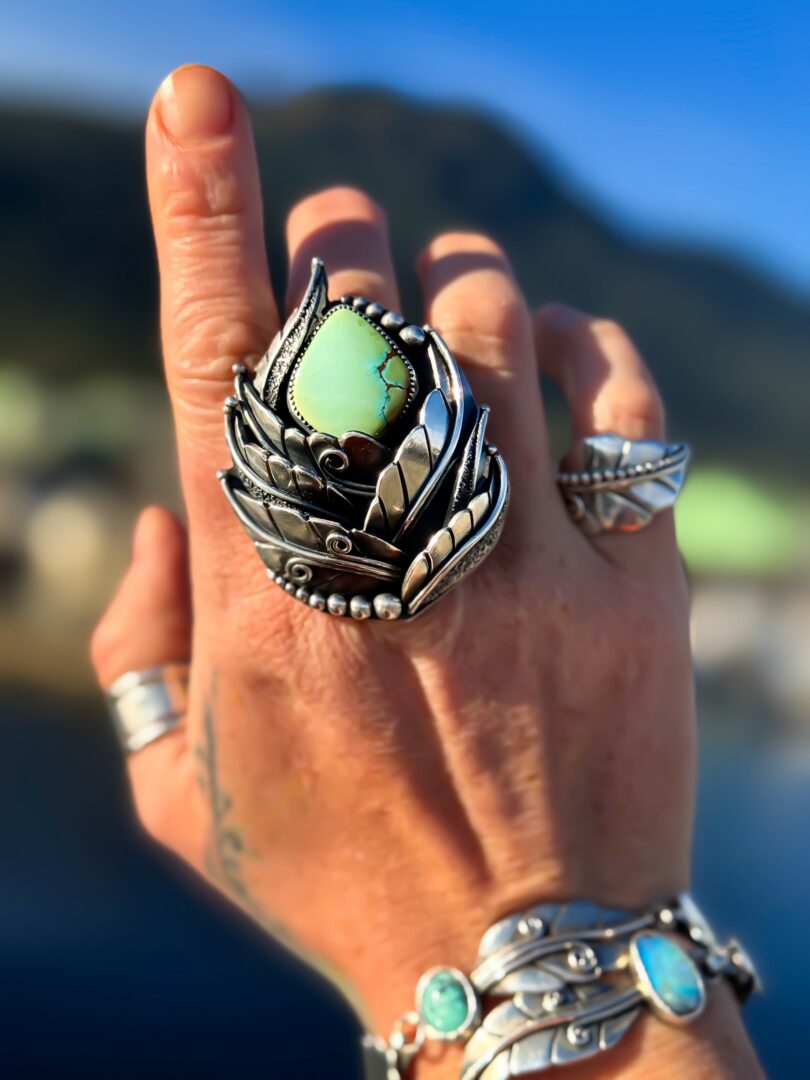
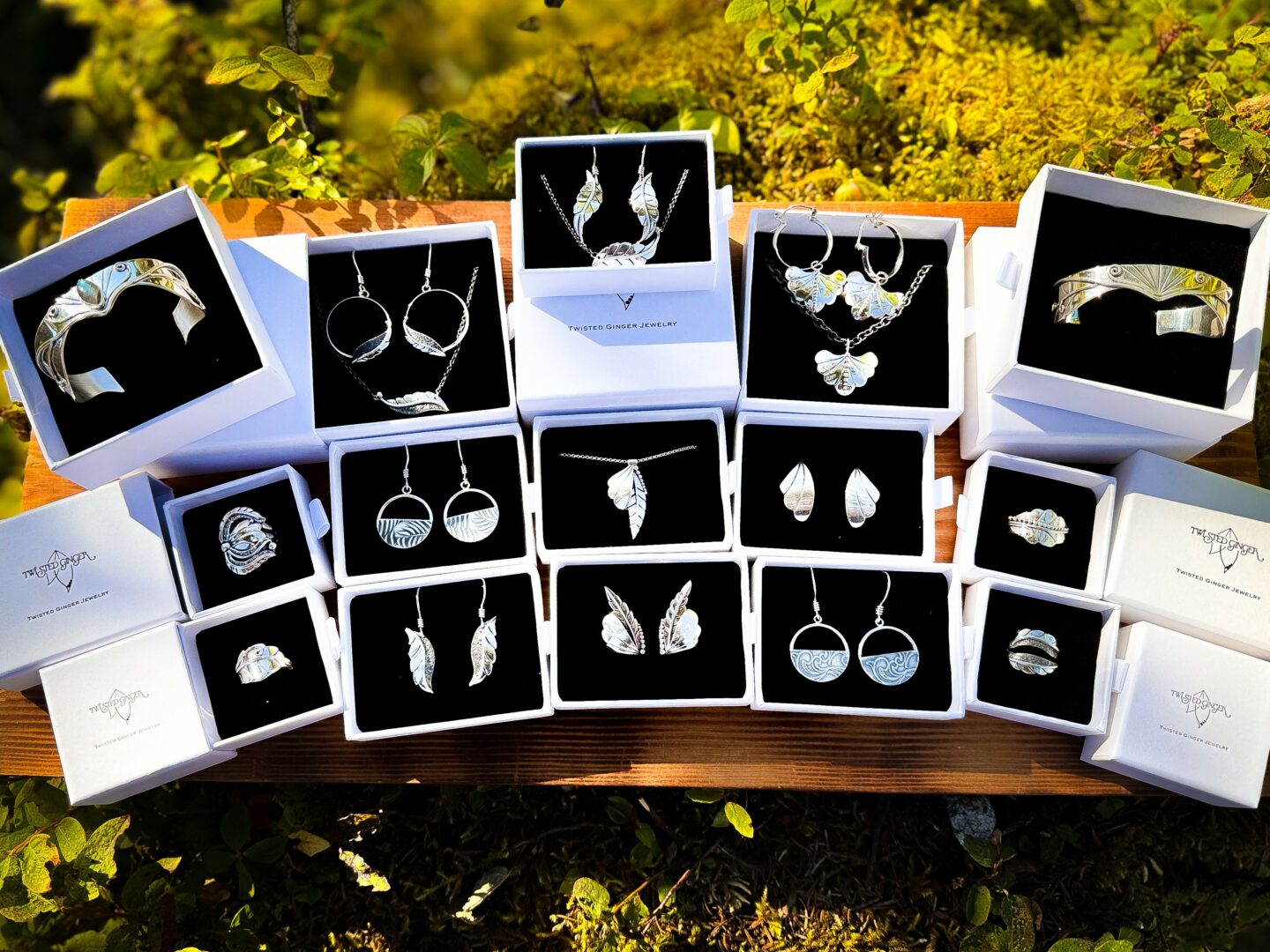
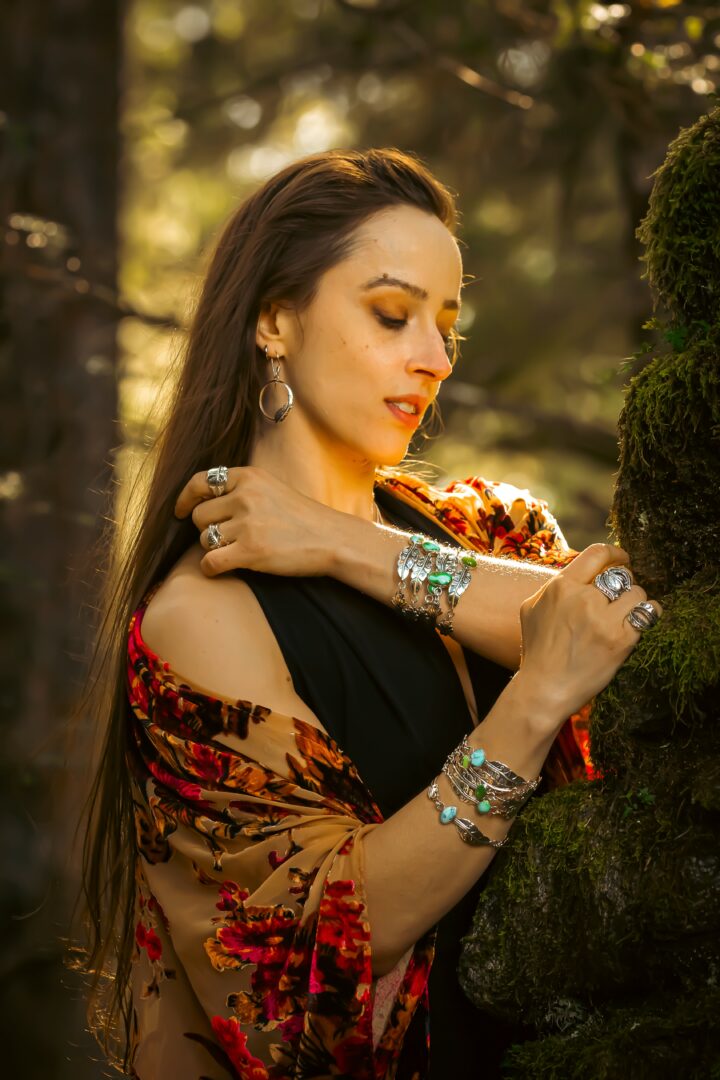
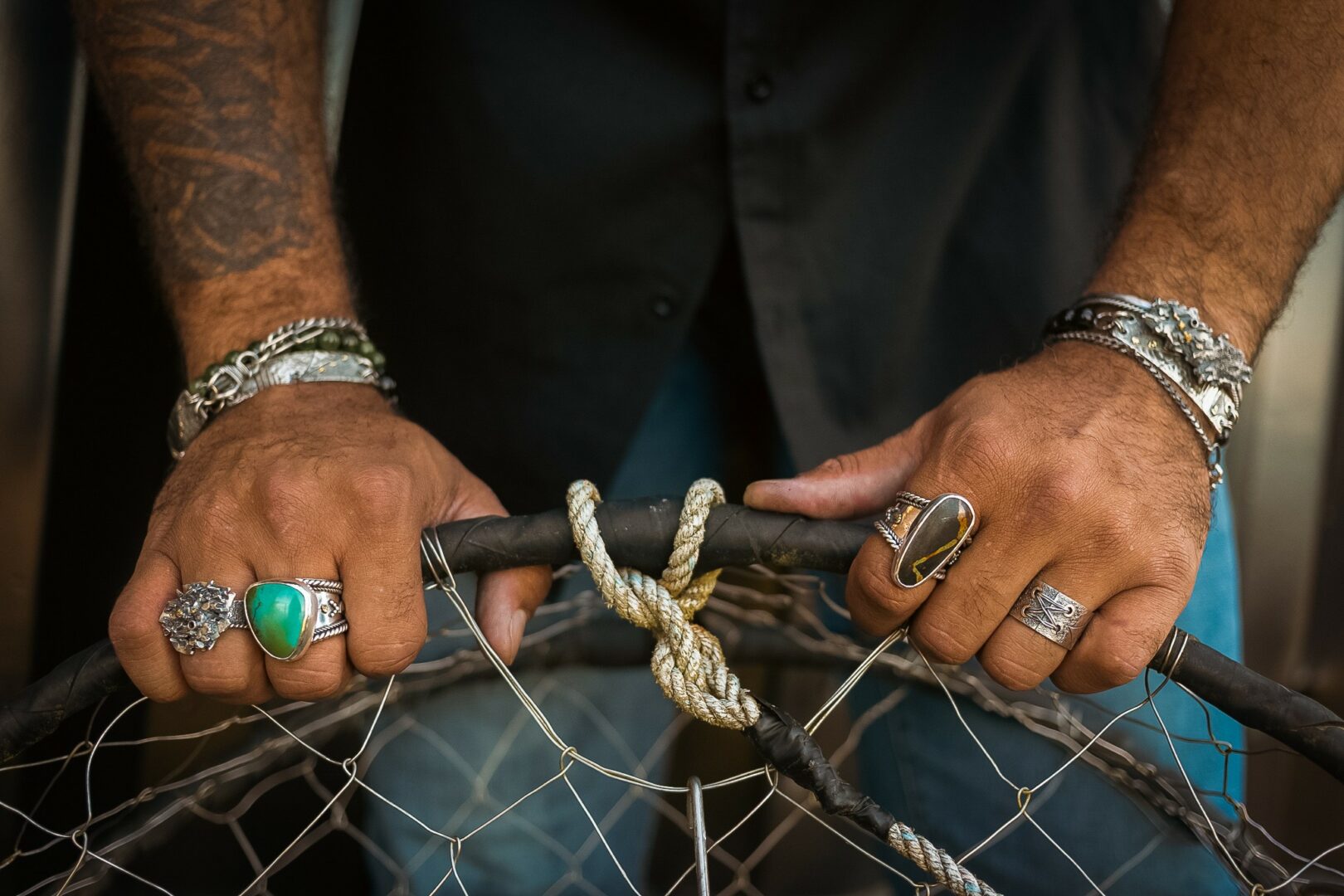
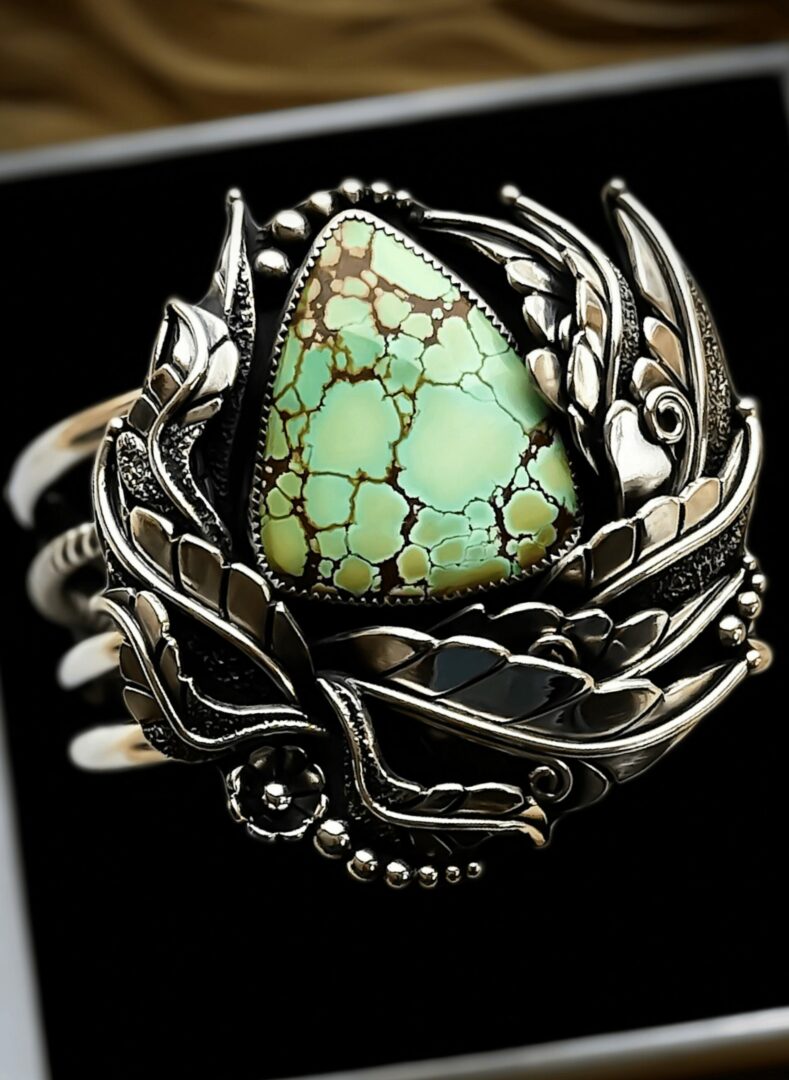
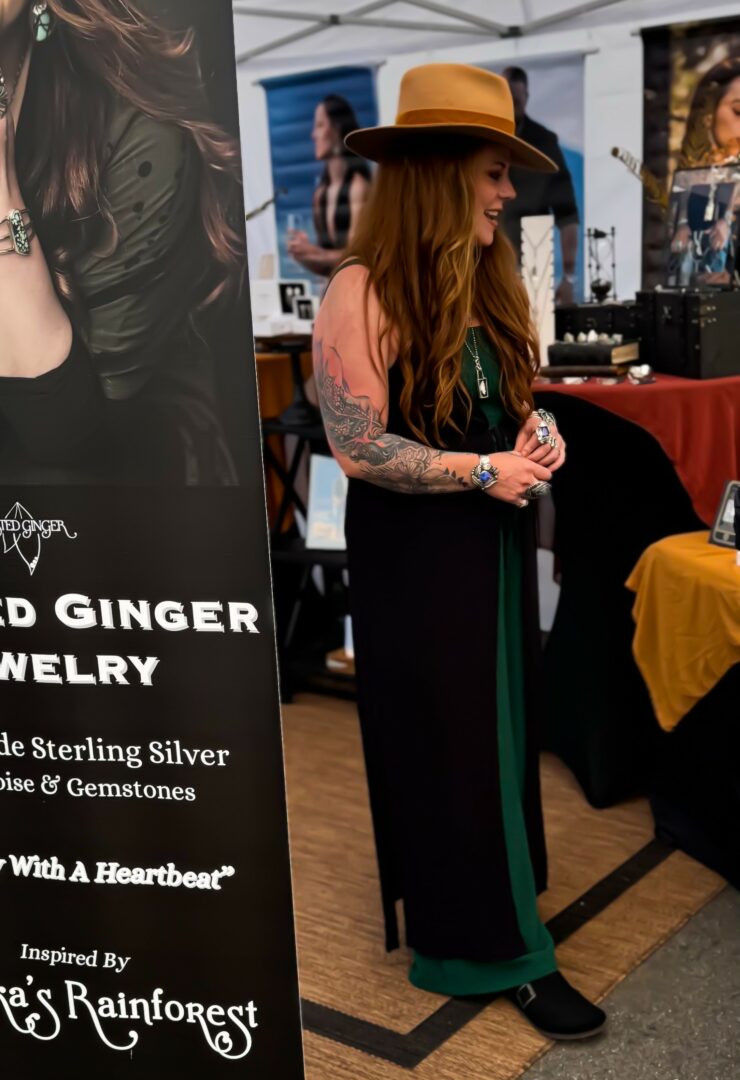
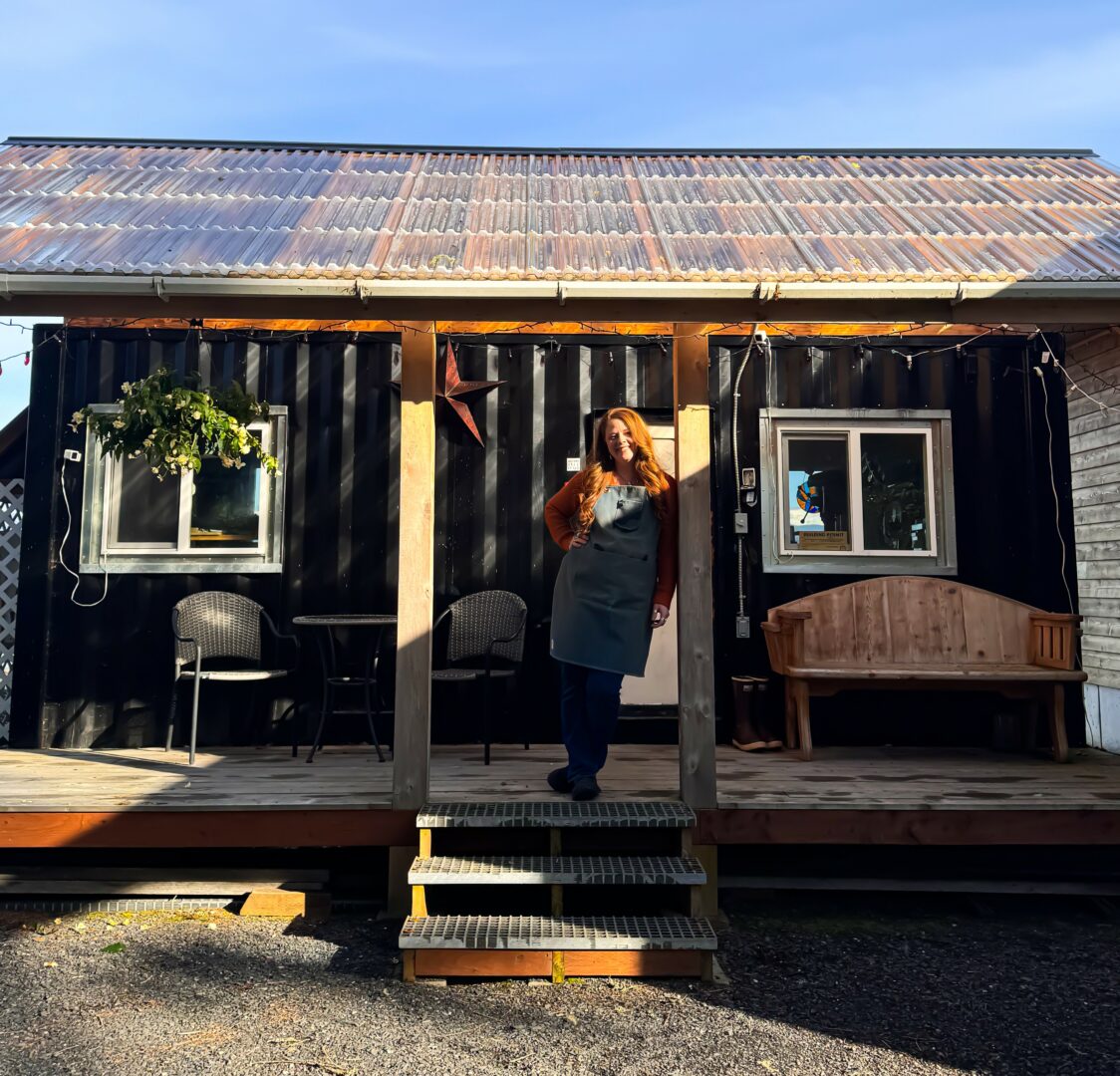
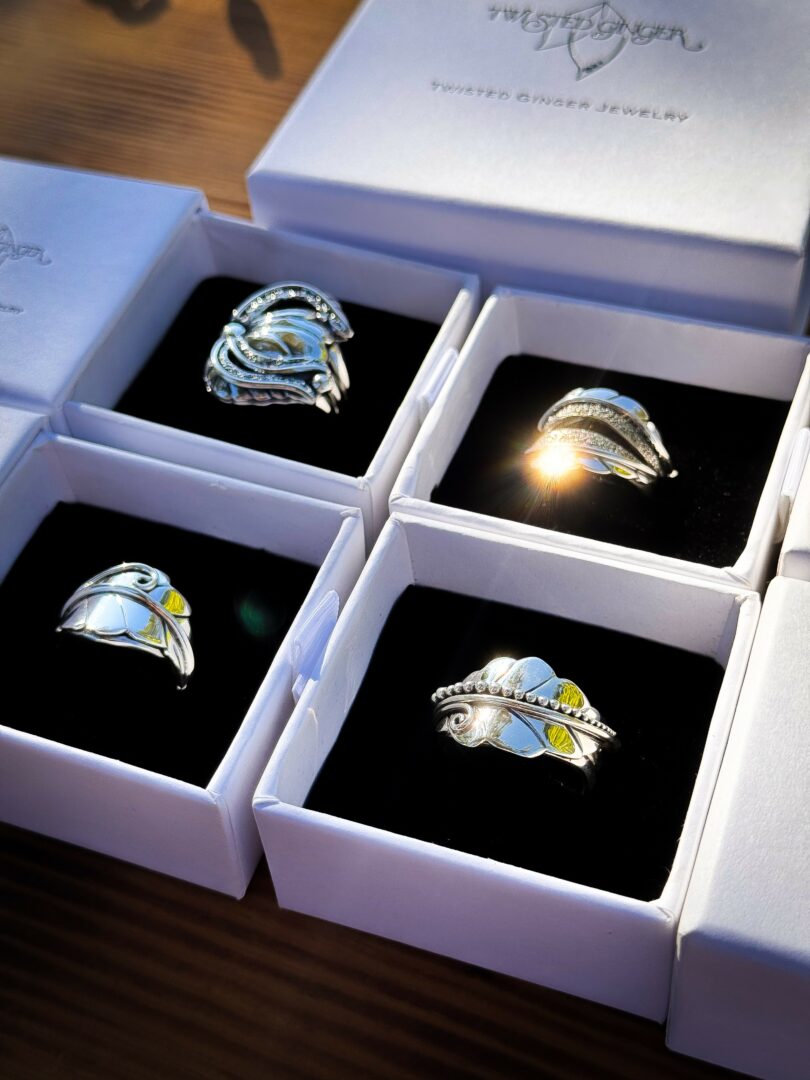
Image Credits
Paula Owen
Heather Canik
Erin Kandoll
so if you or someone you know deserves recognition please let us know here.