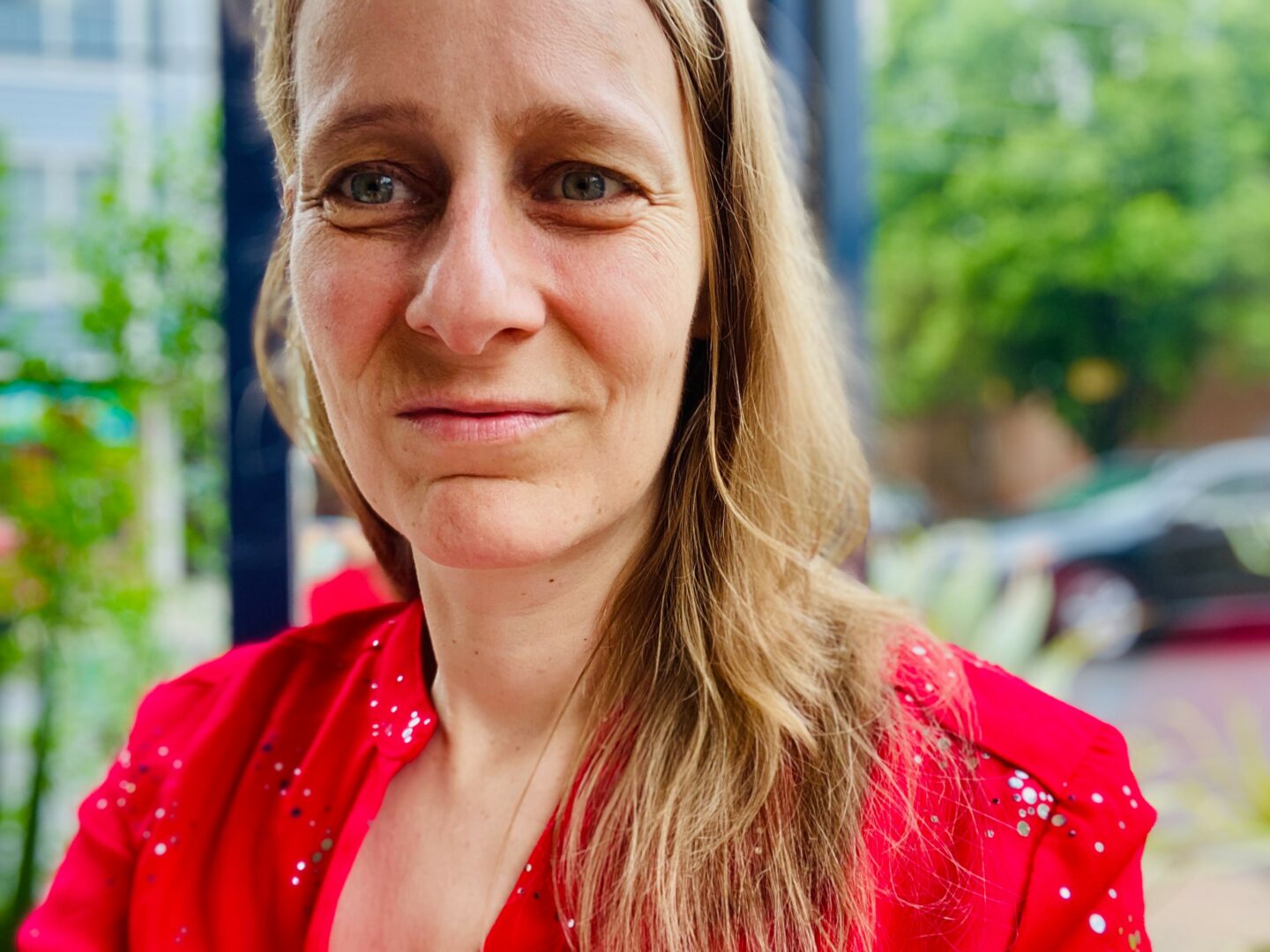
Esther Boesche shared their story and experiences with us recently and you can find our conversation below.
Good morning Esther, we’re so happy to have you here with us and we’d love to explore your story and how you think about life and legacy and so much more. So let’s start with a question we often ask: What do the first 90 minutes of your day look like?
I rise early, most days before the city fully awakens. I love early morning energy, and this first early hours are very sacred and special time to me. There’s a discipline in it, but also a freedom and crisp indescribable, deep magic. For me it’s an intentional and inspirational space, that I use to begin the day from a calm, centered place, spent in connection with myself and with the energy of life, awakening and nature. I get to bike through the city early morning sometimes when everything just awakes and there is so much beauty and wonder all around and in the little details of awakening and the movements of other people.
For my daily routine, I start all my mornings with my spiritual practice, to organize my mind and emotions, and set my intentions. I use my breakfast time to move slow and focused, and organize my goals and priorities for the day and the week ahead. By late morning, I usually have meetings, teach art classes, or immerse myself in art-making and administrative tasks.
Early morning energy is absolutely powerful. Rising early allows me to approach life and work with clarity, presence, and intentionality, even in the chaos and faced paced, competitive energy, of New York City. Starting early means that by lunchtime I already feel accomplished, which gives me energy for my usually long workdays. I generally enjoy working and solving complex tasks. I am involved in a lot of projects, which makes it very essential to be conscious how I use my time, but during the early morning especially.
Can you briefly introduce yourself and share what makes you or your brand unique?
I am a New York City based conceptual artist, originally from Germany. My work spans books, photography, painting, drawing, installations, public projects, community engagement and occasional collaborations. At the heart of my practice is social inquiry. I explore subjects like human labor, identity, technology, emotional life, and the intersections of our personal and collective experiences. I am interested in how we use, live and move in shared spaces. Nature is another recurring subject that shapes and informs my work as a tool for recalibrating our sense of connection, to our own interior world, to one another, and to the ecosystems we co-inhabit.
I see my work as advocacy for self-knowledge and creativity, and for designing more humane ways of living and working. In an era of AI, digital control, social fragmentation, and hyper-individualism, artists have an essential role in questioning assumptions, ways of living, social and political culture. They can spark reflection, and ignite alternatives. My work seeks to inspire and remind people that they have options and can ask questions and participate in shaping their lives, experience, communities, and societies.
Amazing, so let’s take a moment to go back in time. What was your earliest memory of feeling powerful?
I’ve always felt that we are born with inherent powers, such as intuition, our voice and creativity. Many people lose touch with their natural powers through social, cultural, and familial pressures. I was fortunate, to build an empowered life based on creative expression, wisdom from experience and being asked to take roles of leadership early on. I enjoy using my experience and skills to inspire other people and reminding them of their own power and inherent creativity.
I grew up in the German countryside, in a family that values adventure, curiosity, creativity and self-expression. My father’s workshop, forests, and outdoor explorations provided materials, space, and encouragement to experiment and create. At this time, German schools still reinforced this ethos much more. We were taught to question, to explore, to build and create and to be analytic and think critically about authority, society and purpose. The combination of personal freedom, creative opportunity, turned out to be tailor-made to grow into a free thinker, community leader and conceptual artist.
Most people in this world never catch this opportunity, to explore their natural interests and creative expression. Currently and rapidly, most schools and our work and social environment are moving more and more into artificially controlled, dystopian spaces and forced compliance. Free speech and free expression, the understanding of creativity and its value is disappearing from western countries by force through different elites and we are drifting speedily into absolutely Orwellian, controlled societies.
When I first arrived in New York, the city felt much more vibrant, openly creative, and intellectually curious. New York City was known as “the place of the idea.” There were many public conversations about our communities, how we wanted to live together, and how we might shape our shared future and spaces. Activists, thinkers, and discussion circles could be found on nearly every corner and inside most cultural institutions, which is ultimately one of the things that has always made New York so special: people from all over the world, from different cultures and religions, living and working side by side, learning to coexist in tolerance and understanding.
Much of that energy has thinned out. A lot of creativity has been priced out, time has become scarcer, and few people feel their voices truly matter. While today’s conversations are often focused on important individual and group rights, they are more fragmented, and less centered on the collective imagination of how to live well together. And much of what passes for power in today’s world is actually a collection of fake powers and fear-driven behaviors: pride, arrogance, jealousy, suspicion, manipulation, dismissiveness or people-pleasing. These are poor substitutes for real power, which comes from inner clarity, self-connection, and our ability to be tolerant and in genuine relationship with others.
My work, both artistic and educational, is centered on the deeper questions of life and on community. I aim to empower people by creating work and spaces where they can rediscover their own creative capacity and confidence. Working with children and adults in this way can be deeply transformative, when people feel safe enough to express themselves, they begin to remember who they are and what they are capable of. That’s very empowering and satisfying for them in a very sustainable way.
When we replace fear based dominance, the need for validation and making a maximum possible profit with being connected to ourselves and our core values, and choose to act from there, that’s real power. And because it comes from and lives on the inside, it is not just situational or easily triggered. It doesn’t collapse under pressure, because it is foundational and intuitive and not a mask or learned survival strategy. Real power and real confidence grows when we are allowed to make mistakes in safety, explore, grow, discover, try, learn to navigate uncertainty, and embrace starting from a point of openness and not knowing every time and to discover our own paths, purpose and values.
Was there ever a time you almost gave up?
Absolutely! Yet, insisting to slow down and give things the amount of time they need, has been one of the most beneficial habits in my life, relationships and for the quality of my art. Overcoming adversity, reflection, and patience cultivate access to thoughtful innovation, and real, sustainable value. In this culture of deadlines, fixed release dates, competition and profit maximization staying creative and inspired is difficult and requires good boundaries and lots of inner calmness and calm decisiveness. Creativity, insight and innovation take time. Giving ideas space and time for revision allows them to mature, to reveal layers that immediate action would obscure. New York City has always rewarded speed, competition, and constant, immediate availability. But rushing or fear driven competition rarely produces anything of depth.
Currently more people here move very fear driven and conditioned to react fast, immediately respond, and compete, so they miss the quiet opportunities for observation, true connection, and deep understanding. Over the past years speed and expectations about workloads and efficiency in all areas of our lives and workplaces has tipped into dysfunction. Most people here look chronically stressed and tired and are obviously so pressured by competition and their daily load, that they are moving and reacting faster than their nervous systems and human biology can actually manage. For what?
This fear based culture has created a collapse of spatial awareness in shared spaces that amplifies aggression, recklessness and hostility. You can see it everywhere, from the streets to the subways, and in the way people relate to one another like other people are obstacles or don’t matter. When other people become merely obstacles in the way, we lose our humanity and the city becomes harsher for everyone. It turns daily life into a survival game, especially for older adults and people with disabilities who cannot keep pace with the increasing hostility and ruthlessness in public spaces.
This is a very unsustainable culture, and it’s a dangerous symptom. It reflects a culture drifting toward hyper-competition, dehumanization, hive minds, robotization of humans and fear. As a result, we are loosing empathy, the joy that comes from connecting with strangers and being part of a community, but also our presence and reflection skills. We are becoming less compassionate and and loose our ability to be grounded and connected to ourselves and others.
What makes me hopeful is that artists and activists are starting to respond, even when our city leadership continues to ignore. Many people are seeking and creating opportunities for connection and presence. Many new third spaces and phone-free community spaces for adults are opening all over the city, and that’s a worldwide phenomenon currently, like community art studios, book bars, music and theater workshops, or social clubs. More corporations, schools, and hospitals are inviting artists support and work with their communities to foster connection and mental-emotional health.
It shows that people are getting hungry for alternatives, for more humanity and real connection. Art is helping to open those spaces for creative expression and beyond the surface connection. It is important to me to be part of this movement. My recent book, Tacos for Breakfast, invites people to slow down and notice the life around them. And currently I am working on a public project exploring quality of life issues and the need for kindness and tolerance in shared spaces, highlighting the ways our hyper-competitive culture diminishes empathy and livability for all. Slowing down opens the door to wisdom, creativity, humanity, community, belonging, inspiration, joy, real power and a life lived and not rushed through.
Alright, so if you are open to it, let’s explore some philosophical questions that touch on your values and worldview. Is the public version of you the real you?
Not entirely, of course! Though my authenticity is a natural state of being, and core value, that I am actively choosing, it doesn’t guarantee that others can fully perceive or understand it. There is this popular theory that we have multiple selves: the public self, the relational self, and the private self. And yet, we all crave being truly seen. It’s a fundamental human desire, and ultimately an impossible one.
People inevitably filter us through their own histories, cultures, fears, prejudice, projections, and assumptions. That’s true in life and in art. People interpret my work through their own lenses, sometimes they resonate deeply and sometimes they don’t. I am completely fine with that. I am here to inspire people and not to tell people how to feel or think about me and my art, or about the world or themselves. People will always bring their own meanings, associations, and interpretations to my work and to me. Art thrives in that space between intention and perception. And from a deeper perspective even a dislike is still a win, because it brings people to reflect on their own goals and values and open then to discourse and more interaction with themselves and others.
The goal is not total understanding, but dialogue, reflection, connection, compromise and inspiration. Connection does not require total agreement or identical understanding. I remember coming across this realization that understanding is individual and often cultural for the first time when watching a Harun Farocki film about German factory workers with my peers in grad school many years ago. My cultural context allowed me to see nuances others missed. It’s a huge difference between being part of a culture and looking at another culture. Yet my colleagues engagement was interesting and meaningful. I’ve learned to really embrace and understand this tension.
Diversity of perception is what drives growth and innovation. If we all saw the world the same way, we would remain stuck and there was no innovation or chance for inclusion and change. It has to be this way that “truth” is questioned and rewritten and rewritten over and over again. The goal is not to arrive at a final and static answer or path, but to keep things moving, explore together, make useful compromise and staying in connection. The discourse and the attempt to engage, are the goal and not to dominate or come to right or wrong. This way we respond more to reality and to what is needed in the current moment and not from prejudice or past experience. Then our shared experience can be reshaped and rewritten by new generations and people, from moment to moment, striving to build societies and distribution that benefit everyone.
Yet much of today’s conversation is dominated by need for power, argument, and bias driven choices instead of understanding and compromise. This is a futile path, often driven by goals that don’t increase collective well-being. For me, the only meaningful measure of what is “right” is what truly benefits people, animals, nature and our human and natural environments as a whole.
Thank you so much for all of your openness so far. Maybe we can close with a future oriented question. Have you ever gotten what you wanted, and found it did not satisfy you?
Sure. And that’s how it goes everywhere: it’s a funny play, what one person is growing out of and desperate to leave behind is still another person’s distant dream. Most people live under the illusion that happiness is conditional and that it lies in achievement, recognition, experiences, or legacy. We chase peak moments, check marks, ever new relationships, outside validation and accomplishments, hoping they will finally complete us or give our lives meaning.
But they don’t. Everything and everyone is in constant motion, and building your sense of self on shifting ground will always lead to fear and disappointment. Also nothing is ever as good or bad as imagined. Nobody gets to coast through life without any challenges, no matter your status or accomplishments. Real fulfillment is not found outside of us. It comes from inner connection, presence, alignment with our values, and our capacity for acceptance, tolerance and forgiveness. Passions, dreams, and goals absolutely matter, they bring energy, growth, and a sense of purpose. There is nothing wrong with wanting relationships, connection, money, success, or beauty in your life. But they are not too useful if they are misunderstood as tools inner peace and happiness. True contentment arises from awareness, from inhabiting your own mind and body, and from feeling whole and connected within yourself. That’s something one can learn luckily, it’s really about finding the right balance, which ultimately is a very individual quest but achievable.
Many artists and other makers and builders often have a little bit of an unfair advantage here, because they are more naturally drawn to solitude, questioning everything, observation, and intuitive creative expression that enables them to do their work. Children also embody this naturally. They follow their intuition, forgive and adapt easily, laugh and cry naturally, and remain close to their inner center. Achievements and things are very fleeting; presence and connection to your self endures.
Contact Info:
- Website: https://www.estherboesche.art
- Instagram: @estherboesche
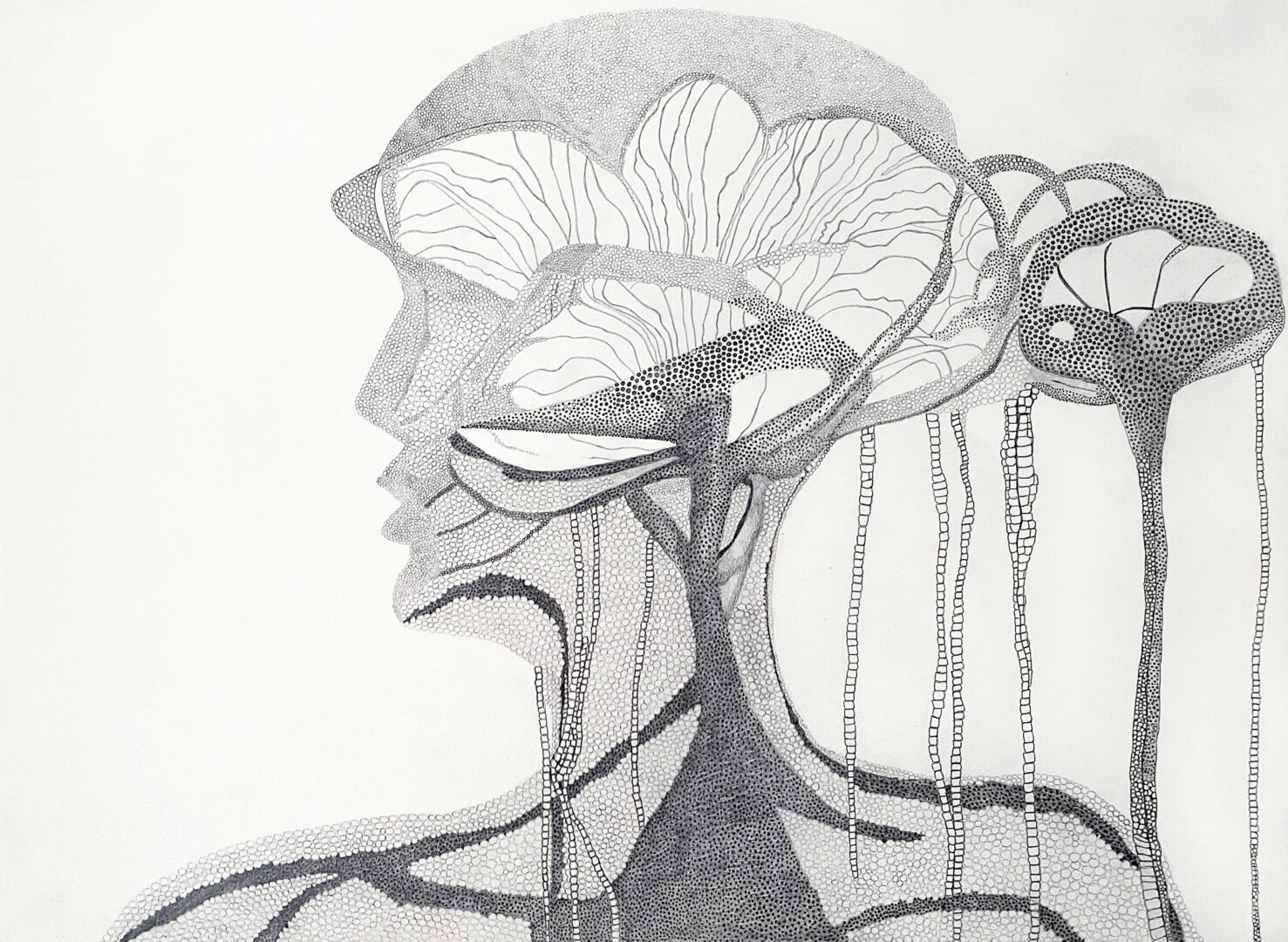
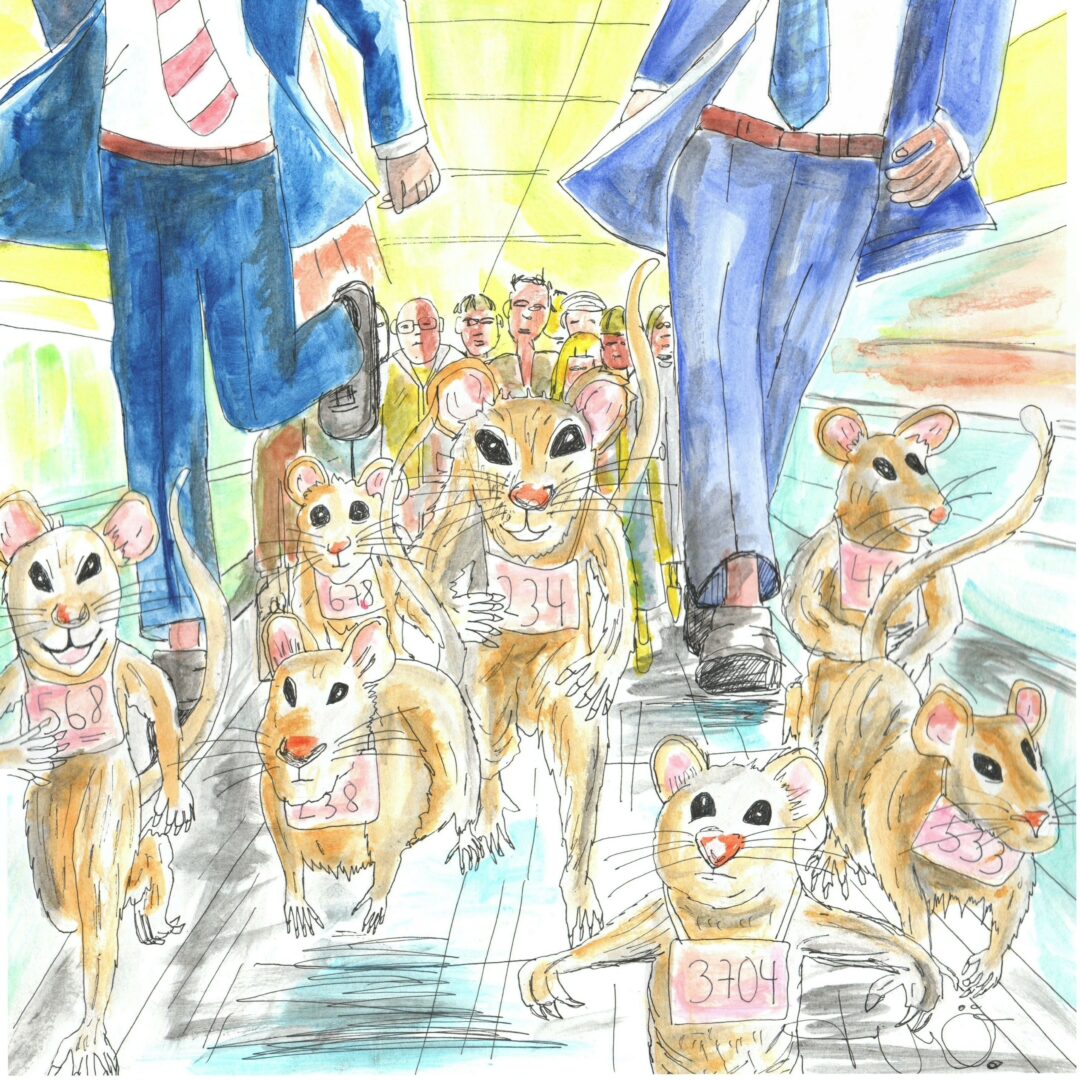
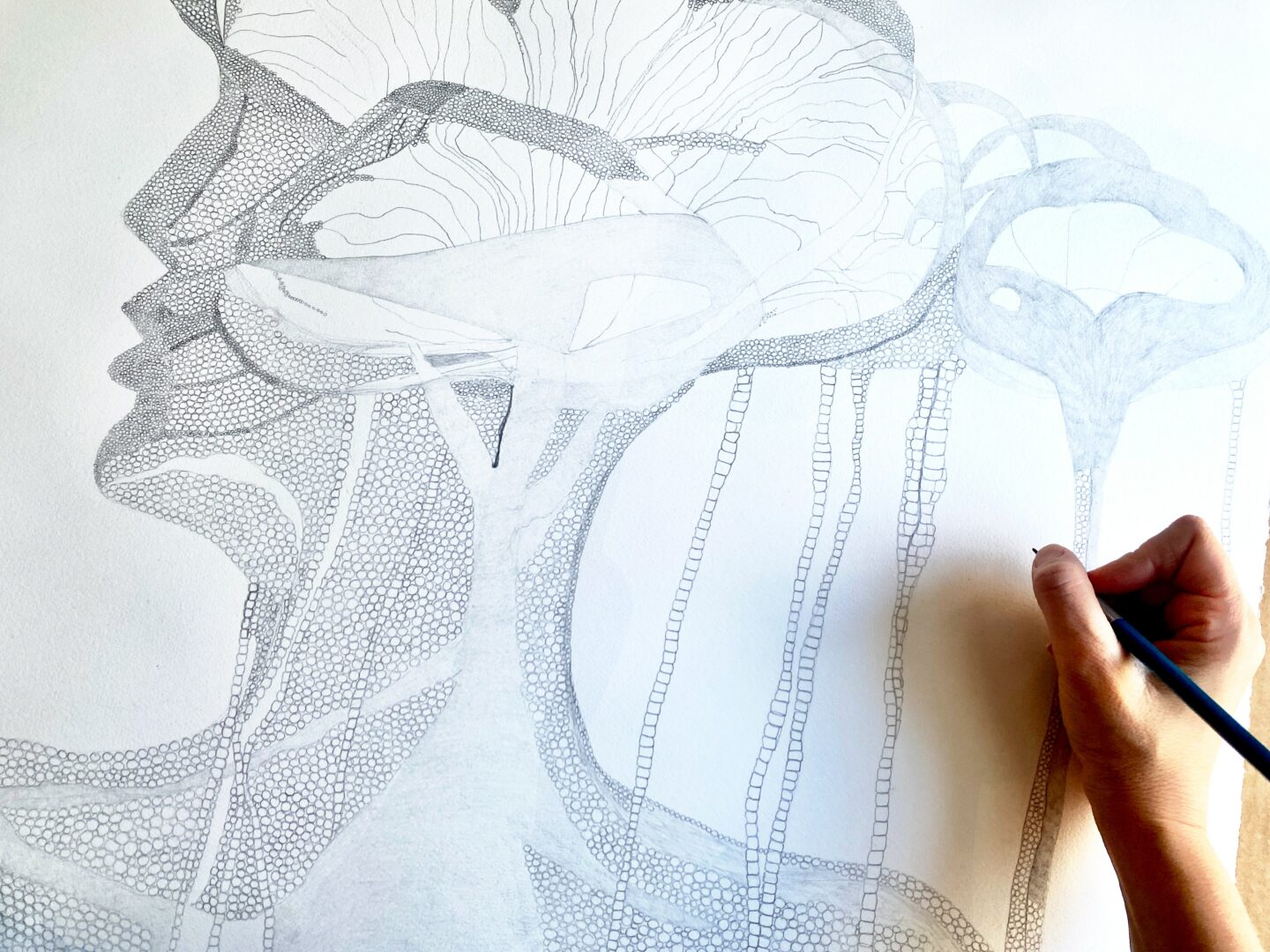
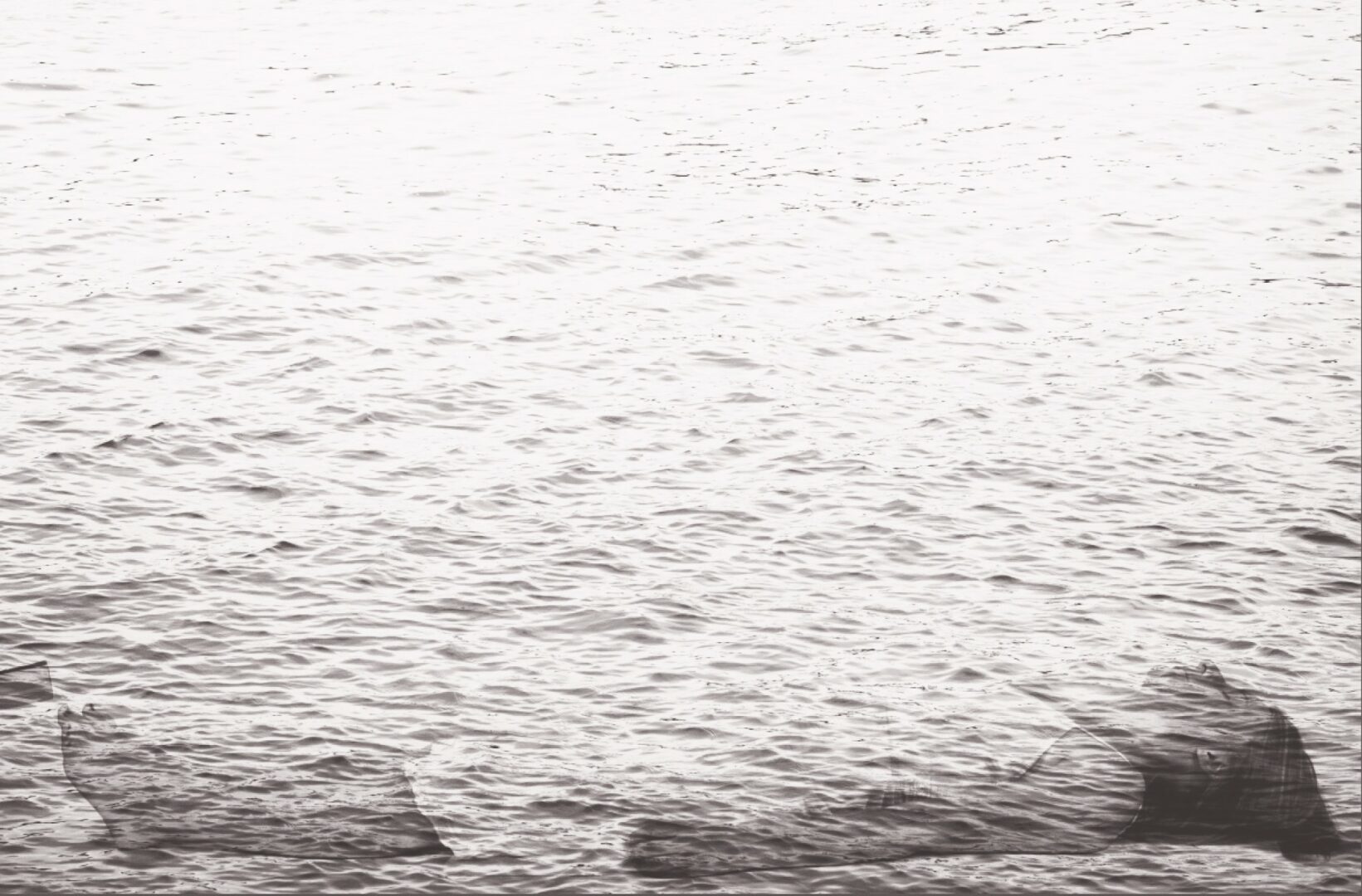
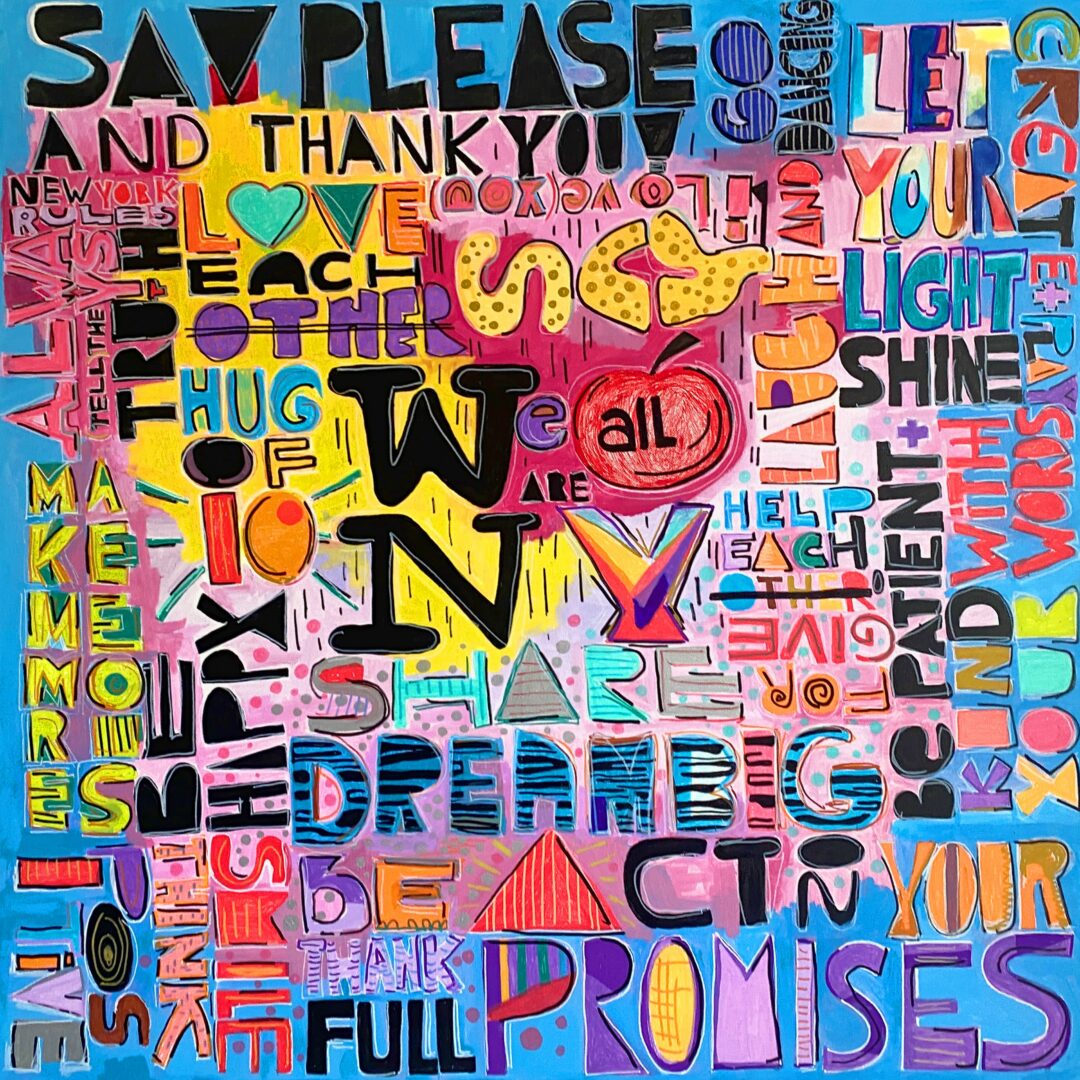
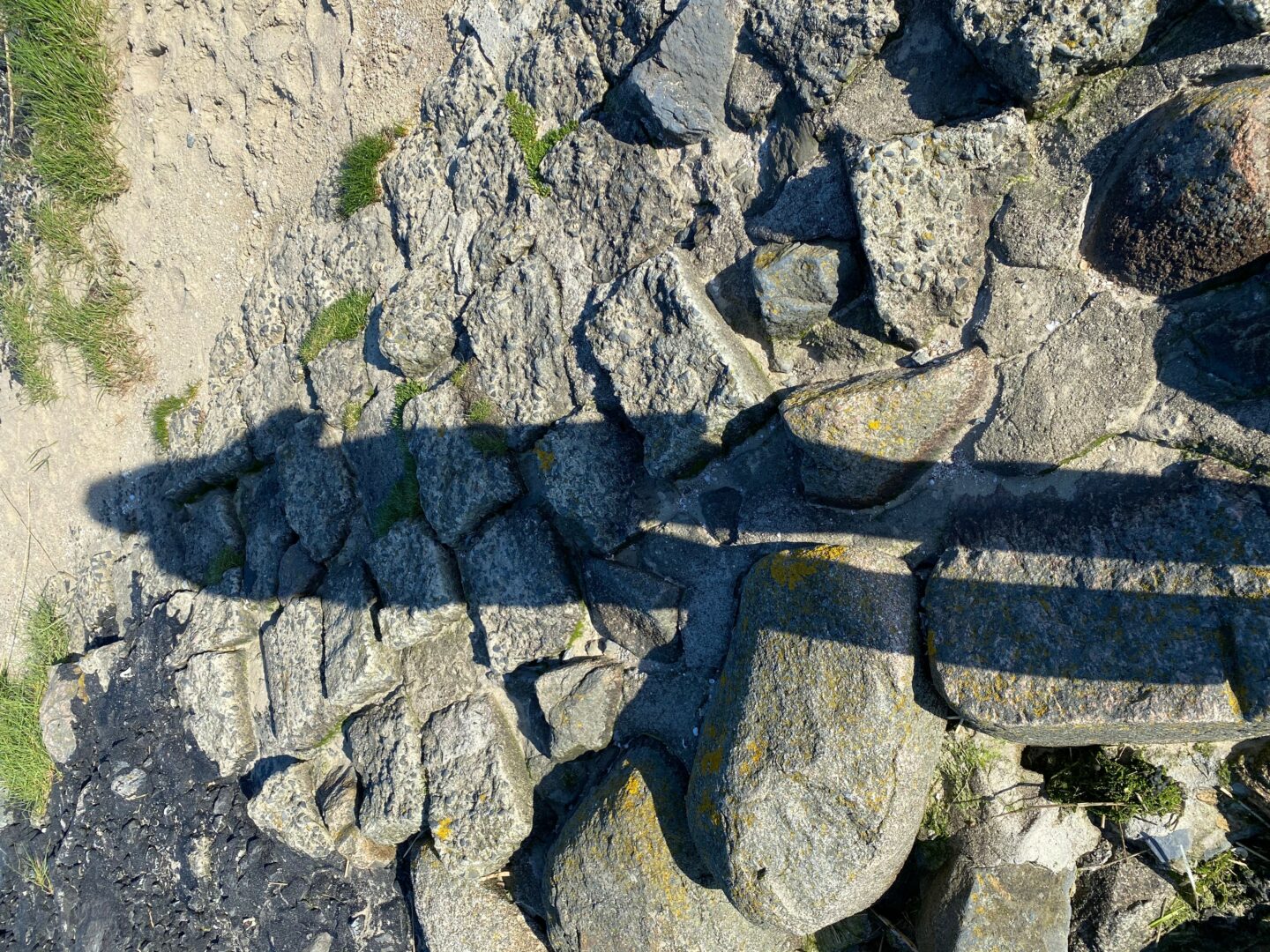
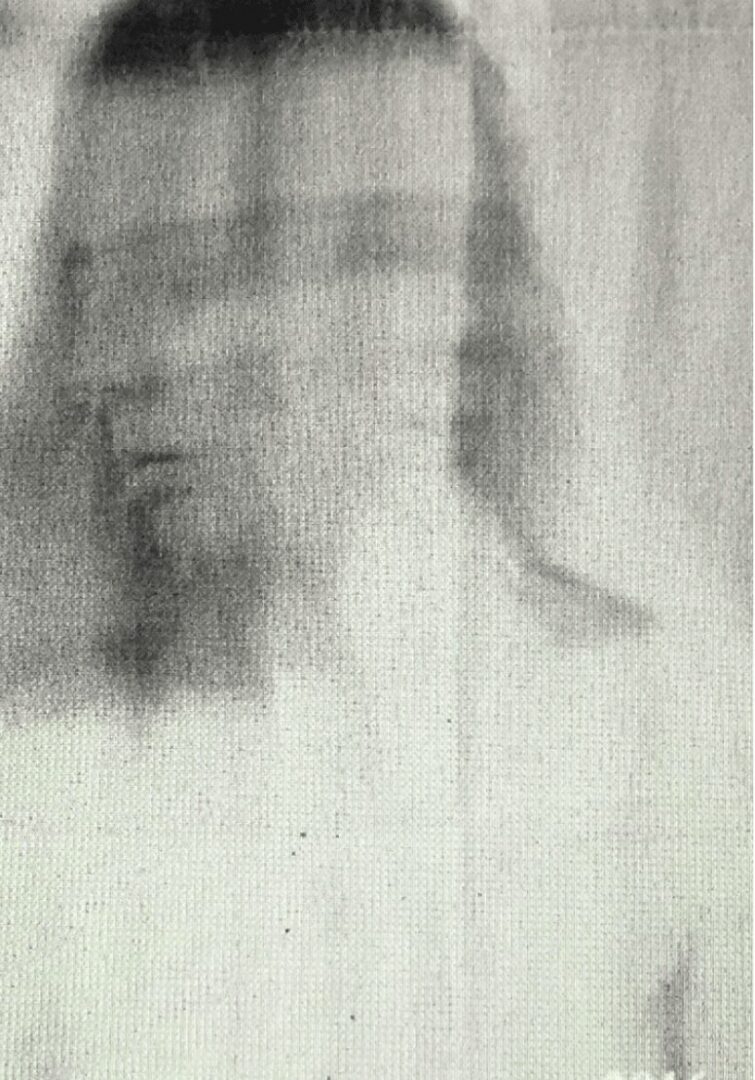
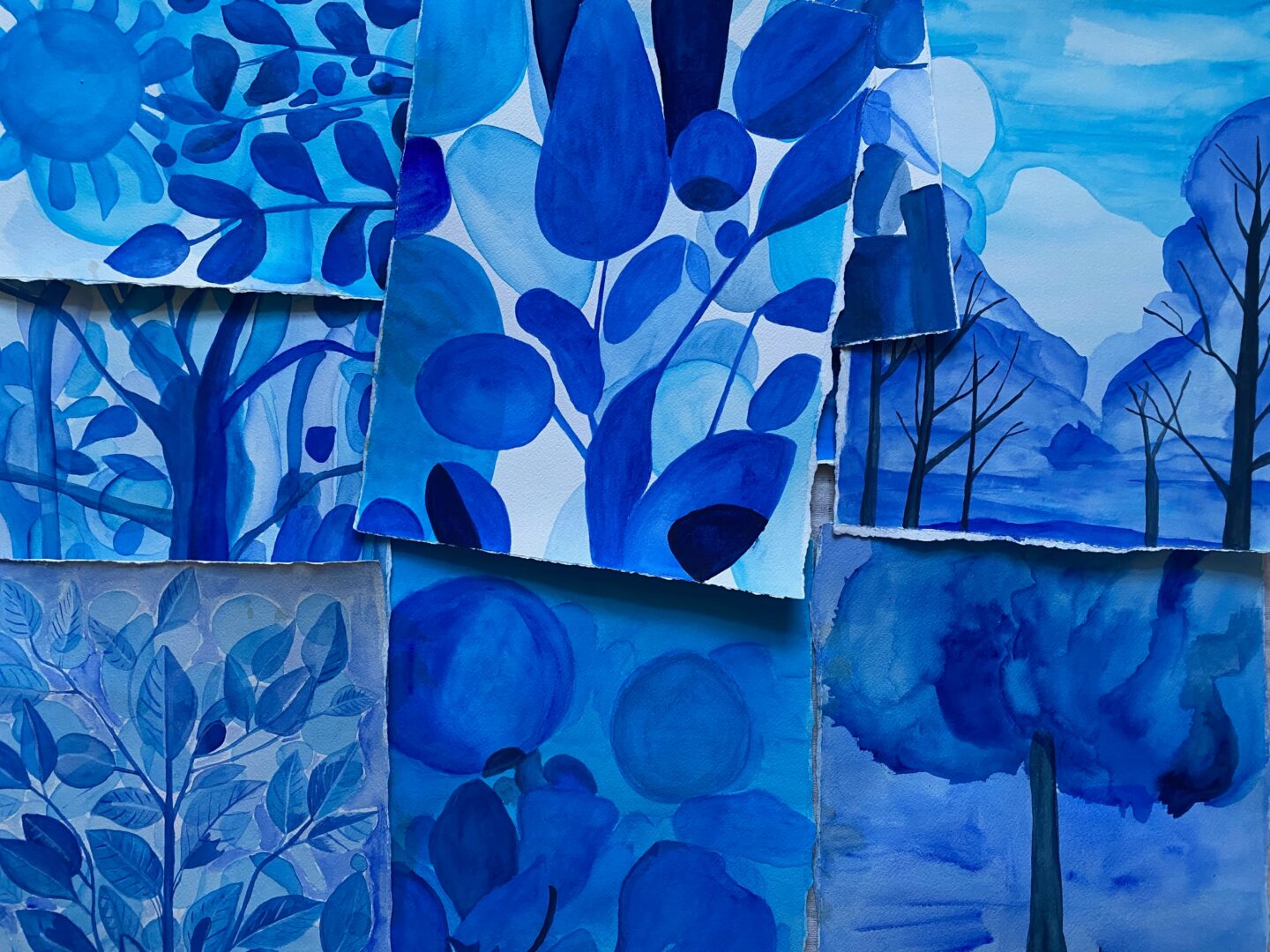
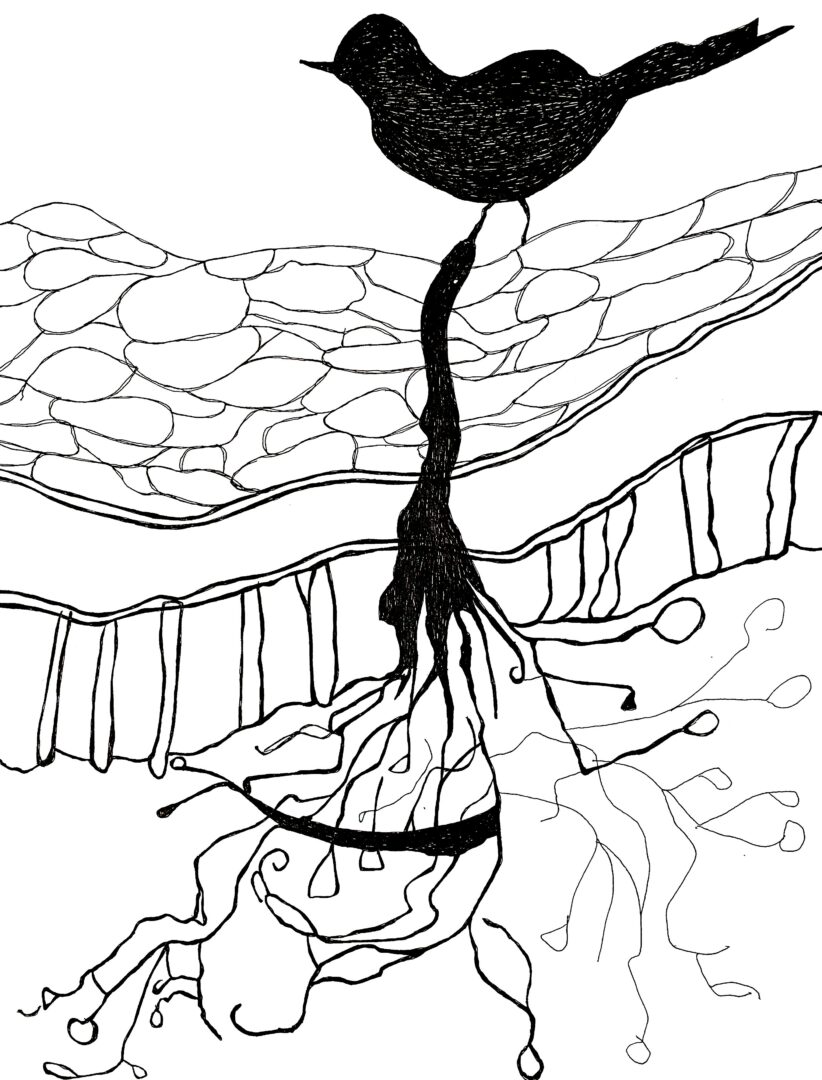
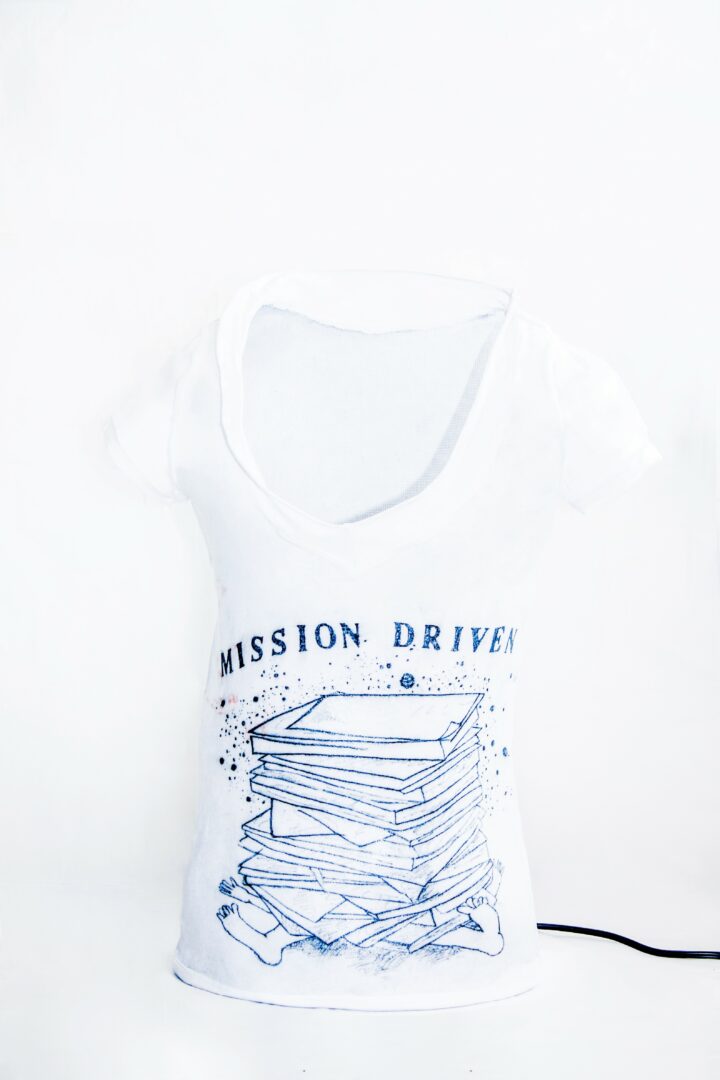
Image Credits
copyright@studioEBnyc
so if you or someone you know deserves recognition please let us know here.