We’re looking forward to introducing you to Hannah Levy. Check out our conversation below.
Hi Hannah, thank you so much for joining us today. We’re thrilled to learn more about your journey, values and what you are currently working on. Let’s start with an ice breaker: What is something outside of work that is bringing you joy lately?
Nature in general, but redwood trees specifically. I live in Northern California and they’re very special beings. I believe they hold ancient wisdom, and anytime I am near a redwood tree, I can feel my body exhale and recalibrate. I have a practice of talking to trees, where I place my hands on the outside bark, close my eyes, and breathe deeply for a few minutes. Any words, phrases, or visuals that come to me during this practice feel like messages from the tree. I’m trying to slow down to really feel the joy and peace that spending time in nature brings me.
Can you briefly introduce yourself and share what makes you or your brand unique?
I’m a writer, editor, and community builder. I’m the founder and editor-in-chief of The Rebis, a unique print-only literary anthology dedicated to exploring the relationship between tarot and creativity through original art, essays, fiction, and poetry. Each issue brings an international group of artists and writers together to explore a single tarot card — we have covered the Wheel of Fortune, The Chariot, The Star, and The Devil. This collection of archival-quality publications explores the psychology, mythology, spirituality, and artistic beauty of tarot. We are grounded in anticapitalist principles of art-making during times of crisis and redistribute all profits to social justice orgs focused on reparations and reproductive justice.
I also write a Substack called //understories// — poetry and prose about intimacy, about deep feelings and meaningful lived experiences, about the exquisite aches of living and loving and parenting, about memory, and portals, and time travel, and private underworlds. I’m dedicated to tangled narratives and radical closeness, and to holding space for our multidimensional selves and souls. //understories// is about excavating the stories inside of me and exploring the worlds beneath my words.
I am part of the Gather poetry community, and recently supported the launch of their first print anthology, with one of my poems included alongside a series of mini craft essays on how to inspire yourself as a writer. I’ve been published in Luna Luna Magazine, Variant Literature, Sunday Mornings at the River, Indie Earth Publishing, Rhizo Magazine, Penumbra Online, and elsewhere.
When I’m not reading or writing, I’m hiking in the redwoods, horseback riding, and playing extensive make-believe games with my daughter!
Okay, so here’s a deep one: What breaks the bonds between people—and what restores them?
I believe that what breaks the bonds between us is violent communication: the language of fear, certainty, and reactivity. I grew up in a household with violent communicators, people who spoke with raised voices, sharp judgments, dismissal and defensiveness. The way my parents treated each other was corrosive. I didn’t have a playbook for how to deeply connect, especially in moments of rupture. I have spent many years in therapy learning about emotional vulnerability and non-violent communication. How to name what we truly feel and invite others to listen and share themselves. This requires a willingness to risk being known, which is actually quite terrifying for so many of us. Staying open, even when I feel most fragile, has helped me form my most beautiful and lasting relationships and friendships. Attention to ourselves, to each other, with tenderness and truth, is what restores bonds between us.
What have been the defining wounds of your life—and how have you healed them?
My father’s sudden death in 2024 has been one of my most defining moments. It split my world open in a way I could never have prepared for and I’m still learning how to live with the complex grief. My family used to joke that our family put the “fun” in dysfunctional, and my dad was at the center of that paradox. He was absent from our family, both physically and emotionally, and when he was around we often clashed over how to spend time together. As a highly sensitive kid, his willful, confrontational, argumentative nature (qualities that made him a brilliant lawyer, but a very difficult father) left me feeling constantly dysregulated. We fought all the time, and yet, looking back, we were probably more alike than I wanted to admit: both intensely devoted to our passions, both protective of our lived experiences, both committed to our own (very different) internal codes.
As I got older, built emotional boundaries, and began unraveling inherited trauma, my view of him shifted. I could see how he became the person he was: the childhood trauma he never fully confronted, the family history of mental illness, the loss of his own father before I was born. I didn’t arrive at perfect empathy, but I did find a deeper sense of understanding. Over time, the tension that once defined us eased. We found something like acceptance. Respect for each other.
His sudden death has been a wound I am still healing from. Grief, especially when it’s braided with a history of emotional trauma, is a relentless experience. But moving through it has taught me more about love than I expected. How love can hold contradiction, how it continues to unfold even after someone is gone, how it asks us to stay open to what we once resisted. If there is healing happening, it’s in allowing the full truth of who he was, and who we were to each other, to exist.
Next, maybe we can discuss some of your foundational philosophies and views? What’s a belief or project you’re committed to, no matter how long it takes?
One of my deepest practices is writing what feels true to me. I don’t always know what I am writing when I start writing it. I don’t always know the form it will take. The book I’ve been circling around and around inside of me for years hasn’t fully taken shape yet. But the commitment remains: to keep showing up, to keep excavating, to keep following the questions that tug at my mind, body, spirit.
What I’m loyal to is my own process. Not someone else’s recommended “morning pages,” not someone else’s checklist for discipline. The very slow, sometimes frustrating, sometimes luminous work of uncovering what feels real and resonant and how to alchemize that into words is a practice I’m working through on my own. I’m committed to letting my own writing teach me who I am becoming and to trusting that, over time, whatever wants to become a book will reveal itself to me.
Even without a clear destination, the devotion is the point: the long faith of the language that’s buried inside of me.
Okay, we’ve made it essentially to the end. One last question before you go. If you knew you had 10 years left, what would you stop doing immediately?
What we should probably all stop doing immediately: spending too much time online and on social media and not enough time in awe of the world we live in and the people we love.
Contact Info:
- Website: https://therebis.com/
- Instagram: https://www.instagram.com/the__rebis/
- Other: https://hannaheve.substack.com/
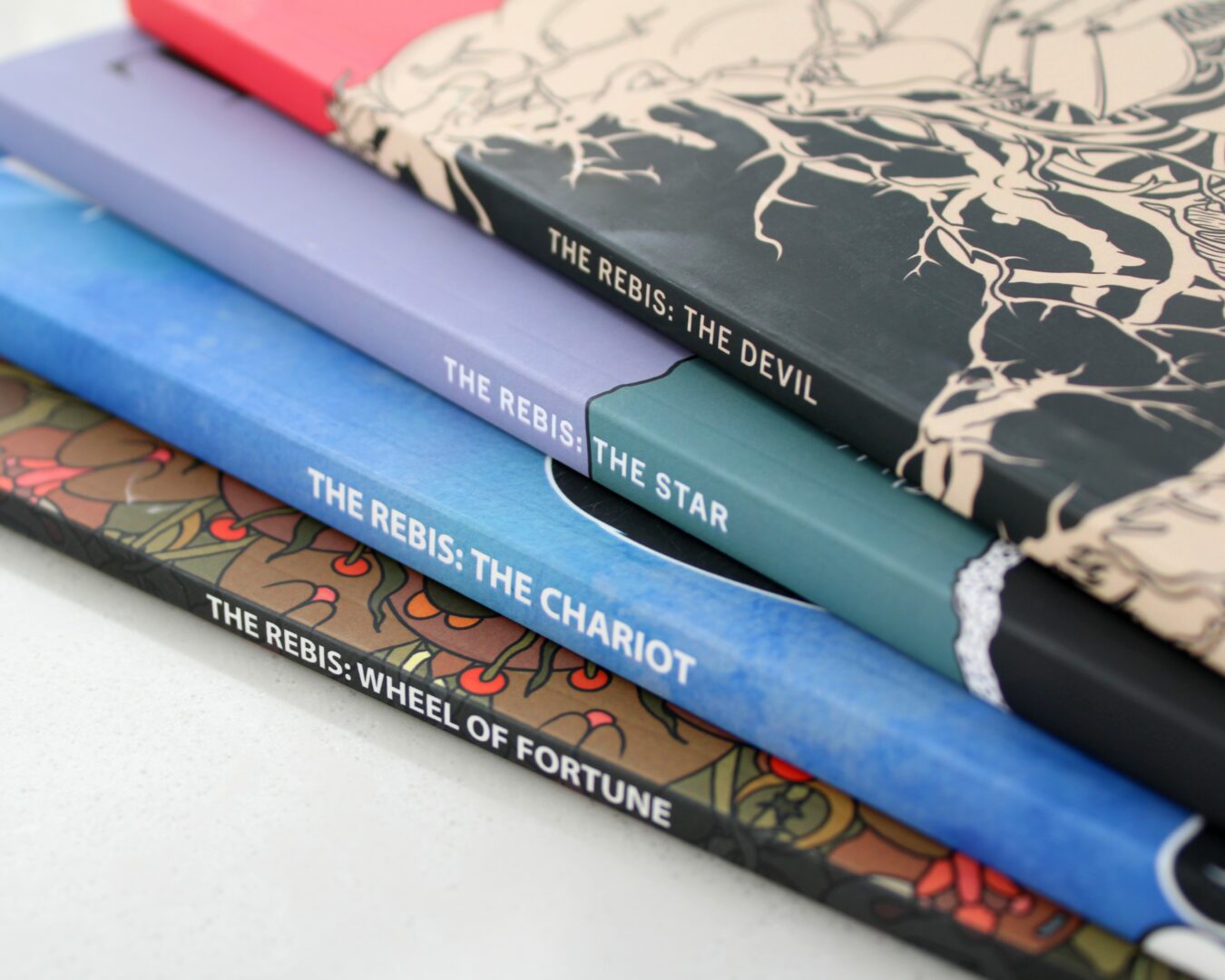
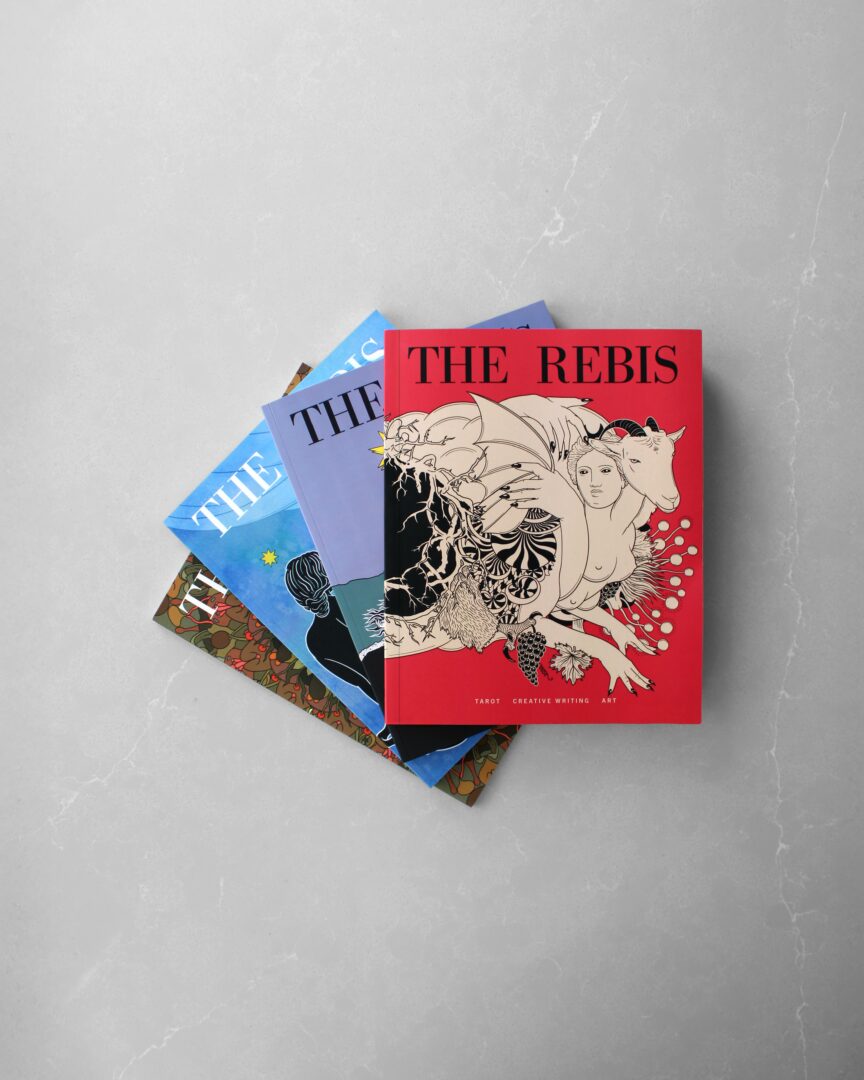
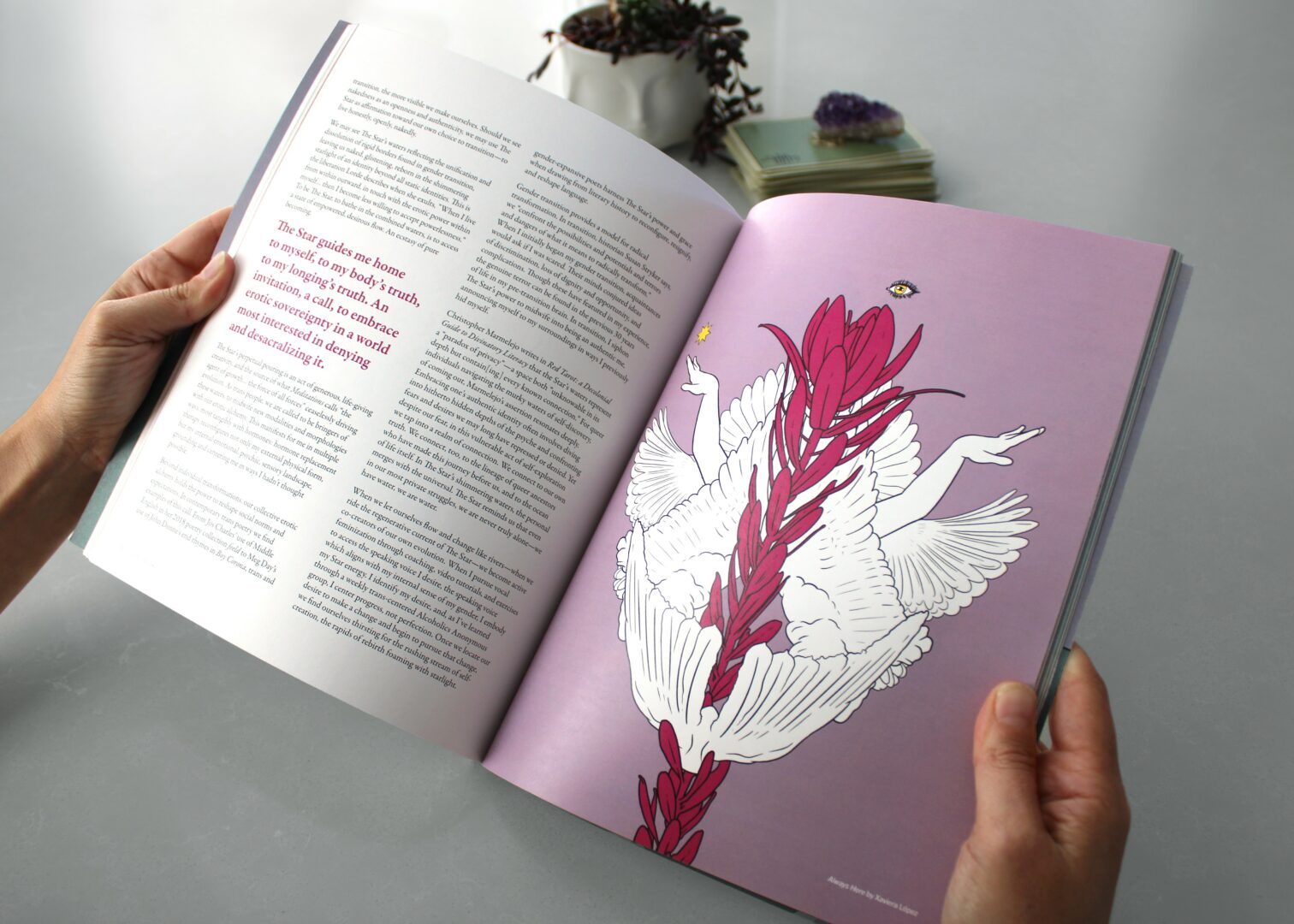
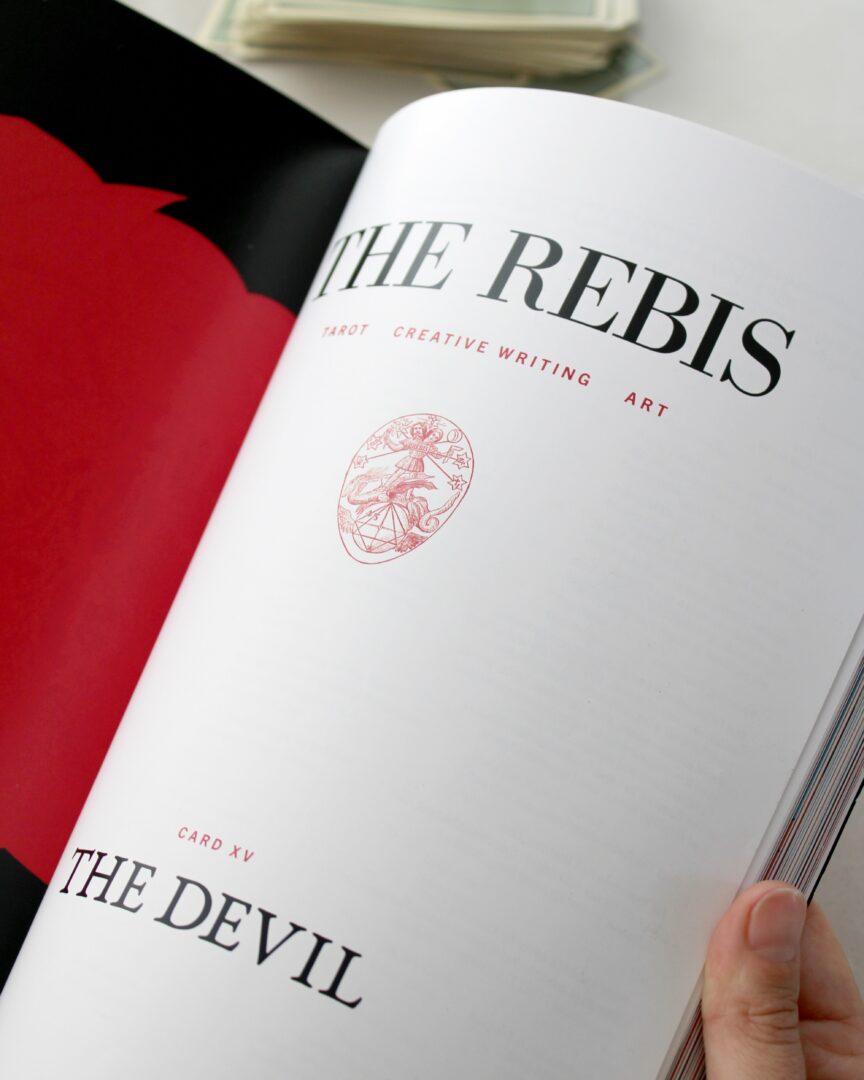
Image Credits
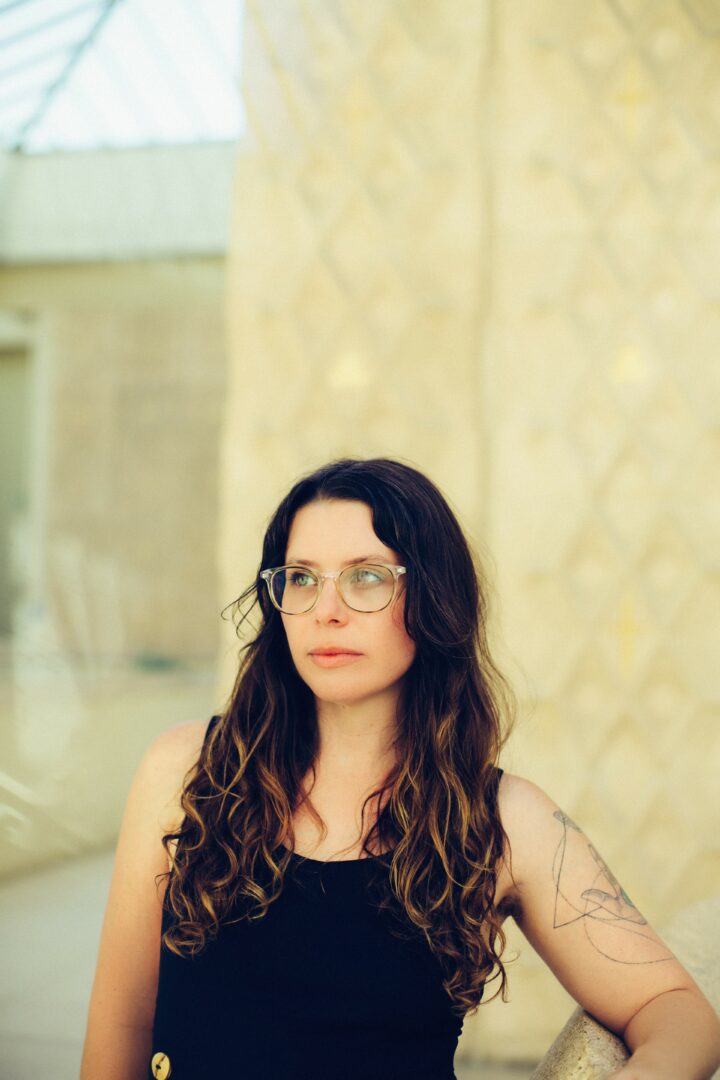
Portrait of Hannah Levy by Joy Newell
The Rebis photography by Nick Jacobs
so if you or someone you know deserves recognition please let us know here.