We recently had the chance to connect with Jack Adamant and have shared our conversation below.
Jack, we’re thrilled to have you with us today. Before we jump into your intro and the heart of the interview, let’s start with a bit of an ice breaker: What makes you lose track of time—and find yourself again?
Music is still the most powerful way for me to step out of my daily routine, an immediate passage into a space that feels safe, held, and untouched by negativity. As humans, even when we don’t want to admit it, we’re fragile and deeply affected by what surrounds us. Life takes over, pressure builds and things can feel overwhelming more often than not. My sanctuary has always been grabbing any instrument at hand and diving in until both body and mind begin to feel lighter, almost dissolved. Music is the best addiction I’ve found so far. It doesn’t always have to be about playing or recording; listening, sharing or even talking about anything music-related is enough to bring me back to myself.
Can you briefly introduce yourself and share what makes you or your brand unique?
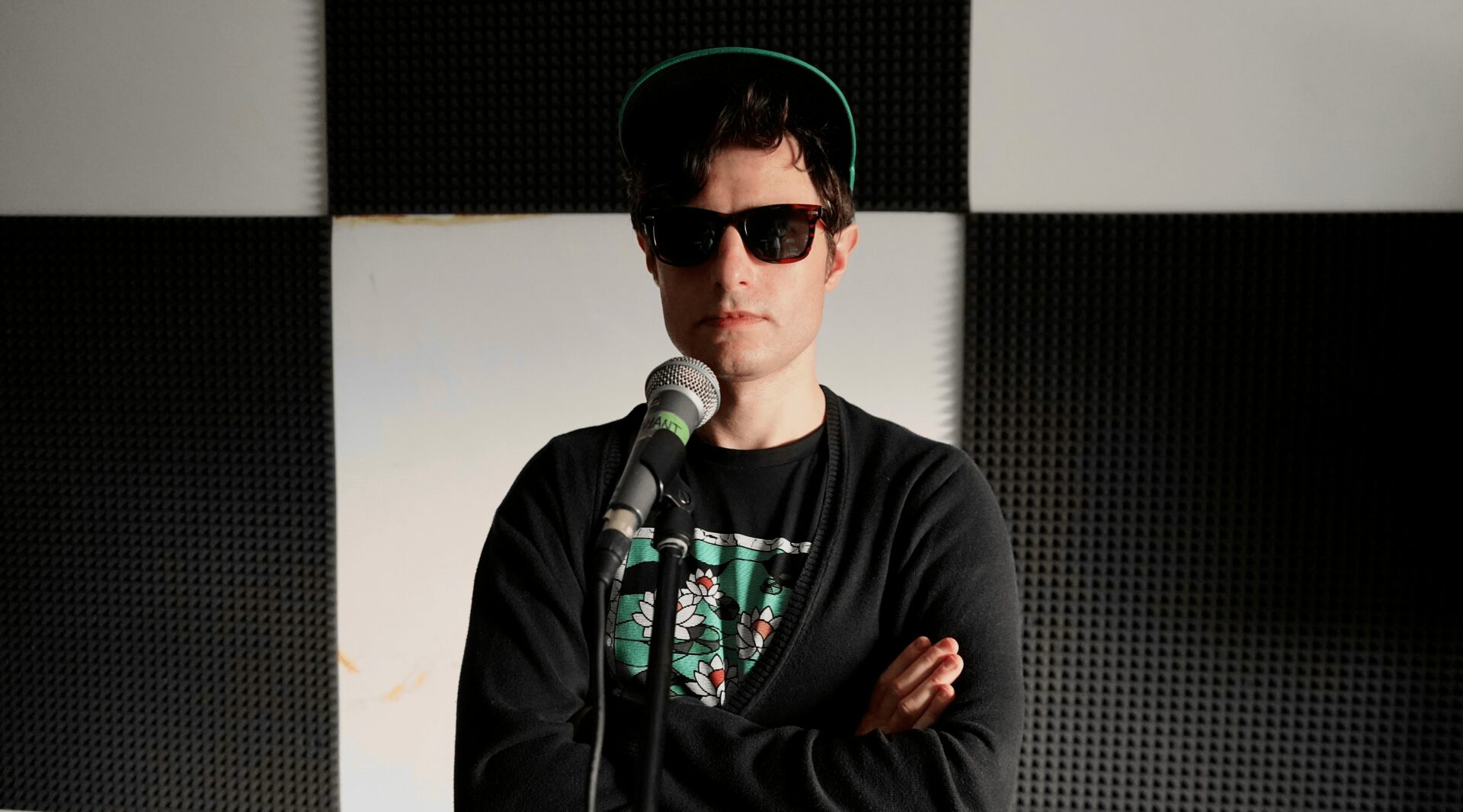
I’m a performer leading an indie punk band under the name Jack Adamant. We’ve recently released our fourth record, “Helium in Low Voltage Wiring”, an album built on contrasts, balancing light and heavy, fragile and charged, organic and engineered. The record blends introspective writing with raw, electrifying textures, exploring the tension between vulnerability and control. I’ve been passionate about songwriting from an early age and I deeply value being part of a group. Together with my bandmates, Ged and Vix, we don’t just refine our strongest ideas or rehearse until our fingers bleed, we also value time spent together through conversation, confrontation and collective brainstorming. That shared process is just as important as the music itself. I feel incredibly lucky to be able to do what I do, and I hope that sense of curiosity and desire never fades.
Amazing, so let’s take a moment to go back in time. What did you believe about yourself as a child that you no longer believe?
I have a deep appreciation for the child I was, for that belief, determination and desire to make things happen. If I could speak to him now, I’d offer only reassurance: that things take time and whatever he’s working so hard on might not make sense yet. Everything is just a small piece of a much bigger picture that will eventually take shape. Growing up, I also believed that success was a straight, equal race. Over time, I’ve learned that we don’t all start from the same place or with the same means. Some begin much closer to the finish line than others, but what matters isn’t who gets there first, it’s how you cross it in the end. For me, music, like any form of art, isn’t a competition. The real goal is to stay creative, curious and to explore paths that haven’t been discovered yet.
What fear has held you back the most in your life?
The most common fear: failing. Since I started focusing on music professionally, I was afraid of creating something that might never find validation or fail to reach people who could relate to it. Any new beginning or major change brings vulnerability and that uncertainty can be heavy. What grounded me was realising that writing and composing were a form of self-care. Through music, I was learning to look after myself and work on becoming a better person. I also came to understand how difficult it is to truly believe in yourself when you’re constantly afraid of “making it.” We aren’t born with a complete set of knowledge or answers; we learn by living, trusting our instincts and following what feels right. Failure isn’t an outcome, it’s something to learn from. Accepting it as a natural part of what I do has been the biggest step forward in my music career so far.
I think our readers would appreciate hearing more about your values and what you think matters in life and career, etc. So our next question is along those lines. What are the biggest lies your industry tells itself?
As an independent artist, I feel largely untouched by the traditional music industry and its business mentality. I don’t consider myself an expert but it’s clear that digitalisation has heavily impacted music, making it difficult for artists to earn a stable income. Despite this, the industry often seems more focused on maintaining its own profits than on improving conditions for musicians. One positive shift is that we now have far more ways to discover music beyond TV and radio. Listeners have the power to choose what they want to hear. Personally, supporting underground music is essential. Creativity and inspiration should always come first. If that eventually allows an artist to make a living, that’s something to celebrate. But sacrificing artistic integrity just to survive financially, for the sake of the industry, is never worth it.
Okay, so before we go, let’s tackle one more area. What will you regret not doing?
The only thing I would regret not doing is what I’m already doing now: making music, playing with my bandmates, and dreaming of leaving a mark through what we create. I cannot imagine greater fulfilment in my music career than creating and inspiring others. I also know that if there’s something I truly want to achieve, now is the right time. There is no waiting and no tomorrow, only the present moment to act. I want to take this chance to thank everyone who has been part of my journey so far. I truly appreciate every single person who has chosen to support us and who feels that our music has, even in a small way, made a difference in their lives.
Contact Info:
- Website: https://jackadamant.com
- Instagram: https://instagram.com/jackadamant
- Twitter: https://twitter.com/jackadamant
- Facebook: https://www.facebook.com/jackadamantofficial
- Youtube: https://www.youtube.com/@jackadamant
- Soundcloud: https://soundcloud.com/jack-adamant
- Other: https://jackadamant.bandcamp.com
https://tiktok.com/@jackadamant
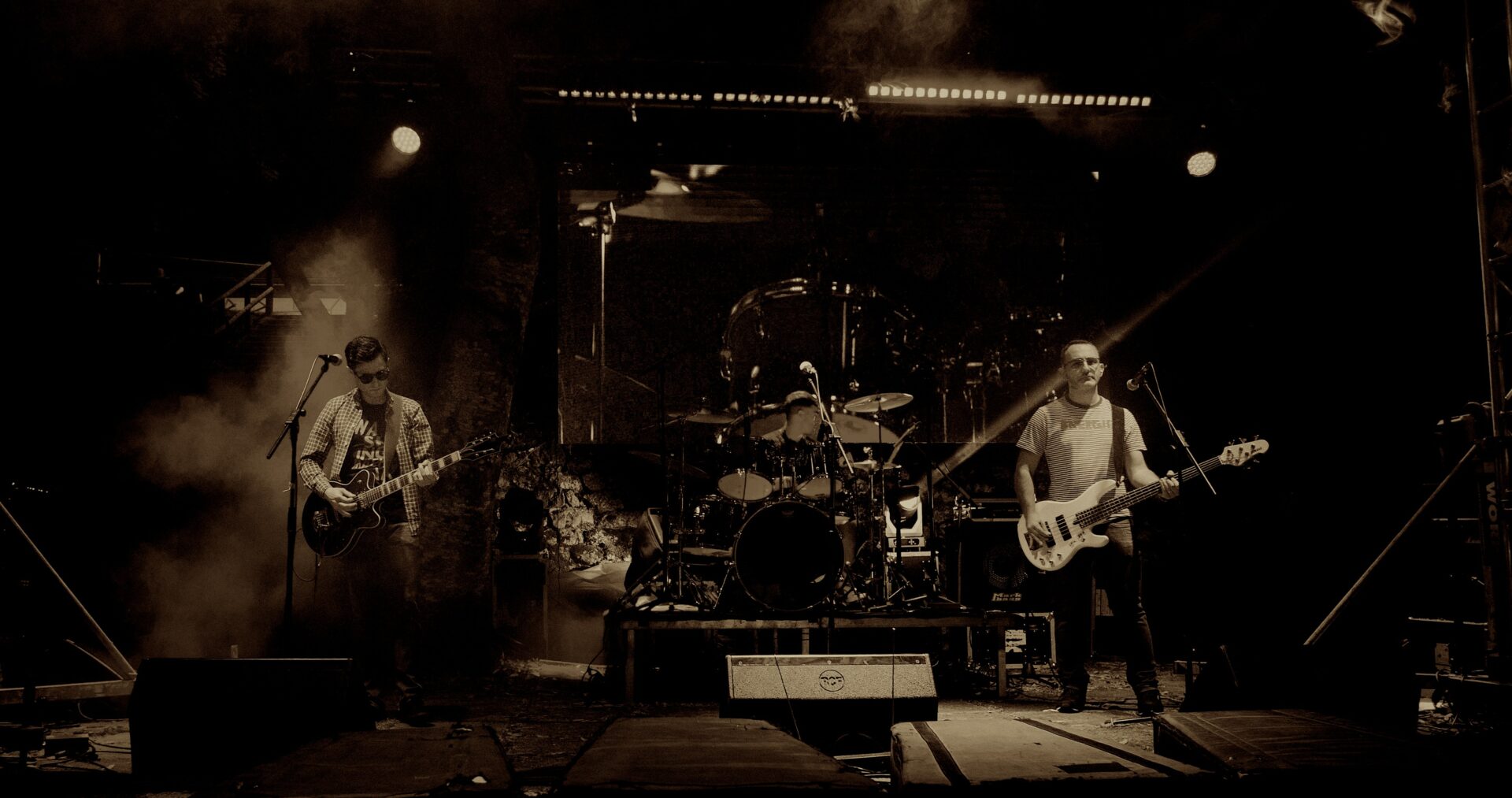

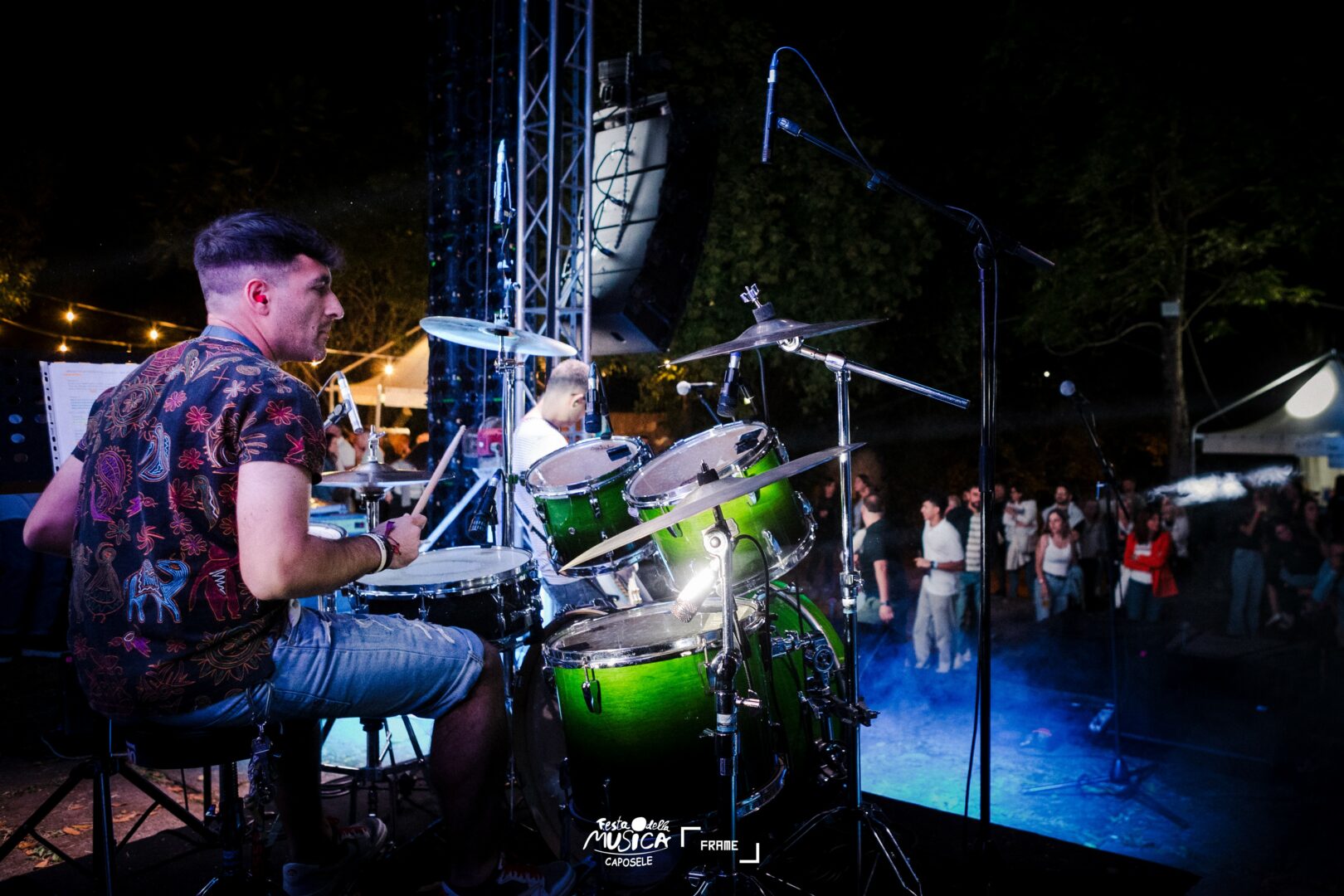
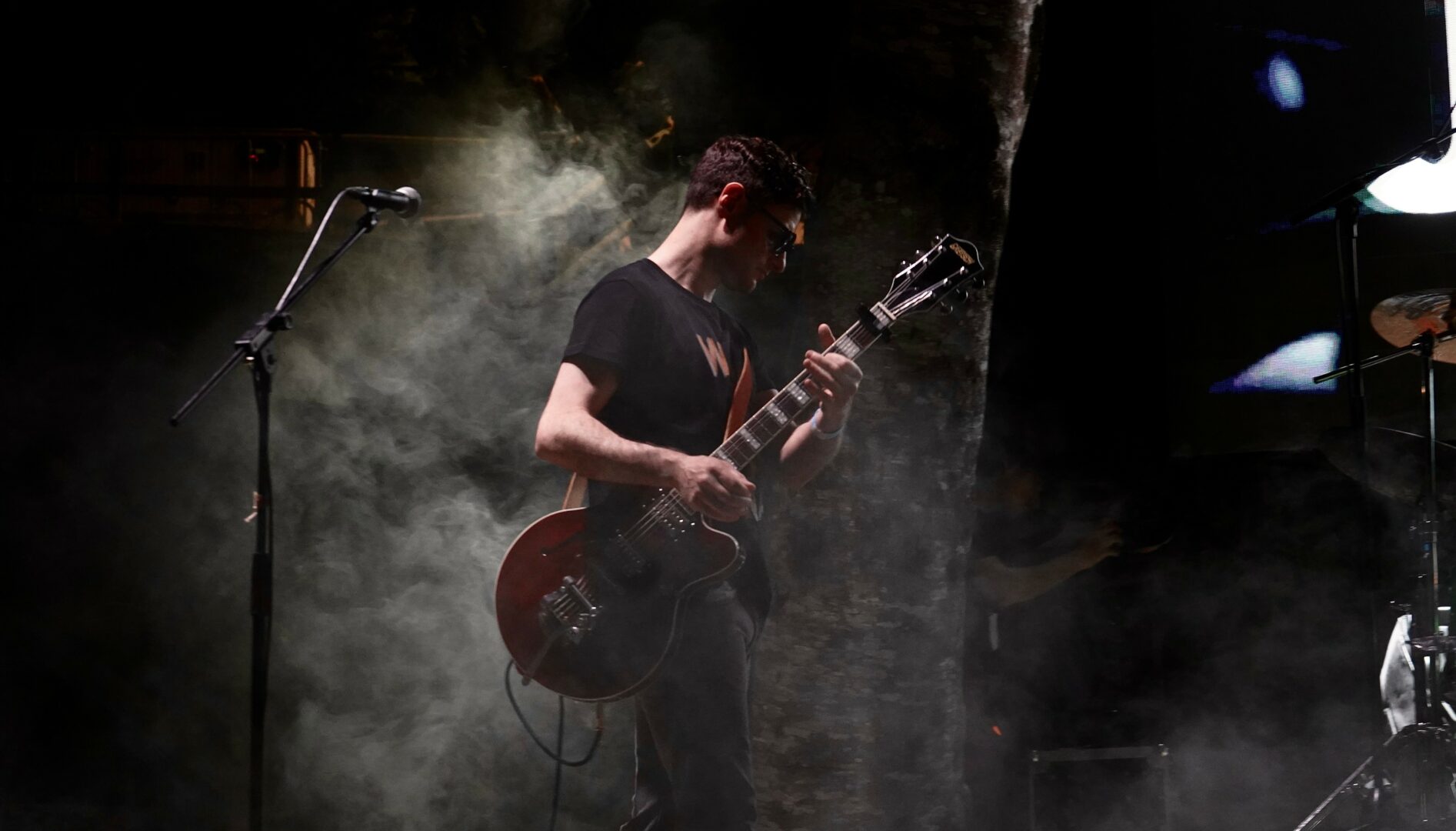
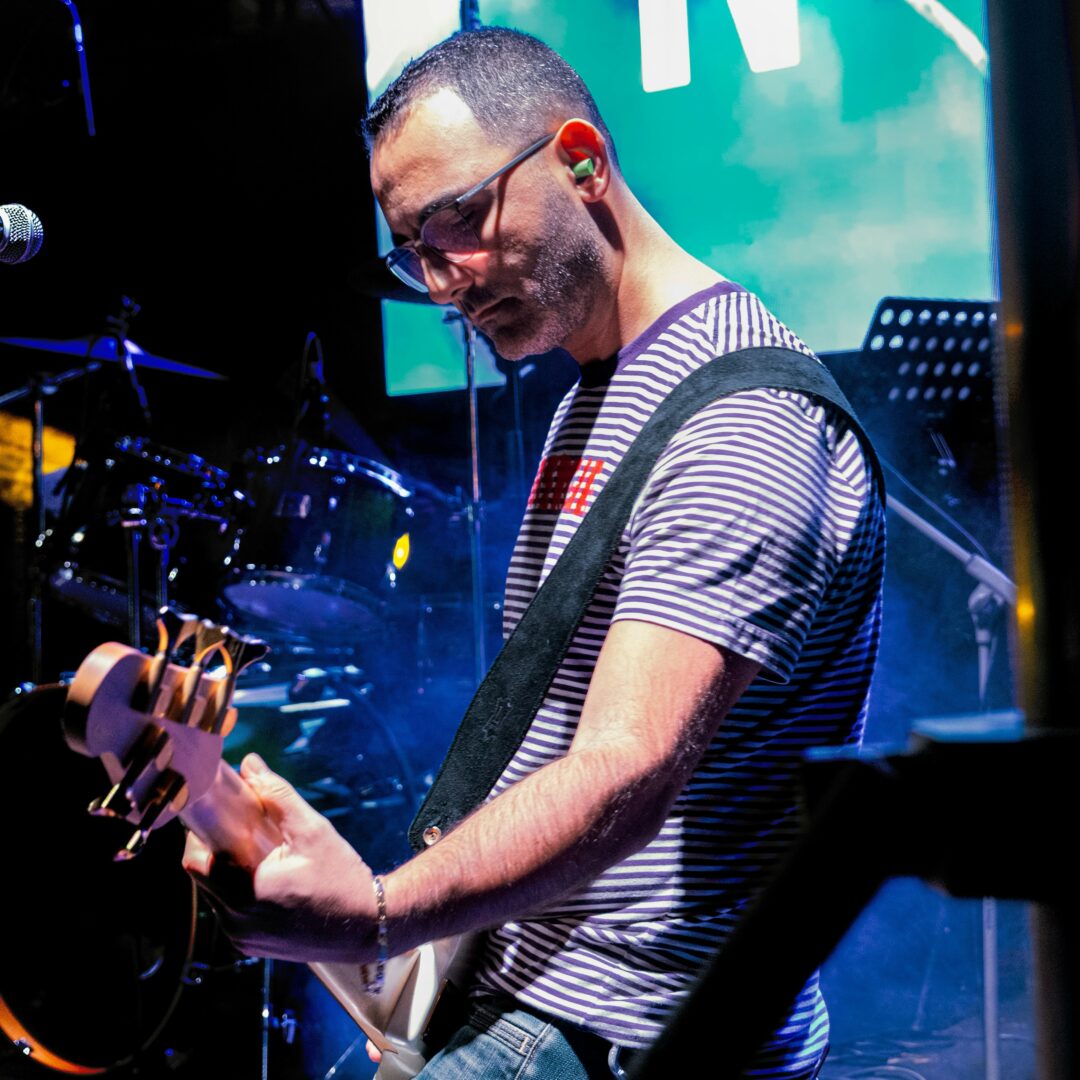
Image Credits
All images are owned by the band
so if you or someone you know deserves recognition please let us know here.