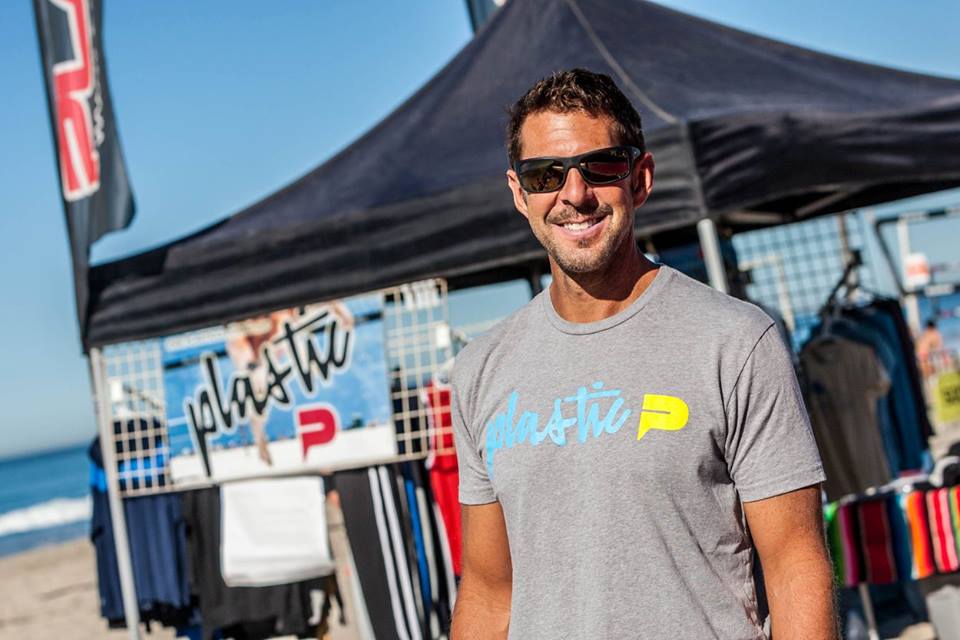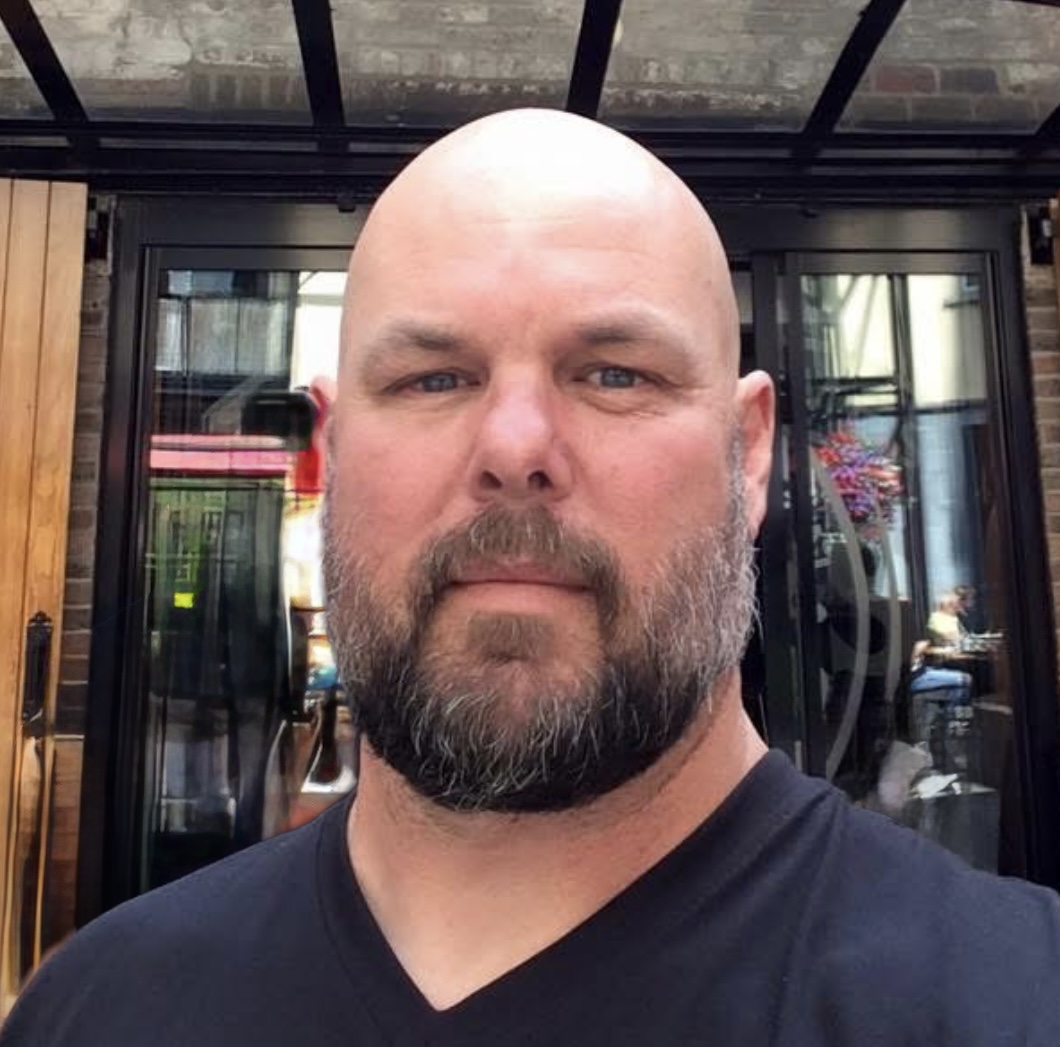
We’re looking forward to introducing you to James Snow. Check out our conversation below.
Good morning James , it’s such a great way to kick off the day – I think our readers will love hearing your stories, experiences and about how you think about life and work. Let’s jump right in? What’s more important to you—intelligence, energy, or integrity?
Integrity is far and away the most important thing of the three. I spent almost 30 years in Law Enforcement and I worked with people who were smart enough to outthink the rest of us and had the drive to work circles around the team—yet you couldn’t trust them as far as you could throw them. And when the mission gets tough, trust outweighs both IQ and horsepower. While most people I worked with in LE were stand up people, we are all still human and there are people who will cut corners to get that next promotion or look like the big man – but that is one thing the profession will call out. Integrity is everything and once you show you have none, you are gonna be ostracized.
Intelligence and Energy are great, but you can teach skills and you can channel energy, but you can’t fake integrity—not for long. A super intelligent person absent integrity will eventually cut corners, hide mistakes, or twist the truth to protect themselves. A high-energy worker without integrity will pour that effort into the wrong priorities—or worse, into tearing down others.
Integrity is the compass that runs the ship – intelligence is the map and energy is the fuel, but if the compass is broken, the smartest route and the biggest engine will still take you in the wrong direction. In a unit, integrity is what tells your people, “You can believe me when I say I’ve got your back.” Without that, everything else is just noise and leaders without integrity leave behind confusion, resentment, and broken trust while leaders with integrity leave behind a team that can function long after they’re gone.
When you have integrity, your intelligence and energy multiply the right things and without it, they multiply the wrong things and ultimately, the mission pays the price.
Can you briefly introduce yourself and share what makes you or your brand unique?
I’m James Snow, a retired Sergeant from the San Bernardino County Sheriff’s Department who has built a second career blending craftsmanship, storytelling, and leadership. After almost three decades in uniform, I made my own pivot founding Snow Woodworks, a custom furniture and design studio inspired by the Greene & Greene and Arts and Crafts traditions. My work is known for its attention to detail, timeless joinery, and the belief that craftsmanship is as much about character as it is about wood.
I’m also the author of The Pivot: A Guide to Moving Forward When the Mission Changes, a book born from my own journey through career transition, injury, and reinvention. I write the way I led—direct, honest, and with a focus on resilience and integrity—sharing lessons I’ve learned from both the street and the shop.
Whether I’m at the workbench, behind a podium, or writing my next book, my mission is the same: to help people navigate change with purpose, excellence, and grit. Right now, I’m working on a sequel to The Pivot focused on leadership and team culture, while continuing to create heirloom-quality pieces in my California workshop.
Great, so let’s dive into your journey a bit more. Who saw you clearly before you could see yourself?
My dad saw me clearly long before I could see myself. Long before I wore a badge, built my first piece of furniture, or wrote The Pivot, he recognized my potential—both the strengths I didn’t know I had and the rough edges I needed to work on. He believed in my ability to lead, to create, and to stand by my word, even when I wasn’t so sure. Many of the lessons in The Pivot—about integrity, resilience, and staying steady when life changes course—come directly from the example he set. His influence has shaped not only my career and craft, but the way I navigate every major turn in life. My favorite quote from him that I have heard my whole life is “Hard Work Wins”…….and it is how he has lived his whole life. He is the one who taught me that integrity is everything and everything he ever told me, he backed up with action. There was never any hypocrisy. He set the example and bar of who a man should be, who a husband should be, and who a father should be. I am still trying to live up to his example and have failed more times than I would like to admit, but I am still trying. I am lucky enough to still have him in my life, still setting an example.
What did suffering teach you that success never could?
Suffering has taught me many things success never could. While success can give you confidence, it can also fool you into thinking you’ve got it all figured out. Suffering doesn’t let you live in that illusion. because it strips away the comfort, the titles, and the momentum. It strips everything you might use to hide behind and forces you to see who you really are when the lights are off and the crowd is gone. At the end of the day, you have to look in the mirror and deal with what you see.
In The Pivot, I talk about failure as one of life’s most honest teachers. Suffering is the same way because it’s raw, it’s unfiltered, and it doesn’t care about your résumé. It teaches patience when you want answers right now and it teaches humility when you realize you’re not as bulletproof as you thought. If you let it, suffering will teach you how to fail forward and how to take the hit, learn the lesson, and step into the next season wiser and more prepared.
Success can make you comfortable, but suffering makes you capable because it builds a depth in you that nothing else can. When you suffer, you learn to keep moving when every part of you wants to quit and you learn that resilience isn’t about bouncing back to where you were, it’s about using the setback as the starting point for somewhere better. Many of the lessons in my book are about adapting and about keeping your integrity when the ground shifts were born in those moments of suffering. So my advice to others, and it is not easy, but try to embrace the suffering and look at it for what it is….and opportunity for growth.
It has been said in a lot of places, but another gem I got from my Dad is the saying that “this too shall pass”…..and he always followed it up with the caveat that it counts for good things AND bad. It does not matter how good or bad your life is going – this too shall change. Whether you are at the top of your game or losing everything, a change is coming so ride it out.
Sure, so let’s go deeper into your values and how you think. What’s a belief or project you’re committed to, no matter how long it takes?
One thing I’m committed to, no matter how long it takes, is reducing first responder suicide and suicide by those who feel they no longer have purpose by helping men and women rediscover their purpose when the mission changes. Over my career and in the years since, I’ve watched too many brothers and sisters in law enforcement, fire, EMS, and the military struggle in silence when they step away from the work. Sometimes it’s by choice, sometimes because of injury, politics, or burnout, but the result is the same: the identity that once anchored them is suddenly gone.
When your entire sense of worth is tied to what you do, whether it be a badge, a job, or a uniform, losing it can feel like losing yourself. In that space where the mission is unclear and the future feels uncertain; darkness has room to grow and that is where too many good people start to believe the lie that they have nothing left to offer. I believe too many people tie their identity to what they do and when you ask them who they are, they respond with, “I’m a cop, I’m a nurse, I’m a doctor, CEO, fill in the blank.” The problem is that it is NOT who you are it is WHAT you do. So when people have tied their identity to a job and lose it, they think they no longer have purpose and that could not be further from the truth.
My whole reason for writing The Pivot was born out of my own fight to find purpose after leaving the job. I had to learn the hard way that the mission can change without the man changing. That who you are at your core – your integrity, your skill, and your leadership still matters, even if the role is different. I believe my work now is about passing that on, giving others the tools to adapt, and proving that their value didn’t end with their career.
This is not a quick project, and it is probably going to be a lifelong commitment. It means writing books, building workshops, speaking at conferences, and creating spaces where people with a lot left to give can be honest about what they’re going through without being judged. It means connecting them with new missions, new communities, and a renewed belief that their story isn’t over. Every time we help someone pivot toward a future they still want to live, we keep another name off a memorial wall and that’s a fight I’m in for as long as it takes.
Before we go, we’d love to hear your thoughts on some longer-run, legacy type questions. What is the story you hope people tell about you when you’re gone?
Great question…….because I don’t believe that legacy is about the money you leave behind – it is about the difference you’ve made in the lives of others.
I hope the story people tell about me when I’m gone starts with my family and that I was a husband and father who showed up, who built a life where they knew they came before the job, the shop, or the stage. I struggled with that balance during my law enforcement career when my kids were little and I hope I have made those amends and changed the dynamic. I hope they say that I led my family the same way I tried to lead everywhere else—with steadiness, love, and a commitment to leave them stronger for having walked through life with me.
I also hope they say I left people and places better than I found them and that I was the kind of man you could count on when it mattered, who stood by his word, and who didn’t just talk about integrity but lived it. I want them to say I led with purpose, worked with excellence, and treated people with respect, whether we wore the same uniform, shared the same shop space, or met once in passing.
If they talk about The Pivot, I hope it’s because it helped them find their footing in a hard season. If they mention my time in law enforcement or the shop, I hope it’s because they saw the way I showed up, not just what I built. More than anything, I want the story to be that I helped others find their mission when they thought theirs was over, and that I never stopped fighting for the people who serve.
Contact Info:
- Website: https://www.snow-woodworks.com
- Instagram: https://www.instagram.com/snow_woodworks/
- Linkedin: https://www.linkedin.com/in/james-snow-85352836/
- Facebook: https://www.facebook.com/james.snow.wood.works/
- Youtube: https://www.youtube.com/@snowwoodworks
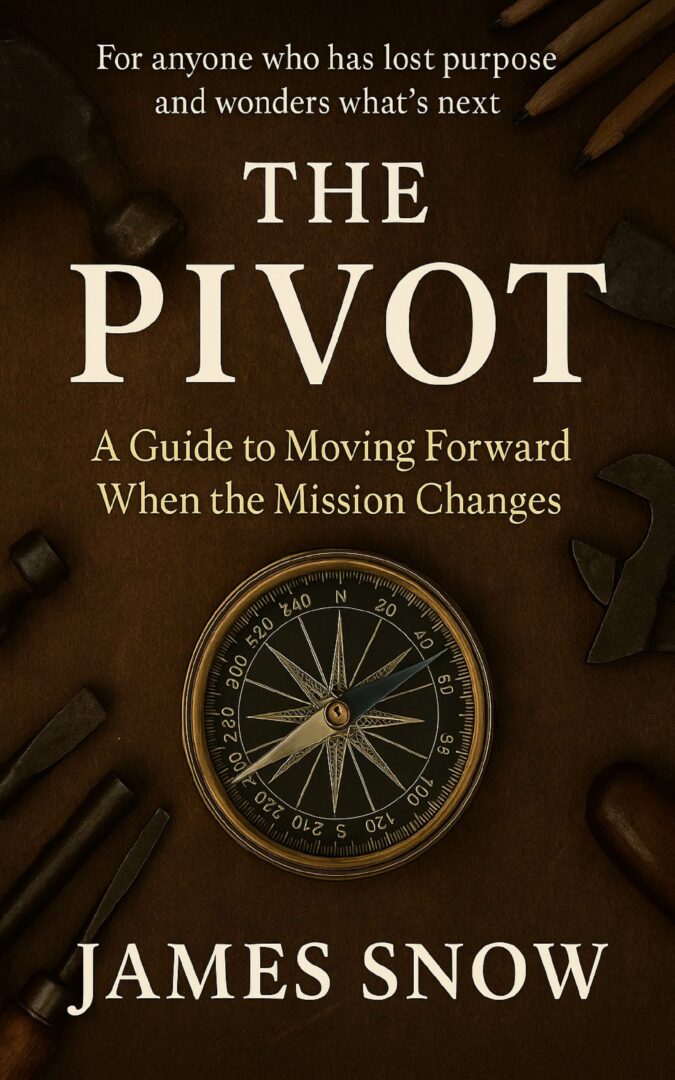




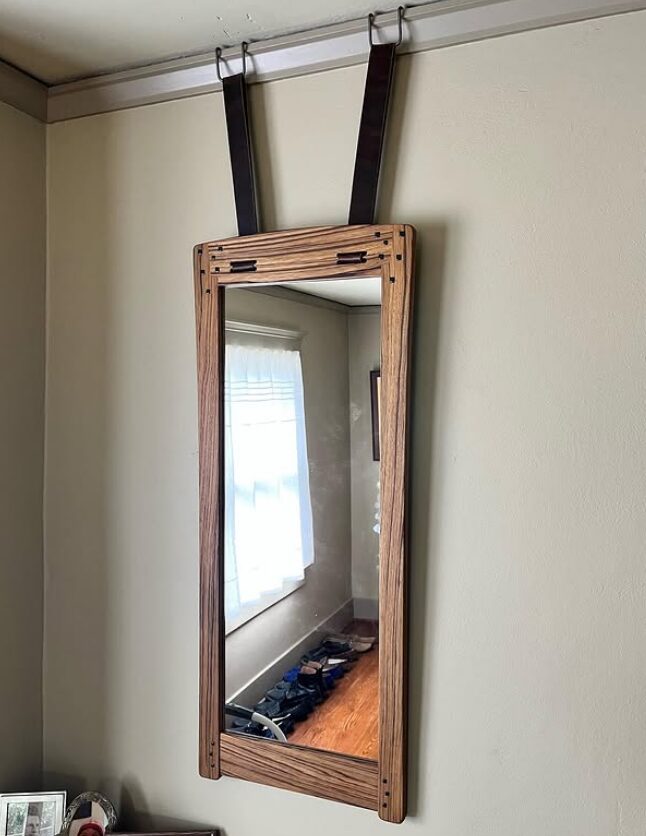


Image Credits
All taken by me
so if you or someone you know deserves recognition please let us know here.