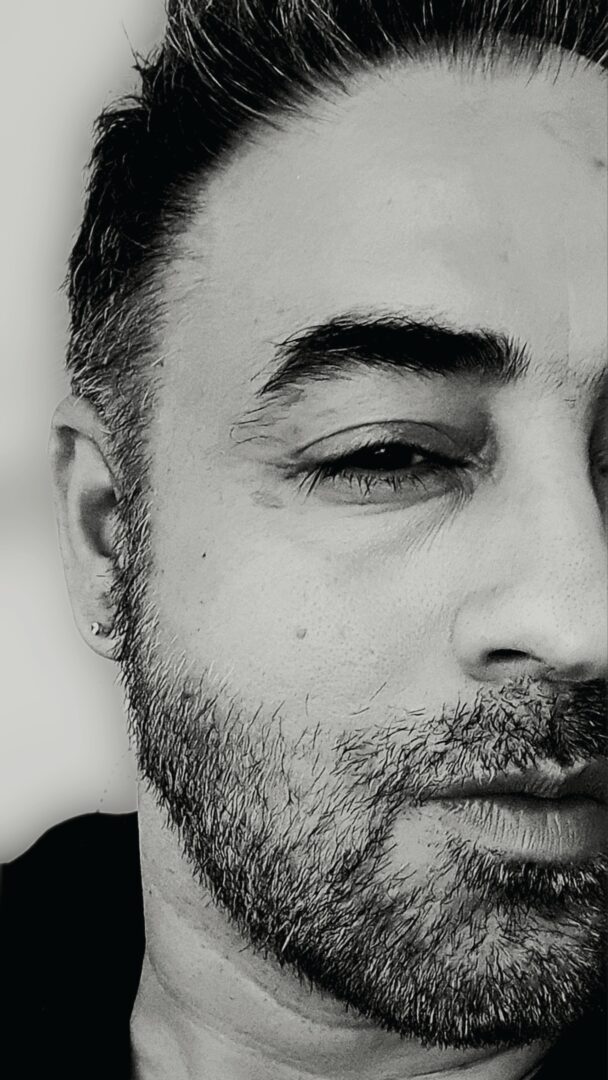
We’re looking forward to introducing you to Jasbir Saggu. Check out our conversation below.
Good morning Jasbir, it’s such a great way to kick off the day – I think our readers will love hearing your stories, experiences and about how you think about life and work. Let’s jump right in? What is a normal day like for you right now?
Right now, my days revolve entirely around a new body of work that’s rooted in industrial waste from my city. Each morning, I usually start by driving through the industrial zones—factories, scrapyards, and forgotten spaces—collecting discarded materials. I gather things like fabric remnants, leftover paints, metal scraps, chemical residues… anything that feels charged with a kind of history or energy. These materials become the base of my paintings.
The process isn’t just about collecting—it’s about observing what gets thrown away, what traces industries leave behind, and how that connects to cycles of consumption and decay. Once I’m back in the studio, I spend time experimenting—combining, layering, even letting the materials react with one another. Every day is different, but it always begins with the city itself. It’s like the environment is feeding the work in real time.
Can you briefly introduce yourself and share what makes you or your brand unique?
My name is Jasbir Saggu. I’m a contemporary visual artist with a strong interest in material experimentation. My practice is rooted in process—I treat the studio as a space for invention, where the material itself often guides the outcome. I work across mediums, constantly exploring how different substances interact, resist, or transform.
Right now, I’m focused on a series of paintings with industrial waste collected from various zones in my city—discarded fabrics, leftover paints, metal scraps, and chemical residues. These aren’t just materials; they’re evidence of an urban industrial culture. By reworking them into paintings and sculptural forms, I’m not only responding to environmental concerns but also trying to push the limits of what a painting or surface can be.
What makes my work unique is that it exists in that space between control and chaos. I’m always chasing new ways to manipulate or disrupt materials—to create textures, reactions, and layers that feel alive. For me, art is less about the finished product and more about the transformation that happens in the making.
Amazing, so let’s take a moment to go back in time. What’s a moment that really shaped how you see the world?
It wasn’t a single moment, but a return. I started painting as a child—it was instinctive, a way of making sense of things I couldn’t put into words. But as life unfolded, I moved into various businesses and stepped away from art for a while. Eventually, something shifted, and I found myself pulled back into the studio. But this time, I was seeing everything differently.
That shift—coming back to art with more lived experience—reshaped how I see the world. I began to notice the layers in everything: in nature, in urban environments, in people. Those layers—sometimes visible, sometimes hidden—became the foundation of my work. They represent the complexity we all carry as we move through different emotional and relational states.
At the same time, I developed a deep fascination with space—not just physical space but the vastness of the universe, the infinite expanse beyond us. Space, to me, is both a literal and metaphorical presence. It’s the void, the possibility, the unknown. In my work, you can see space as a language—the way layers build depth, the way emptiness interacts with form. In many ways, I’m painting space itself, exploring how it relates to our inner worlds and outer realities.
My current practice is a way of exploring those feelings and inner terrains. I refer to them as Altered States—a concept that’s become central to my work and, honestly, to my way of being. It’s about transformation, perception, and allowing materials—and experiences—to shift form.
Was there ever a time you almost gave up?
There have been several times in my life when I felt like giving up—whether in business, in art, or in other areas. But somehow, art always pulled me back. It’s the one constant that keeps me grounded and connected to myself. Even when things feel overwhelming or uncertain, returning to making work reminds me why I started in the first place. Art isn’t just something I do—it’s part of who I am, and that’s what keeps me coming back, again and again.
I think our readers would appreciate hearing more about your values and what you think matters in life and career, etc. So our next question is along those lines. What’s a belief or project you’re committed to, no matter how long it takes?
I’m deeply committed to exploring transformation through material experimentation—pushing the boundaries of what materials can do and how they interact. For me, this isn’t just a technique; it’s a way of understanding change itself, both in the physical world and within ourselves.
My ongoing project—working with industrial waste and discarded materials—is part of that commitment. It’s a long-term investigation into how something abandoned or overlooked can be reimagined and given new life. This process of reclaiming, layering, and altering materials reflects a larger belief: that transformation is always possible, even in places where it seems unlikely.
No matter how long it takes, I want to continue exploring these “Altered States” in my work—both as an artistic language and as a metaphor for human experience. It’s about patience, persistence, and trust in the process, even when the outcome isn’t clear.
Okay, so let’s keep going with one more question that means a lot to us: Could you give everything your best, even if no one ever praised you for it?
Absolutely. For me, art is never about external praise or recognition. It’s a deeply personal practice and a form of communication with myself and the world. The real reward comes from the process—the act of creating, experimenting, and pushing boundaries.
Even if no one ever praised my work, I’d still give it my best because it’s how I explore ideas, emotions, and my place in the world. The work is a conversation that’s ongoing, and that integrity—being true to the process—is what matters most to me.
Praise can be meaningful, but it’s never the reason I make art. The real drive is internal, and that’s what keeps me going.
Contact Info:
- Website: https://www.jasbirsaggu.com
- Instagram: jas_expressions
- Facebook: https://www.facebook.com/profile.php?id=100082220498453
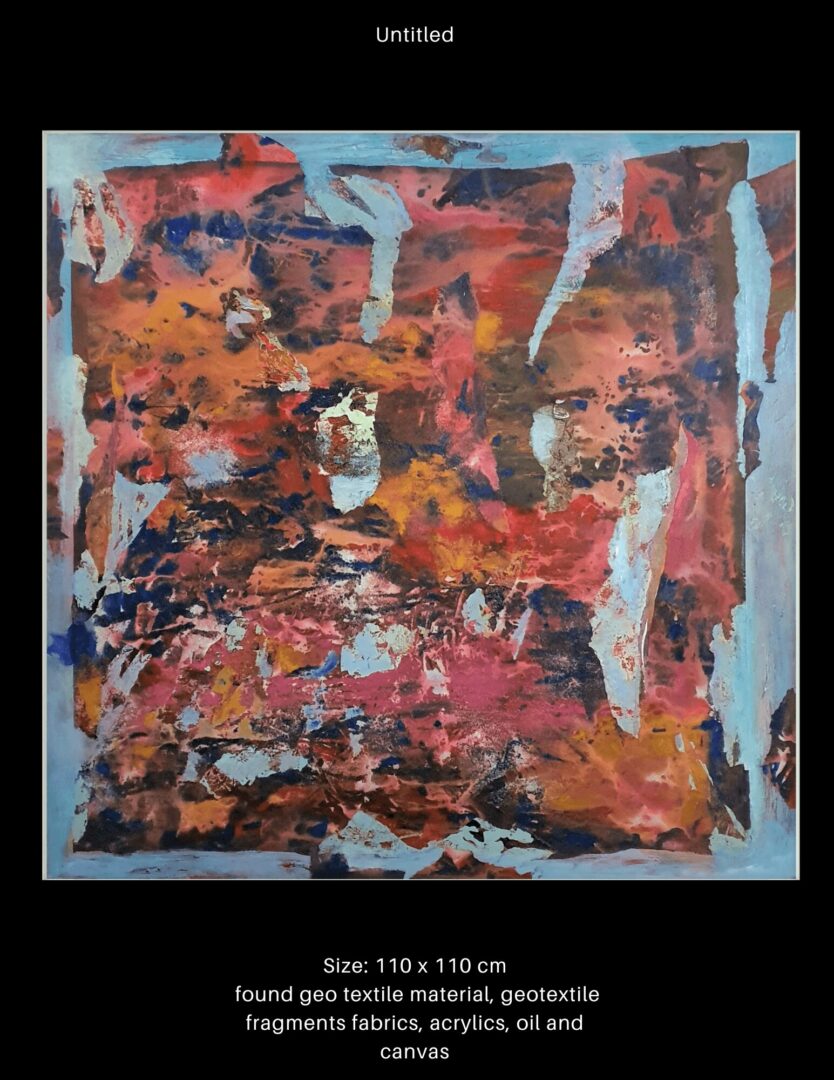
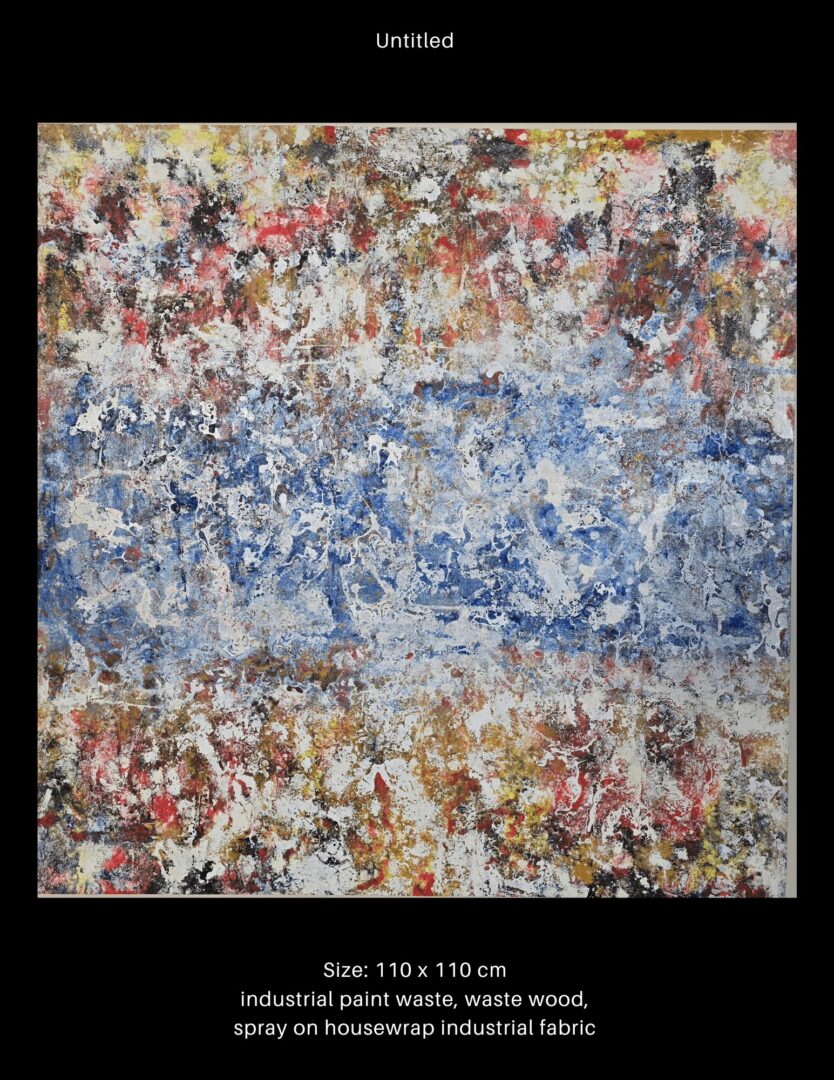
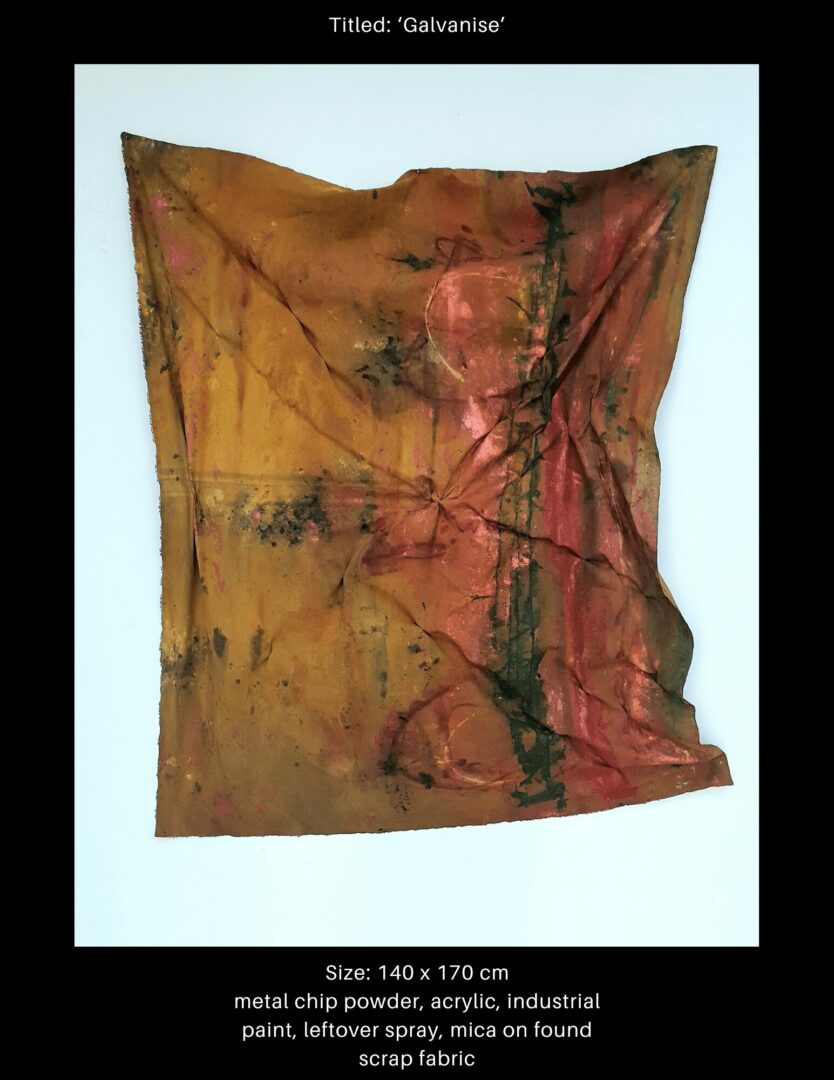
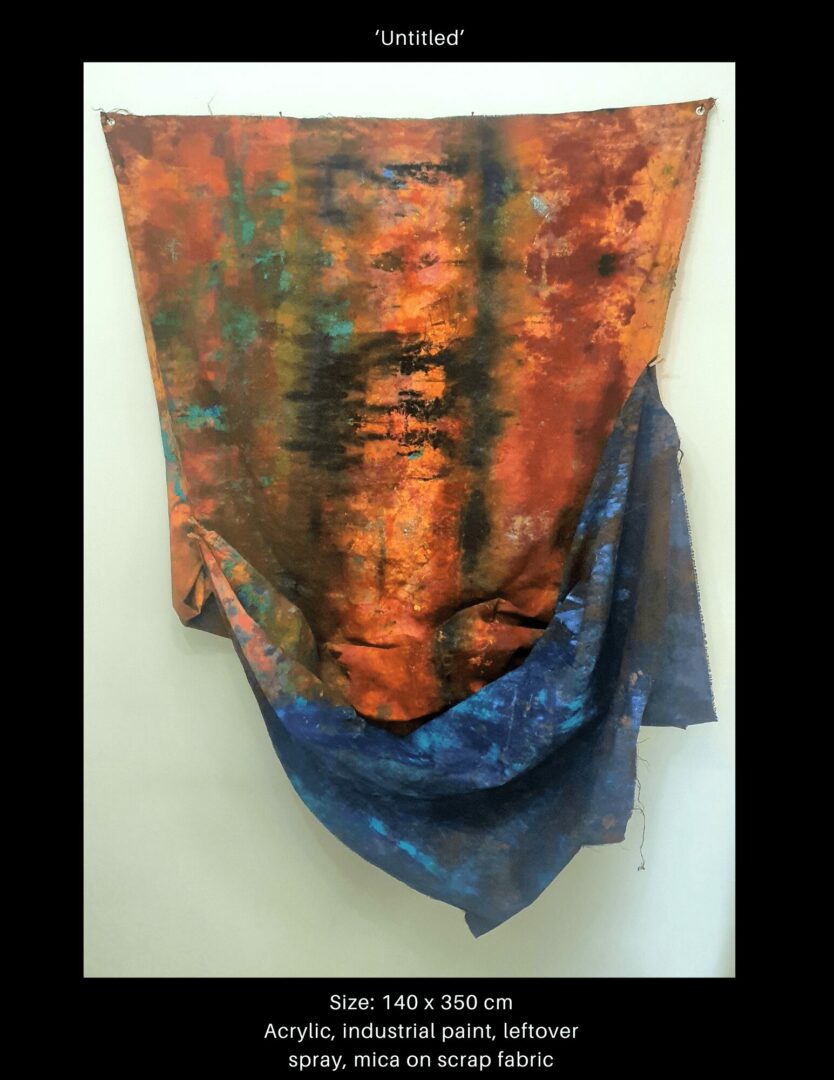
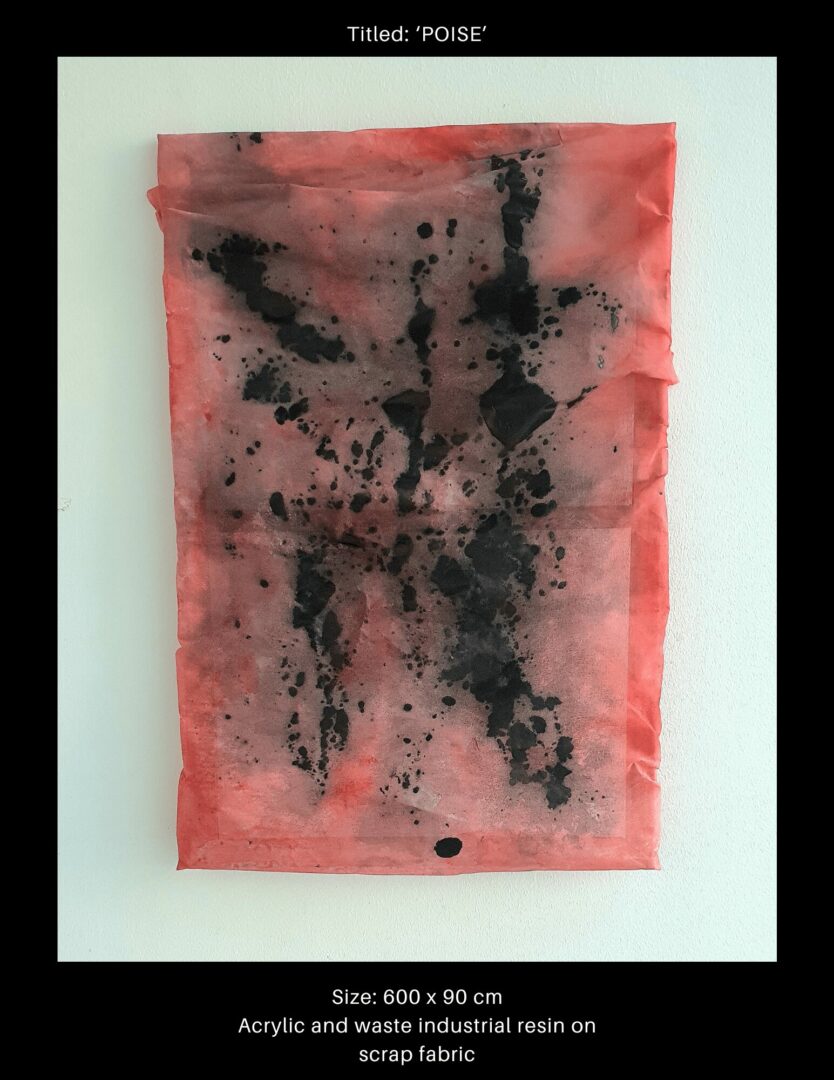
Image Credits
info on pictures itself
so if you or someone you know deserves recognition please let us know here.