We recently had the chance to connect with Jessie Jeanne Stinnett and have shared our conversation below.
Good morning Jessie Jeanne, it’s such a great way to kick off the day – I think our readers will love hearing your stories, experiences and about how you think about life and work. Let’s jump right in? What are you most proud of building — that nobody sees?
What I am most proud of building is the part of my work that almost no one ever sees, which is the internal ecology that holds Boston Dance Theater together, the culture, trust, and shared language that make the onstage work possible. It has taken nearly ten years to build, and it came through a great deal of risk, experimentation, and honest failures. Nothing about our current culture appeared overnight. It’s the result of learning from missteps, restructuring again and again, and choosing to stay in conversation with my dancers and collaborators even when it was uncomfortable.
Most people encounter the company through a finished performance, but what I have spent a decade building is the invisible scaffolding: systems that allow dancers to feel safe enough to take real creative risks, relationships with scientists and artists that deepen our research, and long-term processes that give the work its integrity. There is so much unseen labor, archival work, dramaturgy, budgets, care structures, and leadership pathways, that quietly shapes who we are.
What I’m proudest of is that this hidden architecture has grown into a culture rooted in humility, listening, equity, and curiosity. It’s not something audiences can point to, but they feel it in the work. And knowing that this culture was slowly built, rather than inherited, makes it the most meaningful thing I’ve made.
Can you briefly introduce yourself and share what makes you or your brand unique?
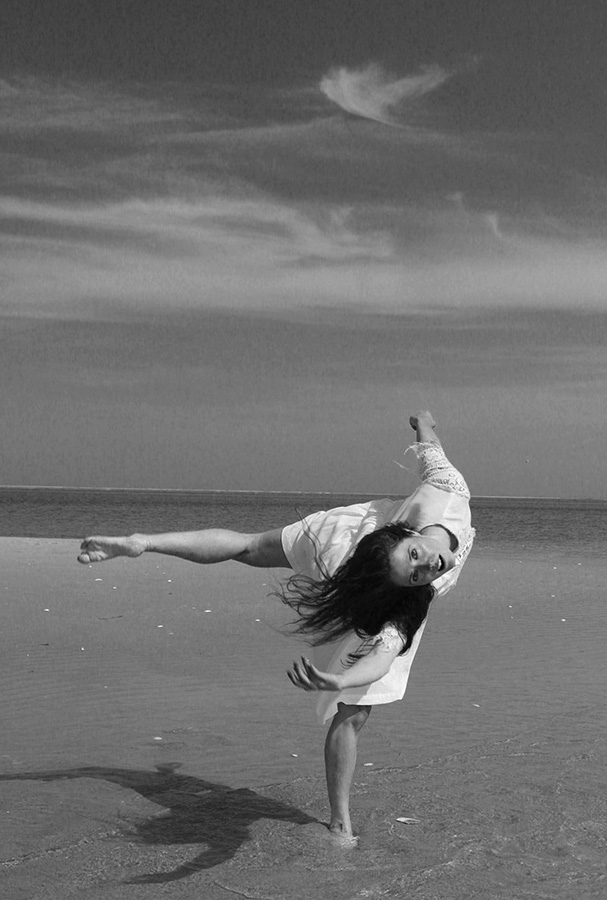
I’m Jessie Jeanne Stinnett, Founder and Co-Director of Boston Dance Theater, a contemporary dance company that blends rigorous physical artistry with ecological research, interdisciplinary collaboration, and community engagement. I started BDT almost ten years ago with a belief that dance could be both aesthetically ambitious and socially and environmentally responsive — a place where choreographers, scientists, visual artists, and dancers could investigate the world together through movement.
What makes our work unique is the depth of research behind each project. We collaborate with oceanographers on microplastics, horticulturalists on plant time, musicians and composers on sonic ecologies, and institutions like Mass Audubon and Woods Hole to connect the body to larger ecological and cultural systems. Our dancers train as artists and researchers, and our process includes improvisation, scientific exchange, choreographic labs, and public workshops that invite communities into the creative process.
My own path has been anything but linear. I built the company slowly, with very few resources, through trial, error, and an enormous amount of persistence and listening. Today we are a resident company at the Mosesian Center for the Arts, with a growing touring calendar, a professional Trainee Program, and partnerships across New England and beyond. I’m currently developing several new works, including projects on microplastics, Hildegard von Bingen’s viriditas, and the musical lineage of Jaco Pastorius.
At its heart, my work is about building worlds with others — worlds where movement becomes a way of understanding our environment, each other, and ourselves.
Appreciate your sharing that. Let’s talk about your life, growing up and some of topics and learnings around that. Who were you before the world told you who you had to be?
Before the world told me who I had to be, I was someone who led with curiosity and intuition. I loved listening, imagining, and building things, dances, stories, elaborate worlds in my mind. I didn’t yet know that these instincts would become a career. I was just following what felt alive. Over time, I learned to return to that early version of myself, the one who trusted her own way of sensing and learning, and let that guide the work I do today.
What have been the defining wounds of your life—and how have you healed them?
The defining wounds of my life have a lot to do with feeling misunderstood. I’ve often chosen paths that very few people around me were willing to walk, artistic paths, interdisciplinary paths, leadership paths, ecological research paths, and because of that, I’ve often felt like I was speaking a language that others couldn’t quite hear. When you move through the world in ways that are uncommon or nonlinear, people sometimes project their own fears or expectations onto you. That leaves its mark.
Another wound has come from building something, a dance company, a culture, a body of research, largely from scratch. There is a particular kind of loneliness and pressure that comes with carrying a vision before it becomes visible to others. There were years when the gap between what I knew was possible and what I could actually resource felt immense.
My healing has come slowly, through choosing people and environments where I don’t have to translate myself. Through creating Boston Dance Theater as a place where curiosity, sensitivity, experimentation, and interdisciplinary thinking are valued. Through surrounding myself with dancers, collaborators, and scientists who understand the kind of inquiry I’m drawn to. And through letting the very things that once made me feel different, my way of sensing, listening, and thinking, become the foundation of my work rather than something to hide.
I’ve healed by building a life where I belong, instead of trying to fit into places that couldn’t see me. The work I do now is, in many ways, the remedy to the wounds that shaped me.
Next, maybe we can discuss some of your foundational philosophies and views? What’s a belief or project you’re committed to, no matter how long it takes?
I’m committed to the long work of building an arts ecosystem where dance is not separated from the world but deeply in dialogue with it. For me, that means creating choreographic projects that unfold over years, not months, work that blends movement with ecological research, scientific collaboration, and rigorous community engagement. Some of the projects I’ve started, like our investigations into plant intelligence, microplastics, sea-level rise, or Hildegard von Bingen’s viriditas, are really decades-long inquiries. They evolve as I evolve.
I’m also committed to building a company culture that grows slowly and intentionally. It has taken nearly ten years for Boston Dance Theater to become the kind of environment where dancers feel supported as researchers, collaborators, and leaders. That is work I’m willing to continue for as long as it takes, because culture-building moves at the speed of trust.
More broadly, I’m committed to the belief that art can help people feel their connection to the environment and to each other. That belief requires patience, persistence, and a willingness to stay with questions long past the point where others might move on. But I’m in it for the long haul. Some works, and some visions, deserve a lifetime.
Okay, we’ve made it essentially to the end. One last question before you go. If you knew you had 10 years left, what would you stop doing immediately?
If I knew I had ten years left, I would immediately stop trying to make myself fit into the systems that define how artists are “supposed” to live and work. I’ve spent a lot of time trying to navigate structures that were never built for people like me — people who work across disciplines, who think ecologically, who build slowly, who lead collaboratively, who question inherited hierarchies. Those systems can make you feel like you’re always slightly out of step, even when you’re doing meaningful work.
With only ten years left, I would let go of any need to contort myself or my company to meet external expectations. I would stop trying to translate my work into frameworks that don’t hold it. I would stop compromising the scale, depth, or rhythm of my projects to fit timelines or models that value speed over substance.
Instead, I’d double down on the things that matter: long-form research, world-building, artistic risk, ecological inquiry, community partnerships, and the kind of internal culture that actually nourishes artists. I would follow the work that feels alive, not the work that feels strategic.
And the truth is, I’m already moving in that direction. Knowing how finite time is makes it easier to choose authenticity over compliance, and to build a life and practice that feel like my own.
Contact Info:
- Website: https://www.bostondancetheater.com
- Instagram: @bostondancetheater
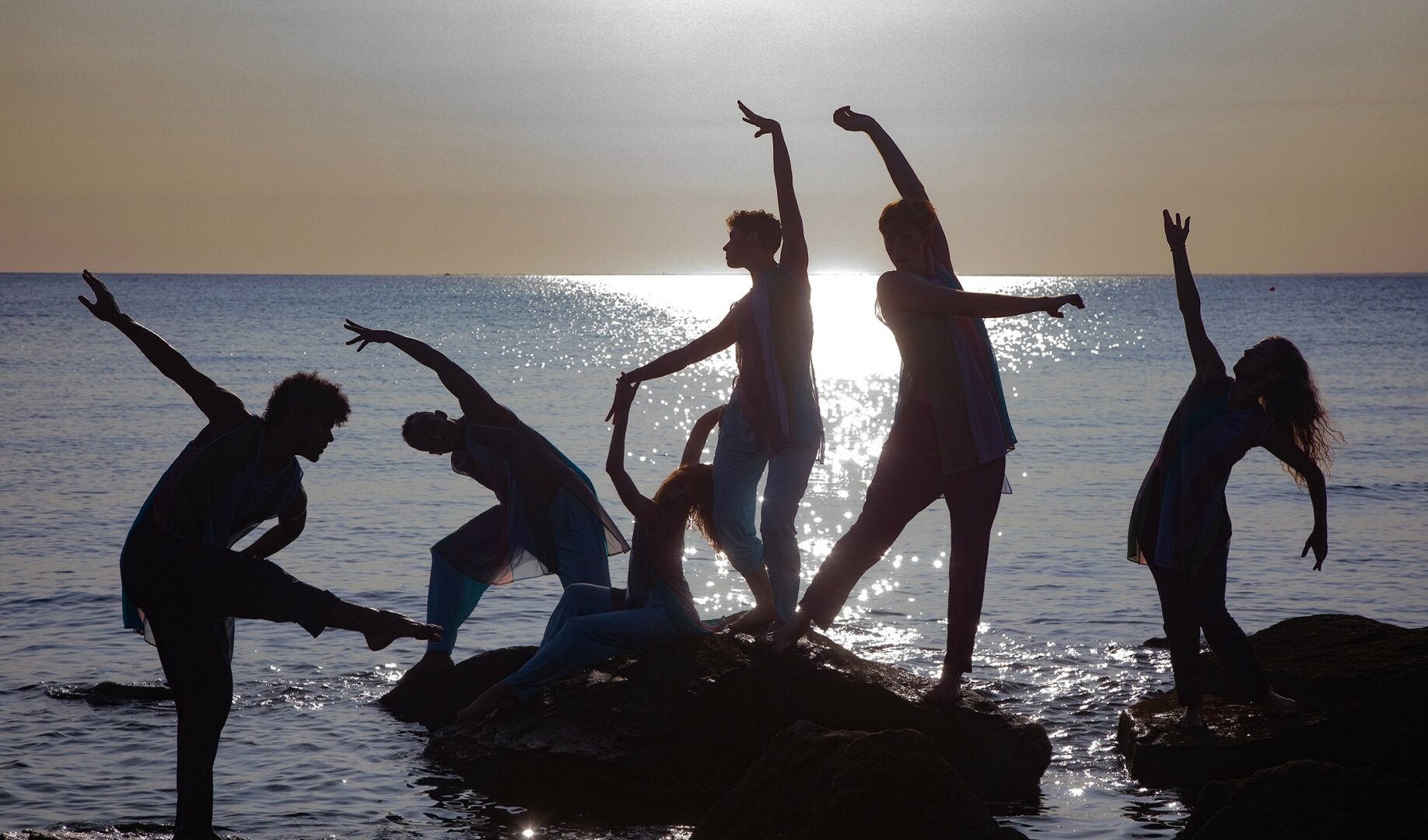
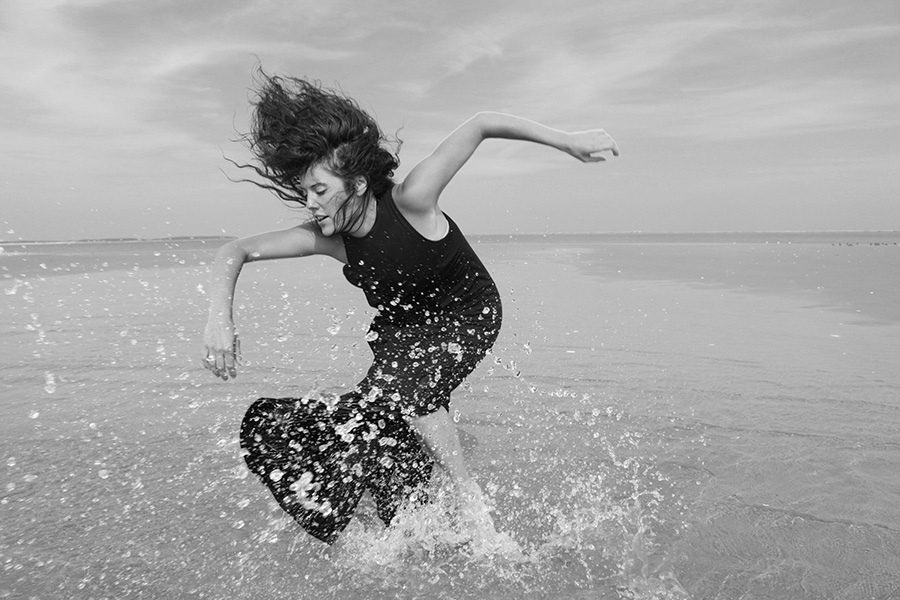
Image Credits
Larry Pratt
so if you or someone you know deserves recognition please let us know here.