We recently had the chance to connect with Kuei-Pi LI and have shared our conversation below.
Hi Kuei-Pi, thank you for taking the time to reflect back on your journey with us. I think our readers are in for a real treat. There is so much we can all learn from each other and so thank you again for opening up with us. Let’s get into it: What’s more important to you—intelligence, energy, or integrity?
The combination of intelligence and energy can help people achieve success quickly in the conventional sense, but only integrity can ensure that this combination operates sustainably and benefits others and the environment. That’s why I choose integrity.
Can you briefly introduce yourself and share what makes you or your brand unique?
I am LI Kuei-Pi, born in 1991 and based in Taipei. Growing up in a postcolonial society shaped by history and borders, I became fascinated by the invisible lines that shape our lives—lines that separate, connect, and sometimes hide entire communities. My work explores these borders, informal economic networks, and heterotopias—those strange, parallel spaces where people create their own ways of living and resisting. In a world increasingly dominated by globalization and capitalism, I have seen how individuals and communities navigate complex boundaries, using virtual currencies and offline exchanges to reconnect people and goods, building pockets of resistance within larger systems of control.
My projects take me into the field, into collaborations across disciplines. I tryed to engage with virtual currency systems or existing economic practices—not just to observe, but to intervene, to reflect on the mechanics of how value moves, and to imagine alternatives. Through videos, real-time installations, performances, workshops, and publications, I try to make these hidden networks visible, to reveal the ways people resist and adapt.
For me, borders are not just lines on a map. Their significance lies in what emerges from difference—the creativity, dialogue, and resistance that arise when communities interact. Resistance can mean confronting postcolonial trauma and authoritarianism, addressing the legacies left by empires, or reconnecting with other former colonies and occupied regions in the Global South. It can also mean caring for the heterotopias built by those who escape authoritarian capitalism or resist globalization in their daily lives.
At the moment, I am working with the publisher dmp editions (https://dmp-editions.com/) and several culture workers on a book about how borders are formed and how art can resist them. The book is scheduled to be published next year. This project feels like a continuation of everything I have been exploring: a chance to weave together stories, research, and practices, and to reflect on the ways we connect, resist, and imagine new possibilities.
Great, so let’s dive into your journey a bit more. What’s a moment that really shaped how you see the world?
When the world stopped feeling flat and started becoming a sphere—when the two farthest points suddenly connected right in front of me—I realized how much my path had changed.
After finishing my MFA degree in Taiwan and start my artist life, I went through a long period of uncertainty and self-doubt. I relied on grants for young artists and tried my best to push myself outward into the world with whatever limited resources I had. At the same time, I searched for answers in places shaped by other kinds of borders: the town without people in Phnom Penh created by real-estate speculation (2019); the India-China border and South Asian refugee communities where expression of state power becomes visible (2017, 2019); the routes of undocumented Asian migrants moving toward Europe (2022); and the U.S.–Mexico border (2024).Along the way, I met people who were stuck in borderlands and people who were surviving there. The process and their experience always echoed the hidden truths of today.
But it wasn’t until I started organizing exhibitions and working with these artists and communities—mostly spread across the Global South—sharing resources and trying to soften the cultural and economic imbalance between the Global North and South, that I finally understood what the world means to me: a network of coexistence built on mutual support and collaboration.
Was there ever a time you almost gave up?
The thought of giving up has never really left my mind.
I’m an ordinary artist—I don’t have the kind of talent that into a star, and there are days when work exhausts me so much that I start doubting everything I’m doing. But people who have worked with me, the ones who quietly support our projects—the institutions, collaborators, and communities—keep pushing me forward. Whenever I think about their help and encouragement, I feel almost embarrassed for wanting to give up. I tell myself, maybe I can hold on just a little longer. And usually, once I push through that moment, things start to unfold more smoothly.
Next, maybe we can discuss some of your foundational philosophies and views? What’s a cultural value you protect at all costs?
I’m an artist born in Taiwan in the 1990s, which means I’ve lived my whole life in a place shaped by geopolitical tension. When I was born, Taiwan was just starting its democratization and beginning to face different voices from its diverse population. The society I grew up in has always been pulled between authoritarianism and democracy. People have had to working hard to overcome their fear of uncertainty, to stay kind, and to help one another in order to get through crisis after crisis. It was in this atmosphere that I first understood the value of culture.
For me, culture matters because of its diversity and openness. Freedom of thought and expression is where that diversity begins—it’s what allows different groups to speak to one another, to understand each other, and to imagine new possibilities. And it’s artist’s responsibility to protect.
Before we go, we’d love to hear your thoughts on some longer-run, legacy type questions. Could you give everything your best, even if no one ever praised you for it?
Of course I would. In general, my works and projects don’t tend to produce immediate benefits. But even so, these decades of working — the slow accumulation, the attempts to communicate across different communities — can create value that money can’t easily measure and lay a foundation for the people who come after us, those who want to research or create in similar fields. Maybe a lot of what I do feels small or insignificant in this moment, but it still helps clear a path toward a better future.
Contact Info:
- Website: https://www.likueipi.com/
- Instagram: https://www.instagram.com/likueipi/
- Linkedin: https://www.linkedin.com/in/kuei-pi-li-175666177
- Facebook: https://www.facebook.com/likueipi
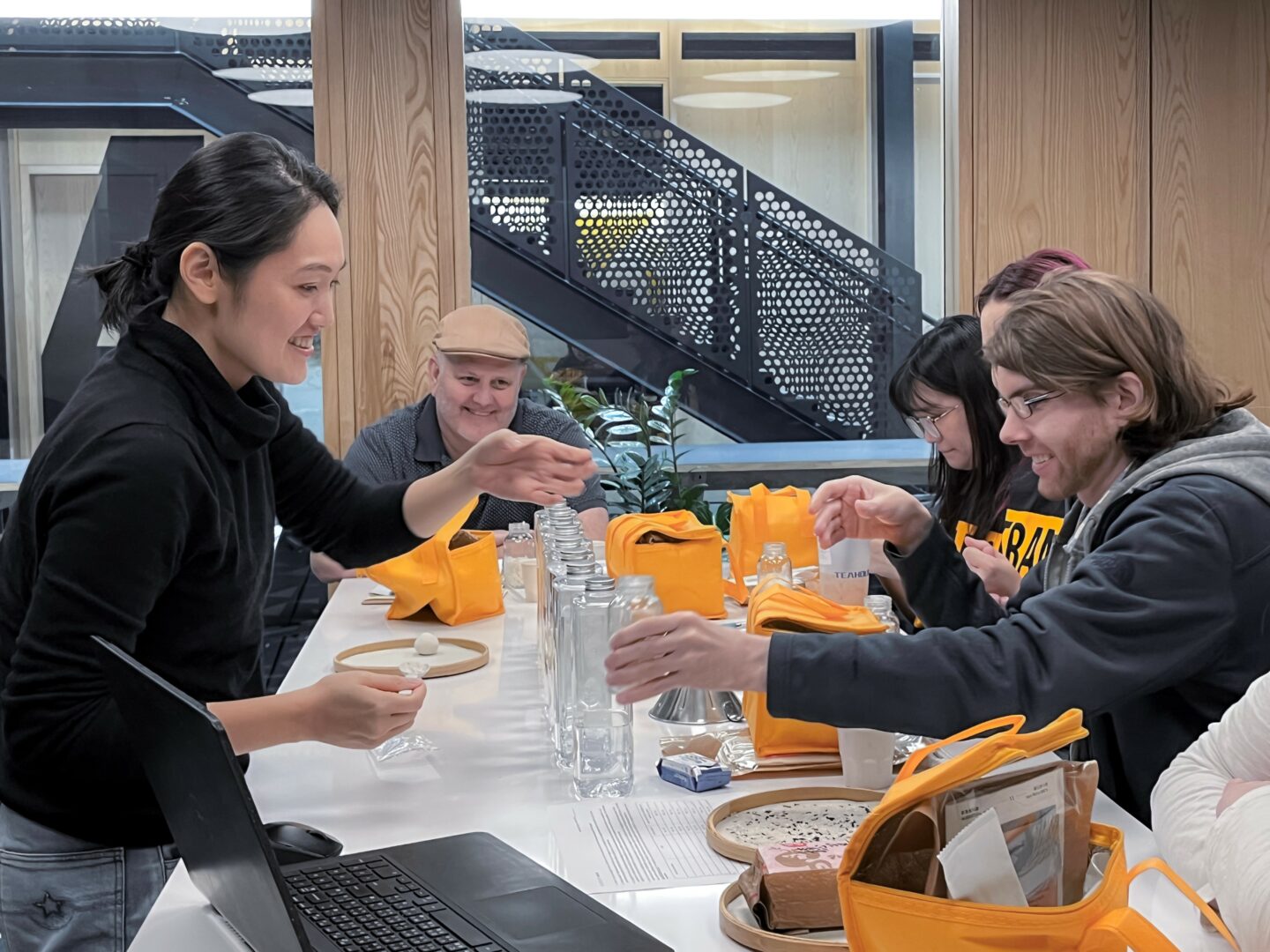
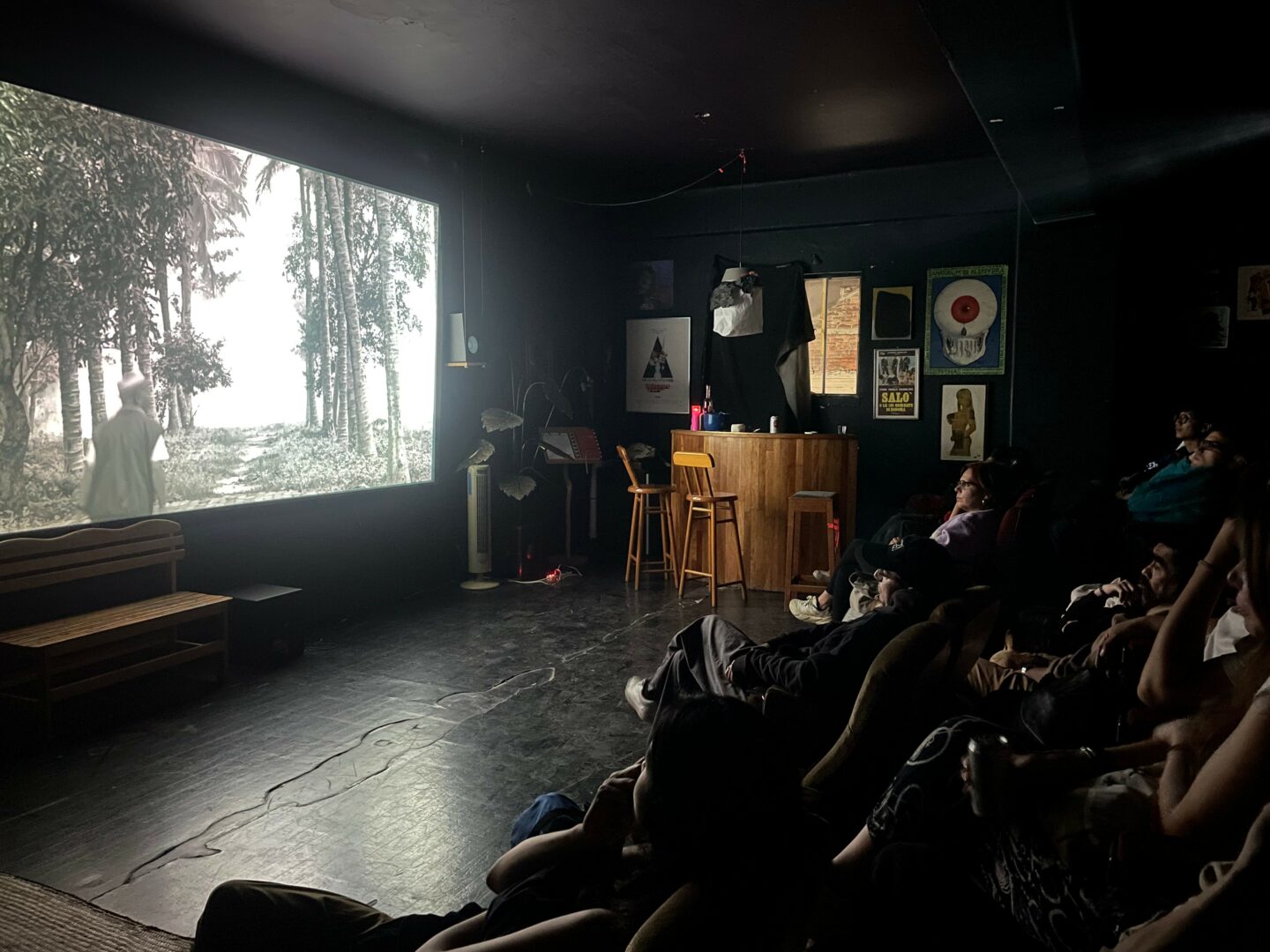
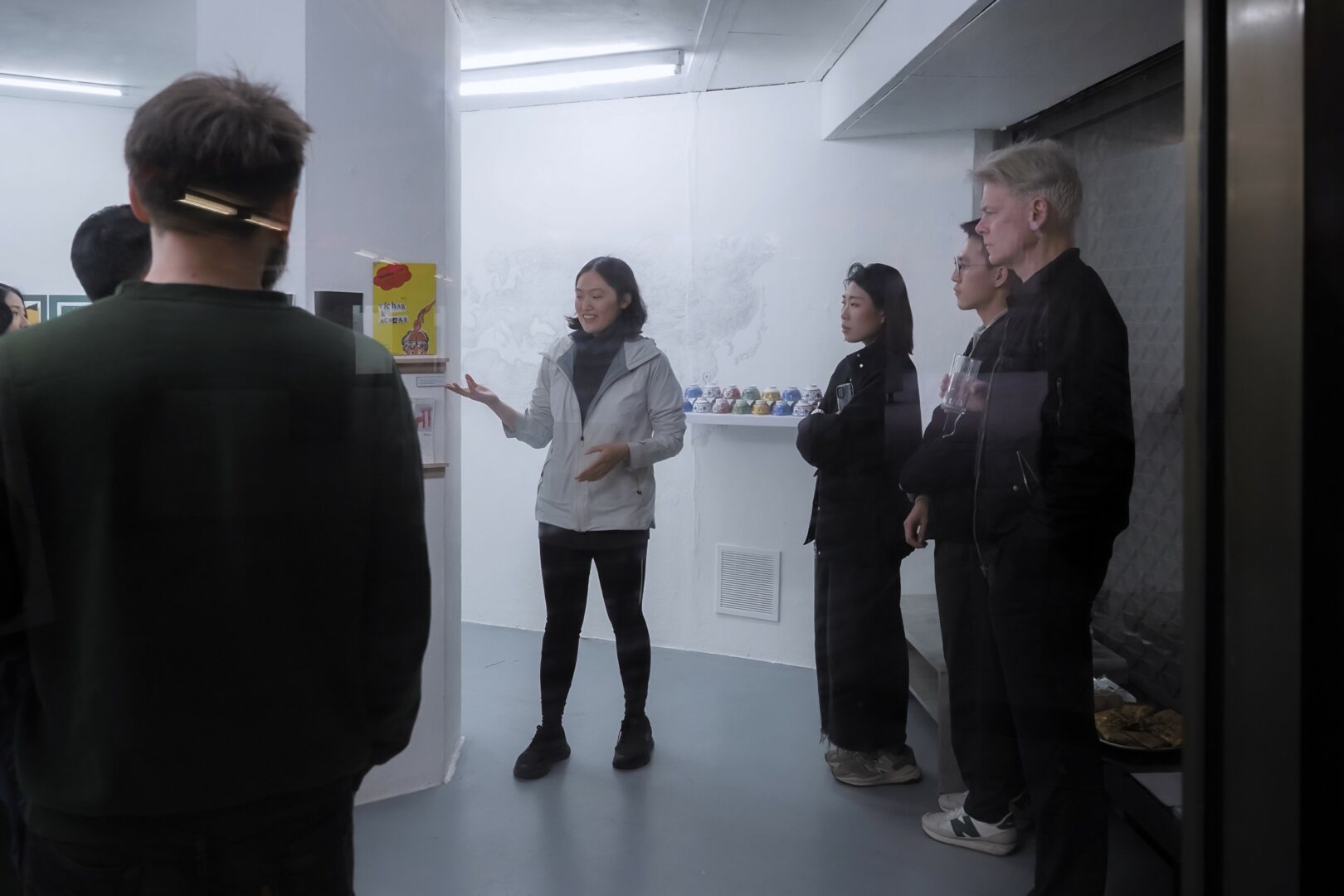
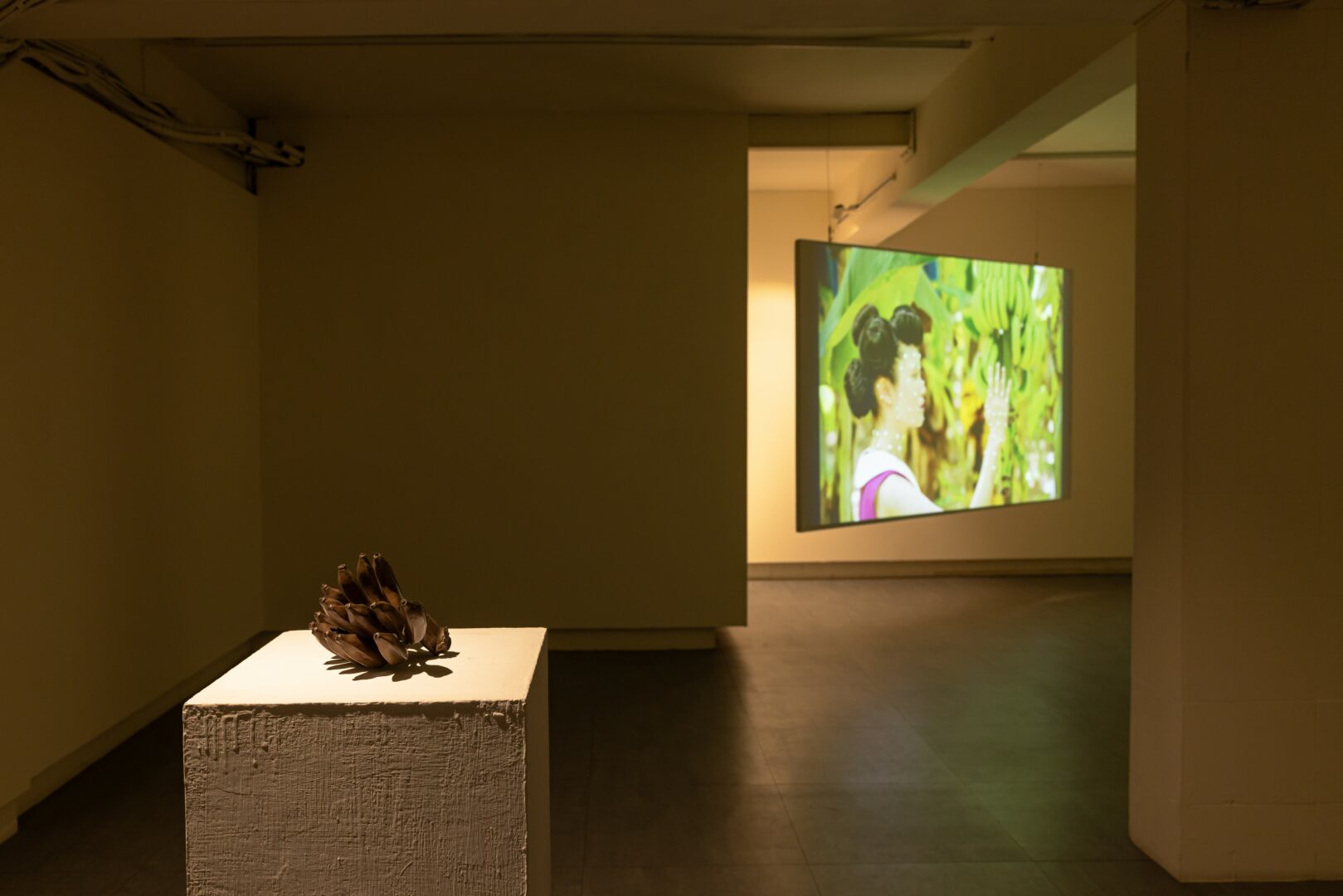
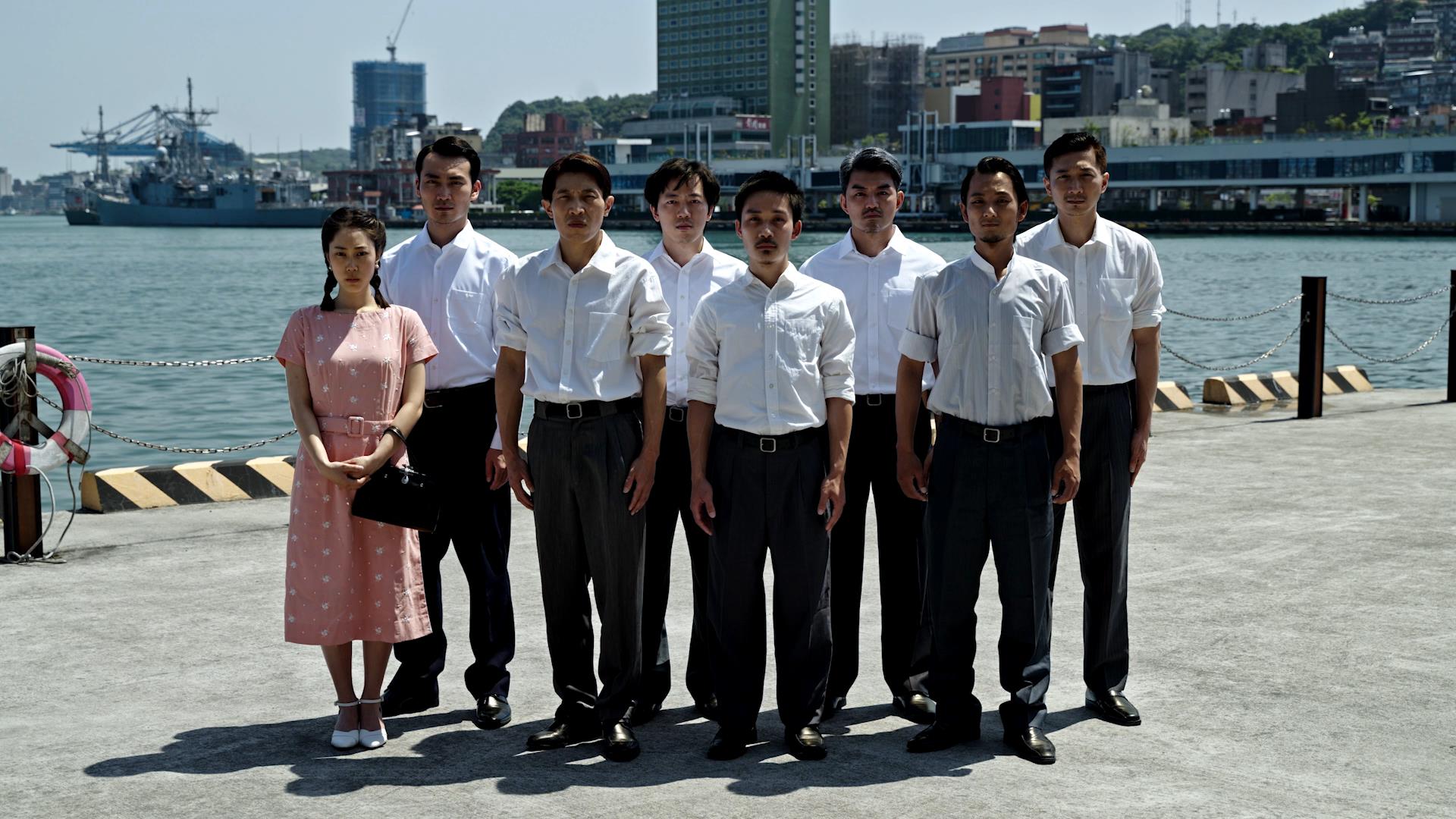
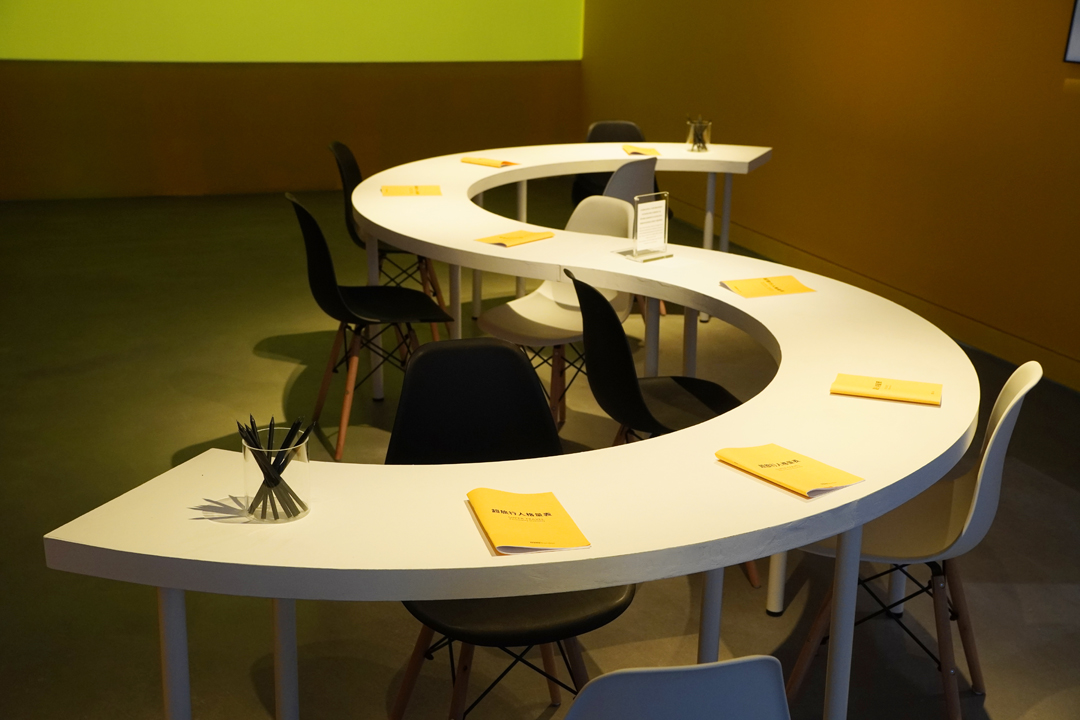
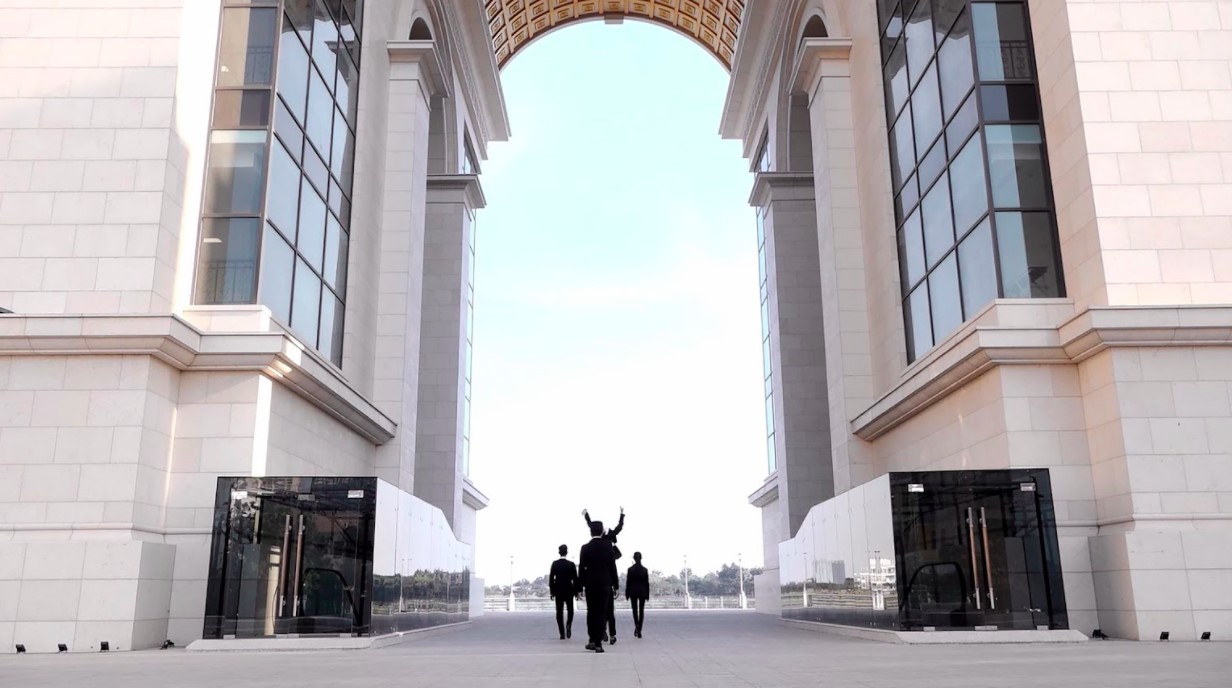
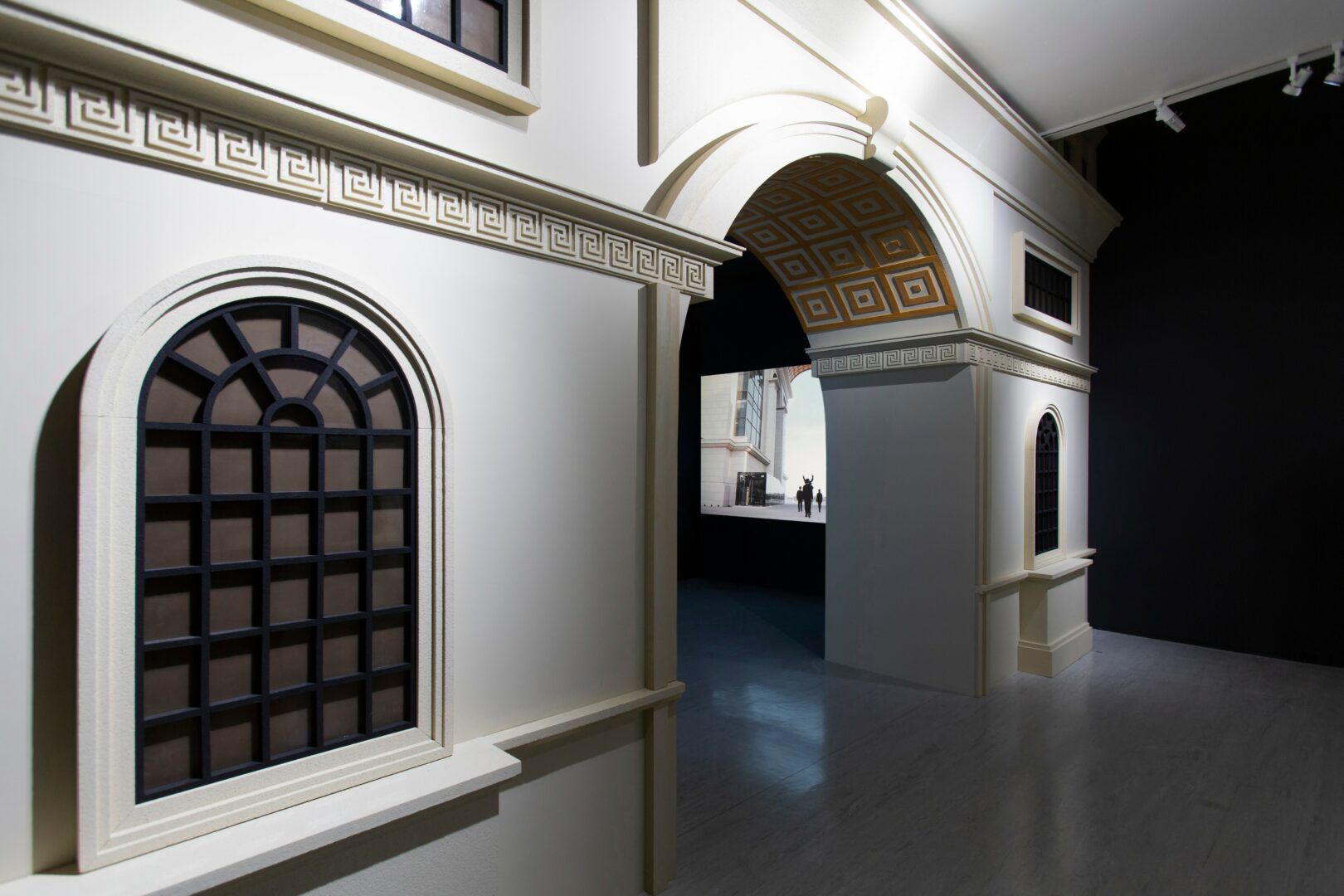
Image Credits
Introduction
20251128
1. Professional portrait, Boston, 2025, photo by Sharo Liang.
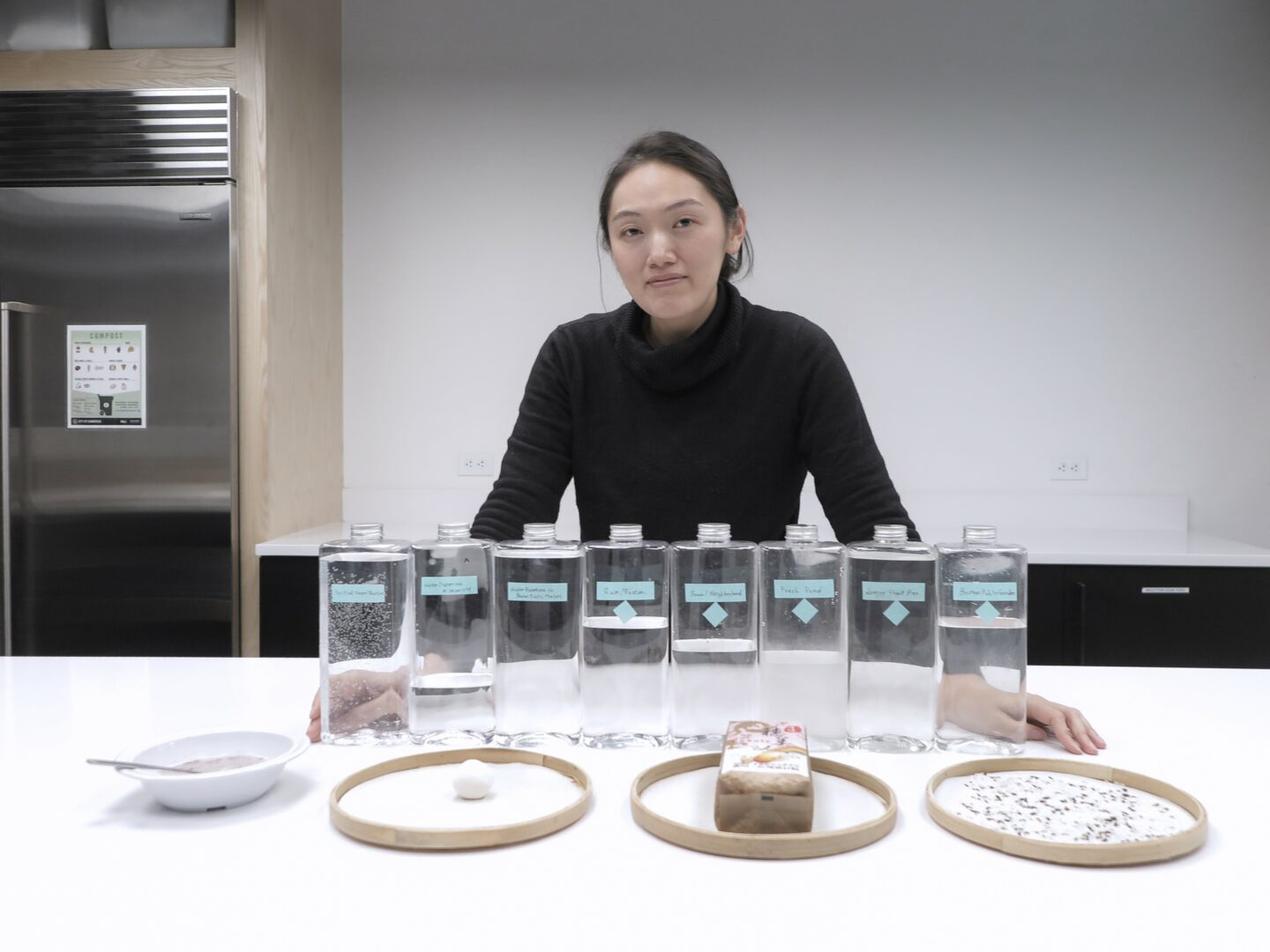
2. Workshop City Drink at TransCultural Exchange’s 2025 International Conference on Opportunities in the Arts: Avenues for Daring, Boston, USA, 2025. Photo by Sharo Liang.
3. Screening Transfer Station at La Cueva. Pictured is Sonam Tenzin’s work Settlement. Mexico City, Mexico, 2025. Photo by LI Kuei-Pi.
4. Opening of the exhibition Transfer Station: The Missing Shadow, co-curated with TSAI Ping-Ju at Gemeinde Köln. Pictured is Mahila Zine from India. Cologne, Germany, 2024. Photo by Sebastian Wulff.
5. My work Banana Coin in the exhibition Next Art Tainan: Hidden Sea, Growing City at Wan Sha Performing Arts Center, Tainan, Taiwan, 2025. Photo courtesy of the Cultural Affairs Bureau, Tainan City Government.
6. Screenshot from my work Clement Town, 2023. Photo courtesy of LI Kuei-Pi.
7. My work TransBorder at the Kaohsiung Museum of Fine Arts, 2020. Photo courtesy of the Kaohsiung Museum of Fine Arts, 2021.
8. Screenshot from my work Diamond Dream, 2020. Photo courtesy of LI Kuei-Pi.
9. My work Diamond Dream (video installation version) at the Taipei Fine Arts Museum, 2020. Photo courtesy of the Taipei Fine Arts Museum.
More info: https://drive.google.com/drive/folders/1NxJn4x5H9YWuYM028J0kzcADQGkUomxF?usp=sharing
so if you or someone you know deserves recognition please let us know here.