
We’re looking forward to introducing you to Leanne Ross. Check out our conversation below.
Leanne , so good to connect and we’re excited to share your story and insights with our audience. There’s a ton to learn from your story, but let’s start with a warm up before we get into the heart of the interview. What are you being called to do now, that you may have been afraid of before?
I started my business to support people through workplace wellbeing and burnout prevention. I myself had struggled with workplace wellbeing for years and had experienced burnout more times than I care to count!
Throughout my work, however, I recognise that people often struggle in the workplace because of something that was a lot more deep rooted and, often, not recognised. People were struggling with relationships within the workplace. They were being subject to ill treatment and behaviours that all pointed to one thing… And I began to see examples of this more regularly. The more people I spoke to, the more I could see it. I also began to speak to clients who were experiencing it in their personal relationships too. The same type of ill treatment and behaviours. Yet, none of my clients were really able to name it or label what was happening. And I don’t blame them for this! These experiences were also something that I could relate to. And I had also not recognised what I was being subject to at the time.
Narcissistic abuse.
Narcissistic abuse is when there is a sole focus on one person’s needs, with a complete disregard for another’s.
It is not easily identifiable because it is often done in a way that is subtle and initially not noticeable by the person who is being subjected to the abuse. It can happen in many different relationships, including in the workplace, intimate relationships, parental and within friendships. It also typically incorporates other types of abuse such as emotional abuse, gaslighting, coercive control and domestic violence.
Narcissistic abuse can feel very complex. There are no physical scars, only emotional ones that are hidden from view. You are broken down into small fragments, so much so that it feels impossible to put the shards back together again. Experiencing trauma can leave life-altering changes for you as a person, so getting the right support is key to aid in your healing process.
It’s an experience that I can deeply relate to, having gone through emotional abuse and coercive control in a past relationship. Having lived experience helps me to relate and empathise with others in a way that can’t be learnt from a text book.
It is a really common theme that I see with many of my clients, both in their professional lives and personal lives. It can have real damaging impacts and is something I really feel empowered to begin targeting.
So, as well as continuing with my Workplace Wellbeing Coaching, I am branching out to support individuals to recover from narcissistic abuse, domestic violence and traumatic experiences. It feels like the right step for myself and my business, and I feel it is support that is greatly needed.
Can you briefly introduce yourself and share what makes you or your brand unique?
My name is Leanne Ross and I am the Business Owner and Coach of Happylieuya Coaching and Mentoring. I have two coaching branches within my business model; the first is workplace wellbeing and supporting individuals and businesses with work–life balance. The second branch of my business is supporting people to recover from narcissistic abuse, domestic violence and trauma.
I offer my coaching face to face and online, which means I can work with anyone who feels they would benefit from my Coaching Services.The most unique part of my Coaching Services is that I have lived experience as well as professional experience.
I feel that this is important because I appreciate that, although everyone’s story is unique, I recognise the challenges that going through adversity can have.
It can affect your mindset, disempower you, and lead to struggles within your wellbeing and your ability to manage your stress effectively, all the while feeling that goal setting is pointless because you have so many other things that you’re trying to keep afloat.
I get it. I really do!
When clients come to me, they have often experienced a lack of control, so empowering my clients to take control and choices back into their lives is a really important step! Having lived experience helps me to develop a deeper sense of empathy, which helps me to support my clients in a way that feels right for them by ensuring that the client is kept at the very heart of my practice.
Okay, so here’s a deep one: What part of you has served its purpose and must now be released?
Wearing burnout as a badge of honour!
Over a decade of going through burnout can lead to feelings of familiarity and being ‘comfortable being uncomfortable’, no matter how terrible it feels. I used to think that to be successful meant you had to work all the time, almost as if you had to prove that you deserved the role you were in. I continued to be in cycles of burnout for over a decade until I just completely broke.
Realising that I don’t have to be working all hours of the day, that I don’t have to say “no sorry, I can’t, I’m working” to my friends and family, has been one of the most liberating feelings. When I started my own business, for the first few months, I did begin to work many hours, over and above what I had promised myself I would; it can be difficult to break the habit, even as someone who supports others with workplace wellbeing!
After a few months of this, I decided to do a complete revamp of my working style and started from within.
My job was only part of my life, and I was still neglecting other areas of my lifestyle that were keeping me in this burnt out, ‘all or nothing’ mindset.
So I decided to look into my perception of what success was: a life that had balance, time with family and friends, to gain back the years of neglect towards my physical and mental health. To travel, to make time to engage in more training and self-development. To be able to take time off without feeling anxious that my career would slip away from beneath me. Reframing what success actually is was the step I needed to take towards living my purpose and releasing what no longer served me. And it feels great!
What did suffering teach you that success never could?
The value of life. And I don’t say that lightly. When you are unhappy, whether it be in a relationship or in the workplace, it changes your whole perspective.
Suffering taught me self love, self compassion and self forgiveness. Those three qualities are key to healing and are key to my coaching strategy with every client I work with.
So a lot of these questions go deep, but if you are open to it, we’ve got a few more questions that we’d love to get your take on. What’s a belief or project you’re committed to, no matter how long it takes?
I am committed to my business’s vision. It fuels my purpose to help people. And I feel that I owe this to my former self. I never thought it would be possible to be living the life I’m living now, so to support other people to have the same experience is a real honour.
Thank you so much for all of your openness so far. Maybe we can close with a future oriented question. When do you feel most at peace?
I feel most at peace when I am with my sister, with a prosecco in my hand! We always have the best balance of laughter and fun, whilst also having moments of tranquillity. I can talk to her about anything and feel like I can fully be myself with her. She is absolutely my soul sister and, when I’m with her, is when I feel most at peace.
Contact Info:
- Website: https://happylieuyalifecoaching.com/
- Instagram: https://www.instagram.com/happylieuya/
- Linkedin: https://www.linkedin.com/in/happylieuyalifecoaching/
- Facebook: https://www.facebook.com/profile.php?id=100085000058398
- Youtube: https://www.youtube.com/channel/UCL6_vdJMdeZPS4Ymz6B1oXg/videos
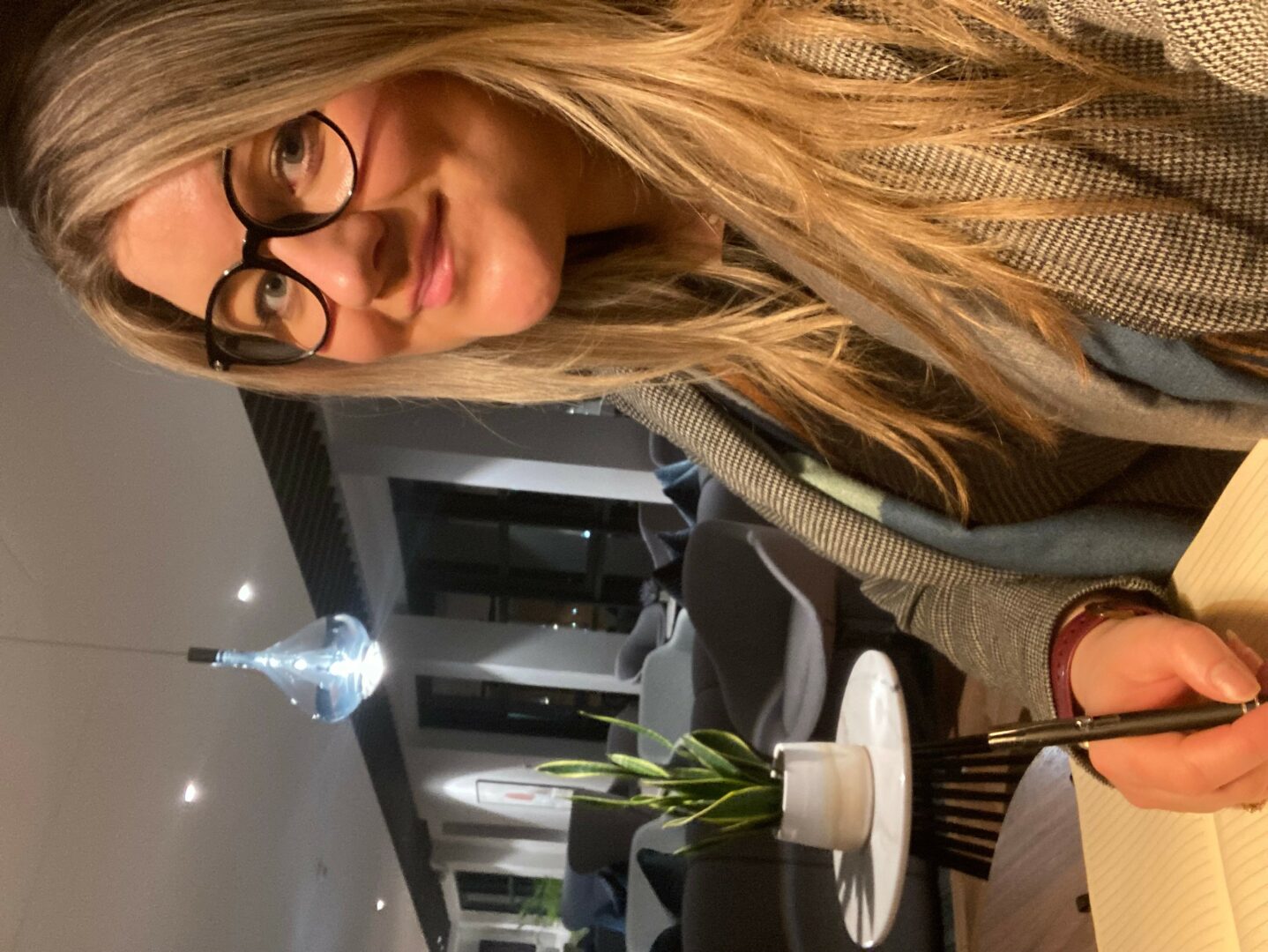


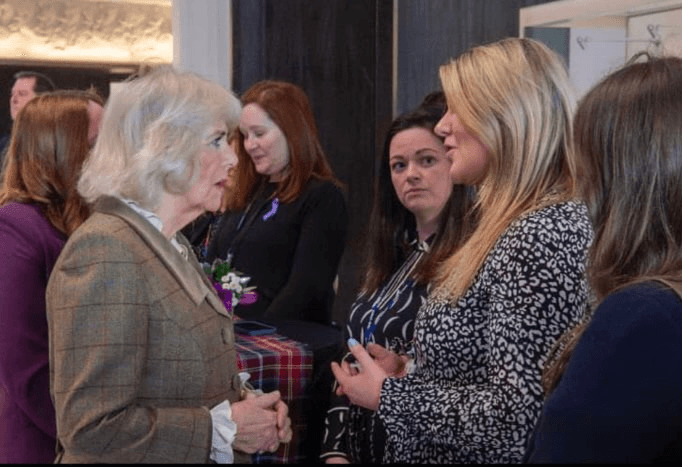
Image Credits
Scott Baxter/DC Thomson Press and Journal
so if you or someone you know deserves recognition please let us know here.