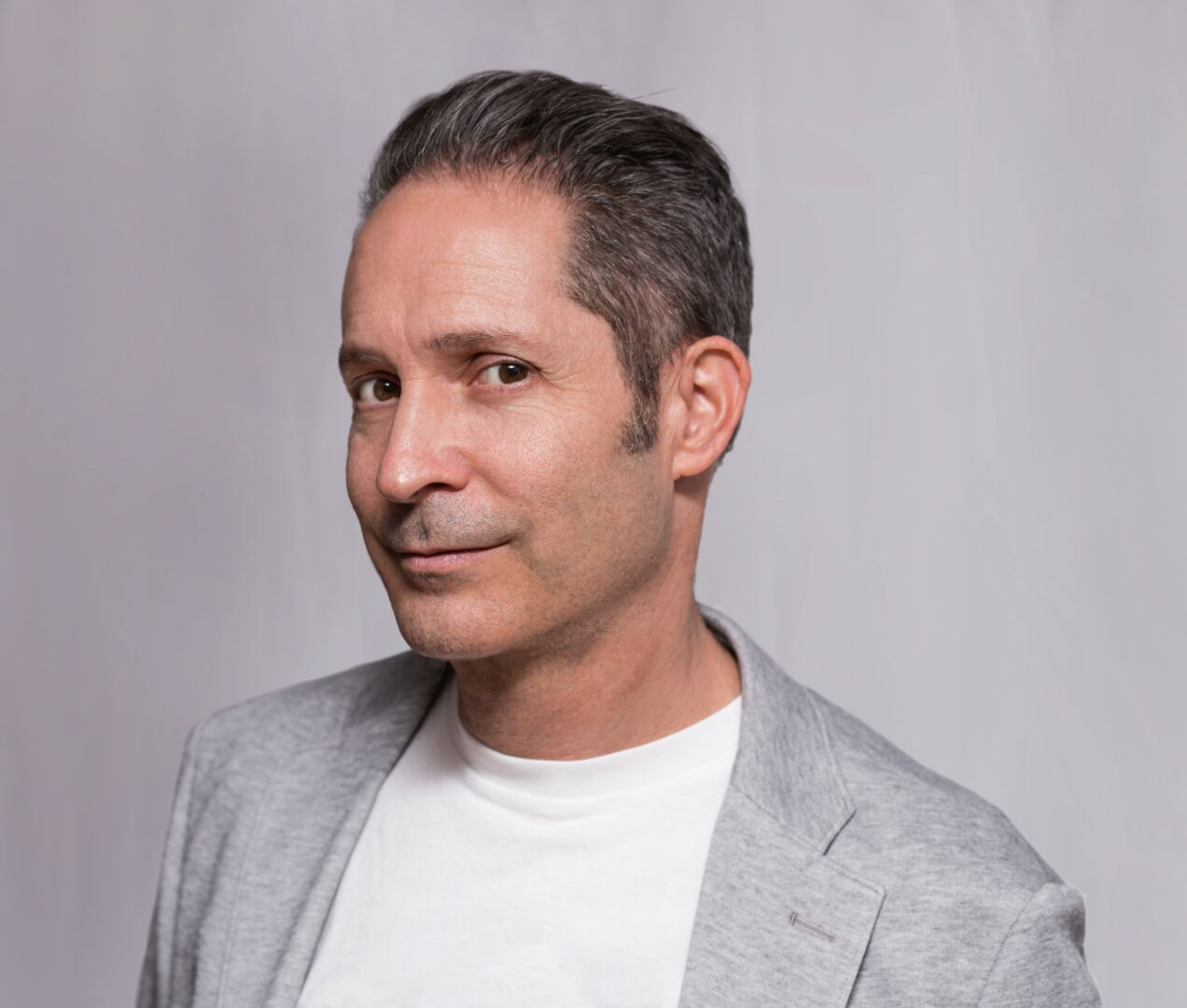
Mark Ainley shared their story and experiences with us recently and you can find our conversation below.
Hi Mark , thank you so much for joining us today. We’re thrilled to learn more about your journey, values and what you are currently working on. Let’s start with an ice breaker: What do the first 90 minutes of your day look like?
While my mornings vary, a few things are non-negotiable. Even before getting out of bed, I start with a gratitude journal, writing down what I’m thankful for and what I’m looking forward to that day. Then I turn on a few lights, sometimes burn incense or start my diffuser, and brew a pot of yerba mate (my essential pre-coffee ritual). After that comes my daily meditation – 30 to 60 minutes – which sets the tone for the day before coffee, breakfast, and the official start of the workday. It’s a small, intentional routine that helps me start fully present and aligned.
Can you briefly introduce yourself and share what makes you or your brand unique?
I work as a Contemporary Feng Shui consultant and teacher, meaning I approach this ancient practice through a modern lens. Feng Shui is thousands of years old, yet for people today to live in harmony with their environment, we need to combine its timeless principles with contemporary understanding. When the practice began, there was no electricity, artificial lighting, or temperature control – many of the conveniences that define modern life. These features bring comfort, but the unchanging stability of modern buildings can also create a kind of stagnation that subtly wears on us because we’re designed to respond to natural change.
Many people either dismiss Feng Shui as superstition or see it as a rigid set of rules that limit creativity. In truth, many of its core tenets are echoed in Biophilia – a set of scientifically validated design principles based on patterns we find in nature. When properly applied, Feng Shui becomes a way to clarify your deeper human and spiritual needs and create a space that nourishes your inner life. My approach is both practical and symbolic: your home should reflect you, not your consultant. Too often people design their homes according to trends or external opinions rather than the deeper story their surroundings are telling.
Consider this: in 2025, 30 seconds of Super Bowl airtime cost eight million dollars – over $267,000 per second – just to access your brain through your eyes and ears. Companies spend that money because they know visuals and sound shape people’s thoughts and choices. So what are you looking at every day, for weeks, months, and years? What effect does it have on you? I help my clients reverse-engineer their environments to align with the future lives they want to experience.
One of my supporting gifts is my musical background. I’m also a writer and presenter specializing in historical piano recordings and am a regular columnist for International Piano magazine. How does that connect to Feng Shui? In music, we can hear that pianists from a century ago played very differently from today’s performers, even though they used the same scores. The printed notation is the same, but the approach to expressing meaning and styles of interpretation have evolved. I see Feng Shui in a similar way: it’s not just about following what’s written, but understanding the thoughts, reasoning, and energy behind it. My goal is to reinterpret those timeless insights so they work seamlessly for modern life – moving beyond formulaic “one-size-fits-all” applications to create truly individualized, living spaces that resonate with who you are and who you’re becoming.
Great, so let’s dive into your journey a bit more. What’s a moment that really shaped how you see the world?
Moving from my hometown of Montreal to Tokyo in September 1992 completely turned my reality upside down. Even though my older sister and a few friends were already living there – which certainly made the transition easier – I wasn’t prepared for how profoundly it would shift not just how I lived, but how I saw the world. I still remember being at the airport shortly after landing, watching groups of people bowing as they said their hellos and goodbyes. The gesture was natural for them but foreign to me – and it sparked a long ongoing process of realizing how much of what I’d taken for granted was simply learned, not universal. Yet beneath these differences, I could see a shared truth: people were acknowledging and honouring those they cared about. That insight – seeing the commonality beneath the surface – has stayed with me ever since and has been a major part of what I do in my work.
During the five years I lived in Japan, I encountered countless ways of thinking and behaving that challenged my assumptions. That learning didn’t end when I moved back: for over fifteen years afterward, I returned several times a year to teach Feng Shui seminars and to give consultations, which helped me continually deepen my understanding of how environment and culture interact.
These experiences planted a lifelong question in me: is this actually true, or just what I’ve been taught to believe? It continues to shape everything I do – through Feng Shui, music, or my broader work as a translator of harmony – seeking to bridge different ways of knowing and bring them into balance in the modern world.
If you could say one kind thing to your younger self, what would it be?
This is such a great question, and I think it’s something we should all consider – it can really inform how we choose to live now. I was very energetic and talkative as a child: curious, enthusiastic, and endlessly fascinated by new discoveries. Naturally, that didn’t always fit well in classrooms where teachers were trying to keep 20 or 30 students focused on one task. My report cards often said I was a great student who “talked too much.”
Looking back, I completely understand – especially since I have been a teacher myself for many years! – but it also made me a bit hesitant to speak up fully. The irony now is that people are genuinely interested in what I have to say – and in fact, they pay me to say it!
If I could say one kind thing to my younger self, it would be this: “Your voice and your perspective matter. You have insights that others want to hear. Just remember that timing and context can shape how your message lands – knowing when to speak and when to hold back doesn’t diminish what you know; it simply helps your words find their right moment to resonate.”
So a lot of these questions go deep, but if you are open to it, we’ve got a few more questions that we’d love to get your take on. How do you differentiate between fads and real foundational shifts?
One of the things I can’t stand are trends – especially in design. People often feel pressure to get a certain item or colour because it’s “in” or to avoid something because it’s “out,” as if magazines and big-name designers hold some universal truth. My take is simple: like what you like, and don’t force yourself to follow what’s popular. If something resonates with you, it could belong in your space; if it doesn’t resonate, forget about it.
That said, Feng Shui also reminds us that there are times when we might not immediately be drawn to something that is actually beneficial or necessary for our balance – just like certain foods that we don’t crave could more deeply nourish us and become important parts of our healthy lifestyle. Real design isn’t just personal preference – it’s about what truly supports your life, energy, and harmony. Trends alone rarely do that.
Trends aren’t useless – they can make things more accessible or spark ideas – but popularity alone is never a reason to include something in your home, especially because the home is a space that should reflect YOU, not the outside world. Differentiating between fads and foundational elements comes down to resonance: trends fade, and what endures are principles that respond to human needs, natural patterns, and personal harmony and integration. This is what informs my work and which helps each person I work with craft a space that’s as uniquely individual as they are.
Okay, so before we go, let’s tackle one more area. Are you doing what you were born to do—or what you were told to do?
I often say that I didn’t choose what I do – it chose me. Everything I’m passionate about, and that I now work with professionally, came into my life seemingly by accident (it’s perhaps more accurate to say “synchronistically”). None of it was part of my conscious plan – it was more like being quietly summoned by what felt right.
When I was in school, I had no idea what I wanted to do – and no wonder: what is truly “mine to do” wasn’t visible yet. When I first encountered both Feng Shui and historical piano recordings, I explored them purely out of fascination, never imagining they’d become my life’s work. Over time, especially through Feng Shui, I realized I could use my way of seeing to create beauty and harmony while helping others – a combination that has always felt deeply meaningful to me.
If I had followed what others thought I should do, I’d probably have become a lawyer or a scientist – and I suspect I’d have done well enough, but the passion wouldn’t have been there. Alignment and purpose have always been essential to me, and I’m profoundly grateful that the path that unfolded – quite often unexpectedly – has allowed me to live and work from that place of harmony.
Contact Info:
- Website: https://www.senseofspace.com/
- Instagram: https://www.instagram.com/sense_of_space/
- Linkedin: https://www.linkedin.com/in/markainley/
- Facebook: https://www.facebook.com/ContemporaryFengShuiWithMarkAinley
- Youtube: https://www.youtube.com/@SenseOfSpace23
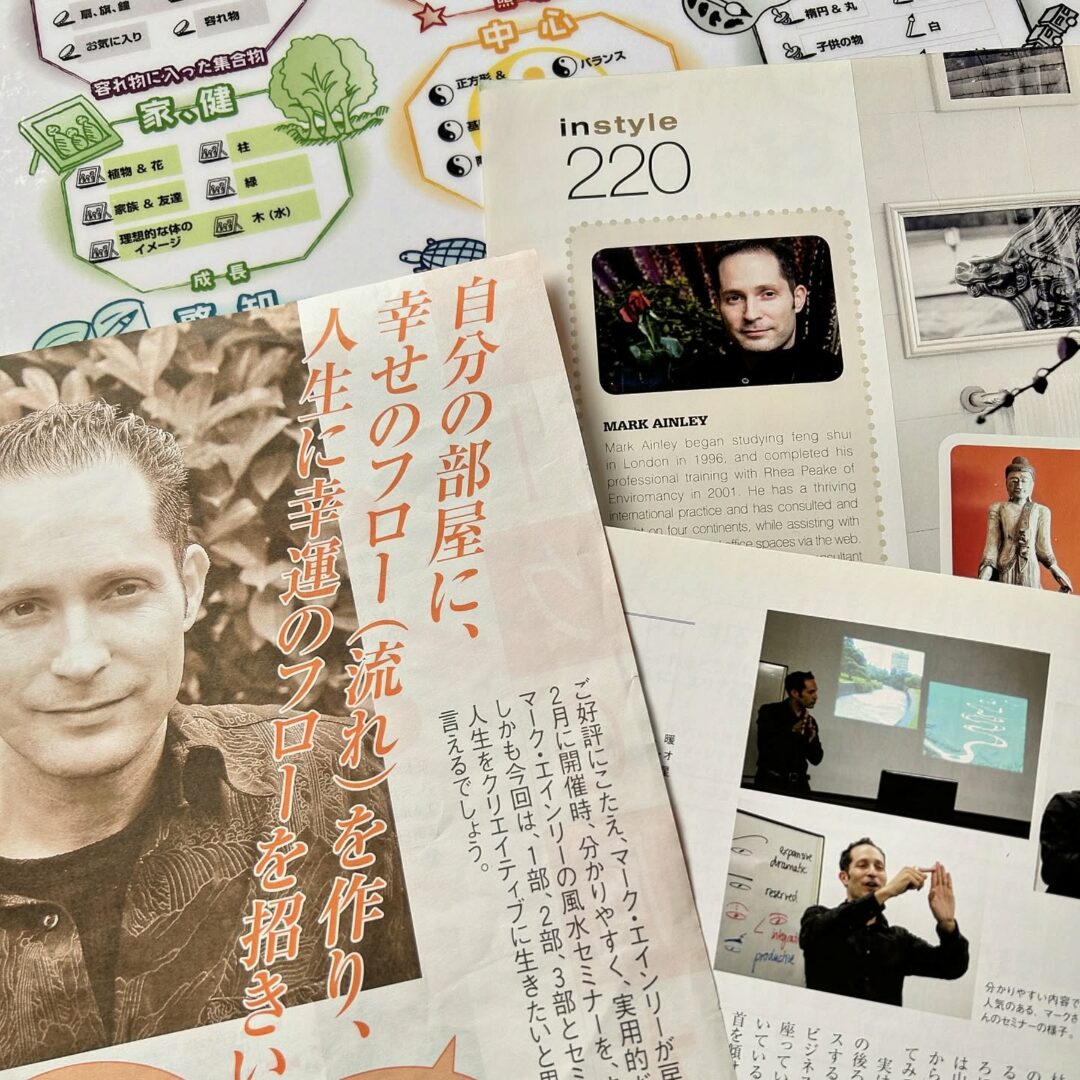
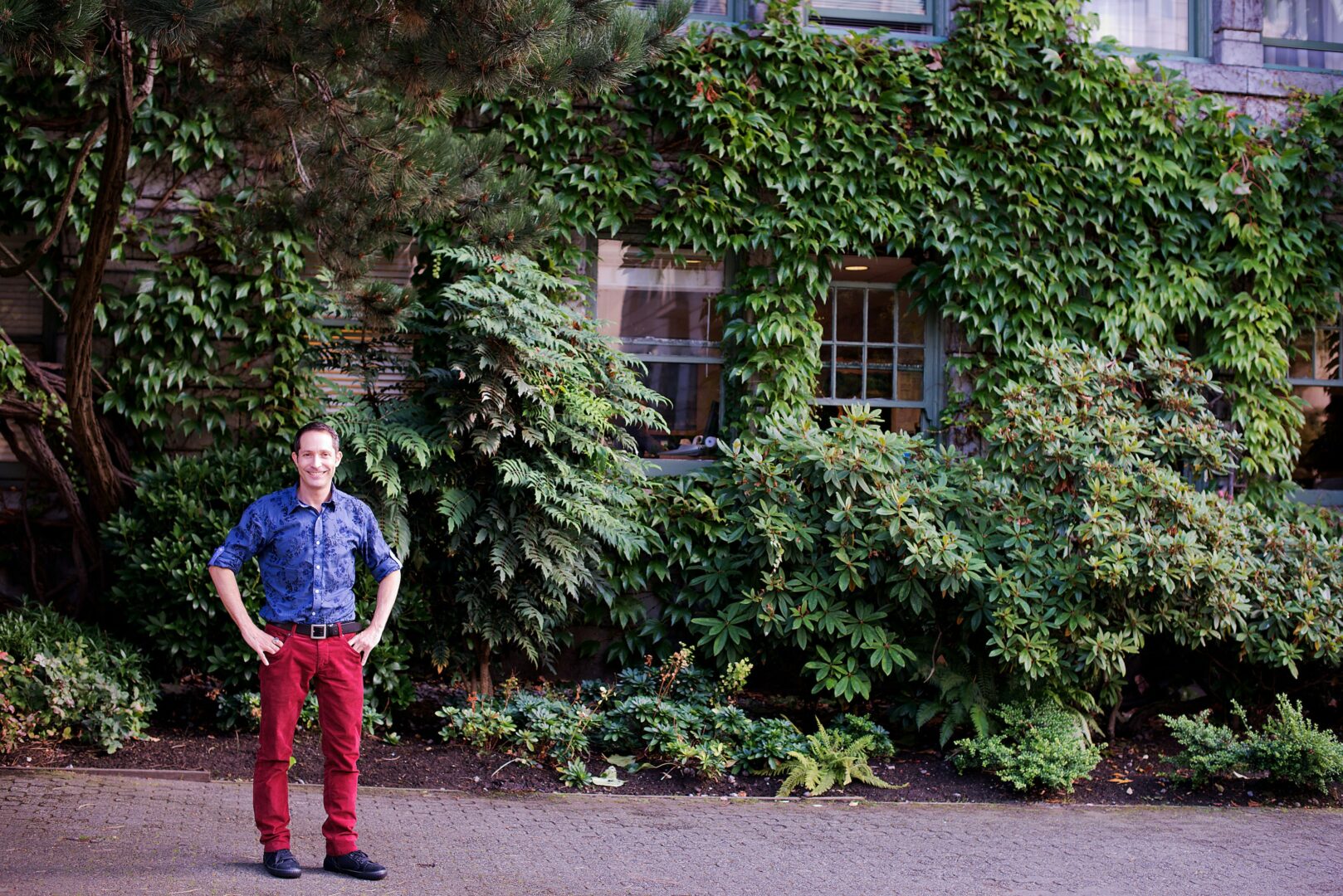
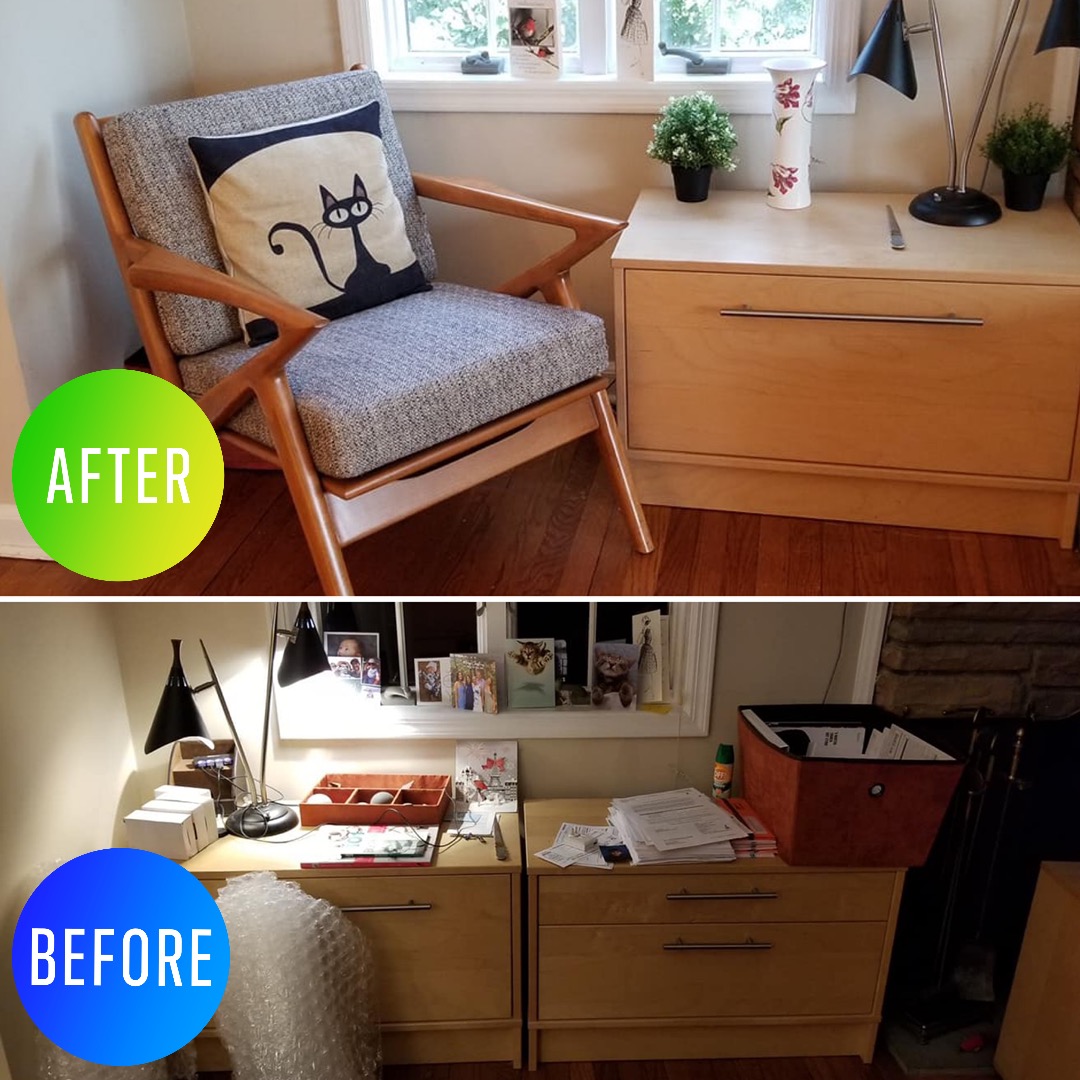
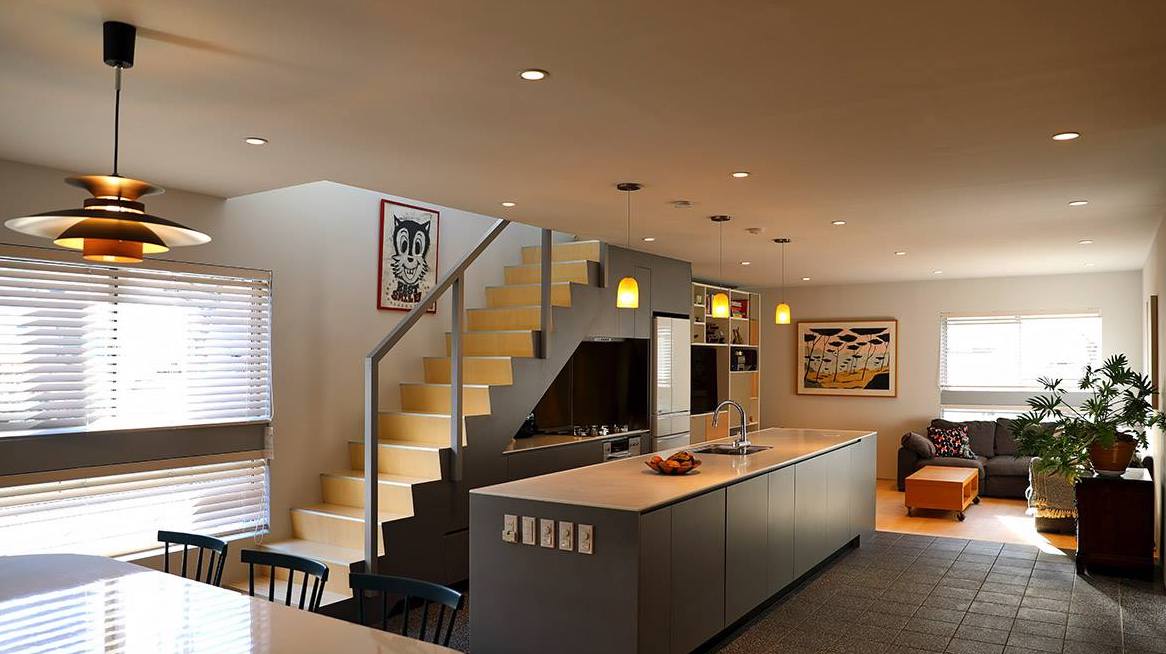
Image Credits
Curtis Stodgell
Sara Manning
so if you or someone you know deserves recognition please let us know here.