Ryan Wirick shared their story and experiences with us recently and you can find our conversation below.
Good morning Ryan, it’s such a great way to kick off the day – I think our readers will love hearing your stories, experiences and about how you think about life and work. Let’s jump right in? Have you ever been glad you didn’t act fast?
When editing my latest documentary Farmacy of Light I put a lot of pressure on myself to finish it as quickly as possible. What began as a short documentary about a local farmer starting a new farm, became a feature length that deals with the epidemic of chronic disease, malnutrition, COVID-19, localizing medicinal foods, and how we heal at the quantum level. I think part of me felt that the longer I took to finish the film, the less relevant and timely it would become. But this kind of thinking is a trap. Films that deserve a place in a world take time, and when exploring subjects that are nuanced, complex, and heart-centered, there’s really no reason to rush things.
During production, I like to move fast, and by “fast” I don’t mean knock out my shotlist and interview questions then get back home. That’s part of it, for sure, but I try to remain spontaneous and present while filming, and think quickly on my feet. I don’t stage scenes so much as I insert myself into situations that are already alive. Aside from interviews, I want the subjects in my films to just go about their lives as unaware of being filmed as possible. And it helps that I don’t film with a large team (most of Farmacy was shot just by me). When production is intimate and feels informal, people forget a film is even being made, they forget they are wearing a microphone, the camera disappears, and it’s my job to capture the humanity and story in a cinematic way that will resonate with audiences without disrupting the potential for spontaneous magic. This involves moving fast, anticipating behavior, very minor directions, being patient, and inevitably shooting way more footage than I need.
With Farmacy I did that, and after a year of editing I had most of the film finished, but I wasn’t entirely happy with it. I realized there’s a shift that happens when you go from production to post-production. While production is really in service to the subjects of the film, post-production needs to be in service to your future audience. And I had moved so fast in post that I hadn’t fully made that shift in mindset yet.
So, I focused on other projects and priorities, and I didn’t look at the film for over a year. When I got back to it I had an amazing level of clarity and distance that enabled me to finish the film in a much more impactful way … in service to the future audience. And considering all the awards and the incredible reception the film has gotten at festivals, in retrospect, there was never a need to rush. The chronic disease epidemic has only gotten worse (50% of people in the U.S. had a chronic disease when I started the film, now it’s over 75%). And it turns out a once in a generation pandemic still resonates. And everyone wants to optimize how they heal.
Making a documentary film is a long process, and stressing about how long it’s taking is just a waste of time. You’re creating something that never existed before, that only you can create, and if it needs more time, accept it. If you need input from others, take it. But whatever you do, don’t lose sight of your vision … even if it’s a moving target, only you can see the target. I would say it’s like running a marathon, but in some ways it’s more like the cross-country run in the movie Forrest Gump. It can feel like a lot of misdirection, a lot of sprinting and limping, a lot of u-turns, a lot of not shaving. And then suddenly, when it’s done, it’s done. You’ve exhausted all the possible avenues, you’ve worked through every scene, you’ve met all kinds of amazing people, and you really feel transformed by the process. All of a sudden you have learned how to make that specific film sing. There’s really nothing like it.
Can you briefly introduce yourself and share what makes you or your brand unique?
I’m a filmmaker, writer, cinematographer, film/video editor … in general, I like to say I’m a storyteller.
I started Earth Conscious Films with Rob Herring back in 2014. We’ve put out 2 feature-length documentaries (The Need To GROW, Farmacy of Light), a short (We Decided To Become Farmers), and tons of content for brands that are aligned with solving human and planetary problems. We’re currently in post-production on a short film about environmentalist Robin Greenfield, which is really special.
Earth Conscious Films led to our platform Earth Conscious Life, which helps to promote and educate about critical solutions for human and planetary health. Although we love all kinds of documentaries, we really see our films as entry points into new ways of understanding the world, and new ways to solve problems as a species. This requires diving deeper into subjects than is possible in a film, and cultivating a global community where people can share information and grow.
Most recently I founded a branding and marketing agency with my wife Nikki Wirick called Dragon Related, which has become a vehicle for marketing our films, post-production services in general, and working with brands to tell their stories. Nikki was Art Director for Farmacy of Light and did all of the animations. She has an extensive background in visual effects and marketing, so we make an awesome team in lots of ways.
As much as I love making films, the reality is, if you fall short in marketing, few people are going to watch your creation. After editing all of the trailers for The Need To GROW and seeing the success of that film, I wanted to start a company that had more of a marketing and branding angle. Because really, every film is kind of its own brand. And so whether we are working with actual health and wellness brands, or doing post-production for a film, or marketing projects like Farmacy of Light, the same principles apply. Plus, Nikki and I love dragons.
Collectively, all of these companies have incredible synergy when it comes to documentaries. Earth Conscious Films for production, Dragon Related for post production and marketing, and Earth Conscious Life for empowering people around the world.
Appreciate your sharing that. Let’s talk about your life, growing up and some of topics and learnings around that. What was your earliest memory of feeling powerful?
Since 7th grade (1995?), I have been filming my life, and people in my life, in one way or another. I had a variety of 8mm camcorders and loved to film vacations, pranks, skateboarding, whatever. No one else had a video camera in my school, and it was fun to mess around and watch things later. My friends loved to film things too, and we would switch off operating the camera, and I would edit little videos that made us laugh. Then Junior year of high school I did something I had never done before. I had made some new friends who invited me to the Colorado River over spring break. They didn’t care if I filmed, but they weren’t interested in sharing cinematography duties. So for the first time, I was 100% behind the camera, and just filmed the trip like a documentary.
I made a 15 minute short with the footage, and when I screened it for a bunch of friends, people were kind of blown away. It was my first premiere, in a way. I remember my friend’s dad came up to me after and said, “You are going to be a documentary filmmaker.” At the time I was like, no I’m going to make real films like Kubrick and Spielberg, but he was so right. I realized I could make docs and put on screenings and people loved them. Friends would ask me to bring my little movies to parties so they could screen them. This became my power. I had friends who were great musicians, friends who were more athletic than me, friends who got better grades. But I didn’t know anyone who could do what I could do with a crappy camcorder and basic editing software.
Storytelling might be the most powerful thing humans can do, and I take that responsibility very seriously. I want everything I make to help propel humankind in a better direction. I’m inevitably going to fall short of that goal, but it’s still the goal. A.I. will replace a lot of jobs, but nothing can replace a powerful story crafted by a human being with a soul.
What have been the defining wounds of your life—and how have you healed them?
Probably my dad? When I was young I admired my dad. He was an incredible surfer and athlete. He had amazing stories to tell from his adventurous youth, he broke rules, he was the only person in my family who had traveled extensively (when he was in the Navy), and he made me laugh. But as a father, he was largely absent, and I grew to resent that. By the time I started letting go of my anger and reached out to him, he was dying of Hepatitis C and had alcohol-induced dementia. I was 26 years old, and I became his caretaker for the last 6 years of his life. He lived just long enough to meet my son, Canyon.
Although I’m grateful for the time I had with him, I wish I hadn’t wasted years of my life holding onto that anger. Life is short and everyone is going through their own traumas, at one level or another. This doesn’t make it OK for fathers to be checked out, but it also doesn’t make it OK for people to internalize resentment and live in an angry state of being. You can have for grace for people who are falling short.
He died while I was making The Need To GROW, which was dedicated to him. Although my latest film Farmacy of Light is much more directly inspired by my experience dealing with our broken health care system while taking care of him. His primary physician had been prescribing my dad addictive pain pills for years even though he had Hep C and was an alcoholic … both of which his doctor knew. These prescriptions drastically accelerated my dad’s disease. The diet prescribed in order to offset his failing liver was a joke. The nutritionists knew very little about medicinal foods. None of the specialists were communicating with each other effectively. I realized we simply have a chronic disease care system that specializes in writing prescriptions that increase profit margins and numb symptoms. Very little is done to promote true healing from within.
Becoming a father and making films has been my ongoing healing process. It’s easy to get lost in a negative space inside yourself when you don’t have kids, and you aren’t making connections with other people in the world. But knowing what I needed from my dad and never got has empowered me to be the kind of dad I wish I had. And making films about amazing humans is an extension of that energy. This is why I dedicated Farmacy of Light to my kids, Canyon and Everleigh.
I’m now tethered to the fate of our species like never before, and being a decent father and storyteller is my resistance to the forces in the world that are holding our species back from our potential.
I think our readers would appreciate hearing more about your values and what you think matters in life and career, etc. So our next question is along those lines. What’s a belief or project you’re committed to, no matter how long it takes?
I wrote a novel in grad school called Invisible Escalators, which ultimately expanded into 3 books. Every year I make a little progress on the project… and one day I’ll finish it. I also have plans to write children’s books with my wife Nikki which might be an extension of the Invisible Escalators universe.
I love writing, and wish more people read books. My goal once I finish Invisible Escalators is to rewrite it as a tv series and see if I can get it made. It’s a very weird, ridiculous, magical love story with the backdrop of a looming apocalypse and a secret family history that’s uncovered along the way. Interestingly, many themes in that book have played out in my real life. The main character’s father gets dementia, which I wrote years before my own dad got dementia. There’s a character obsessed with soil that reminds me of Michael Smith from The Need To GROW. There’s a character that is very similar to Erik Cutter. There’s a little girl that reminds me of my daughter Everleigh. And lots more parallels.
Life imitating art is a very real thing sometimes.
Before we go, we’d love to hear your thoughts on some longer-run, legacy type questions. When do you feel most at peace?
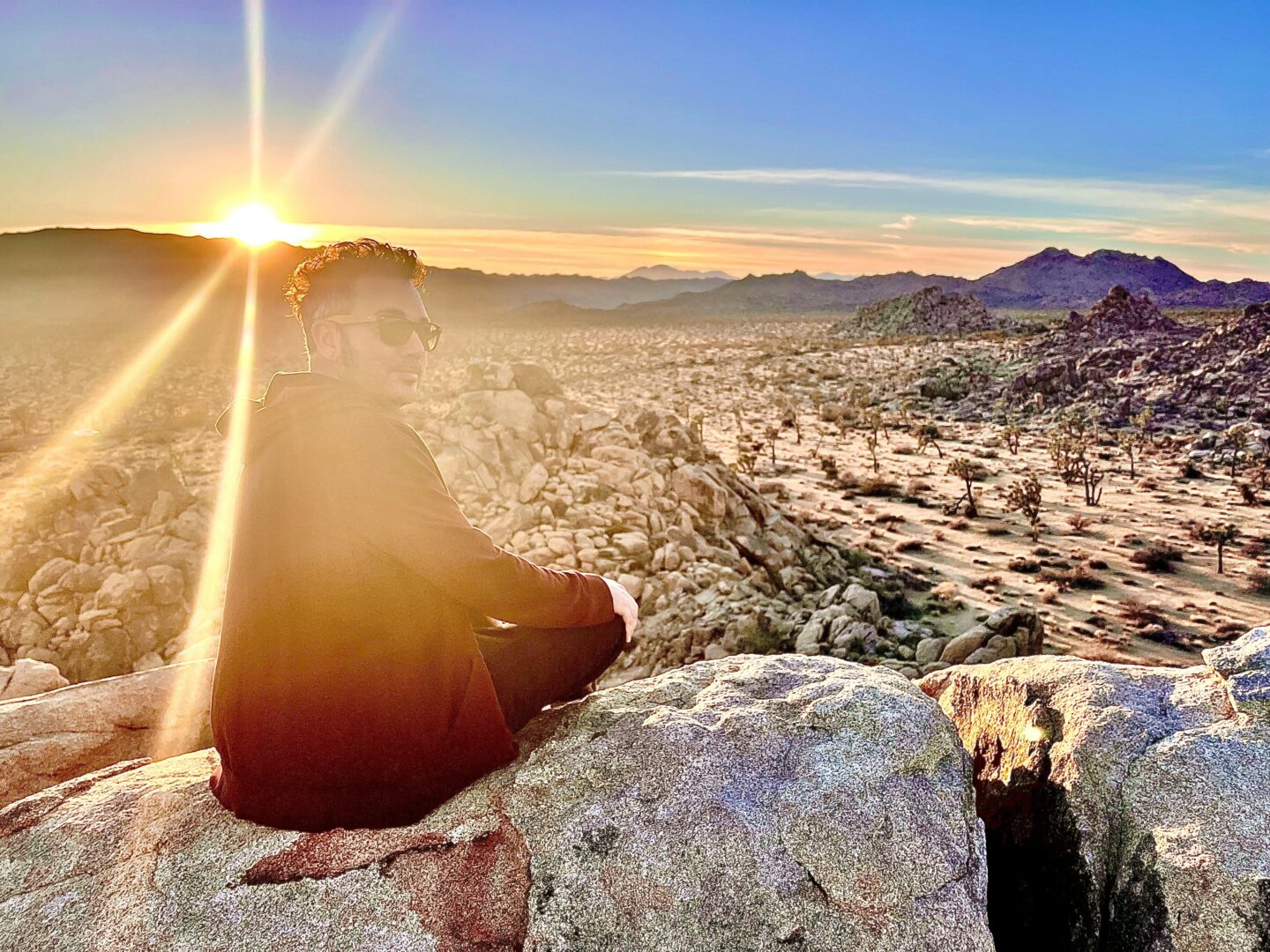
Although I grew up going to the beach all the time, the desert is where I’ve always gone to gain clarity. It’s the only place where I can feel completely separate from the rest of the world. In high school I used to ditch class sometimes and impulsively drive out to Joshua Tree. I’d take a long hike, sit in the middle of nowhere, and write.
The first time filming with Rob Herring for The Need To GROW, we shot in Joshua Tree. We barely knew each other and by the end of the trip we felt like old friends. A couple years later when editing that film, we got an air bnb in Joshua Tree and completed the first assembly. Then in 2021, my wife and I bought a home in Joshua Tree. We lived in an RV on the property while fixing up the house. I edited most of Farmacy inside of that RV.
I mean, to walk outside at night and see every star in the galaxy is something all humans should be able to experience on a regular basis. We sometimes wonder why the ancients were obsessed with the stars, but to me the answer is obvious. Nothing on this planet compares in scope or mystery or beauty. It’s all up there. Whether we are aware of it or not, we crave that daily reminder of our place in the universe. My films explore ending the pollution of the environment and our bodies, but we also need to put an end to all this light pollution. We are not meant to live under a perpetually glowing street light haze. We are meant to be reminded of our galactic nature every night. Some cities like Sedona, Arizona have implemented outdoor lighting standards that help to preserve visual access to the cosmos. I hope more cities follow suit… but if not, I’ll always have Joshua Tree.
Contact Info:
- Website: https://www.farmacyoflight.com
- Instagram: https://www.instagram.com/farmacyoflight
- Linkedin: https://www.linkedin.com/in/ryanwirick
- Facebook: https://www.facebook.com/farmacyoflight
- Youtube: https://www.youtube.com/@FarmacyofLight
- Other: https://www.dragonrelated.com
https://www.theneedtogrow.com
https://earthconsciouslife.org
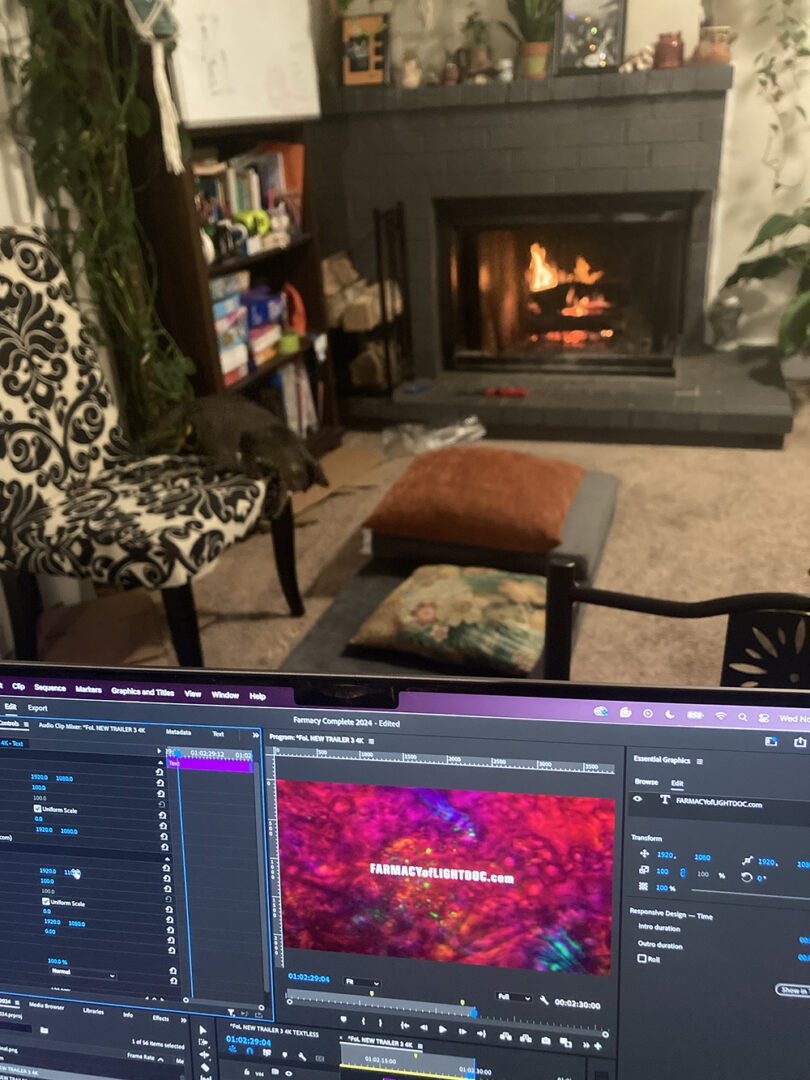
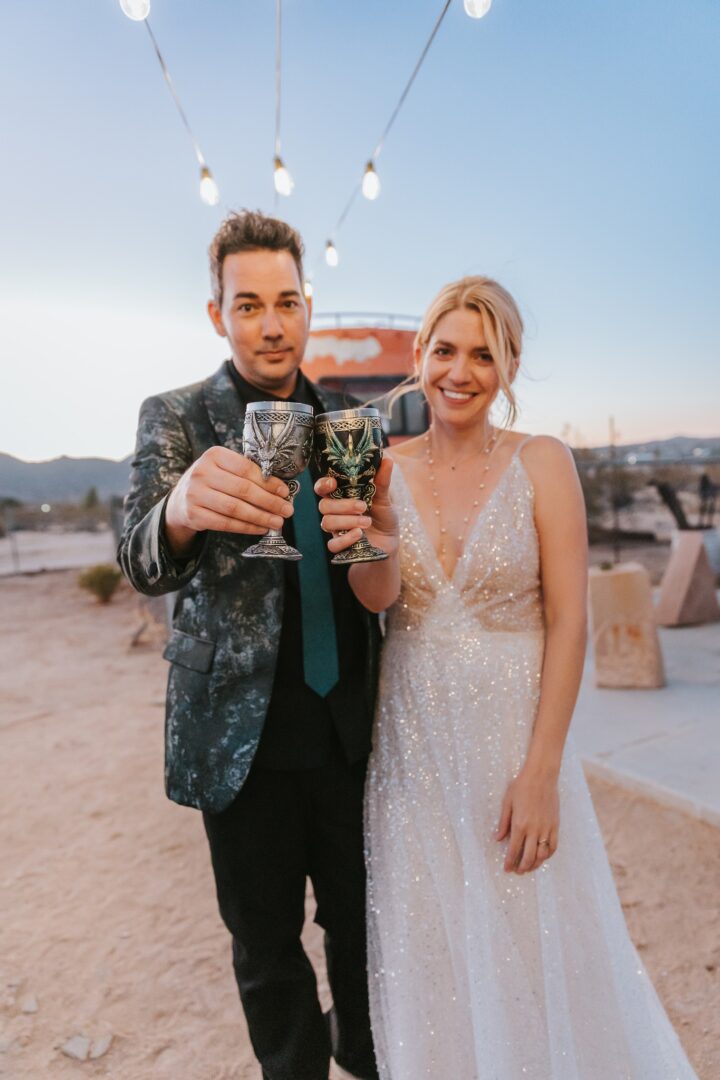
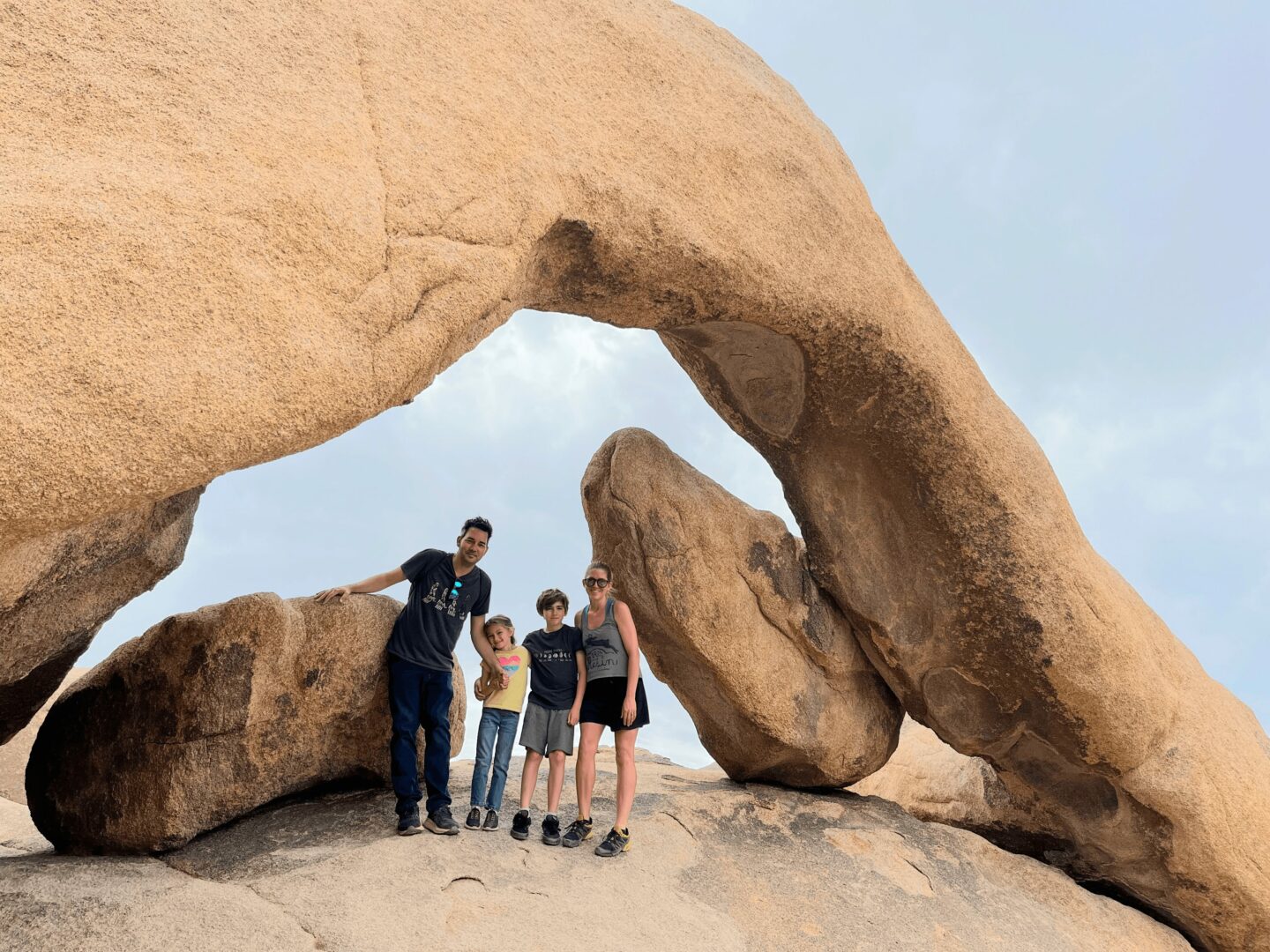
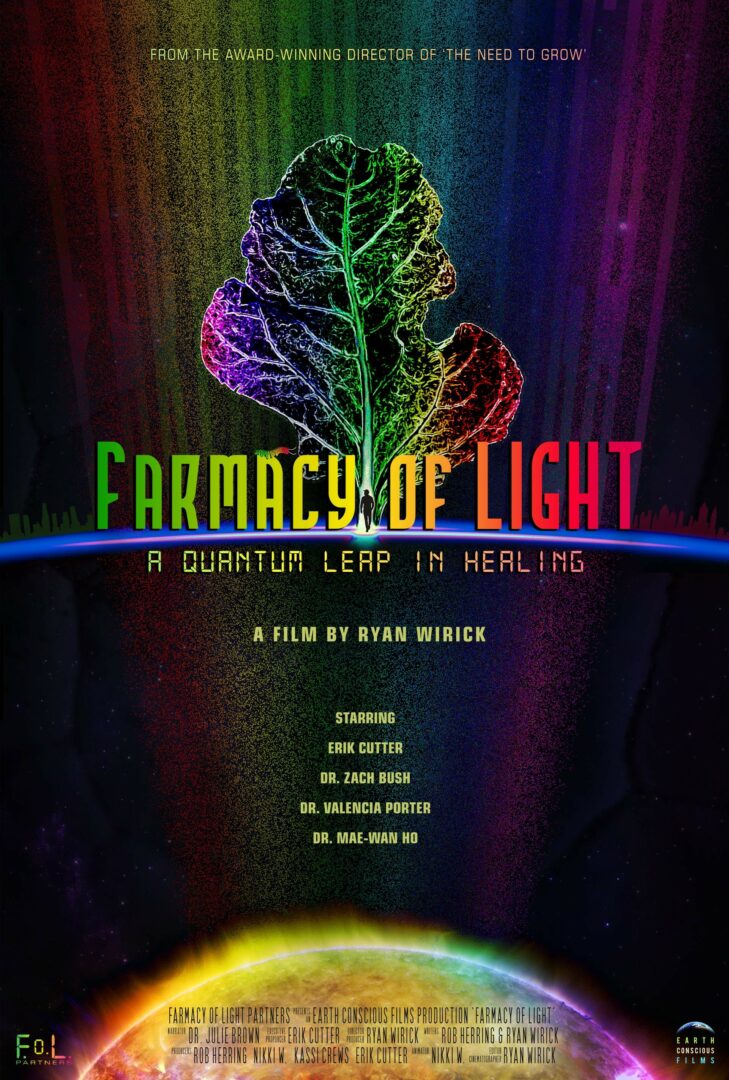
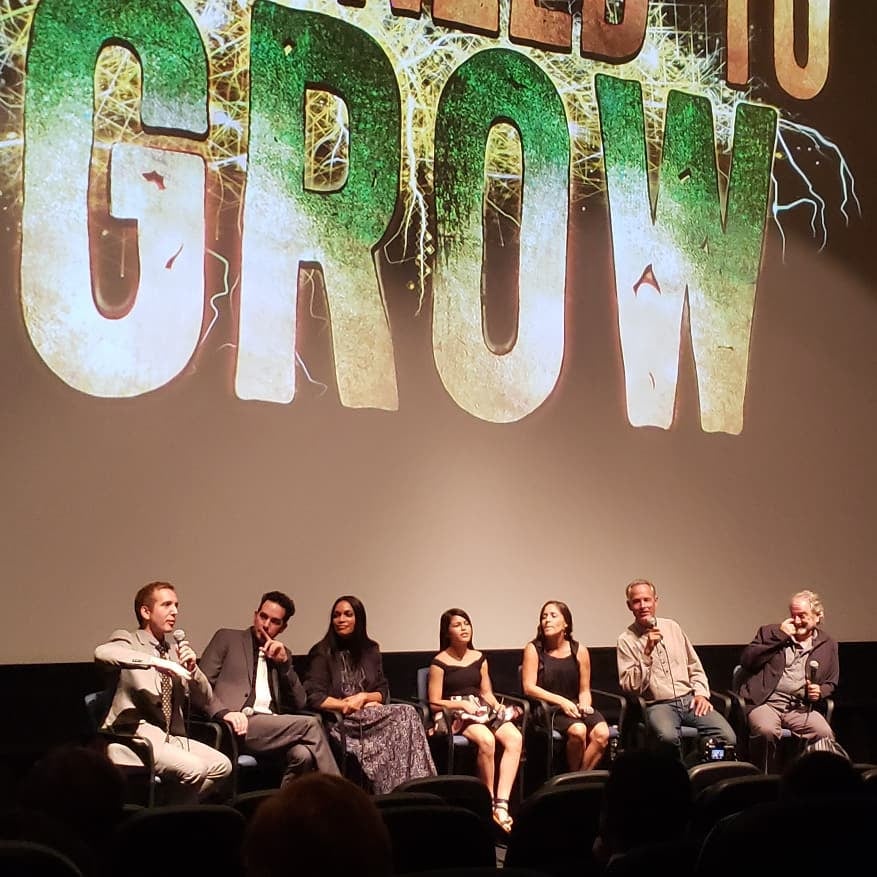
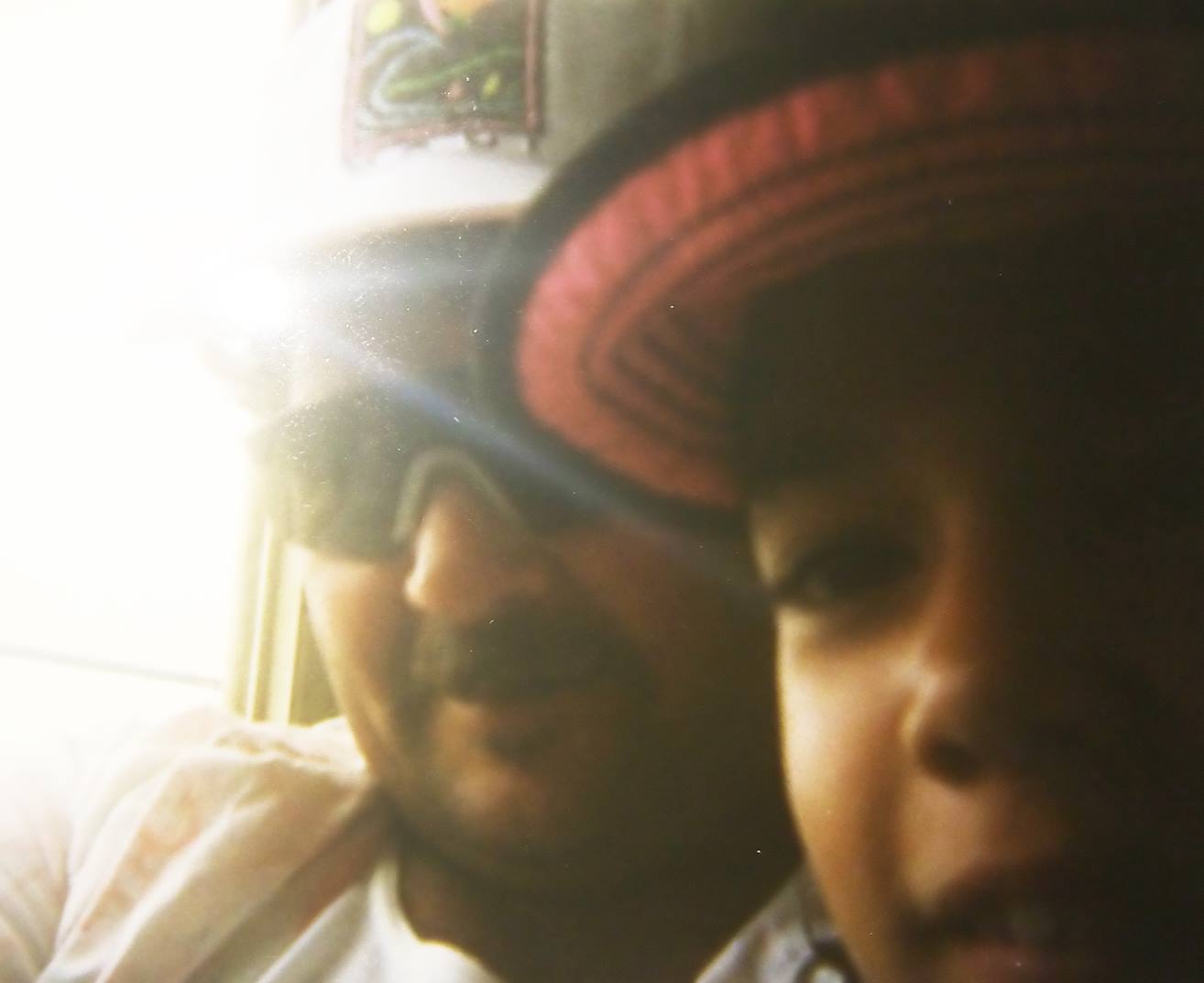
Image Credits
Ryan Wirick
Nikki Wirick
so if you or someone you know deserves recognition please let us know here.