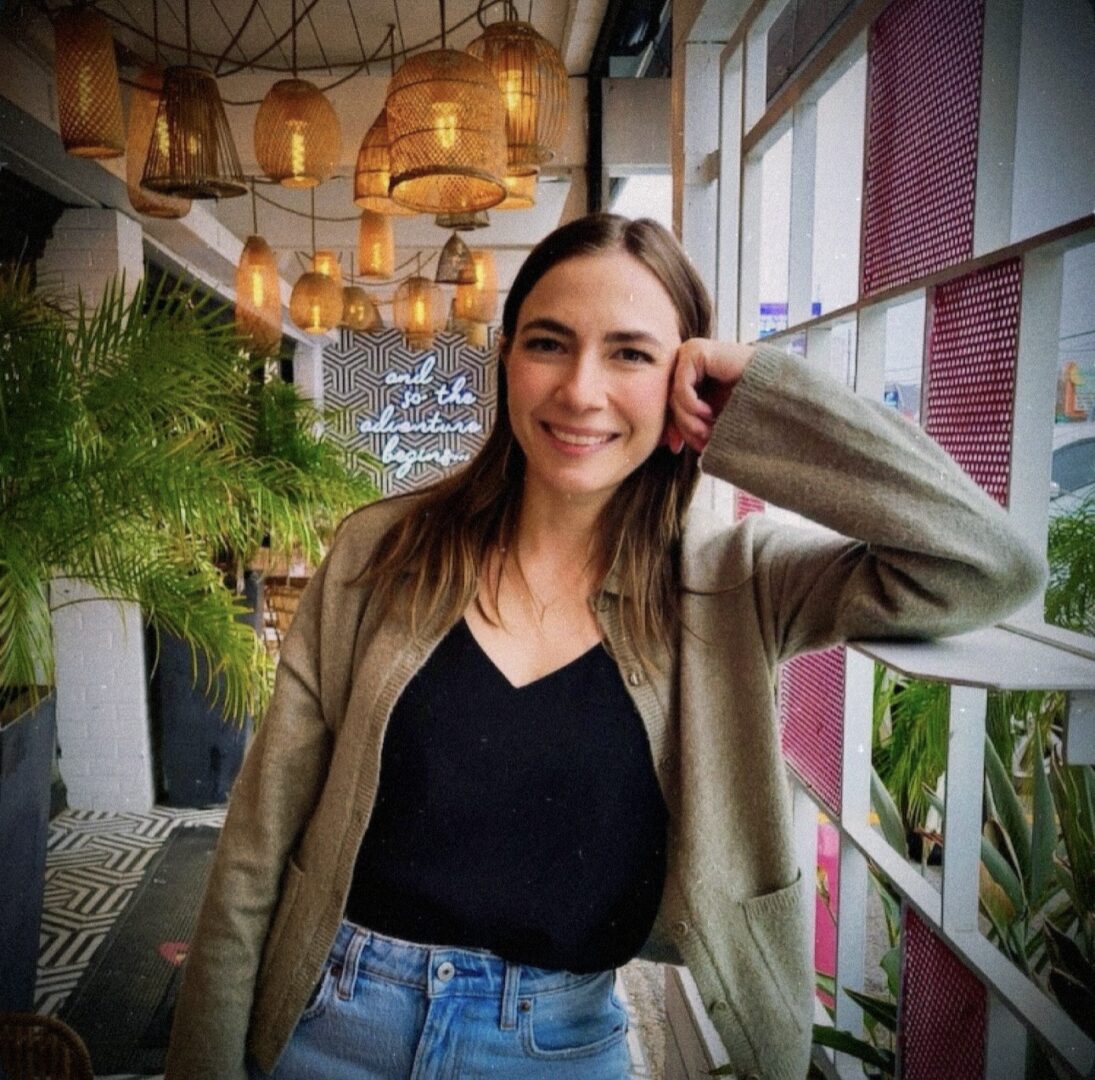
We’re looking forward to introducing you to Sarah Rossmiller. Check out our conversation below.
Sarah, really appreciate you sharing your stories and insights with us. The world would have so much more understanding and empathy if we all were a bit more open about our stories and how they have helped shaped our journey and worldview. Let’s jump in with a fun one: What is something outside of work that is bringing you joy lately?
I’ve been finding a lot of joy in settling into a new place. My husband and I recently moved from Houston, Texas to Minnesota, and experiencing real seasons for the first time has been genuinely delightful and grounding in a way I didn’t expect. Minneapolis in the summer felt like a gift with parks everywhere, lakes woven into the city, and endless opportunities to be outdoors.
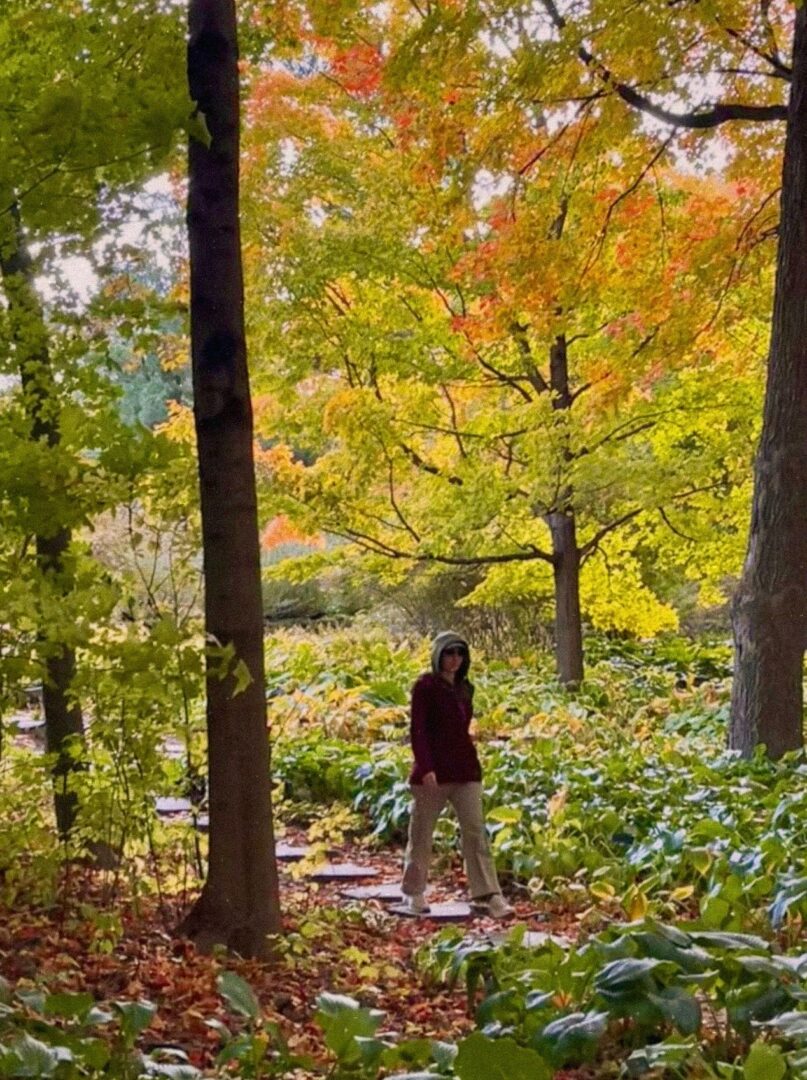
Then came autumn, with its color-drenched trees and falling leaves, which was honestly one of the most beautiful experiences of my life, and right in my own neighborhood, without needing to travel for hours to find it.
Now it’s winter, which has definitely been an adjustment for this Midwest newbie, but when the first snow fell, I found myself singing “Snow” from the movie White Christmas with a ridiculous amount of joy.
Can you briefly introduce yourself and share what makes you or your brand unique?
Well, I’m mental health therapist. I’ve been doing this work for over 15 years, but 10 years ago I started my own practice that I named Rebellious Wellness Therapy. I work with adults who are smart, capable, and often exhausted from trying to function in systems that weren’t built for them – people navigating neurodivergence, anxiety, mood issues, OCD, grief, and the long-term impact of relational or childhood trauma.
My work is grounded in existential-humanistic values and blends evidence-based approaches. I’m not interested in “fixing” people or forcing them into neat, productive versions of themselves. Rebellious Wellness was built as a quiet resistance to perfectionism, hustle culture, and the pathologizing of normal human pain and diversity.
I help clients slow down, understand their inner worlds, and make values-aligned choices, even when that means redefining success, healing, or what a meaningful life looks like. Right now, I’m focused on growing my practice where I am licensed (Texas and Minnesota) and creating therapy spaces that feel grounded, honest, and human, where clients don’t have to perform or explain themselves to be taken seriously.
Great, so let’s dive into your journey a bit more. What part of you has served its purpose and must now be released?
I want to release the idea that I have to reduce myself to a neat explanation in order to be worthy, healthy, or “doing life right.” I’m no longer trying to compress my identity into a clean narrative that makes sense to everyone or proves that I’ve “arrived” somewhere. It’s not that I’m rejecting self-awareness or introspection; I deeply value the “know thyself” philosophy. I’ve simply come to embrace that understanding doesn’t require resolution, and growth doesn’t require productivity. I think meaning comes from relationship with these truths, not mastery over them.
What have been the defining wounds of your life—and how have you healed them?
So, I have a few earlier-in-life emotional wounds that I feel were defining in some ways. I grew up without enough emotional attunement and guidance, and this was especially painful as a highly sensitive kid. I had a visible skin condition that drew frequent negative attention until mercifully it faded at age ten. I moved and changed schools often because of my dad’s work. My ADHD and dyscalculia went undiagnosed until adulthood. And as a teenager, I encountered relational and sexual harm that so many young women unfortunately experience. The frequent invalidation, environmental instability, and needs that went unnamed and unmet contributed to feeling deeply unseen, unrooted, misunderstood, and, at times, incapable. I learned that safety and belonging required becoming someone else, learning to perform and to disconnect from my own needs in order to survive.
These are wounds I carry and they are still remembered, but they no longer define me in the same ways. I see inner healing as an ongoing relationship with myself rather than a finish line. Healing has meant learning to love myself with these wounds rather than trying to erase them while also unlearning shame, reclaiming sensitivity as a strength, and recognizing that many of my struggles were intelligent responses to unmet needs. And while I believe some wounds may never fully stop hurting, I think many of them also deepen the richness of who we are.
Next, maybe we can discuss some of your foundational philosophies and views? What are the biggest lies your industry tells itself?
One of the biggest “lies” the mental health industry tells itself is that healing is linear, measurable, and something professionals can “deliver” to clients. In reality, healing is nonlinear, contextual, and deeply shaped by systems, relationships, and power, not just insight or compliance with treatment plans.
Another “lie” told is that distress primarily lives inside individuals rather than in the environments they’re trying to survive. Western psychology has a long and complicated history of pathologizing difference and individual variance, often through lenses that were sexist, culturally insensitive, and disconnected from lived context. While I would say most therapists today are actively pushing back against these frameworks, we are still working within systems shaped by ideas planted decades ago – inheritances that pathologize normal responses to trauma, oppression, chronic stress, and unsustainable cultural and economic pressures. In my own work, I focus less on “fixing” people and more on helping them understand their responses in context, reconnect with their inner wisdom, and build lives that feel sustainable and self-directed while still acknowledging the harm caused by emotionally, economically, and socially misaligned systems.
One more untruth that stands out to me is the idea that professionalism requires emotional distance and neutrality. In practice, healing often happens through genuine human connection, transparency, and repair, not through pretending therapists are unaffected or purely objective. When our field over-prioritizes productivity, symptom reduction, or rigid interpretations of “evidence-based” care, it risks missing the humanity of the person in the room.
Thank you so much for all of your openness so far. Maybe we can close with a future oriented question. What do you understand deeply that most people don’t?
What I understand deeply is that we don’t have to justify our existence to deserve it. And meaning isn’t something we discover or earn – it’s something we make, and we make it imperfectly, again and again. There’s something profoundly relieving, for me, in accepting that we’re small, temporary, and human in a vast universe – a universe that is indifferent to us and therefore doesn’t require us to be anything other than what we are, which is freeing in a way. When we stop demanding that life prove its meaning, shame loosens its grip and compassion becomes easier, for ourselves and for others. We’re just human animals, shaped by circumstance and doing our best with limited information, fragile bodies, and powerful emotions. From this perspective, I can view creativity, rebellion, and passion as acts of belonging and meaning-making. It’s how we respond to uncertainty without collapsing into despair. I don’t live in this understanding in every moment, but returning to it helps me meet the world with more gentleness, curiosity, and acceptance. And it reminds me that we belong here, without needing to be fixed or explained.
Contact Info:
- Website: https://www.rebelliouswellnesstherapy.com/
- Instagram: https://www.instagram.com/rebellious_wellness_therapy/
- Linkedin: https://www.linkedin.com/in/sarah-rossmiller-149649313
- Facebook: https://www.facebook.com/rebelliouswellnesstherapy/
- Yelp: https://www.yelp.com/biz/rebellious-wellness-therapy-houston?uid=sQDW97rh7VWLMSBh6JO-nA&utm_campaign=www_business_share_popup&utm_medium=copy_link&utm_source=(direct)
- Youtube: https://www.youtube.com/@rebelliouswellnesstherapy

so if you or someone you know deserves recognition please let us know here.