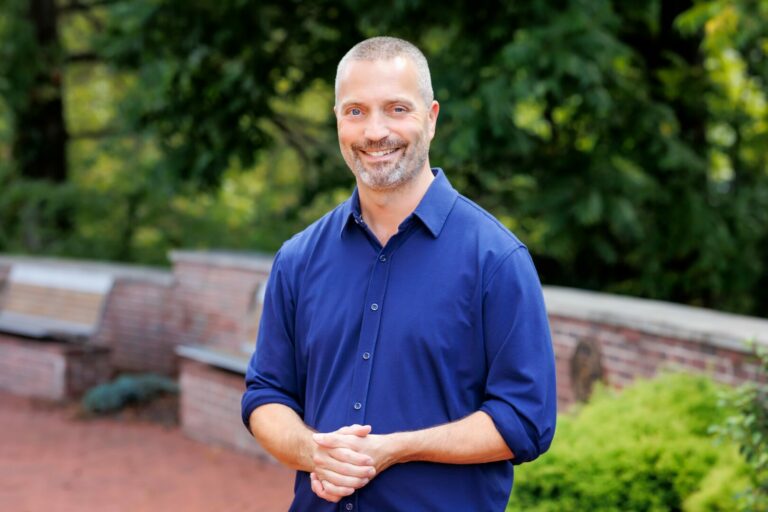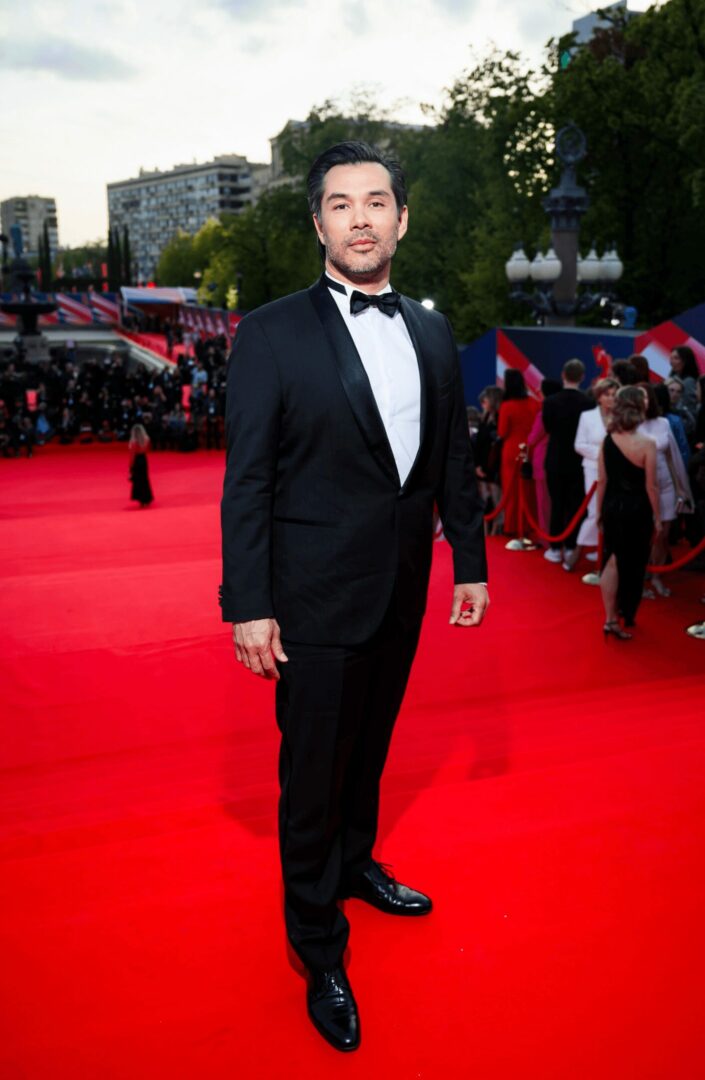
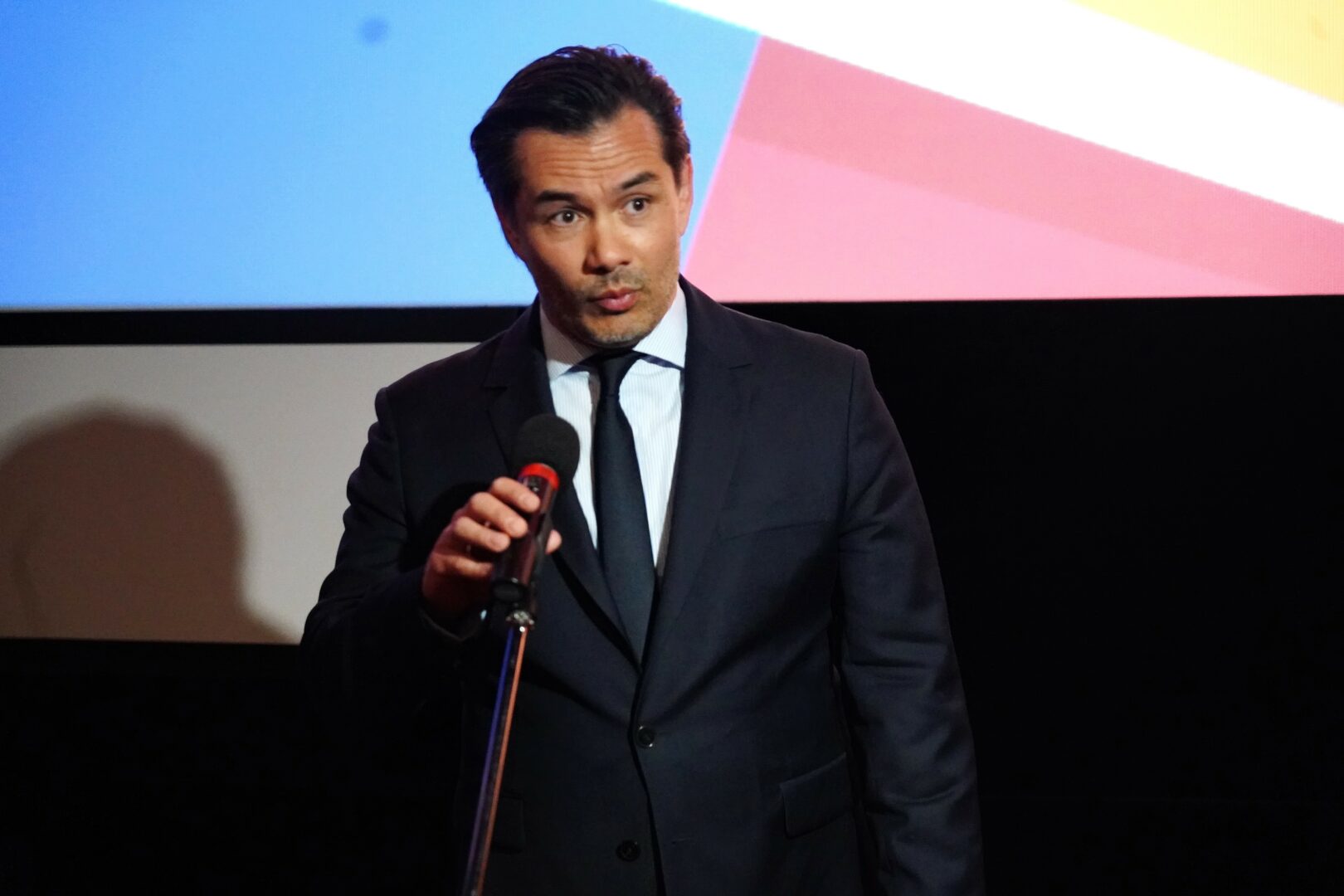
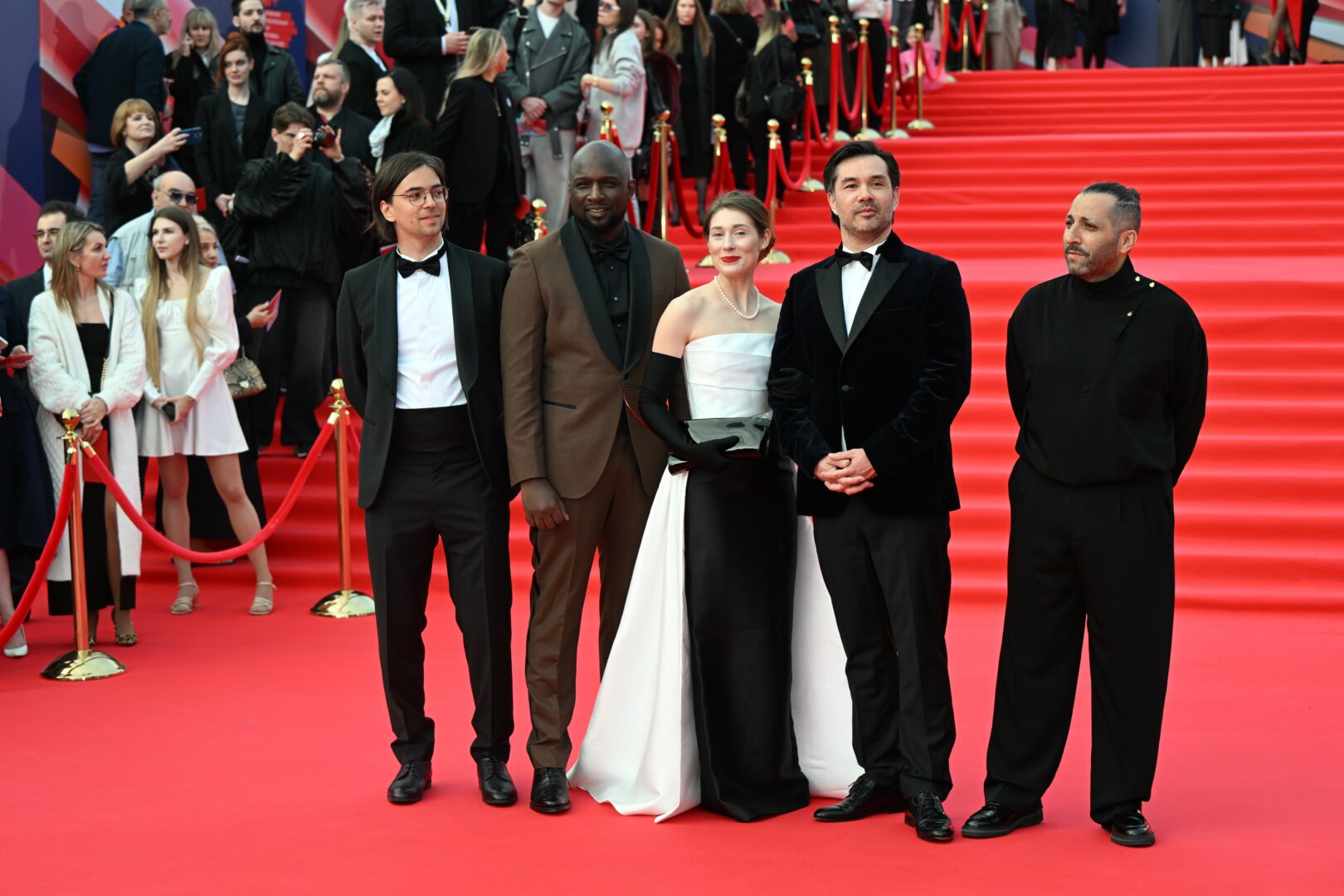
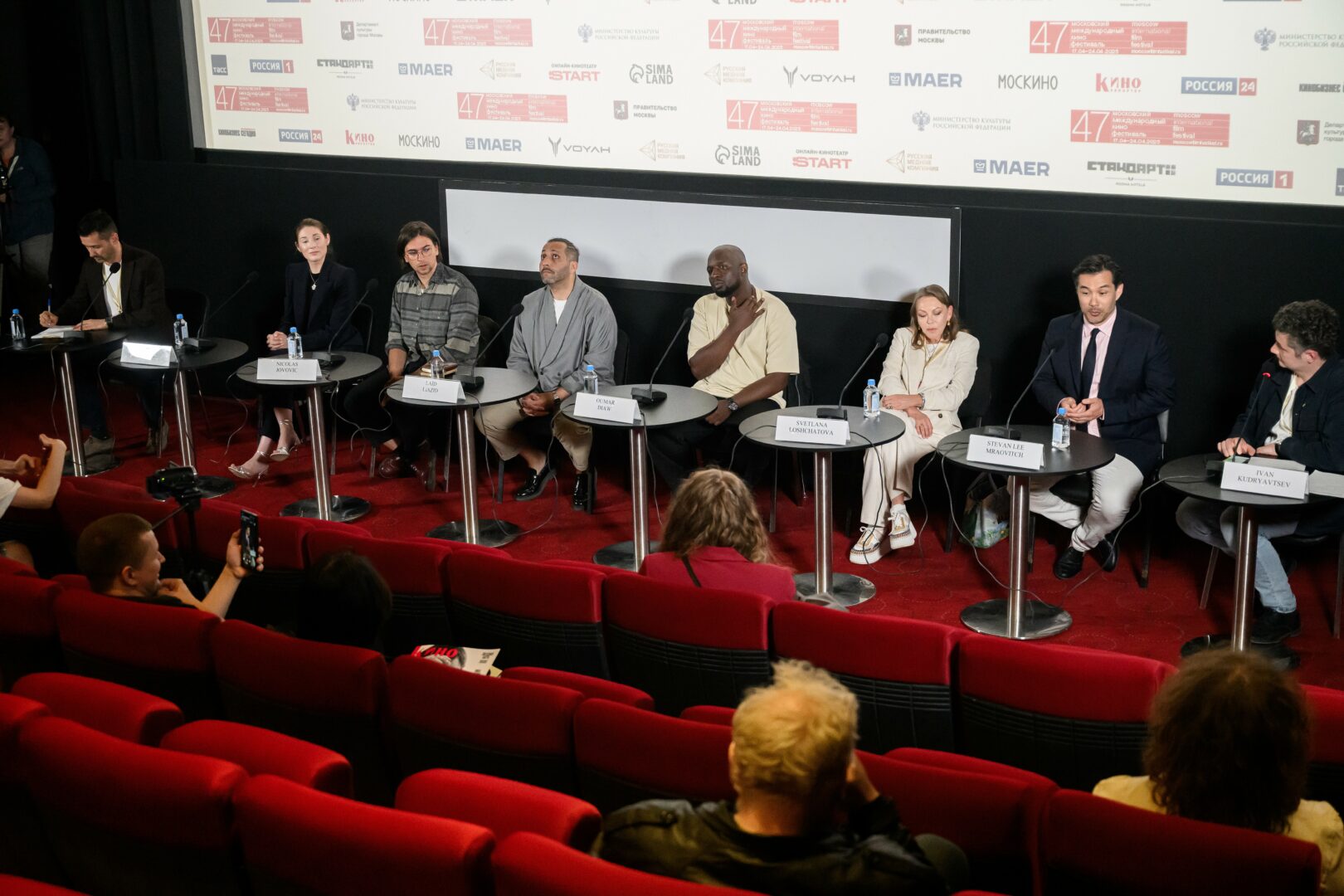
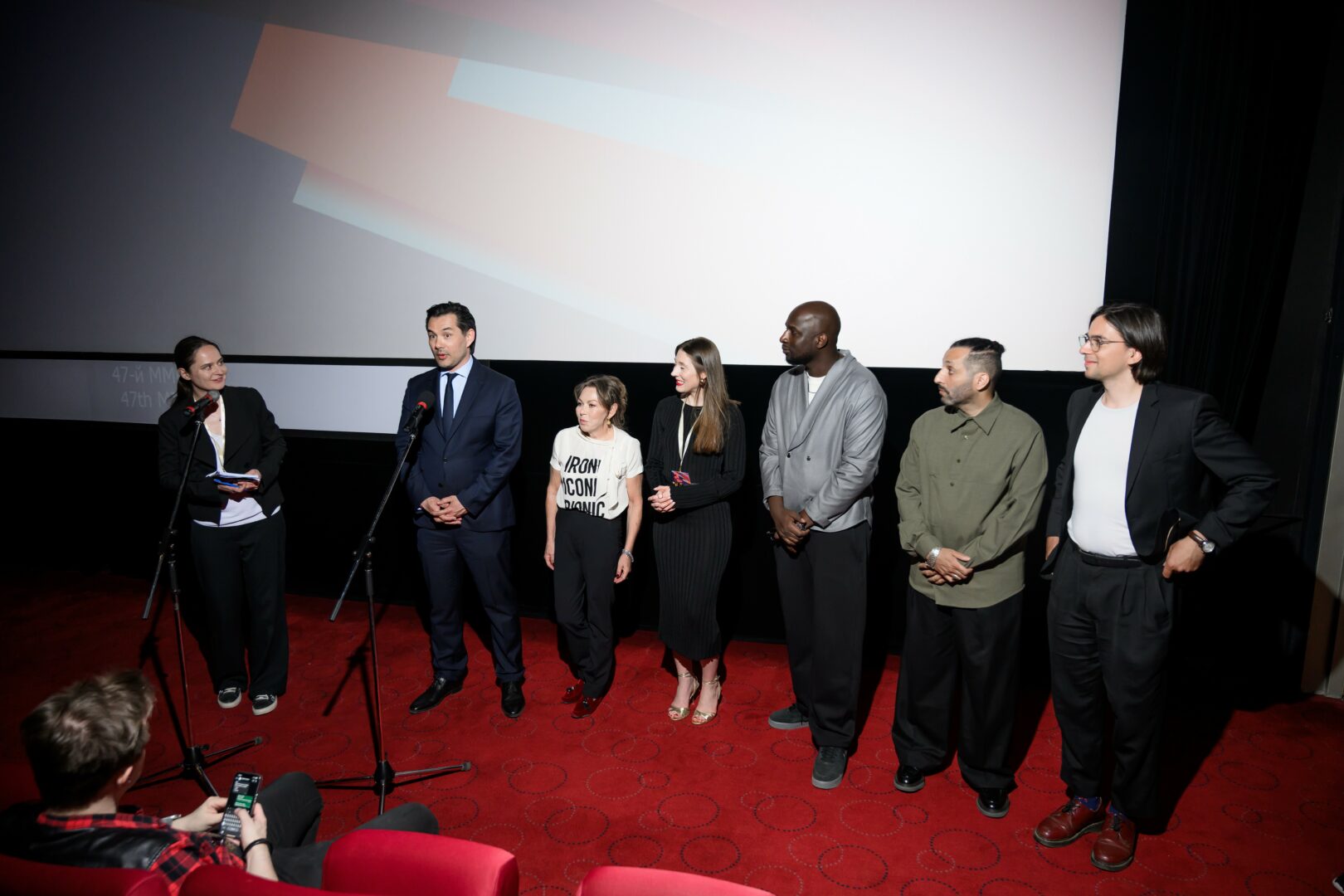
We’re looking forward to introducing you to Stevan Lee Mraovitch. Check out our conversation below.
Hi Stevan Lee, thank you for taking the time to reflect back on your journey with us. I think our readers are in for a real treat. There is so much we can all learn from each other and so thank you again for opening up with us. Let’s get into it: What makes you lose track of time—and find yourself again?
For me, losing track of time means experiencing it fully. When I was younger, I played football (soccer in the U.S.) with an intensity that made every moment feel alive. Each decision carried the weight of victory or defeat, and yet everything depended on the team, on the rhythm we created together. I believe it’s a common experience that time feels longer when you are young, maybe because you live every second as if it matters. In those games, I could feel time move through me, not as something to measure but as something to inhabit completely.
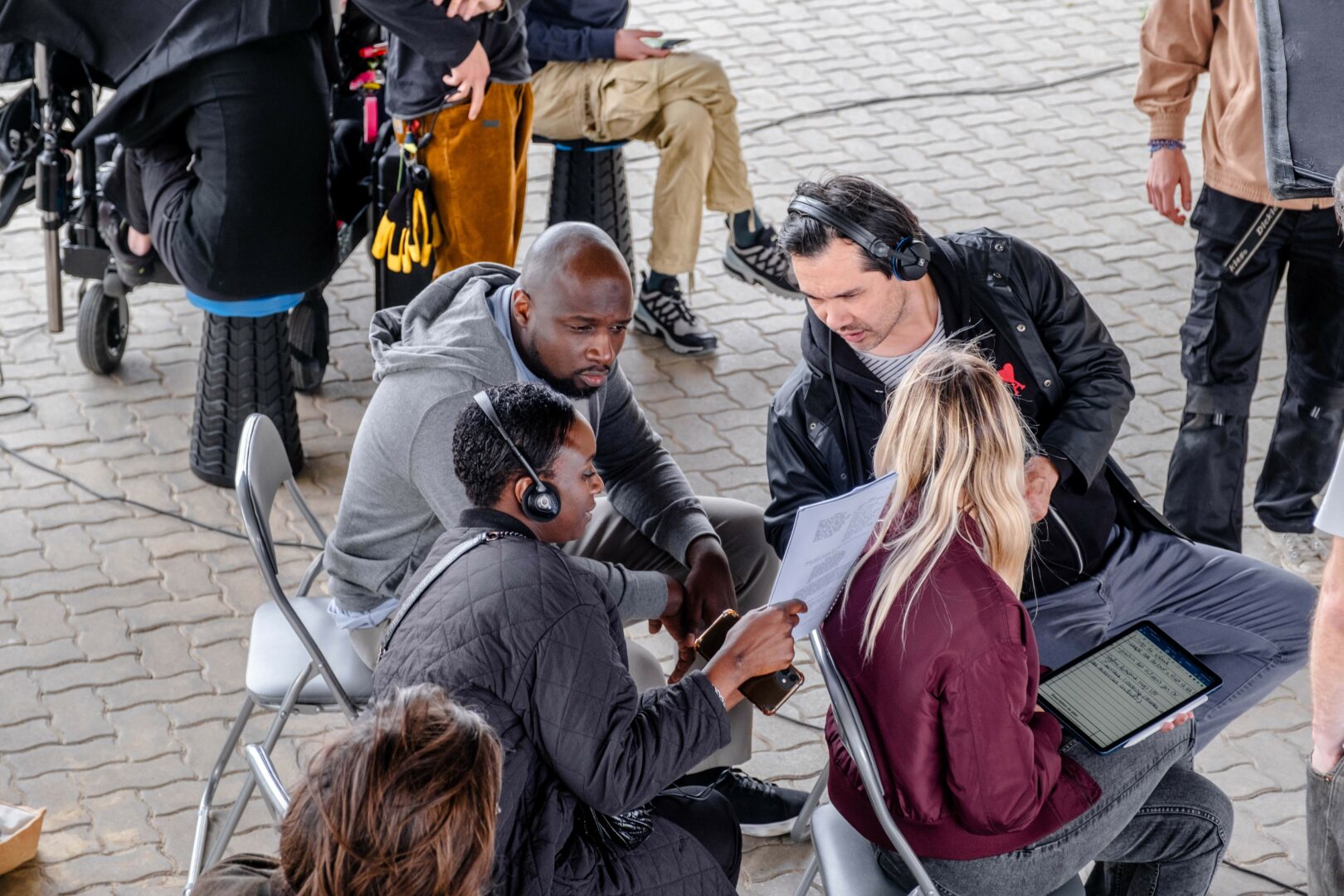
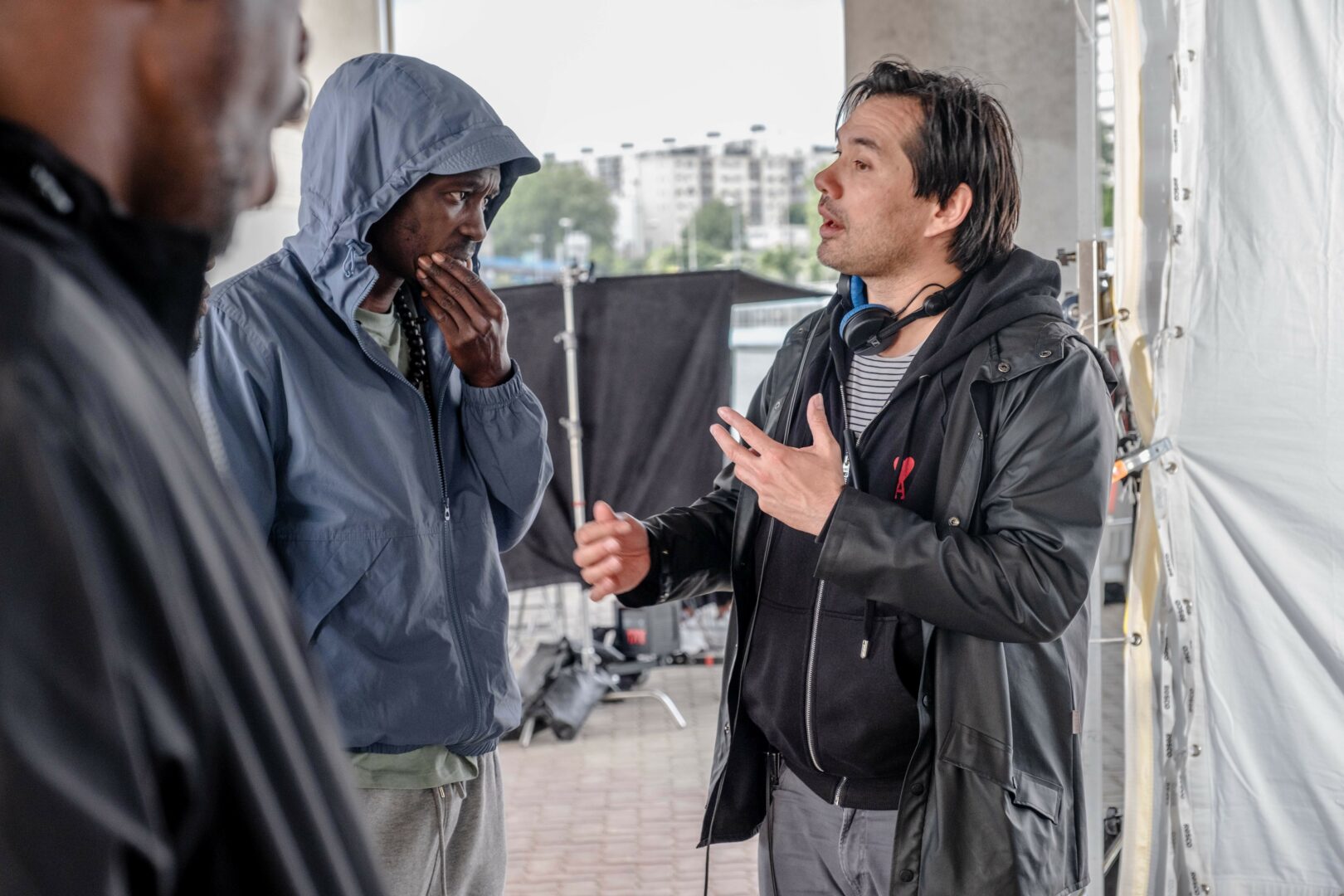
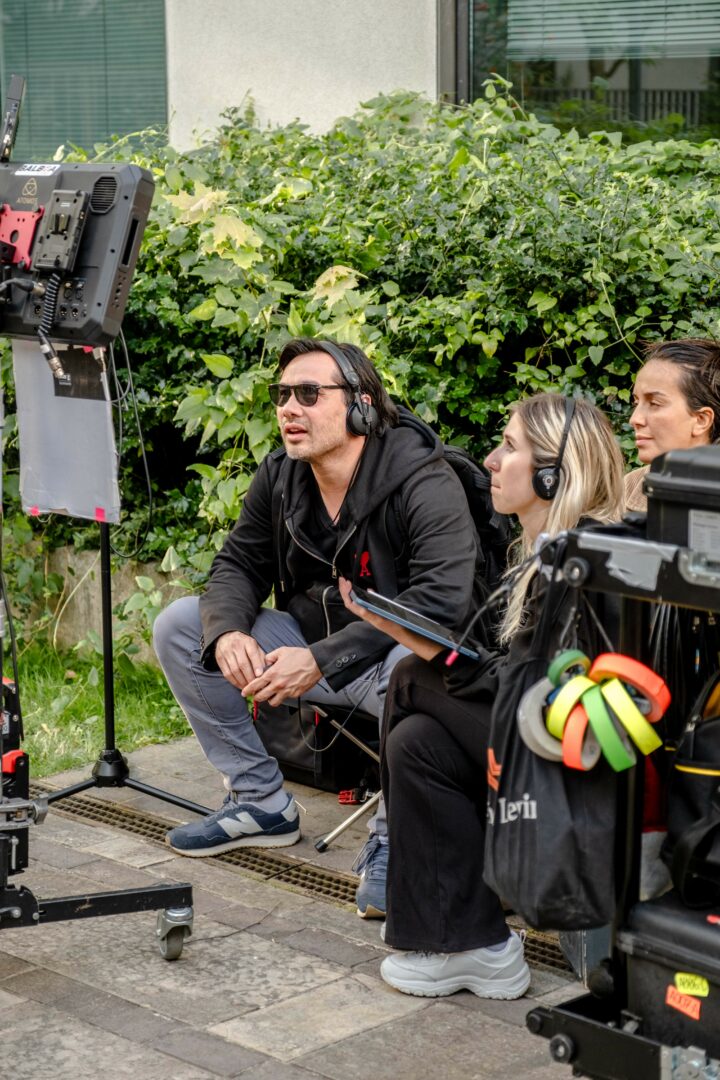
I feel the same way when I’m on set. I have to be completely focused, just as I was on the field, because every choice can change the rhythm of a scene. Filmmaking is a collective act, a shared pulse between people who are all trying to capture something fleeting. When a scene unfolds with truth, when everyone is aligned, time disappears again. It’s as if life and art become one, and in that space, I find myself.
Can you briefly introduce yourself and share what makes you or your brand unique?
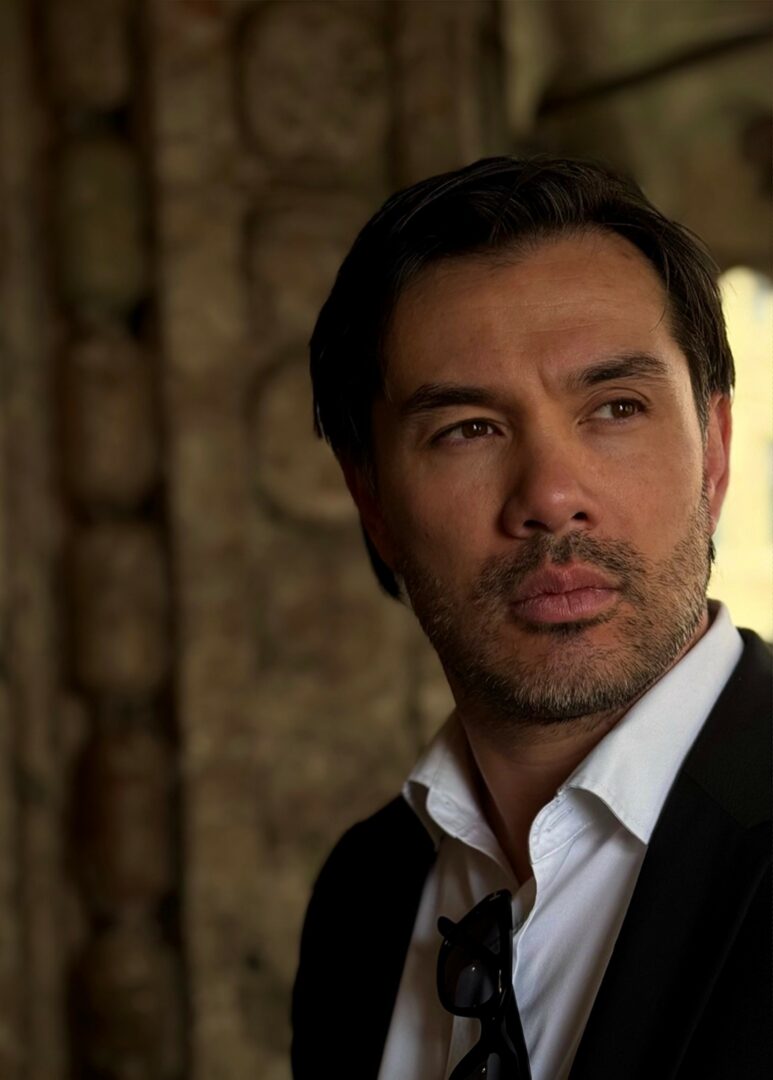
I’m Stevan Lee Mraovitch, a writer and film director who grew up between New York and Paris. My work explores human resilience and the way light finds its place even in darkness, whether through a migrant’s faith in Where There Is Love, There Is No Darkness or the absurd comedy of Doctor, Doctor. After a year of festival wins and international screenings, I’m developing several new projects, including a socially charged Parisian comedy, a psychological thriller, and a philosophical sci-fi novel. Across all of them, my goal is to tell stories that move people, spark thought, and remind us of our shared humanity.
Okay, so here’s a deep one: What’s a moment that really shaped how you see the world?
The breakup of Yugoslavia, my father’s country, shaped me before I had words for it. I grew up hearing stories of a place where people believed war could never happen, only to see how quickly peace can vanish. When I finally traveled there, I found beauty and ruin side by side, and a quiet strength in those rebuilding from the ashes. That experience led me to write my poetry collection Analgesia – The Scars of Love and Revolt, a meditation on love, rebellion, and endurance. It taught me that art exists to remember, to question, and to transform what history tries to erase.
What did suffering teach you that success never could?
Suffering taught me perspective. The summer I lost my father and my older brother, I understood how fragile everything is and how love, when it disappears, leaves behind both silence and clarity. My mother, who is Buddhist, often reminded me that in the end only three things matter: how much you loved, how gently you lived, and how gracefully you let go of what was not meant for you. For years I heard those words without truly understanding them. It was only through loss that I learned their meaning. Life moves quickly, and we spend so much time aiming for something better instead of pausing to see how far we have come. Suffering taught me to slow down, to be present, and to recognize that the journey itself is already extraordinary.
Sure, so let’s go deeper into your values and how you think. What are the biggest lies your industry tells itself?
The biggest lie in the film industry is that visibility equals impact. We often mistake noise for meaning and attention for connection. In the rush to be seen, many forget why they started creating in the first place. I have always believed that cinema is not about trends or algorithms but about truth, the kind that moves people long after the screen goes dark. Authentic stories may take longer to be noticed, but they last. What endures is not the hype but the heartbeat behind it, and that is what I try to protect in everything I create.
Okay, so let’s keep going with one more question that means a lot to us: Are you doing what you were born to do—or what you were told to do?
I am doing what I was born to do, even if I never planned it. As a child, I never imagined becoming a filmmaker, although I remember my first experience as a storyteller, creating small plays of light and shadow for my younger brother and sister with my hands and a lamp. After publishing my poetry book, and although it had some success, I realized I did not have it in me to be a full-time poet. Still, that experience awakened something in me. It made me understand that I could live through creation, that art could be a way of being. Filmmaking then appeared as the most natural continuation of that spark. I believe that filmmaking is writing with light. Writing and cinema became the language through which I make sense of the world. I do not see destiny as something written but as something revealed through awareness and the way we respond to life. In the end, I did not choose art; it chose me.
Contact Info:
- Website: https://www.stevanleem.com
- Instagram: https://www.instagram.com/stevanleemraovitch
- Linkedin: https://www.linkedin.com/in/stevan-lee-mraovitch/
- Other: https://www.imdb.com/name/nm3443400/
so if you or someone you know deserves recognition please let us know here.