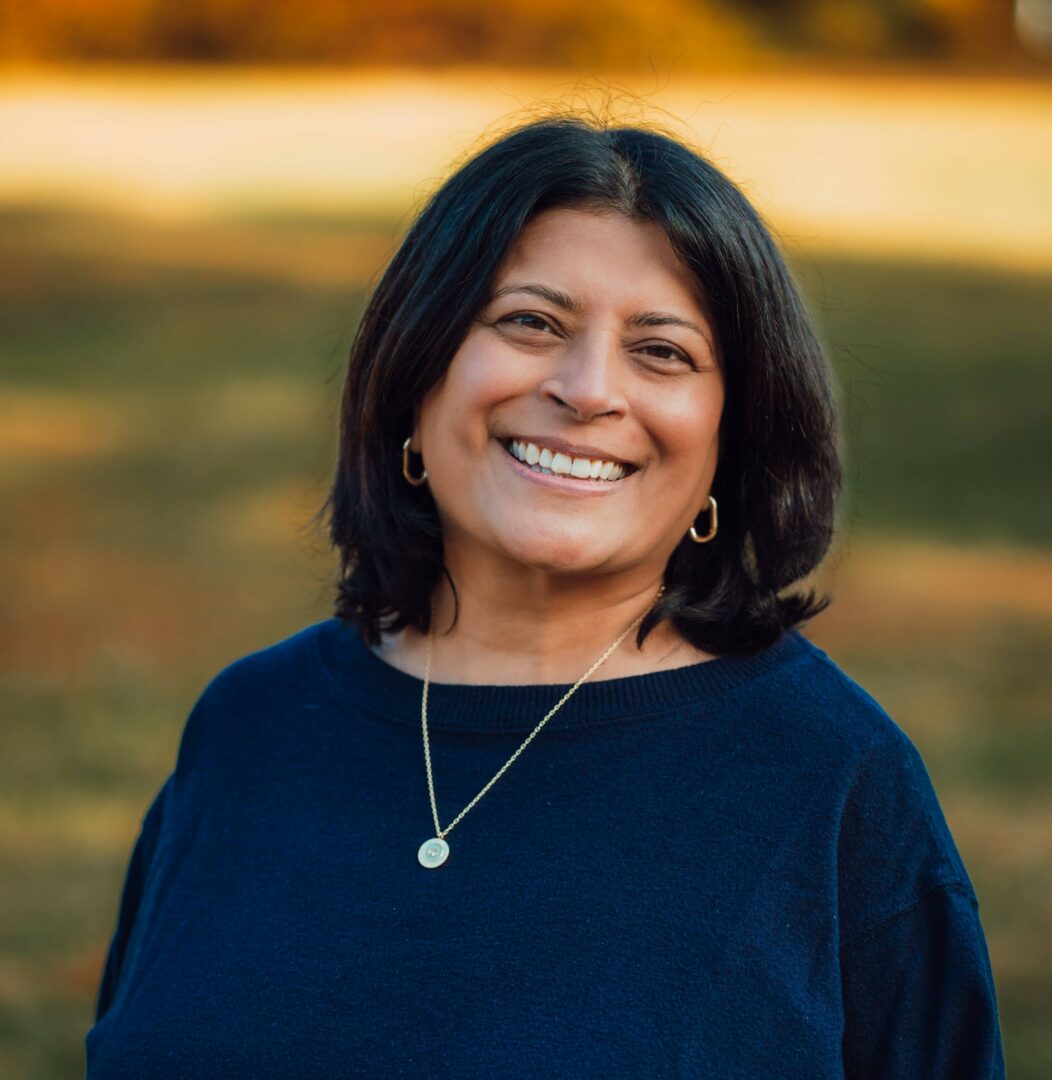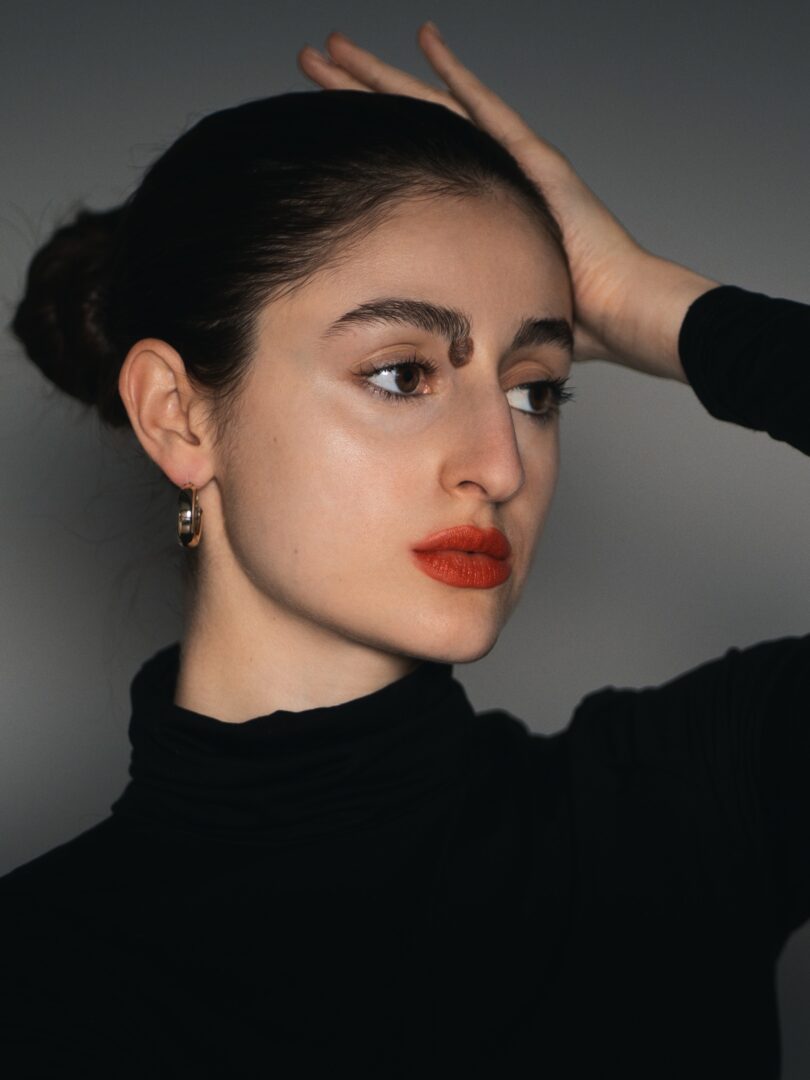
We’re looking forward to introducing you to Tasja Fleury. Check out our conversation below.
Tasja, really appreciate you sharing your stories and insights with us. The world would have so much more understanding and empathy if we all were a bit more open about our stories and how they have helped shaped our journey and worldview. Let’s jump in with a fun one: What are you most proud of building — that nobody sees?
All the internal changes that have been happening.
A few years ago, the idea of producing my own short film from a script I wrote would have been wishful-thinking in my mind. And even if I had dared, I probably wouldn’t have been able to even start because I would have wanted to know everything first. The fear would have been like a wall.
But I’ve now learned to sort of work with that fear. I’ve learned to treat it not as a stop sign, but as a compass almost. It points directly at the thing I need to do next.
So I started producing my short film, Ozan, which I also talked to you about last time. I started producing it from a place of knowing exactly zero about the process. The entire production has been one long exercise in stretching and having to become a little more just to get the next task done. And there’s a lot of invisible work that went into that.
Can you briefly introduce yourself and share what makes you or your brand unique?
My name is Tasja Fleury, and I am an actress based in Switzerland.
I also write, which feels like a natural extension of acting. It allows me to explore human psychology, which has always interested me. And it lets me create opportunities instead of waiting for them, for myself and for many of the talented people around me.
Right now, I’m focusing on learning. If there’s one thing I hope comes through in my work, it’s a sense of possibility, that with trust in your own process, you can build something meaningful, both on screen and within yourself.
Great, so let’s dive into your journey a bit more. What’s a moment that really shaped how you see the world?
A seemingly small thing that changed the way I viewed many things was learning about Jackie Chan’s work ethic. It wasn’t just him but I think he was the first one that I learned about.
I remember seeing the outtakes, the countless failed attempts, the injuries, all the repetition for a few seconds of perfect action on screen. Before that, I think I saw success as a straight line, or as talent meeting opportunity. But through watching and listening to interviews with Jackie Chan, I realised that the outcome is also built on the amount of effort and the willingness to fail.
It dissolved the fear of immediate failure. It taught me to see the “no” not as a closed door, but as the first, second, or hundredth try. And that it is part of a necessary repetition.
And it also gave me a deep respect for the entire process itself. Whether I’m writing, acting, or building a project from the ground up, that lesson is there. Do more, and don’t give up.
What did suffering teach you that success never could?
I wouldn’t want to call it suffering but maybe what setbacks have taught me. Success confirms what your doing; a setback forces you to examine what you’re doing. And that’s always a good thing, I think.
Success feels like forward motion, but it can sometimes be an illusion. It doesn’t ask you questions. If something doesn’t workout it gives you data and you can ask yourself “What can I do differently next time?”. It’s a very practical feedback loop that success can’t really provide.
For me, this has meant learning the discipline of reiteration. Not just blindly repeating, but changing something each time. And then you find out what doesn’t work, which is just as valuable.
Next, maybe we can discuss some of your foundational philosophies and views? What’s a belief you used to hold tightly but now think was naive or wrong?
I used to hold a bunch of beliefs that all had the same effect: they kept me from starting. Beliefs like, “There aren’t enough opportunities here,” or “I can’t begin until I’m perfectly ready.” And even if a belief isn’t factually wrong at the time, it’s still extremely unhelpful to hold onto them.
To me it’s not about finding the “right” belief, but about choosing a useful one. As the saying goes, “whether you believe you can or you believe you can’t, you’re right”. So I started behaving as if I was someone who could figure things out, who could create her own opportunities.
I guess producing my short film Ozan is one of the tests of this. I’m not a producer. I didn’t know the logistics and I still don’t know a lot of it. The old belief would have said, “You’re not ready.” With the new one I asked, “Okay, whatever, what’s the first step?” And then the next one.
Okay, we’ve made it essentially to the end. One last question before you go. What will you regret not doing?
It’s cliché but I would only regret not trying. Not learning. Not putting everything I have into whatever is in front of me. I know the outcome isn’t guaranteed, but the input and effort is always mine to give. I’d regret leaving that effort unspent.
Contact Info:
- Website: https://tasjafleury.com/
- Instagram: https://www.instagram.com/tasjafleury/
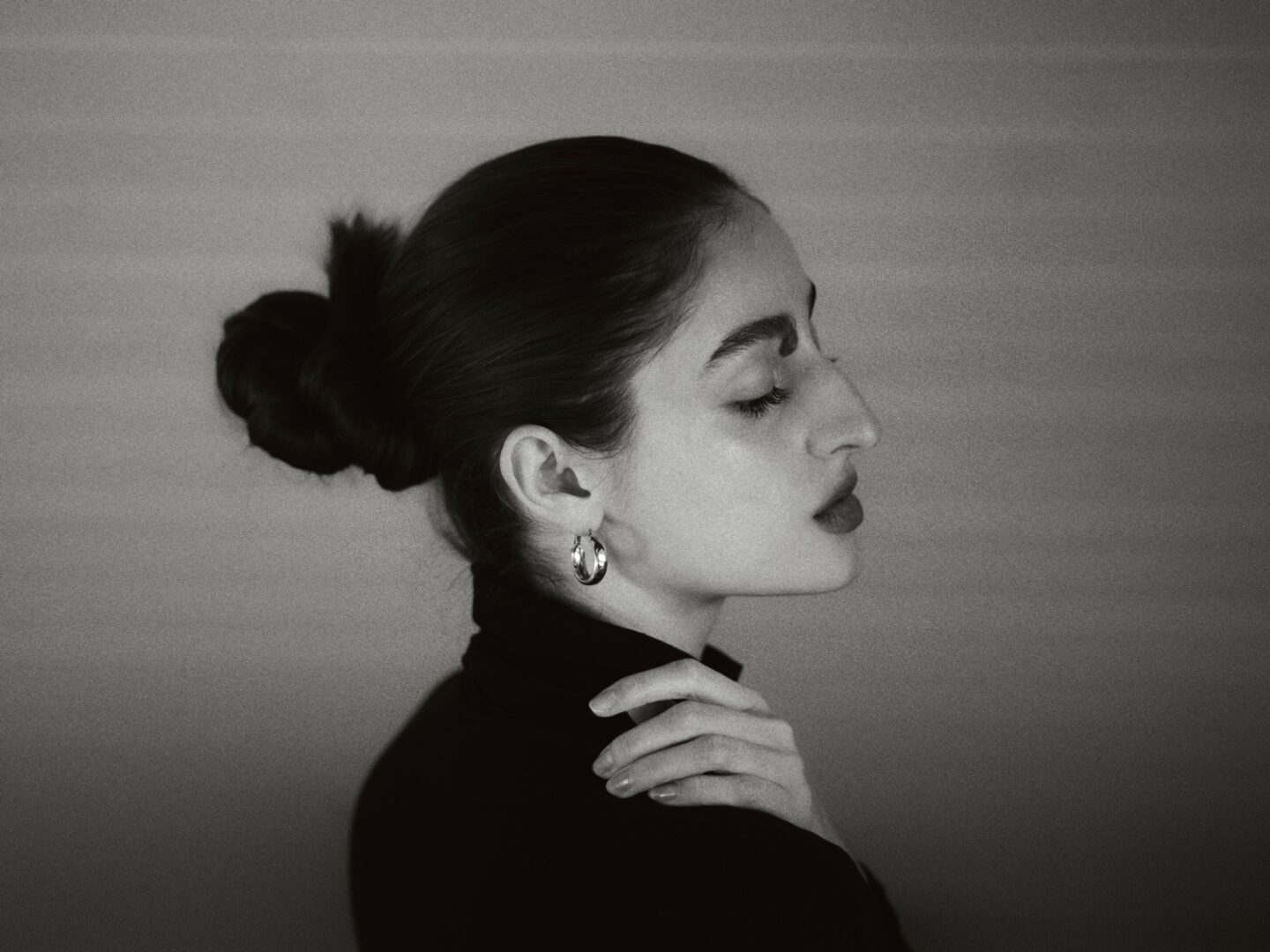
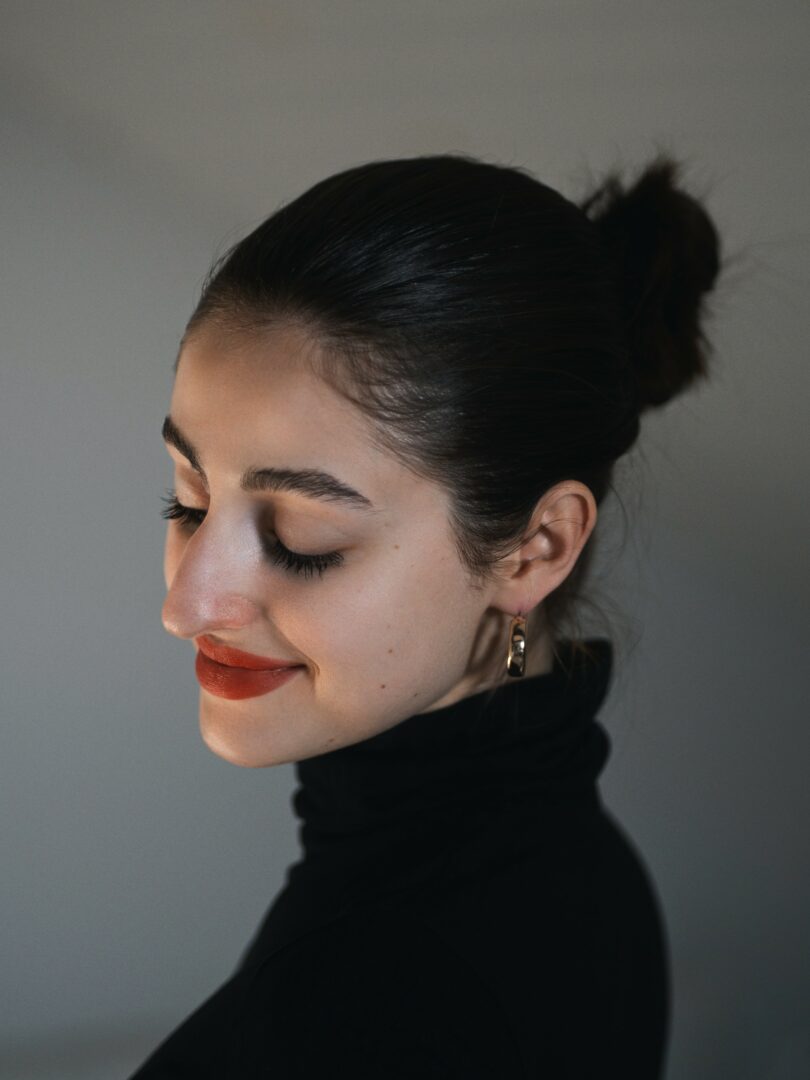
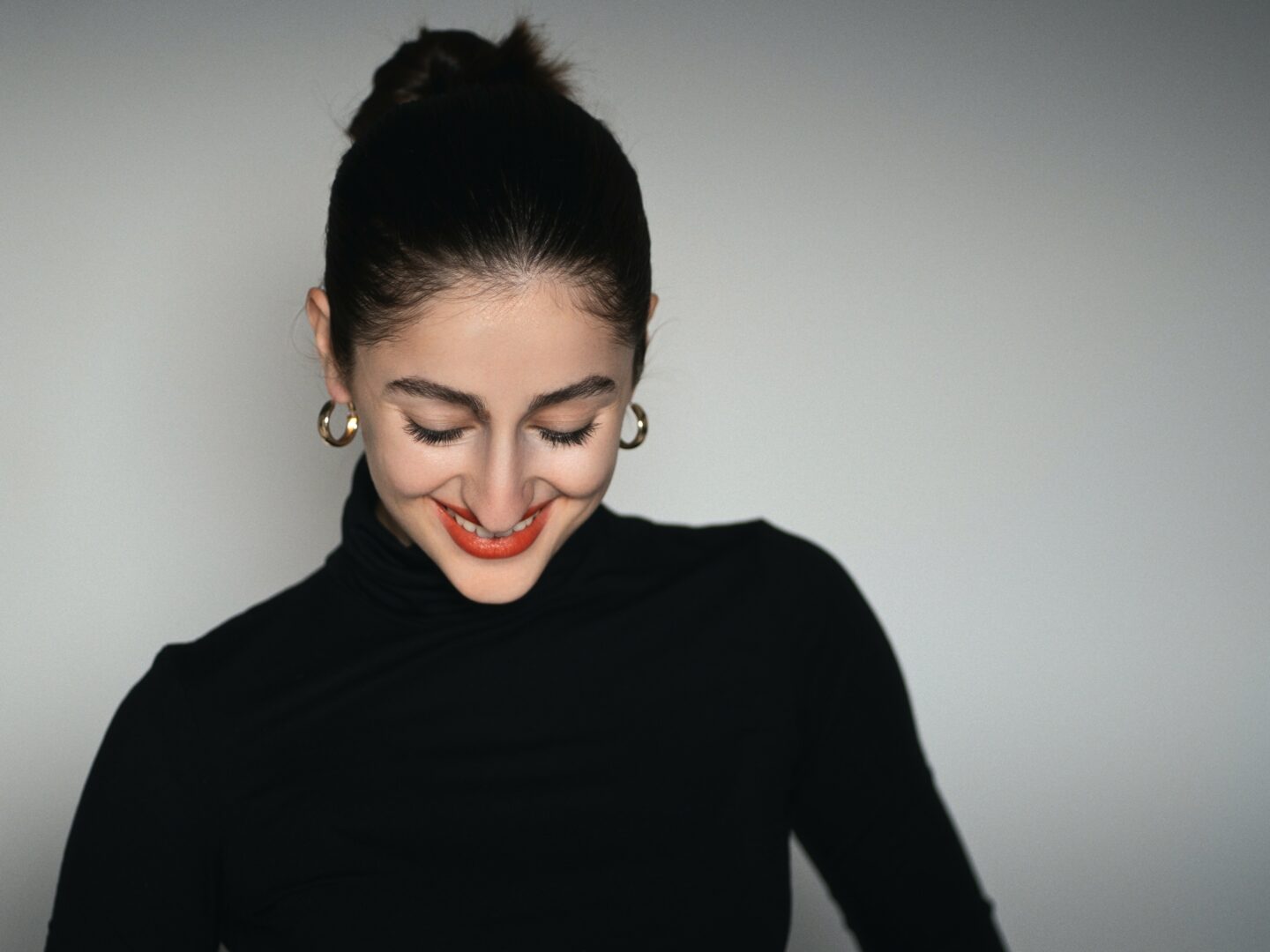
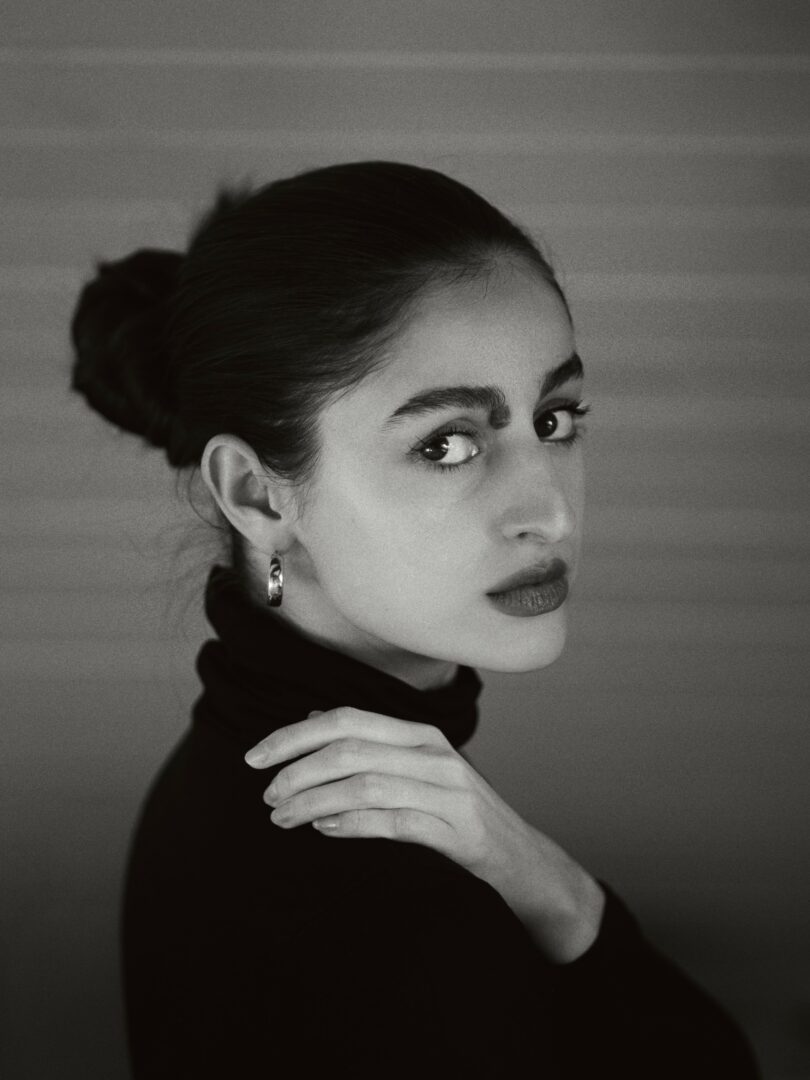
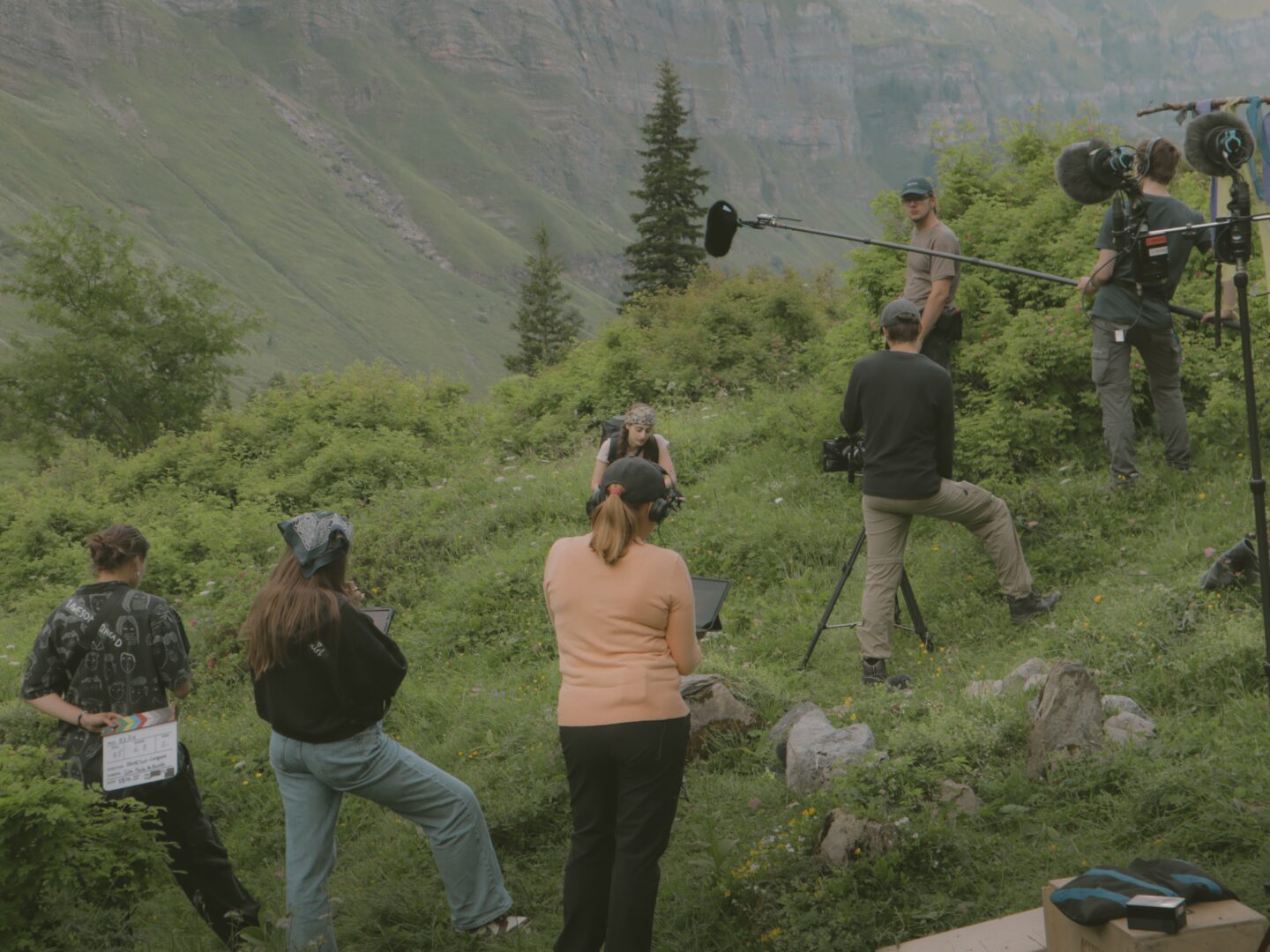
Image Credits
Reisetheater ZH
Delil Ek
Tasja Fleury
so if you or someone you know deserves recognition please let us know here.