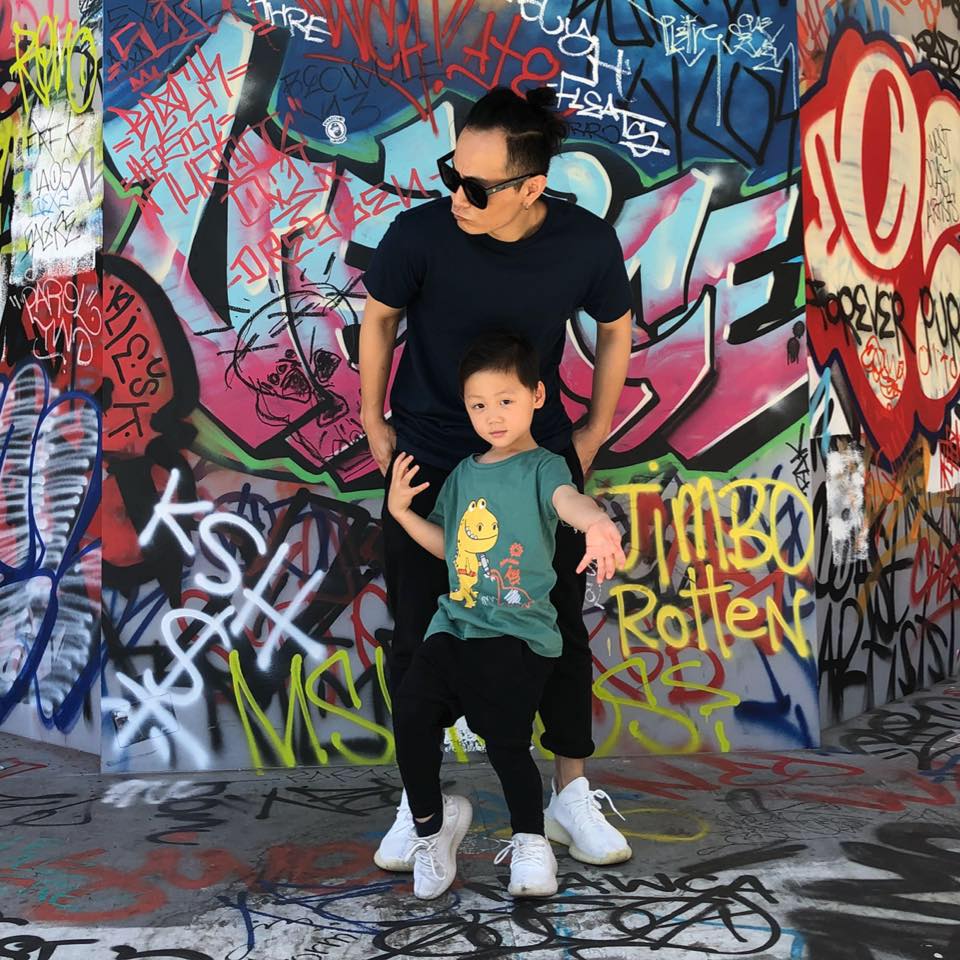
Tony Lin shared their story and experiences with us recently and you can find our conversation below.
Tony, it’s always a pleasure to learn from you and your journey. Let’s start with a bit of a warmup: What makes you lose track of time—and find yourself again?
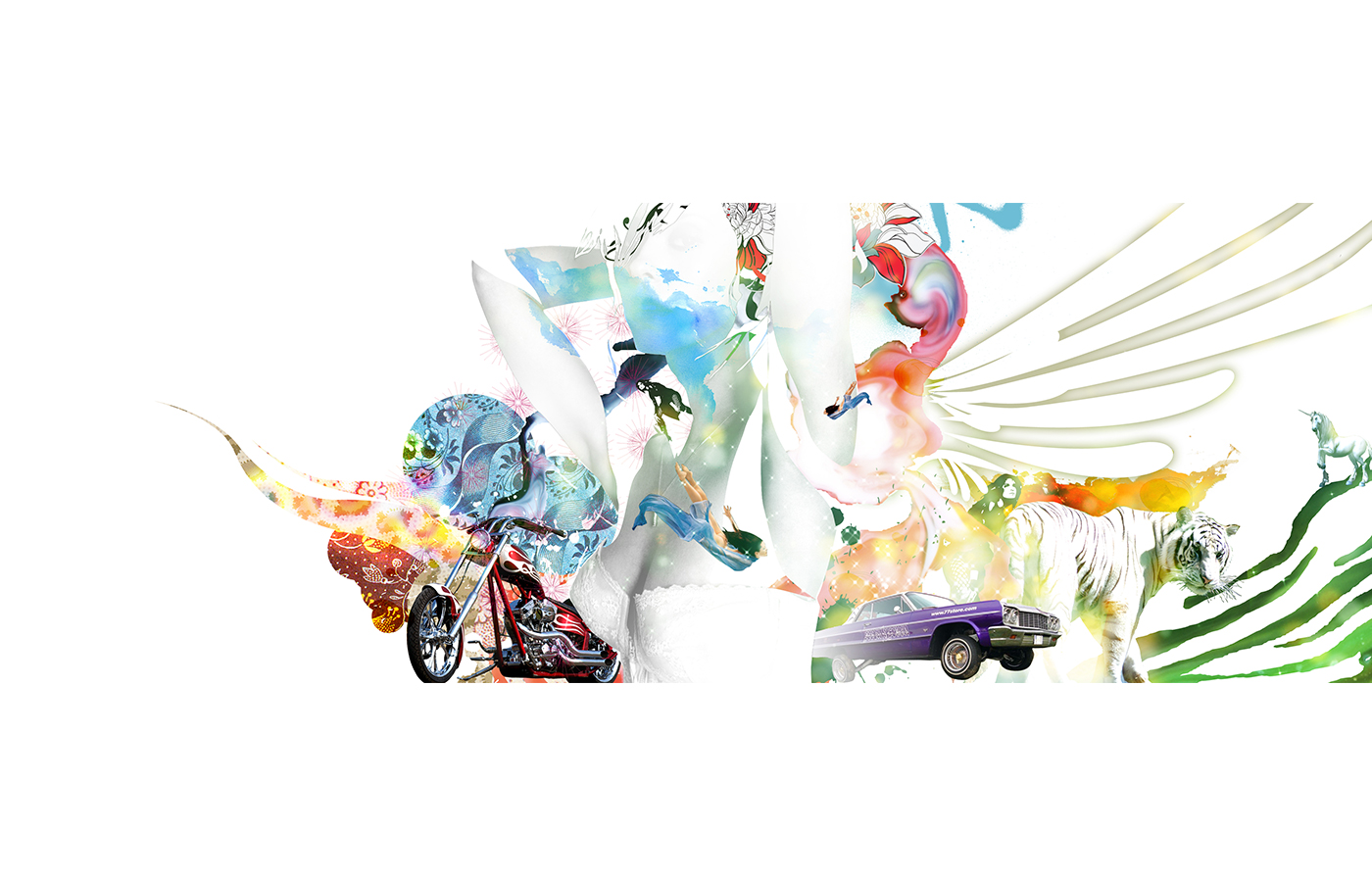
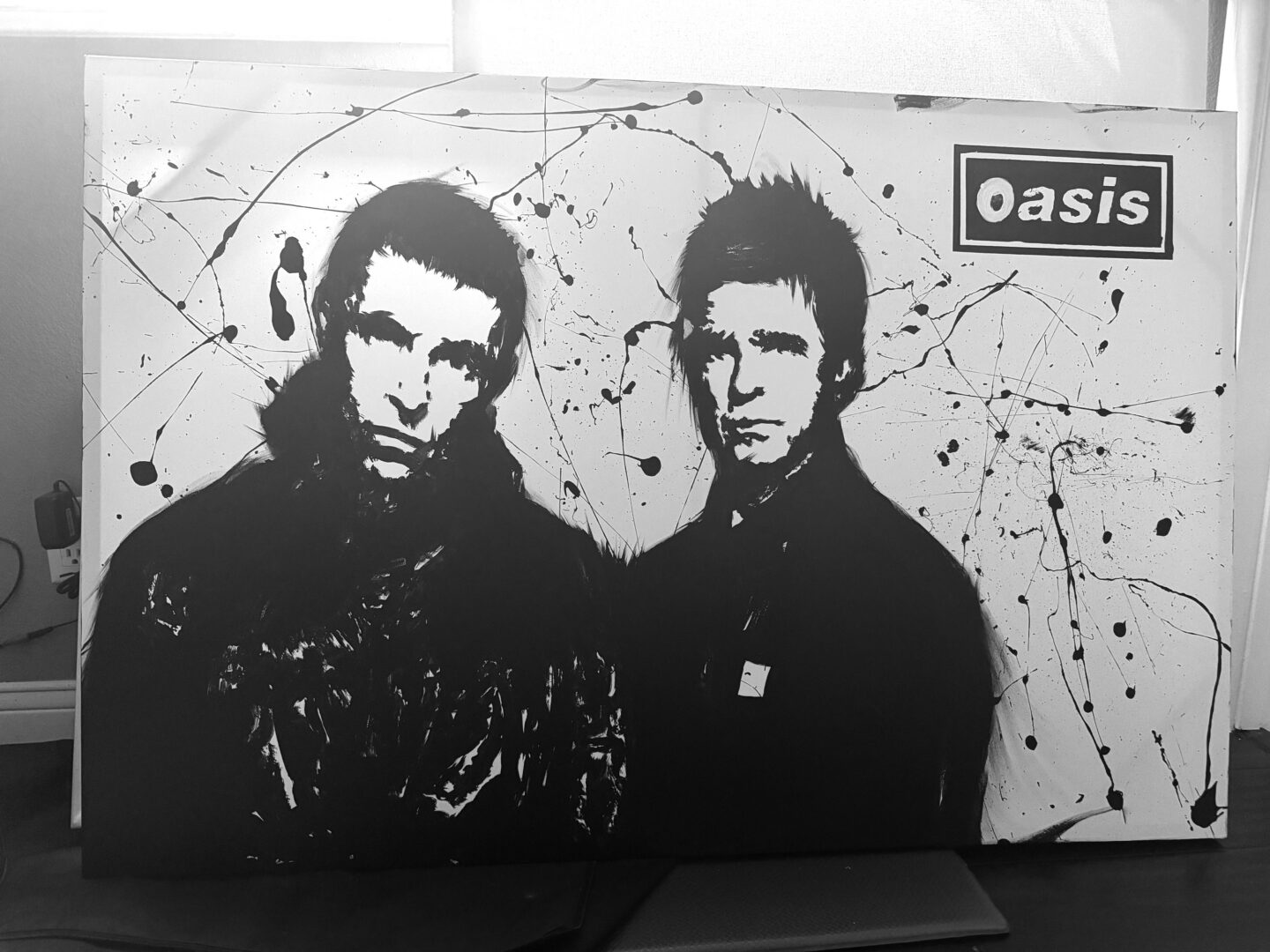
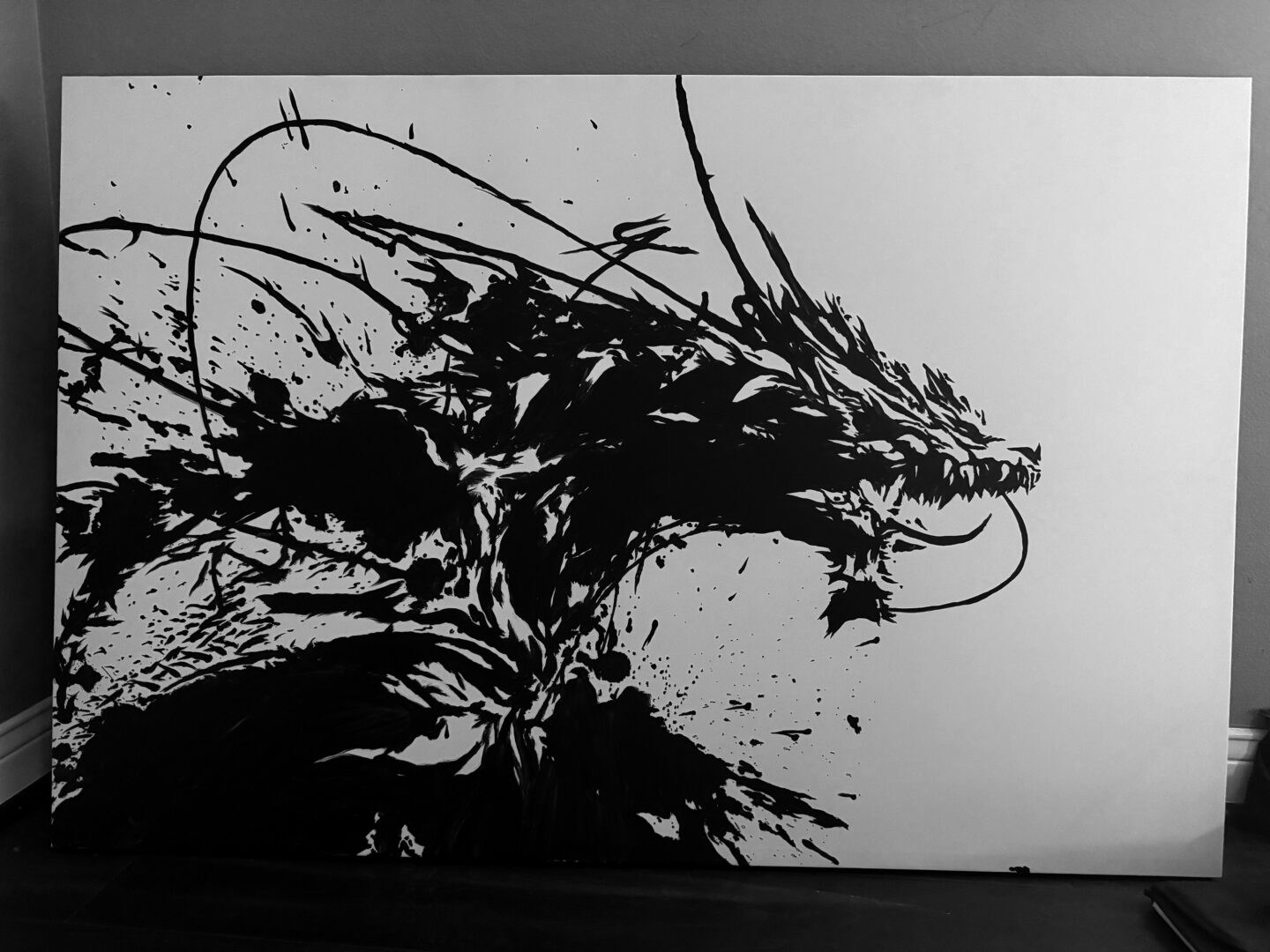
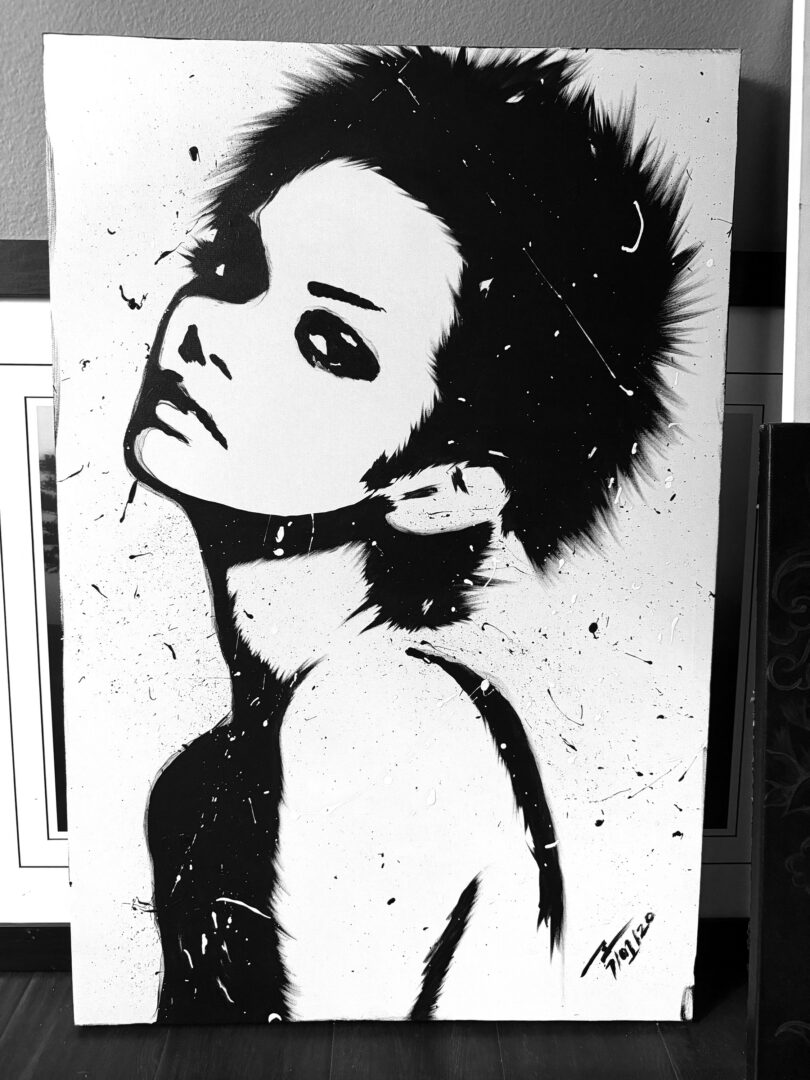
Whenever I’m drawing, I completely lose track of time. There’s something about the quiet focus of sketching and painting—translating what I see or feel into lines, shapes, and color—that pulls me into a flow state. Hours can pass without me realizing it. Drawing helps me untangle my thoughts and reconnect with my sense of self; it’s both meditative and expressive. Whether it’s refining details in an illustration or freely doodling ideas, I always come out of it feeling centered, calm, and more in tune with who I am.
Can you briefly introduce yourself and share what makes you or your brand unique?
I’m the founder and creative director of Xeverfree, a brand and creative agency built around the art of storytelling. We specialize in crafting narratives that help brands amplify their voices—through branding, traditional and digital design, motion, and video. What makes Xeverfree unique is that we don’t stop at creative—we also act as our clients’ extended marketing and operations arm, helping them produce, facilitate, and represent their brands seamlessly across omni-channels.
Our work is rooted in the belief that great design isn’t just about aesthetics—it’s about emotional connection and clarity of purpose. Every brand has a story worth telling, and we help bring that story to life in a way that feels authentic, human, and visually powerful.
Currently, we’re working on a stealth project to bring a Taiwan-born CPG brand to the North American market—bridging cultures through design, strategy, and storytelling. It’s an exciting challenge that embodies what we stand for: blending creativity with cross-cultural insight to help brands grow meaningfully and globally.
Appreciate your sharing that. Let’s talk about your life, growing up and some of topics and learnings around that. What was your earliest memory of feeling powerful?
My earliest memory of feeling powerful was when I worked as Usher Raymond’s personal designer on his Truth Tour: Behind the Truth Live from Atlanta. It was my first major project, and I was serving as the hands-on art director—overseeing everything from the creative concept to the final visual execution. Standing backstage and seeing the designs I’d created come alive on stage—woven into lighting, movement, and emotion—was surreal. That moment made me realize the power of creativity: how design can shape atmosphere, move people, and become part of a cultural memory. It wasn’t just about visuals—it was about storytelling that could be felt. That experience ignited my lifelong belief that creative direction is one of the most powerful forms of expression.
What did suffering teach you that success never could?
Suffering taught me what success never could—humility, patience, and gratitude. When things fall apart, you’re forced to slow down, listen, and truly see the people and moments that matter. Challenges stripped away the illusion of control and taught me that strength isn’t about always winning—it’s about showing up, learning, and staying kind in the process. Those difficult seasons made me more empathetic as a leader and more appreciative of every opportunity, collaboration, and even setback. Success can make you feel unstoppable, but suffering reminds you to stay human—and that’s where real growth begins.
So a lot of these questions go deep, but if you are open to it, we’ve got a few more questions that we’d love to get your take on. Is the public version of you the real you?
I’d say the public version of me is a real part of me—but not the whole story. I’m an introvert by nature and an extrovert by nurture. My work often places me in environments where I need to lead, present, and connect, so I’ve learned to channel my energy outward with intention. But my creativity is rooted in quiet observation—in the moments when I’m alone sketching, reflecting, or simply listening. The public me is confident and expressive; the private me is introspective and grounded. Both are authentic, and together they create the balance that allows me to lead creatively while staying true to who I am.
Before we go, we’d love to hear your thoughts on some longer-run, legacy type questions. What pain do you resist facing directly?
The pain I resist facing directly is people’s disappointment—especially from those I care about or work closely with. I’ve always taken pride in showing up fully and delivering beyond expectations, so when I sense that I’ve let someone down, it lingers deeply. Even if it’s part of growth or circumstance, disappointment feels personal to me. Over time, I’ve learned that I can’t control how everyone feels, but I can control my honesty, effort, and empathy. Facing that pain has taught me that disappointment doesn’t mean failure—it often means I cared enough to want to do better.
Contact Info:
- Website: https://www.xeverfree.com | https://www.xeverfree.net
- Instagram: https://www.instagram.com/xeverfree/
- Linkedin: https://www.linkedin.com/in/xeverfree/
- Youtube: https://www.youtube.com/@xeverfree

so if you or someone you know deserves recognition please let us know here.