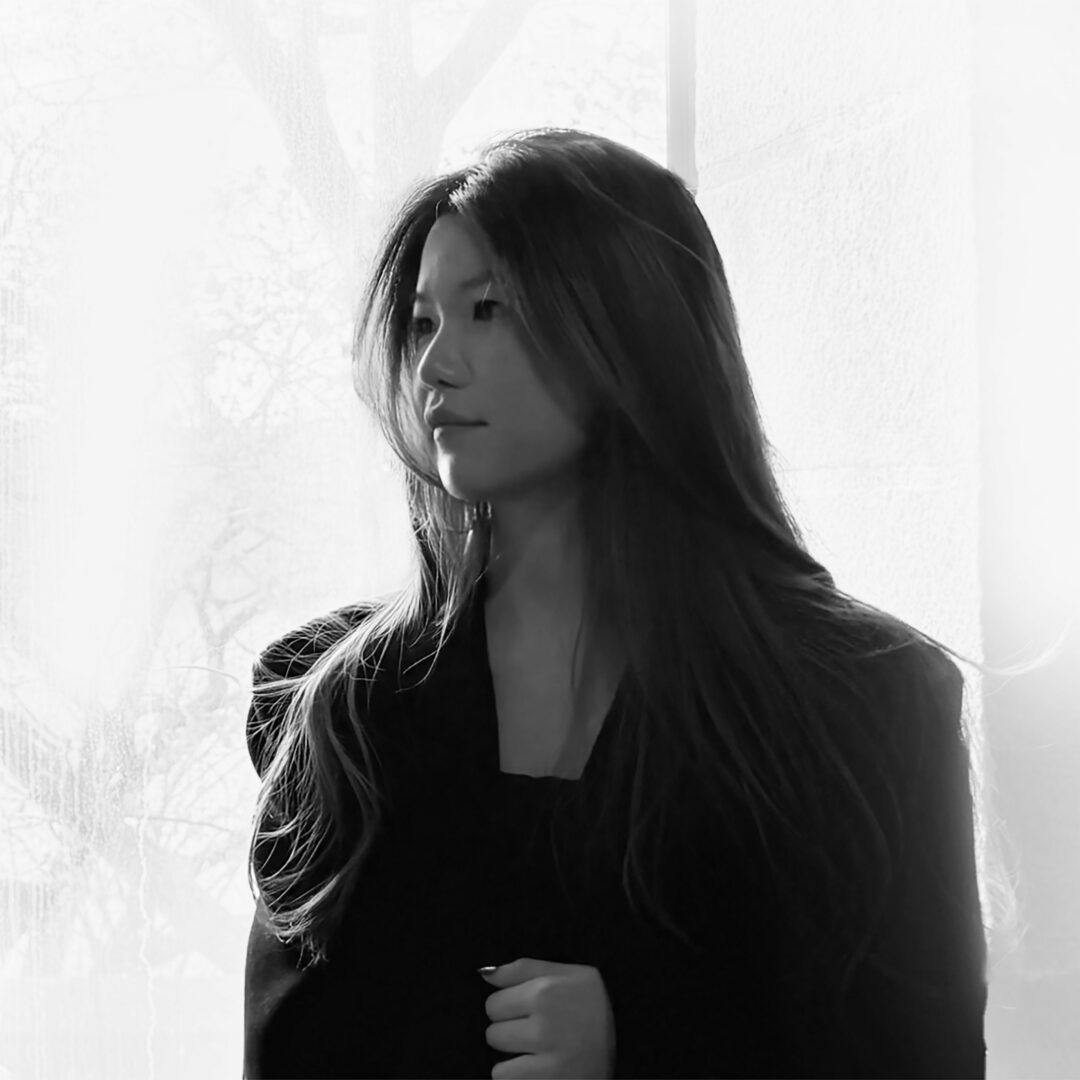
We recently had the chance to connect with xuechen chen and have shared our conversation below.
Hi xuechen, thank you so much for taking time out of your busy day to share your story, experiences and insights with our readers. Let’s jump right in with an interesting one: What do the first 90 minutes of your day look like?
I usually start by spending a few quiet moments playing or cuddling with my cat—he’s my fluffy alarm clock and never fails to make me smile. Then I make a cup of tea or coffee and ease into my morning routine with some gentle stretching or a bit of meditation, just to ground myself before the day begins.
Can you briefly introduce yourself and share what makes you or your brand unique?
Hi, I’m Xuechen Chen—a multidisciplinary creator with a background in architecture and psychology, and over four years of experience as an architectural designer. I’m deeply interested in how spatial design influences human perception and emotion, a passion rooted in my psychology studies and shaped by my design practice.
This curiosity led me to found X.C STUDIO, a creative practice that explores the intersection of physical space and digital experience. My work spans architecture, digital interaction design, and visual art, with a focus on crafting immersive, human-centered environments. Each project is driven by cross-disciplinary curiosity, blending creative experimentation with a nuanced understanding of cultural, commercial, and residential contexts.
A central focus at X.C STUDIO is the exploration of hybrid environments—spaces where digital interaction and spatial design coexist, reshaping how we live, work, and connect in an increasingly augmented world.
Thanks for sharing that. Would love to go back in time and hear about how your past might have impacted who you are today. What was your earliest memory of feeling powerful?
One of my earliest memories of feeling powerful was when I built a small cardboard “house” as a kid—complete with windows, rooms, and makeshift furniture. I remember being completely absorbed in the process, turning scraps into something I imagined and then physically made real. That was the first time I realized I could shape space and give form to an idea. It wasn’t just play—it felt like a kind of quiet power, the ability to create a world of my own. Looking back, that moment was probably the seed of my path into design.
Was there ever a time you almost gave up?
Yes—there was a time I almost gave up, when the weight of uncertainty and the pressure to follow a more “stable” path felt overwhelming. I questioned whether my ideas mattered, or if I was simply chasing something too abstract. But what kept me going was a quiet but persistent belief that creativity isn’t just a passion—it’s a language, a way of connecting with the world.
Starting X.C STUDIO wasn’t just a professional step; it was a personal act of reclaiming that belief. It became a space where I could experiment freely, tell stories through design, and explore new ways of seeing and feeling. What once felt like doubt eventually turned into direction.
Alright, so if you are open to it, let’s explore some philosophical questions that touch on your values and worldview. What important truth do very few people agree with you on?
I believe we need to create space—not just physically, but emotionally—to hold. In a world that constantly rewards speed, intensity, and visibility, we often forget a quiet truth: not every emotion needs to be solved, expressed, or heightened right away. Sometimes, we just need a way to hold stillness—to give form to what exists in between.
Design can become a language for that in-between state. It can serve as a kind of object therapy, offering subtle structure for people to process, to breathe, and to let softer, quieter energies flow without pressure.
While many believe emotions should always be spoken or expressed, I think there’s power in simply holding them—with care, with intention, and without demand. Through light, scent, texture, and form, we can shape environments that don’t fix, but gently support—a grammar of pause.
In a world that moves too fast, we design the spaces—and moments—that let people slow down and feel, even if they don’t yet have the words.
Okay, we’ve made it essentially to the end. One last question before you go. What false labels are you still carrying?
One false label I’ve carried is that sensitivity is a weakness. In high-pressure, fast-moving industries, there’s often an expectation to be bold, loud, and constantly visible. As someone naturally more reflective, I once questioned whether that made me less capable.
But I’ve since realized that sensitivity is not a limitation—it’s a strength. It allows me to perceive nuance, to connect with people on an emotional level, and to design with depth and intention. What I used to see as a disadvantage has become a defining part of my creative identity. Sensitivity and strength are not opposites—they amplify each other.
Contact Info:
- Website: https://xc-studio.com/
- Instagram: @xchenc_studio

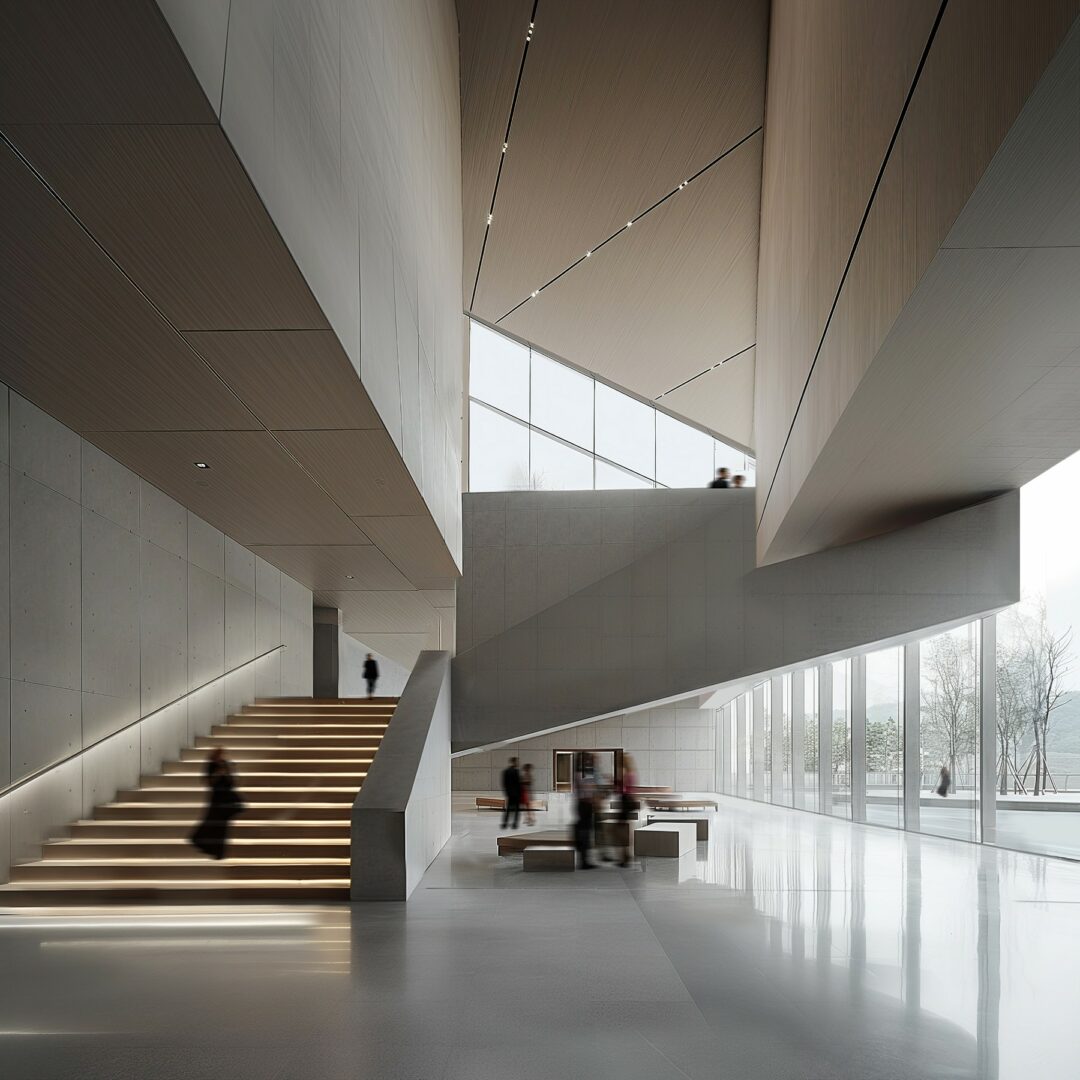
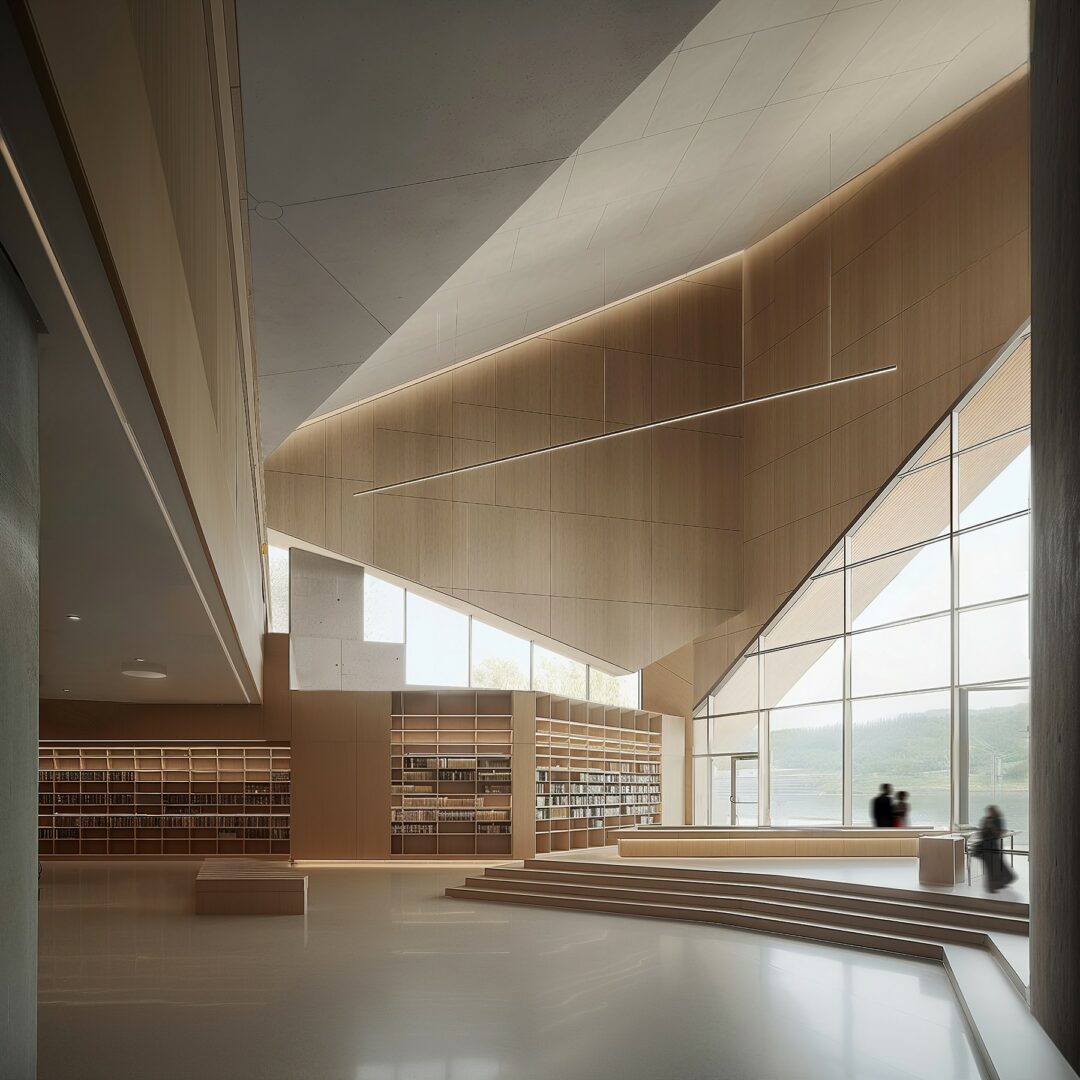
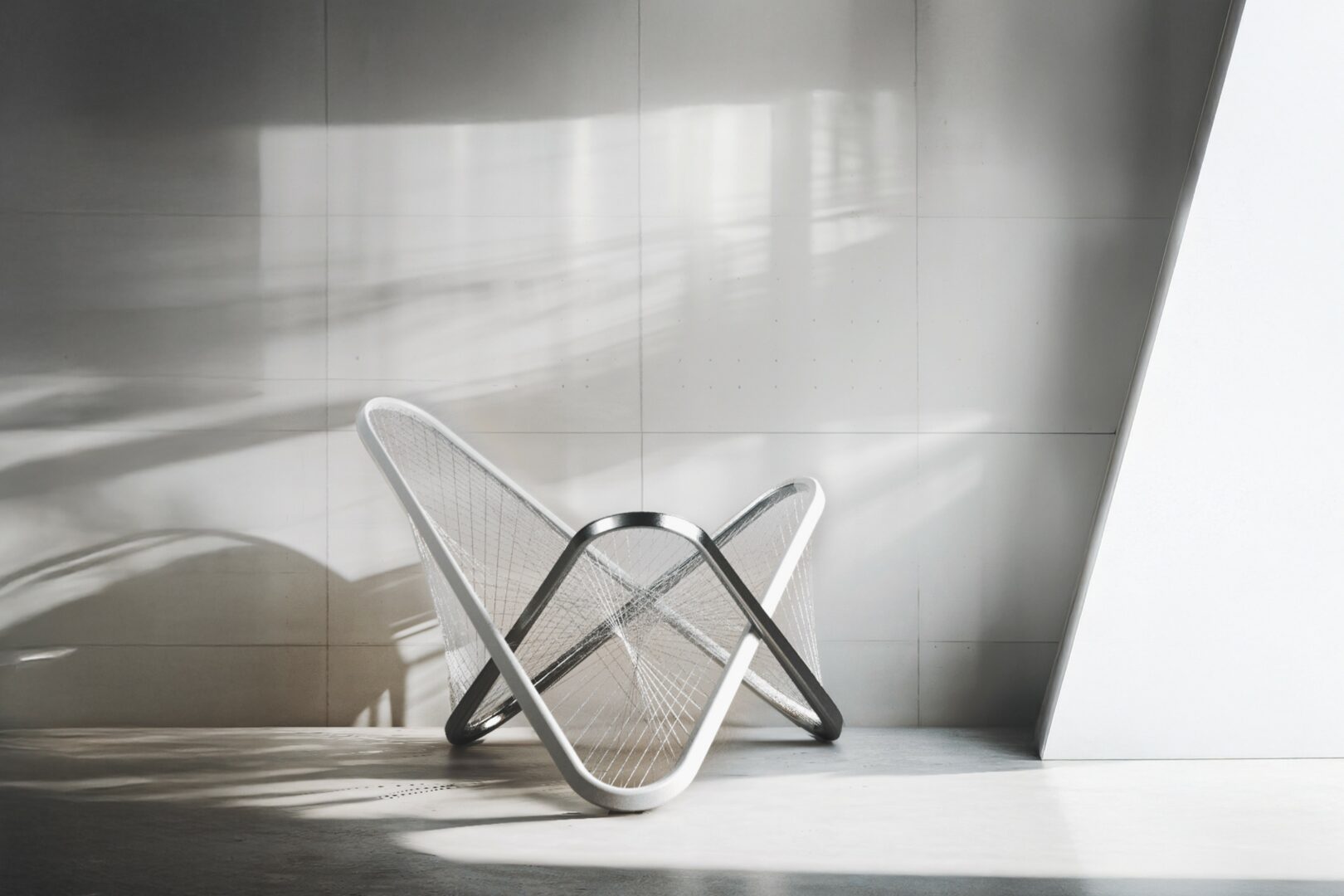
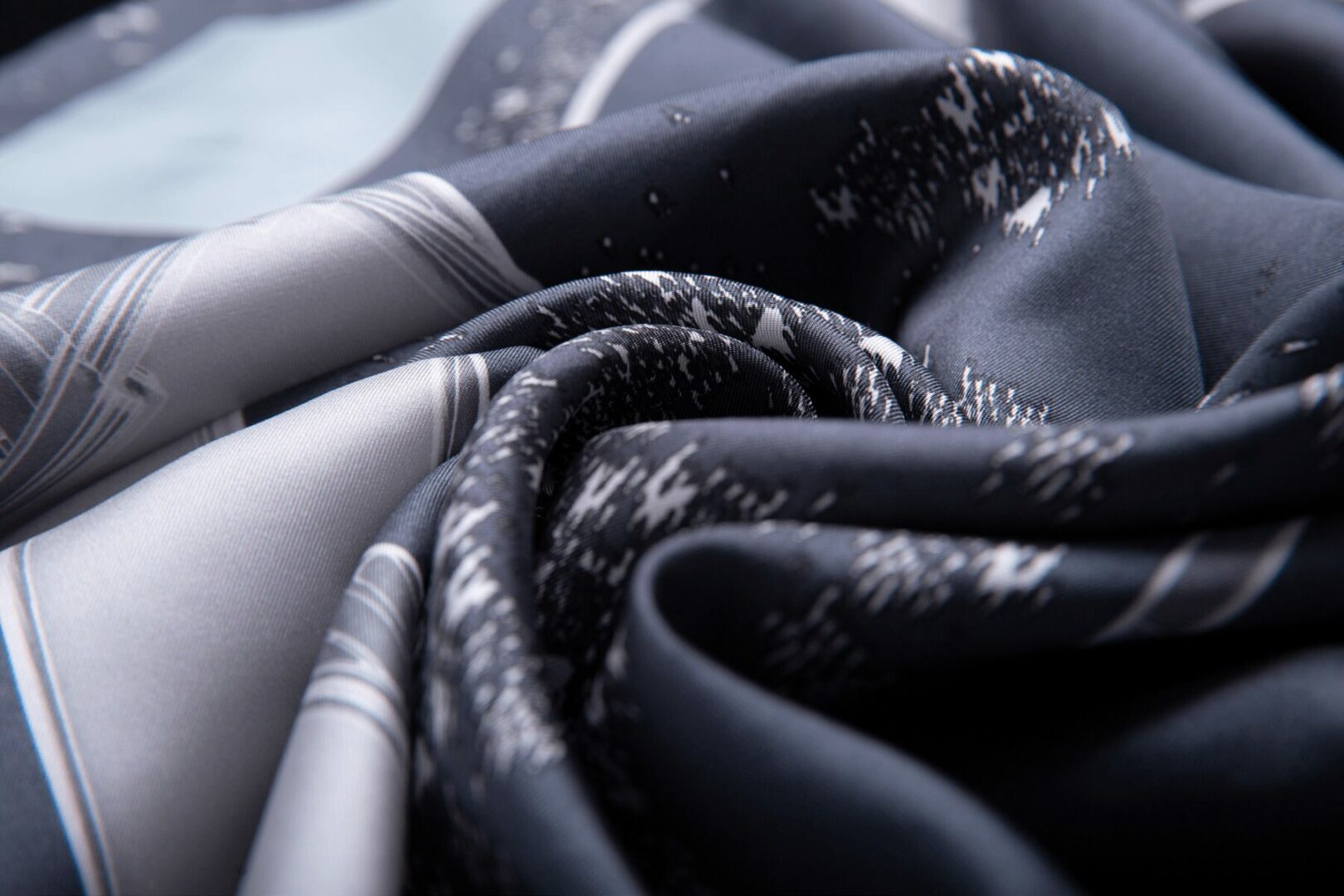
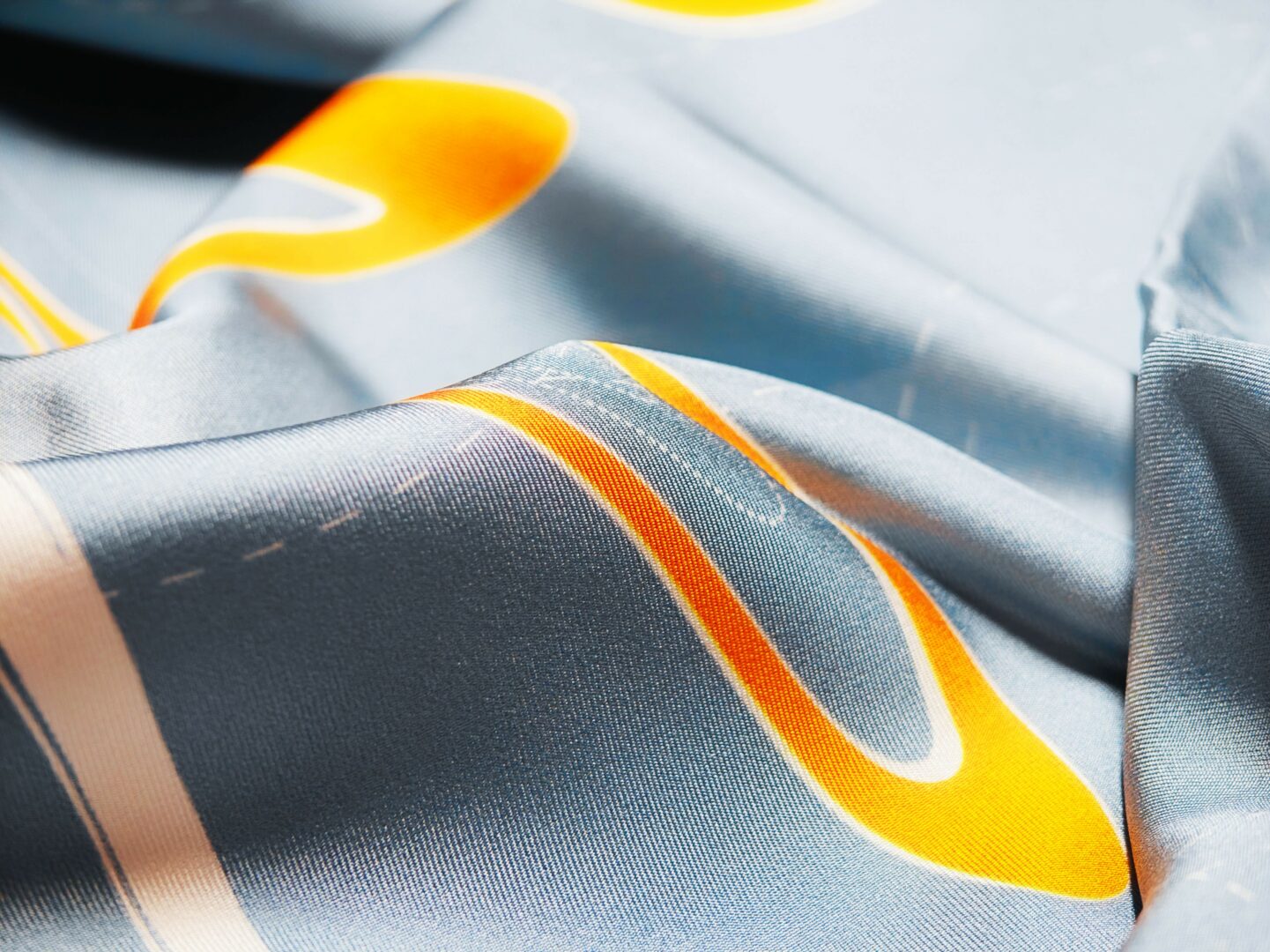
Image Credits
Xuechen Chen
so if you or someone you know deserves recognition please let us know here.