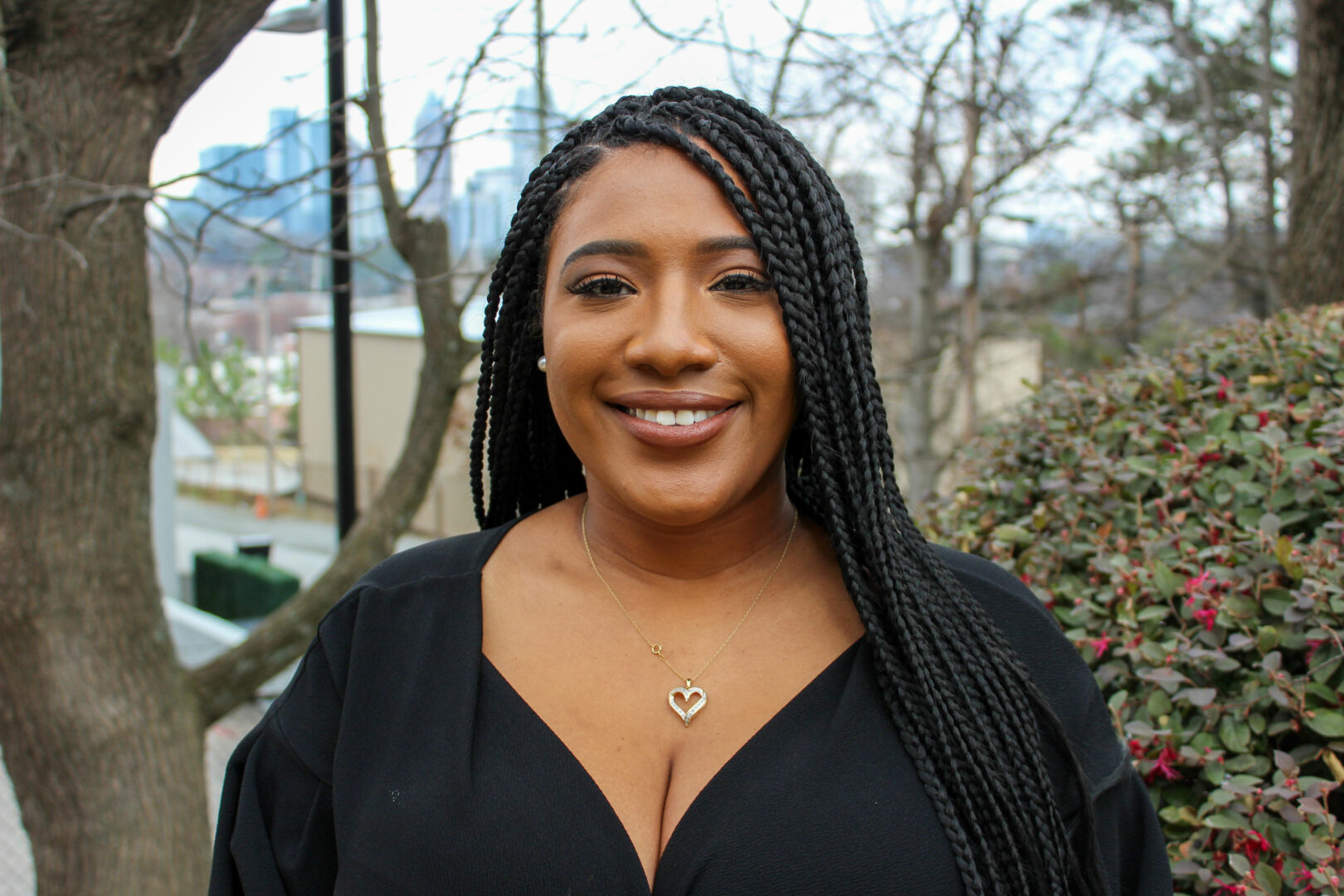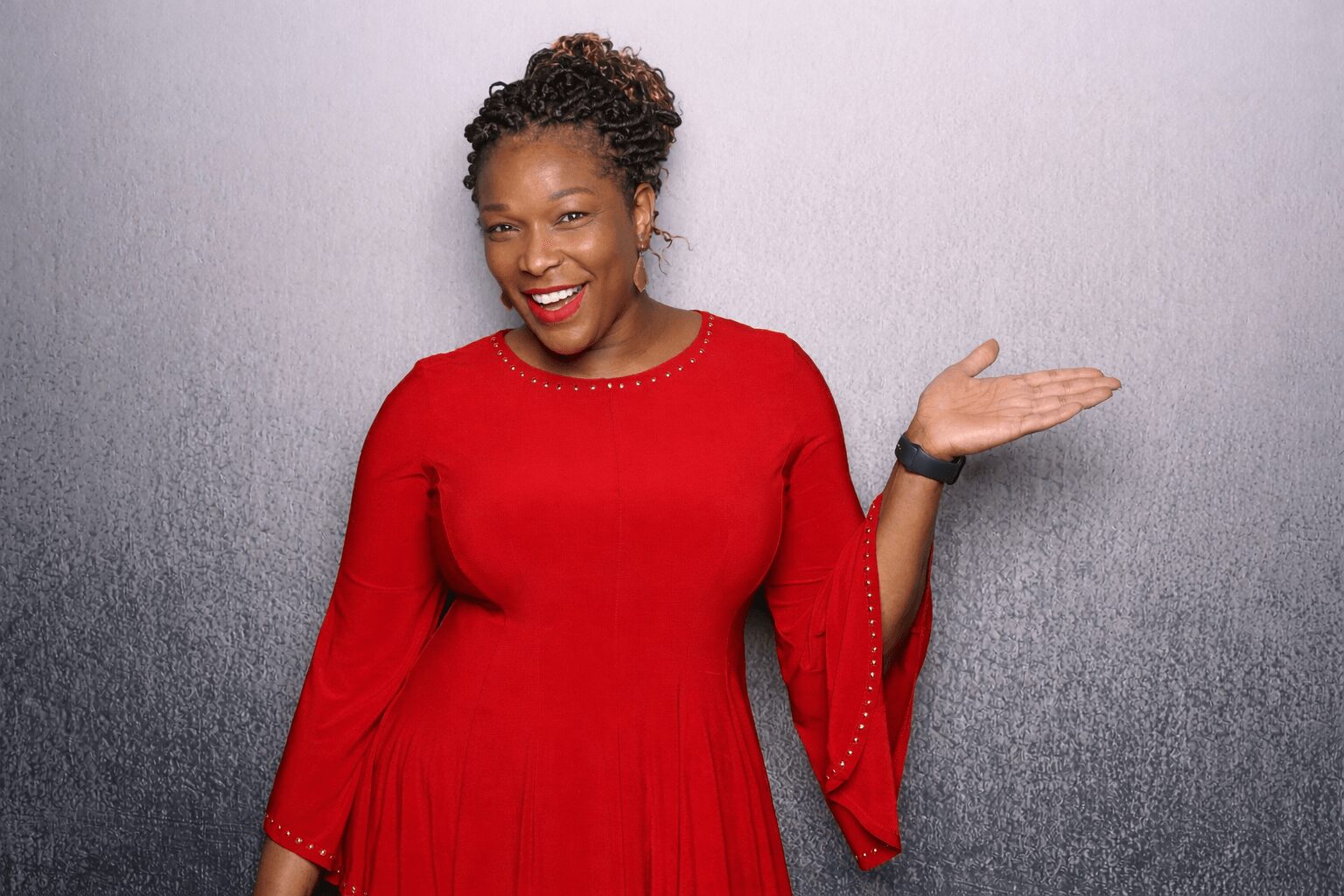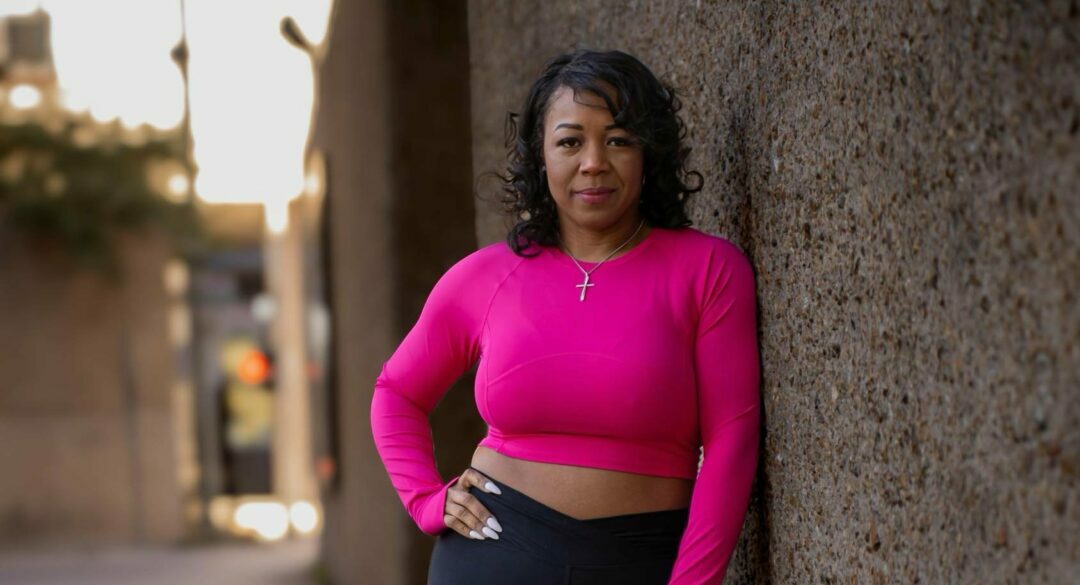
Born from her own journey with endometriosis, Tamara Washington’s Well, Actually is a community‑driven call to action around preventative care, access, and accountability in women’s health. Through storytelling, funded well‑woman exams, and intimate conversations that make the invisible visible, Washington is shifting the culture from silence to support—empowering women to trust their bodies, ask better questions, and prioritize their health without shame, delay, or dismissal.
Hi Tamara, thank you so much for taking the time to share your story and the work behind Well, Actually with our readers. This campaign was born from your own lived experience with endometriosis and navigating a healthcare system that often dismisses women’s pain. Looking back, what moment made you realize your personal journey needed to turn into a broader advocacy movement?
Reading a Washington Post article on Endometriosis and the stories women shared in the comments about their pain and not being heard by doctors deeply moved me. It filled me with gratitude for the care I’ve received and a strong calling to give back. We shouldn’t have to fight endometriosis alone or in silence, and we have absolutely nothing to be ashamed of in this battle.
Well, Actually shines a light on the importance of preventative care, especially well-woman exams that many women delay or skip altogether. Why do you think so many women face barriers — emotional, financial, or cultural — when it comes to prioritizing their health, and how is your campaign working to remove those obstacles?
Women are often the backbone of our homes, keeping everything running at work and in our families. Many of us are business owners and entrepreneurs, and all of us wear countless hats. It’s not that we don’t value our health, it’s that we so often put everyone else first. We make sure everyone around us is okay, and too often we don’t check in with ourselves until something is wrong. That’s why Well, Actually was created, to build a community where women can have the hard conversations, support one another, and hold each other accountable. Together, we make sure we’re getting our well-woman exams and taking proper care of ourselves, because our health matters too. 💛
Now you have celebrated your 45th birthday, you set a powerful goal to help 45 women receive free or fully funded well-woman exams. What does this milestone represent to you personally, and what kind of impact do you hope this initiative has on the women it serves?
I truly hope women understand how important it is to prioritize their health. I want them to know it’s okay to ask as many questions as they need in order to feel confident and informed, and to believe that there are doctors who genuinely care about their well-being. For me, helping even 45 women would bring a deep sense of peace. It would remind me that when one woman is supported, she can support another, and together, we can build a growing, empowered community. 💛
Endometriosis affects millions of women, yet it often takes years to be diagnosed. Through storytelling and education, you’re helping change that narrative. How important has sharing lived experience been in shifting awareness and encouraging women to advocate for themselves in medical settings?
Sharing lived experience has been incredibly important in shifting awareness around endometriosis because stories make the invisible visible. Medical facts are necessary, but it’s personal stories that help women see themselves, feel validated, and realize that what they’re experiencing isn’t “normal” pain they just have to endure. When women hear someone openly talk about being dismissed, misdiagnosed, or finally finding the right care, it gives them language for their own experiences. It helps them recognize symptoms sooner, ask better questions, and feel empowered to advocate for themselves in medical settings. Storytelling turns isolation into connection and connection builds confidence. For so long, many women have been taught to minimize their pain or push through it. Lived experiences challenge that mindset. They send a clear message: your pain is real, you deserve answers, and you deserve a doctor who listens. That shift from silence and self-doubt to knowledge and self-advocacy is where real change begins.
Well, Actually isn’t just about awareness — it’s about access, equity, and urgency. As the campaign continues to grow, what does the future look like for this initiative, and how do you hope it continues to change conversations around women’s health and preventative care?
The future of Well, Actually is rooted in action, access, and real connection. Awareness is where the conversation starts, but it can’t be where it ends. As the initiative grows, we’re focused on creating spaces, both online and in person, where women can have honest, informed conversations about their health and feel supported in taking preventative steps. We plan to host intimate public events that bring these conversations into the real world, making education and resources more accessible, especially for women who may not always feel seen or heard in medical spaces. These gatherings will be safe, welcoming environments where women can learn, ask questions, and build community. But this movement isn’t just for women. A big part of our future is also inviting men into the conversation partners, spouses, fathers, and friends, so they can better understand what the women in their lives are experiencing. When men are informed, they can become stronger supporters and advocates, helping to remove stigma and encouraging the women they love to prioritize their health. Ultimately, I hope Well, Actually continues to shift the culture around women’s health from reactive to proactive, from silent to supported, and from isolated to community-driven. When we combine education, access, and shared responsibility, we create lasting change in how preventative care is understood and prioritized.
Links: