We recently had the chance to connect with Tanya Cornfoot and have shared our conversation below.
Tanya, so good to connect and we’re excited to share your story and insights with our audience. There’s a ton to learn from your story, but let’s start with a warm up before we get into the heart of the interview. What is something outside of work that is bringing you joy lately?
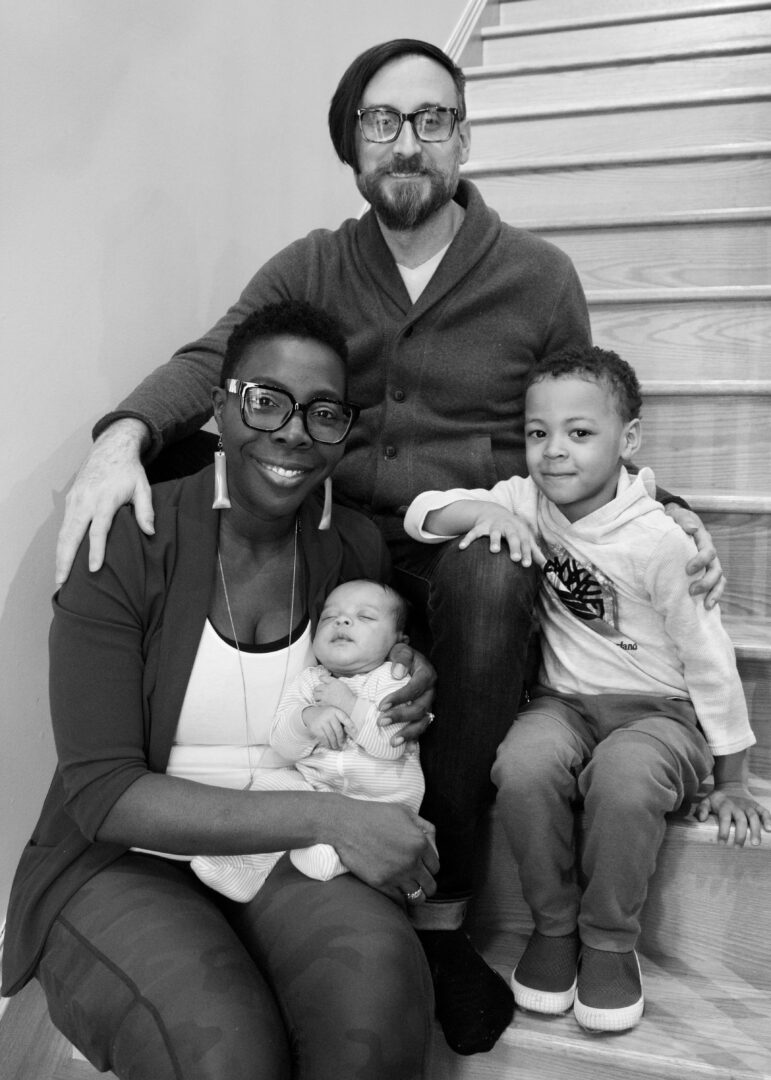
Something outside of work that is bringing me joy is the new addition to our family—my 10-month-old baby boy. As a family, we were understandably nervous about welcoming this little bundle into our lives, but he has been such a gift. He is gentle, joyful, and has brought a beautiful calm to our home. I’m savoring this season—taking in his giggles, milestones, and quiet moments—allowing him to simply be a baby and giving myself permission not to rush time.
Watching both of my boys together has been especially meaningful. Seeing my 5-year-old step into his role as a big brother and the bond that is forming between them is truly amazing to witness. Those everyday moments of connection remind me just how special this season of life is.
Can you briefly introduce yourself and share what makes you or your brand unique?
I’m Tanya, a coach, facilitator, and the founder of InnerLuv Coaching and Consulting. My work is rooted in faith, purpose, and helping people reconnect with who God created them to be. I work mostly with women—though I’m open to working with men too—supporting them through one-on-one coaching as well as workshops and presentations that focus on confidence, clarity, and navigating life’s many transitions (because let’s be honest, adulthood didn’t come with a manual).
In this current season, I’m especially drawn to supporting women in the postpartum journey. Becoming a mother again has deepened my understanding of the emotional, spiritual, and identity shifts that can happen after childbirth. While I’m currently working toward additional credentials in this area, I’m thoughtfully developing ways to create supportive, faith-centered spaces where women feel seen, grounded, and reminded that they don’t have to have it all figured out to move forward. At the heart of everything I do is a simple belief: when women are supported and aligned with their purpose, incredible growth follows, often in ways we never planned (and usually while running on very little sleep).
Great, so let’s dive into your journey a bit more. What part of you has served its purpose and must now be released?
The part of me that has served its purpose and is now ready to be released is people-pleasing. For a long time, it was a protective habit, one that helped me feel accepted, capable, and “good enough.” In many ways, it supported me in building relationships and navigating expectations.
Through my growth and self-awareness, I’ve come to see people-pleasing not as a flaw, but as an old habit that no longer fits the season I’m in. I’m learning to quiet the inner voice that ties my worth to others’ approval and instead lead from a place of clarity, self-trust, and compassion. Releasing people-pleasing has opened the door to healthier boundaries, deeper alignment, and the freedom to show up as my most authentic self.
When did you stop hiding your pain and start using it as power?
I began to stop hiding my pain when I realized it wasn’t something to be ashamed of, but something that could be redeemed. There came a moment when I understood that healing doesn’t come from pretending we’re fine, but from allowing ourselves to be seen by God and by others.
Through faith, reflection, and growth, I learned that my experiences didn’t disqualify me; they refined me. What once felt heavy and isolating became a source of strength, empathy, and purpose. Using my pain as power didn’t mean the pain disappeared, it meant trusting that it could be transformed into something meaningful, not just for me, but for the women I now support and walk alongside.
Next, maybe we can discuss some of your foundational philosophies and views? Is the public version of you the real you?
Yes—what you see is very much who I am. I’ve always had a bubbly personality and a naturally positive outlook, and that doesn’t turn off when the camera does. While I’m human and have my quiet, reflective moments, I genuinely believe joy is something we get to choose and practice daily.
My faith plays a big role in that. It grounds me, reminds me where my strength comes from, and helps me keep perspective when life feels messy. The joy I carry isn’t about pretending everything is perfect—it’s about trusting that even in the imperfect moments, there’s purpose, growth, and grace. So yes, the public version of me is real… just with maybe a little more juggling and chaos on some days than others.
Okay, so before we go, let’s tackle one more area. What is the story you hope people tell about you when you’re gone?
I hope people remember me as someone who never gave up on her dreams, who held steadfast in her faith, and who loved her family—my husband and two boys—deeply and without reservation. I want them to see that, even in the challenges and everyday chaos, I carried joy and a positive spirit, choosing to focus on hope, gratitude, and love. Above all, I hope the story they tell is one of a life lived fully, intentionally, and with a heart open to both purpose and laughter… and maybe a little bit of dancing in the kitchen when no one’s watching.
Contact Info:
- Website: https://geni.us/innerluvcc
- Instagram: innerluv_coaching_consulting
- Linkedin: https://www.linkedin.com/in/tanya-cornfoot-a09a3275
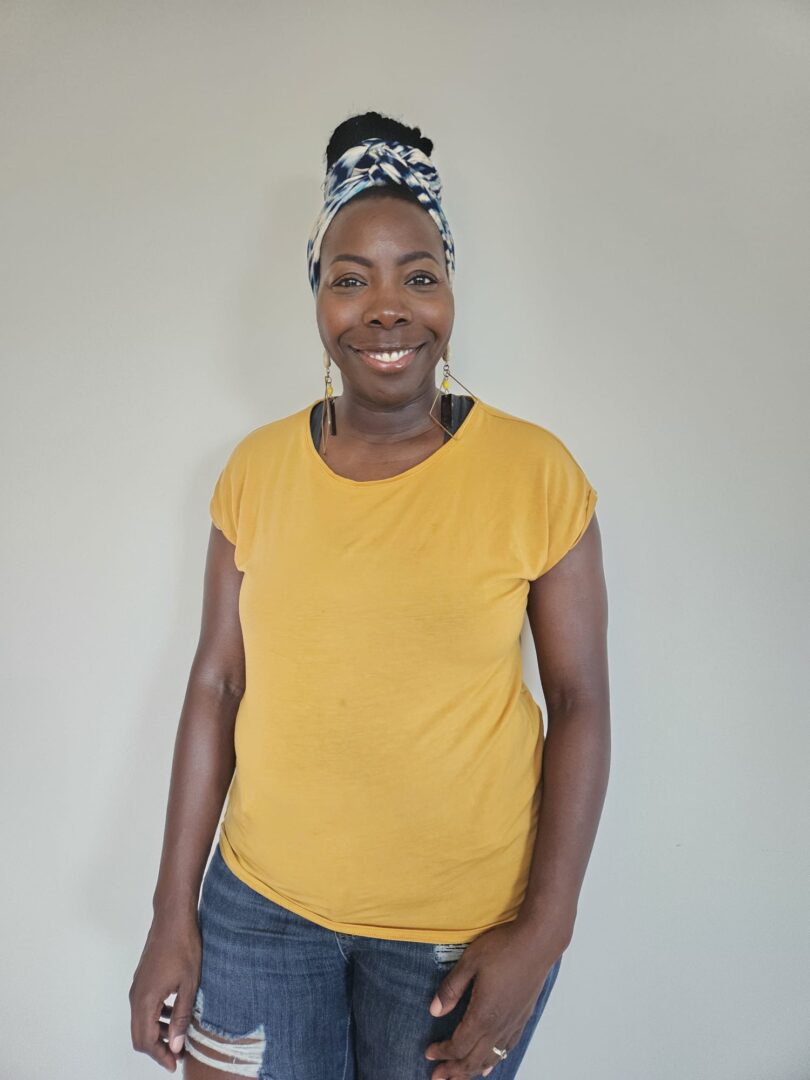
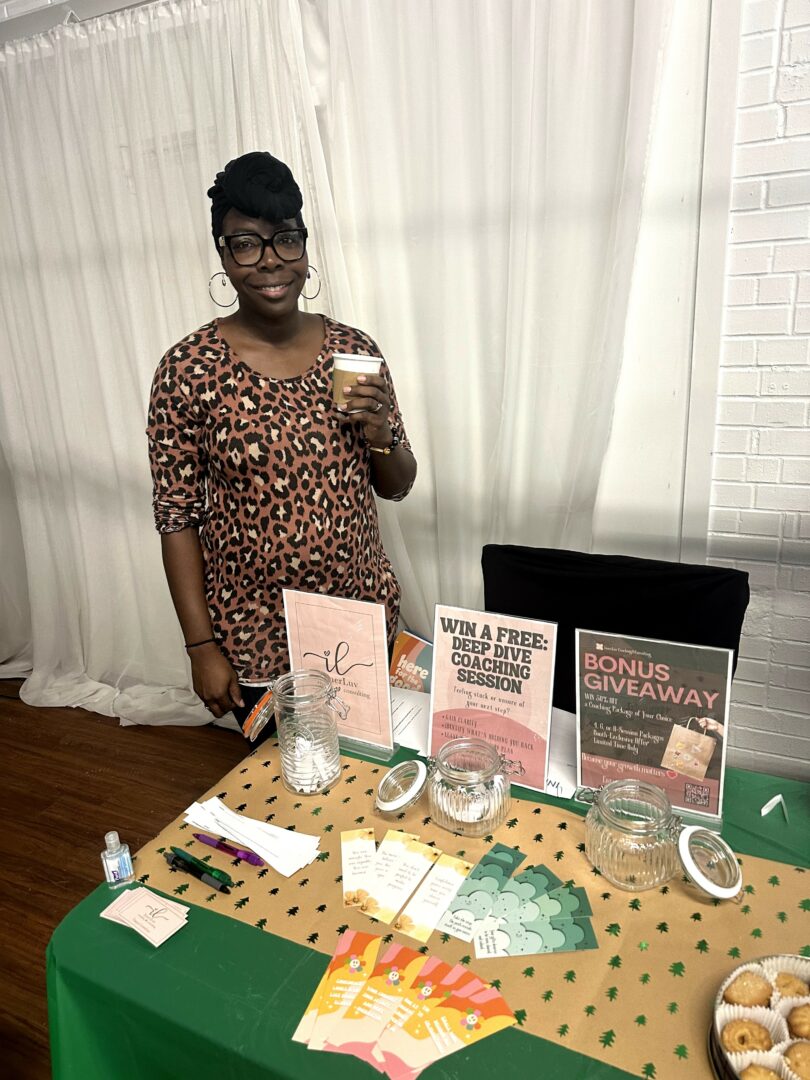
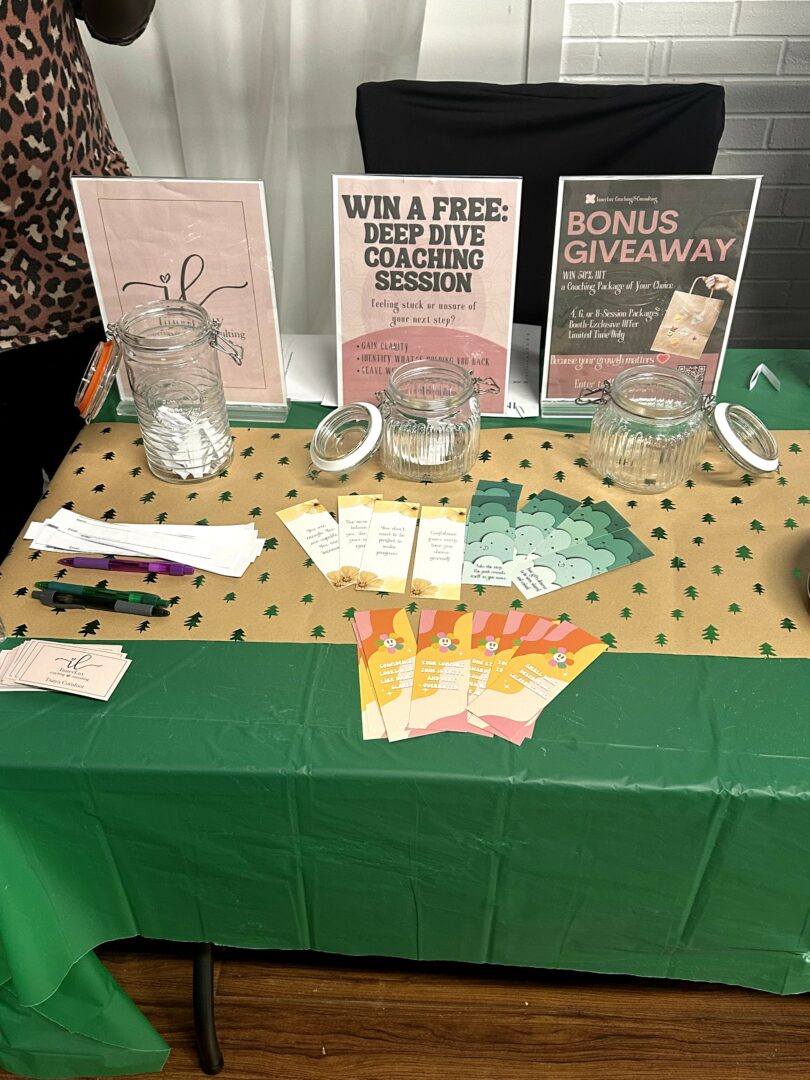

Image Credits
Hillside Photography – Family Photo
so if you or someone you know deserves recognition please let us know here.