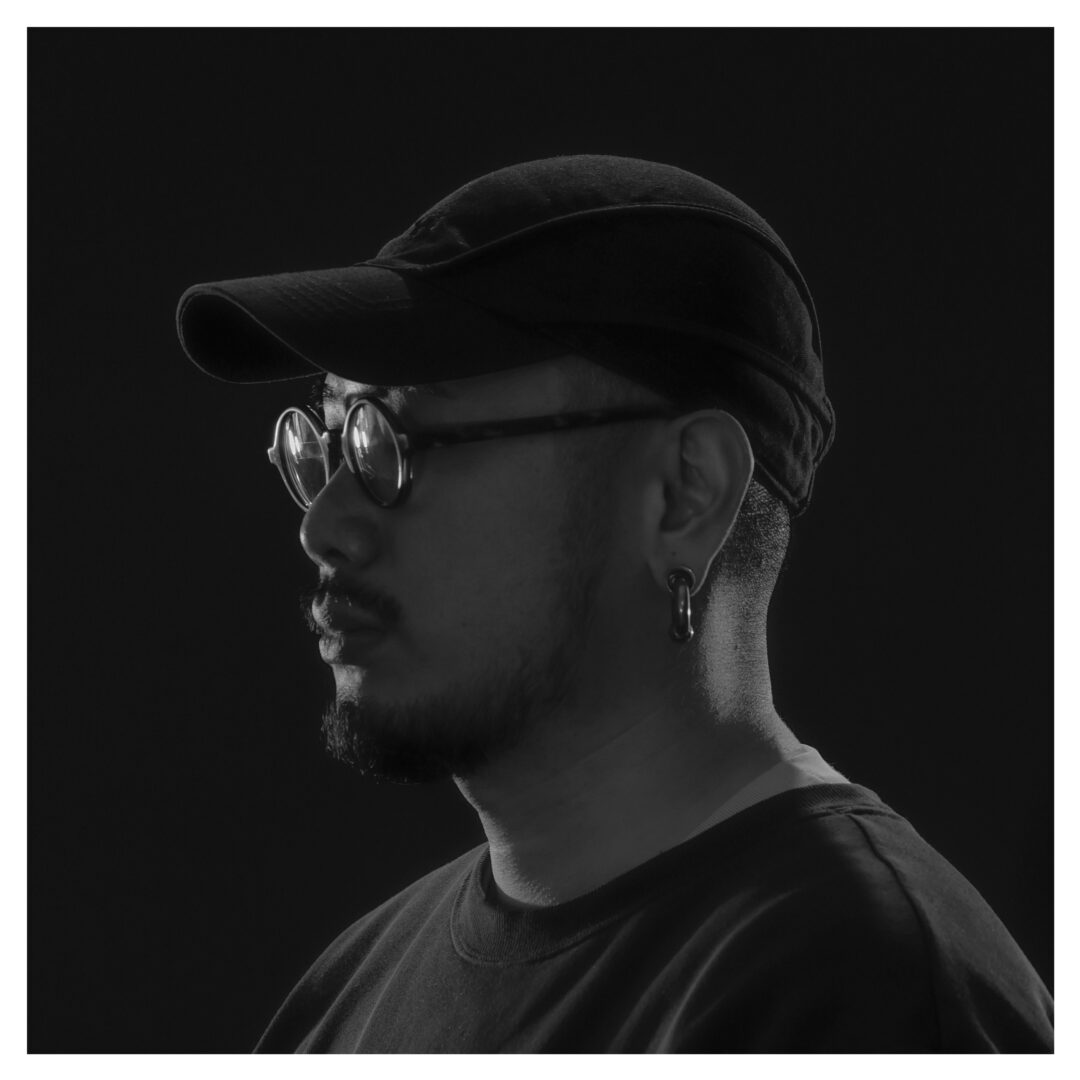
We’re looking forward to introducing you to TAO HO. Check out our conversation below.
Hi TAO, thank you so much for joining us today. We’re thrilled to learn more about your journey, values and what you are currently working on. Let’s start with an ice breaker: What are you chasing, and what would happen if you stopped?
On the contrary, I’ve recently been trying not to chase anything.
It’s a subtle shift, but one that has had a profound effect on both my body and my mind.
In 2024, I returned to my hometown for the first time in ten years. Before the trip, I was filled with uneasiness and fear—I had been away for so long that my feelings toward home became difficult to articulate. That experience changed me in many ways. It made me confront, for the first time, the question: What am I actually chasing? Or, perhaps more importantly: What do I truly want?
Living in the city, I think many of us can feel a constant sense of being “pushed” forward. It isn’t inherently good or bad—its meaning depends entirely on who you are. Everyone deserves a life that belongs to them, and life should not be treated as a competition.
This trip made me reflect on my own rhythms and mental habits. It opened up a new question for me: Is there another way things could be?
‘Could I imagine a different possibility for my life?’
Can you briefly introduce yourself and share what makes you or your brand unique?
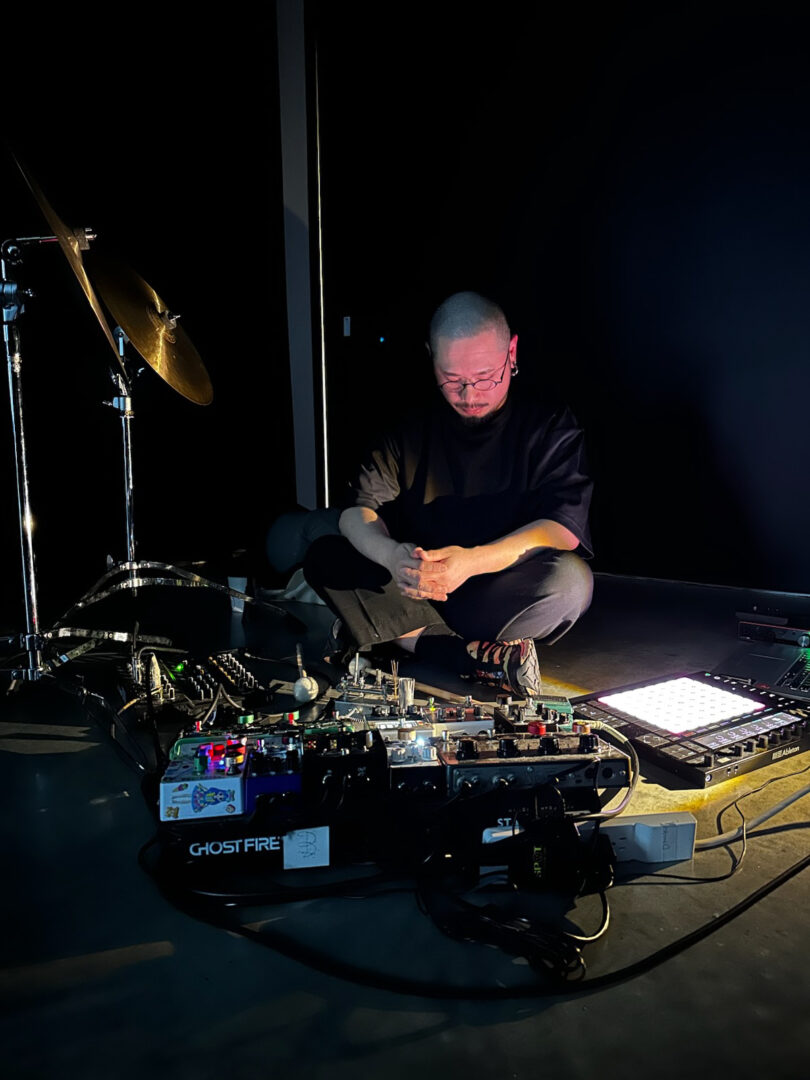
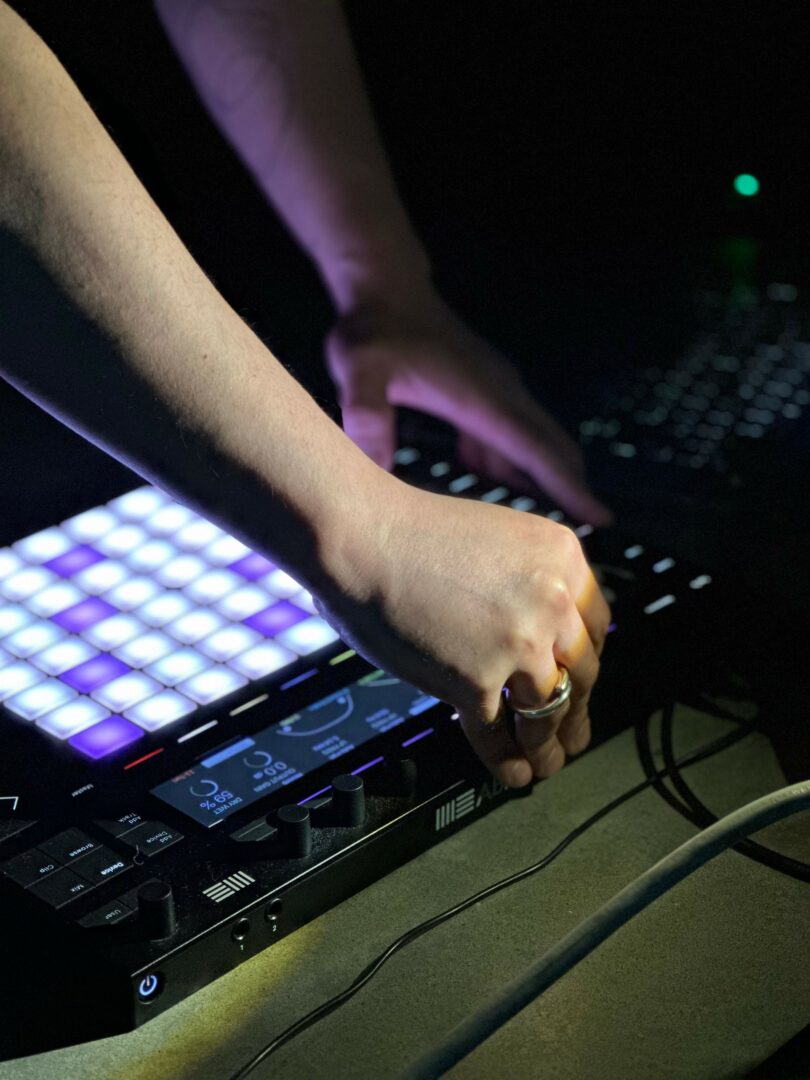
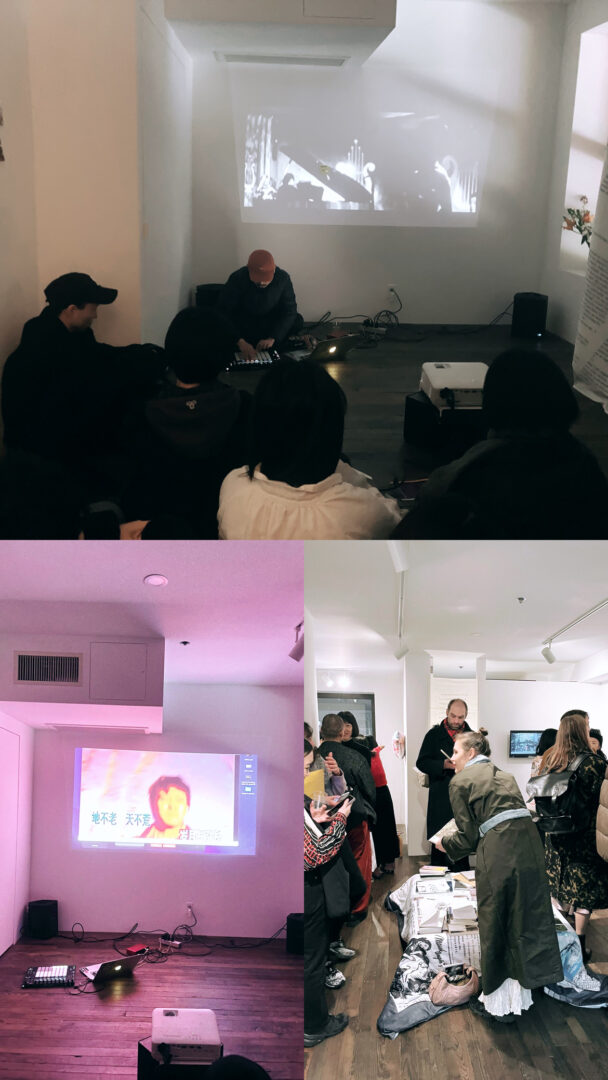
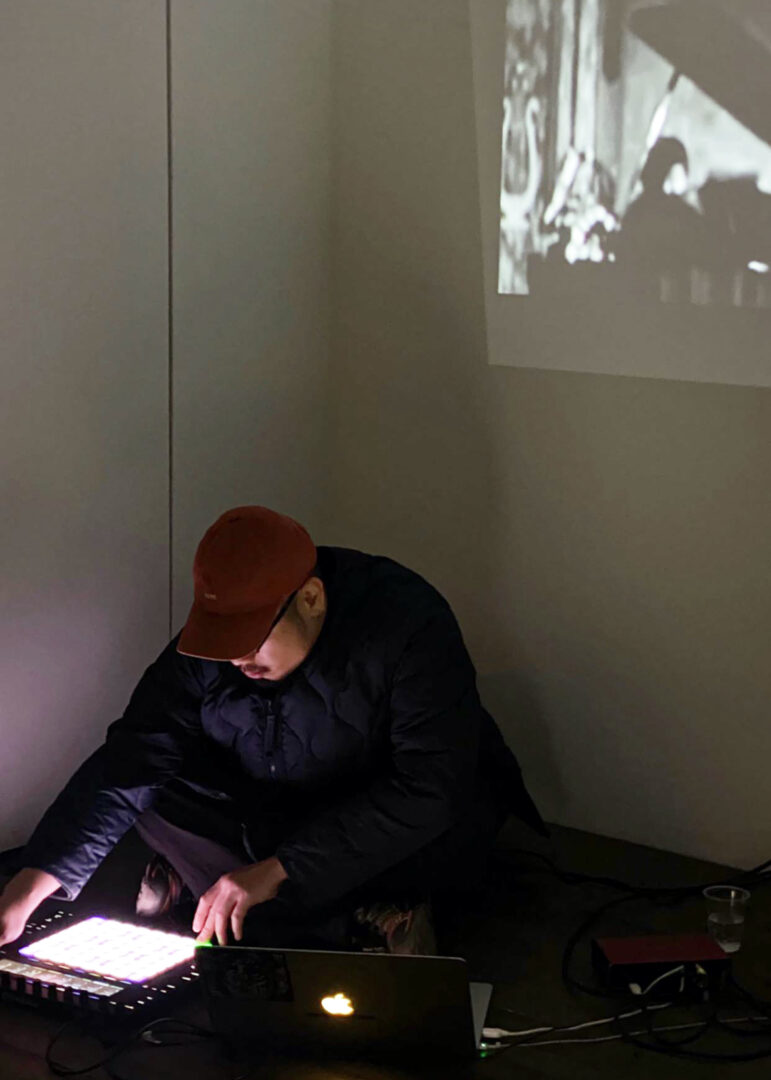
Tao HO is a New York based musician and visual artist.
His practice acts as the subtext to fill in the blanks of language expression, drawing from the interweaving between hearing and sight, creating a monologue of self, chasing and drifting the movement of time.
Amazing, so let’s take a moment to go back in time. What breaks the bonds between people—and what restores them?
I believe the question “What breaks the bonds between people?” is a complex one.
For me, it begins with a kind of awareness—an awakening that sometimes appears in a sudden flash, and other times emerges through embodied experiences. This awareness comes early for some and much later for others. It is deeply connected to how we treat ourselves, which naturally extends to how we treat others and how we relate to the world.
I am someone who relies heavily on first impressions. In a way, that reliance is a form of “defining.” I instinctively use first impressions to make judgments; it is a self-protective mechanism, and not always a wrong one. However, in recent years, I’ve come to see every person, event, and object as a kind of “relationship,” and I think that relationship collapses the moment we fix it into a definition. It loses its vitality.
When we habitually project impressions onto others—impressions shaped by our personal histories—when we define others prematurely, or when we refuse to listen, I think these behaviors gradually distance us from one another.
To listen sincerely and without prejudice is something that requires repeated learning. Many forms of stubbornness come from our attachment to our own views, no matter how big or trivial they may seem. Some conversations need to pass through countless layers of barriers before we can understand what truly lies beneath. And some forms of communication require us to set aside what we already know in order to sense other possibilities.
When did you stop hiding your pain and start using it as power?
There’s a kind of curve to it. Music and photography have always been outlets for my emotions—I’ve consistently followed them as spaces where I can express my feelings without reservation. These have always been completely my own realms.
But to be honest, in recent years, these emotions have, at times, been suppressed—both by external circumstances and internal factors.
I think, just as things reach a certain threshold before they change, art-making and everyday life eventually converge at some point. I see this as a process of relearning to trust myself—both in my creative practice and in how I navigate life.
Next, maybe we can discuss some of your foundational philosophies and views? What’s a cultural value you protect at all costs?
An honesty and vulnerability laid almost bare.
Thank you so much for all of your openness so far. Maybe we can close with a future oriented question. If you knew you had 10 years left, what would you stop doing immediately?
I feel like people often only experience fundamental changes in life when they face major turbulences.
It might sound a little strange, because this question feels both clear and contradictory at the same time. Maybe that’s just me—I can seem full of contradictions, but when I think about this, my answer comes pretty clearly.
I would probably move to a small town close to nature, find a job that can support me, and spend the rest of my time focused on my own artistic practice.
Going a step further, it’s about finding a way of life that truly suits me.
Contact Info:
- Website: https://www.htaoart.com, https://htaofoto.com, https://ningen-hyouryuu.bandcamp.com
- Instagram: https://www.instagram.com/toseiho/
- Other: https://ningen-hyouryuu.bandcamp.com
so if you or someone you know deserves recognition please let us know here.