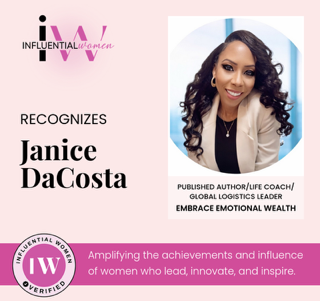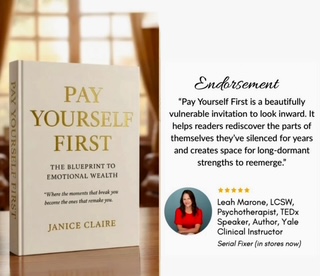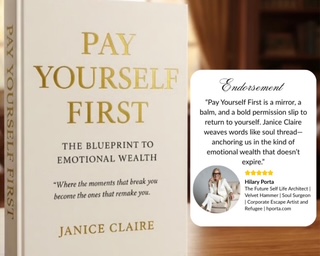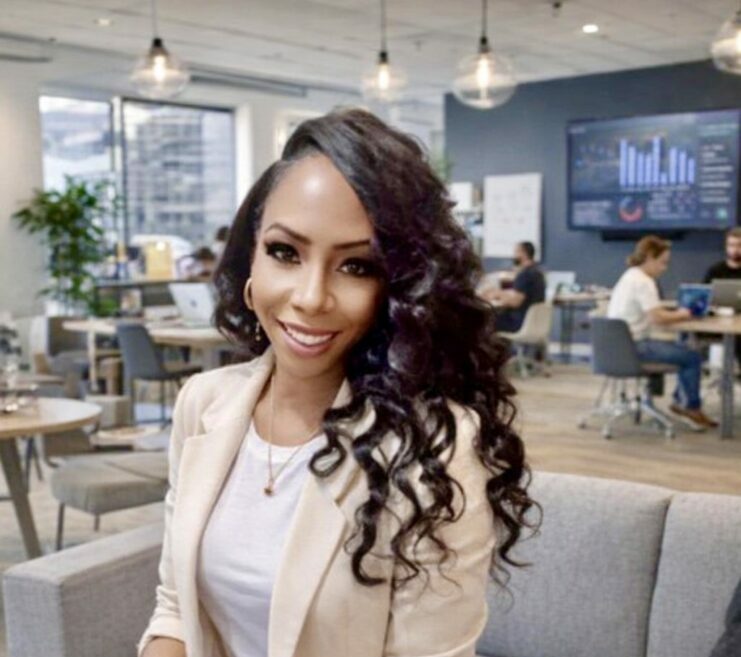
In this interview, Janice Claire DaCosta reflects on curating TEDxMallardCreek, authoring Pay Yourself First: The Blueprint to Emotional Wealth, and building reflective platforms like the podcast Choose You: The Quiet Rebellion and her travel work See What I See, sharing how leadership rooted in discernment, emotional currency, embodied growth, and sacred movement can recalibrate our definition of success toward inner sustainability—an impact affirmed by her recognition from Influential Women as one of the Most Influential Women of 2026.
Hi Janice, thank you so much for taking the time to share your journey and the meaningful work you’re building. From curating TEDxMallardCreek to launching new platforms around emotional wealth, your path feels deeply intentional and purpose-driven—so let’s jump right in.
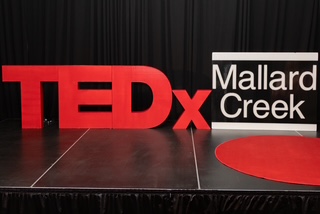
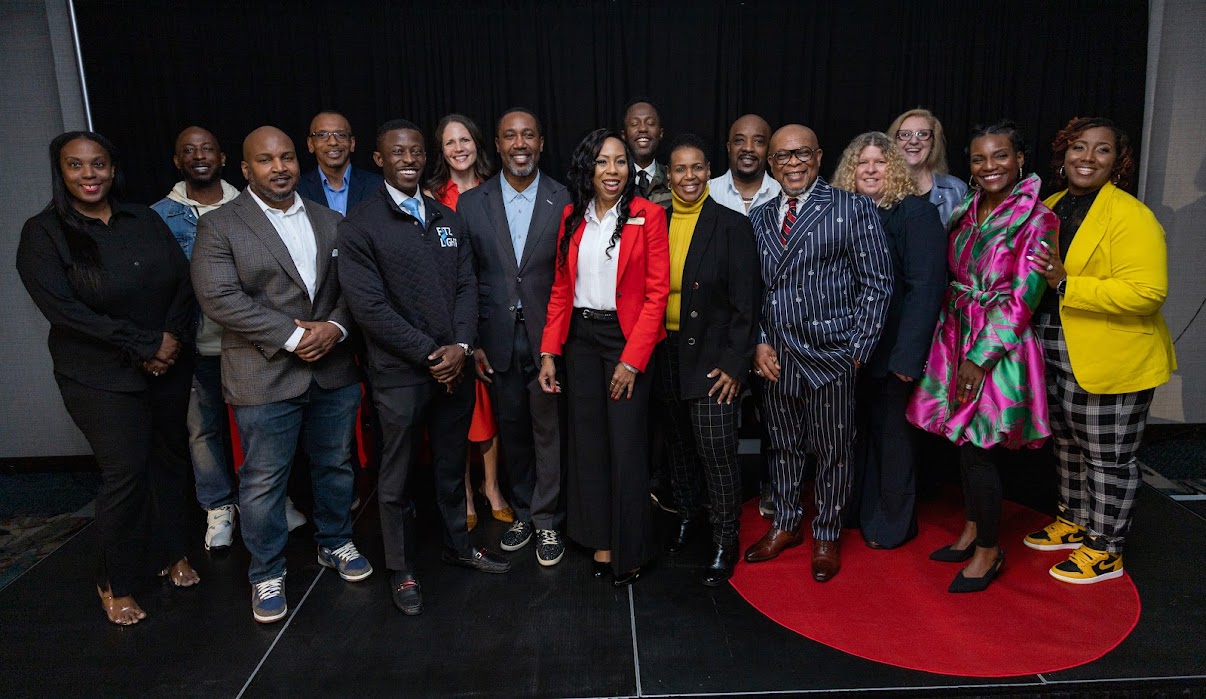
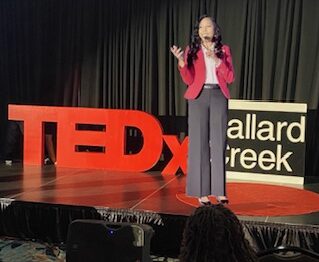
As the Visionary Founder and Curator of TEDxMallardCreek, you independently produced and brought 14 original TEDx Talks to life. What did it take behind the scenes to turn a local idea into a globally recognized stage, and what did that experience teach you about leadership and storytelling?
Turning TEDxMallardCreek from a local idea into a globally recognized stage required far more than event execution—it required stewardship.
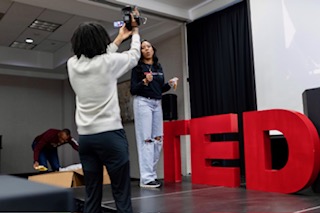
Behind the scenes, I was building systems while holding vision. Securing the license, assembling and leading a volunteer team, fundraising, speaker curation, coaching, production logistics, brand integrity, timelines, and contingency planning—all while ensuring that each speaker felt supported, seen, and safe enough to tell the truth of their story. There were countless invisible decisions made daily, often without applause, to protect the integrity of the platform and the voices entrusted to it.
What surprised most people is that the hardest part wasn’t logistics—it was discernment. Knowing which stories were ready. Helping speakers refine their message without diluting its power. Holding space for vulnerability while maintaining rigor. That balance is where leadership and storytelling intersect.
The experience taught me that leadership is not about control—it’s about containment. It’s the ability to create an environment where people can rise into clarity, courage, and coherence. And great storytelling isn’t about performance; it’s about precision and resonance. The most powerful talks weren’t the loudest or most polished—they were the ones anchored in lived truth and purposeful intention.
Producing TEDxMallardCreek reinforced a belief I carry into all of my work: when leaders honor both structure and humanity, stories don’t just inspire—they endure.
https://youtu.be/kvk2F5gBCVk?si=U6v4Bvzas1GhZxlB
Behind the scenes: https://youtu.be/GShapH-YW-Q?si=RMYxGreNf_iJGSWu
Your upcoming book, Pay Yourself First: The Blueprint to Emotional Wealth, introduces the idea of “emotional currency.” How did this concept emerge for you personally, and what do you hope readers recognize about the hidden cost of self-abandonment?
The idea of Emotional Wealth emerged long before I had language for it. It came from living as someone who was outwardly capable, accomplished, and dependable—yet internally depleted in ways that didn’t register as crisis or collapse. I was functioning well, meeting expectations, and carrying responsibility, while quietly operating at an emotional deficit.
What I began to notice was that every time I ignored my inner signals, overrode my truth, or chose self-abandonment in the name of keeping things moving, there was a cost. Not dramatic, but cumulative. Over time, those choices revealed that our emotional life operates like an inner economy—where withdrawals are being made whether we acknowledge them or not. Emotional Wealth became the lens through which I could finally see what had been missing: intentional emotional investment.
What I hope readers recognize is that self-abandonment often hides behind competence. It looks like being reliable, high-performing, and composed. The hidden cost is not failure—it’s erosion. Clarity dulls. Boundaries blur. Inner steadiness weakens.
Pay Yourself First is an invitation to reverse that pattern—to build Emotional Wealth before depletion demands attention. When people begin to value their emotional life as something to be protected and resourced, they stop treating themselves as expendable in their own story. And that shift changes how they lead, relate, and live.
Through The Mind-Shift Experience, you describe growth as subtle, embodied, and lasting rather than loud or performative. How does your approach help people create real internal change instead of chasing surface-level transformation!
The Mind-Shift Experience is built on the understanding that real growth doesn’t announce itself—it integrates. Most people aren’t struggling because they lack motivation or information; they’re struggling because they’ve learned to override themselves in order to function. Surface-level transformation focuses on doing more, fixing faster, or performing improvement. Internal change begins by restoring relationship with the self.
My approach slows people down enough to notice what they’ve normalized. We work at the level of awareness, nervous-system regulation, emotional truth, and internal safety—so change is felt, not forced. Instead of chasing breakthroughs, people begin to experience steadiness. Instead of performing confidence, they develop self-trust. That’s what makes the change last.
When growth is embodied, it doesn’t require constant effort or reinforcement. It shows up in how people make decisions, set boundaries, and respond under pressure—especially when no one is watching. The Mind-Shift Experience helps people stop outsourcing their sense of stability and start living from an internal foundation that holds, even as life moves.
Your podcast, Choose You: The Quiet Rebellion, and your travel blog, See What I See, both feel reflective and intimate. How do movement, place, and honest conversation help people reconnect with themselves in ways traditional self-help often misses?
Both
Choose You: The Quiet Rebellion and See What I See were created as spaces of return—not instruction. Traditional self-help often centers on fixing or optimizing the self. What it frequently overlooks is the quieter work of remembering—reconnecting with the parts of ourselves that were silenced through responsibility, survival, or constant performance.
See What I See approaches travel as sacred encounter. Movement through place—ancient cities, holy sites, unexpected detours—has a way of disarming the mind and awakening the soul. When we travel with intention, place becomes a mirror. History, ritual, landscape, and stillness invite reflection that no worksheet or formula ever could. Sacred travel slows the body, softens the nervous system, and opens a listening posture where meaning can surface naturally.
Choose You does this through honest conversation. Rather than offering polished answers, the podcast creates space for truth—spoken gently, without urgency or performance. When people feel safe enough to speak honestly, reconnection happens organically.
Both platforms honor transformation that unfolds through presence rather than pressure. They don’t tell people who to become. They invite them back into relationship with themselves—through place, movement, and truth. And often, that reconnection is the most profound shift of all.
https://open.spotify.com/show/56YmwIsdCZV7D4HVI3DNdq?si=d8xF5N7nS1O1zvQr2-gmbg
Looking ahead, as all these pieces—TEDx, your book, the podcast, and your private work—come together, what bigger impact do you hope to make around how people value themselves and define true “wealth” in their lives?
As all of these pieces come together—TEDx, the book, the podcast, and my private work—the larger impact I hope to make is a quiet but fundamental recalibration of how people value themselves.
We’ve been taught to define wealth almost exclusively by output, achievement, and accumulation. What’s often missing from that definition is inner sustainability. I want to help people recognize that true wealth includes emotional steadiness, self-trust, and the ability to remain whole while life evolves. Without those things, success becomes expensive.
My hope is that people begin to measure wealth not just by what they’ve built, but by how grounded they feel inside what they’re carrying. That they stop treating themselves as a renewable resource with no limits, and instead learn to invest in their inner economy with the same intentionality they bring to their careers, families, and goals.
If this work does anything at scale, I want it to normalize a new standard of success—one where peace, clarity, and alignment are not rewards you earn after exhaustion, but foundations you protect as you move through life. That, to me, is real wealth.
I’m deeply grateful to have recently been named one of Influential Women’s Most Influential Women of 2026. I receive the recognition not as a destination, but as affirmation of the work—and the responsibility—to continue creating spaces where people feel seen, steadied, and empowered to value themselves more fully. I move forward with gratitude, clarity, and a deep commitment to the impact still unfolding.
https://youtu.be/h1VaC-FKFBU?si=xBu1CLpwB50eGjaa