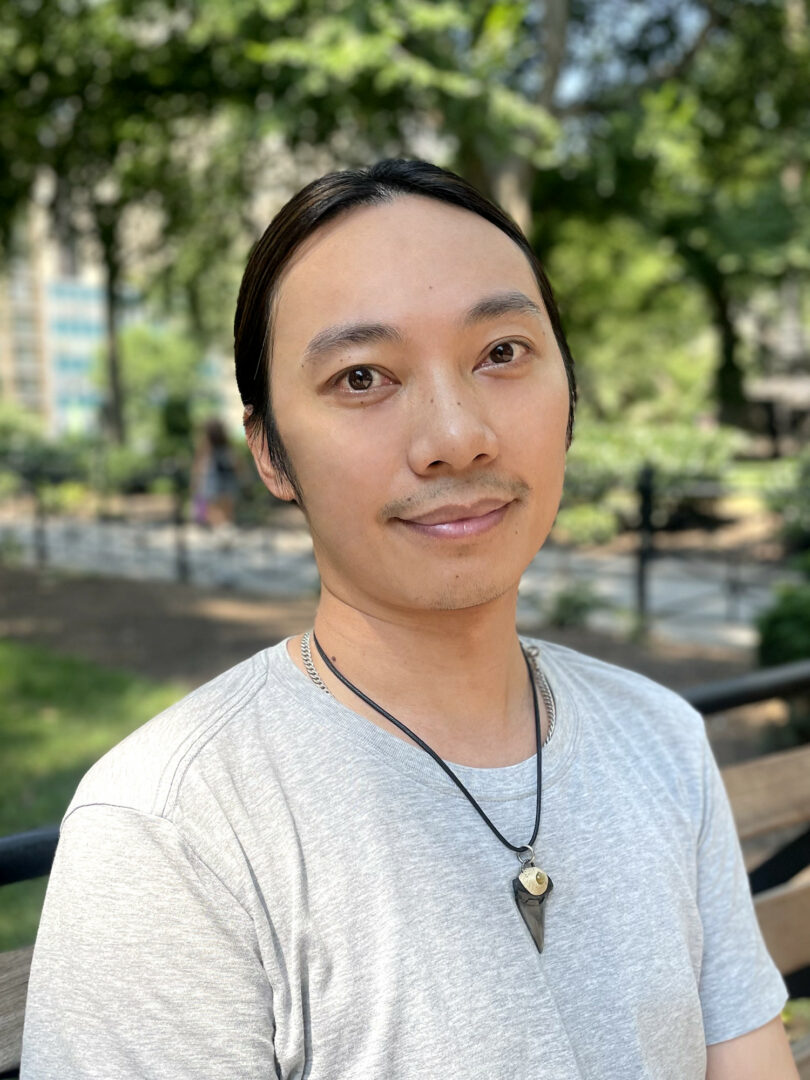
We’re looking forward to introducing you to Wenjun Chen. Check out our conversation below.
Good morning Wenjun, it’s such a great way to kick off the day – I think our readers will love hearing your stories, experiences and about how you think about life and work. Let’s jump right in? Are you walking a path—or wandering?
As an immigrant artist working on new media, I am both wandering in my old life and walking a path to my adventure in the new life, no matter in daily life or my arts.
Can you briefly introduce yourself and share what makes you or your brand unique?
I am Wenjun Chen, an interdisciplinary artist working on new media, focusing on exploring the mixed relationship between real and virtual. My work involves the fields of self-identity, internet and technology, data and personal data. Born in China, I am currently based in New York City. I was a self-taught photographer and received an MFA from the Digital and Interdisciplinary Art Practice Program at the City College of New York.
My work explores the evolving relationship between the real and the virtual, human experience and AI, personal identity and data commodification. As an interdisciplinary artist working across web-based media, VR/AR, WebXR, AI-generated imagery, 3D environments, projection mapping, and interactive installations, I examine how technology reshapes memory, identity, and cultural narratives in digital spaces.
Born and raised in China and now based in New York City, my practice is informed by migration, displacement, and the fractured nature of digital identity. I see the internet as both an archive and an arena, a space where personal histories are documented, distorted, and repurposed by algorithms. My recent work, Aliens of Me, reconstructs my identity through personal data extracted from my smartwatch and online media, reinterpreted into virtual avatars and narratives. This work questions how our digital traces shape self-perception and how we navigate a world where personal data is simultaneously intimate and commodified.
Currently, my research extends into hometown memories in digital spaces, extracting and visualizing collective and individual recollections from open datasets. This project reflects my ongoing interest in the fluidity of memory in an era of data-driven storytelling, creating immersive WebXR and projection-mapped experiences that bridge human recollection and machine-generated interpretation.
Through my work, I challenge the ways in which technology archives and mediates personal experience, asking: What happens when AI becomes the storyteller of our lives? Can digital landscapes become homes for lost or fragmented memories? By blending human narratives with computational systems, I aim to reclaim personal data as a site for self-reflection, artistic expression, and collective storytelling, rather than a commodity to be extracted.
Okay, so here’s a deep one: What’s a moment that really shaped how you see the world?
A moment that really shaped how I see the world was when I realized that my memories of home no longer existed in one place.
After moving from China to the U.S., I noticed that my sense of “hometown” began to fragment. Physical places changed, people moved on, and my relationship to those spaces became mediated by screens, photos on my phone, messages, archived posts, and data traces scattered across platforms. Over time, I found myself remembering home less through direct experience and more through digital remnants.
That shift made me aware that memory today is not just personal or internal, it is externalized, stored, and reshaped by technology. This realization fundamentally changed how I understand identity, belonging, and authorship. It’s what led me to start questioning who controls our memories once they become data, and how technology participates in telling our personal stories.
That experience continues to shape my work, especially Hometown XR, where I explore how home can exist as a fluid, unstable space, one that lives between physical reality, personal memory, and machine interpretation.
When did you last change your mind about something important?
I recently changed my mind about control in my artistic practice. For a long time, I felt that maintaining authorship meant tightly shaping the final outcome of a work. But while developing Hometown XR, especially through working with AI-generated processes, I realized that letting go of control can be more honest.
AI doesn’t remember the way humans do, it hallucinates, recombines, and misinterprets. Instead of seeing that as a flaw, I began to see it as a reflection of how memory actually works, especially for immigrants. Our memories are fragmented, layered, and constantly rewritten. Allowing uncertainty and unpredictability into the work helped me understand memory not as something to preserve perfectly, but as something alive and continually becoming.
Sure, so let’s go deeper into your values and how you think. What’s a belief or project you’re committed to, no matter how long it takes?
I’m deeply committed to the belief that personal memory, especially immigrant memory, should not only exist as extractable data. Hometown XR is a long-term project because it’s about care, listening, and collective authorship. I’m committed to building spaces where people can see their memories transformed without being commodified, and where technology becomes a medium for reflection rather than exploitation. This isn’t something that can be rushed, it grows at the pace of trust, community, and lived experience.
Okay, we’ve made it essentially to the end. One last question before you go. What are you doing today that won’t pay off for 7–10 years?
I’m building a long-term artistic research practice that treats technology as a cultural language, not just a technical skill. This includes developing community-based memory archives, experimenting with WebXR as a public space, and contributing to conversations around ethics, migration, and AI storytelling. These efforts may not yield immediate visibility or financial return, but they’re investments in a sustainable practice, one that can support future exhibitions, teaching, and research while remaining rooted in lived experience rather than trends.
Contact Info:
- Website: https://chenwenjun.net/
- Instagram: https://www.instagram.com/wwenjunii/
- Other: Portfolio: https://wenjunii.github.io/Lifeography/portfolio_2.html
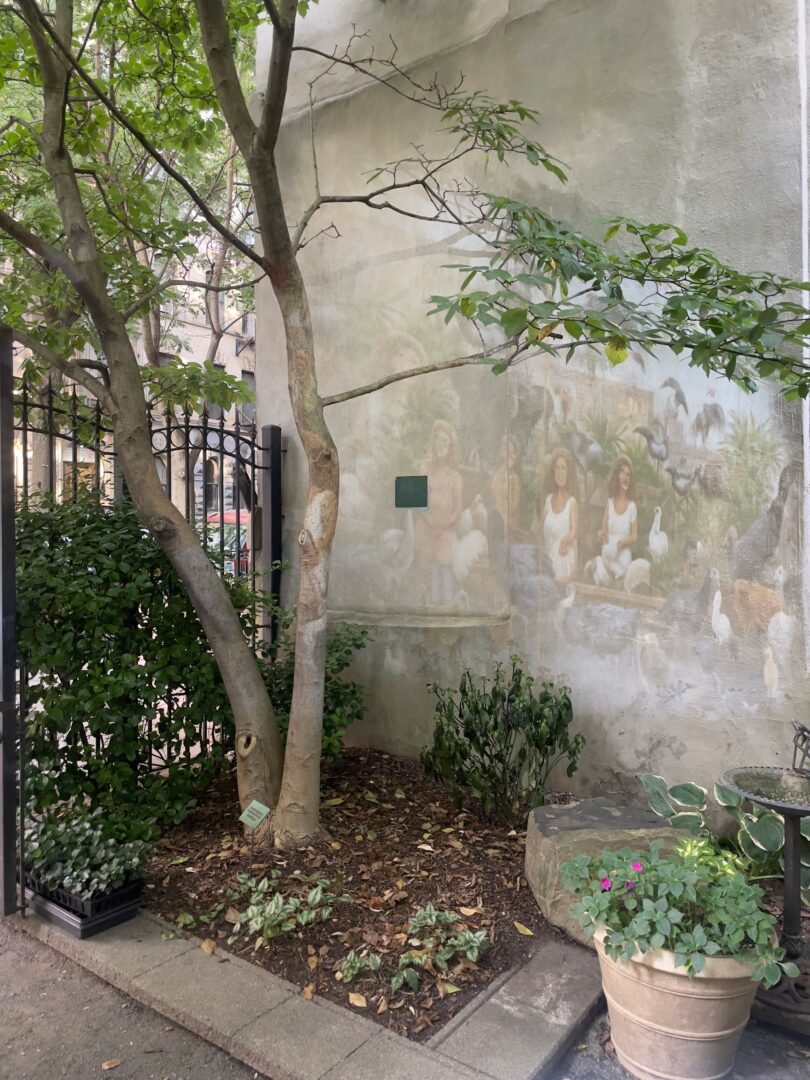
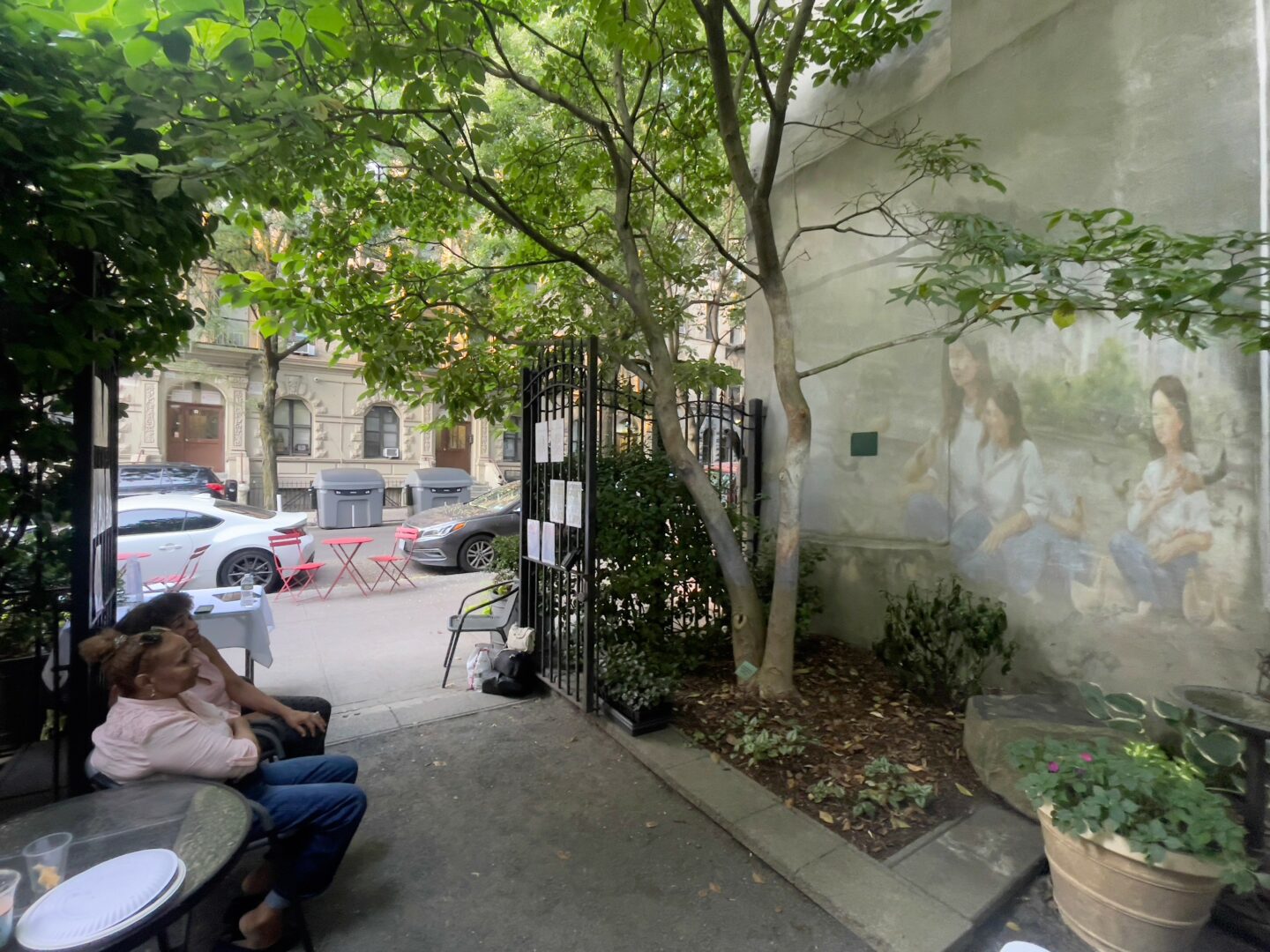
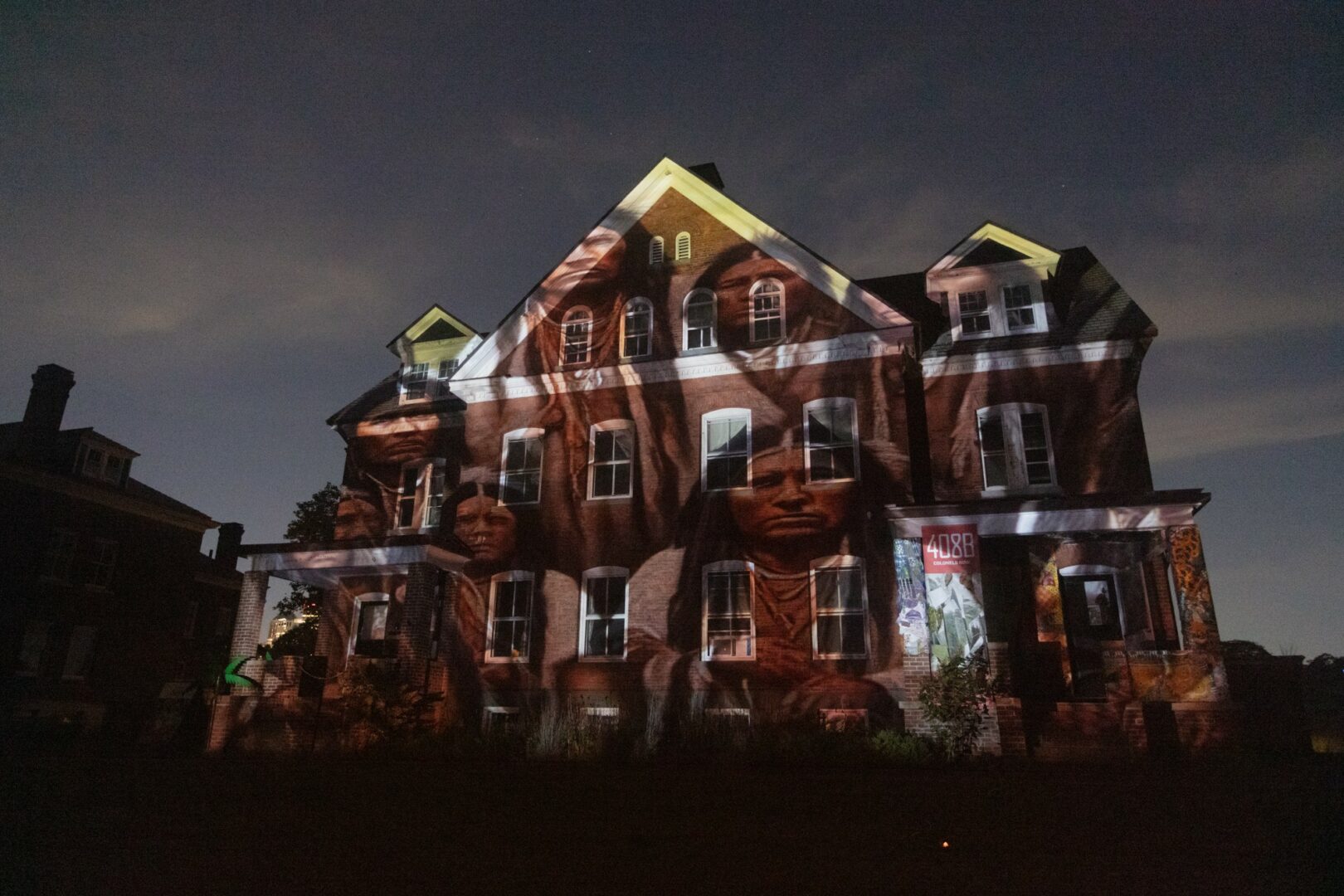
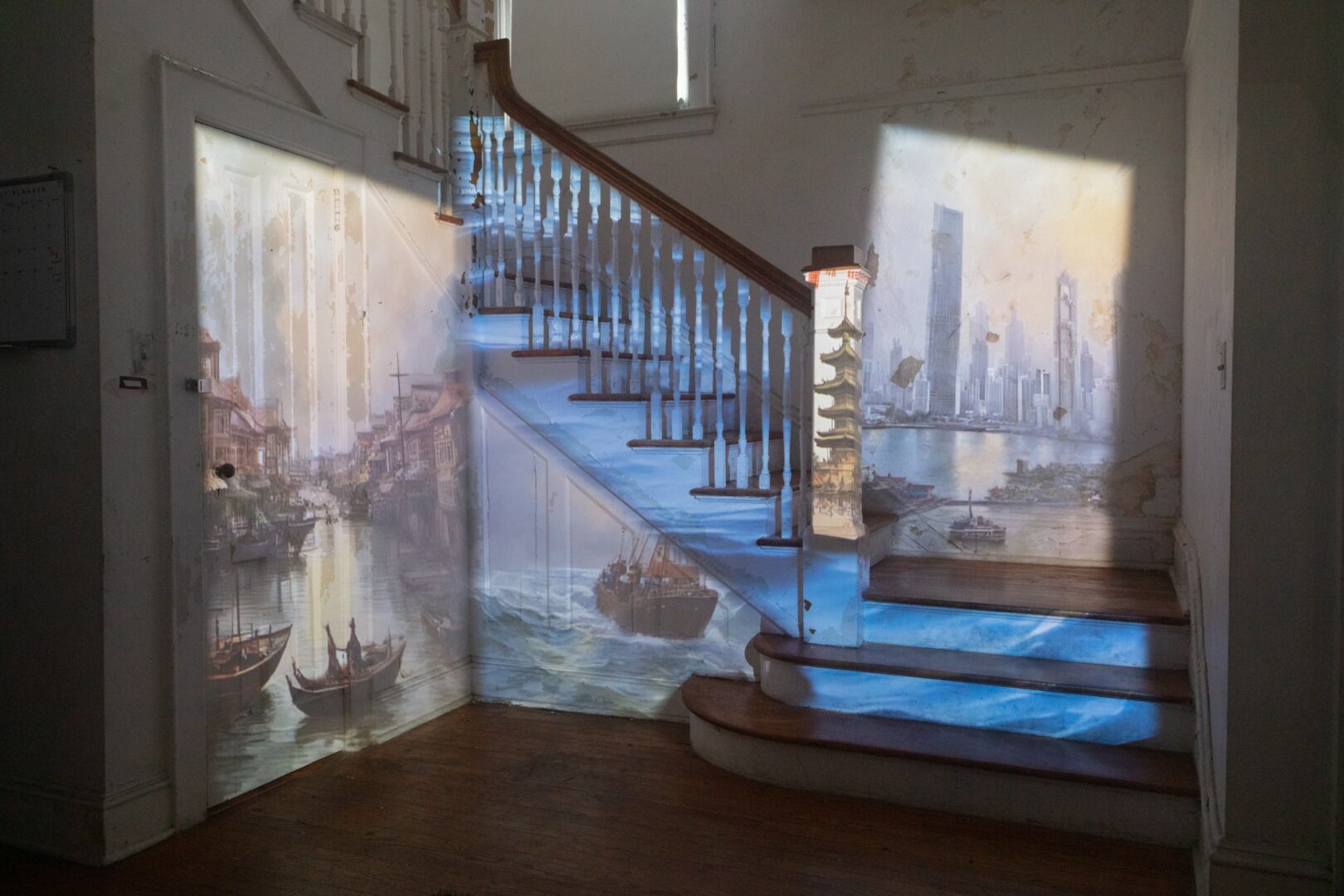
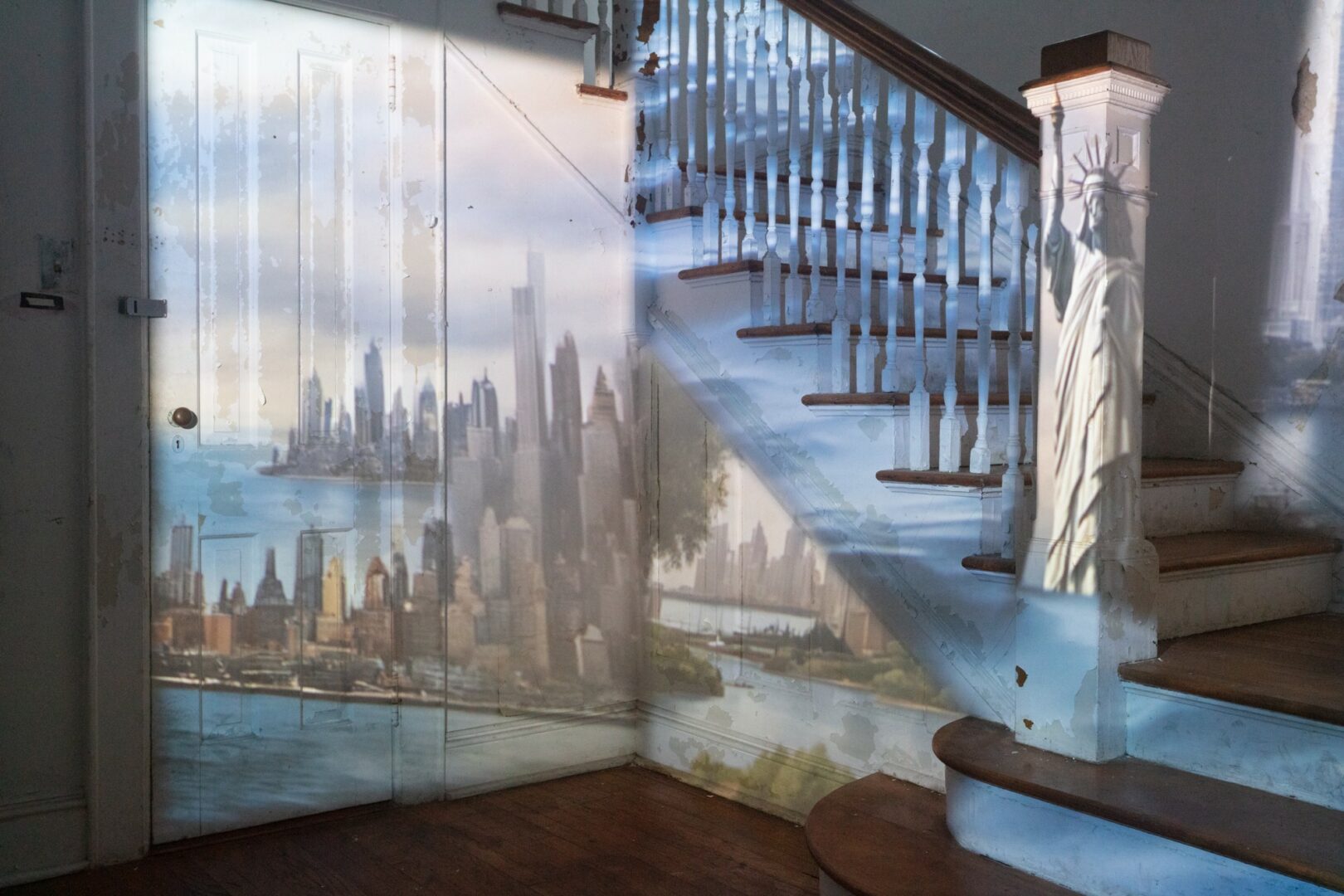
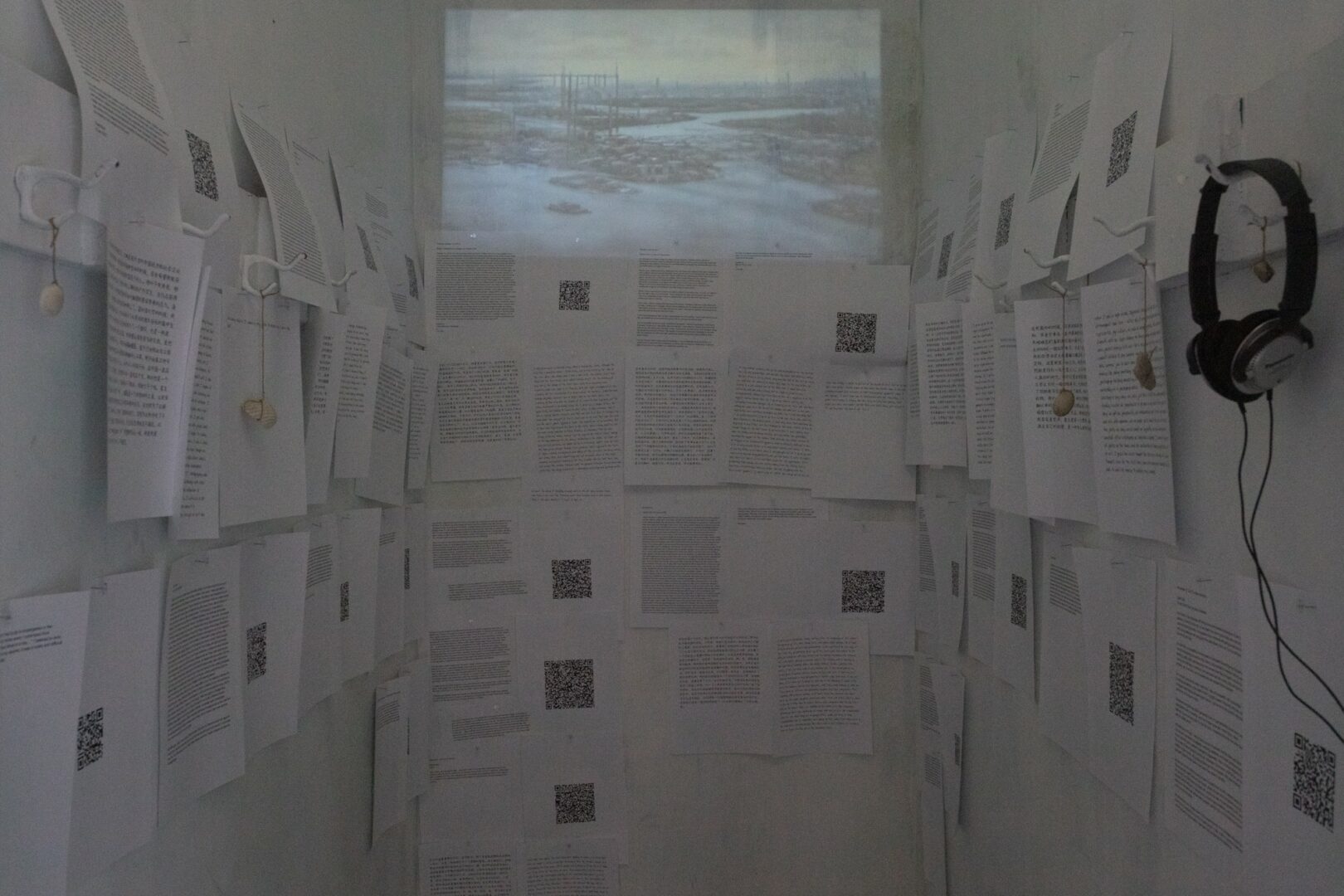
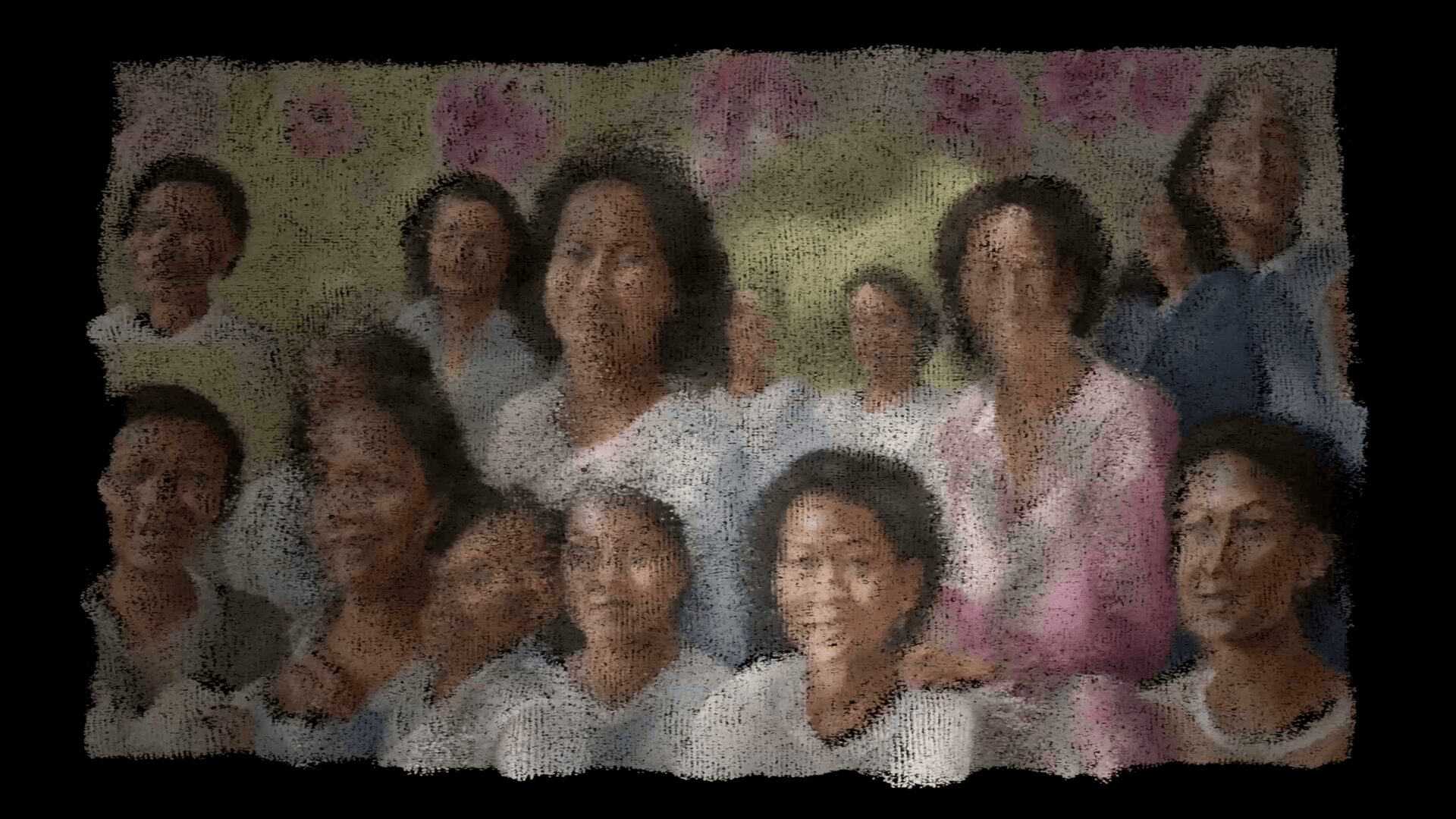
Image Credits
Wenjun Chen
so if you or someone you know deserves recognition please let us know here.