Wesley Ericson shared their story and experiences with us recently and you can find our conversation below.
Wesley, so good to connect and we’re excited to share your story and insights with our audience. There’s a ton to learn from your story, but let’s start with a warm up before we get into the heart of the interview. Who are you learning from right now?
Right now I’m learning the most from the communities I work with, and among my artist peers and mentors. Their fortitude, curiosity, and willingness to experiment anchor me in my pursuit of knowledge and artistic expression. I’m also learning from observing how others navigate structure, intuition, and responsibility in their practices; for example my friend and colleague artist and curator, Caro Cuervo, continue to show me what sustained, intentional art-making can look like.
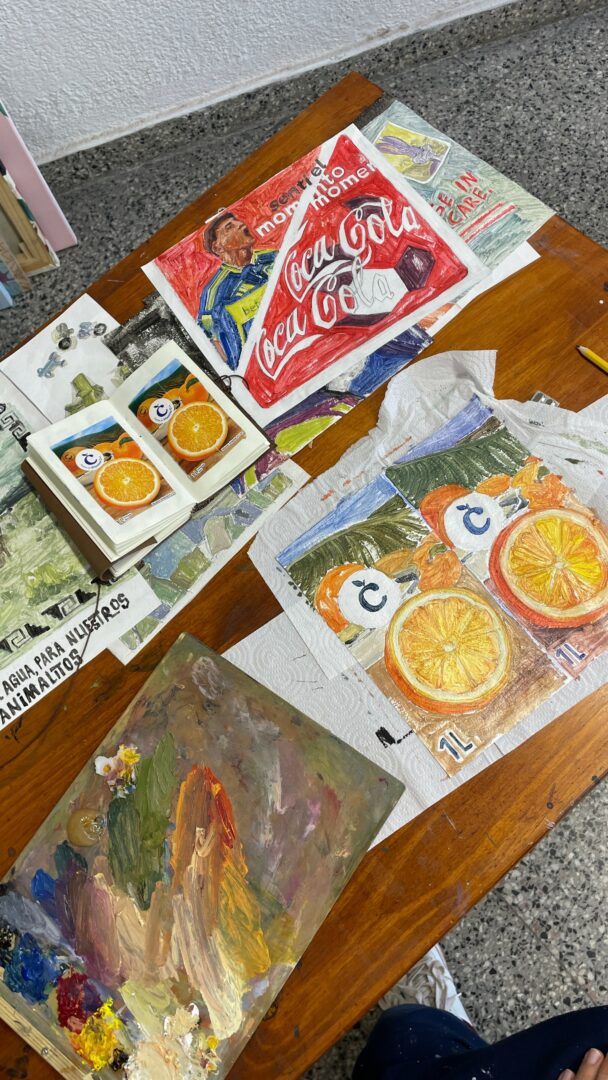
I learn while losing track of time in the studio, especially when I’m intentionally processing how my personal growth is tied to my immediate or imagined experiences. Whether it be in relation to South America or among the stories related to my home in Cincinnati. Alongside the slow build of oil paint and the staining of the surface with the colors borrowed from my ideas around acquaintances of placement and proximity. The quiet moments between layers help me indicate where I am again and again. As well, working on murals has a similar effect; something about scale, collaboration, and being physically engaged face to face with the wall reconnects me to why I create, from a stance of full engagement.
Can you briefly introduce yourself and share what makes you or your brand unique?
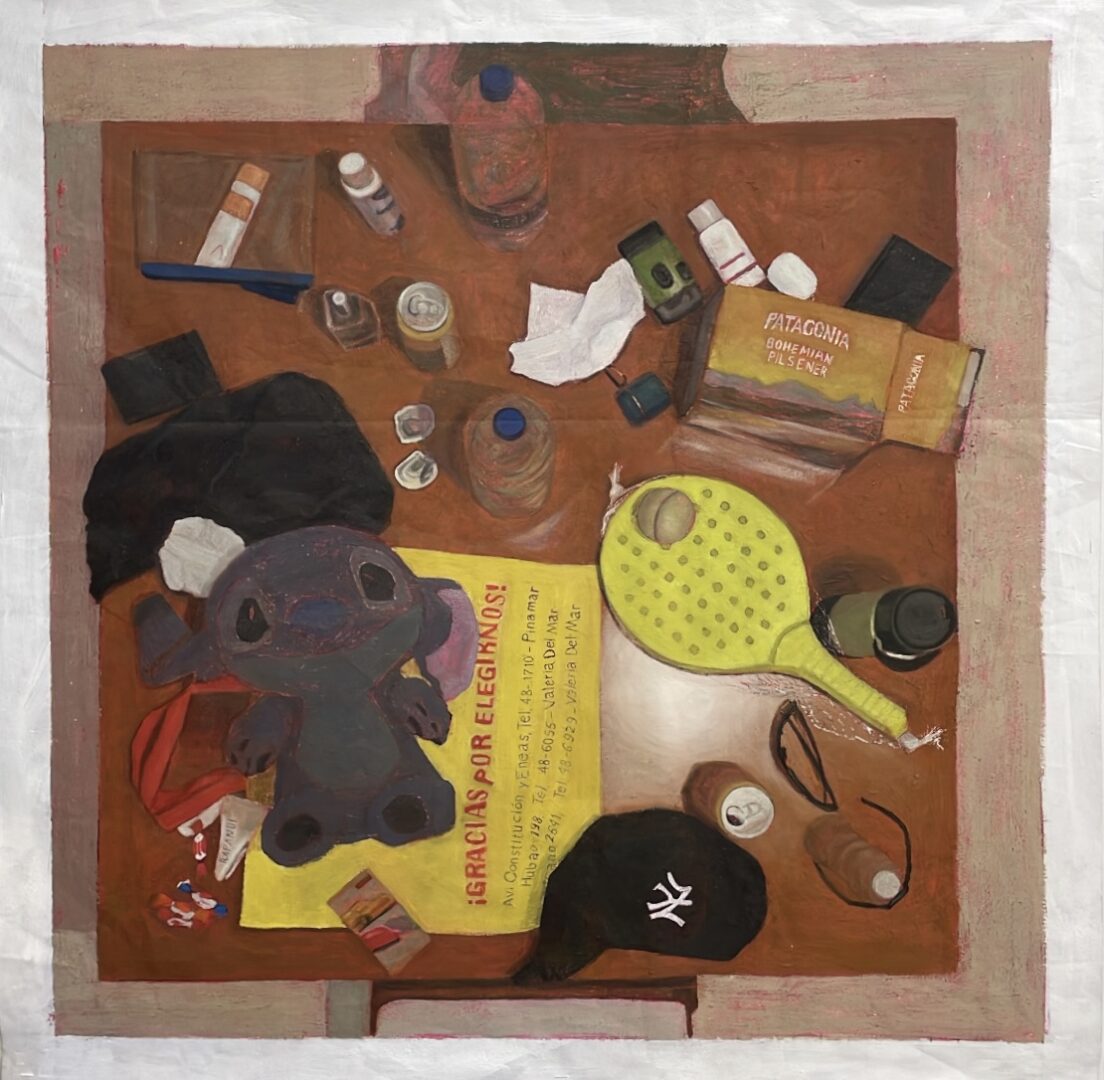
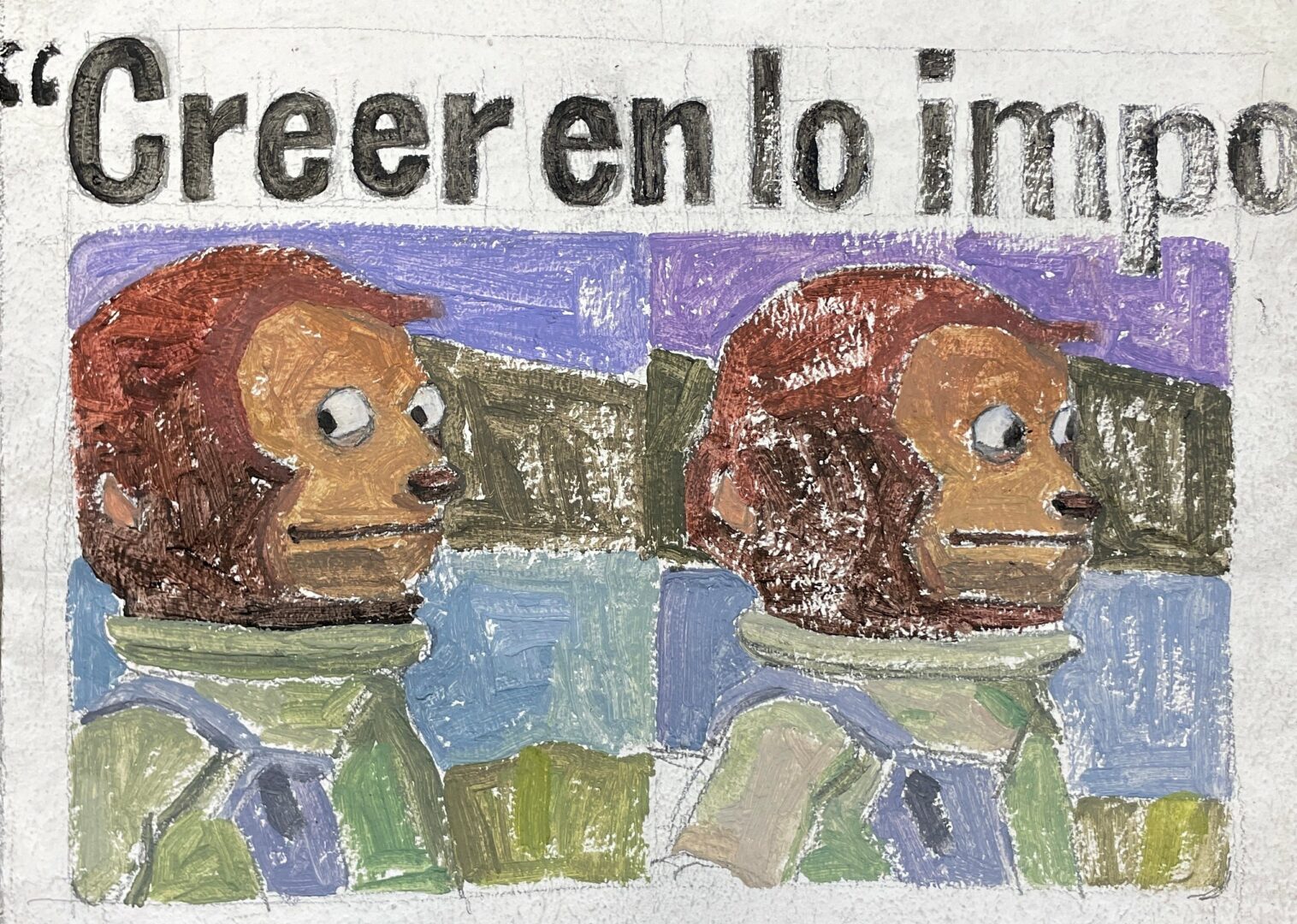
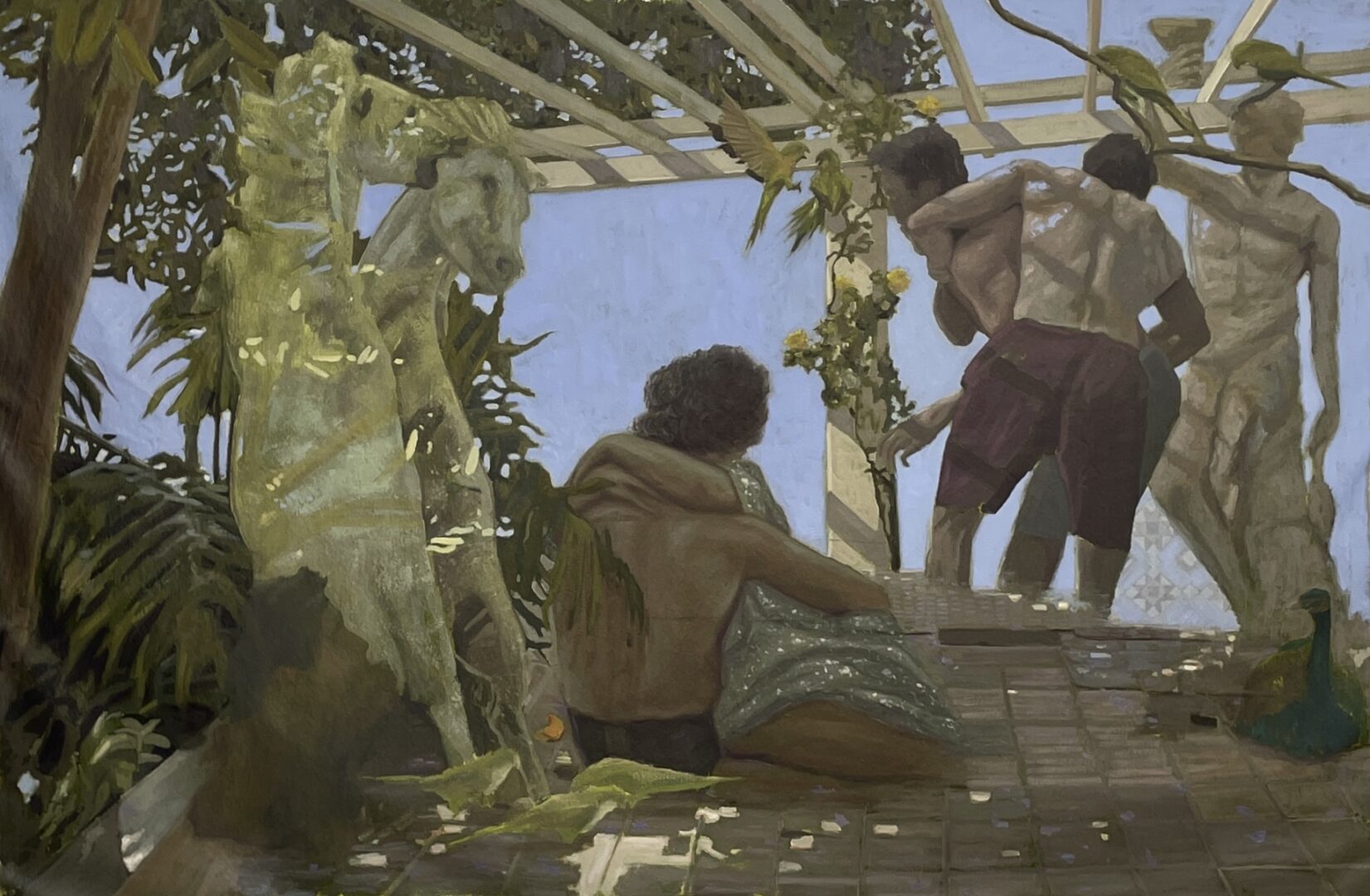
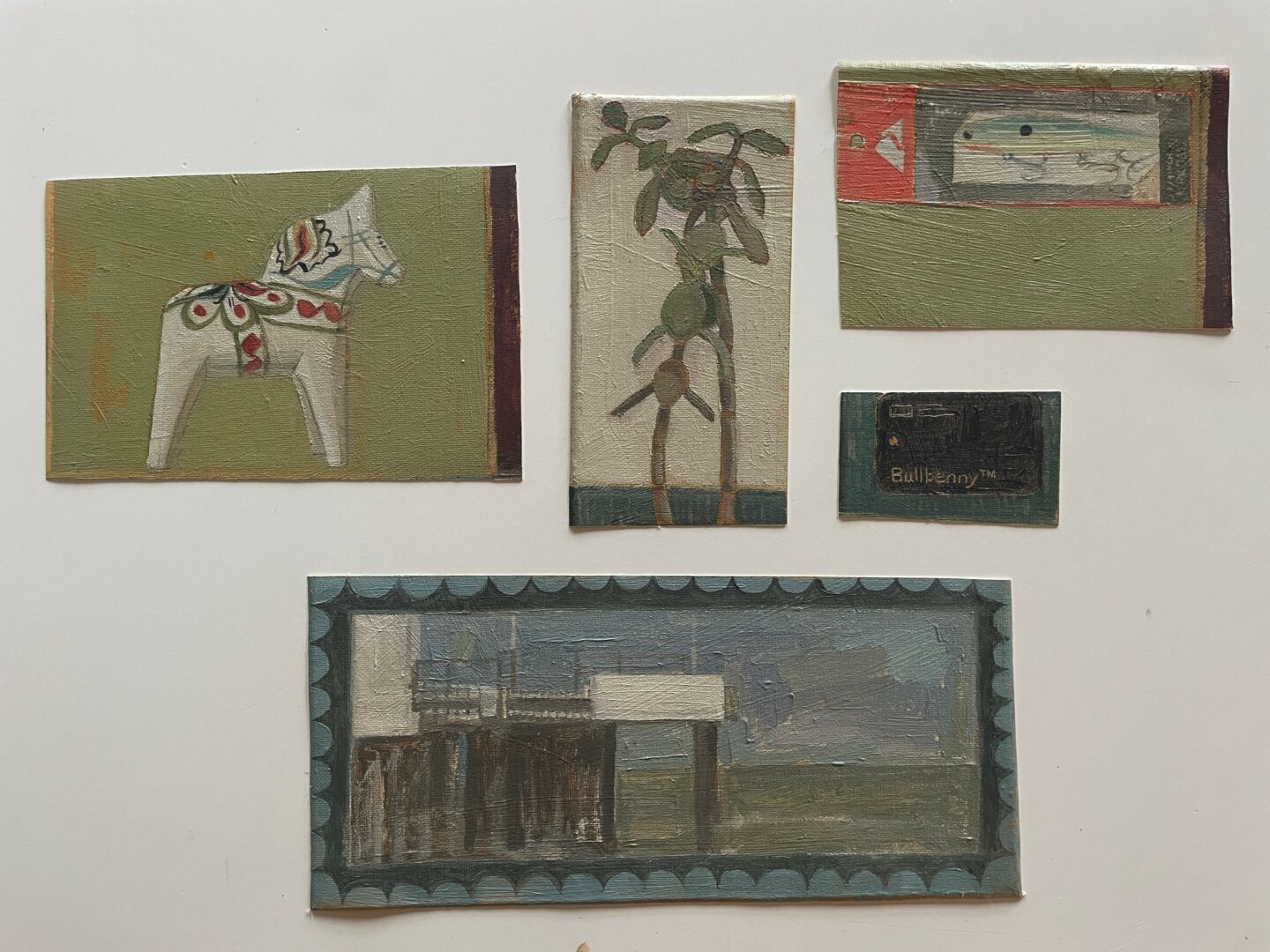
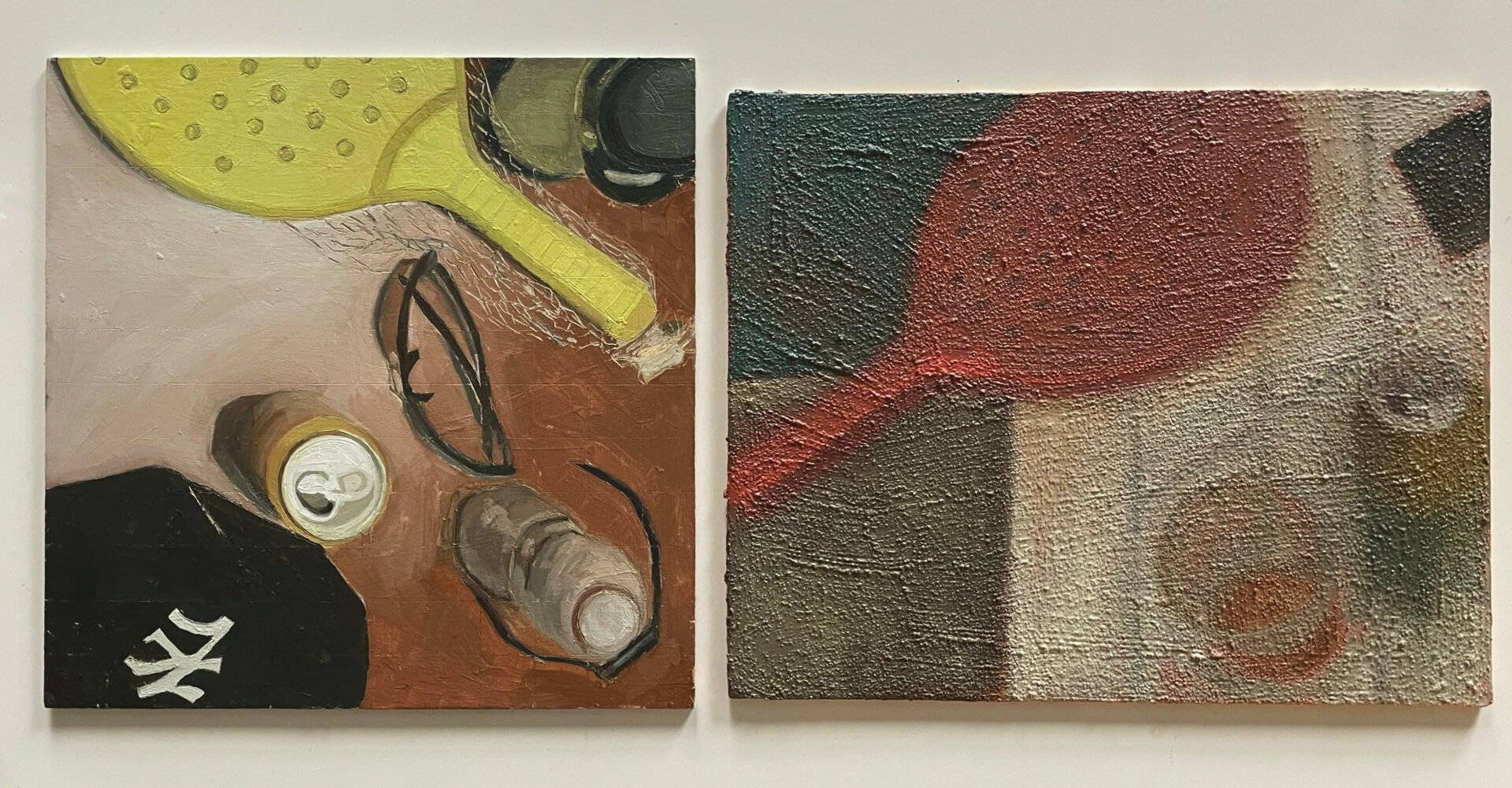
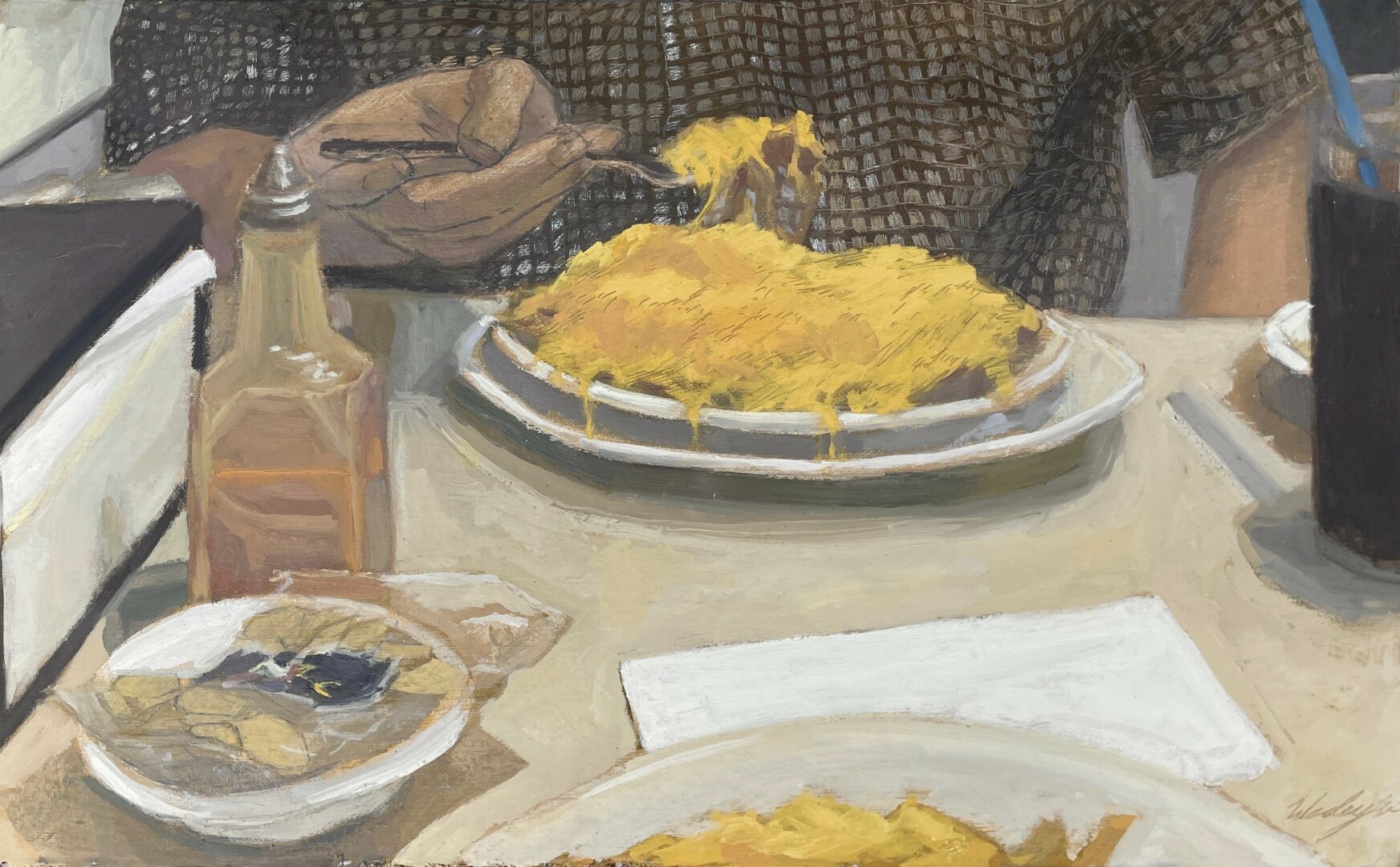
My name is Wesley Ericson, and I’m an oil painter and muralist based in Cincinnati. My work is shaped by my time living in South America, especially my time in various studios like Yerua Taller in Buenos Aires or Bogotá under mentorship of artist Lorena Torres—and by the neighborhoods, shelters and schools that I collaborate with here in the United States. Lately, my themes of focus are exploring through visual definition of my inner and external worlds. To explore the gaps in my identity, bringing presence to memory, and what true belonging feels like, often weaving in traces of recurring motifs and how intimate this dialogue is, whether in the mundane or the everyday hustle.
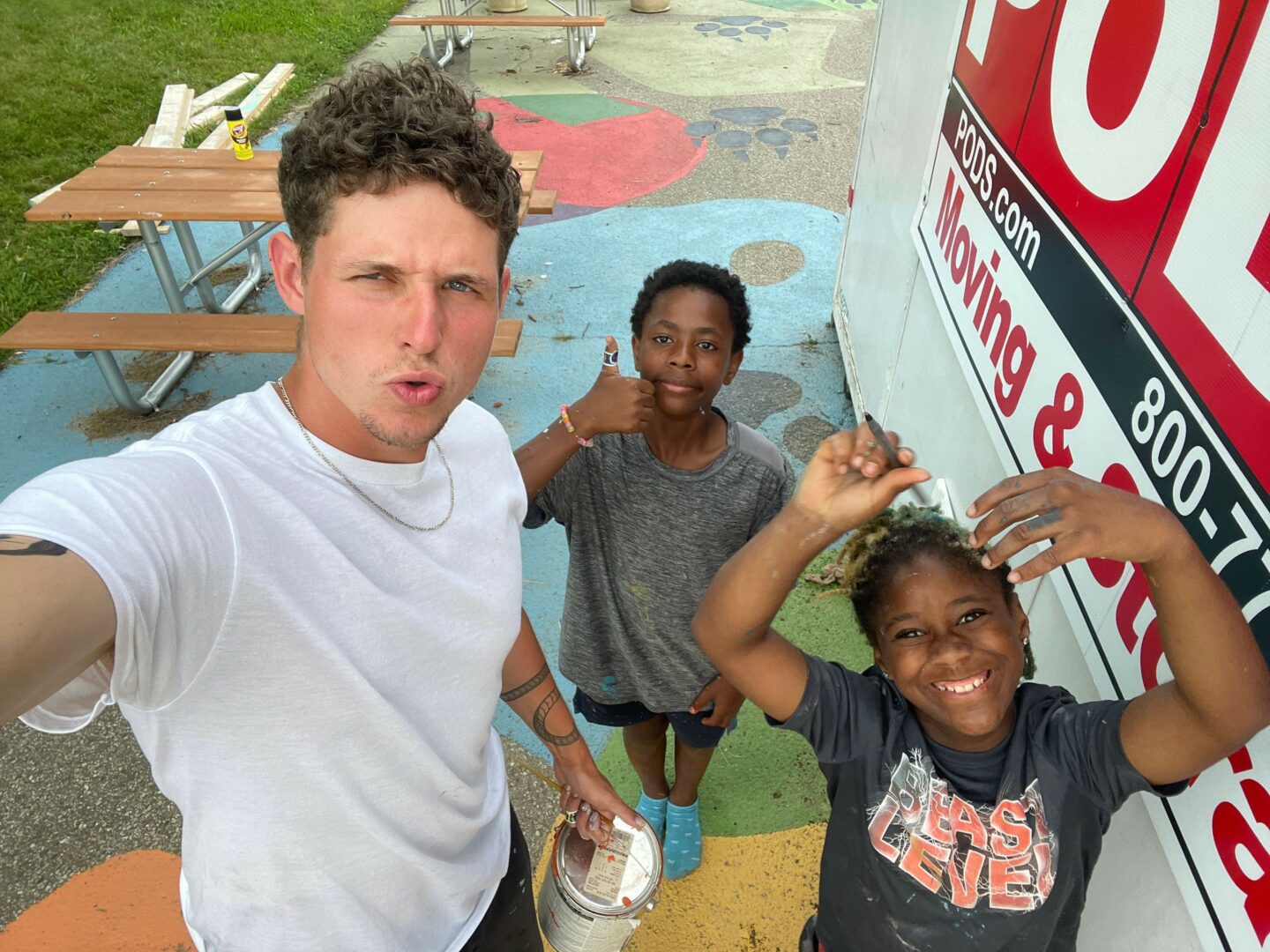
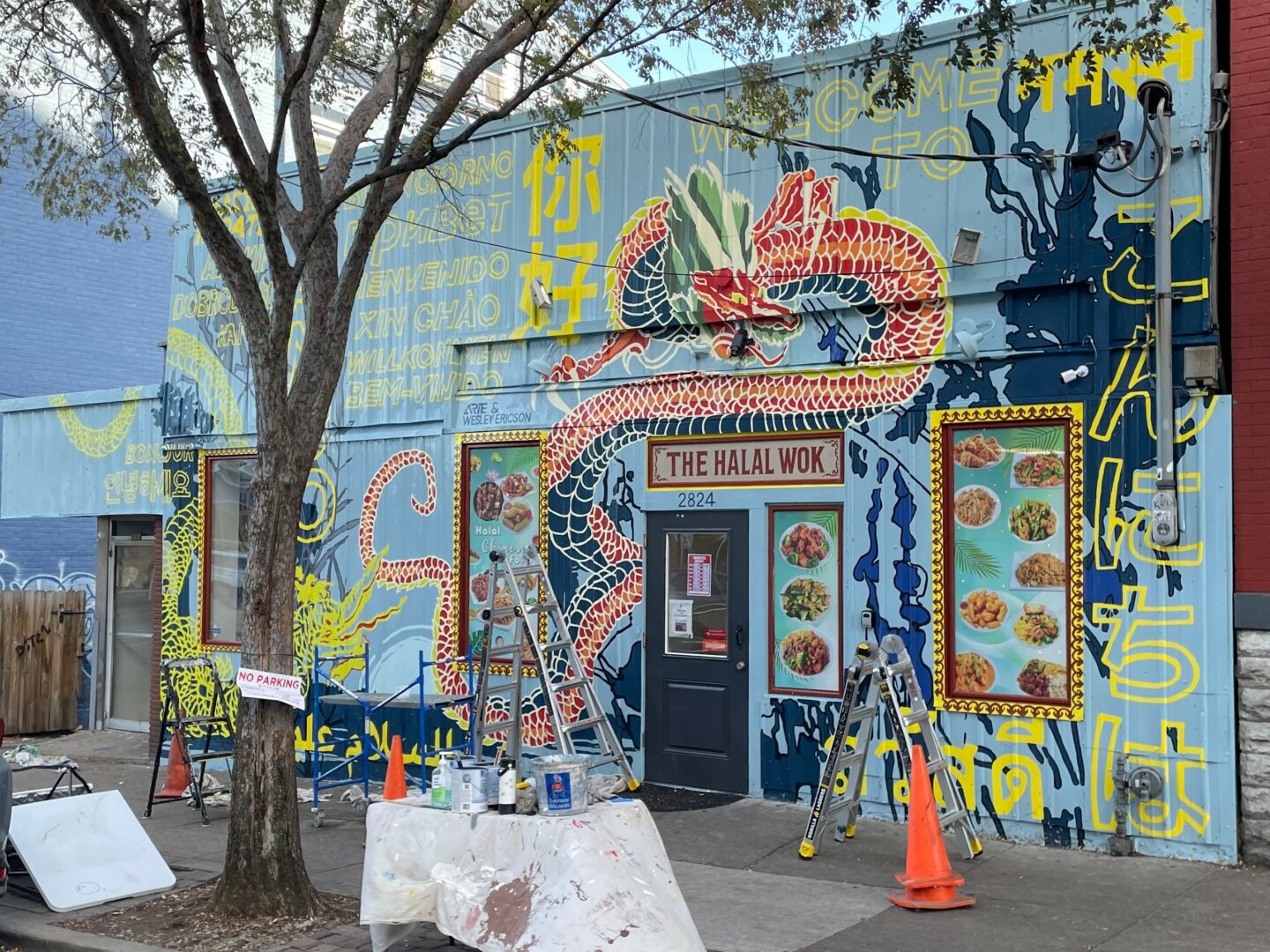
I often serve as a lead artist for Art-Empowerment, a nonprofit centered on communal healing through murals, storytelling, and youth collaboration. What makes my practice unique is the balance between personal studio work and large community projects. I’m committed to building safe spaces—both on canvas and in public areas—where we help people feel seen, connected, and part of something larger than themselves.
Right now I’m expanding a body of oil paintings and other materials that project my ambitions to heal and explore emotions, to transform my thoughts and patterns through the suspension of my underlying subjects on canvas. My goals involve continuing to pursue cultural exchange, while also pursuing more grant-funded public art projects and building deeper relationships with local organizations and other artists.
Thanks for sharing that. Would love to go back in time and hear about how your past might have impacted who you are today. What breaks the bonds between people—and what restores them?
I think bonds between people break when they lose the will to try and accept differences whether big or small, and intentional communication stops. When we start assuming in place of truly listening, or when pressure and unspoken expectations build up. What restores those bonds is usually the opposite: honesty about personal desires and hopes, context that gives the necessary information, and the willingness to meet each other with curious compromise instead of conforming to judgment. Art has taught me that people reconnect when they feel heard and you never know the last time someone felt genuinely listened to.
This informs the part of me that has since served its purpose in the version of myself that survived through every adverse experience alone. For years I accepted a sense of responsibility that made me take on more than I could hold to prove my worth, artistically, financially, and emotionally. That mindset helped me persevere in certain seasons of life, it’s not sustainable. I’m continually learning ease and the balance between immense times of stress, toxic or healthy, and allowing time apart to regain safety. I’m learning to release the instinct to conform to the idealization of overworking and overproving, and instead trust collaboration, rest, and the longevity of my artist practice.
What fear has held you back the most in your life?
The fear that has held me back the most is the fear of disappointment or not accomplished enough, not skilled enough, not financially stable enough to sustain an art career. That fear pushed me to overcommit a lot and say yes to nearly everything, even when it strains me. It took time to realize that fear isn’t a compass, and to recognize that navigation lately starts within trusting myself and accounting for all decisions that shaped who I am to this day.
One thing I changed my mind about after failing hard, is around the idea of what success looks like. The reality is, success looks different for everyone. My measure of success now exists in whether I am actively creating or pursuing artmaking. Early on, I felt obligated to hold every responsibility, and every expectation alone. When inevitably, I realized that collaboration and knowing when to ask for support aren’t weaknesses, they’re the foundation of sustainable creativity. Leadership begins when we see the value of the traits and strengths among our sphere of influence. Since a young age working on large-scale public art projects with groups like Artworks Cincinnati, I valued shared work, shared mentorship, and shared community more than individual perfection. Today I am shifting to a balance of prioritizing myself, to then better serve my ecosystem from a place rooted in a healthy awareness of self.
Next, maybe we can discuss some of your foundational philosophies and views? How do you differentiate between fads and real foundational shifts?
I differentiate between fads and real shifts by observing what sustains people over time. Fads move fast, demand quick reactions, and disappear just as quickly. Foundational shifts create space for deeper questions, long-term growth, and more intentional work. In my practice, I prefer not to speak ill of others and focus on what matters to me and is within my control. This is where I grow and create shifts for my own trajectory. My mantra lately has been asking myself, does this decision bring me closer or further away from being an artist. Anything that feeds my purpose, builds community, or refine my craft usually signals something real, not just a trend.
This corresponds to the facades we put on when in public. This version of me, it’s real, but for the sake of longevity of energy, it can become curated. The version people see through my murals, workshops, or social media is honest, but it’s only a slice of who I am. I respect my dignity, my trade and the value that art serves for everyone. I keep parts of my life and process private because they need space to breathe without an audience. Being said, the real me is the one that shows up consistently, both in the studio and in community spaces, even when no one is watching.
Thank you so much for all of your openness so far. Maybe we can close with a future oriented question. When do you feel most at peace?
I feel most at peace when I’m deep in the process of making—when the painting process reveals resonance and I’m no longer forcing anything. Integration happens when the colors reflect my internal projections while navigating this absurd reality, or other times when I’m working on a mural early in the morning before anyone else shows up. I feel at peace when I’m sharing space, knowledge or creating with others. Acknowledging presence pulls me into the moment and reminds me why I show up as an artist in the first place.
Contact Info:
- Website: https://www.wesleyericson.com/
- Instagram: https://www.instagram.com/wesleyericson/
so if you or someone you know deserves recognition please let us know here.